
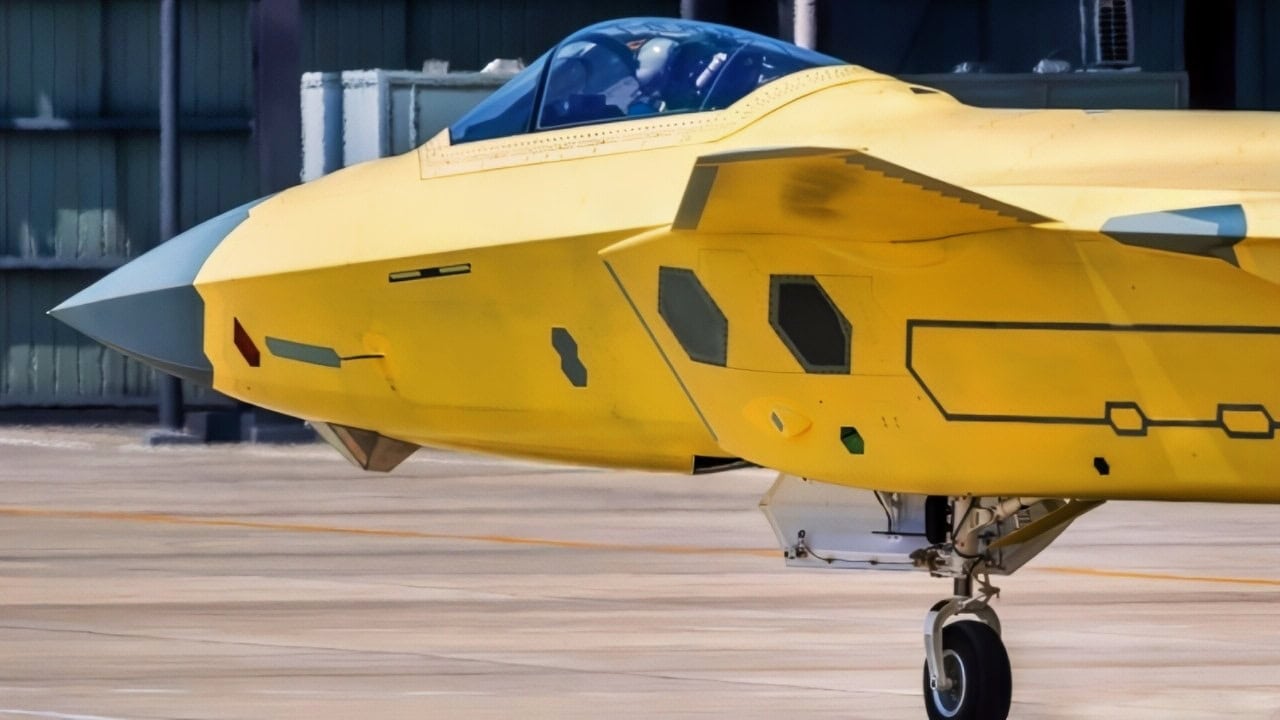
As China’s fifth-generation airpower continues to grow, the United States is once again trying to understand an adversary aircraft it has never seen in combat. China’s Chengdu J-20 “Mighty Dragon” has been in service with the People’s Liberation Army Air Force (PLAAF) since around 2018, but its true capabilities – particularly its stealth performance and sensor fusion – remain somewhat uncertain.
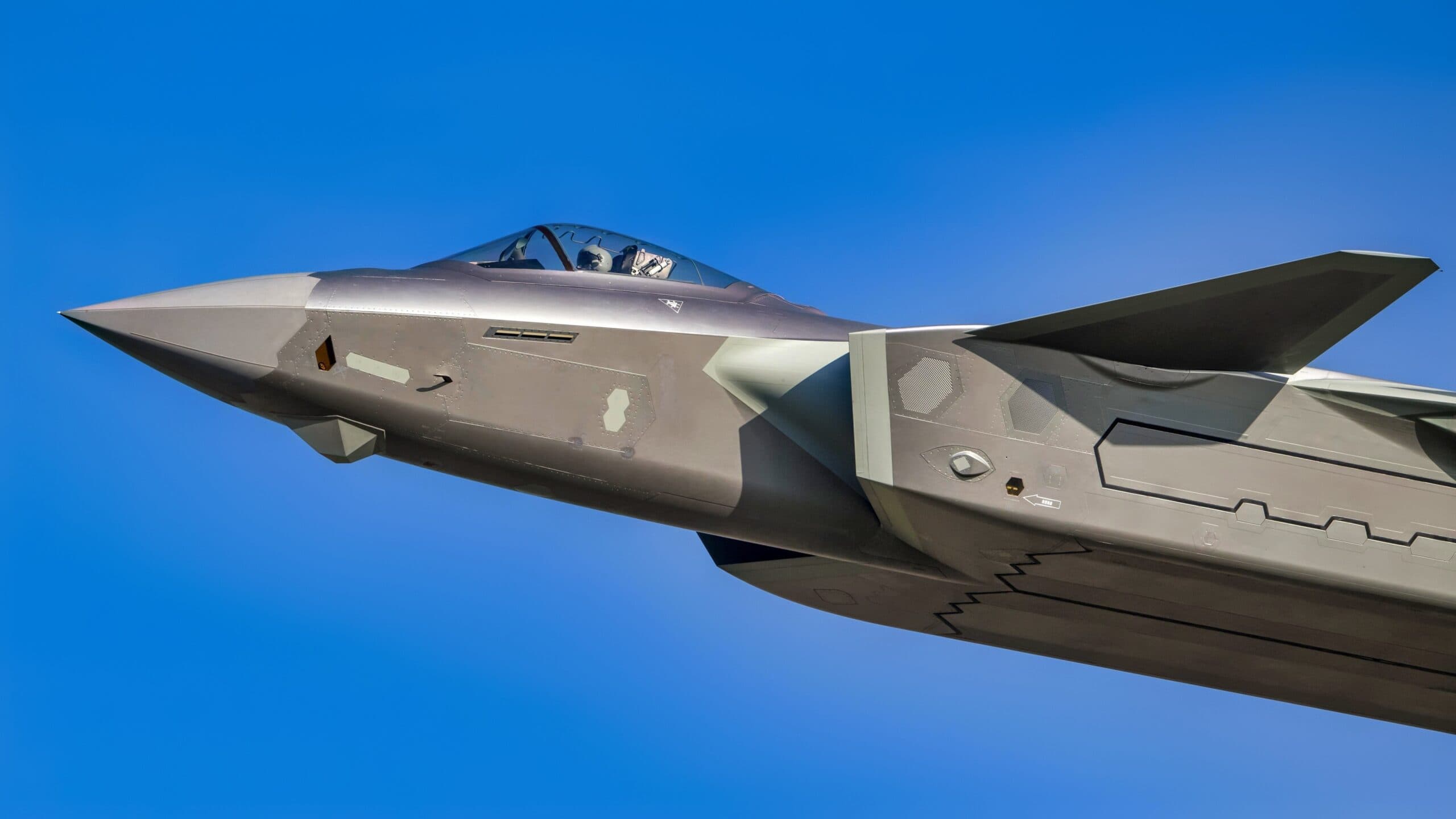
J-20 Fighter. Image Credit: Creative Commons.
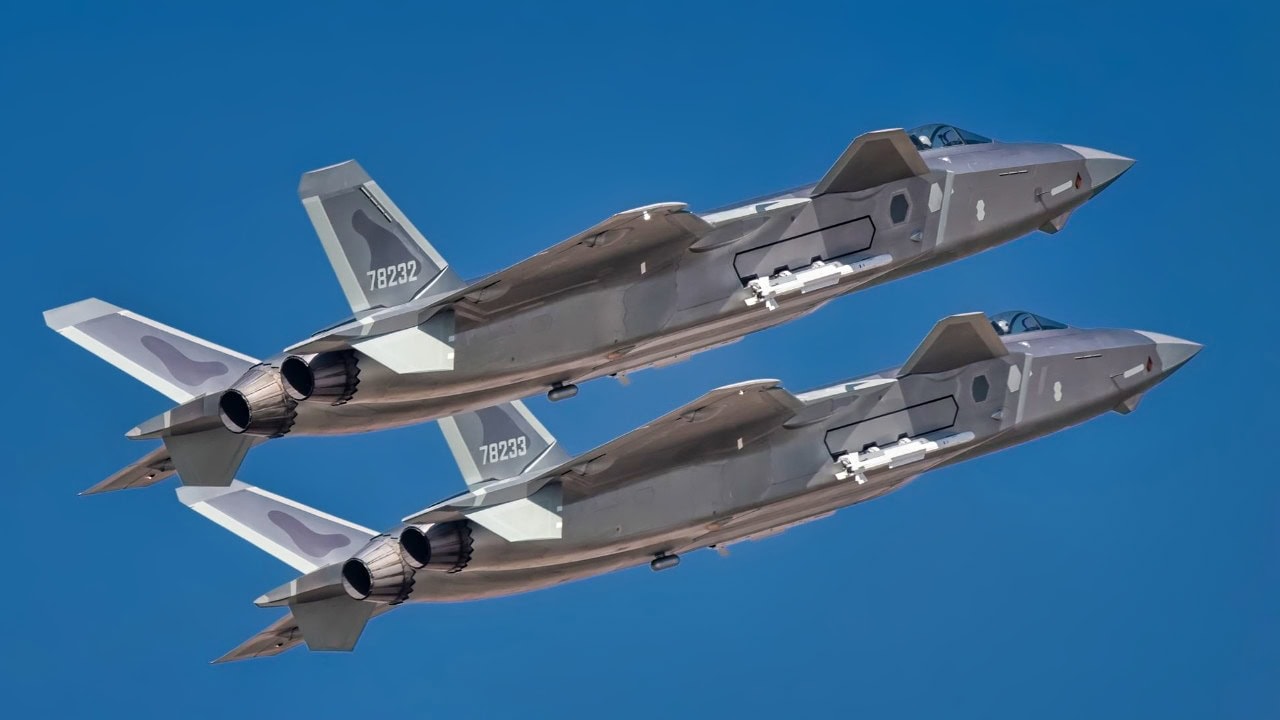
J-20 Mighty Dragon. Image Credit: Creative Commons
The aircraft is not believed to be a true competitor to the F-35 Lightning II in terms of raw power and connectivity, but much of what is publicly known about it only comes from limited official disclosures and analysis of production facilities, rather than real operational data.
The Pentagon’s annual China Military Power Report has repeatedly noted these gaps and addressed both the aircraft’s growing numbers and the uncertainty surrounding its real-world performance.
This isn’t the first time this has happened. During the Cold War, the United States faced a similar intelligence gap with one of the Soviet Union’s most feared aircraft: the MiG-25. For years, Western analysts built an image of the aircraft based on radar tracking and fragmentary intelligence.
Then, on September 6, 1976, a Soviet pilot, Viktor Belenko, landed in Japan. Within weeks, much of what the West thought it knew about Soviet air power began to unravel.
The MiG-25’s Design and Purpose
The MiG-25 “Foxbat,” designed by the Mikoyan-Gurevich bureau under Rostislav Belyakov, began development in the late 1950s and entered service in 1970 as a high-speed interceptor for the Soviet Air Defense Forces.
Its primary mission was to counter perceived U.S. threats such as the Mach 3-capable B-70 Valkyrie bomber program and high-altitude reconnaissance aircraft like the Lockheed SR-71.

XB-70 photo taken at U.S. Air Force Museum by 19FortyFive in 2025.
The aircraft’s specifications were, on paper, formidable. It could reach speeds approaching Mach 2.83 in sustained flight and exceed Mach 3 in short bursts, though doing so risked severe engine damage to its Tumansky R-15 turbojets.
It could climb to altitudes above 80,000 feet, placing it among the highest-flying operational combat aircraft of its era. And, its Smerch-A radar and long-range R-40 (AA-6 Acrid) missiles were optimized to intercept large, high-altitude targets rather than engage in close-range dogfights.
What made the MiG-25 particularly alarming at the time was not just its performance, but how little was known about it. Western intelligence relied on radar returns and satellite imagery to gather intelligence, as well as occasional public appearances – the most notable being the 1967 Domodedovo Air Show near Moscow, where the aircraft’s speed and size shocked observers.
Analysts initially assumed the aircraft used advanced materials, such as titanium, similar to the American SR-71 Blackbird, and that its performance indicated high maneuverability.
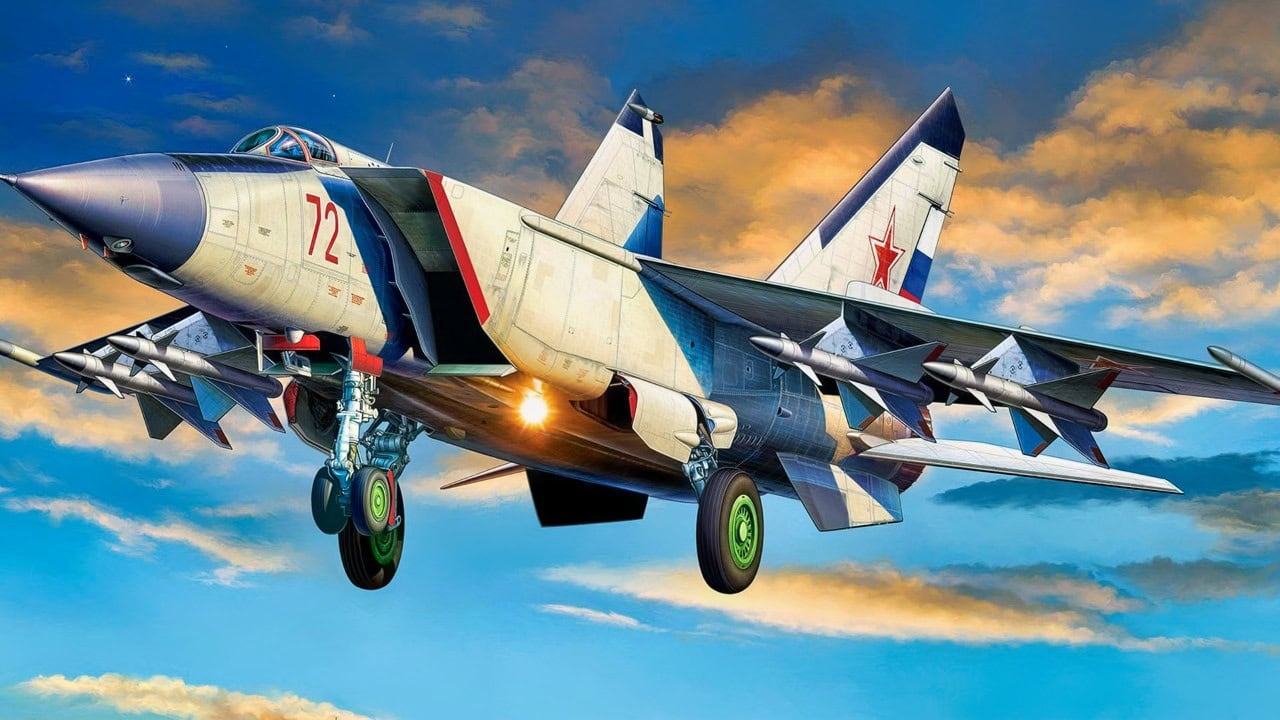
MiG-25 Russian Fighter-Bomber. Image Credit: Creative Commons.
The perceived threat posed by those assumptions drove the development of the F-15 Eagle, which first flew in July 1972 and entered service in 1976. The U.S. Air Force had sought an air superiority fighter capable of countering high-speed Soviet aircraft, even though the true nature of the threat was not fully understood at the time.
The Famous Viktor Belenko Defection
Viktor Belenko, a senior lieutenant in the Soviet Air Defense Forces, took off on September 6, 1976, from Chuguyevka Air Base in the Russian Far East, flying a MiG-25P interceptor. Shortly after takeoff, he broke formation and descended to low altitude to evade Soviet radar coverage. His story is perhaps the most famous of all defections.
With limited fuel and a narrow margin for error, Belenko flew toward Japan and ultimately landed at Hakodate Airport on the island of Hokkaido. He arrived at high speed, overshooting the runway and nearly crashing before bringing the aircraft to a stop.
Japanese authorities soon detained him, and he requested political asylum in the United States. The Soviet Union demanded the immediate return of both the pilot and the aircraft, and while Japan eventually returned the MiG-25, it did so only after allowing U.S. and Japanese experts to examine it in detail. Over roughly two months, the aircraft was disassembled and inspected before being shipped back to the Soviet Union in crates.
Inspections revealed that, unlike earlier assumptions, the MiG-25’s airframe used mainly nickel-steel alloys—not advanced lightweight materials. Its avionics relied heavily on vacuum tube technology.
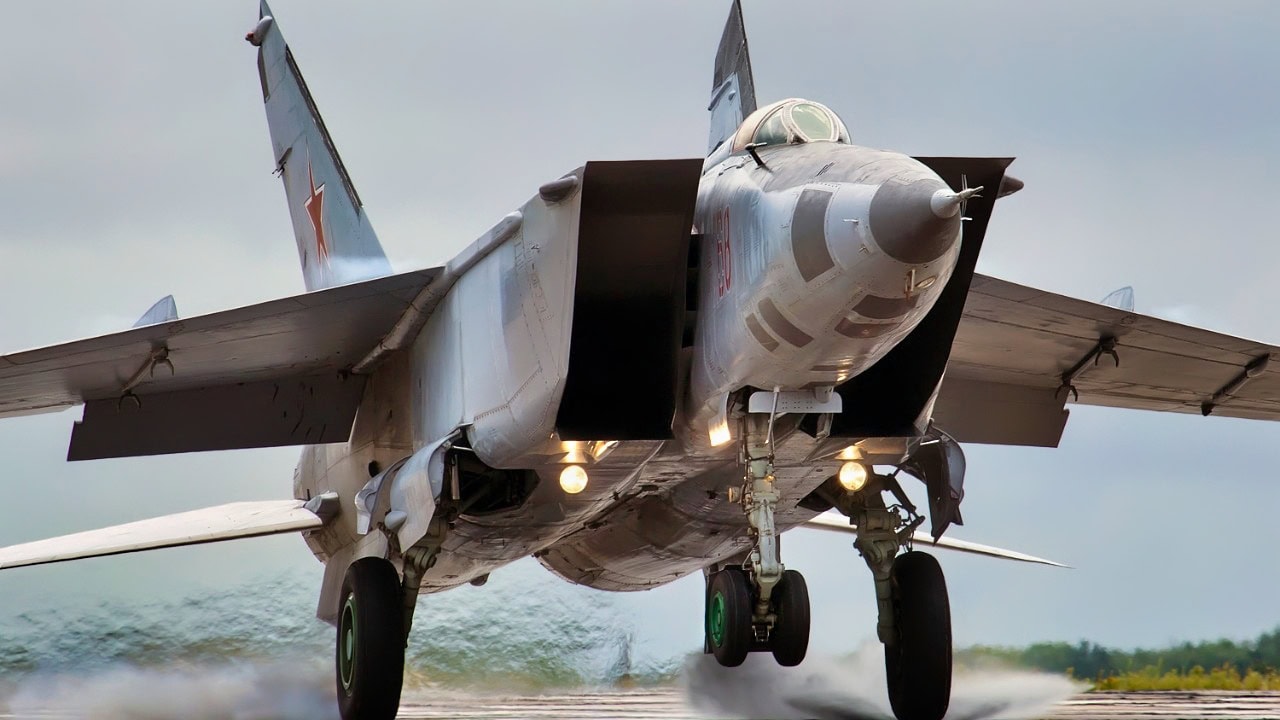
MiG-25 Foxbat. Image Credit: Creative Commons.
This was robust and resistant to electromagnetic interference, but far less sophisticated than Western solid-state systems. The radar was powerful but optimized for large targets at long range, not for complex air-to-air combat.
Perhaps most importantly, the aircraft’s performance profile revealed critical limitations. While it could reach extraordinary speeds and altitudes, it lacked maneuverability and could not sustain its top speeds without risking engine failure.
The MiG-25 was not an air superiority fighter in the Western sense, but a specialized interceptor designed for a very specific mission set. It meant the U.S. had to fundamentally reassess its view of Soviet airpower, with an aircraft once viewed as a game-changer revealed to be far less capable than originally believed.
Cold War Defections and How the West Acquired Soviet Aircraft
Belenko’s defection was not the first time the U.S. and its allies gained access to Soviet aircraft through unconventional means. During the Cold War, defections gave rare but valuable intelligence.
In 1953, the U.S. launched Operation Moolah, offering a $100,000 reward for anyone delivering a MiG-15. That September, North Korean pilot No Kum-sok flew his MiG-15 to Kimpo Air Base in South Korea. This gave the United States its first chance to examine the aircraft in detail.
In 1966, Iraqi Air Force pilot Munir Redfa defected to Israel in Operation Diamond, flying an MiG-21 to an Israeli airbase. The aircraft was subsequently evaluated by Israeli and U.S. personnel, providing insights into one of the Soviet Union’s most widely deployed fighters. That intelligence played a role in shaping U.S. tactics during the Vietnam War.
Incidents like these were not exactly common, but they happened often enough to provide the U.S. with valuable intelligence over the decades. They provided direct access to radar systems and flight performance characteristics that could not be reliably inferred solely from remote intelligence collection. And in each case, the value wasn’t just in the aircraft itself but in the ability to test them and understand them under controlled conditions for extended periods of time.
Will There Be Another Belenko Moment? The J-20 Dream
It’s hard to say whether we’ll ever have a moment like the Belenko defection ever again, particularly as sixth-generation aircraft arrive with “wingmen” drones and, in time, move to full automation.
But in the meantime, there’s still a lot to learn about adversaries’ fifth-generation aircraft. China’s J-20 has been in operational service since around 2017 and is now fielded across multiple PLAAF units, with estimates suggesting at least 300 J-20 aircraft in service and production continuing to accelerate.
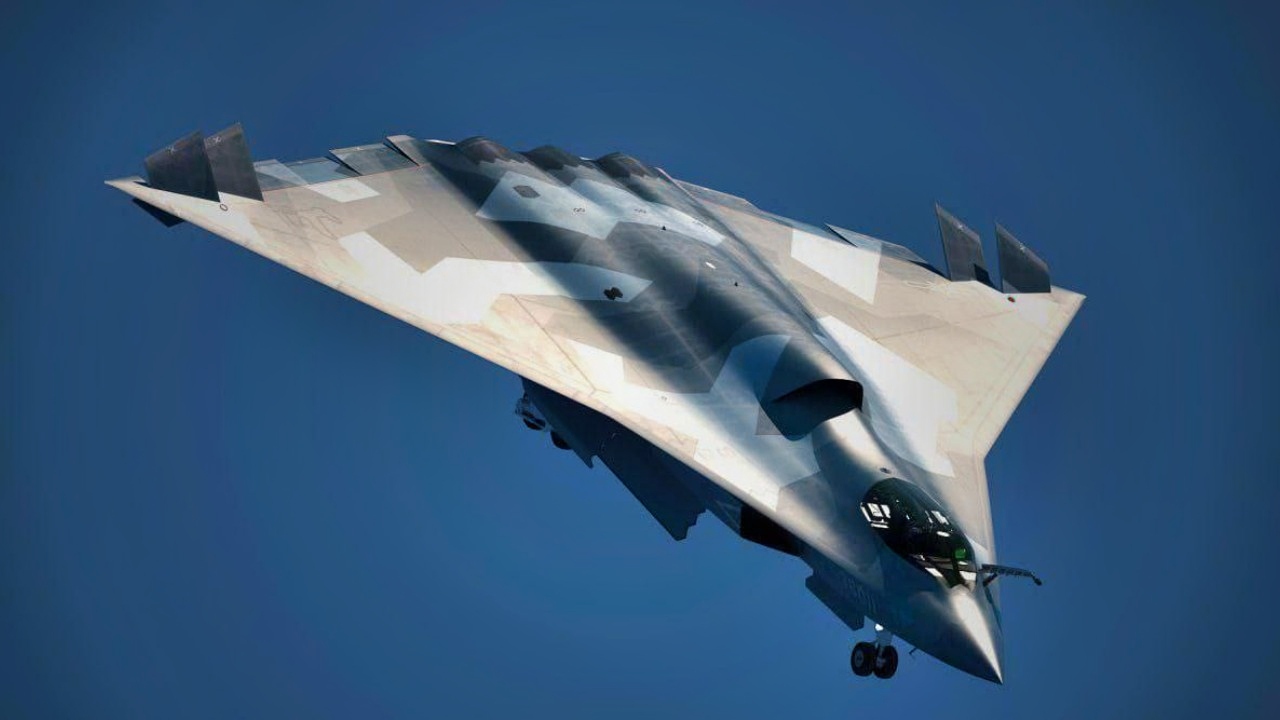
J-36 Fighter Artist Rendition. X Screenshot.
As the United States prepares for a potential air war against a fleet it has never examined up close, it is doing so without the kind of direct technical access that reshaped its understanding of the MiG-25 in 1976. Maybe a J-20 defection will happen someday? You never know.
MORE – ‘Slap a Cage on It’: The Cheap Way To Save U.S. Army Tanks from Drone Swarm Attack
MORE – The Army’s New M1E3 Tank Is a Drone Warrior
About the Author: Jack Buckby
Jack Buckby is a British researcher and analyst specializing in defense and national security, based in New York. His work focuses on military capability, procurement, and strategic competition, producing and editing analysis for policy and defense audiences. He brings extensive editorial experience, with a career output spanning over 1,000 articles at 19FortyFive and National Security Journal, and has previously authored books and papers on extremism and deradicalization.

