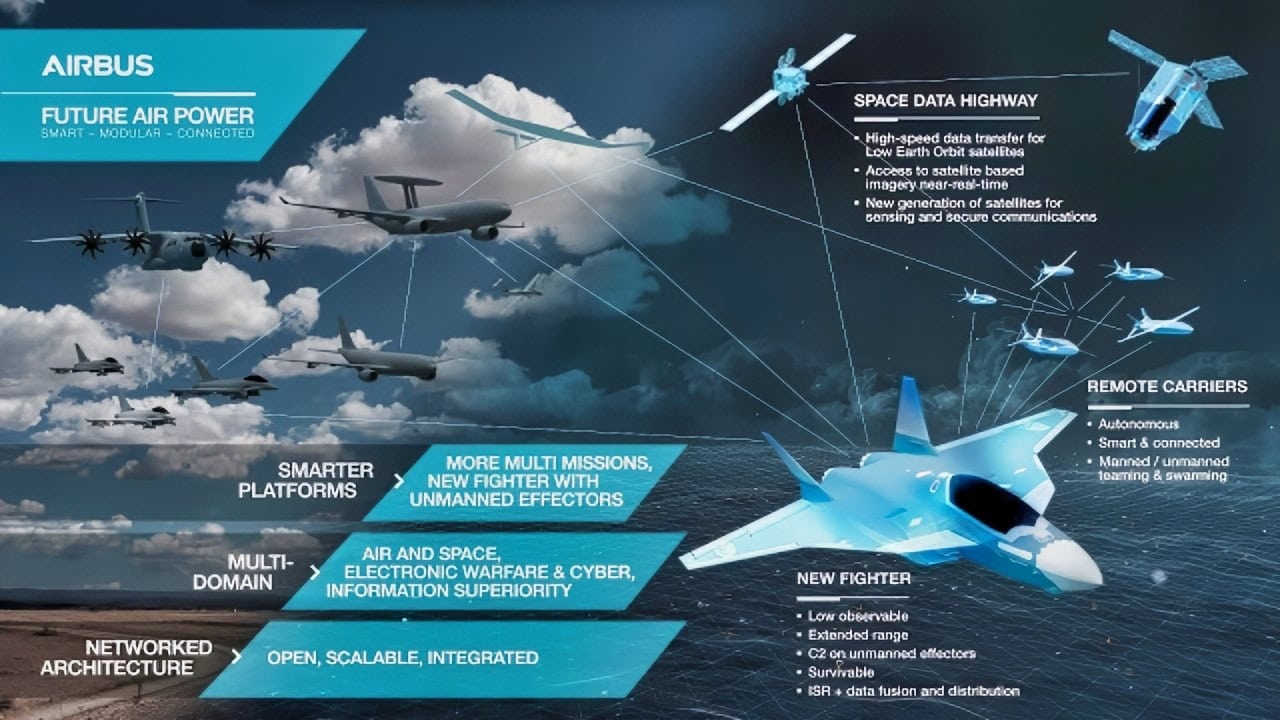
The Franco-German-Spanish Future Combat Air System (FCAS) has been on the rocks for months – and if things continue to go wrong, it could soon be headed for collapse. Despite mediated talks between Dassault Aviation and Airbus, the deal is still floundering as the former insists on leading its core element: a cutting-edge fighter jet concept.
France Vies for Control
The main thrust of the FCAS program is the New Generation Fighter, a crewed combat jet.
A source close to the talks told Reuters over the weekend that the German mediator would file a report concluding that building a joint piloted fighter was no longer “feasible”.
This could be a huge blow to an initiative first launched by Paris and Berlin almost a decade ago in 2017, with Spain entering in 2019. At first, the plan was to develop a family of systems, not just one jet. There would be stealth fighters, unmanned platforms, and a networked combat cloud, all using sensors, software, and weapons simultaneously. While collaboration on the elements aside from the jet could continue if the deal otherwise winds down, this was far from what was initially promised.
Project Worth Almost 120 Billion Dollars
Dassault, which builds France’s prized Rafale jets, has long stressed its aim to head up the fighter jet’s development. Meanwhile, Airbus, representing German and Spanish interests, has resisted any arrangement that would render it the subordinate partner.
The dispute is over who controls a project valued at roughly €100 billion (about 117.7 billion USD). Defense News reported in February that Airbus CEO Guillaume Faury had already floated a “two-fighter solution,” arguing that deadlock over the fighter pillar should not sink the whole program.
That proposal itself was extremely telling. Rather than presenting FCAS as a fully unified future platform, Airbus was effectively acknowledging that the partners may no longer share the same vision.

FCAS. Image Credit: Industry Handout.
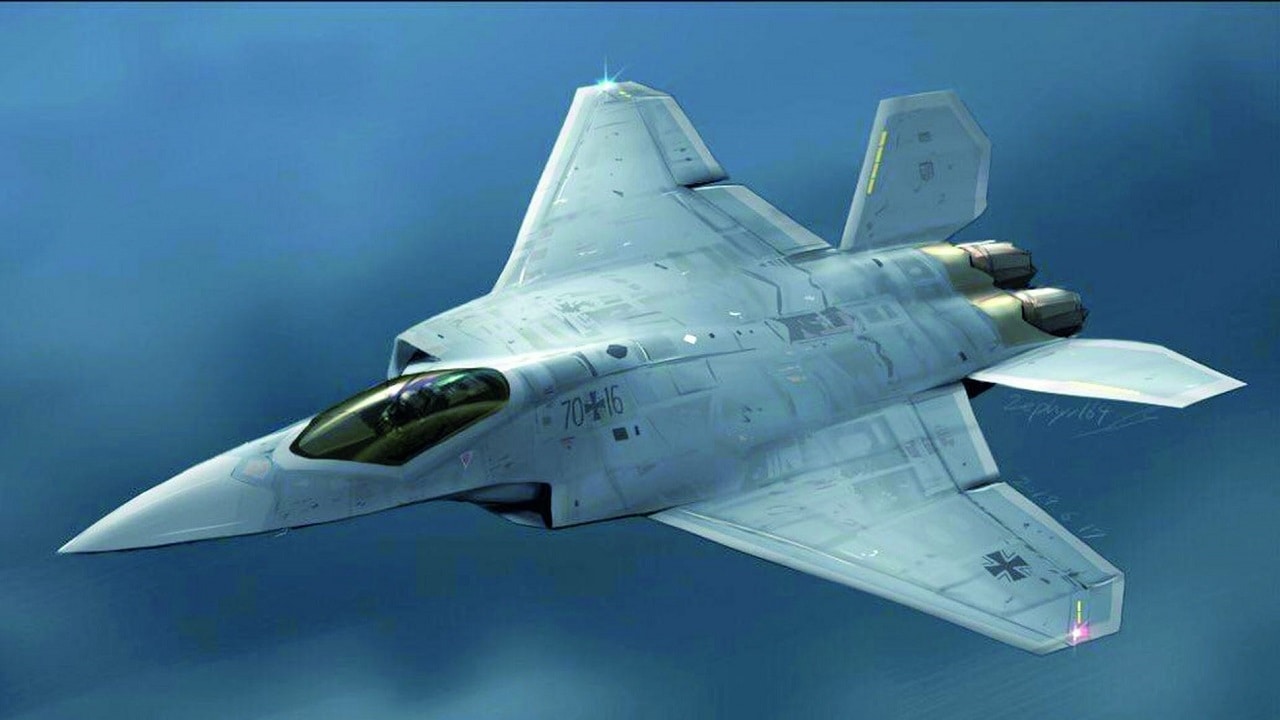
FCAS. Image Credit: Creative Commons.
Faury outlined that France, Germany, and Spain were still making progress in other areas such as the combat cloud, remote carriers, and the engine, but that the next-generation fighter segment was still stuck at “a difficult junction.” Airbus had backed a possible split approach earlier this year if governments requested it.
Different Countries, Different Needs
Last month, Macron and Merz discussed the troubled program at a European Union summit, and no progress was made. Merz also previously admitted that the diverging priorities of the two main camps could kill the deal.
He stated that Germany did not require the same aircraft as France, which demands a fighter able to deliver nuclear weapons and conduct carrier operations. This chasm between the countries’ different needs is real, and it simply adds to the case for scrapping the deal altogether.
Aside from all these specifics, the bottom line is that FCAS is steadily becoming a test case for Europe’s defense-industrial woes. European countries claim they want greater strategic autonomy, higher defense spending, and less military dependence on the United States, yet their biggest cooperative programs still cannot see eye to eye on key issues.
A March piece from the Center for European Policy Analysis argues that FCAS has highlighted, rather than solved, Europe’s issues with procurement nationalism and industrial fragmentation.
Rival Jet Program Remains On Track
The contrast with the rival Global Combat Air Program, or GCAP, has also become harder to ignore. The GCAP, led by the United Kingdom, Italy, and Japan, is expected to enter service by 2035, while FCAS, aimed at the 2040 timeframe, has become mired in repeated public disputes.
Even that comparison should be treated cautiously, since GCAP has its own tensions, although FCAS has become the more visible symbol of how difficult truly multinational European fighter development remains.
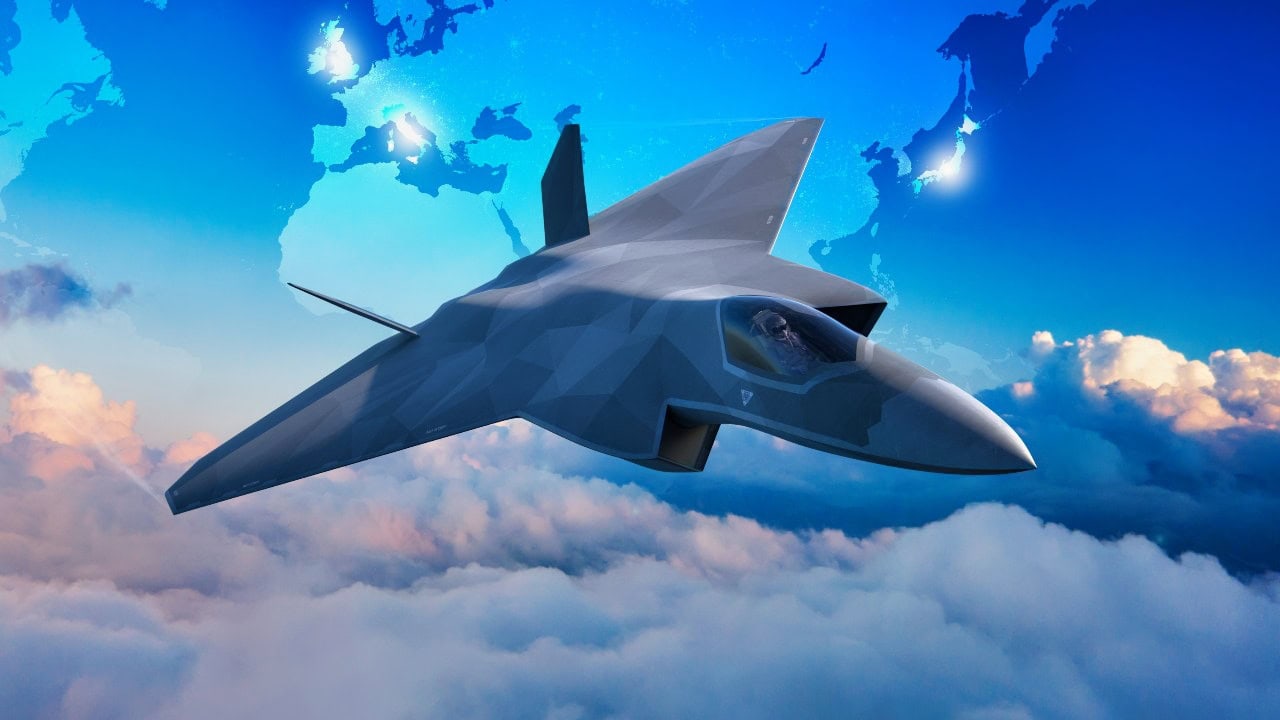
GCAP. Image Credit: Industry Handout.
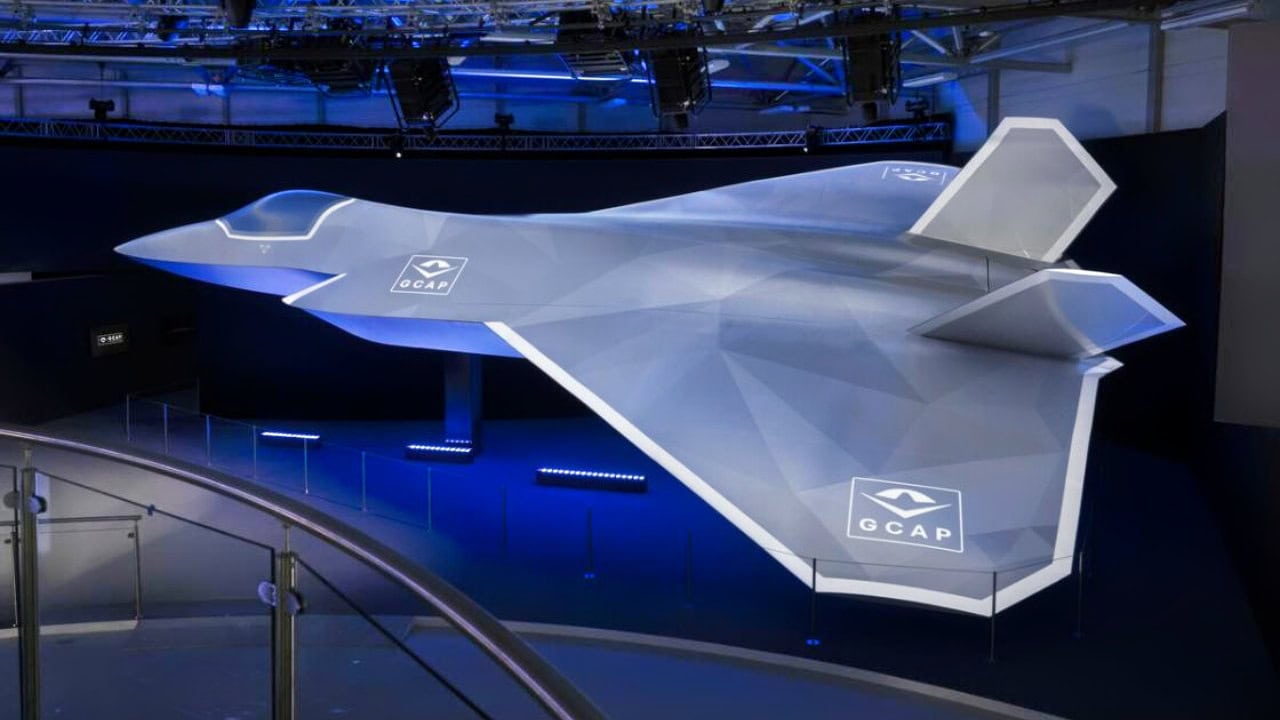
GCAP 6th Generation Fighter
While the program is not officially dead, no one, aside from the most blinkered optimist, would declare it to be in full bill of health.
There is still room for political leaders to intervene, and Airbus continues to argue that the broader FCAS concept is worth salvaging.
The collapse of this urgent mediation suggests the dispute is no longer just a brief negotiation snag but a step toward admitting that, not for the first time in their history, France and Germany are simply not willing to agree on the fundamentals.
About the Author: Georgia Gilholy
Georgia Gilholy is a journalist based in the United Kingdom who has been published in Newsweek, The Times of Israel, and the Spectator. Gilholy writes about international politics, culture, and education. You can follow her on X: @llggeorgia.