
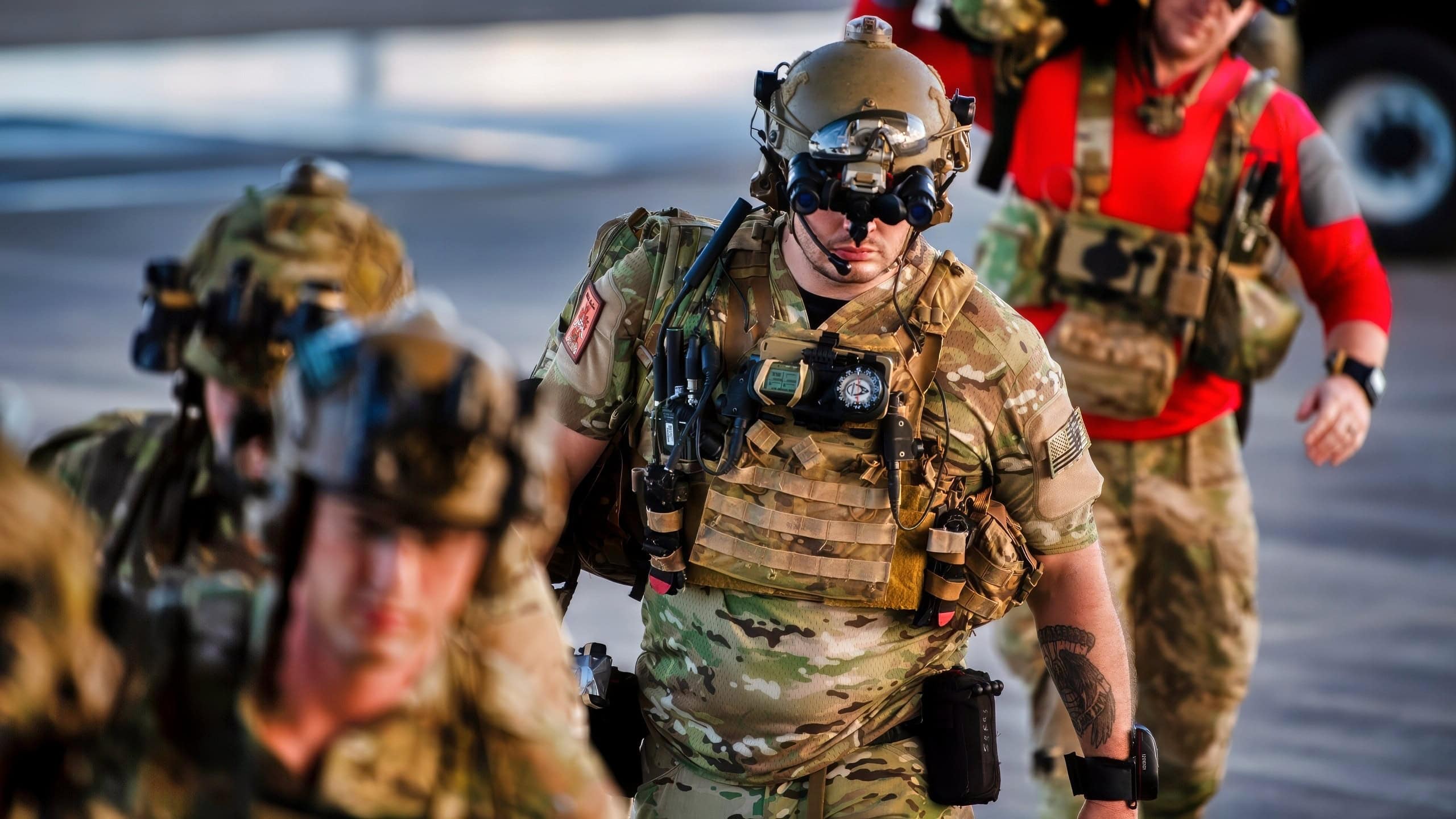
Why Saving Wounded American Military Personnel Is In Everyone’s DNA: This was a race against time that set the whole country on edge. An F-15E Strike Eagle was shot down in Iran. The pilot punched out and was rescued alive, but his back-seat weapons systems officer was still missing. I was filled with dread, as was the National Command Authority in Washington, DC. The president received numerous briefings, waiting for good news for over 48 hours last weekend. The crewman was in danger, and it was going to take a huge rescue mission led by Joint Special Operations Command to get him out alive.
Iran War Rescue Mission Failure Would Have Been Disastrous
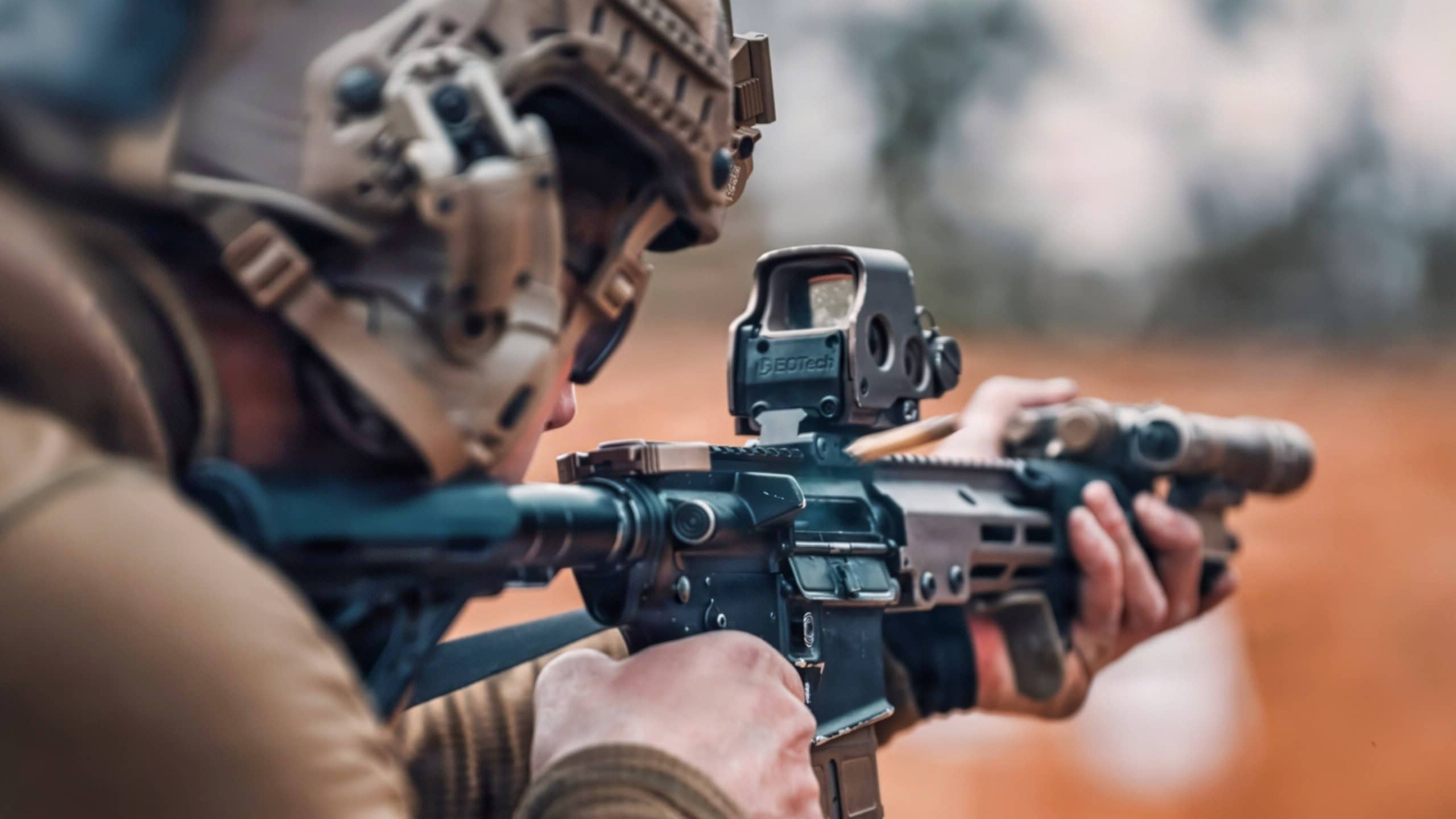
A U.S. Army Green Berets assigned to 3rd Special Forces Group (Airborne), fires his M4 carbine while conducting enhanced rifle and pistol marksmanship during the Special Forces Advance Urban Combat (SFAUC) course at Fort Bragg, North Carolina, Jan. 30, 2026. SFAUC is a three-week training exercise that covers major battle tasks and drills for Green Berets, including small-unit tactics, breaching techniques, team coordination, close quarter battle drills, enhanced marksmanship shooting drills and full mission profiles, to prepare them for a variety of real-world complex environments. (U.S. Army photo by Sgt. Edward Randolph)
Failure by the Americans or capture by the Iranians would have been unthinkable.
The Iranians could have held him indefinitely – parading him through Tehran for state-run media to gloat over.
He could have been interrogated, tortured, and starved. The Iranians were capable of anything.
Daring Raid With Many Aircraft
But with an intricately planned operation that included the MC-130J Commando II transport/tanker aircraft, AH-6 and MH-6 Little Bird helicopters, and a large number of support aircraft for ground-strike missions, such as the A-10 Warthog, the missing colonel was saved, and the nation breathed a sigh of relief.
CSAR Is King
The U.S. military has a sacred oath for all pilots. If you go down, we will save you. No aerial mission is flown without a plan for combat search and rescue (CSAR) from some of the most daring specialists in the business.
CSAR is mainly conducted by U.S. Air Force Pararescue operators, or “PJs.” These members of the special operations community are among the most highly trained personnel in the business. It takes years to become qualified.
They are prepared to rescue pilots on the ground, in bitterly cold or blisteringly hot conditions, in water, or across any terrain. They are trained in emergency medicine and can deploy to combat zones for complex airborne operations that save aviators from the greatest dangers.
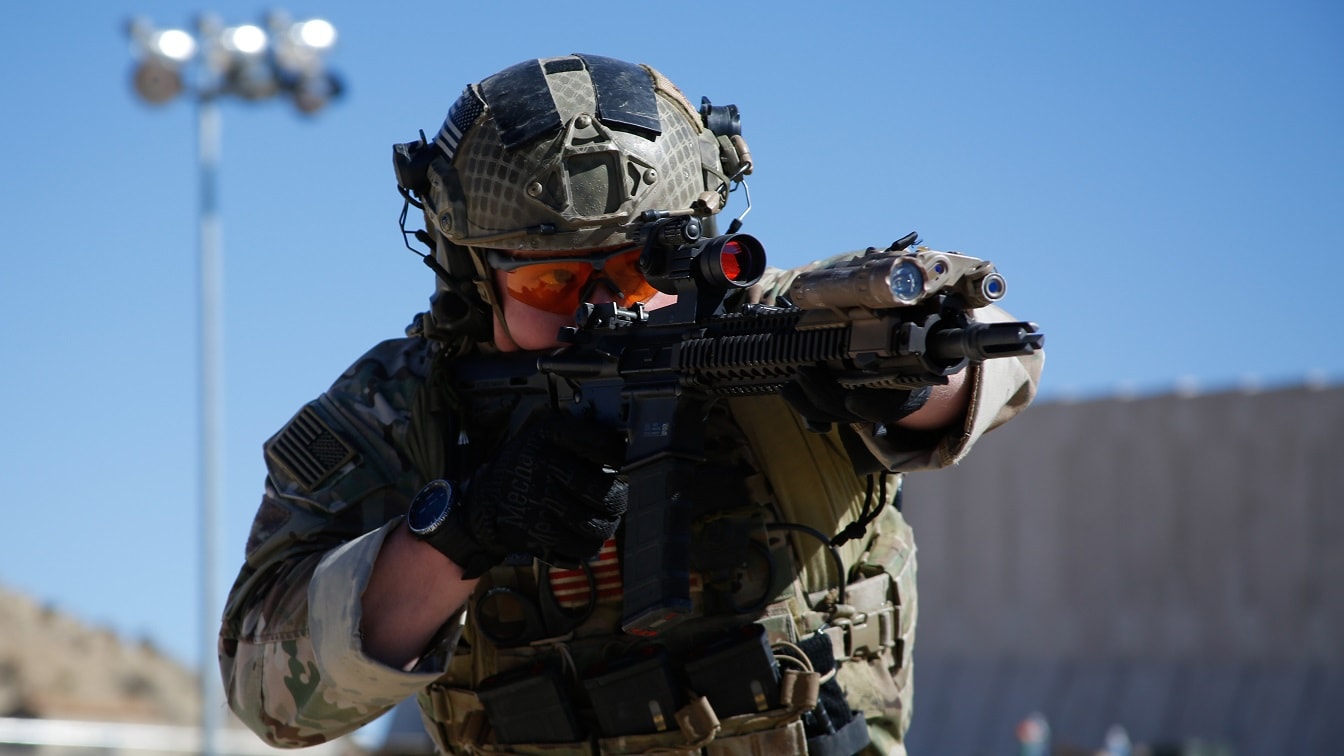
A U.S. Army Special Forces Soldier, assigned to 10th Special Forces Group (Airborne), qualifies at a stress shoot range at Ft. Carson, Colorado, Mar. 3, 2016. The stress shoot was designed to test these soldiers for actions seen in combat operations. (U.S. Army photo by Sgt. Connor Mendez)
Survive, Evade, Resist, and Escape
Meanwhile, American pilots attend SERE (Survival, Evasion, Resistance, and Escape) school.
They know how to respond when shot down in hazardous conditions. The colonel who ejected from the F-15E used his SERE training to survive. The PJs expect aviators to respond predictably to improve rescue coordination.
High Risk – High Reward
As President Donald Trump said on April 6, “We could have ended up with a hundred dead as opposed to one or two.” He said, “It’s a hard decision to make,” but in our military, “We leave no American behind,” according to Business Insider.
Could This Have Been an Iranian Ploy to Ambush the Rescue Team?
Trump and his national security team were concerned that the colonel might already have been captured by Iran when he sent his first messages to the rescuers with a “God is Good” transmission.
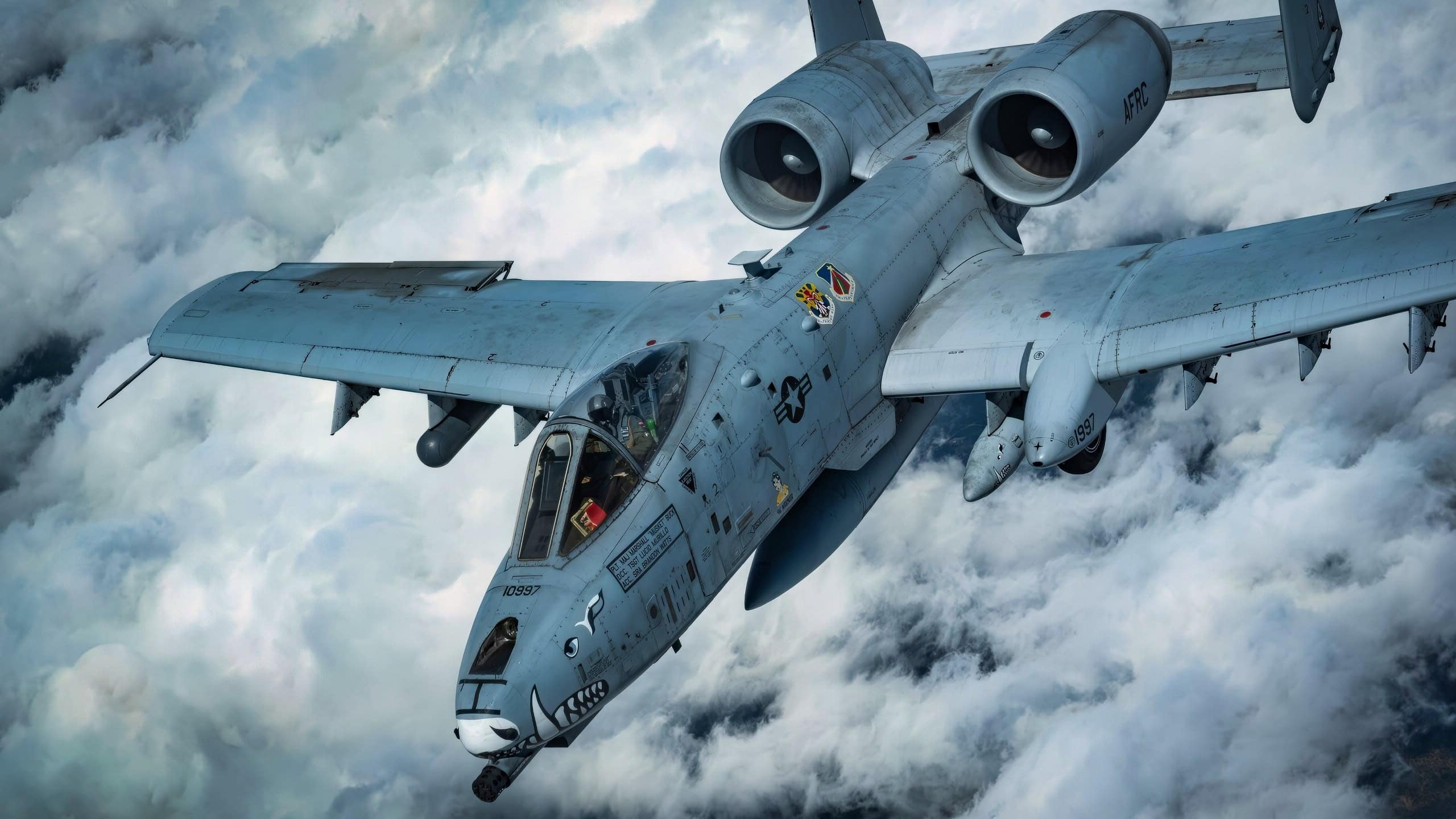
A U.S. Air Force Reserve A-10 Thunderbolt II assigned to the 64th Air Expeditionary Wing banks right after refueling from a U.S. Air Force KC-135 Stratotanker assigned to the 336th Air Refueling Squadron, March Air Reserve Base, California, during exercise Resolute Sentinel 23 over Talara, Peru, July 19, 2023. Resolute Sentinel improves readiness of U.S. and partner nation military and interagency personnel through joint defense interoperability training, engineering projects and knowledge exchanges. (U.S. Air Force photo by Master Sgt. Chris Hibben)
Since he expressed gratitude to God, the White House wondered whether this was some Iranian ruse to lure the rescuers in and then ambush the relief team.
It was determined that the downed crewman was indeed religious, and it was in character for him to thank the Almighty for his rescue.
The operation continued. These are the kinds of risks the military is used to taking to help one of its own.
No Rescue; No Confidence
Without CSAR and SERE training, pilots would not have the confidence and morale to fly dangerous missions.
They know they have a lifeline if shot down, and this social contract is one way our brave aviators function so well in combat.
“The belief that you will fight to the death for someone else on your team is so very powerful to give those folks the motivation to go forward and do what they need to do, and that’s reciprocal throughout,” said John Venable, a retired Air Force pilot and expert at the Mitchell Institute for Aerospace Studies, who Business Insider interviewed.
Rescue Is Instilled in Everyone
Leaving no one behind is drilled into American military personnel during service.
They are instructed always to save downed comrades.
Even in simple battle drill exercises in the U.S. Army, observer/controllers will “wound” a member of the aggressor team and evaluate how well leaders respond to the contingency.

A-10 Warthog. Image Credit: Creative Commons.
Those who can prove they will evaluate a casualty and evacuate the victim receive a passing grade.
This instills confidence in everyone involved. Soldiers, marines, sailors, and airmen know that someone will be on the way if they are wounded and incapacitated.
The Author’s Relative Saved a Group of Wounded Soldiers
My grandfather served in World War II with the 13th Infantry Regiment of the 8th Infantry Division.
During the Battle of Stommeln near Cologne in Germany, he dodged enemy tanks and machine guns to rescue a group of wounded and trapped fellow soldiers. He ran to a house under heavy fire and brought them all back alive by rallying troops to bring the wounded out.
He also carried a soldier on his back. For this experience, he received a Bronze Star with Valor. (I always thought that act should have been upgraded to a Silver Star).
It’s Not For Personal Glory
But Americans do not rescue downed comrades for awards and medals. It is part of the U.S. military ethos to leave no one behind, whether they are pilots, fellow soldiers, or marines. The latest rescue mission made the nation proud.
While many behind-the-scenes aspects of the mission will remain classified, Trump took a calculated risk he would take again if need be. The gamble was worth it, and two pilots lived to tell their stories, which could someday become a book.
This rescue will go down in history as one of the best.
About the Author: Dr. Brent M. Eastwood
Author of now over 3,500 articles on defense issues, Brent M. Eastwood, PhD, is the author of Don’t Turn Your Back On the World: A Conservative Foreign Policy and Humans, Machines, and Data: Future Trends in Warfare, plus two other books. Brent was the founder and CEO of a tech firm that used artificial intelligence to predict world events. He served as a legislative fellow for U.S. Senator Tim Scott and advised the senator on defense and foreign policy issues. He has taught at American University, George Washington University, and George Mason University. Brent is a former U.S. Army Infantry officer. He can be followed on X @BMEastwood.