
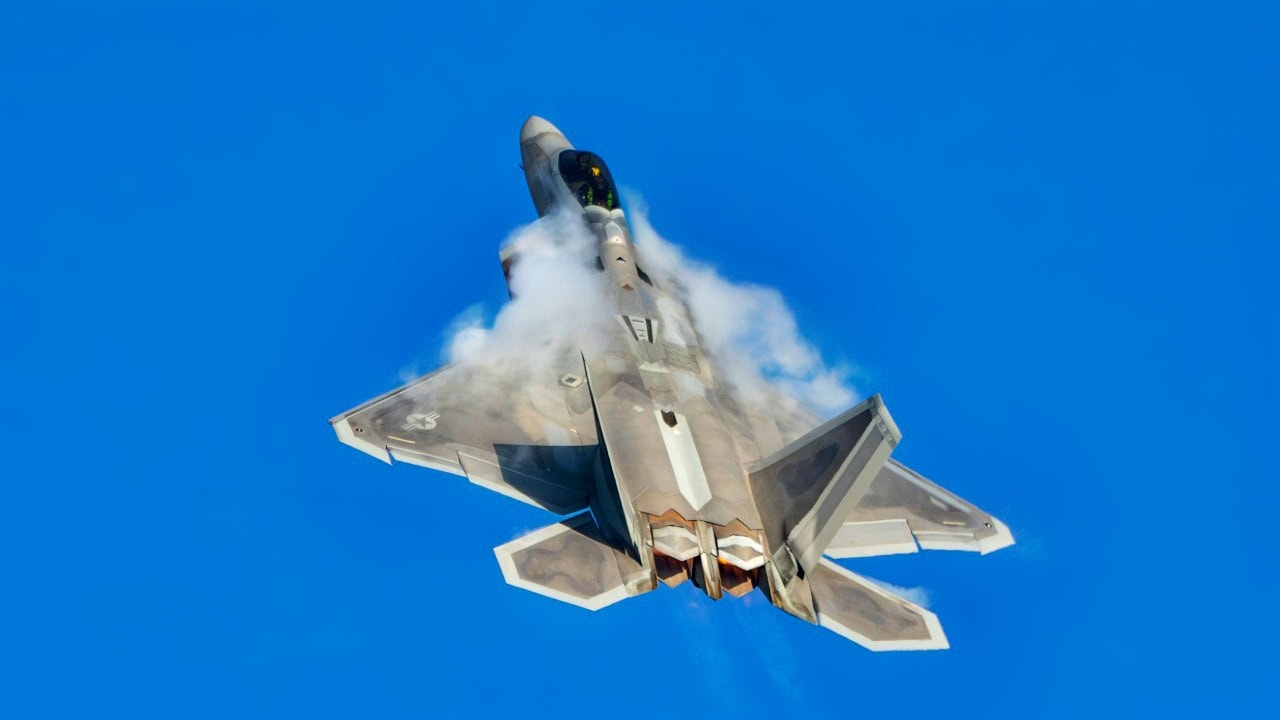
The U.S. Air Force is facing a pilot retention crisis that has left roughly 1,800 pilot positions open, while commercial airlines hire 7,600 military-trained pilots each year and offer signing bonuses of $7,500. The pay gap between military and commercial aviation has widened to the point where a senior wide-body captain at United, Delta, or American Airlines can earn $450,000 to $550,000 annually — more than double the $200,000 base pay cap for Air Force pilots, regardless of rank or experience.
The U.S. Air Force’s Backbone Is Pilots…and They Don’t Always Stay
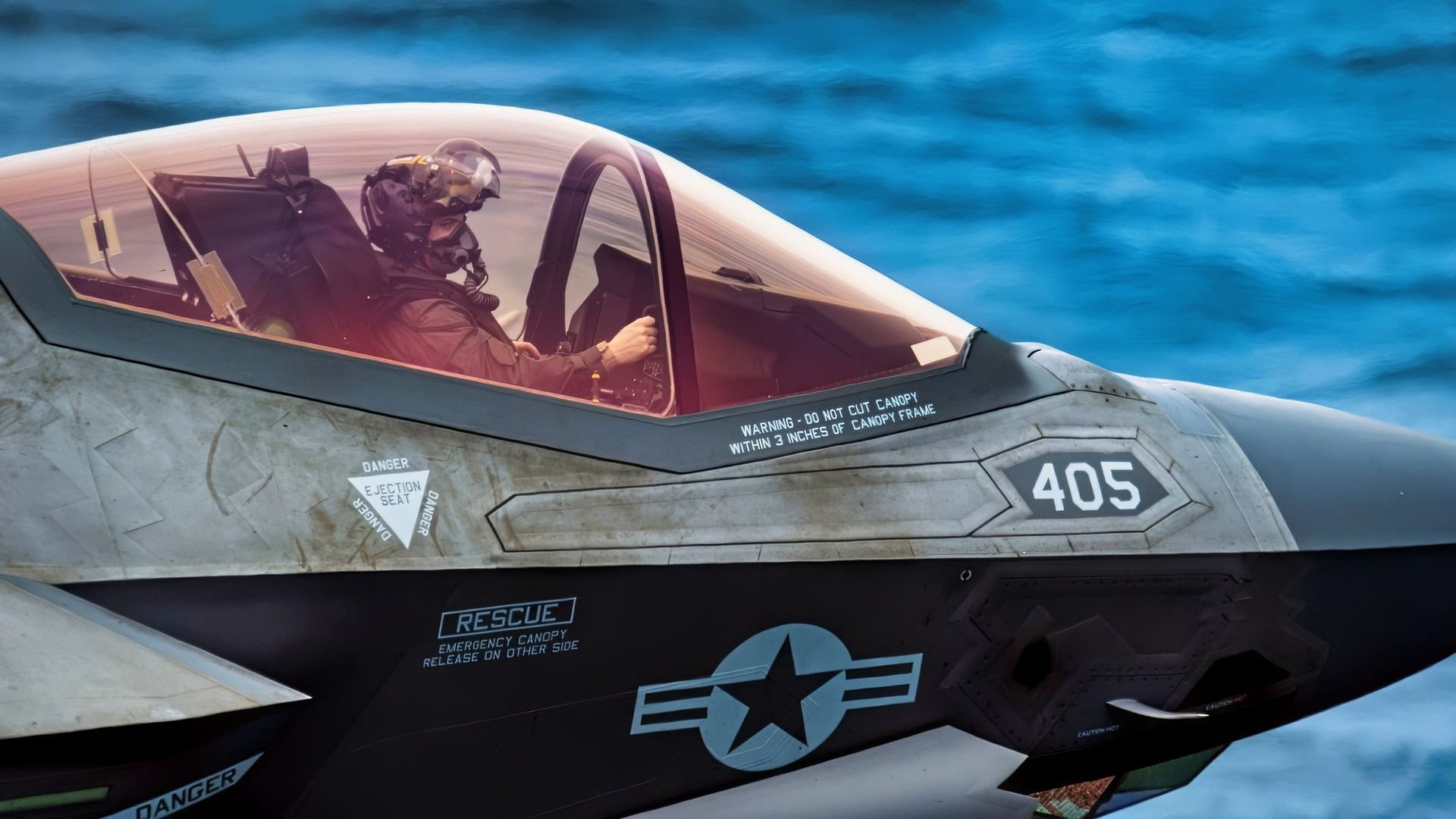
(Jan. 10, 2025) Lt. Cmdr. Joseph Anderson, of Severna Park, Md., waits for launch in an F-35C Lightning II, assigned to the “Warhawks” of Strike Fighter Squadron (VFA) 97, on the flight deck of the Nimitz-class aircraft carrier USS Carl Vinson (CVN 70), Jan. 10, 2025. Vinson, the flagship of Carrier Strike Group ONE, is underway conducting routine operations in the U.S. 7th Fleet area of operations. (U.S. Navy photo by Mass Communication Specialist 3rd Class Nate Jordan)
U.S. Air Force Maj. Sean “Rambo” Loughlin, pilot of the F-35A Demonstration Team, performs aerial maneuvers at the Luke Days Airshow at Luke Air Force Base, Arizona, March 21, 2026. The team travels worldwide to showcase the power and capabilities of the U.S. Air Force’s most advanced fifth-generation fighter and its Airmen. (U.S. Air Force photo by Staff Sgt. Nicholas Rupiper)
US Air Force pilots are highly trained assets, essentially seven- to eight-figure strategic investments. And by most standards, the compensation pilots enjoy is strong. Yet the Air Force has a retention crisis that persists. Outwardly, this may seem like a paradox: good benefits vs high attrition.
But the attrition is explainable; while the Air Force offers stability and prestige, commercial aviation simply offers more money and more control over their lives.
Breaking Down USAF Compensation
An Air Force pilot’s base pay is rank-based. An O-1 makes about $50k while an O-4 makes between $75k and $100k. Senior officers can make $150 and beyond. By mid-career, pilots earn between $115k and $155k, while at the senior level, they earn over $200k in base salary.
Flight pay bumps total earnings, usually between $150 and $1,000 per month. Retention bonuses sweeten the pot, too, inspiring some pilots to stay in uniform with $50k per year or $600k over the contract length. So compensation is clearly solid—but it’s also capped.
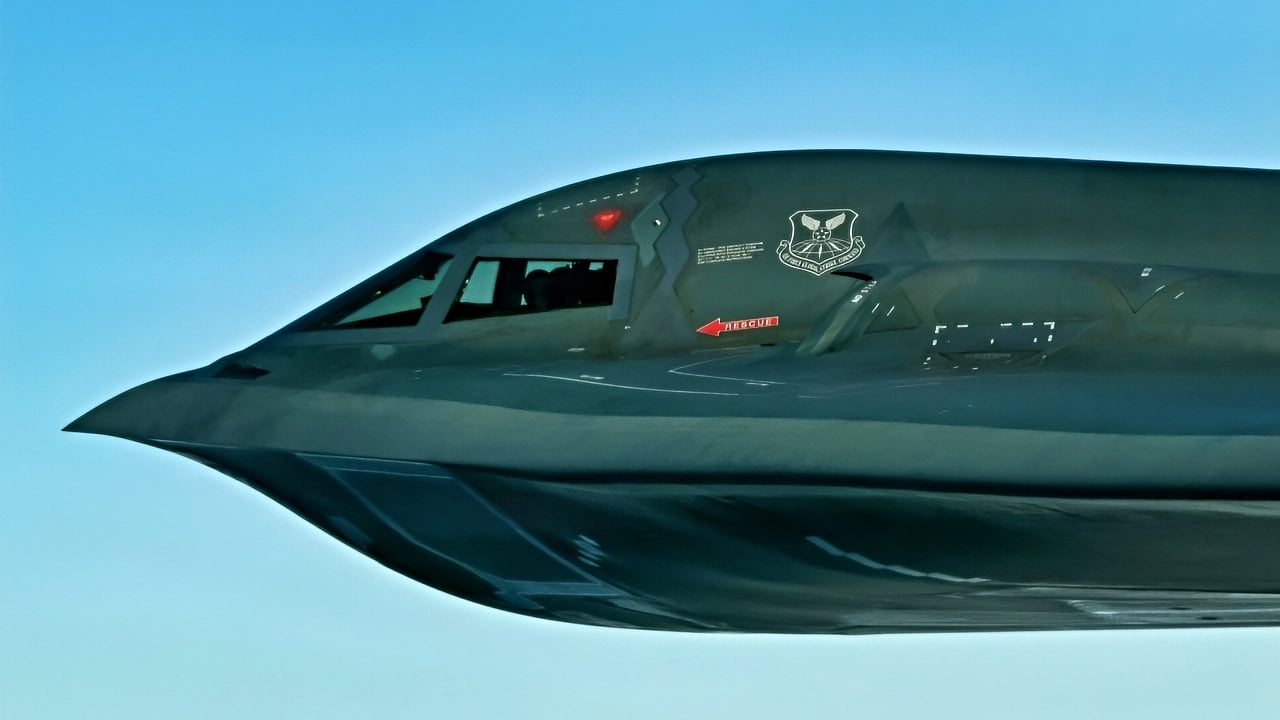
A U.S. Air Force B-2 Spirit conducts an integrated maritime strike training exercise with U.S. Navy F-35C Lightning II and F/A-18E Super Hornets from Carrier Air Wing Eleven (CVW-11) off the coast of California, on Feb. 10-11, 2026. Practicing innovative methods to employ and integrate strategic bombers like the B-2 with Navy carrier strike groups enhances combat capabilities through synchronized, integrated power projection. (U.S. Navy photo by Katie Archibald)
Tax Advantages and Extras
In addition to base salary, pilots receive BAH (housing) of $20k to $40k per year and another $3,900 per year for BAS (food). A large portion of this is tax-free. So the take-home pay is higher than just the base salary suggests. Pilots also receive 100% medical coverage through TRICARE. Families are covered, too, with a minimal out-of-pocket expense. This is one of the strongest healthcare packages in the US workforce. And SGLI life insurance offers up to $400k.
Retirement System
Once an Air Force pilot hits the 20-year pension mark, an immediate payout of roughly 40 to 50 percent of base pay is triggered. For example, an O-5 pension would be $50k to $80k per year. And critically, pilots do not need to wait until they turn 65 to collect the pension; it begins immediately.
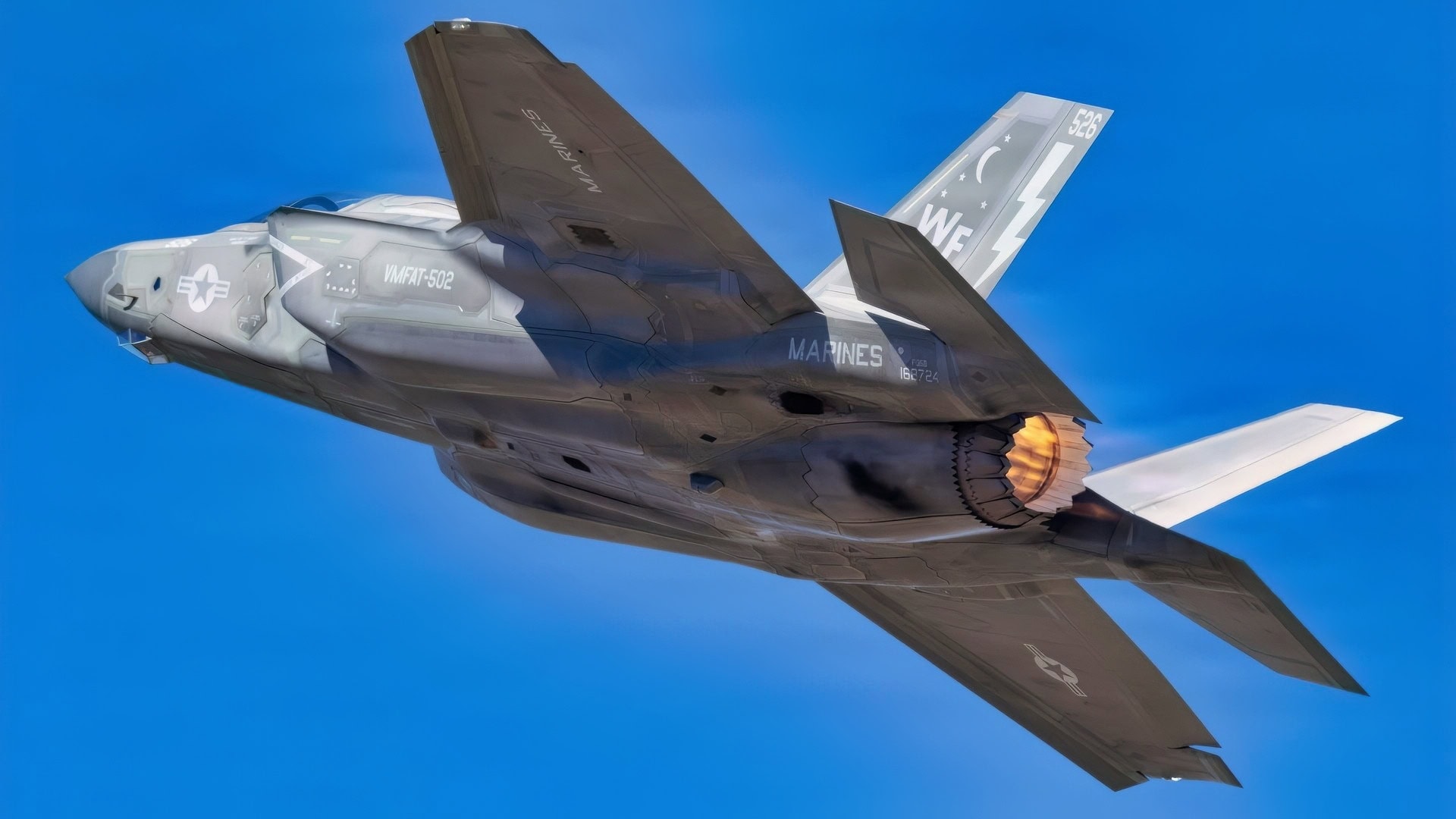
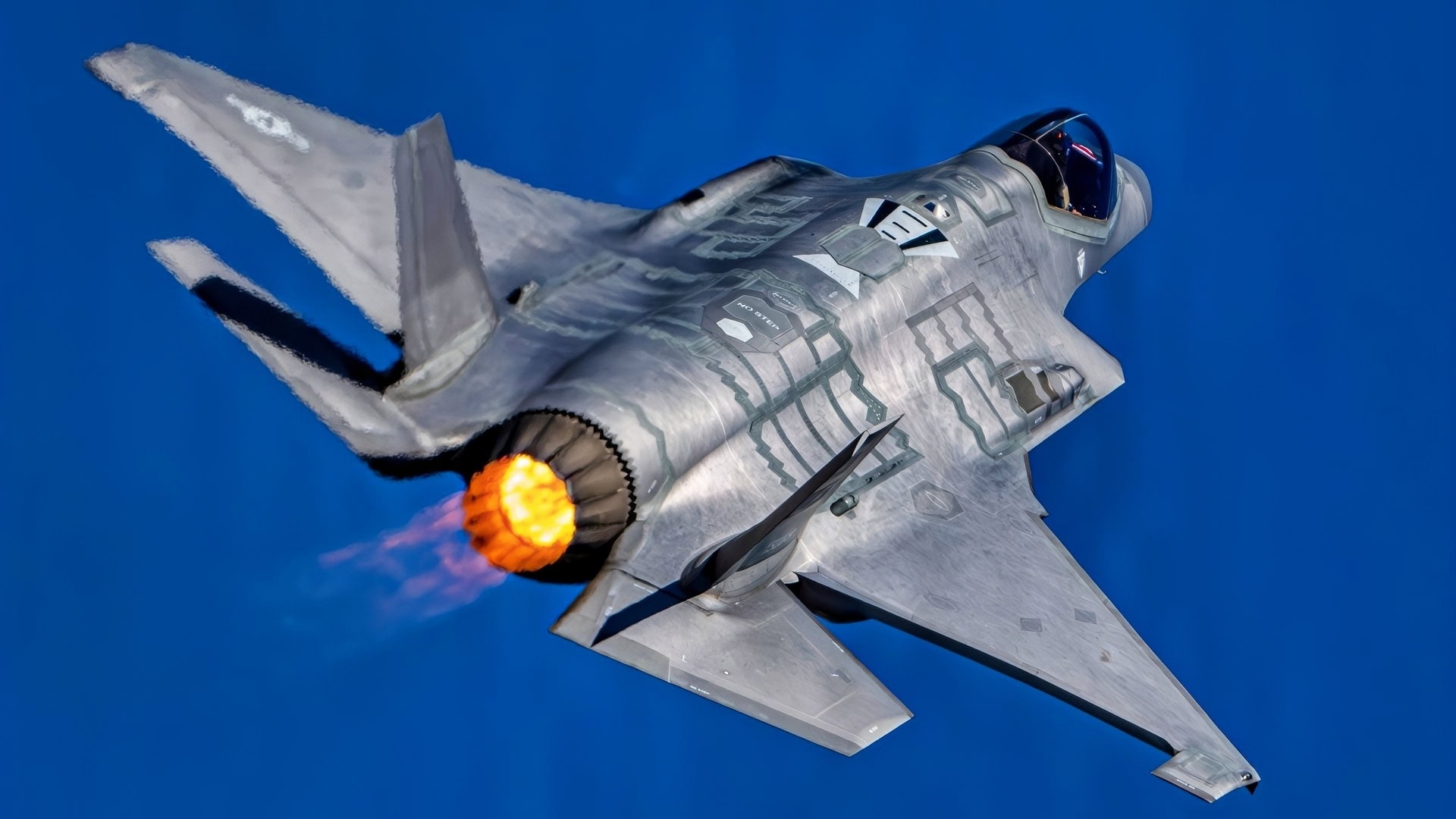
A U.S. Marine Corps F-35B Lightning II lights its afterburner and climbs during the Luke Days 2026 airshow, Saturday, March 21, 2026, at Luke Air Force Base, Arizona. The Marine Corps F-35B Lightning II demonstration showcases the maneuverability and advanced technology of a fifth-generation fighter. Demonstrations like this reflect the cutting-edge capabilities that allow the joint force to maintain air superiority in modern combat operations. (U.S. Air National Guard Photo by Tech. Sgt. Hampton Stramler)
So a 42-year-old can hit the 20-year mark, retire from the Air Force, collect $60k per year in passive income, and start a second career making an additional six figures. This pension is extremely valuable—but it requires a 20-year commitment. Additionally, the 401(k) equivalent, the TSP, offers a 5% match.
Lifestyle Benefits
Pilots receive 30 days of paid leave per year, double the two weeks many civilian jobs offer. Pilots can also continue their education through tuition assistance and the GI Bill, which can be used for graduate school or transferred to a spouse/child. The Air Force assists with travel, too, allowing pilots and their families to take Space-A flights on military transport, thereby saving on airfare.
When a pilot is ready to buy a home, the VA loan allows him or her to do so with zero percent down, saving tens of thousands of dollars up front relative to the twenty percent civilians typically have to put down. So the Air Force offers a strong and comprehensive support structure. So why are so many pilots leaving the Air Force?
The Lifestyle Reality
Healthcare and tax-free allowances aside, there are downsides to life as an Air Force pilot. Deployments can last six to 12 months. PCS moves require the pilot and their family to relocate every two to three years.
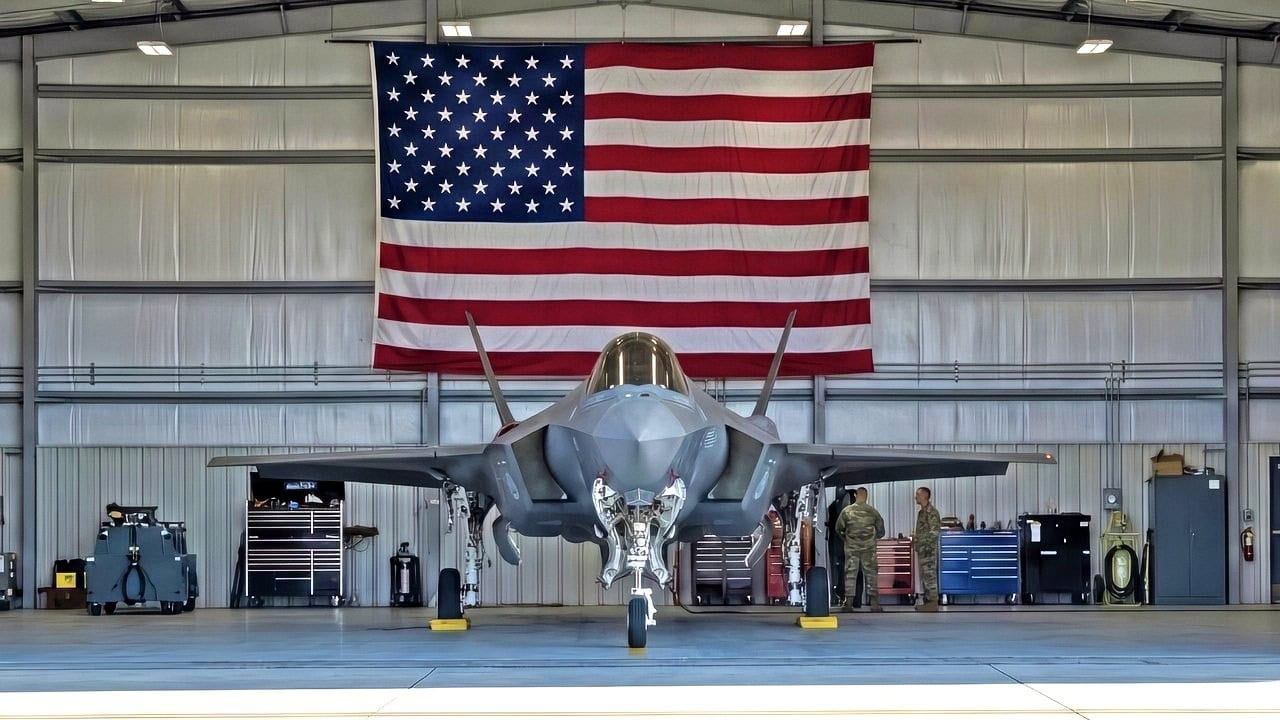
F-35 in the Hanger. Image Credit: Nano Banana Pro.
The schedule is never stable; it constantly changes. The operational tempo is high, owing to the 1,800-pilot deficit. As more pilots leave and the shortage deepens, the operational tempo intensifies, further degrading the quality of life.
And the unfortunate truth is that as officers advance, they spend most of their time on administrative tasks, with flying accounting for only a minority of their workload. So the lifestyle is demanding, variable, and ironically, often not centered on flying an aircraft.
Why Pilots Leave
Pilots are leaving because their pay is capped relative to their talent set. They can stay in for 30 years and never earn base pay above the legal cap, barely above $200k. The airlines, meanwhile, cap pay at around $550k.
That’s double the money to fly to Amsterdam and back. And because airlines are organized around a rigid seniority system, leaving the Air Force earlier means higher lifetime earnings at the commercial airlines.
Of course, commercial pilots choose where to live, thereby granting their families a degree of stability over military life, within which the military decides where you and your family live, forcing relocation every few years.
That gets old. The commercial route also eliminates the administrative burden of being an Air Force officer. Pilots want to fly; they don’t join the Air Force to do desk work. At United, Delta, or American, pilots fly; they don’t do desk work.
And in the commercials, pilots sidestep the high operational tempo of Air Force life. In short, commercial aviation gives pilots more money, more control, and that pilot-specific identity that desk work stifles.
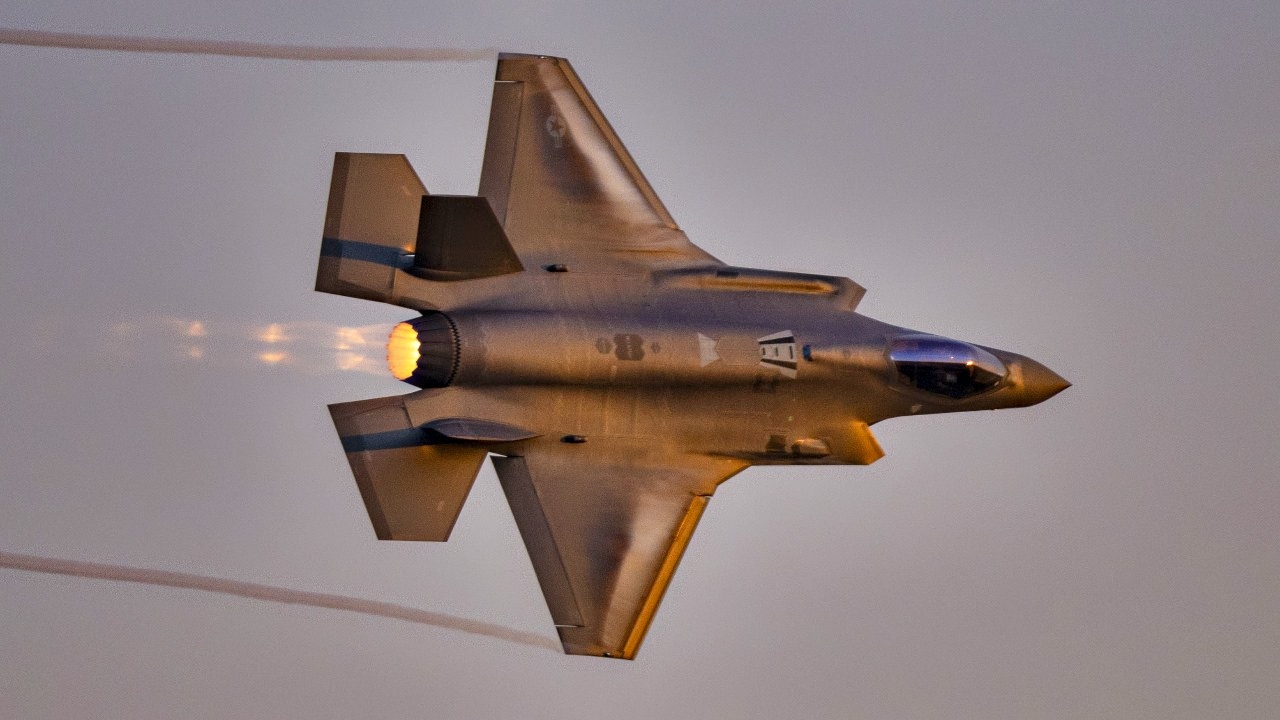
A U.S. Air Force F-35A Lightning II assigned to the F-35A Lightning II Demonstration Team performs at the Capitol Air Show over Sacramento, California, July 15, 2024. Innovations such as the F135 Smart Stacking Tooling Enhancement developed by the OC-ALC mechanics and engineers have significantly improved the rotor assembly process, increasing precision and enhancing the depot’s ability to produce the engine that powers the F-35 Lightning II. (U.S. Air Force photo by Staff Sgt. Zachary Rufus)
Commercial Pay
Commercial Aviation pays better than the military. An entry-level first officer at a major airline earns between $110k and $150k. A mid-career captain earns between $220k and $300k. And a senior wide-body captain earns between $450k and $550k or more.
Double the Air Force max. The commercials offer generous retirement pay, too, with a 16- to 18-percent 401(k) contribution. That’s $30k to $80k added per year. And right now, demand for commercial pilots is high, with 7,600 pilots hired each year and many receiving a $7,500 signing bonus. In all, commercial pay dwarfs military pay.
Lifestyle Advantages
Of course, commercial pilots can live wherever they want and control their schedules through a bidding system. They’re not forcefully relocated, they’re not deployed. If they don’t want to fly one week, for some reason, they take the week off before flying to Auckland or Tokyo the next.
And between the flying, there’s no administrative burden. No desk work. Just flying.
The predictability is high, too, with schedules established weeks in advance. The autonomy level of commercial aviation simply can’t be matched in the military.
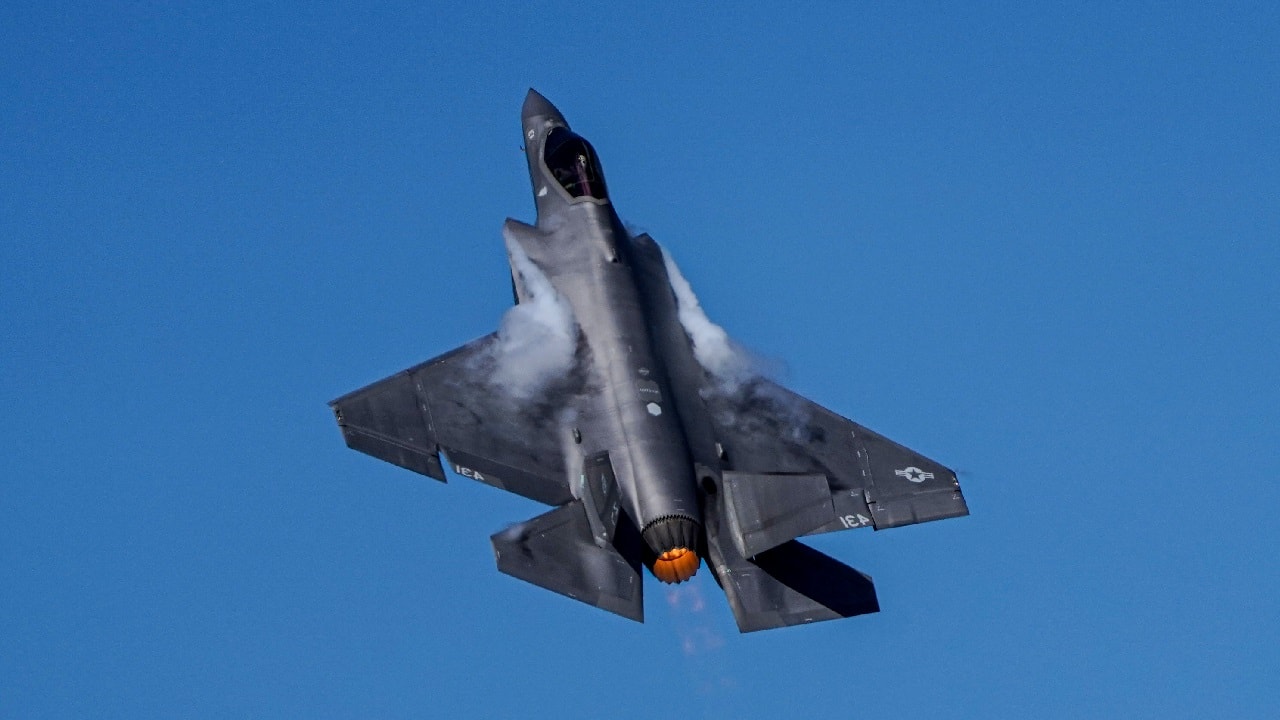
An F-35 Lightning II flies at the Blue Angels Homecoming Air Show at Naval Air Station Pensacola, Florida, Nov. 11, 2022. The NAS Pensacola Blue Angels Homecoming Air Show is one of Pensacola’s largest events, attracting 150,000-180,000 spectators during the two-day event. (U.S. Air Force photo by Airman 1st Class Trenten Walters)
Transition Dynamics
This is why one-third of military pilots transition directly into the airlines. The advantage is that most military pilots already have the 1,500 flight hours commercial carriers require for hiring, which means immediate employability.
Transitioning early-plug pilots into the seniority rankings earlier means millions more are earned over the course of their lifetime. So the commercial system actually incentivizes an early exit from the military.
Strategic Implications
The draw of commercial aviation has created a retention crisis that impacts readiness. The training pipeline is being strained; replacement pilots are very expensive. And the departure of senior pilots leaves an experience gap, with roles being filled by more junior pilots.
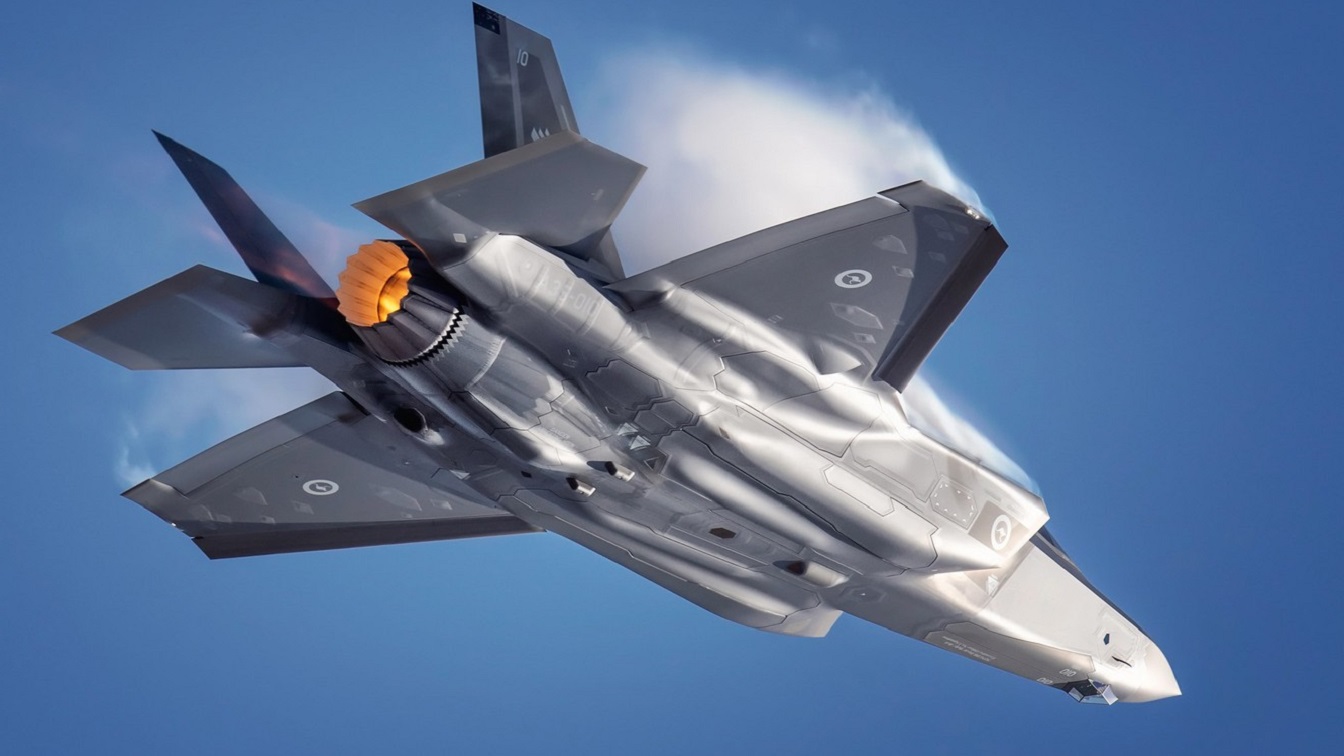
F-35. Image Credit: Creative Commons.
Over the long term, this results in degraded combat capability. So pilot retention is essentially a national security issue.
The Takeaways
The US Air Force offers pilots strong benefits, a meaningful mission, and access to the most remarkable flying machines on Earth. But the airlines offer better pay and a better lifestyle.
The airlines allow families to live where they want, while offering a compensation package commensurate with skill. That’s gonna win out every time.
MORE – ‘Slap a Cage on It’: The Cheap Way To Save U.S. Army Tanks from Drone Swarm Attack
MORE – The Army’s New M1E3 Tank Is a Drone Warrior
About the Author: Harrison Kass
Harrison Kass is a writer and attorney focused on national security, technology, and political culture. His work has appeared in City Journal, The Hill, Quillette, The Spectator, and The Cipher Brief. He holds a JD from the University of Oregon and a master’s in Global & Joint Program Studies from NYU. More at harrisonkass.com.