
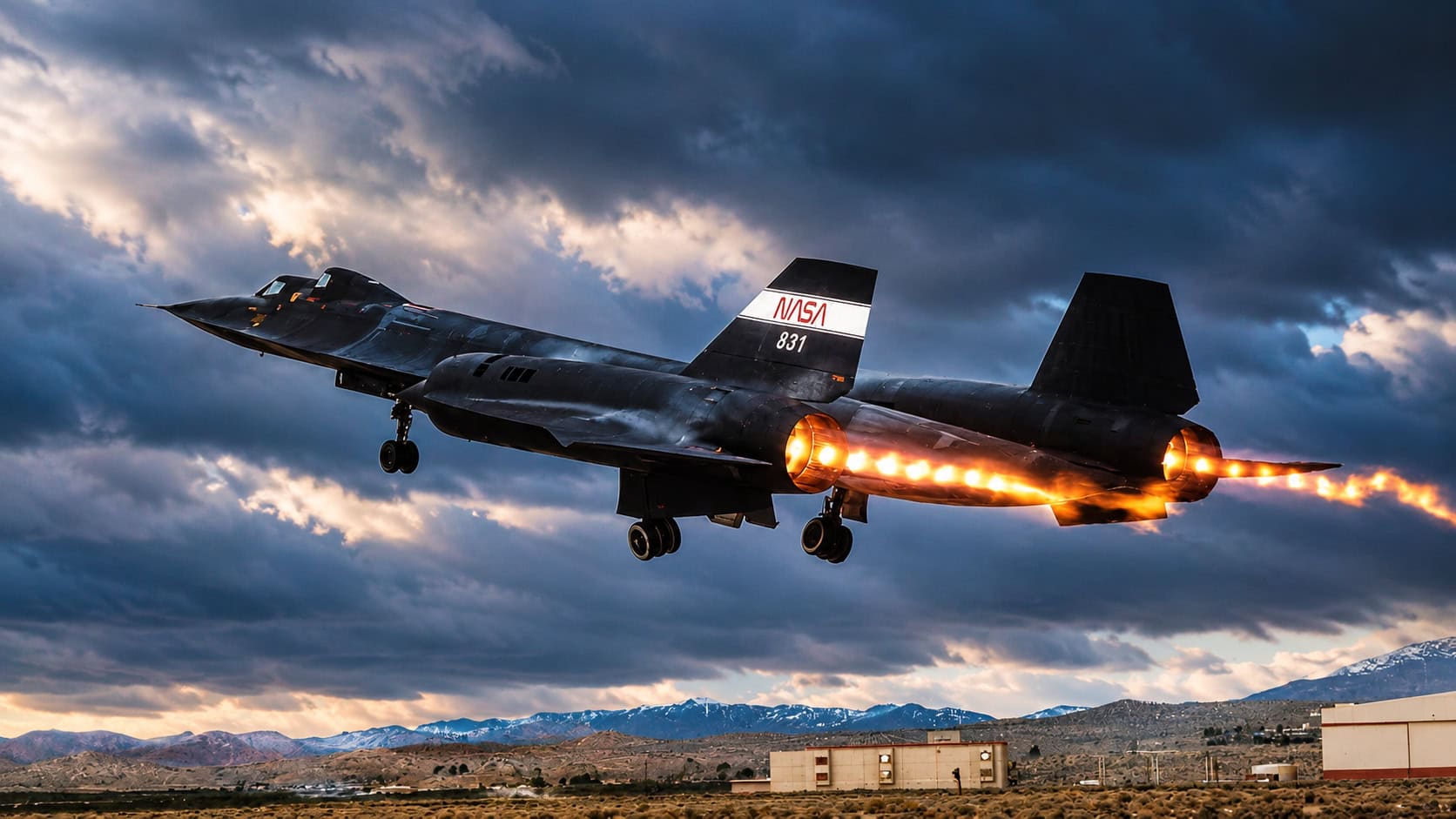
The SR-71 Blackbird is an iconic and beloved Cold War aircraft that was, and still is, unmatched in pure speed. With a top speed of Mach 3.3 (officially), the SR-71 remains one of the fastest manned aircraft in all of history. Every aspect of the Blackbird’s design was fine-tuned for aerodynamic efficiency, from its wing layout to the shape of the airframe. Central to its impressive speed, however, were the two engines located on either side of the aircraft. The SR-71’s powerplants employed insane engineering techniques not only to generate the massive thrust necessary but also to keep the engines cool during hours of supersonic flight.
Design and Development for SR-71 Blackbird Engine
Prior to the development of the Blackbird, the U.S. relied primarily on the Lockheed U-2 spy plane for reconnaissance missions. The U-2 evaded Soviet air defenses by climbing to an altitude of 80,000 ft, well above the range of any existing air defense systems.
Eventually, however, advancements in surface-to-air missile systems made the U-2 no longer safe in Soviet airspace.
The United States learned this lesson rather harshly after a spy plane piloted by Francis Gary Powers was shot down by the USSR. Consequently, the U.S. had to change its methods to cope with the new advances in air defenses. This shift in philosophy led to the development of the A-12 Oxcart and ultimately the SR-71.
The SR-71 was the response to the Soviet Union’s new air defenses. The aircraft was capable of traveling at more than three times the speed of sound (Mach 3), thus enabling it to outrun most SAMs of its day.
Its shape was unlike that of conventional aircraft, featuring a long, slender fuselage and sharply angled surfaces known as chines that ran along the nose and leading edges. These chines contributed not only to stability but also to lift, particularly at high speeds. The wings were swept back to reduce drag during supersonic flight, and the overall structure was blended to minimize turbulence and allow air to flow smoothly over the aircraft at extreme velocities.
The Insane Engineering Behind the Blackbird’s Engines
At the heart of the Blackbird were its two engines. The aircraft was powered by two Pratt & Whitney J58s, which were among the most unusual propulsion systems ever installed in an aircraft.
At lower speeds, these engines functioned similarly to traditional turbojets, drawing in air, compressing it, mixing it with fuel, and expelling it to produce thrust.
However, as the aircraft accelerated past Mach 2, a large portion of the incoming air bypassed the engine core, flowing around it and contributing directly to thrust. At cruising speeds above Mach 3, most of the thrust came not from the core engine itself but from this bypassed airflow, giving the engine characteristics similar to those of a ramjet.
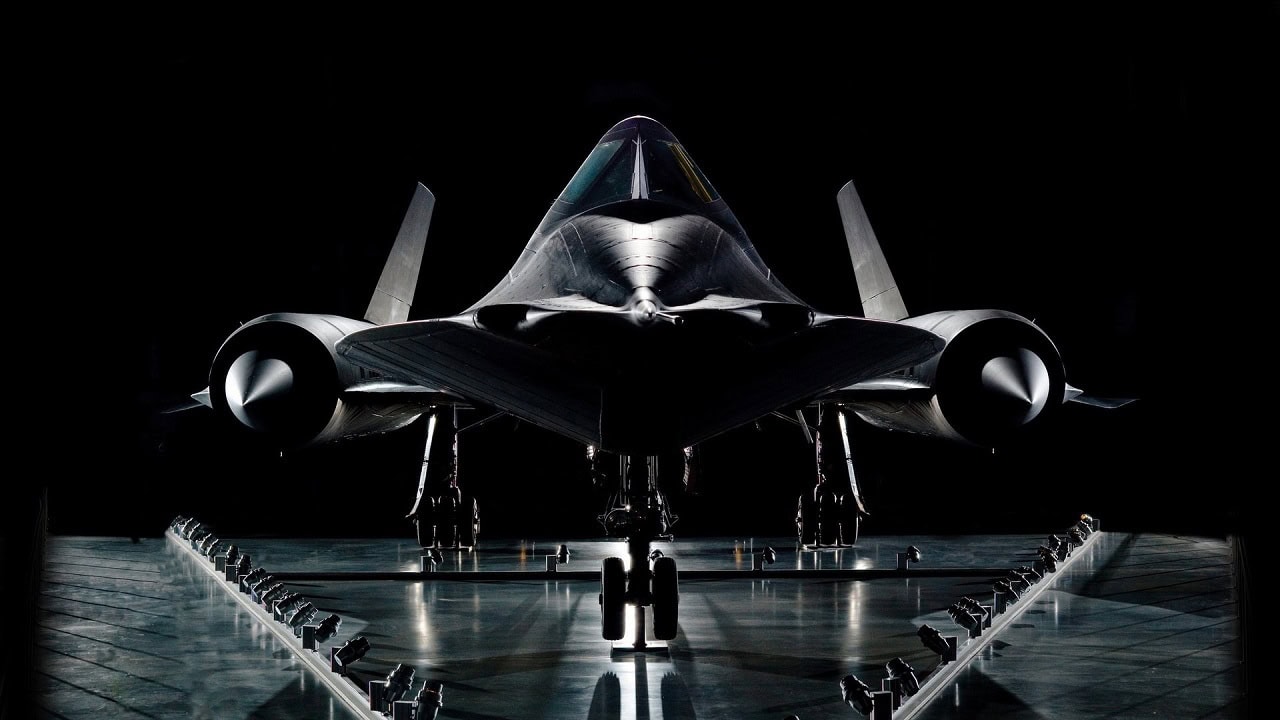
SR-71 Blackbird Artist Rendering. Image Credit: Creative Commons.
This hybrid operation allowed the SR-71 to maintain efficiency and stability at speeds far beyond the capabilities of typical jet engines.
The engines on the Blackbird were designed for speeds at Mach. However, through subsequent missions, it was discovered that the aircraft was actually more efficient traveling at higher speeds. During one mission, an SR-71 piloted by Brian Shul flew unusually fast to avoid interception attempts by Soviet fighters. It was discovered that the aircraft had burned less fuel than on previous missions.
The reason for this involves a lot of physics and how air at particular flow speeds and temperatures interacts with the engine.
Built for Speed
Equally important to achieving and sustaining such speeds was the aircraft’s variable-geometry air intake system. Each engine intake featured a movable cone, or spike, that could shift forward and backward depending on flight conditions.
At high speeds, these spikes controlled the formation and position of shockwaves, which are critical in supersonic flight. Air approaching the aircraft at Mach 3 needed to be slowed to subsonic speeds before entering the engine compressor.
The spike system accomplished this by precisely positioning shockwaves to compress and decelerate the airflow.
This process required constant adjustment and was managed by onboard systems. If the spike malfunctioned, it could cause an “unstart,” a sudden and violent disturbance that could push the aircraft off course.
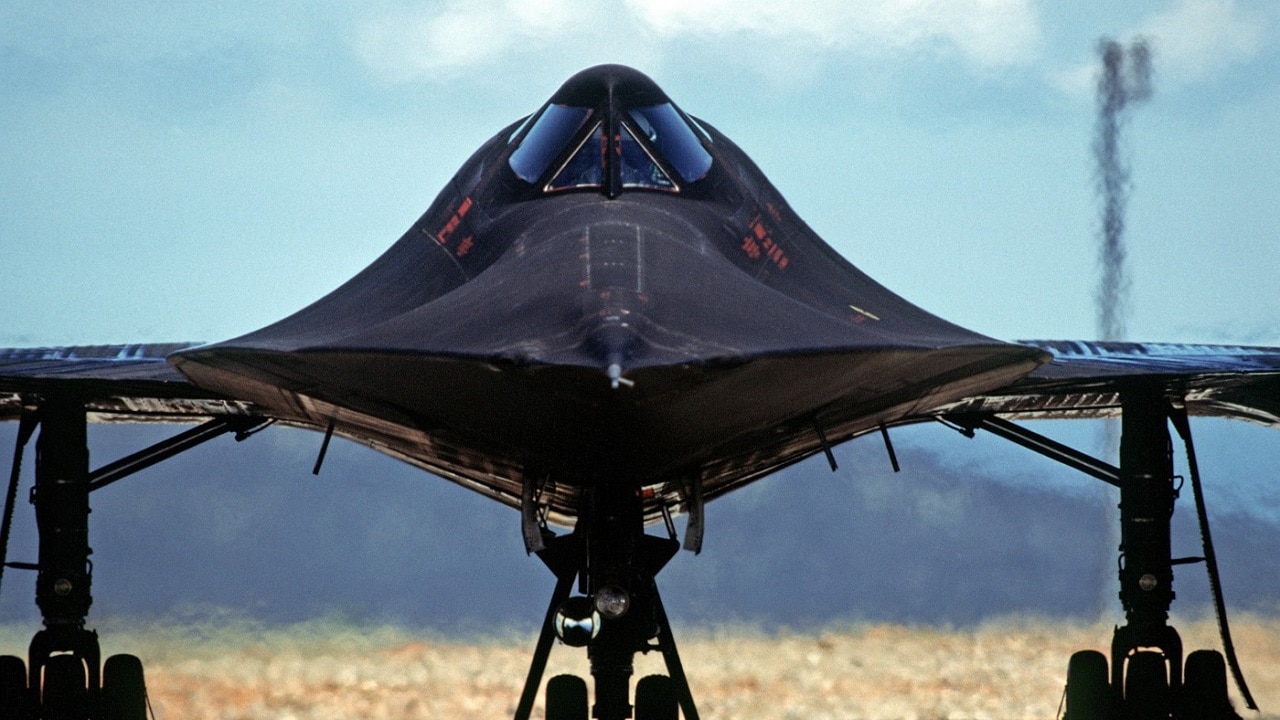
SR-71 Spy Plane. Image Credit: Creative Commons.
In addition to the engines, the airframe itself was designed to handle the stresses of supersonic flight.
At Mach 3, friction with the atmosphere generates intense heat, raising the temperature of the aircraft’s skin to several hundred degrees Fahrenheit. Conventional materials like aluminum would have softened or failed under such conditions, so the team at Lockheed turned to titanium, which made up the majority of the aircraft’s structure.
Titanium provided the necessary strength and heat resistance, but it was difficult to work with and required new manufacturing techniques. The thermal expansion of the aircraft during flight was so pronounced that the SR-71 was intentionally built with structural gaps.
On the ground, these gaps allowed fuel to leak from the tanks, but once the aircraft reached cruising temperature and expanded, the gaps sealed themselves.
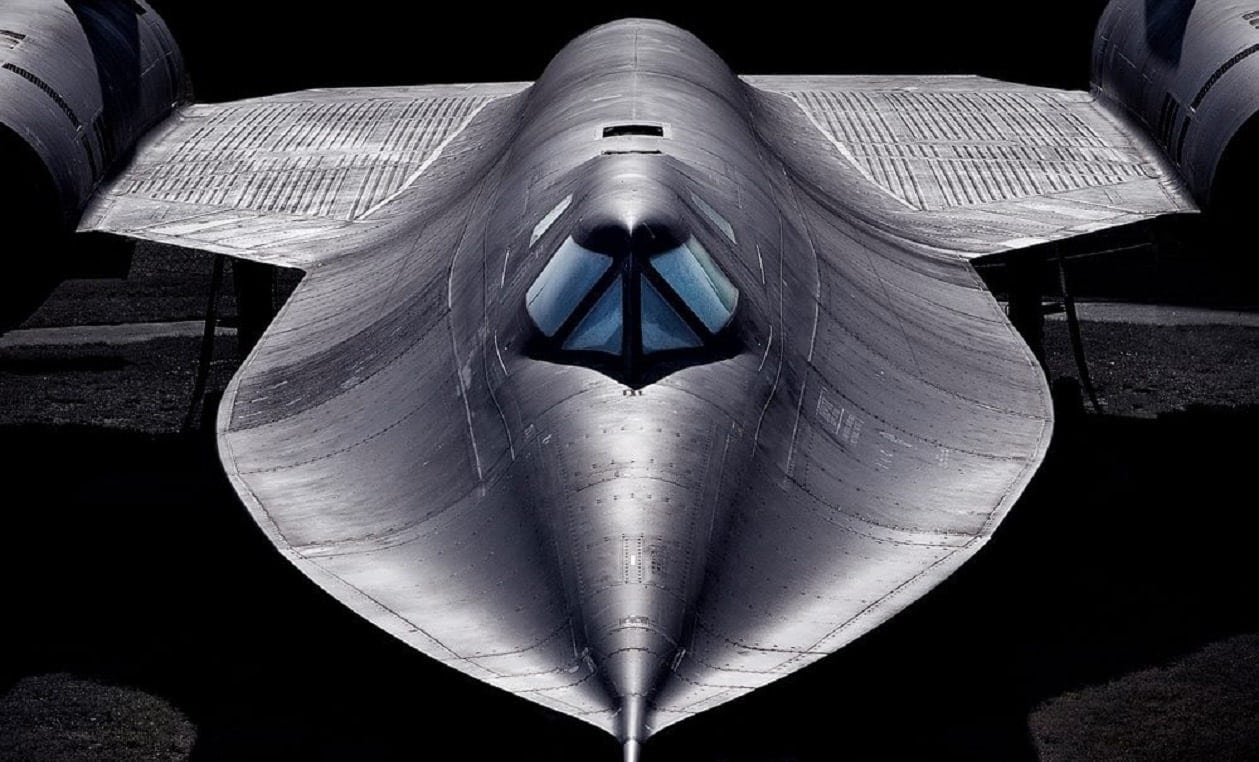
SR-71 Spy Plane. Image Credit: Creative Commons.
About the Author: Isaac Seitz
Isaac Seitz, a Defense Columnist, graduated from Patrick Henry College’s Strategic Intelligence and National Security program. He has also studied Russian at Middlebury Language Schools and has worked as an intelligence Analyst in the private sector.