
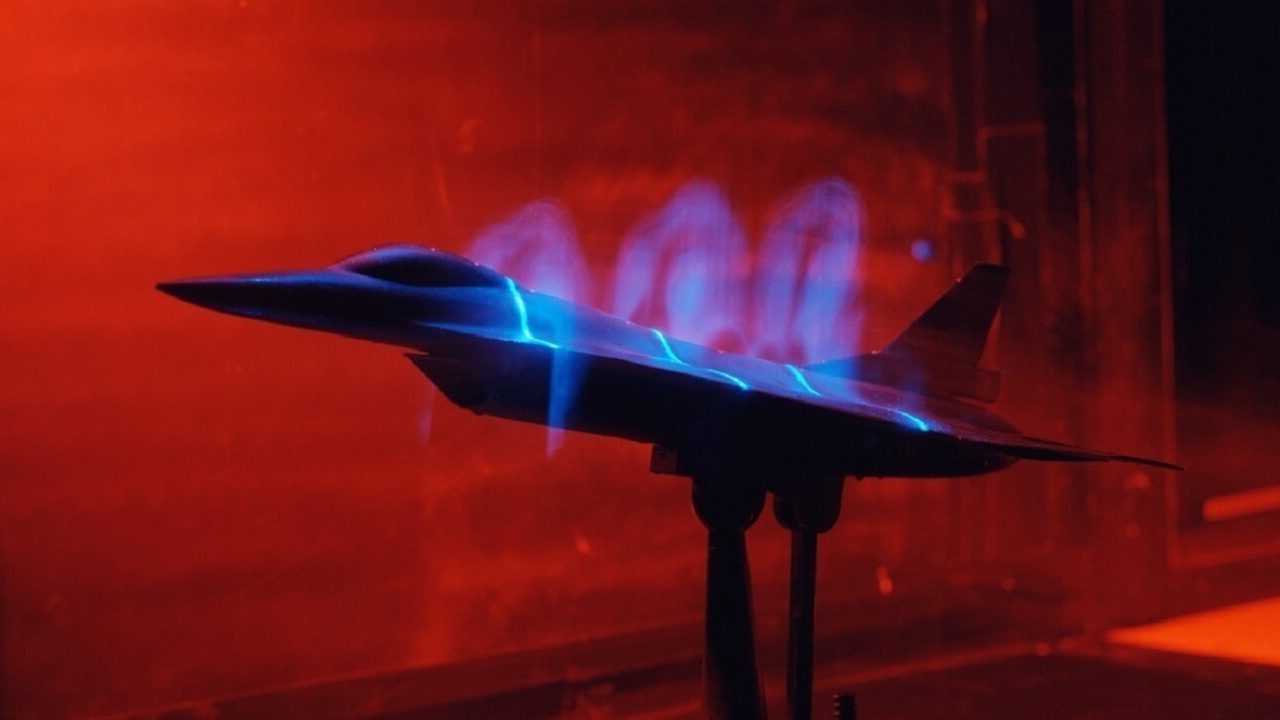
The F-16XL: The Cranked-Arrow Fighter That Could Have Been The Best The Air Force Never Flew – It began as a research project and ended as one of the great what-ifs of American military aviation. The F-16XL was a radically reshaped F-16, stretched and fitted with a sweeping cranked-arrow delta wing that nearly doubled its lifting surface, gave it far greater range and payload than the standard Fighting Falcon, and made it one of the most distinctive-looking fighters ever built. It flew well, it tested superbly, and in 1984, it lost the competition that would have put it into squadron service to the McDonnell Douglas F-15E Strike Eagle. Only two were ever built, and both eventually went to NASA, where they spent the 1990s as supersonic research aircraft before being mothballed for good. The airplane that emerged from that program has a strong claim to a title that cannot be settled, only argued: the best fighter the United States Air Force never put into service.
From SCAMP To Super Fighter: The Origins Of The Cranked Arrow
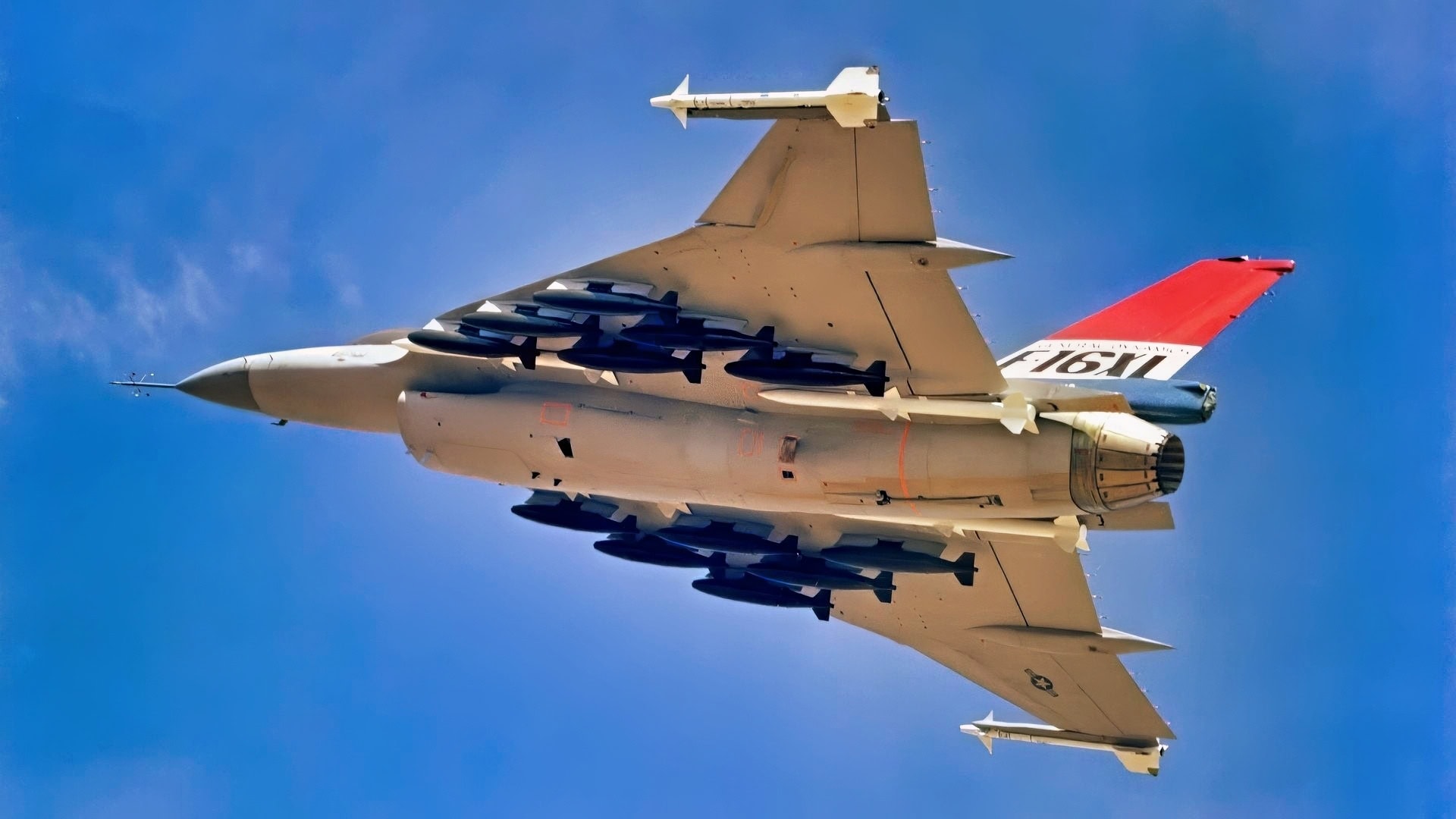
An air to air left underside view of an F-16XL aircraft. The aircraft is armed with two wing tip mounted AIM-9 Sidewinder and four fuselage mounted AIM-7 Sparrow missiles along with 12 500-pound bombs.
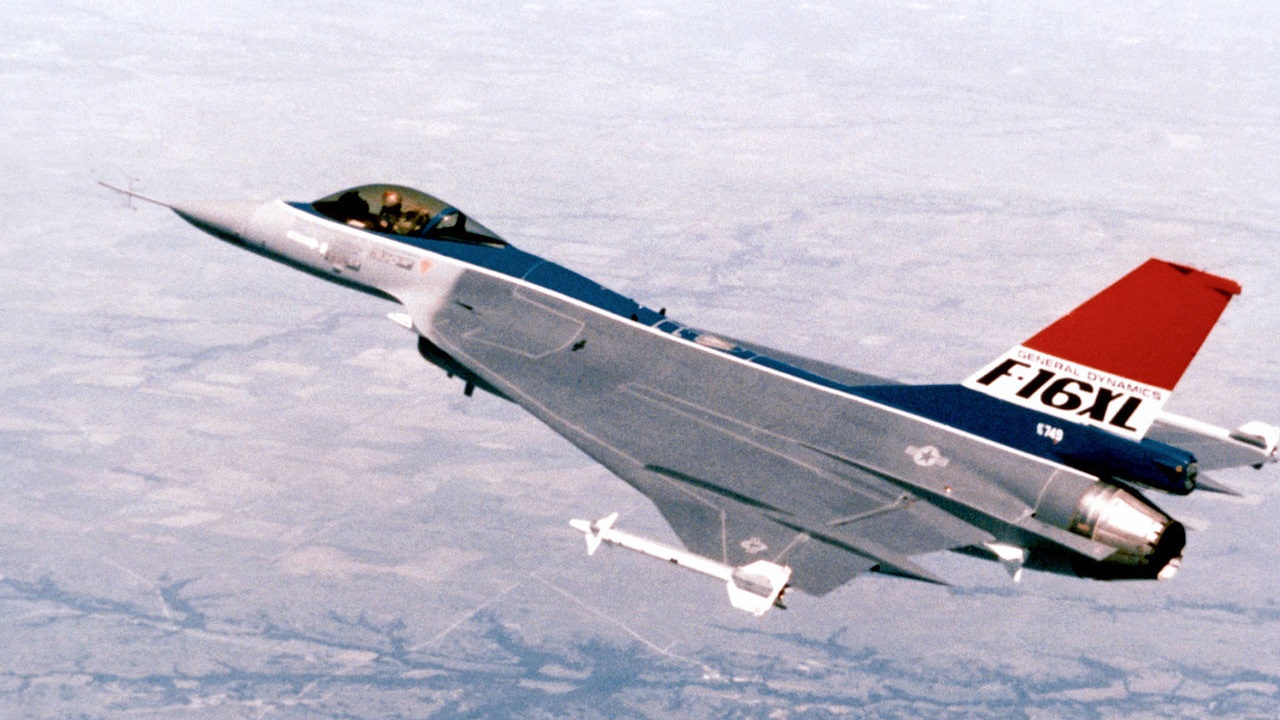
F-16XL. Image Credit: Creative Commons.
The F-16XL did not start life as a fighter at all. In 1977, engineers at General Dynamics’ Fort Worth plant began a project called SCAMP — the Supersonic Cruise and Maneuver Prototype — under the leadership of Harry Hillaker, the father of the original F-16. The original goal was modest and exploratory: to demonstrate that supersonic transport wing technology could be applied to a military aircraft, thereby improving efficiency at high speed. The vehicle for that demonstration was the F-16, and the change that defined it was the wing.
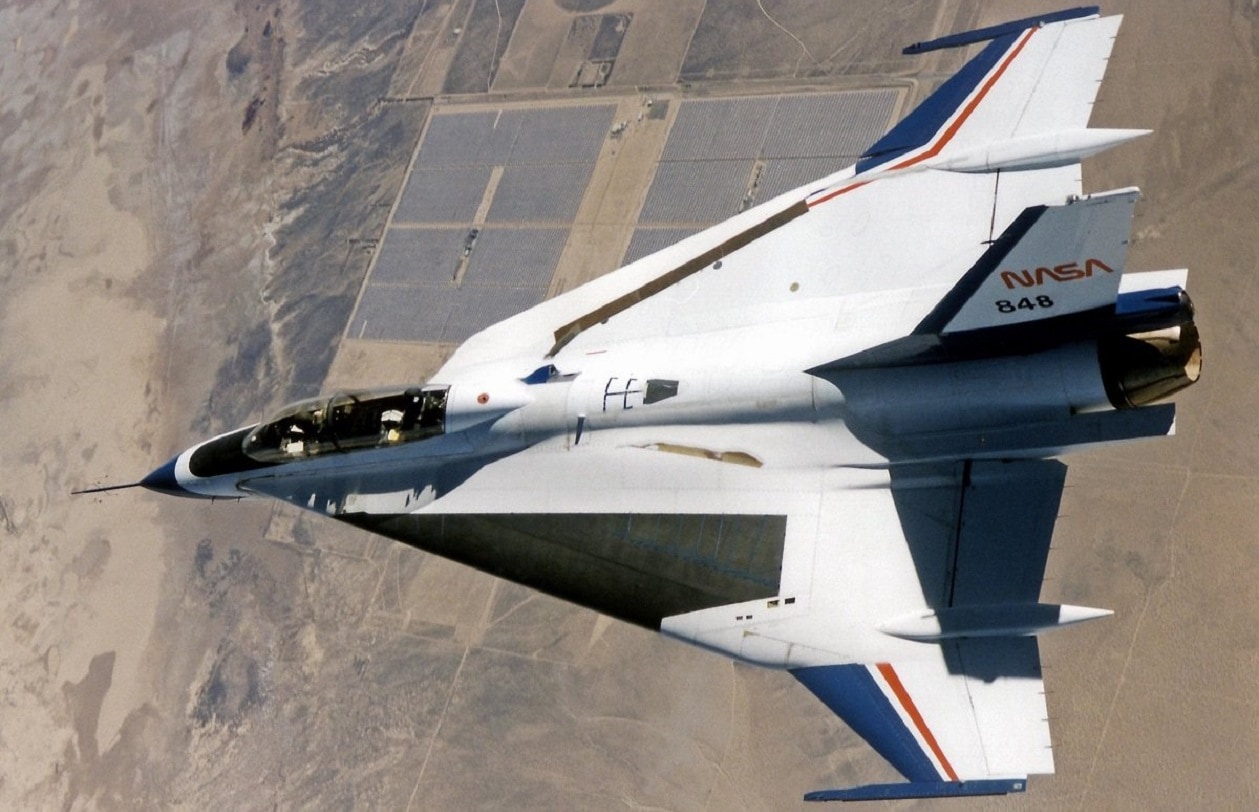
The standard F-16’s wing and horizontal tail surfaces were replaced with a single large cranked-arrow delta — a delta wing whose leading edge changes sweep angle partway out, “cranking” from a steep inner section to a shallower outer one. The new wing was enormous by comparison, with roughly twice the area of the original, and it generated a great deal of lift.
Delta wings normally pay for that lift with poor low-speed handling, but the F-16’s fly-by-wire flight control system and relaxed static stability — the same features that made the baseline jet so agile — overcame the usual penalties.
To accommodate the wing and the loads it carried, the fuselage was lengthened by 56 inches, stretching the already-sleek F-16 into something longer and more graceful. Extensive use of carbon-fiber composites saved roughly 600 pounds of structural weight, though the aircraft remained heavier than the standard F-16 because it carried much more wing, fuel, and structure. By February 1980, General Dynamics was proposing to the Air Force that this radically rewinged F-16 could be more than a technology demonstrator. It could be a weapon.
What The F-16XL Could Do: Range, Payload, And A 25 Percent Lift Gain
The numbers the program produced were genuinely impressive, and they are why the airplane is remembered. The cranked-arrow wing gave the F-16XL roughly twice the wing area of the standard F-16, about 65 percent more internal fuel, and a dramatic increase in the weapons it could carry.
The XL had 17 hardpoints with a capacity of up to 15,000 pounds of ordnance, double the armament of a standard F-16, while retaining the 20mm M61 Vulcan cannon. The extra fuel translated to far greater range — by most accounts, the XL could fly roughly 50 percent farther than the baseline jet, or strike targets deep behind enemy lines and return without the tanker support a standard F-16 would need.
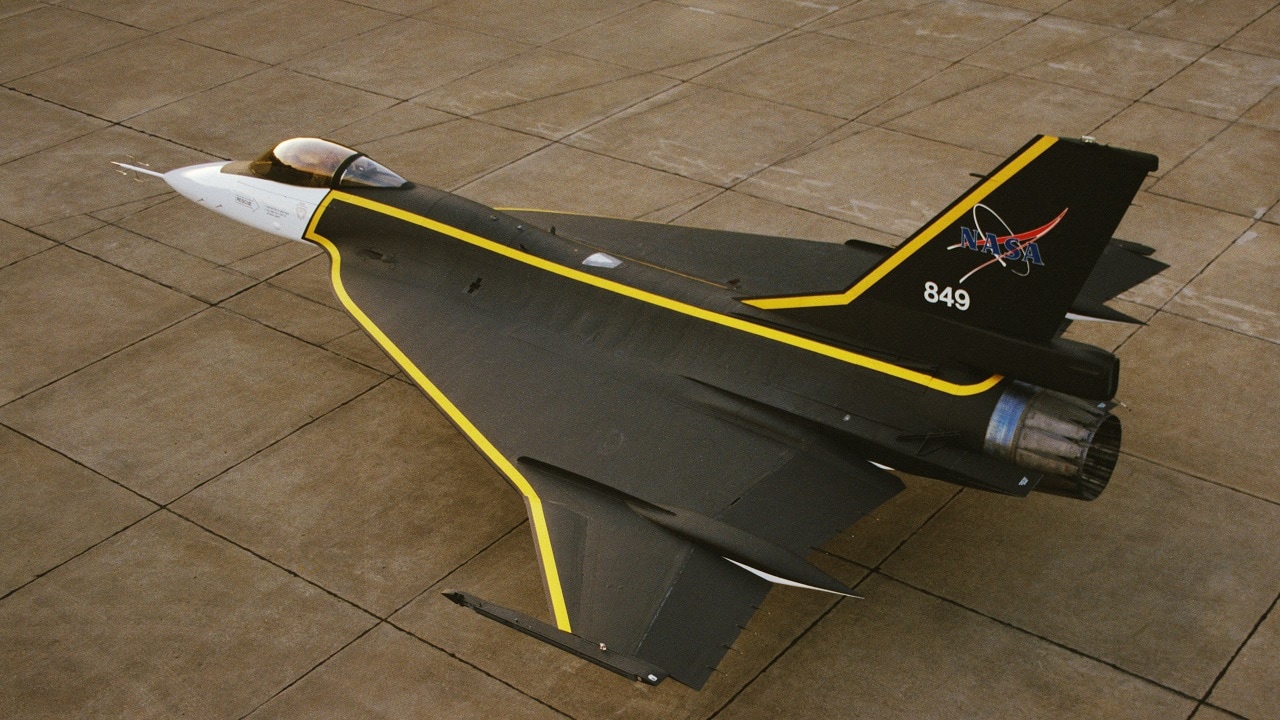
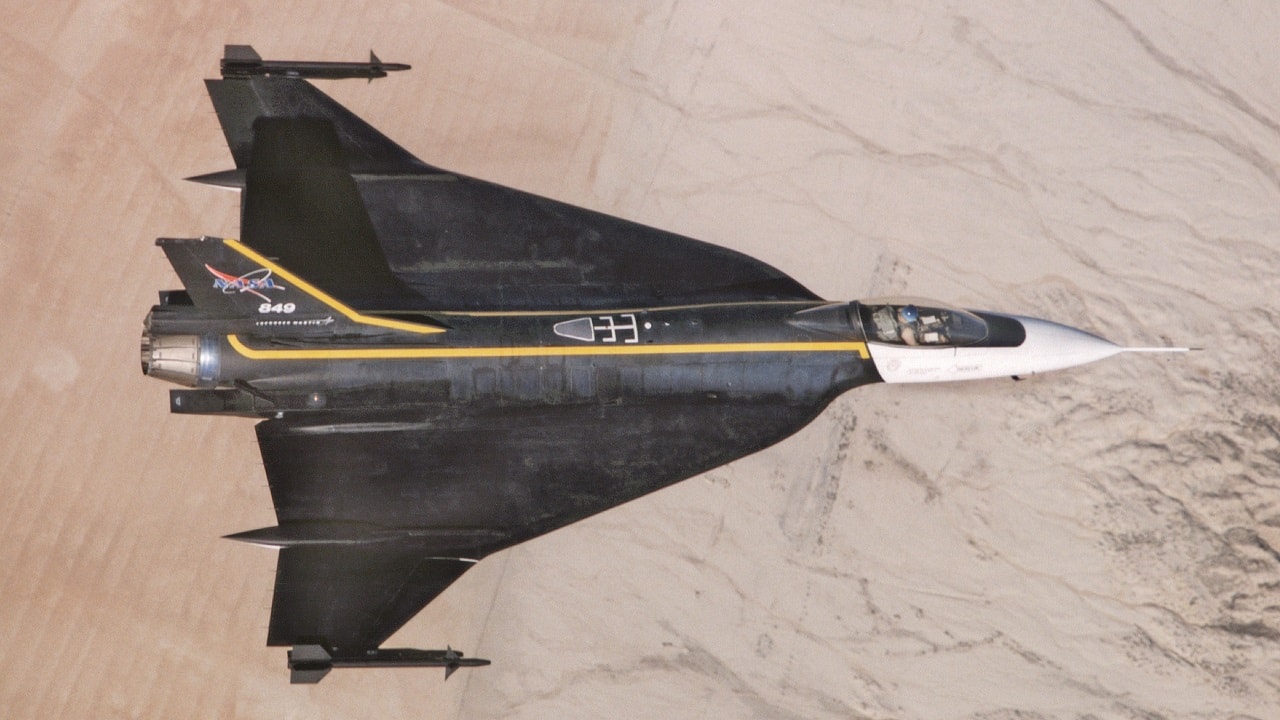
On October 5, 1993, Langley’s F-16XL High Lift jet was rolled out with a dynamic yellow and black paint job for Aero-Dynamic Flow Studies in High Speed Research.
F-16XL. Image Credit: Creative Commons.
The aerodynamic gains were the part that excited engineers. The cranked-arrow wing produced an 11 percent better subsonic lift-to-drag ratio and a 25 percent improvement at supersonic speeds, along with excellent low-speed characteristics, meaning the airplane was more efficient at exactly the high speeds at which deep-strike missions are flown. The tailless configuration was elegant in both senses: the control surfaces for pitch and roll lived on the rear edge of the wing, eliminating the horizontal tail entirely and reducing drag.
The first F-16XL took to the air on July 3, 1982, and a two-seat second prototype followed. Two aircraft, one single-seat and one two-seat, flew an intensive test program that confirmed the design did what its creators promised: greater range, greater payload, greater efficiency, and supersonic performance that the standard F-16 could not match. Had it entered production, the single-seat version was to be designated the F-16E and the two-seat the F-16F.
The Enhanced Tactical Fighter Competition: Why The Air Force Chose The F-15E
The F-16XL was built for a specific contest. Between 1980 and 1984, the Air Force ran a program called the Enhanced Tactical Fighter, later renamed the Dual-Role Fighter, to find a replacement for the aging General Dynamics F-111 Aardvark in the deep-strike and interdiction role — an aircraft that could fight its way to a distant target, deliver a heavy load of ordnance, and defend itself on the way home. The F-16XL competed against a two-seat, ground-attack development of the F-15 Eagle, and in February 1984, the Air Force announced its choice.
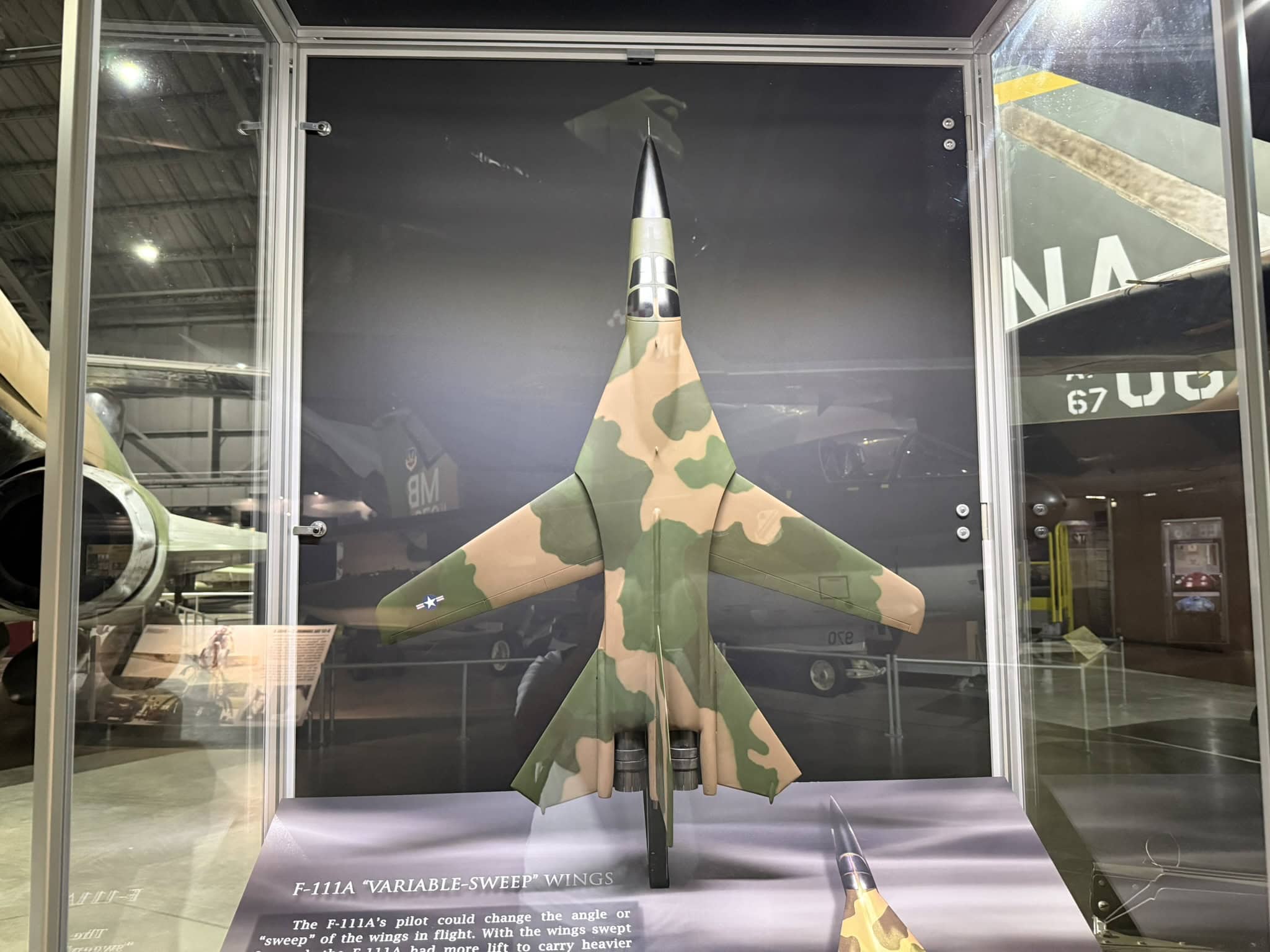
F-111 On Display at the National Museum of the U.S. Air Force. Take on July 19, 2025 by Harry J. Kazianis for 19FortyFive.com
It selected the McDonnell Douglas aircraft, which entered production as the F-15E Strike Eagle.
The reasons were practical, and they are hard to dismiss even for the XL’s admirers. The decisive factor was engines. The F-15E was a twin-engine aircraft, and the Air Force placed real value on the survivability that two engines provide on long missions deep into hostile territory, where the loss of a single engine over enemy ground could mean the loss of the aircraft and crew.
The single-engine F-16XL could not offer that redundancy. The F-15E also carried lower developmental risk and greater growth potential: it was a larger airframe with more internal volume and more room to add weight, systems, and capability over a decades-long service life, and choosing it meant continuity with an F-15 production line already running rather than standing up production of a substantially new design.
F-16XL. Image Credit: NASA.
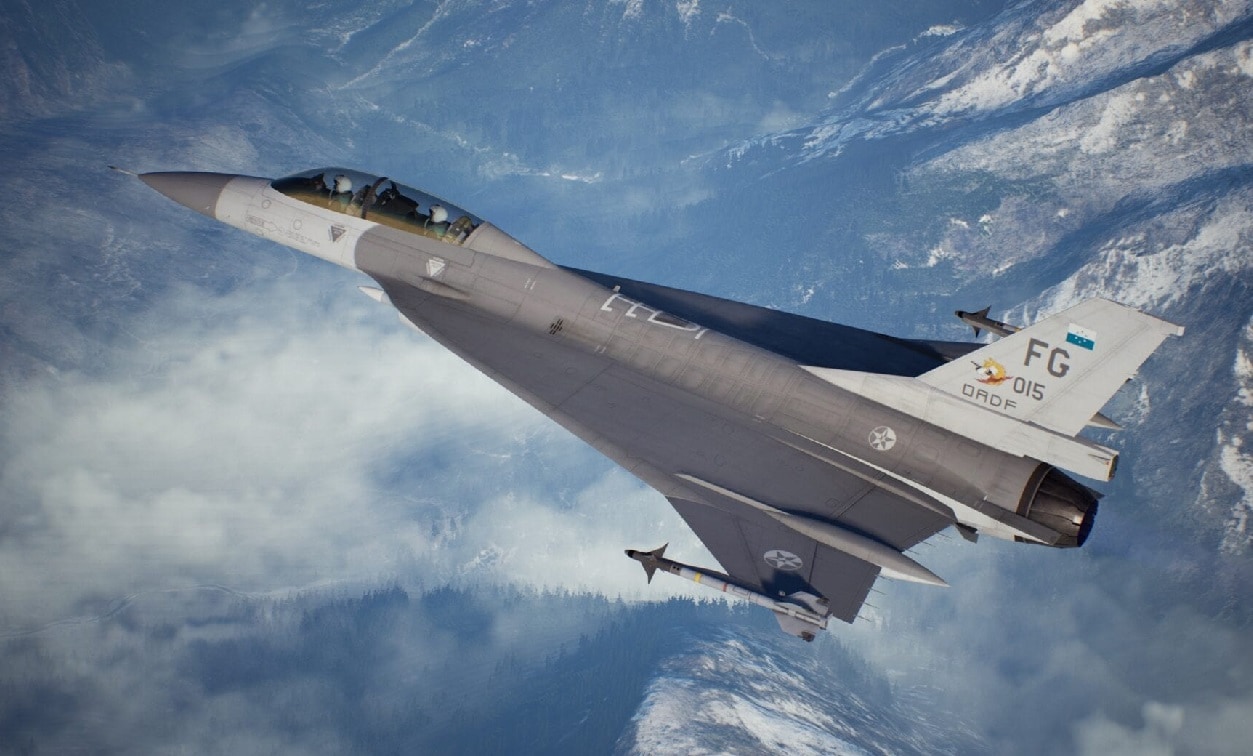
Image of what would have been the F-16XL, an artist rendering. Image Credit: Creative Commons.
The XL, by contrast, would have required more effort, time, and money to put into full production. The Air Force concluded that the bigger, twin-engine, more easily upgraded aircraft was the better long-term investment for the mission, and on the evidence of the F-15E’s long and successful career, the decision is genuinely defensible.
“A Victim Of Politics”: The Case That The Air Force Got It Wrong
The people who built the F-16XL did not accept that the better airplane had won, and their argument is the heart of the legend. John G. Williams, the lead engineer on the XL, put the loss bluntly, calling the aircraft a marvelous airplane that was a victim of the Air Force’s desire to keep producing the F-15, and adding that sometimes you win these political games and sometimes you do not.
In his assessment, the XL was superior to the F-15 as a ground-attack airplane in most respects — the F-15 was simply good enough, and the institutional momentum behind continuing F-15 production was the deciding factor as much as any technical shortfall.
There is a real case that the XL was the more advanced design. It was more aerodynamically efficient; it offered comparable range and payload in a smaller, cheaper airframe; and its cranked-arrow wing was a genuine leap that pointed toward the future of high-speed flight. A production F-16E would have given the Air Force a deep-strike fighter with much of the F-111’s reach at a fraction of the size and cost, built on the world’s most successful fighter program.
The counterargument is equally serious and is the reason the verdict can never be settled: a single engine is a single point of failure on exactly the long, deep missions the aircraft was meant to fly, the F-15E’s growth margin allowed it to absorb four decades of upgrades and remain frontline-relevant into the present day, and “good enough and lower-risk” is often the right answer in a procurement program where the cost of failure is measured in years and billions.
Whether the Air Force chose the better airplane or merely the safer one is the question that keeps the F-16XL interesting, and it has no clean answer. What is certain is that the XL was good enough to make the question worth asking, which is more than most losing designs can claim.
A Second Life At NASA: Supersonic Laminar Flow And A Flight With The SR-71
Losing the competition should have been the end of the story. Following the decision, General Dynamics returned both F-16XLs to Fort Worth in the summer of 1985 and placed them in storage, having flown 437 and 361 flights, respectively, during the competition — a combined 798 sorties that proved the concept — and then went quiet. The airplanes sat for three years. Then NASA, recognizing that the cranked-arrow delta was a nearly ideal platform for studying high-speed aerodynamics, took them out of mothballs.
In late 1988, the two prototypes were turned over to NASA, receiving the tail numbers 849 and 848, and NASA’s Dryden Flight Research Center at Edwards Air Force Base flew them in a variety of aeronautical research projects in the early and mid-1990s.
The single-seat aircraft, number 849, was reflown in March 1989 and became the centerpiece of a supersonic laminar-flow research program — an effort to understand and control the airflow over a wing during sustained supersonic flight, which is critical to designing efficient high-speed aircraft.
To study it, the aircraft was fitted with an active-suction titanium glove over its left wing, designed and built by Rockwell International’s North American Aircraft Division, perforated with millions of tiny laser-cut holes — on the order of 2,500 holes per square inch across roughly five square feet — through which the airflow was drawn to keep it smooth and laminar.
The research fed directly into the science of supersonic flight, and the work the F-16XL did on supersonic cruise and efficiency is part of the lineage that informed later programs, including the F-22 Raptor’s supercruise capability. One of the airframes even flew in formation with a Lockheed SR-71 Blackbird at high Mach to gather data on sonic booms, a pairing of two of the most extraordinary aircraft of their era. The fighter that the Air Force passed over spent its second life advancing the science that would shape the fighters built after it.
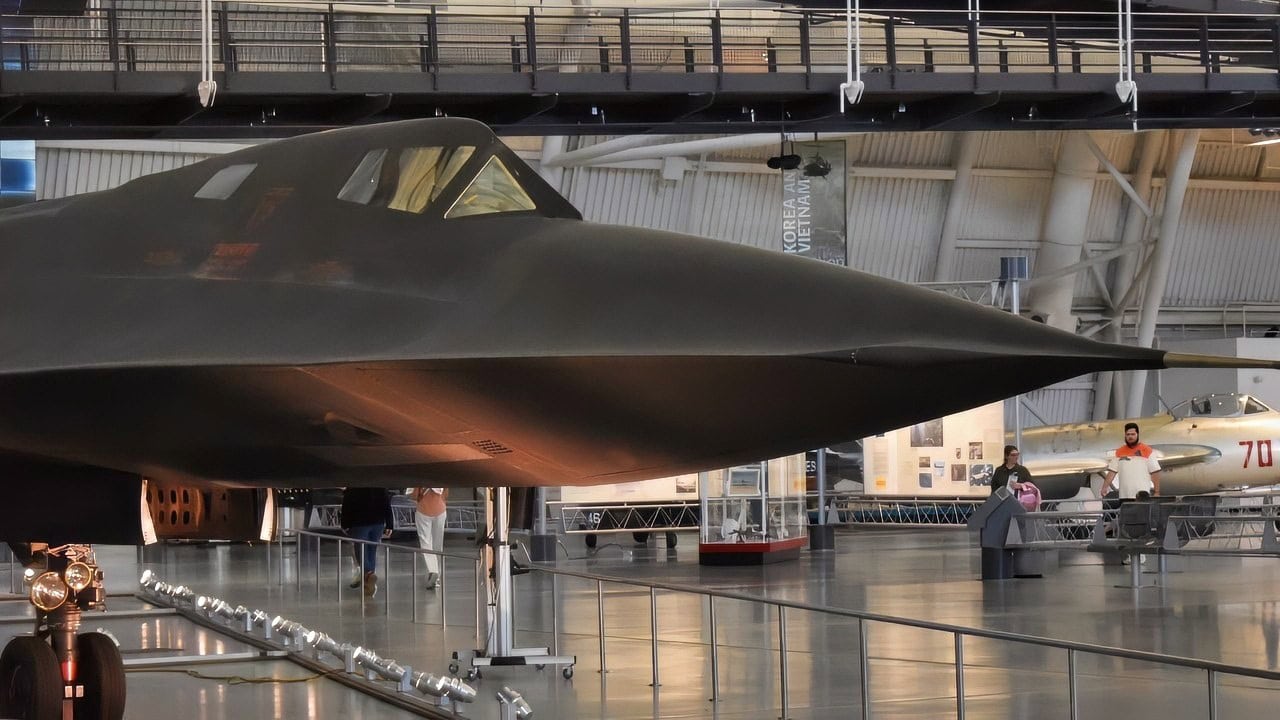
SR-71 Blackbird Photo by Dr. Brent Eastwood of 19FortyFive.
The Verdict: The Best Fighter The Air Force Never Flew
The two F-16XLs were eventually retired for good and survive today as museum and storage airframes, the only two examples of a design that flew beautifully and served no squadron.
The airplane’s record is a paradox: it was, by several measures, superior to the aircraft built around it, and it never entered service; it lost a competition on practical grounds that were sound, and its own chief engineer went to his assessment calling the loss political; it was rejected as a weapon and then judged valuable enough to spend a decade advancing the nation’s most demanding aeronautical research. Few aircraft have been so good and so unwanted at the same time.
Calling the F-16XL the best fighter the Air Force never flew is a claim that invites argument, and that is precisely its appeal. The F-15E that beat it was the right choice for the deep-strike mission as the Air Force defined it, with two engines, lower risk, and decades of growth ahead — and it earned its place across forty years of frontline service.
But the XL was the more daring design, a cranked-arrow delta that did more with less, flew farther, and carried more than the F-16 it came from, and pointed toward aerodynamic ideas the rest of the world is still pursuing.
About the Author: Harry J. Kazianis
Harry J. Kazianis (@Grecianformula) was the former Senior Director of National Security Affairs at the Center for the National Interest (CFTNI), a foreign policy think tank founded by Richard Nixon based in Washington, DC. Harry has over a decade of experience in think tanks and national security publishing. His ideas have been published in the NY Times, The Washington Post, The Wall Street Journal, CNN, and many other outlets worldwide. He has held positions at CSIS, the Heritage Foundation, the University of Nottingham, and several other institutions related to national security research and studies. He is the former Executive Editor of the National Interest and the Diplomat. He holds a Master’s degree focusing on international affairs from Harvard University.

