
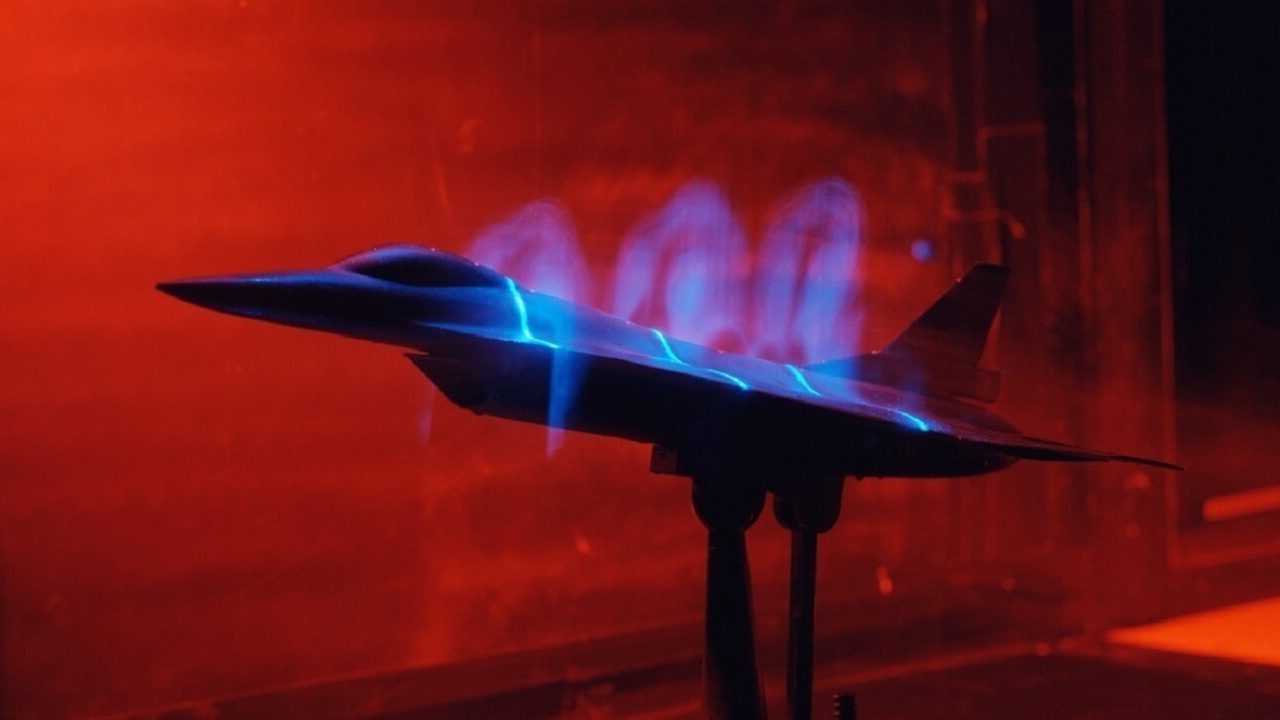
Key Points and Summary on F-16XL Fighter – The F-16XL was a radical “what-if” aircraft featuring a cranked-arrow delta wing designed to transform the standard F-16 into a high-speed deep strike bomber.
-Although it offered superior aerodynamics, range, and payload capacity compared to the F-16, the XL ultimately lost the USAF’s Enhanced Tactical Fighter competition to the F-15E Strike Eagle.
-The Air Force prioritized the F-15E’s twin-engine survivability and two-crew workload management over the XL’s performance, though the prototypes later served a critical role in NASA’s supersonic research.
Why the Radical F-16XL Lost the Air Force’s Critical Strike Competition
The F-16XL remains one of the most striking “what-if” aircraft in US Air Force history. A dramatic reimagining of the F-16, the XL-variant was bigger, faster, and longer-ranged.
Designed to solve a real operational problem, not just chase aesthetics, the F-16XL lost a major USAF competition (to the F-15E), but not because the jet suffered from any drastic shortcomings; the F-16XL was a capable fighter, whose legacy endures in modern strike fighters, NASA research, and design philosophies.
What Was the F-16XL
The F-16XL was a heavily modified derivative of the standard F-16, featuring a cranked-arrow delta wing. The purpose: deep strike missions, high-speed penetration, large weapons payload.
The XL retained the standard variants’ single-engine configuration and groundbreaking fly-by-wire controls—but fundamentally changed the platform’s aerodynamics and mission profile. Whereas the F-16 was a pure in-tight dogfighter, the XL was more of a light strike bomber, designed around range, payload, and efficiency—not turning fights.
Why the F-16XL was Built
In the late Cold War, the USAF sought a replacement for the revolutionary, yet aging, F-111 Aardvark, something capable of long-range interdiction, offering supersonic dash and a heavy payload.
General Dynamics proposed an F-16 variant rather than a clean-sheet aircraft, promising advantages such as lower cost relative to a new bomber and shared logistics with the existing F-16 fleet. The new XL was optimized for speed at low altitude and high-drag weapon carriage.
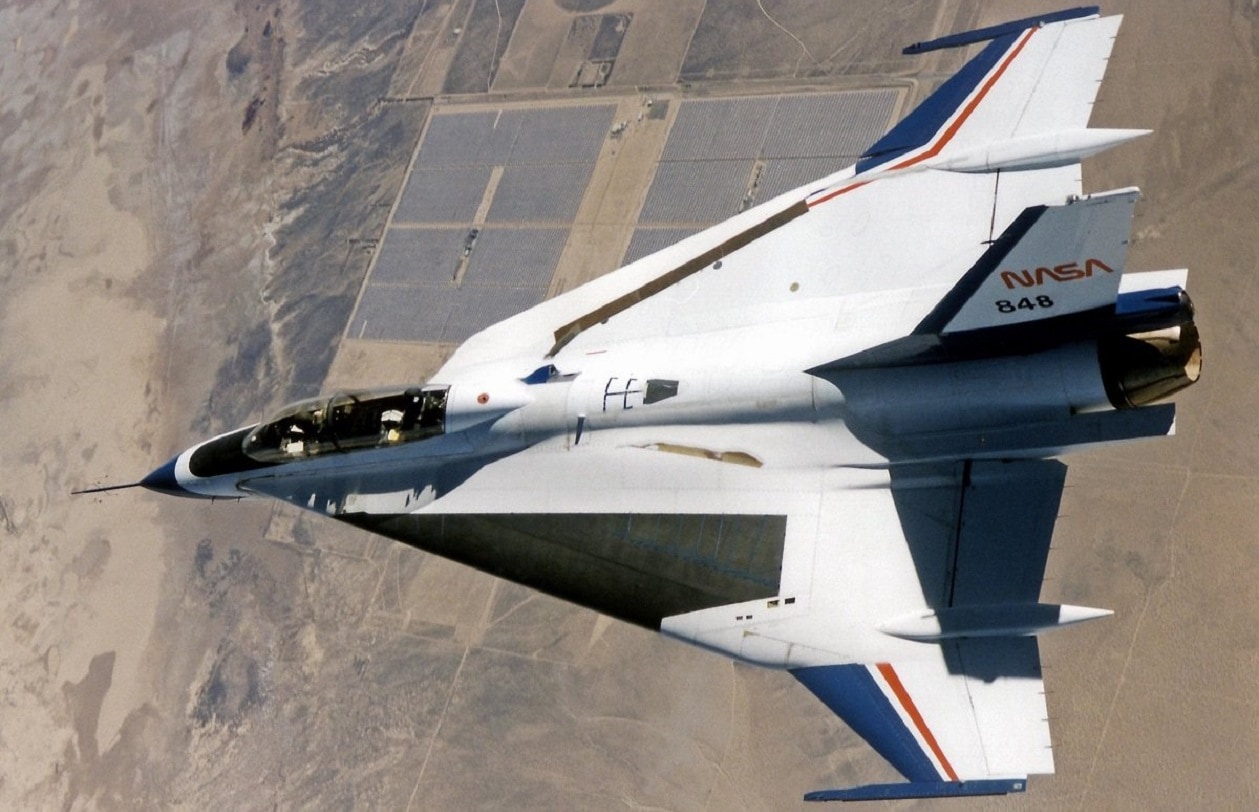
F-16XL. Image Credit: NASA.
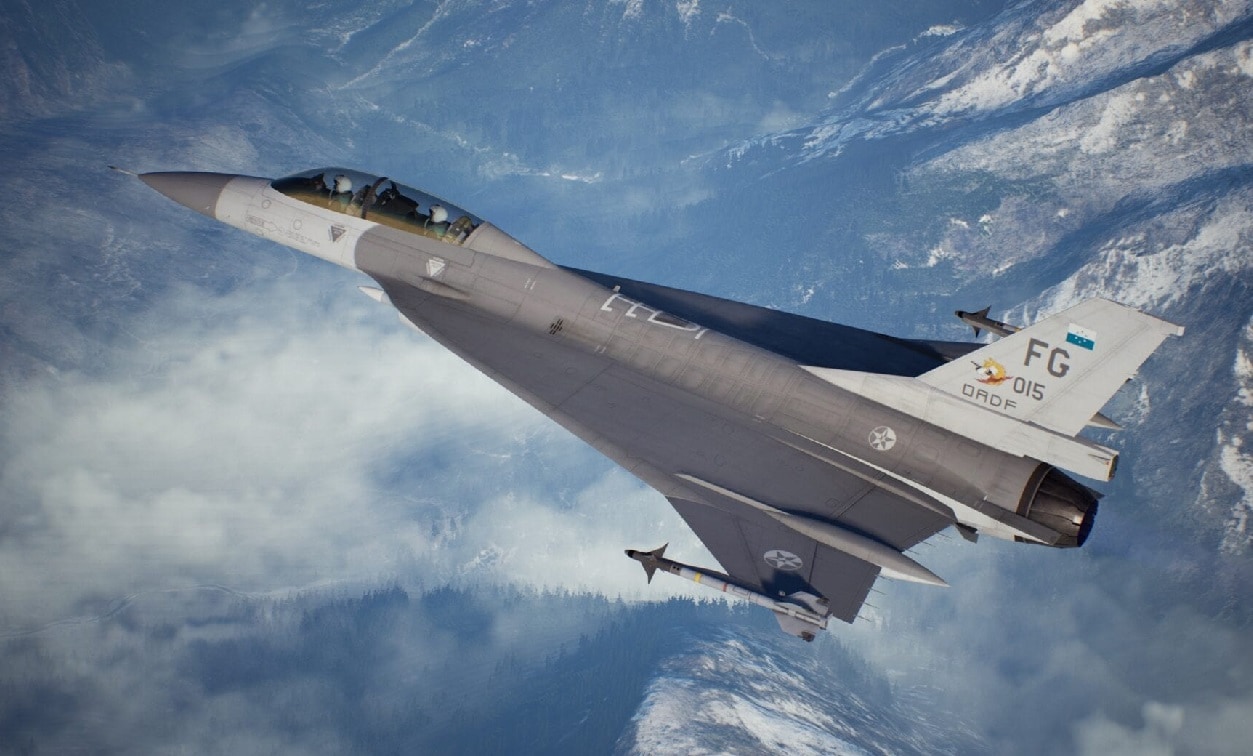
Image of what would have been the F-16XL, an artist rendering. Image Credit: Creative Commons.

Image: Creative Commons.
Technical Specifications of the F-16XL
The most obvious difference between the F-16 and the F-16XL was the wing design; the XL had 120 percent more wing area than the standard F-16, with a cranked-arrow shape that reduced drag at supersonic speeds.
The new wing offered performance benefits, specifically higher sustained supersonic cruise and improved fuel efficiency at speed. The payload was vastly improved, with up to 27 hardpoints and the ability to carry weapons externally without imposing an extreme drag penalty.
The XL’s range was significantly extended relative to the standard F-16. Stability at high speeds was excellent, although the aircraft was built with less emphasis on low-speed agility. The engines were unadjusted, still the same F100/F110 lineage.
In sum, the F-16 XL was one of the most aerodynamically efficient strike designs of its era.
ETF Competition
The F-16XL was entered in the USAF’s Enhanced Tactical Fighter (ETF) competition, pitted head-to-head with the F-15E. The F-16XL retained some advantages over its competitor, namely better supersonic efficiency, lower project operating costs, and a smaller radar cross-section. The F-15E had an edge on survivability, with twin engines, mission complexity, a two-crew cockpit, and room for future growth.
The F-16XL performed admirably, but the USAF’s priorities were trending towards an emphasis on redundancy, crew workload sharing, and all-weather, night strike—a trend the F-15E was better positioned to capitalize on. So the F-16XL didn’t lose on performance, but on institutional comfort levels.
The F-16XL was considered the riskier airplane—understandably, the single-engine configuration was seen as a liability for deep-strike missions. The F-15E also offered improved growth potential, with more space and more power. The decision reflected doctrine and culture and politics, not necessarily a lack of confidence in the F-16XL.
Silver linings
After losing the ETF competition, the two F-16XL prototypes were transferred to NASA, which used them for supersonic laminar-flow research, sonic-boom studies, and advanced aerodynamics testing.
The airframes were used to validate wing-efficiency claims and the benefits of high-speed cruise. F-16XL testing would influence later thinking on drag reduction and supersonic aircraft design, meaning the relatively obscure, two-off platform made an outsized influence, proving its value long after the USAF rejection.
Enduring Legacy
The F-16XL anticipated payload-centric strike fighters optimized for aerodynamics rather than brute force. Lessons absorbed from the F-16XL program were even incorporated into F-15E upgrades and subsequent strike design philosophies.
So, it could be said that the XL failed as a program but succeeded as an idea. In effect, the XL was not a dead end, just an innovation branch that the USAF chose not to pursue. The ETF loss ultimately highlighted how requirements shape outcomes and how culture shapes procurement.
Today, the F-16 XL stands as one of the most technically impressive fighters never to be fielded.
About the Author: Harrison Kass
Harrison Kass is an attorney and journalist covering national security, technology, and politics. Previously, he was a political staffer and candidate, and a US Air Force pilot selectee. He holds a JD from the University of Oregon and a master’s in global journalism and international relations from NYU.