
Washington spent the better part of six months working out which Iranian officials could actually stop this war.
By the president’s own admission, it has now reached them.
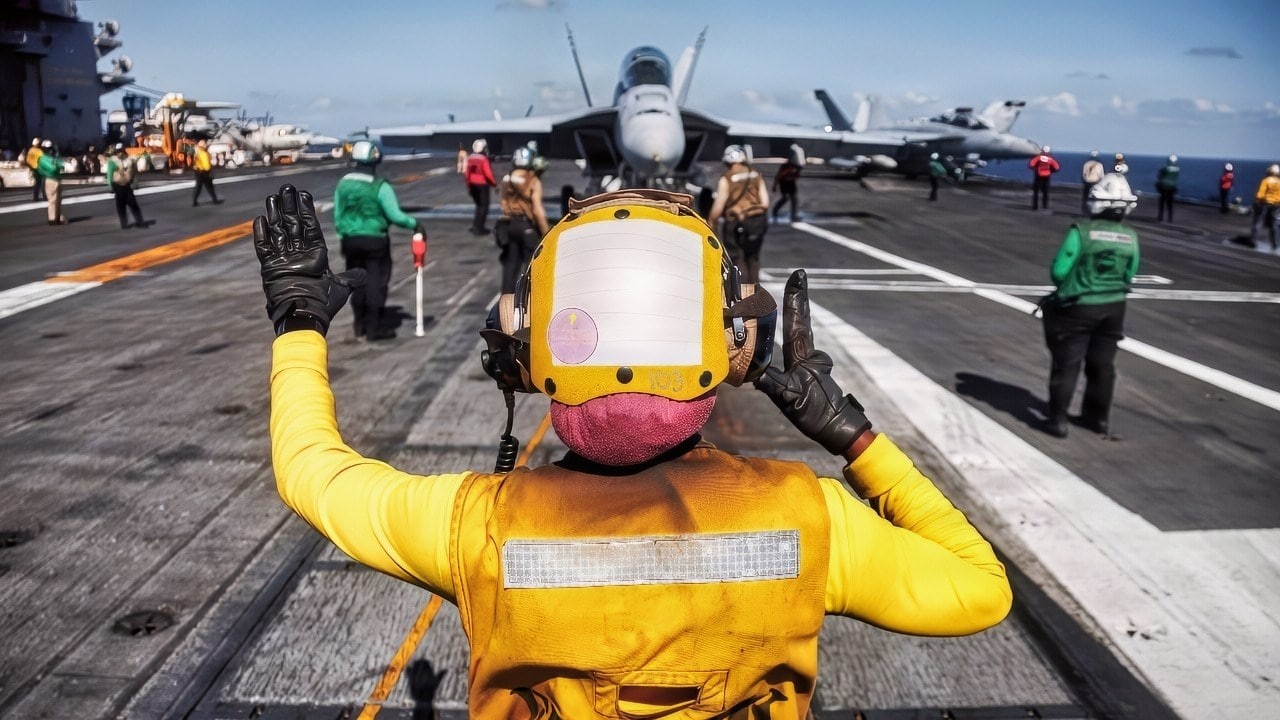
A U.S. Sailor signals to an F/A-18F Super Hornet aircraft, attached to Strike Fighter Squadron 213, on the flight deck of the world’s largest aircraft carrier, Ford-class aircraft carrier USS Gerald R. Ford (CVN 78), while underway in the Caribbean Sea, Feb. 5, 2026. U.S. military forces are deployed to the Caribbean in support of the U.S. Southern Command mission, Department of War-directed operations, and the president’s priorities to disrupt illicit drug trafficking and protect the homeland. (U.S. Navy photo)
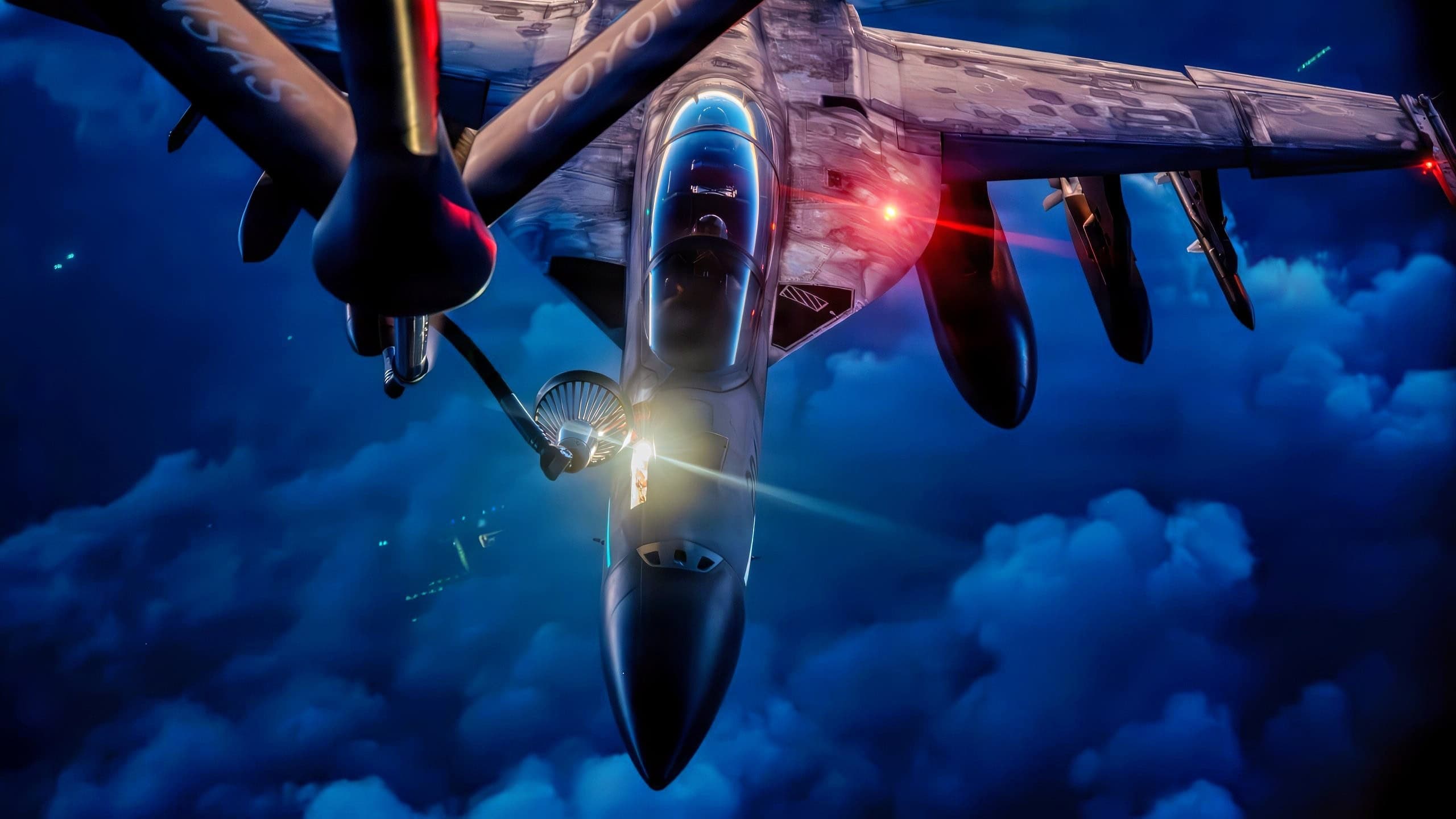
A U.S. Navy F/A-18F Super Hornet aircraft refuels from a U.S. Air Force KC-135 Stratotanker aircraft during a mission in support of Operation Epic Fury over the U.S. Central Command area of responsibility, March 8, 2026. (U.S. Air Force photo)
The far harder problem, the one this week made impossible to avoid, is figuring out what they want in return.
On Monday, Trump told Fox News that Washington has had a backchannel to Iran’s Revolutionary Guards for months, then threatened to bomb Oman if it “gets in the way” of a settlement in the Strait of Hormuz.
The same day, a senior Iranian official told Reuters that Tehran is prepared to go “fully offensive” against the American naval blockade if diplomacy doesn’t produce results, and the June memorandum’s sixty-day clock ran out with nothing to show for it.
On Tuesday, Iran’s top negotiator, Mohammad Baqer Qalibaf, told parliament exactly what it would take to reopen the strait: lift the naval blockade, lift the oil sanctions, unfreeze Iran’s assets, stop military operations “on all fronts.”
Put those two days side by side, and the shape of the problem gets easier to see. Washington spent months finding the people in Tehran who can actually deliver a deal.
It has now found out, in about as public a way as Iran ever does this sort of thing, what they want for it.
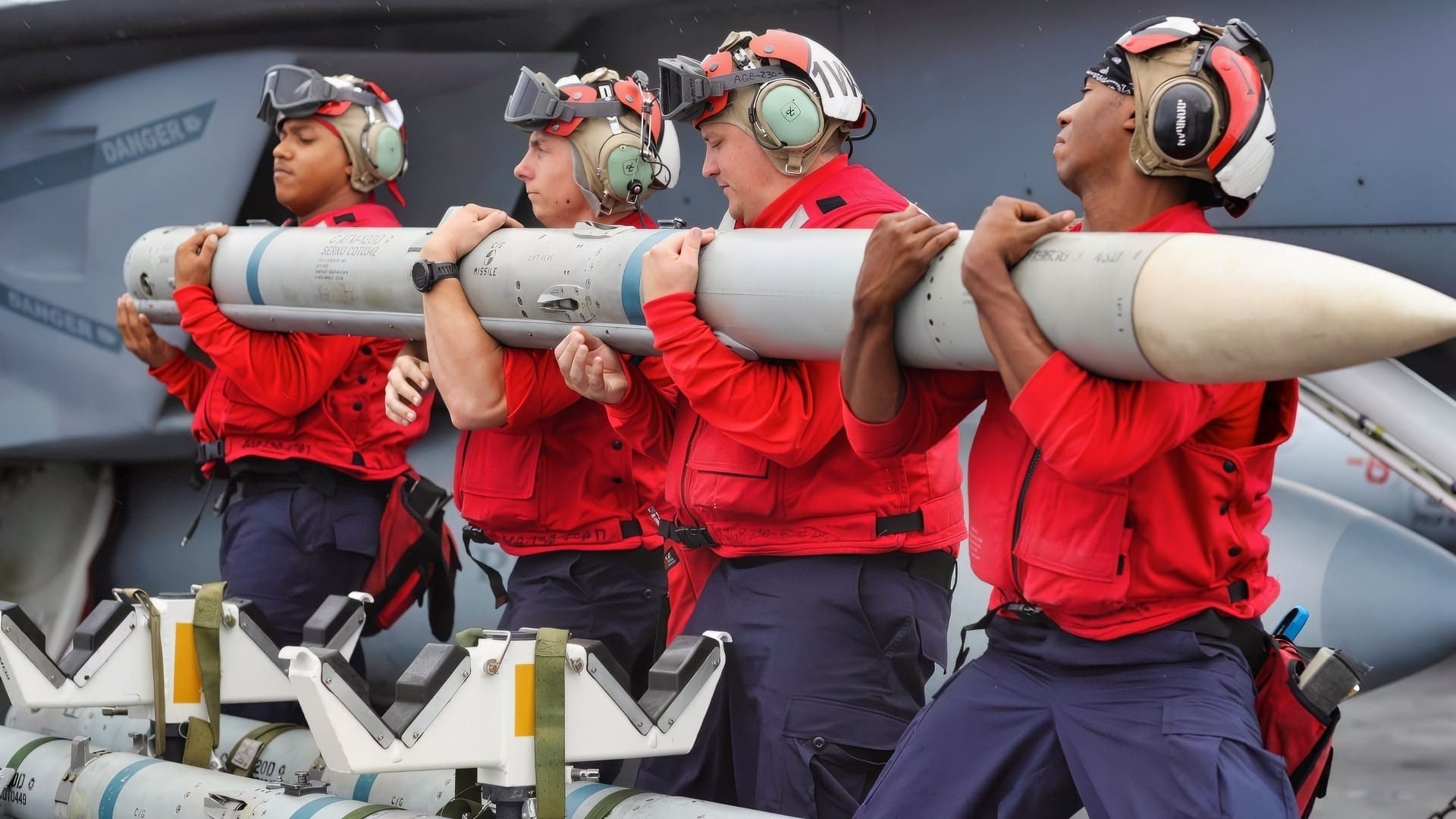
ATLANTIC OCEAN (July 31, 2018) Sailors prepare to transfer ordnance onto an F/A-18E Super Hornet from the Pukin’ Dogs of Strike Fighter Squadron (VFA) 143 on the flight deck of the Nimitz-class aircraft carrier USS Abraham Lincoln (CVN 72). (U.S. Navy photo by Mass Communication Specialist 2nd Class Jessica Paulauskas/Released)
Washington Got the Answer It Was Looking For
The doubt driving the backchannel was specific.
American officials weren’t sure whether Iran’s civilian negotiators, Abbas Araghchi and Qalibaf, could actually bind the institution that would have to enforce whatever they signed. So in May, Washington went looking for Ahmad Vahidi, the IRGC commander, using Kurdistan Regional Government President Nechirvan Barzani as the intermediary.
Vahidi’s answer, relayed back through that channel, was that he backed the negotiating team and preferred to settle the crisis at the table rather than on the battlefield.
This is not the first time Washington has had to guess at who actually speaks for Tehran’s security state, and it’s worth remembering how recently the answer changed.
Ali Larijani ran that file for most of the war’s opening weeks, effectively the country’s day-to-day wartime leader by the accounts of people who dealt with him, until an Israeli airstrike killed him in March.
Vahidi’s rise afterward followed the last time this same question was answered by force rather than diplomacy, which is worth keeping in mind before anyone treats his current standing as permanent.
That backing should have mattered when the June memorandum was signed.
Reporting at the time indicated Iran’s negotiators did not have independent final authority over the agreement, and by June the institution Washington doubted was very likely already inside that bargain.
The deal collapsed anyway, specifically over the strait, and remains stuck on terms close to those of Tuesday.
Treat the confirmed channel itself as the breakthrough, which is the instinct running through a lot of this week’s commentary, and you miss what actually happened.
The channel did what it was supposed to do.
Washington asked whether the Guards stood behind the negotiators, and the answer, as best anyone can tell, was yes. The agreement fell apart regardless.
The Guards Used the Quiet to Get Ready
Part of what explains that collapse showed up in the Wall Street Journal’s reporting this week, and it’s worth being careful about what it actually says, since two different kinds of evidence keep getting flattened together in the coverage.
What’s reported as having happened: IRGC advisers sent to Iraq, Yemen, and Lebanon during the ceasefire; missiles, naval assets, and drone launchers moved toward the Red Sea; intelligence and target lists reportedly handed to the Houthis covering Saudi ports and energy infrastructure; Quds Force officers holding calls with Hezbollah, Houthi, and Iraqi militia commanders throughout the lull in the fighting.
What’s reported as being considered, not done: sabotage of undersea internet cables in the Persian Gulf, an effort to stir unrest among Shia communities in Kuwait and Bahrain, and contingency planning for a ground operation against Kuwait itself.
Those are real reported options, not confirmed actions, and treating them as equivalent to the deployments above does readers no favors.
Either way, the ceasefire wasn’t dead time on the Iranian side. It was preparation time.
What Reaching Them Actually Buys
Which brings the argument back to Qalibaf’s list, because that is where the real bargaining position lives, not in any single commander’s private assurances from three months ago.
Iran wants the naval blockade lifted, the oil sanctions dropped, its frozen assets released, and an end to what it calls military operations on all fronts. CTP-ISW assesses that an anti-concessions faction likely led by Vahidi supports negotiations in principle but resists any arrangement that meaningfully dilutes Iran’s claimed authority over the strait.
That’s an analytical judgment, not a confirmed fact, since nobody outside that faction actually knows what it will or won’t accept.
What isn’t in dispute is that Iran has been acting on its claimed authority rather than just asserting it, attacking vessels that transit the strait without what it considers proper authorization.
Some of that package would leave Washington strategically worse off in the Gulf even if it stopped the fighting tomorrow.
Hormuz cannot become a waterway Iran administers by permission without Washington conceding exactly the kind of coercive leverage the blockade was built to deny it, and Gulf partners cannot be left exposed to a newly emboldened IRGC as the price of a pause in the fighting.
Threatening Oman, the mediator, in the same week Tehran’s price got more explicit rather than less, is a strange way for the administration to signal confidence in its own channel.
Can Trump strike a deal directly with the IRGC, then? Probably, at a price nobody in the administration has said out loud they are willing to pay.
Would it end the trouble with Iran? A Hormuz arrangement, even on terms Washington could live with, settles the war over the strait and not much else.
Even if Washington found a tolerable formula there, including the specific oil-sanctions relief Qalibaf is asking for, the larger economic and military confrontation would remain. Iran’s nuclear file stays open.
The regional network the Guards coordinated with during this ceasefire in Iraq, Yemen, and Lebanon stays intact.
Officials eager to close out an unpopular war are going to be tempted to treat a Hormuz settlement as the end of the story anyway.
Whatever Washington eventually decides Tehran’s price is worth paying, the strait Qalibaf was describing on Tuesday is still barely functioning. Shipping through it runs at a handful of vessels a day, down from more than 130 before the war.
That number, not the confirmation of a backchannel five months in the making, will say whether reaching the Guards turned into anything more than knowing where to call.
About the Author: Dr. Andrew Latham
Andrew Latham is a professor of international relations and political theory at Macalester College in Saint Paul, MN. You can follow him on X: @aakatham.