
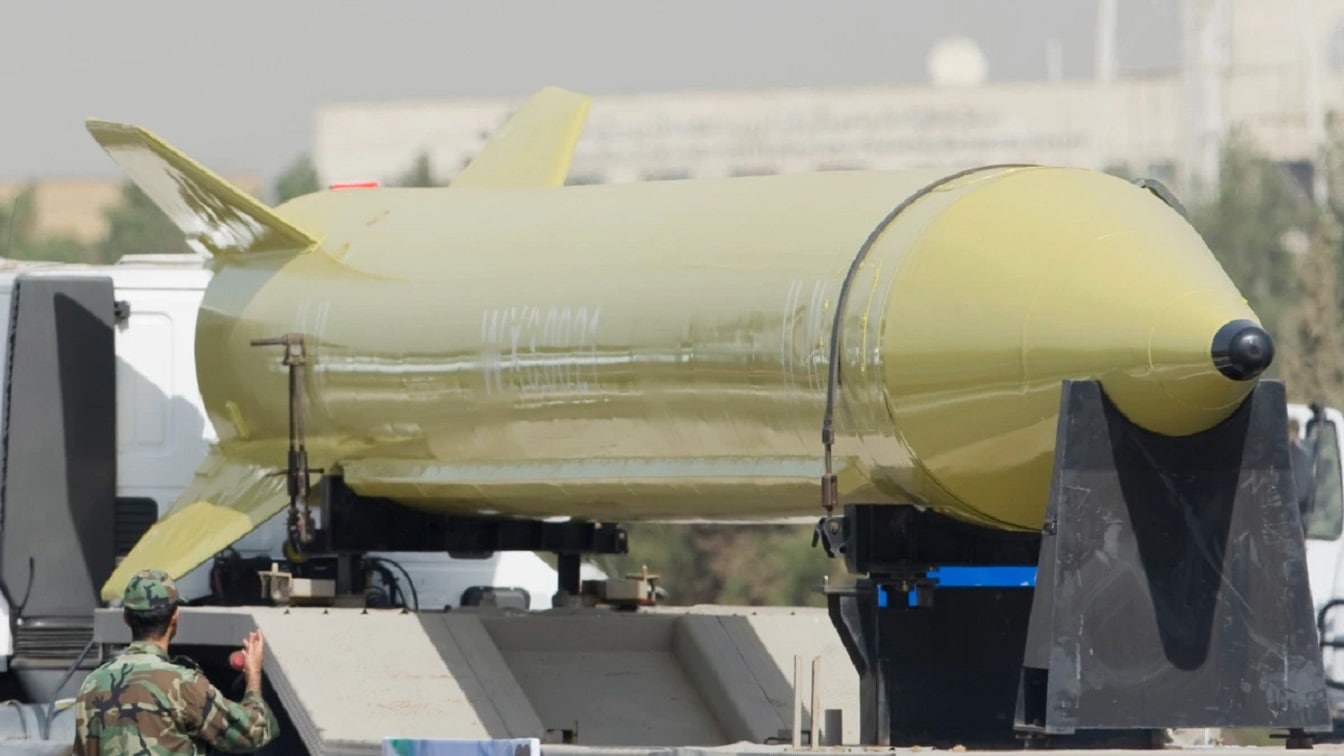
The Sejjil is an Iranian two-stage, solid-fueled medium-range ballistic missile with an estimated range of up to 2,000 kilometers (1,240 miles) and a payload capacity of roughly 700 kg (1,500 pounds).
Its solid-propellant design allows for rapid deployment and short preparation times compared to older liquid-fueled systems.
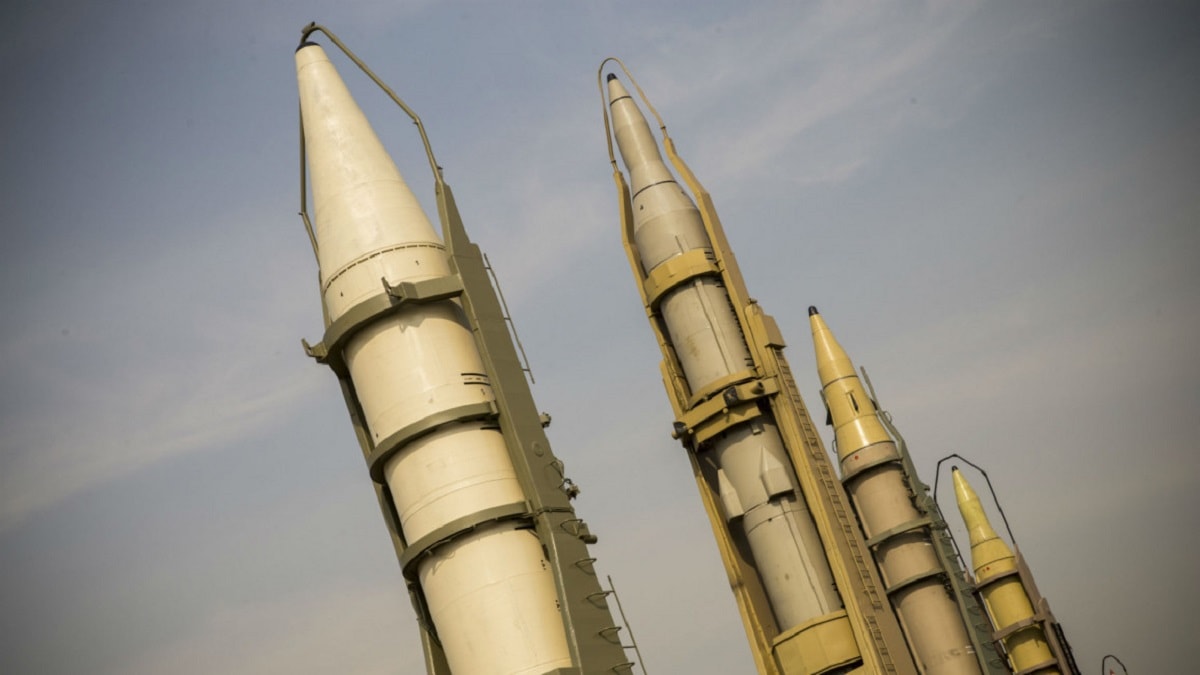
Iran’s missiles. Image Credit: Creative Commons.
The Sejiil, which is Persian for “Brimstone,” is a replacement for the Shahab liquid-fueled ballistic missiles. The Shahabs were basically the North Korean Scud B, Scud C, and the Nodong ballistic missiles.
According to US Pentagon sources, the missile profile of the Sejil closely matches those of the Ashura, Ghadr-110 and the Samen.
Iran’s Sejiil Design And Development
Iran began developing the Sejjil missile in the late 1990s and has continued its development from the Zelzal short-range ballistic missile (SRBM).
Iran began using solid propellant around 2008, due to advancements in fuel technology, which are believed to have been aided by China.
Solid-fuel propellants do not need to be fueled immediately prior to launch, making missiles easier to transport and shortening launch times.
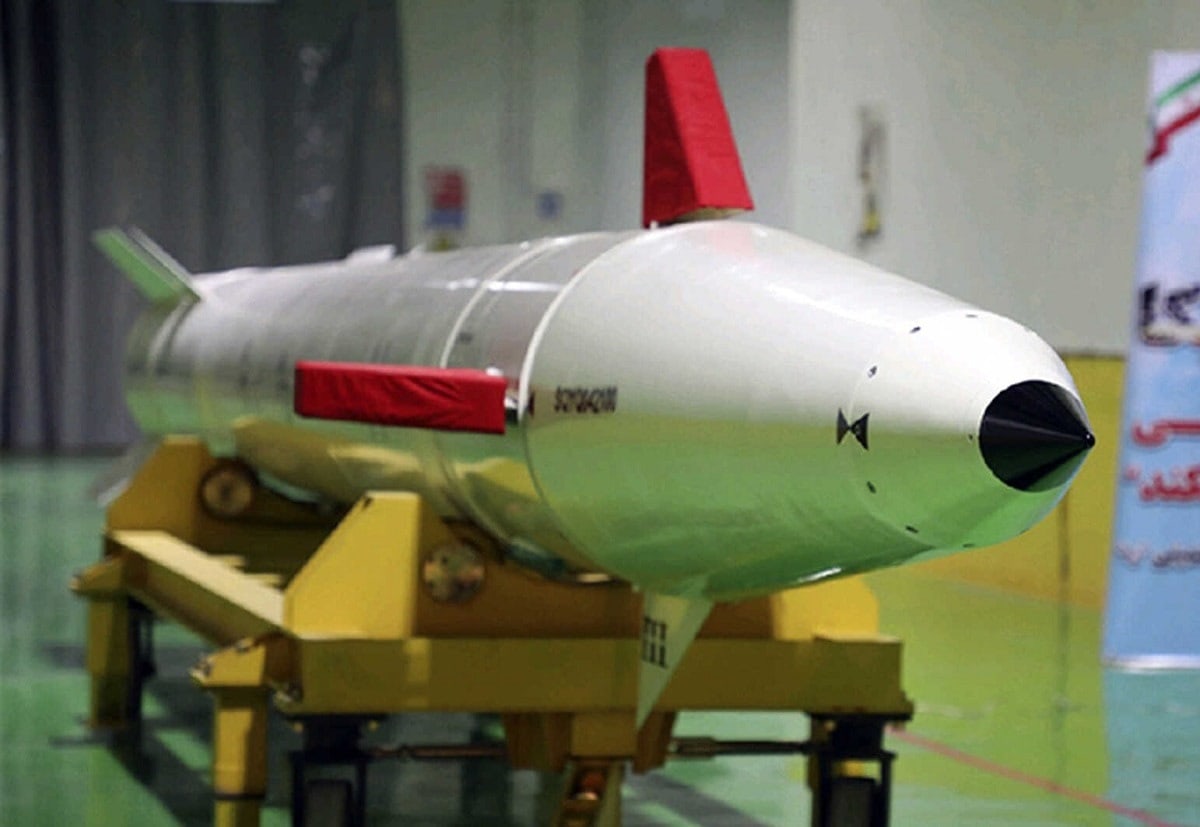
Iranian ballistic missiles. Image: Creative Commons.
Iran has reportedly developed two variants of the missile; the Sejiil 2 was referenced in 2009 after tests were conducted.
Iranian media reported that the Sejjil-2 has “anti-radar coating,” which makes it more difficult for missile defense systems to track.
The Sejjil-3 is a rumored, unconfirmed three-stage development variant of Iran’s Sejjil medium-range solid-propellant ballistic missile.
While active combat and operational focus center on the two-stage Sejjil-2 (which has a ~2,000 km range), the theoretical Sejjil-3 is projected to significantly extend those capabilities
The Sejjil 3 reportedly has three stages, a maximum range of 4,000 km (2,485 miles), which would stretch potential coverage well past the Middle East into parts of Europe and deeper Asia, and a launch weight of 38,000 kg.
The Sejiil 3 has been referred to as “the dancing missile” and was supposedly fired against Israel in March of 2026.
Senjiil Missile Specs
Uzi Rubin, former director of Israel’s Ballistic Missile Defense Organization, indicated that, “Unlike other Iranian missiles, the Sajil bears no resemblance to any North Korean, Russian, Chinese, or Pakistani missile technology. It demonstrates a significant leap in Iran’s missile capabilities.”
Iran claims that if launched from the city of Natanz, it could reach Tel Aviv in less than seven minutes.
The missile is 18.2 meters long, about 60 feet. It has a diameter of 1.25 meters and weighs 22.5 tons.
The Senjiil is a solid-fuel ballistic missile with a range of 2,000 to 4,000 km.
Sejjil missiles are believed to carry warheads weighing roughly 500 to 1,000 kilograms, with reported accuracy within tens of meters, depending on the guidance systems.
The missile is road-mobile, meaning it can be launched from transport vehicles rather than fixed silos, increasing its survivability during wartime.
An Iranian Sejjil-2 medium-range solid-fuel ballistic missile is estimated to cost about $6 million per unit, depending on production batch, valuation metrics, and integrated guidance system.
The Iranian Sejjil missile reaches terminal speeds exceeding Mach 13 (roughly 17,000 km/h or 10,500 mph) during re-entry.
General flight profiles and earlier stages estimate its baseline or boost-phase speeds starting around Mach 4 to Mach 5, accelerating heavily into hypersonic speeds as it plunges toward its target.
Iran Has Fired The Senjiil Ballistic Missile Against Israel
Iran’s Islamic Revolutionary Guard Corps (IRGC) said it used long-range Sejjil missiles with a 2,000-kilometer range for the first time in attacks on Israel back in June.
The IRGC released a statement saying its forces had “shattered the Zionist army’s defense system” in strikes and that “the sky of the occupied territories has now opened its arms to Iranian missiles and drones.”
The statement said missile attacks targeting the Mossad headquarters, military intelligence facilities and air force bases across Israel were conducted, adding that these would be “effective and continuous.”
Israel reported, however, that the Senjiil has about the same characteristics as other Iranian ballistic missiles and that one was intercepted.
The IDF said that fragments from the downed missile caused minor damage to a vehicle.
About the Author: Steve Balestrieri
Steve Balestrieri is a National Security Columnist. He served as a US Army Special Forces NCO and Warrant Officer. In addition to writing on defense, he covers the NFL for PatsFans.com and is a member of the Pro Football Writers of America (PFWA). His work was regularly featured in many military publications.