

Summary and Key Points – “You must be single-minded. Drive for the one thing on which you have decided.” General George S. Patton said that, and the thing he had decided on was set before he was old enough to enlist. He was raised on his grandfather’s Confederate service, idolized Caesar, Hannibal, Napoleon and Joan of Arc as a boy, and read Xenophon and Polybius alongside modern theorists for the rest of his life. He did not treat the tank as a break with any of it — to Patton, chariots, cavalry and armor were one continuous lineage of fast, aggressive instruments built to break an enemy’s will. And he believed, without irony, that he had been present for some of it: that he had fought as a Roman soldier, as a Carthaginian against Rome, and as an officer under Napoleon.
The Wisdom of Patton
“You must be single-minded. Drive for the one thing on which you have decided.” – General George Patton
General George S. Patton is a man known for many things; single-mindedness is among his most prominent attributes. He was known for pursuing his goals with determination and vigor, even when his methods made little sense to everyone else. To gain an advantage over his enemies, Patton relentlessly studied history to draw insight from past military campaigns and glean wisdom from the great generals of old. This pursuit of knowledge gave him a deeper understanding of battlefield tactics and, in turn, aided his fight against Germany during the War.
George Patton: A Childhood Shaped By Military History
Patton’s love and appreciation of history developed at a young age.
He was born into a family heavily steeped in military tradition. His grandfather was a colonel in the Confederate Army, and as a boy, he grew up hearing romanticized stories about heroism in the heat of battle. He quickly grew to idolize the feats of Julius Caesar, Napoleon Bonaparte, Hannibal, Joan of Arc, and many more.
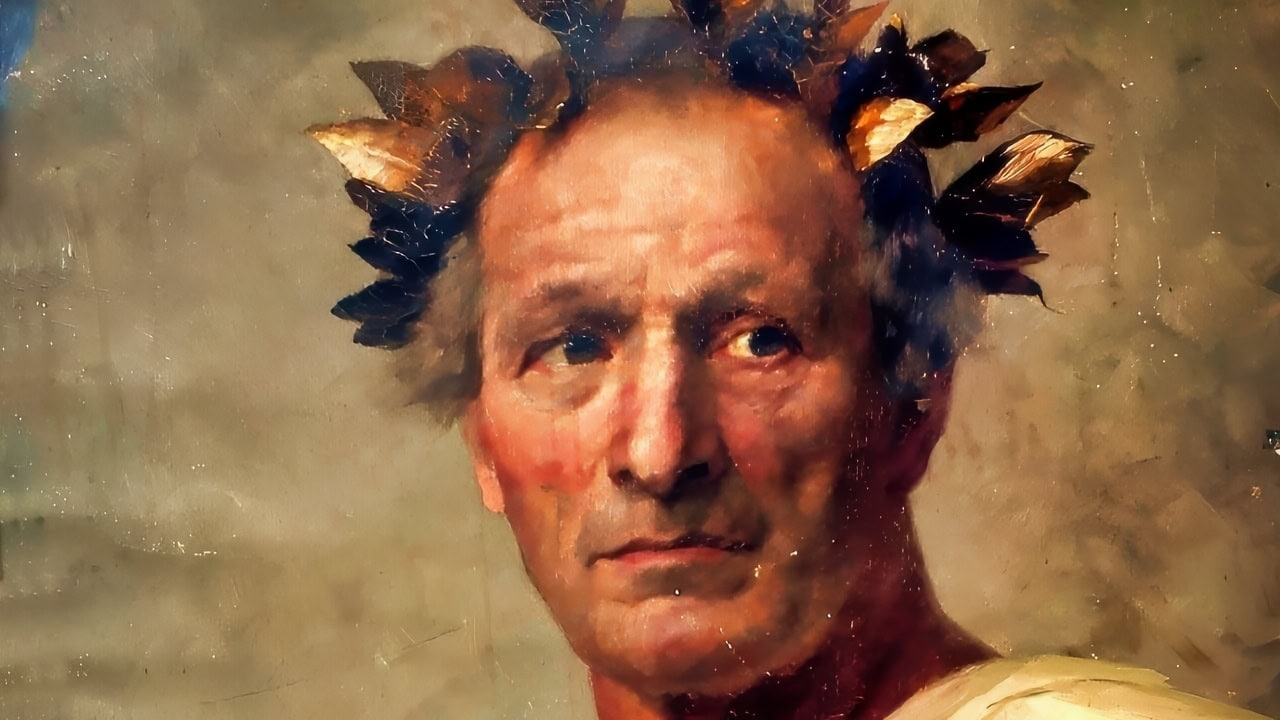
Julius Caesar Painting Creative Commons Image
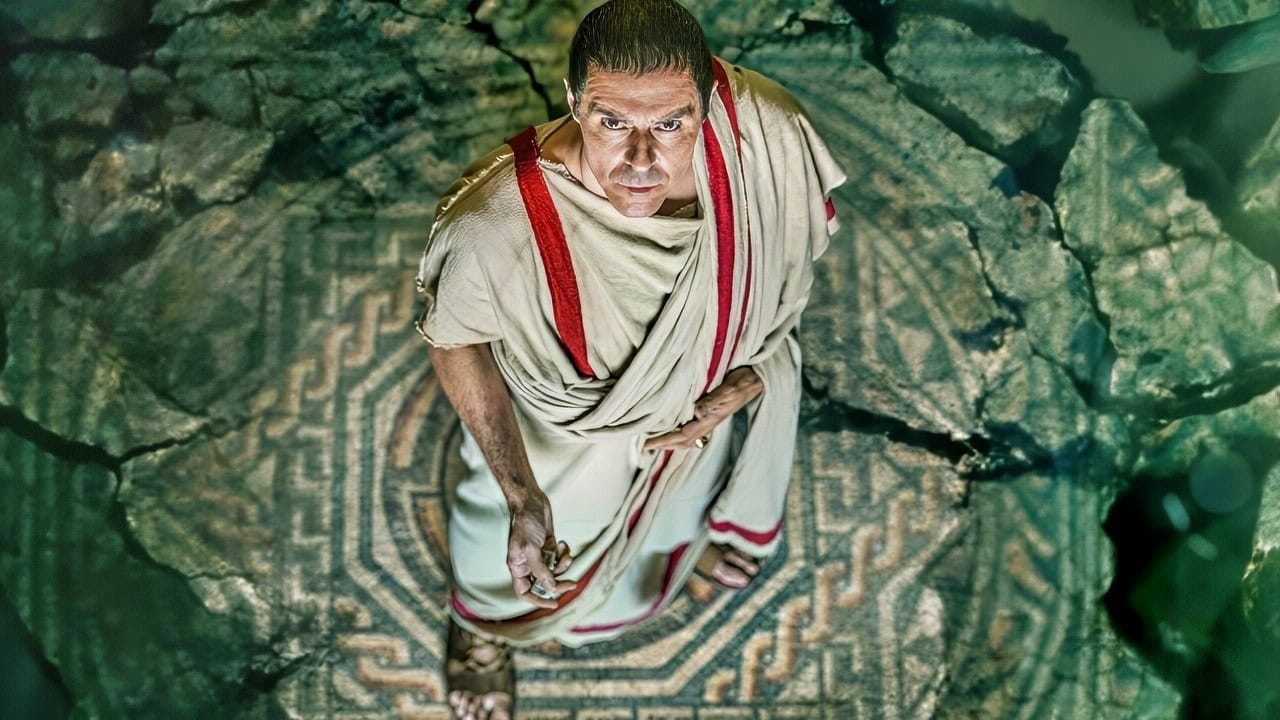
Julius Caesar PBS Series Promo Handout
His father, George Smith Patton, was a wealthy, highly educated man who graduated from the Virginia Military Institute and was deeply involved in his son’s education. All these influences combined to instill in George S. Patton Jr. a deep love of history and the military.
An underrated aspect of Patton was his ability to synthesize older military theories and traditions with newer techniques and technologies. He read ancient authors such as Caesar, Xenophon, and Polybius alongside modern theorists and historians.

Vercingetorix throws down his arms at the feet of Julius Caesar, painting by Lionel Royer in 1899. Musée Crozatier, Le Puy-en-Velay, France. Imave Credit: Creative Commons.
He examined cavalry battles, infantry formations, and logistical systems with the same seriousness he later devoted to armored warfare. Patton viewed tanks not as a radical break from the past, but as a continuation of shock forces that had existed since antiquity. To him, chariots, cavalry, and tanks belonged to a single lineage of fast, aggressive instruments designed to break the enemy’s will.
Patton and His Role in History
Patton’s love of history was coupled with his bizarre belief in reincarnation. He sincerely believed that he had lived previous lives as a warrior, claiming to recall experiences as a Roman soldier, a Carthaginian fighting against Rome, and even a Napoleonic officer.
These convictions were incredibly strange to his subordinates, most of whom thought he was speaking metaphorically. In one of his poems (yes, Patton wrote poetry), he wrote: “So as through a glass, and darkly, the age-long strife I see where I fought in many guises,
Many names, but always me.” Ever since he was a child, Patton always had a sense that he was destined to accomplish great things in a great war. This belief was likely encouraged by his love and fascination with history.
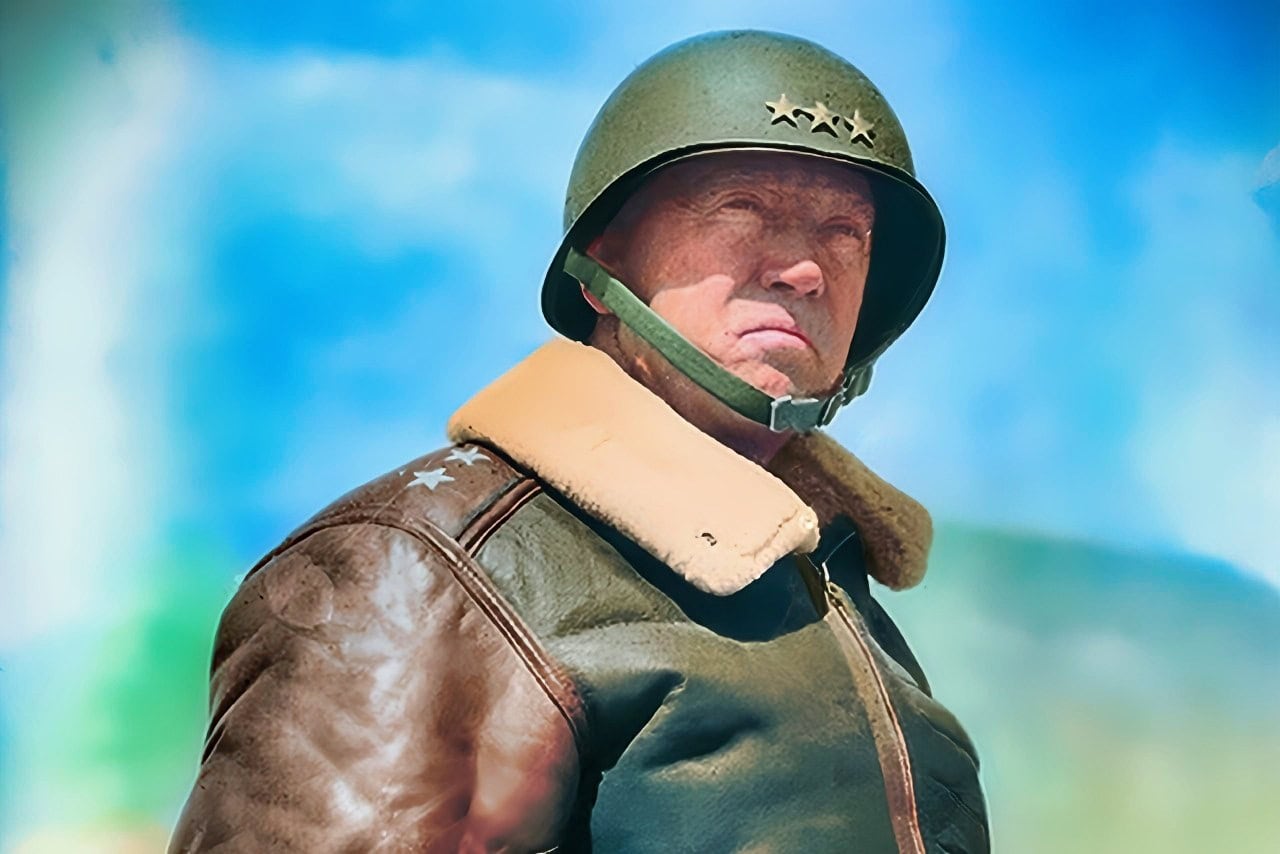
George Patton U.S. Army Photo
History also served as a moral compass and a tool for self-judgment for Patton.
He believed that commanders were accountable not only to their superiors and their nations, but also to history itself. In his view, history possessed a harsh memory, preserving the names of those who failed through indecision while honoring those who acted with courage. This belief fueled his intolerance of hesitation and his relentless drive to act.
Patton frequently warned his officers that excessive caution cost lives and that delay provided the enemy with opportunities. In this sense, history functioned for him as an ever-present tribunal, one that observed each decision and would eventually deliver an unappealable verdict.
Learning from the Successes and Failures of the Past
Patton’s admiration for classical commanders shaped both his leadership style and his battlefield behavior.
He studied Alexander the Great and his ability to lead from the front and inspire troops through personal bravery.
From Hannibal and Rome, he studied their tactics and battlefield maneuvers. To Patton, the historical figures of old were companions whose successes and mistakes could be revisited frequently. Their presence in his mind would influence his battlefield doctrine and strategies that he would later use against Germany.
Among historical figures, Napoleon Bonaparte held a special place in Patton’s imagination. He admired Napoleon’s energy, decisiveness, and ability to adapt and change strategies at the blink of an eye. Many have noted many similarities between Patton and Napoleon.
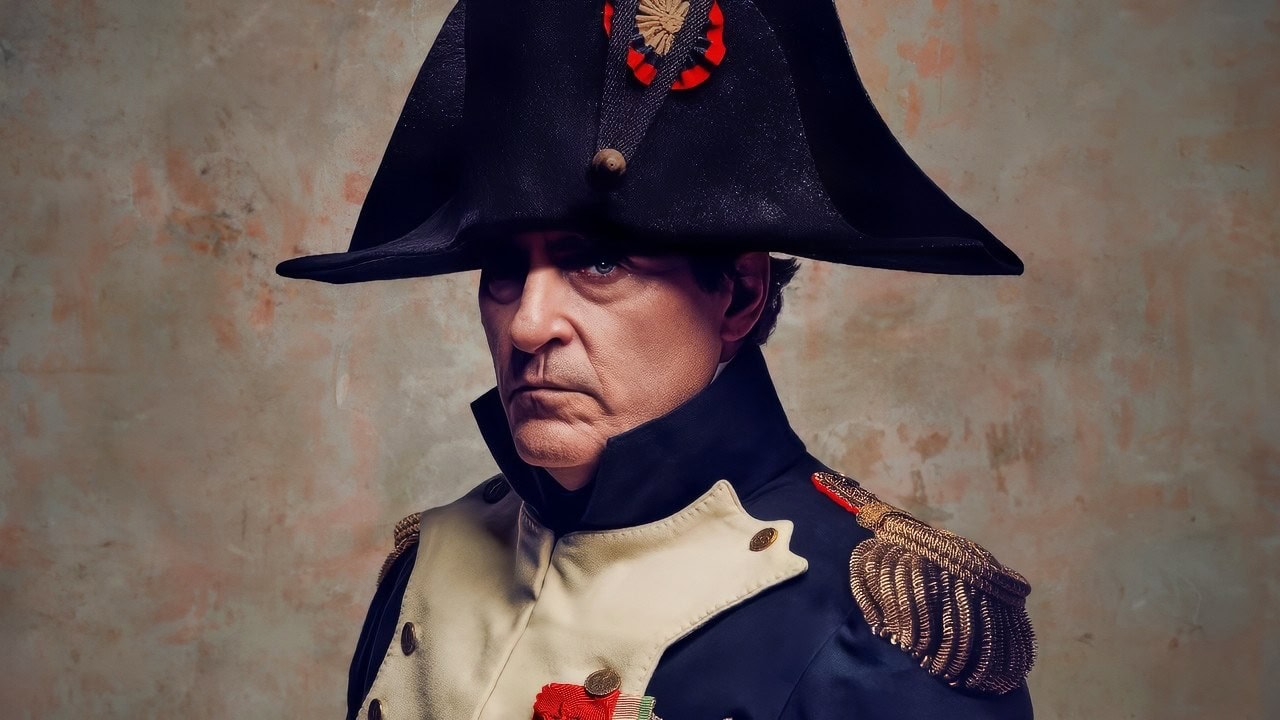
Napoleon Movie Poster Image. Image Credit: Industry Handout.

Napoleon with the Crown. Image Credit: Creative Commons.
Both possessed towering ambitions and equally large egos, but both were undoubtedly gifted men in the art of warfare. Bonaparte provided Patton with a rich example of the importance of artillery and well-maintained logistics lines. He would apply all the lessons he learned from World War II to great effect.
How History Shaped Patton’s Tactics
When Patton entered combat leadership during the Second World War, his historical studies translated directly into action. In North Africa, Sicily, and Western Europe, he conducted operations marked by rapid movement and constant pressure on the enemy.
After studying the military history of Prussia and the Holy Roman Empire, he gained an understanding of the German way of warfare and could predict the moves and strategies of his German adversaries. He predicted the counterattack in the Ardennes salient and prepared countermeasures in advance.
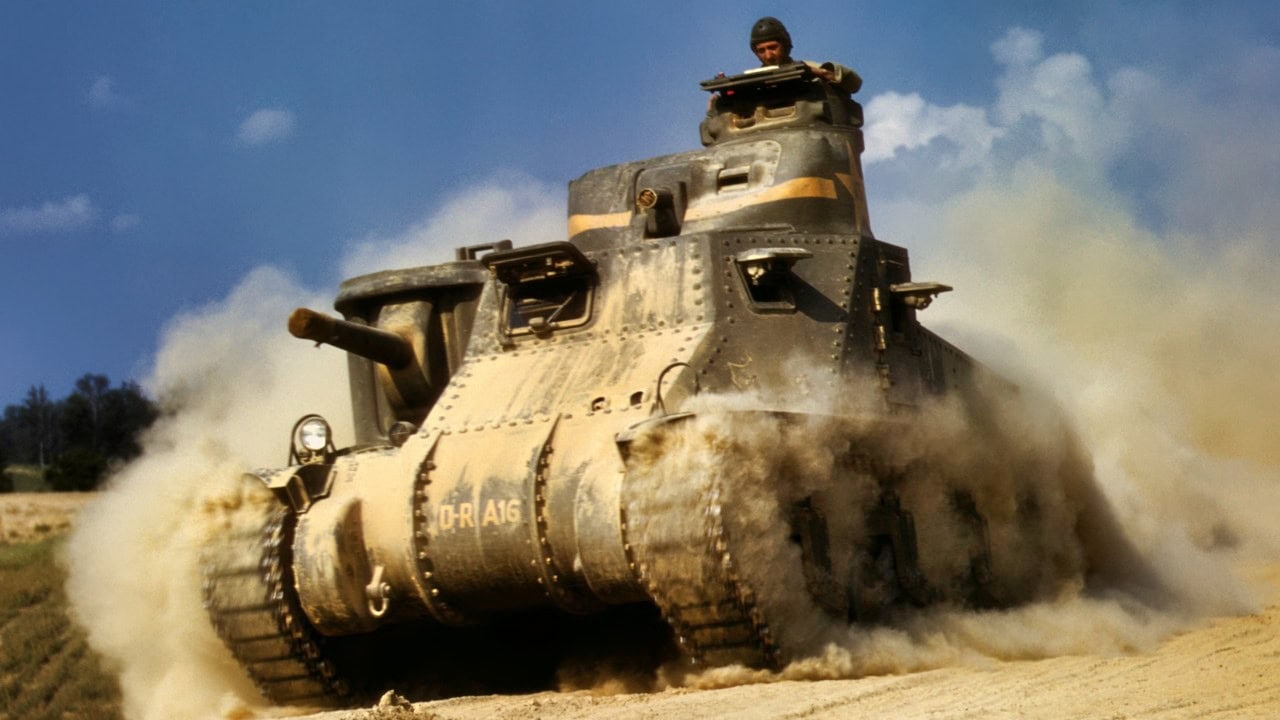
M3 Grant Lee Tank World War II.
His understanding of the Germans and their history was instrumental in his operations against them.
Patton was keenly aware that he was not only studying history but also contributing to it. He kept detailed diaries, in which he reflected on his decisions, and sometimes evaluated his own actions as though he were an external historian.
This self-awareness reinforced both his strengths and his excesses. He cultivated a specific image of himself in order to inspire confidence from his troops, but from himself as well. While these traits were abrasive and prone to controversy, they also inspired loyalty and morale among his troops, who sensed that their commander deeply believed in the mission’s significance.
About the Author: Isaac Seitz
Isaac Seitz, a Defense Columnist, graduated from Patrick Henry College’s Strategic Intelligence and National Security program. He has also studied Russian at Middlebury Language Schools and has worked as an intelligence Analyst in the private sector.