
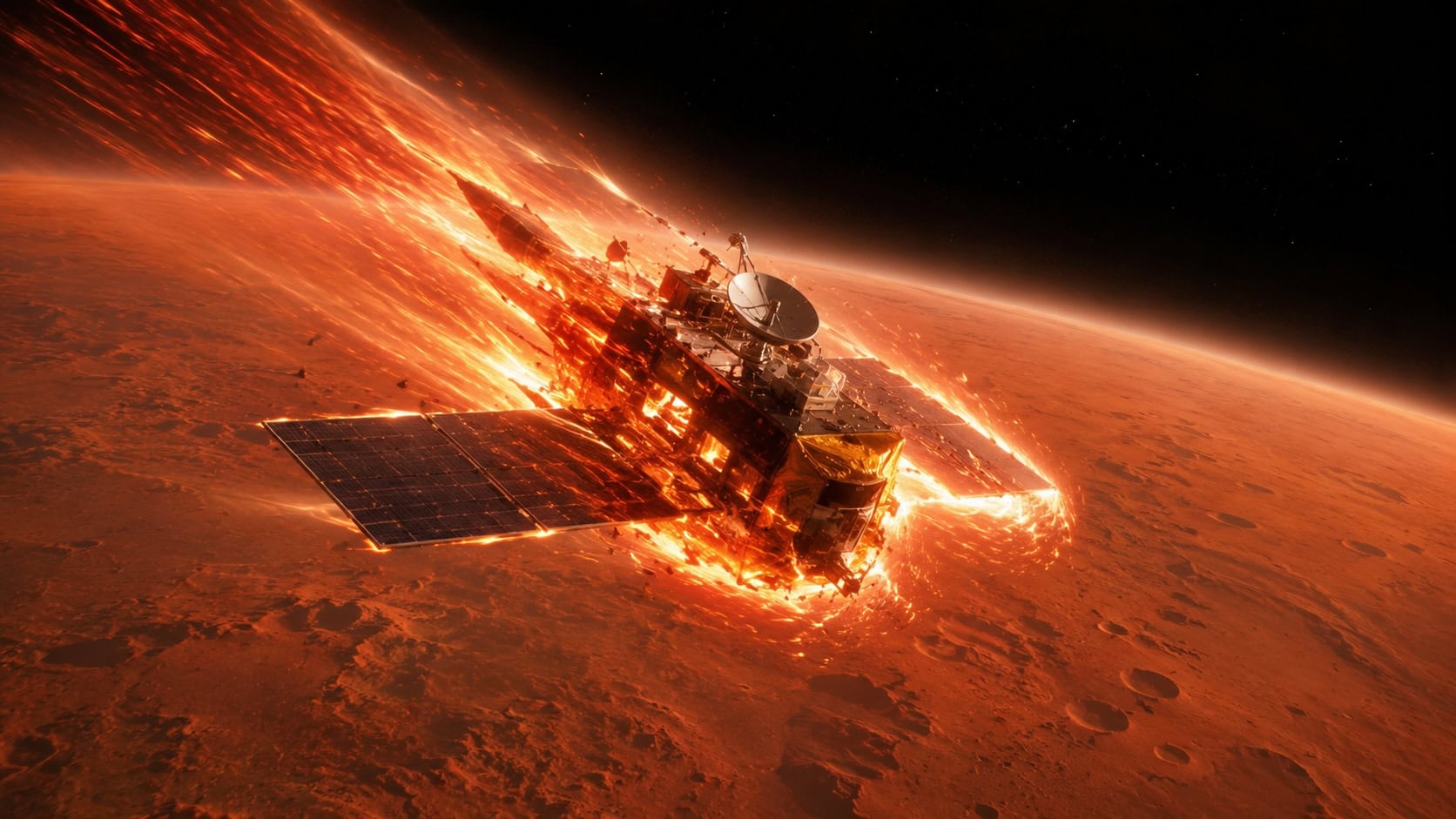
On September 23, 1999, NASA expected its Mars Climate Orbiter to fire its main engine and enter orbit around Mars. Instead, the spacecraft disappeared and never reestablished communications. An investigation into the mishap produced a tragicomic explanation: one engineering team produced spacecraft-force data in pound-force seconds while NASA’s navigation software expected the data in newton-seconds.
The difference is substantial—one pound-force equals 4.45 newtons.
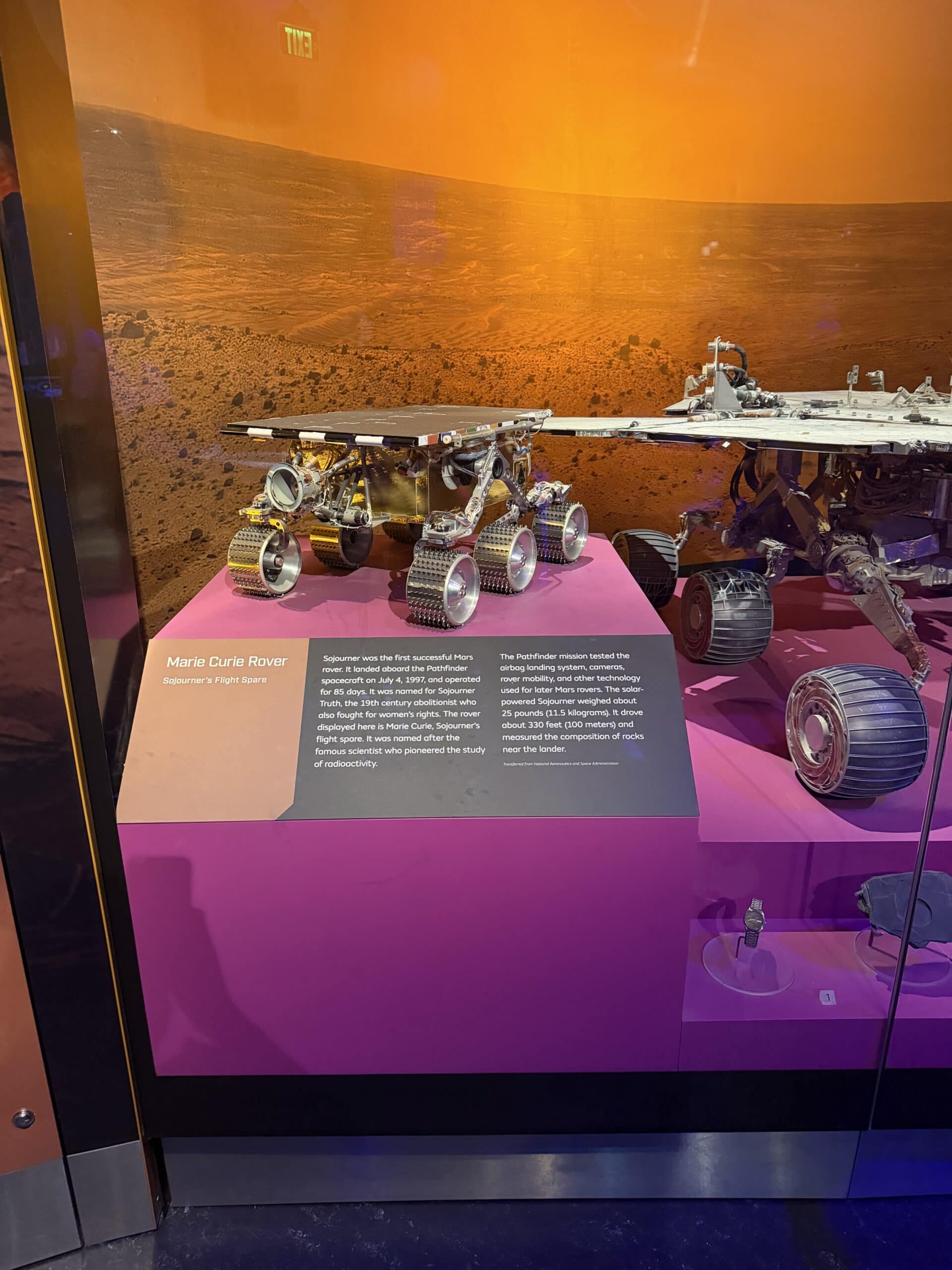
Mars Pathfinder Sojourner at the Smithsonian on July 1, 2026 image taken by 19FortyFive.
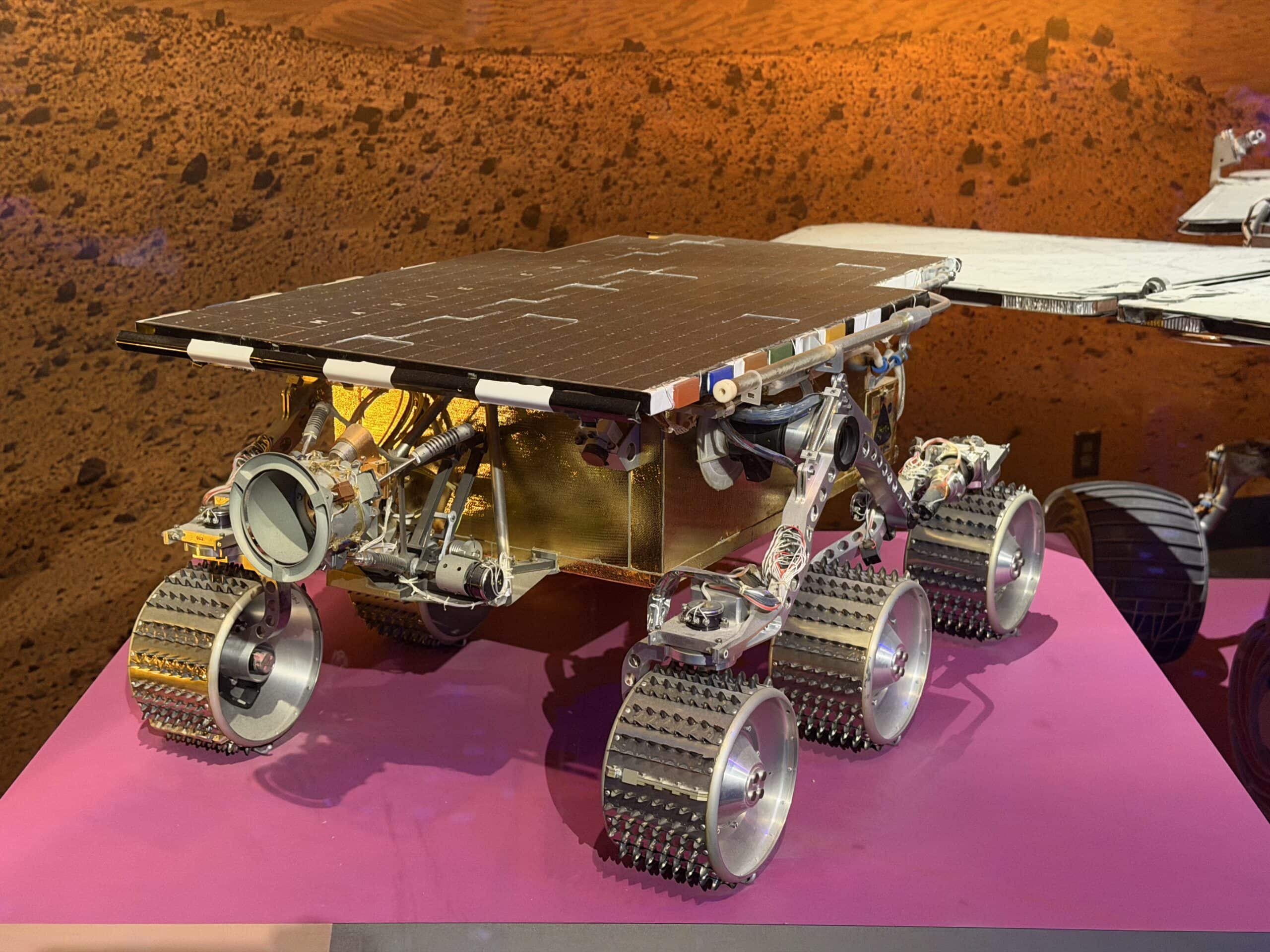
Mars Pathfinder at the Smithsonian on July 1, 2026 image taken by 19FortyFive.
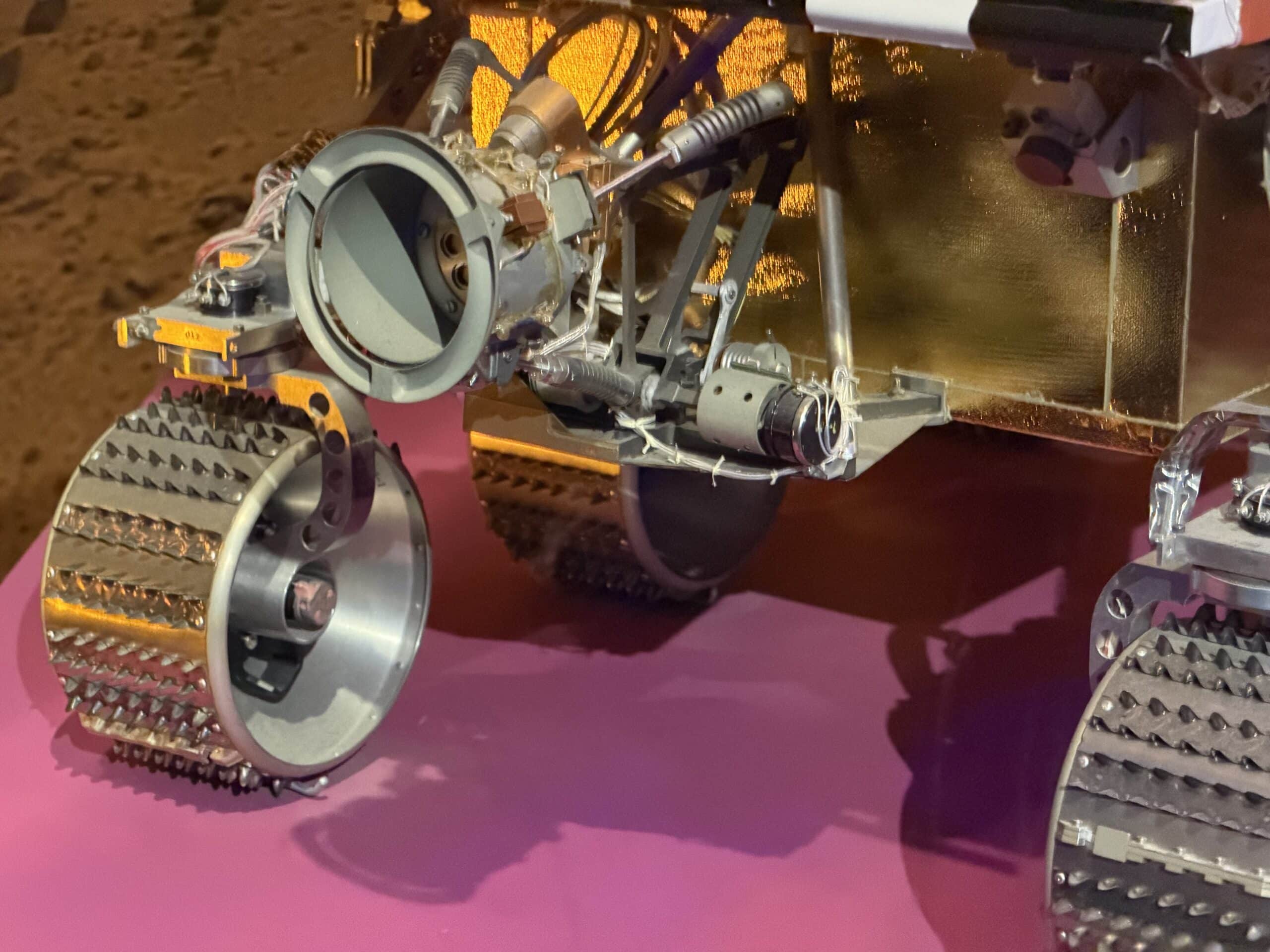
Mars Pathfinder at the Smithsonian on July 1, 2026 image taken by 19FortyFive.
Without anyone making the conversion, tiny trajectory corrections accumulated incorrectly over the nine-month journey to Mars, resulting in an approach far lower than intended.
So instead of entering a safe orbit around the red planet, the Climate Orbiter likely entered the Martian atmosphere and was destroyed, or skipped off the atmosphere into an unrecoverable trajectory.
What Was the Mars Climate Orbiter?
The Climate Orbiter was part of NASA’s Mars Surveyor program in the late 1990s. Built by Lockheed Martin and launched December 11, 1998, aboard a Delta II rocket, the spacecraft weighed roughly 1,400 pounds at launch.
The mission cost is commonly cited around $125 million for the spacecraft and mission, with broader program costs varying depending on what is included.
But the point is, it was an expensive venture, designed to become a Martian weather and communication satellite.
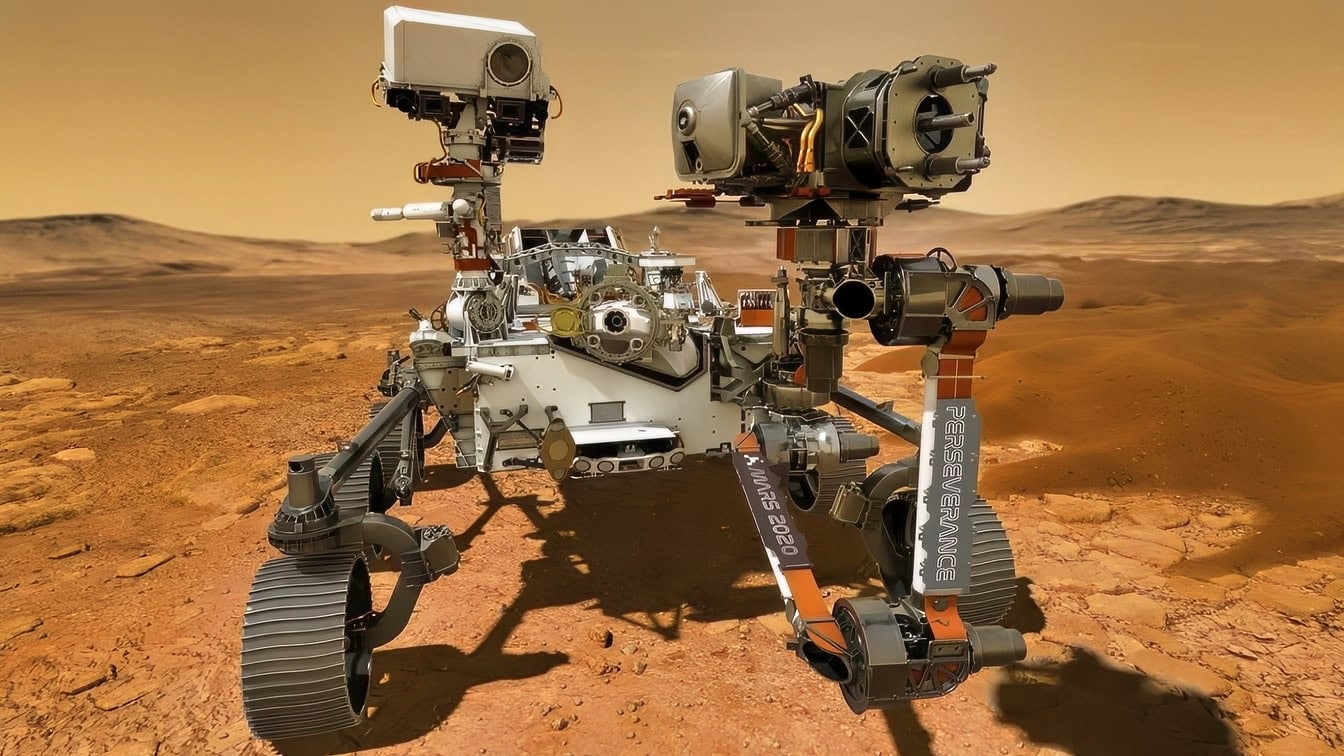
Mars Perseverance Rover. NASA Photo.
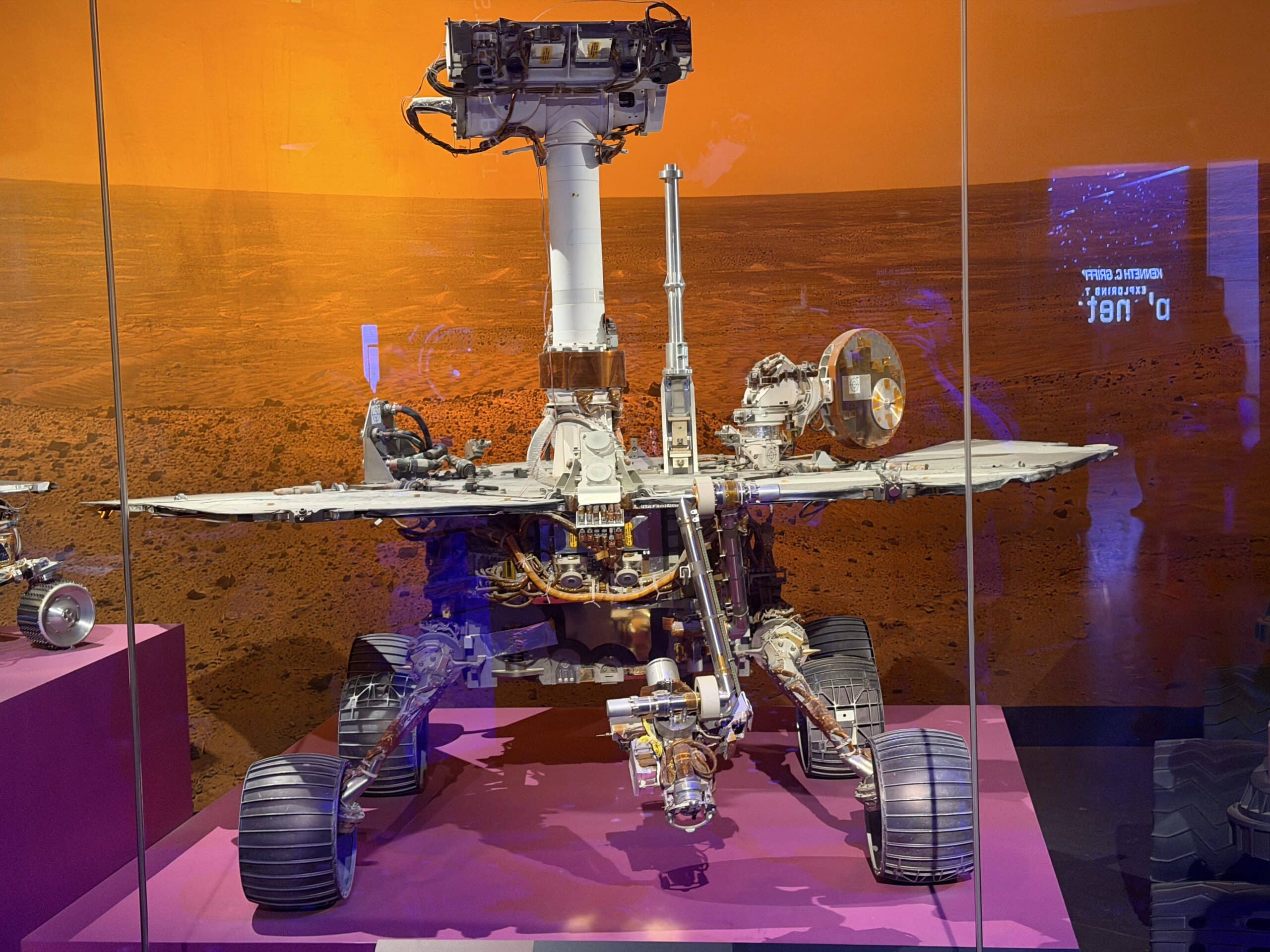
Mars Pathfinder at the Smithsonian on July 1, 2026 image taken by 19FortyFive.
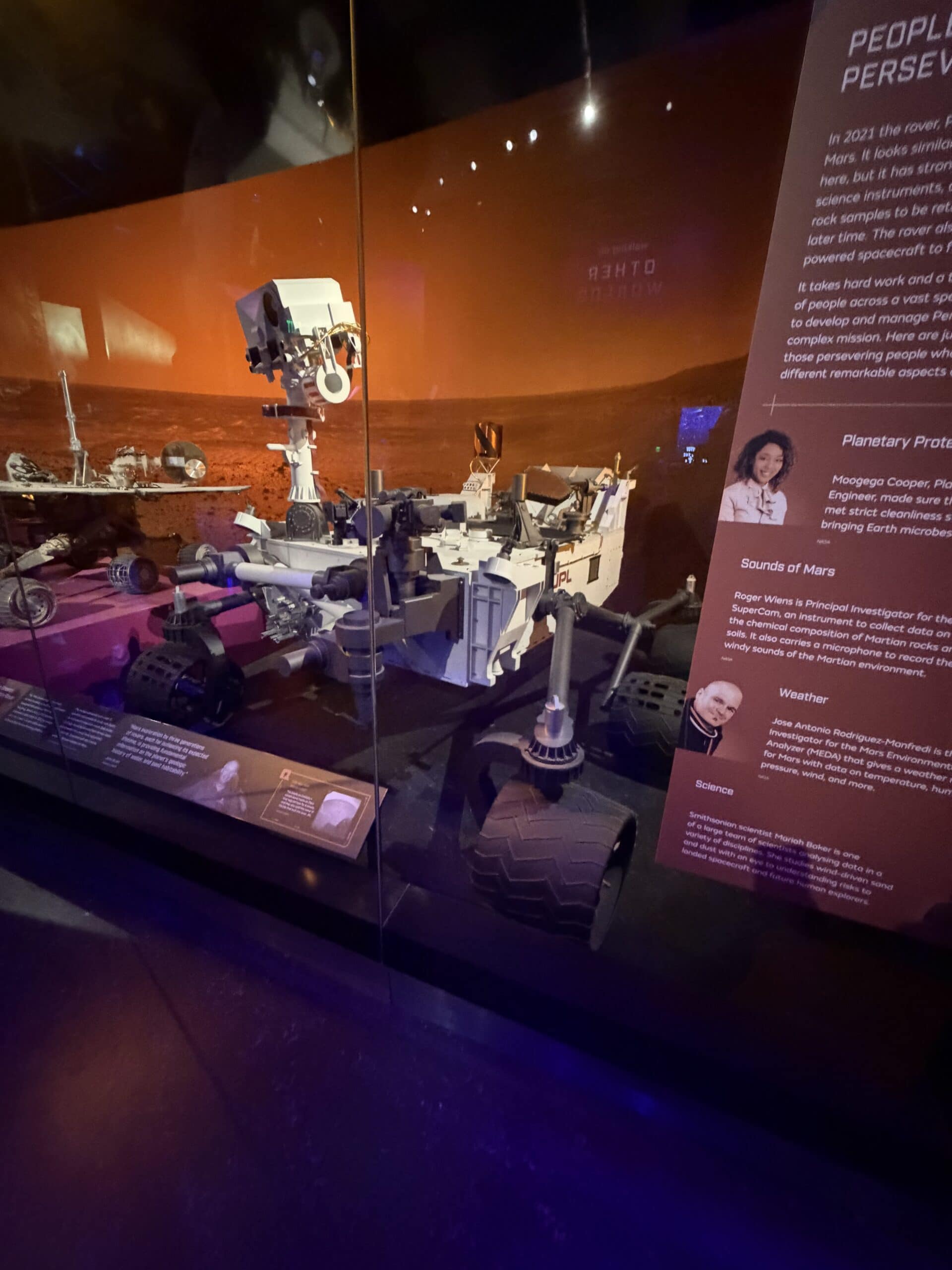
Mars Pathfinder at the Smithsonian on July 1, 2026 image taken by 19FortyFive.
The mission’s major scientific goals included studying Mars’s atmospheric temperature, measuring dust and water vapor, examining clouds and weather, investigating seasonal climate changes, and characterizing how water moves through the Martian atmosphere.
It was also intended to serve as a communications relay for Mars Polar Lander.
So the Climate Orbiter wasn’t just a science probe; it was part of a broader Mars exploration architecture.
Faster, Better, Cheaper
The mission came about during NASA administrator Daniel Goldin’s “faster, better, cheaper” philosophy era.
Instead of infrequent, extremely expensive planetary spacecraft, NASA favored smaller missions, shorter development cycles, lower costs, and more frequent launches.
The philosophy produced successes, including Mars Pathfinder, but Mars Climate Orbiter showed the risks of cheaper programs—smaller teams, tighter schedules, limited redundancy, and communication problems.
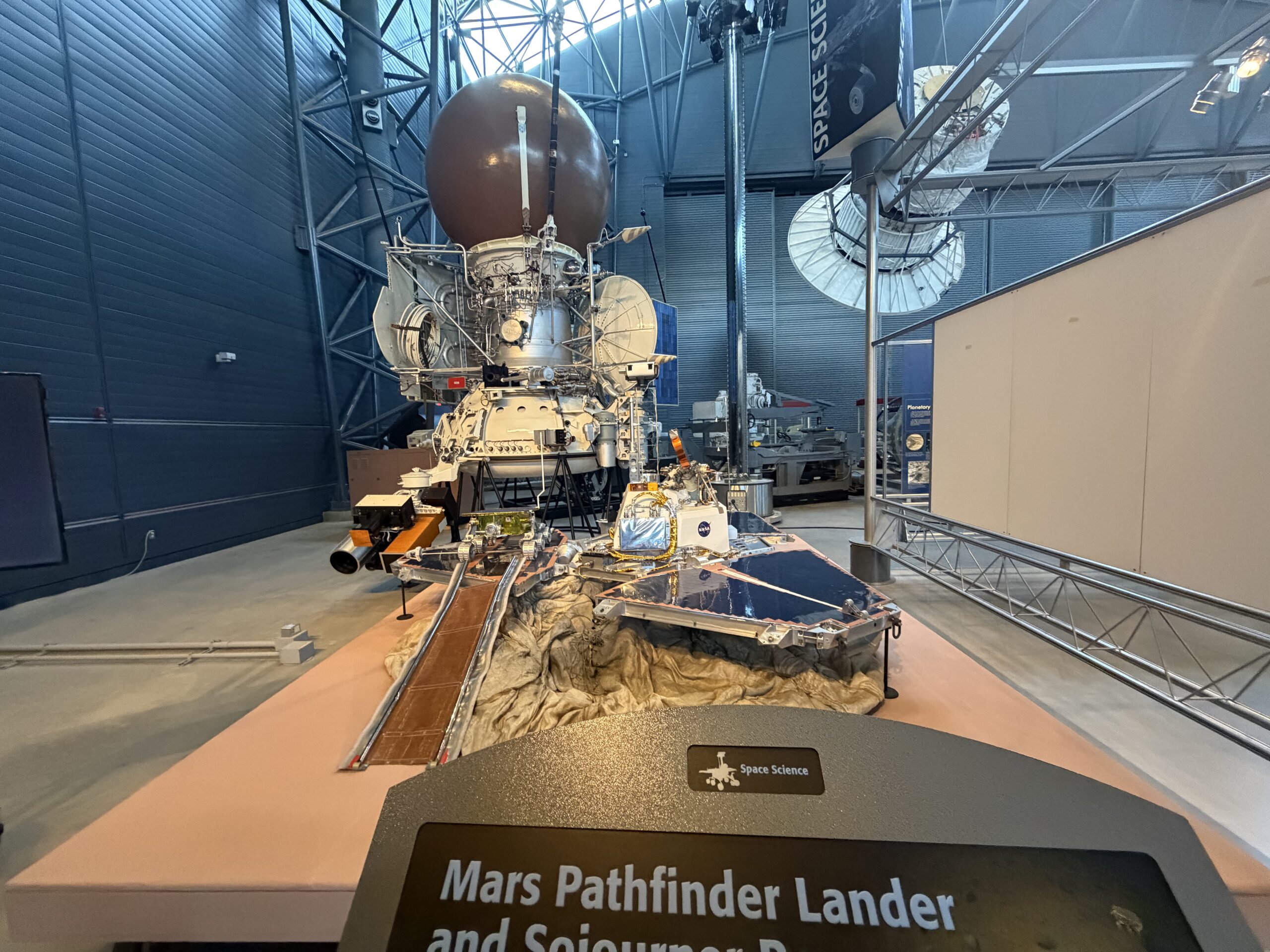
Mars Pathfinder at the Smithsonian. Image taken by 19FortyFive on 6/30/2026.
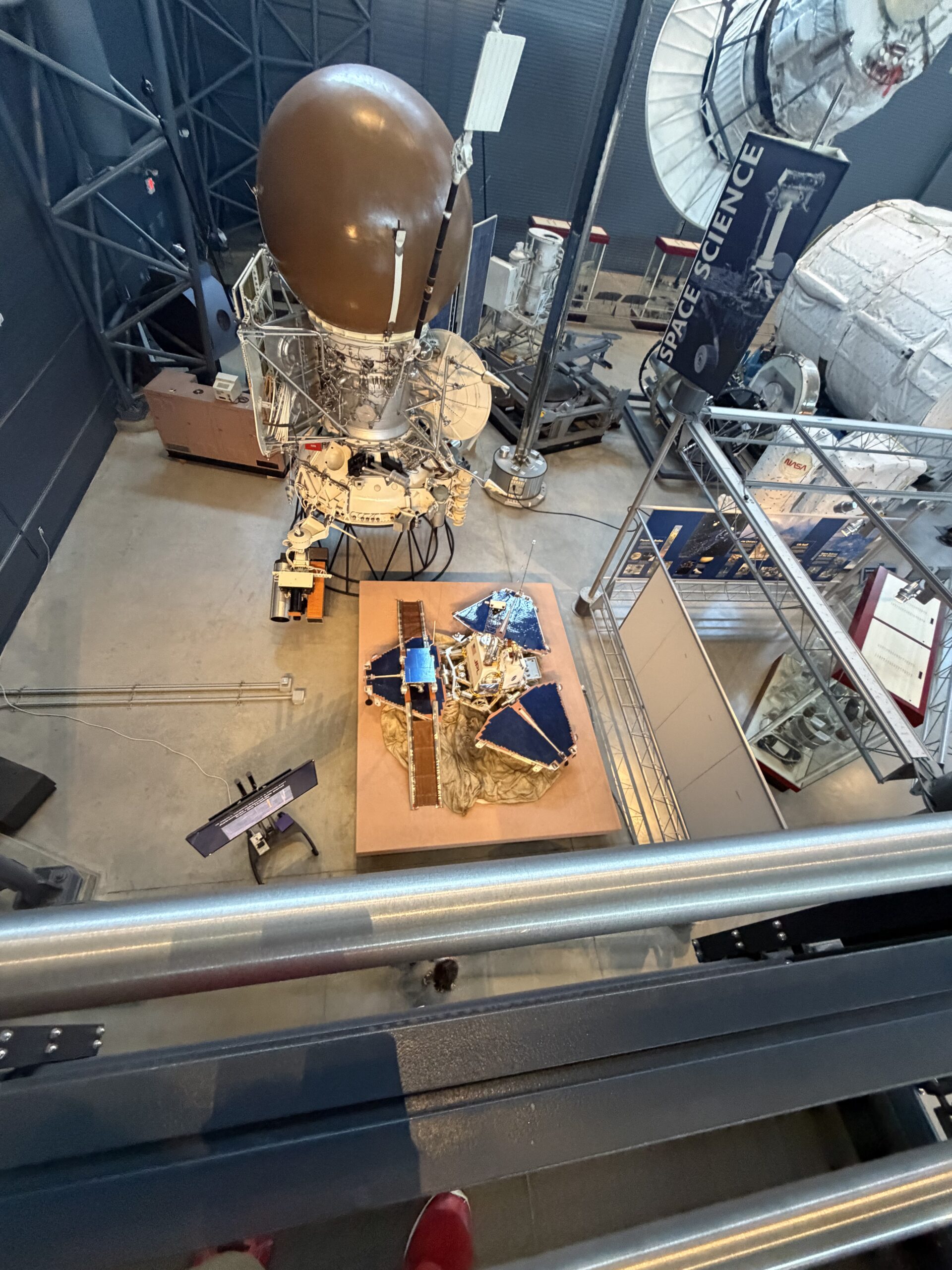
Mars Pathfinder at the Smithsonian. Image taken by 19FortyFive on 6/30/2026.
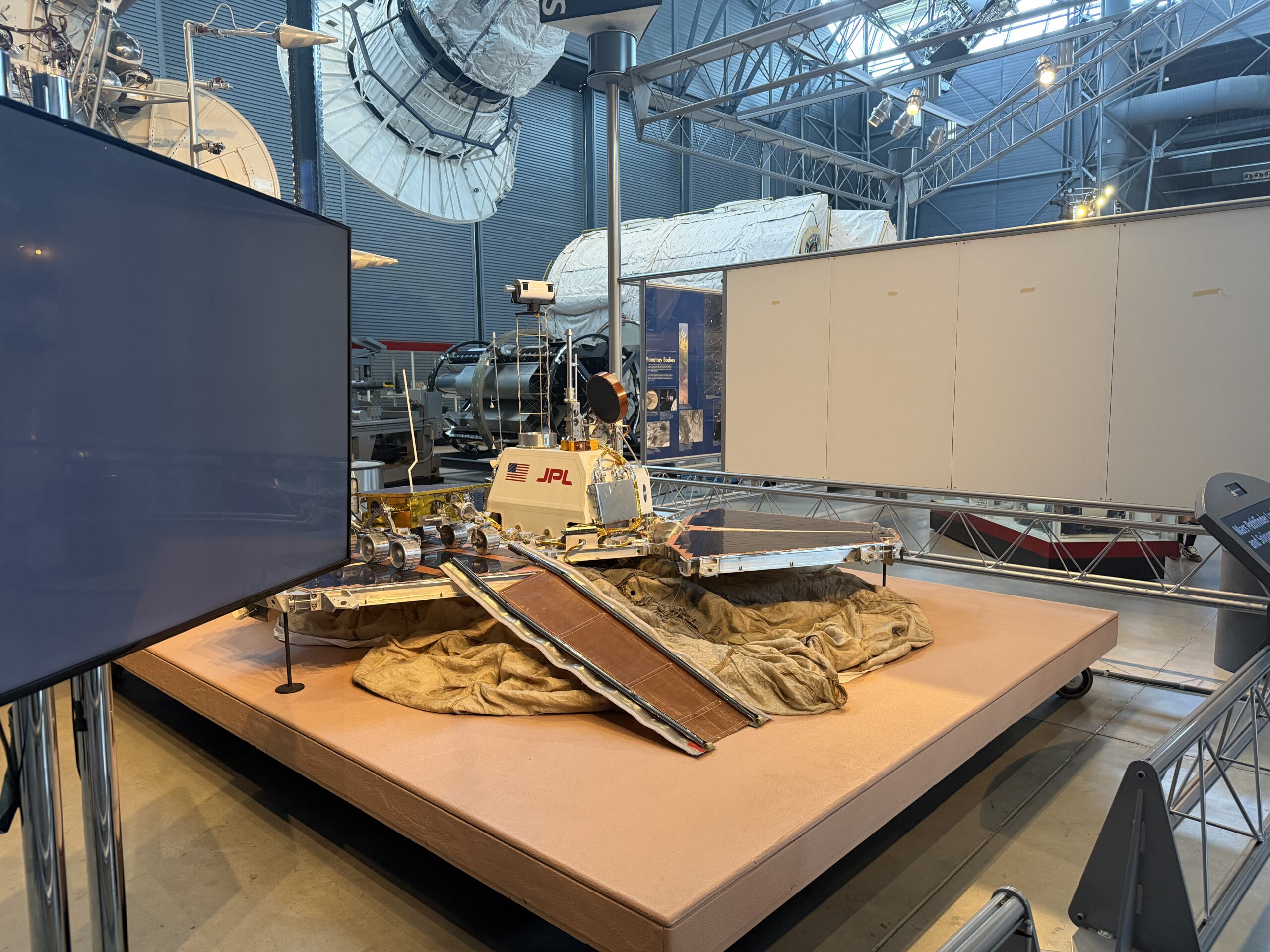
Mars Pathfinder at the Smithsonian. Image taken by 19FortyFive on 6/30/2026.
Of course, the metric conversion error on Climate Orbiter wasn’t inherent to budget policy.
But subsequent reviews highlighted that broader management, verification, and communication shortcomings led to the error, and those shortcomings stemmed from budget policy.
How It Happened
Lockheed Martin supplied software associated with the spacecraft’s small thrusters.
The thrusters periodically fired to unload angular momentum from reaction wheels and maintain the spacecraft’s orientation.
Those tiny forces also changed the spacecraft’s trajectory in ways that became significant over the distances required to travel between Earth and Mars.
The navigation team therefore needed to account for those tiny forces.
The Lockheed software produced impulse data in pound-force seconds, while the NASA/JPL navigation software expected newton-seconds.
The interface specification called for metric units, but the incoming numbers were never converted.
So the navigation software interpreted pound-force values as newtons.
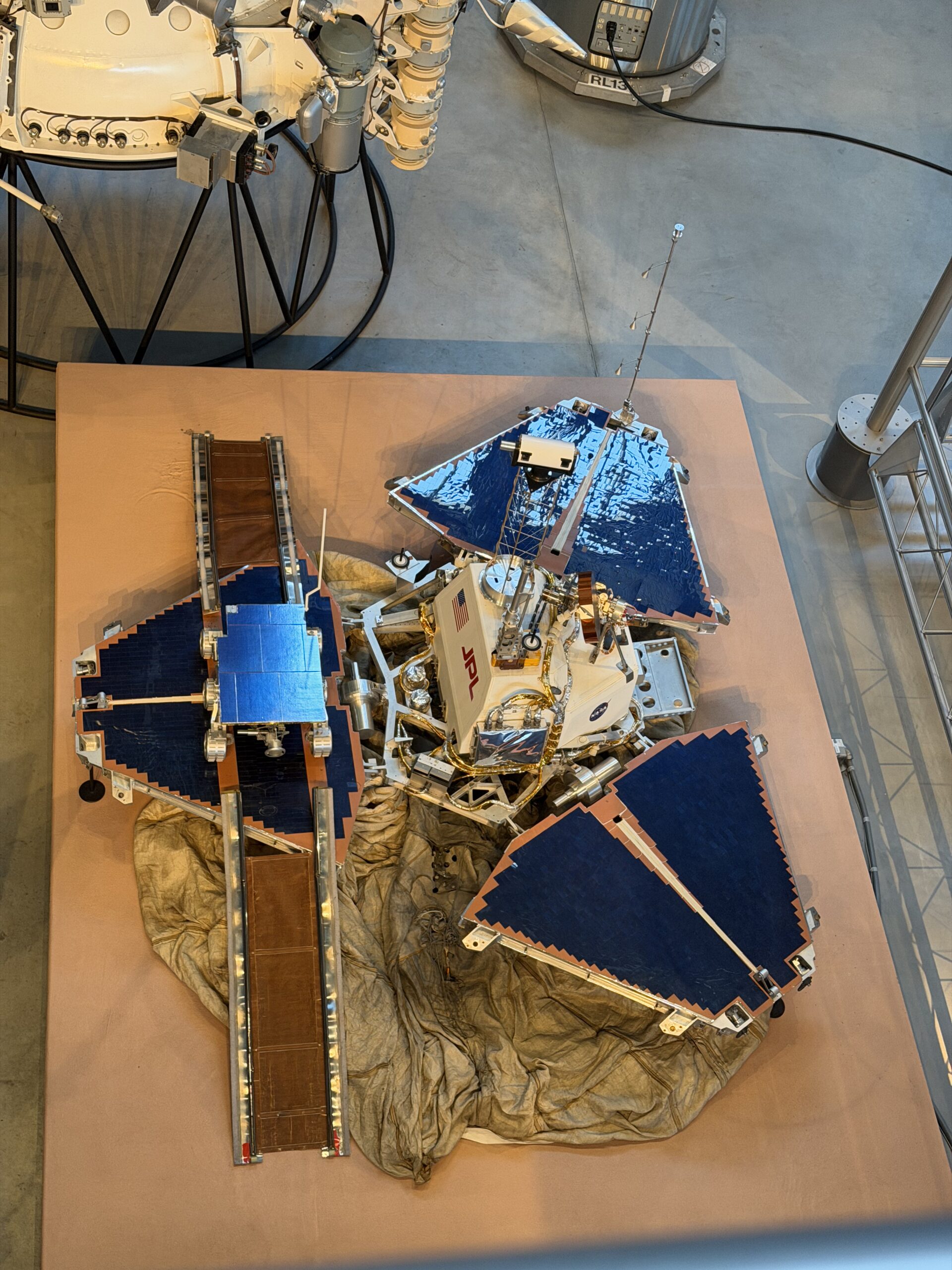
Mars Pathfinder at the Smithsonian. Image taken by 19FortyFive on 6/30/2026.
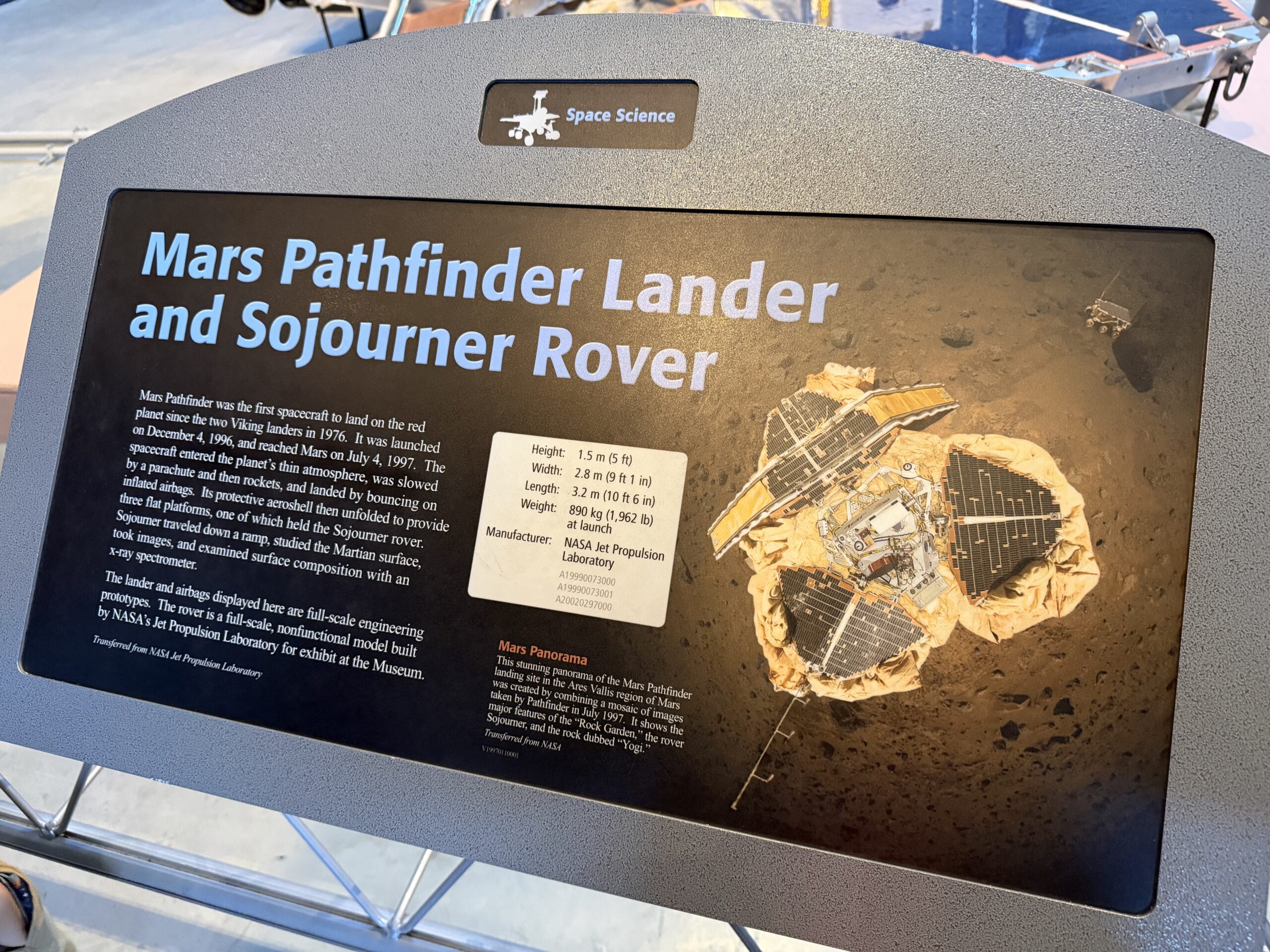
Mars Pathfinder at the Smithsonian. Image taken by 19FortyFive on 6/30/2026.
This was a problem.
Gradual errors accumulated, quietly ruining the mission.
And that’s one of the interesting facets about the failure: there was no dramatic moment, no big explosion.
It wasn’t like Challenger or Columbia.
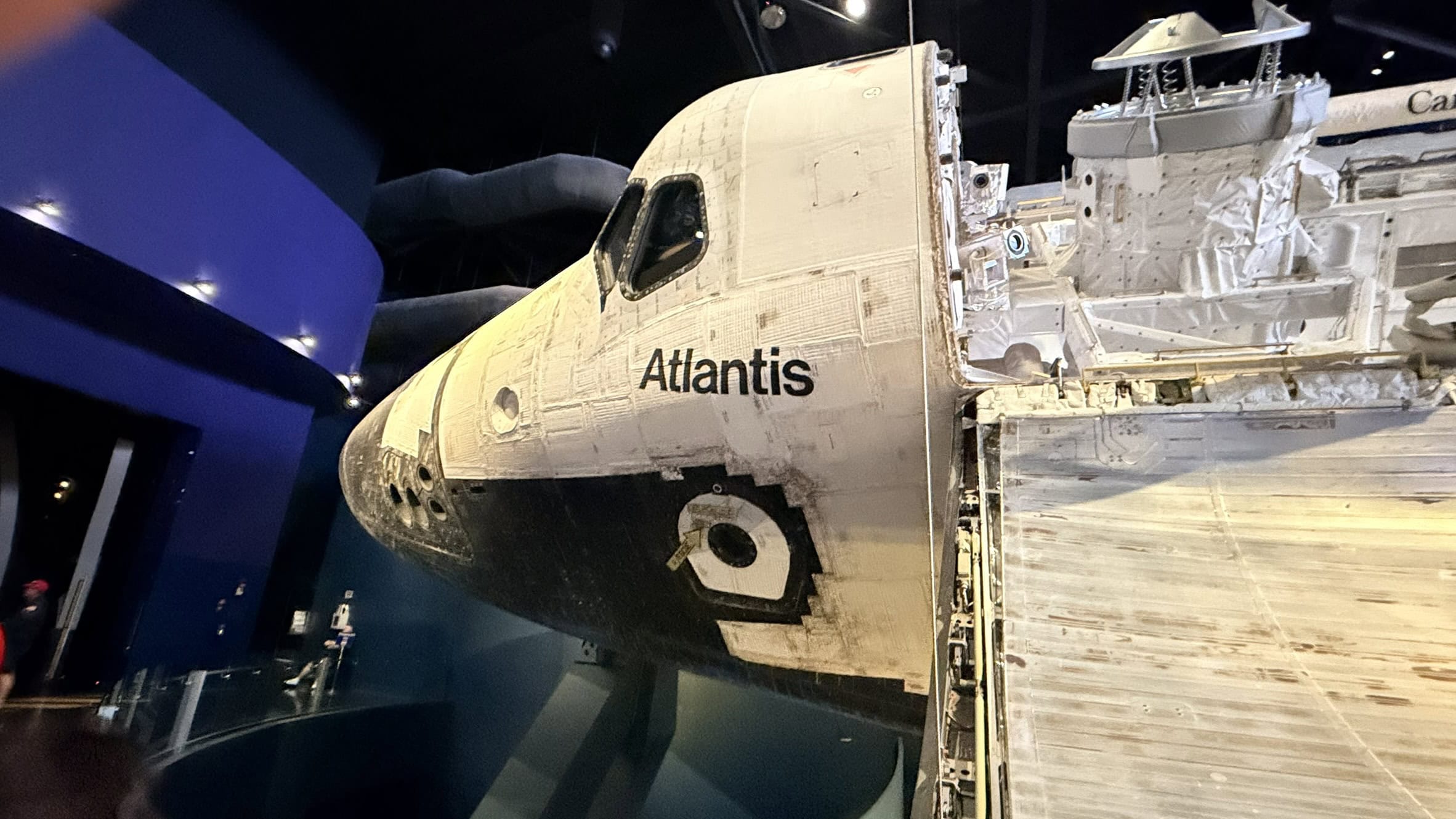
NASA Space Shuttle Atlantis taken at the Kennedy Space Center by 19FortyFive’s Harry J. Kazianis.
The system was functioning and proceeding (ostensibly) as planned.
Yet a mathematical oversight had already embedded failure.
The Botched Approach
Mars Climate Orbiter needed an extremely precise Mars Orbit Insertion trajectory.
The planned closest approach was roughly 85–95 miles above Mars, depending on the mission-planning stage.
Subsequent reconstruction of the mission suggested the spacecraft passed at an altitude of only 35 miles—way too close; the minimum altitude required for survival was about 50 miles.
At 35 miles, atmospheric density and aerodynamic/thermal loads were far beyond what the orbiter was designed to withstand.
So when the spacecraft fired its engine for orbit insertion, communications were expected to disappear temporarily as it passed behind Mars.
But communications never resumed.
The spacecraft was lost.
The assumption is that it was destroyed in the Martian atmosphere.
But it’s possible that it passed through the atmosphere and escaped into heliocentric orbit.
Either way, the mission was lost—the money and effort blown on a mild conversion oversight.
About the Author: Harrison Kass
Harrison Kass is a writer and attorney focused on national security, technology, and political culture. His work has appeared in Tablet, City Journal, The Hill, The Spectator, and The Cipher Brief. He holds a JD from the University of Oregon and a master’s in Global & Joint Program Studies from NYU. More at harrisonkass.com.