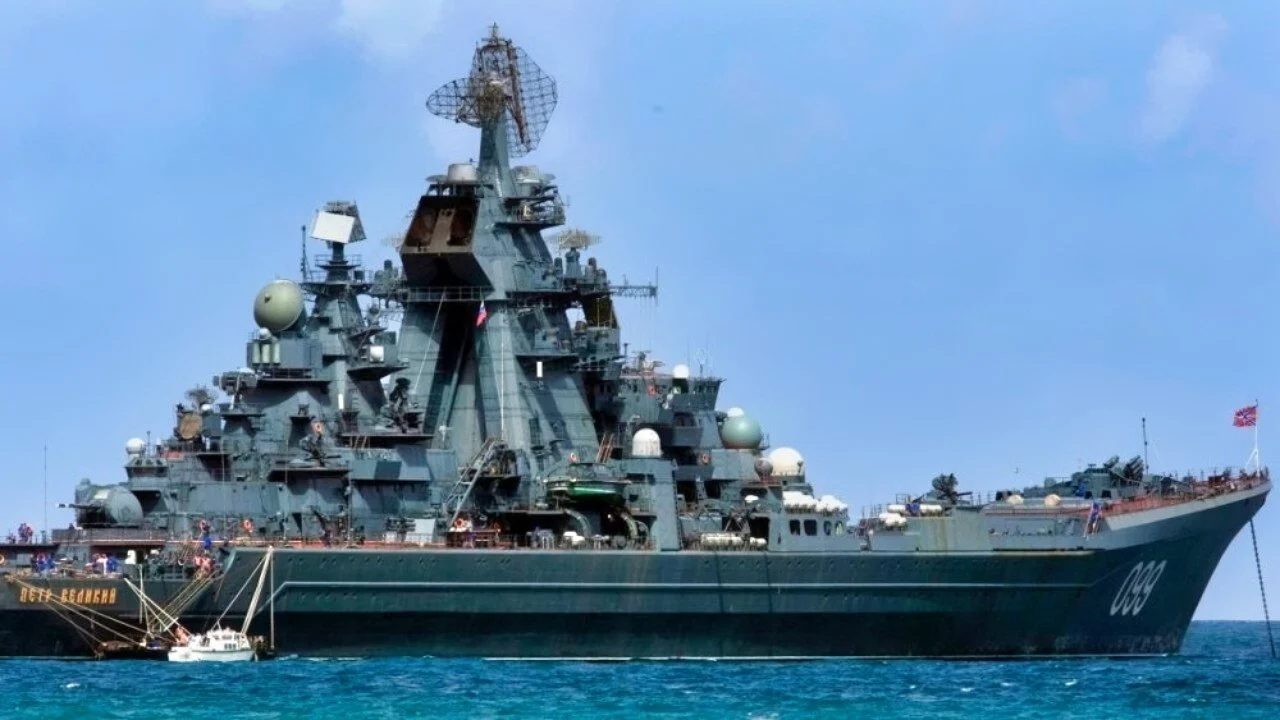
WARSAW, POLAND – Russian propaganda media have few occasions to deliver news about their military that is both positive and truthful. In a case of “the glass is half full,” these outlets have been reporting that the Project 1144 Orlan (NATO Codename Kirov-class) battlecruiser Admiral Nakhimov is reaching the end of its post-refit and overhaul sea trials. It is therefore expected to finally return to the Russian Navy’s (VMF) operational fleet.
That’s the good news, the glass half-full part.
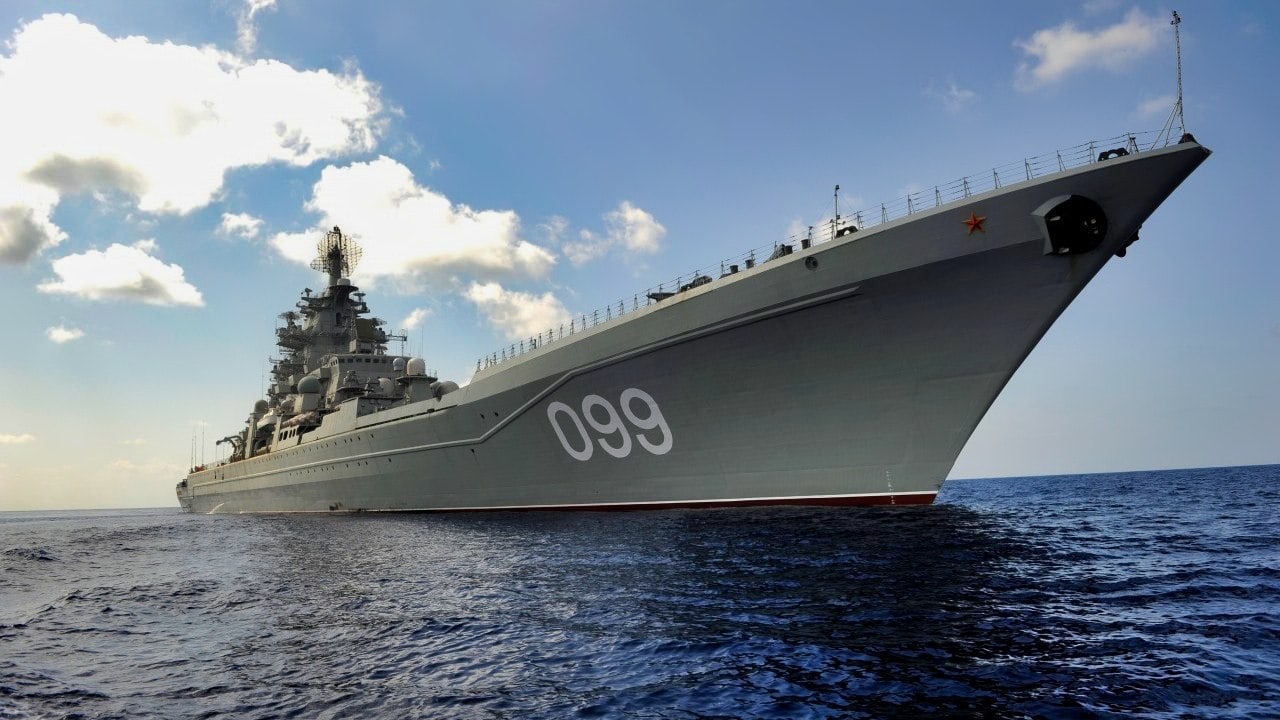
Kirov-Class Battlecruiser Russian Navy
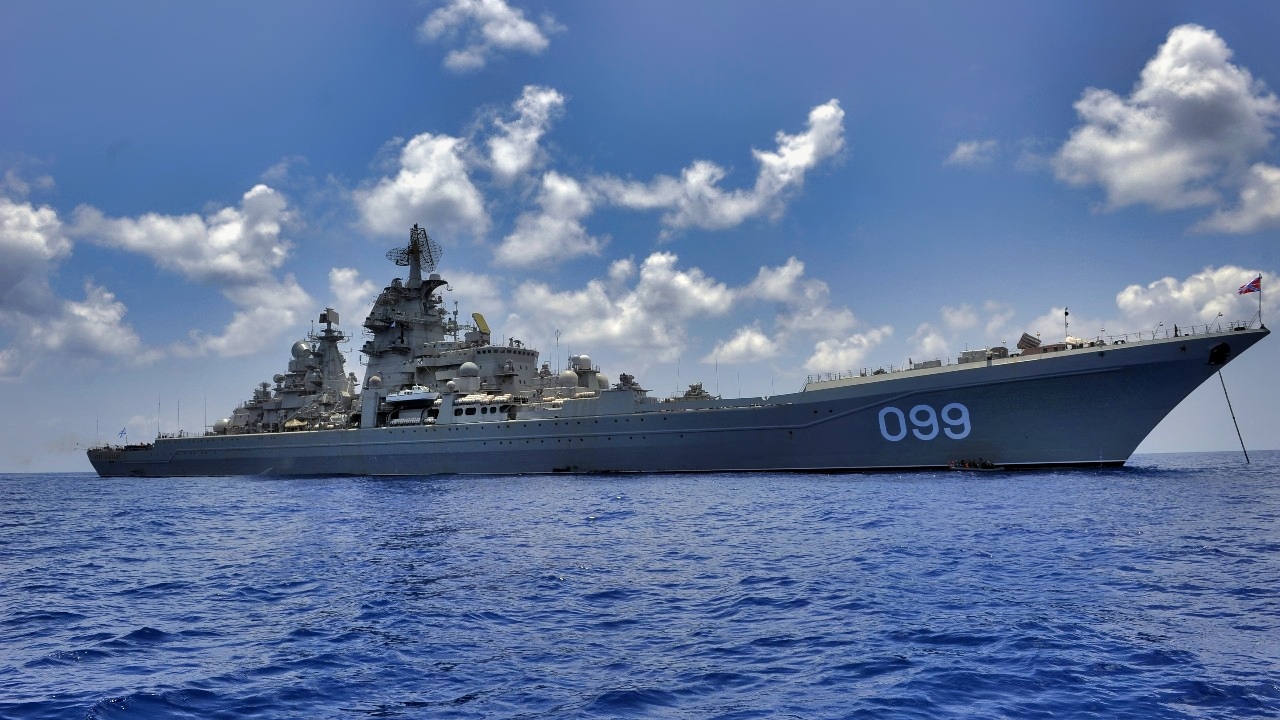
Kirov-Class Russian Navy. Image Credit: Creative Commons.
The not-so-good news is that this ship has required almost 30 years and more than US $2 billion to complete its overhaul – a world record in the history of modern naval vessels.
The ship is currently completing factory and sea trials. After these are complete, it will undergo state trials, which should conclude by the end of this year, with the ship returning to VMF service at the end of 2026 or at the beginning of 2027.
It is a bit unusual for a ship to remain idle and out of service for decades.
Some of this can be explained by the fact that Russian state funding for military projects went into freefall in the 1990s, with budget reductions of between 80 and 90 percent. Almost all military production suffered drastic cutbacks in orders, and many defense industrial facilities either went dormant or closed their doors altogether.
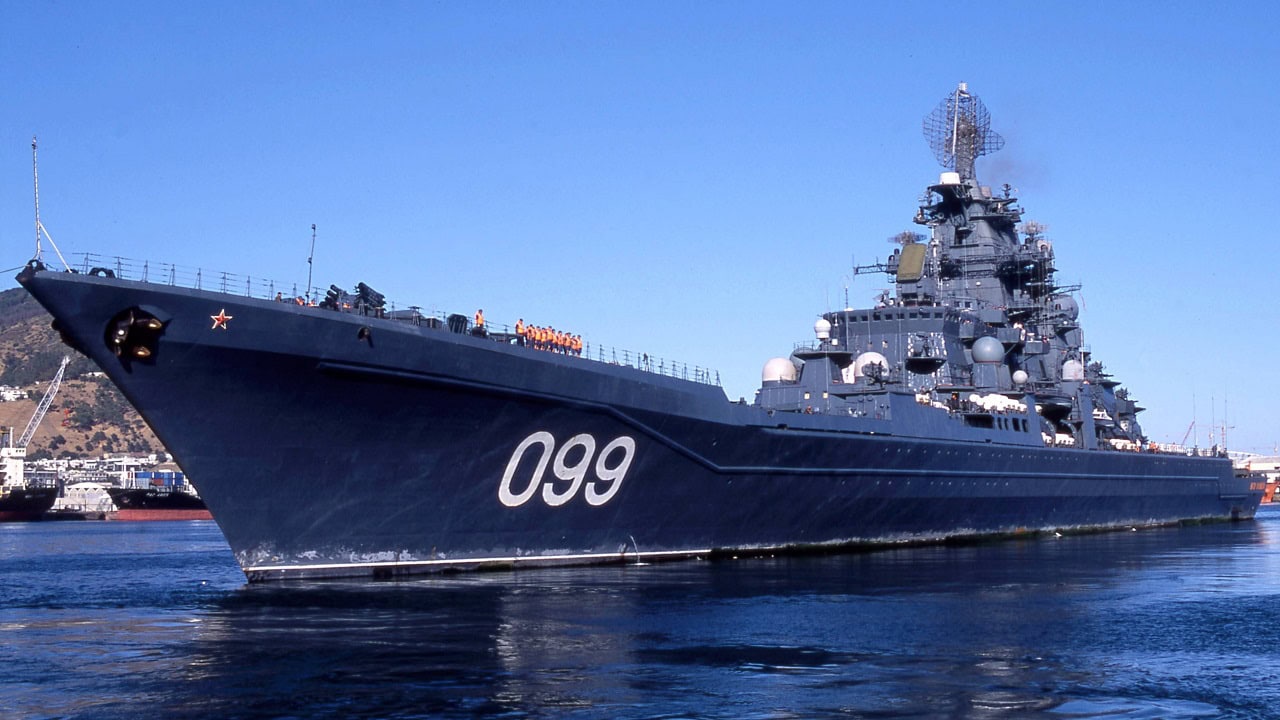
Russian Navy Kirov-Class Battlecruiser. Image Credit: Creative Commons.
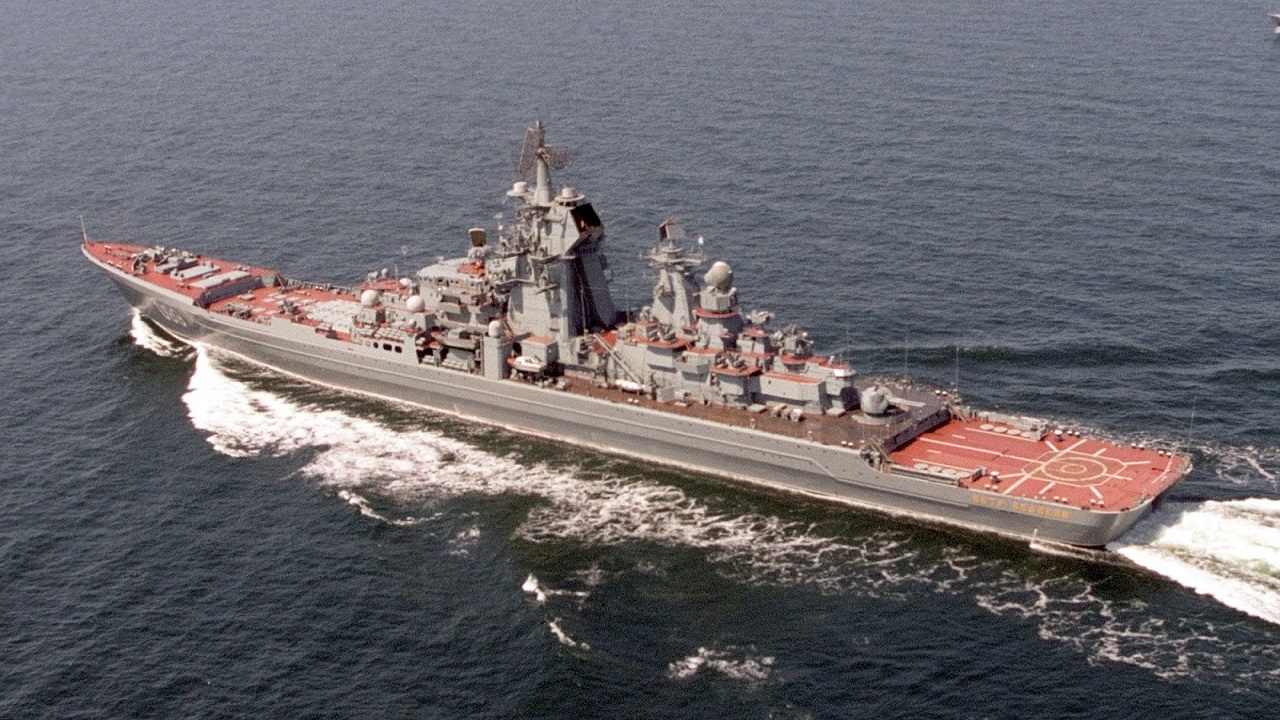
Kirov-Class battlecruiser. Image Credit: Creative Commons.
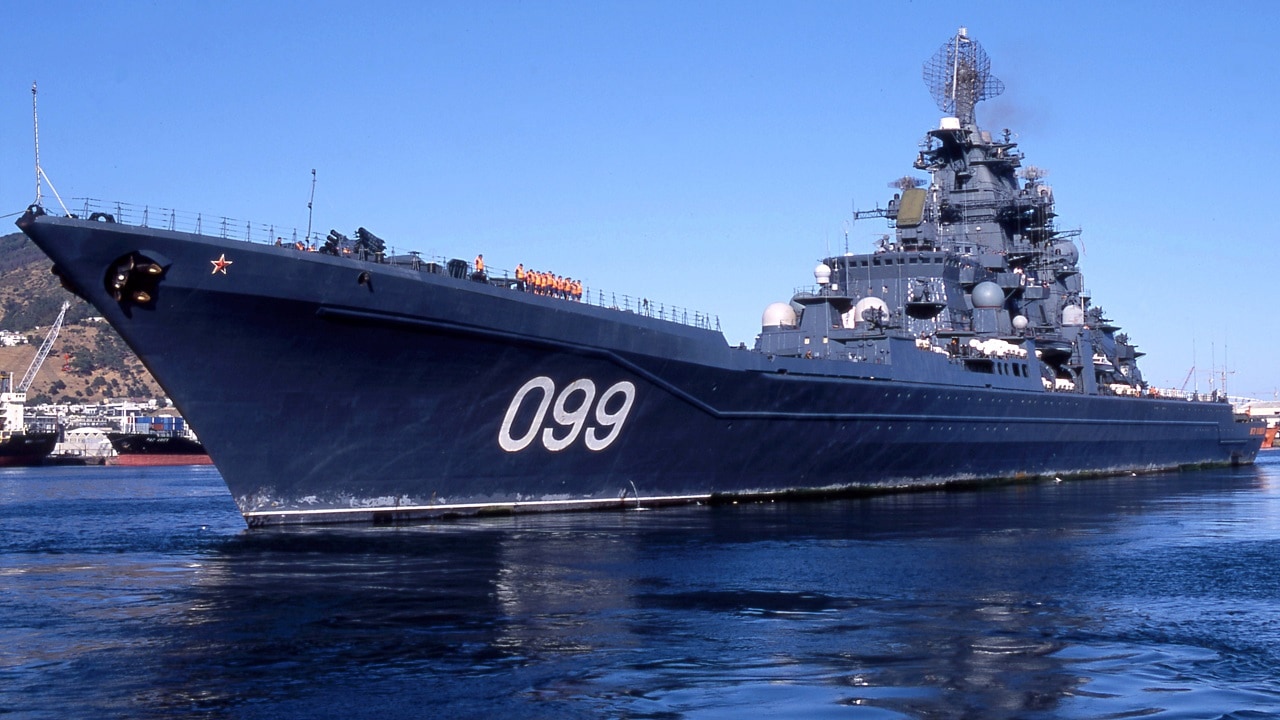
Kirov-Class Battlecruiser. Image Credit: Russian Navy.
The repair and modernization of this cruiser is reported to have cost the Russians a sizeable sum, which, as of today, is said to exceed 200 billion roubles. At current exchange rates, this puts the price of the overhaul at close to US $2.32 billion.
However, other sources report that the work has experienced a series of cost overruns and that the total bill for this cruiser could end up being $5 billion. The payoff is that, after decades of repairs and modernization, Russia could potentially have an 80-cell missile platform back in active service.
The Overhaul’s Long History: Kirov-Class Battlecruiser Blues
The ship was withdrawn from service in 1997 after a brief Cold War-era service life — only 9 years after it first entered VMF service in 1988. The ship, which has a displacement of 208,000 tons, was then moved into the Sevmash shipyard.
However, a formal contract for this stem-to-stern overhaul was not signed until 2008, which was almost a decade later. A long and intensive period of structural work then began in January 2014. The ship’s nuclear reactors were finally reactivated, and the vessel exited the shipyard for factory sea trials in 2025. The final sea trials continue to this day.
Part of the reason for the extremely long overhaul was that the ship required a complete demolition and rebuild: the hull was stripped down to bare metal. Workers removed miles of obsolete Cold War-era cabling. Analog electronic systems and old radar systems were also removed to be replaced with a brand-new digital command system.
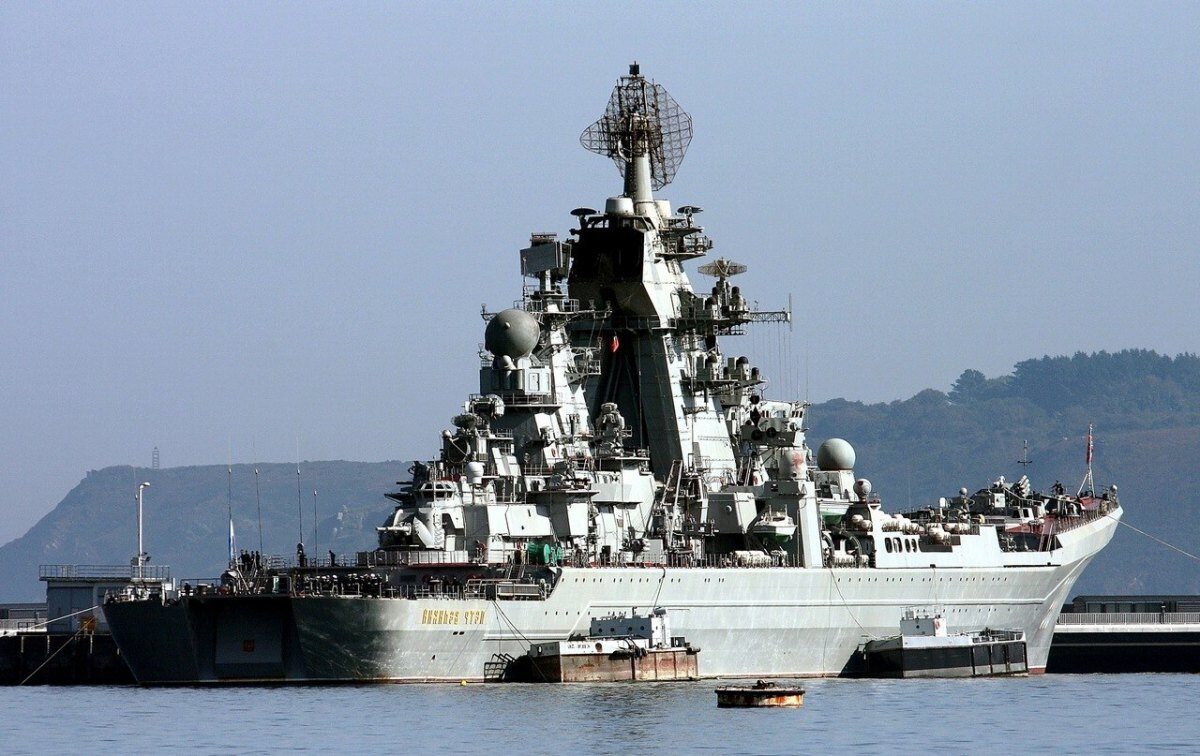
Kirov-Class. Image Credit: Creative Commons.
Work stalled at different times due to instability in the Russian defense budget during this era. It was at this time that the uneven halting and resumption of work caused many of the cost overruns.
In addition, upgrading the twin nuclear reactor engines and integrating state-of-the-art weapons systems into the new on-board control architecture exceeded the capacity of Russia’s underfunded shipbuilding sector.
Cost Effective or Not: Admiral Nakhimov Obsolete?
After such a hugely expensive project, many are asking whether it is cost-effective to invest so much effort and money in a single ship. There are two main concerns along these lines. One is that the current Ukraine conflict has shown the vulnerability of VMF vessels to Ukraine’s drone warfare.
Ships such as this one are far more capable of being sunk than they used to be prior to the war.
A second related question is the wisdom of concentrating such a large volume of weapons on a single ship.
This cruiser’s 80 launchers will fire Kalibr, Onyx, and Zircon missiles, making the Admiral Nakhimov the most heavily armed ship in the entire Russian fleet.
Ukraine’s publication Defense Express had noted earlier that, due to the length of the overhaul and the ship’s return to service in 2026, the VMF will finally achieve what the United States Navy accomplished 40 years ago with the launch of the USS Bunker Hill.
Perhaps a case of better late than never, but it is hard to see how.
About the Author: Reuben F. Johnson
Reuben F. Johnson has thirty-six years of experience analyzing and reporting on foreign weapons systems, defense technologies, and international arms export policy. Johnson is the Director of Research at the Casimir Pulaski Foundation. He is also a survivor of the Russian invasion of Ukraine in February 2022. He worked for years in the American defense industry as a foreign technology analyst and later as a consultant for the U.S. Department of Defense, the Departments of the Navy and Air Force, and the governments of the United Kingdom and Australia. In 2022-2023, he won two awards in a row for his defense reporting. He holds a bachelor’s degree from DePauw University and a master’s degree from Miami University in Ohio, specializing in Soviet and Russian studies. He lives in Warsaw.