
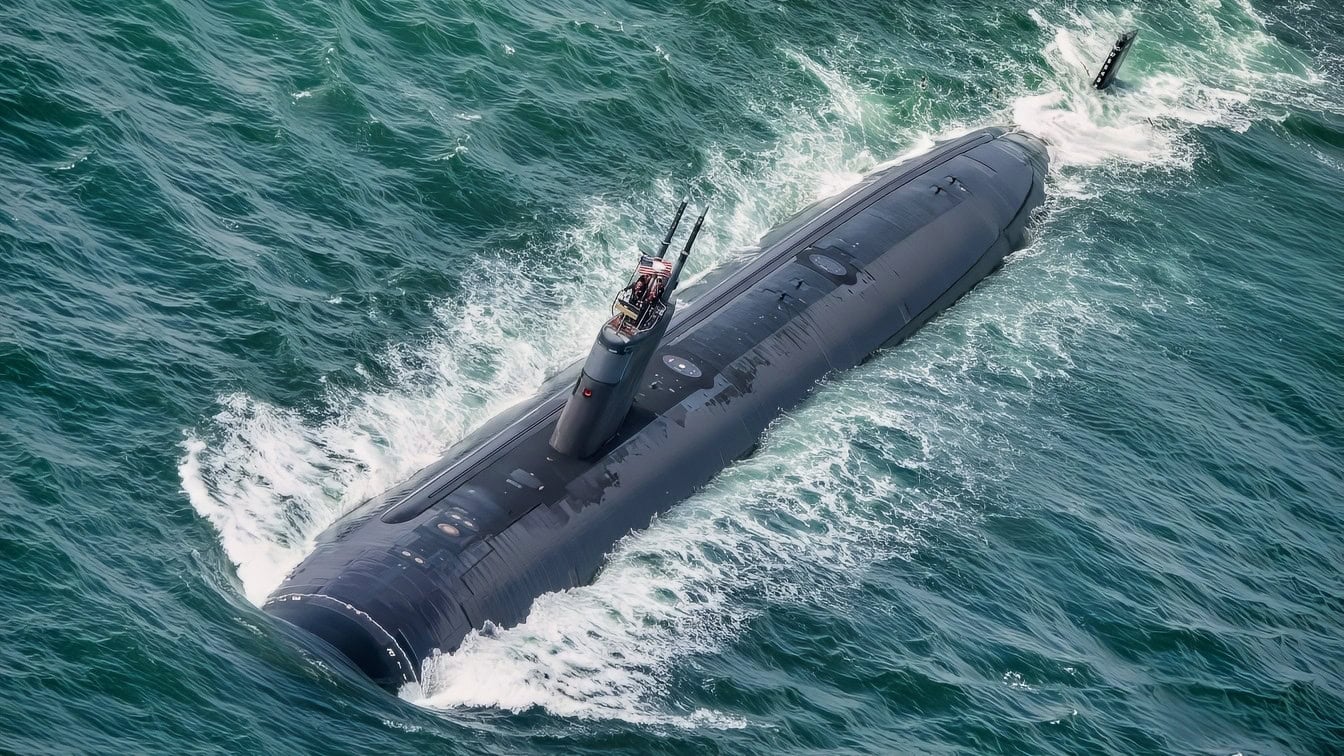
The Government Accountability Office has put a number on one of the US Navy’s quietest failures: 41. Over the past decade, American attack submarines have spent more than 41 ship-years sitting idle, tied to piers, waiting for shipyards too full to take them, according to an August 27 GAO report first surfaced by Defense One’s Lauren C. Williams.
The watchdog’s arithmetic runs deeper than the headline figure: the idle decade cost roughly $3.3 billion for Los Angeles-class boats and about $835 million for Virginia-class boats, which works out to something like $230,000 for every single day a nuclear submarine sits pierside doing nothing, and the report warns that without changes the next five years will add 14,000 more idle days and $3.1 billion more in costs.
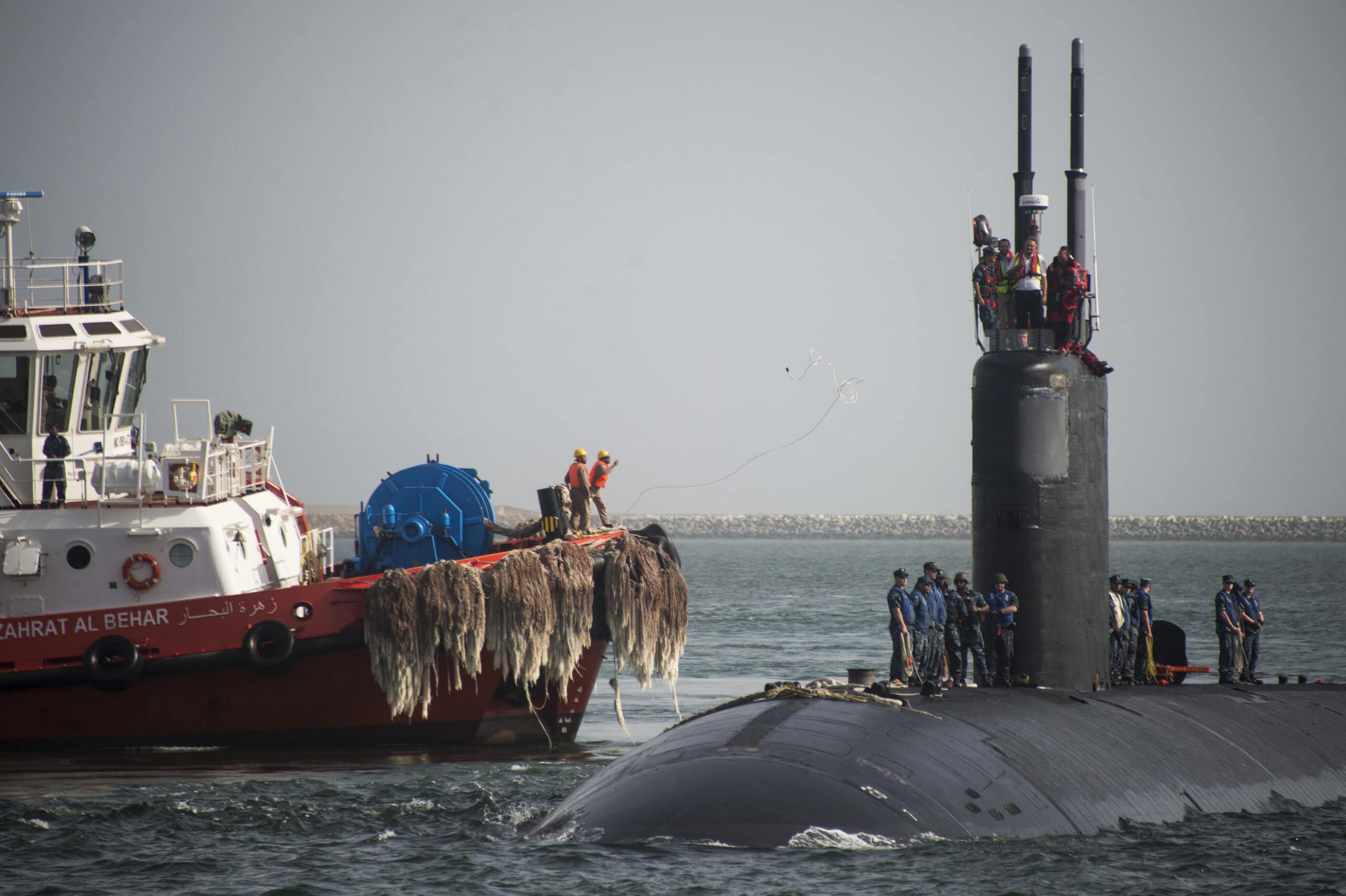
The Los Angeles-class attack submarine USS Boise (SSN 764) pulls into port in Duqm, Oman. Boise is the first nuclear vessel to conduct a port visit in Oman since 1996 and it will be the precursor to future nuclear powered vessels conducting port calls in Oman. (U.S. Navy photo by Mass Communication Specialist 2nd Class Daniel M. Young/Not Reviewed)
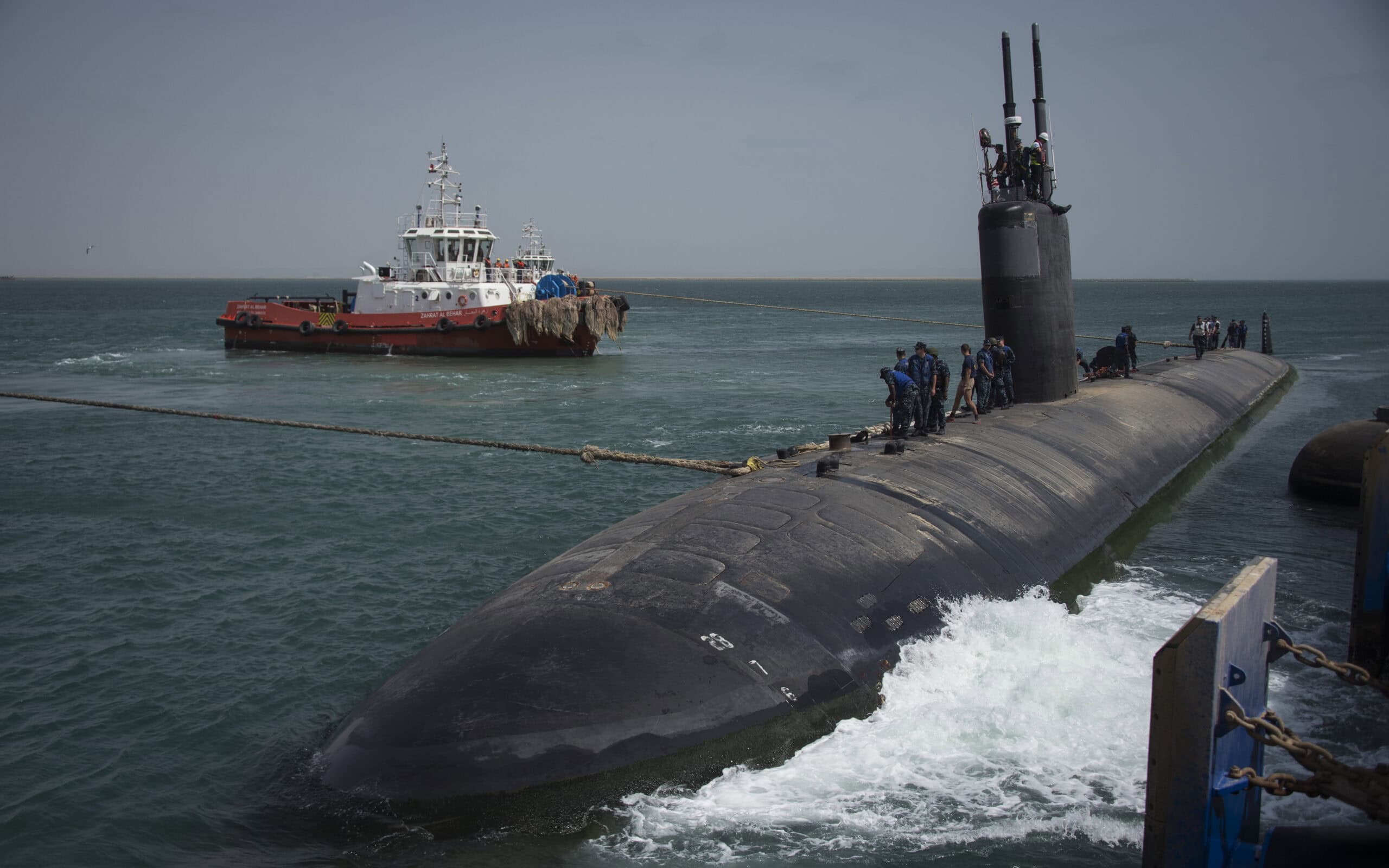
The attack submarine USS Boise (SSN 764) departs after a scheduled port visit in Duqm, Oman, Aug. 18, 2014. The Boise was the first nuclear vessel to conduct a port visit in Oman since 1996 and was the precursor to future nuclear-powered vessels conducting port calls in Oman. (U.S. Navy photo by Mass Communication Specialist 2nd Class Daniel M. Young/Not Released)
I did my best here to dig into what those numbers mean, where they came from, and why the world’s most expensive submarine force keeps paying billions for boats that cannot dive.
A Submarine That Cannot Dive, Fully Crewed
The report’s most arresting case is USS Pasadena.
The Los Angeles-class boat entered what the Navy calls inactive idle status, the limbo between a submarine’s last operational day and the start of its dismantling, on the first day of 2025, and by the GAO’s account she is not expected to enter Puget Sound Naval Shipyard for decommissioning until November 15, 2028, a wait of 1,414 days driven by shipyard capacity constraints.
Her dive certification has expired, so she cannot operate. She remains, in the report’s own words, fully crewed with sailors.
The Navy uses the immobile boat to train crews, which is the best available use for a nuclear submarine that exists in a bureaucratic afterlife, and the GAO prices the arrangement at roughly $300 million in operating and support costs for the wait alone.
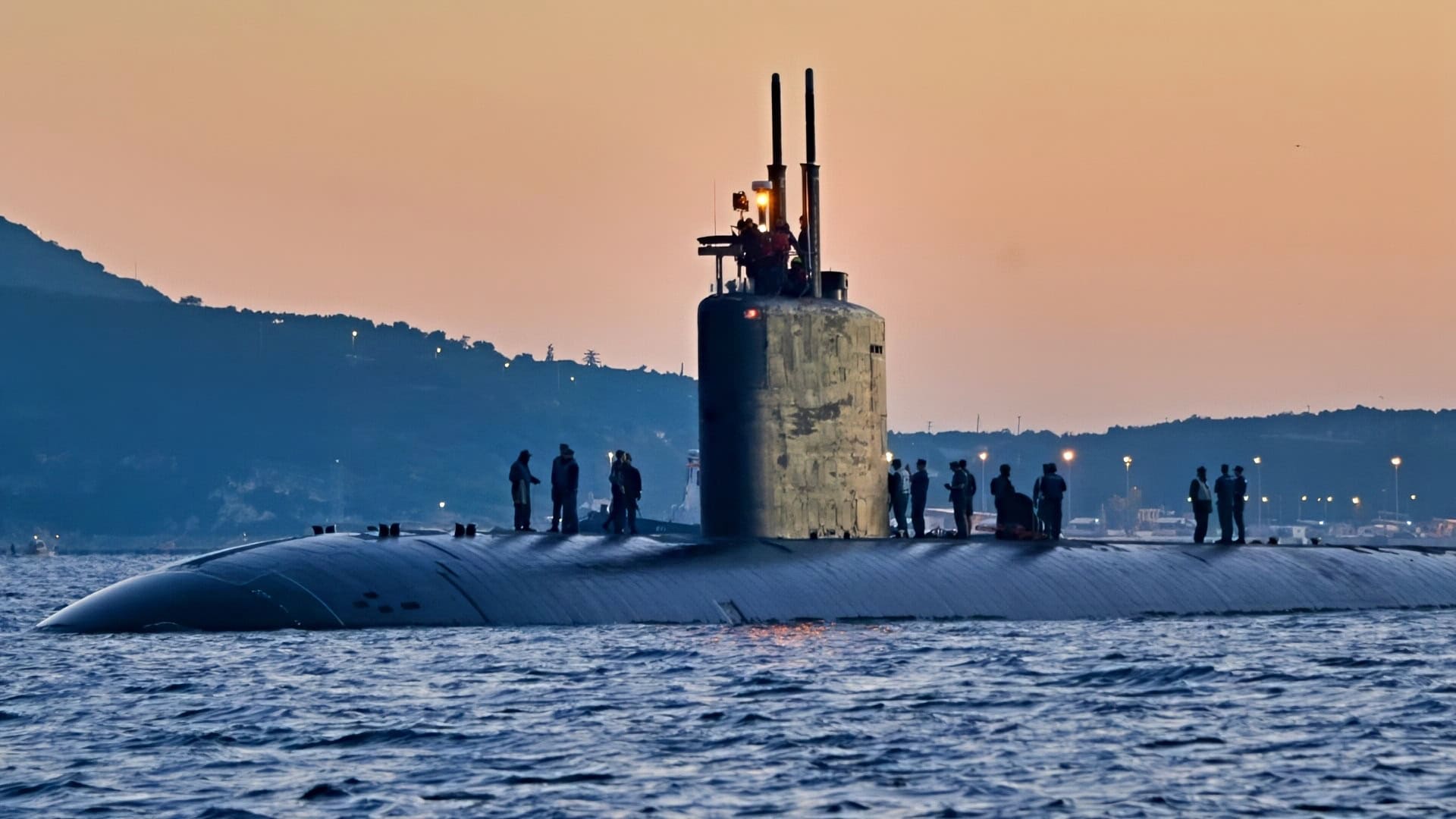
USS Boise (SSN 764) enters Souda Bay, Greece, during a scheduled port visit Dec. 23, 2014. Boise, a Los Angeles-class submarine, homeported in Norfolk, is conducting naval operations in the U.S. 6th Fleet area of operations in support of U.S. national security interests in Europe. (U.S. Navy photo by Mass Communication Specialist 2nd Class Jeffrey M. Richardson/Released)
Pasadena is not being repaired slowly. She has been waiting for almost four years for permission to be taken apart, with a full complement of submariners assigned to a vessel that will never dive again, because the yards that must defuel and dismantle her are booked solid with work the Navy needs more urgently.
The Fifteen Boats Behind Her
Pasadena is the front of a line, and from there, it just gets worse.
The GAO projects that fifteen attack submarines will enter the same inactive idle limbo between fiscal 2026 and fiscal 2030, and it is that cohort that generates the 14,000-day, $3.1 billion warning: money spent crewing, powering, and maintaining boats whose service lives are over.
The watchdog’s criticism is that the Navy has never fully examined the alternatives, and its recommendations are concrete: develop options for decommissioning attack submarines outside the current bottleneck, including defueling boats somewhere other than scarce drydocks, reduce crewing on submarines that are only waiting, and write and execute an actual plan to shrink the idle queue.
Two further recommendations were deemed too sensitive to publish.
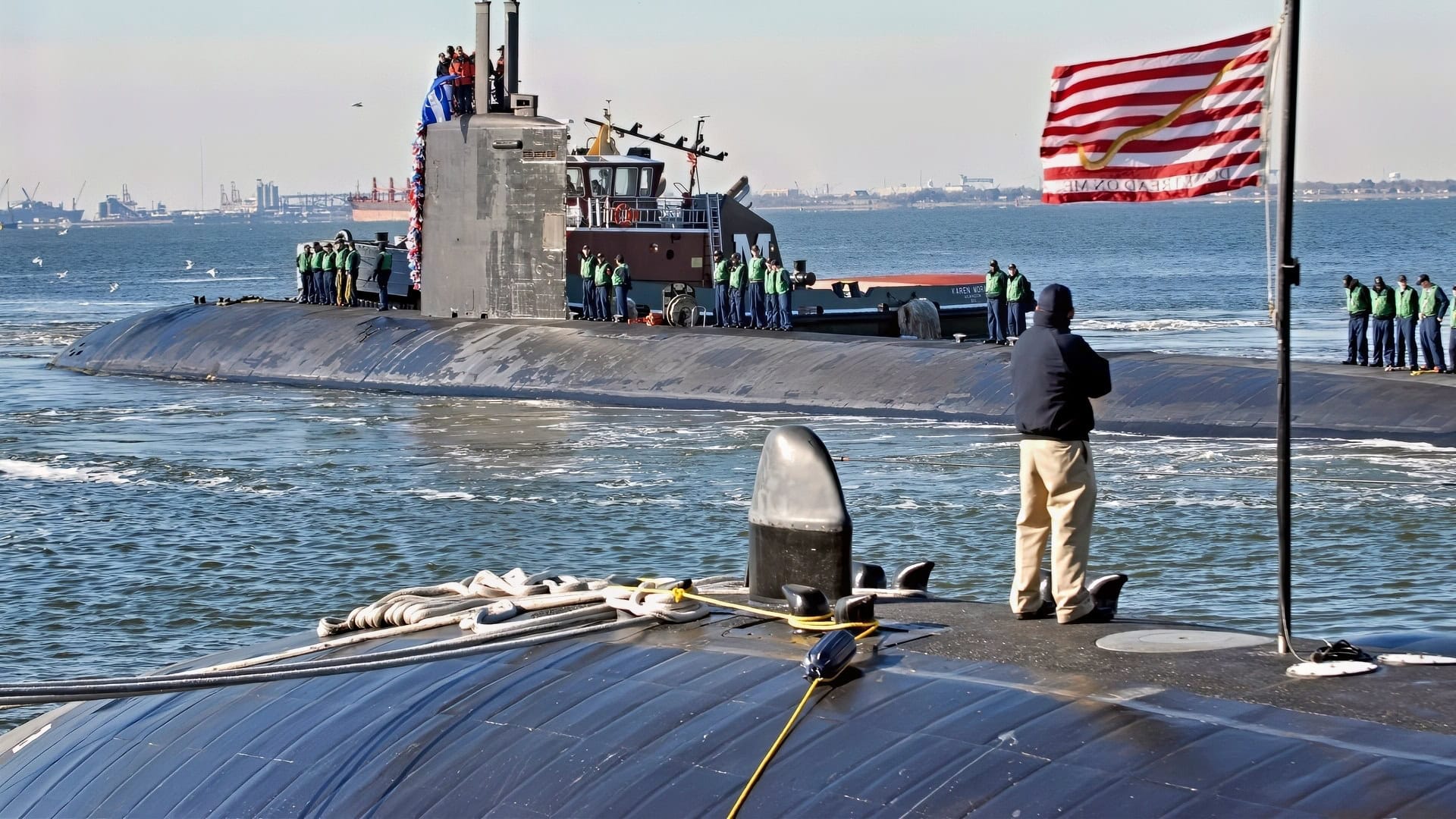
NORFOLK, Va. (Dec. 23, 2008) – The Los-Angeles class attack submarine USS Boise (SSN 764) returns to Norfolk following her regularly scheduled deployment. While deployed, Boise participated in five anti-submarine warfare exercises with several European Allies and performed two missions that supported Commander, U.S. Sixth Fleet objectives and national security interests of the United States. (U.S. Navy photo by Mass Communication Specialist 1st Class Todd A. Schaffer / Released)
The Navy, for its part, verbally concurred with everything and provided no written comments, which is the report’s quietest detail and perhaps its most telling one.
How USS Boise Became the Poster Child
The GAO’s decade of data has a face, and her name is USS Boise. And she has made some serious headlines.
The Los Angeles-class boat returned from her last patrol in early 2015 and never went to sea again: Norfolk Naval Shipyard had no room and no spare workers, her status was downgraded to restricted in 2016, and in 2017 the Navy revoked her diving certification.
She was towed to Newport News in 2018, back to Norfolk, and back to Newport News again in 2020, and the overhaul originally scheduled for fiscal 2016 finally began in early 2024 under a $1.2 billion contract, nearly nine years late.
In April of this year, the Navy walked away.
101222-N-7179M-058
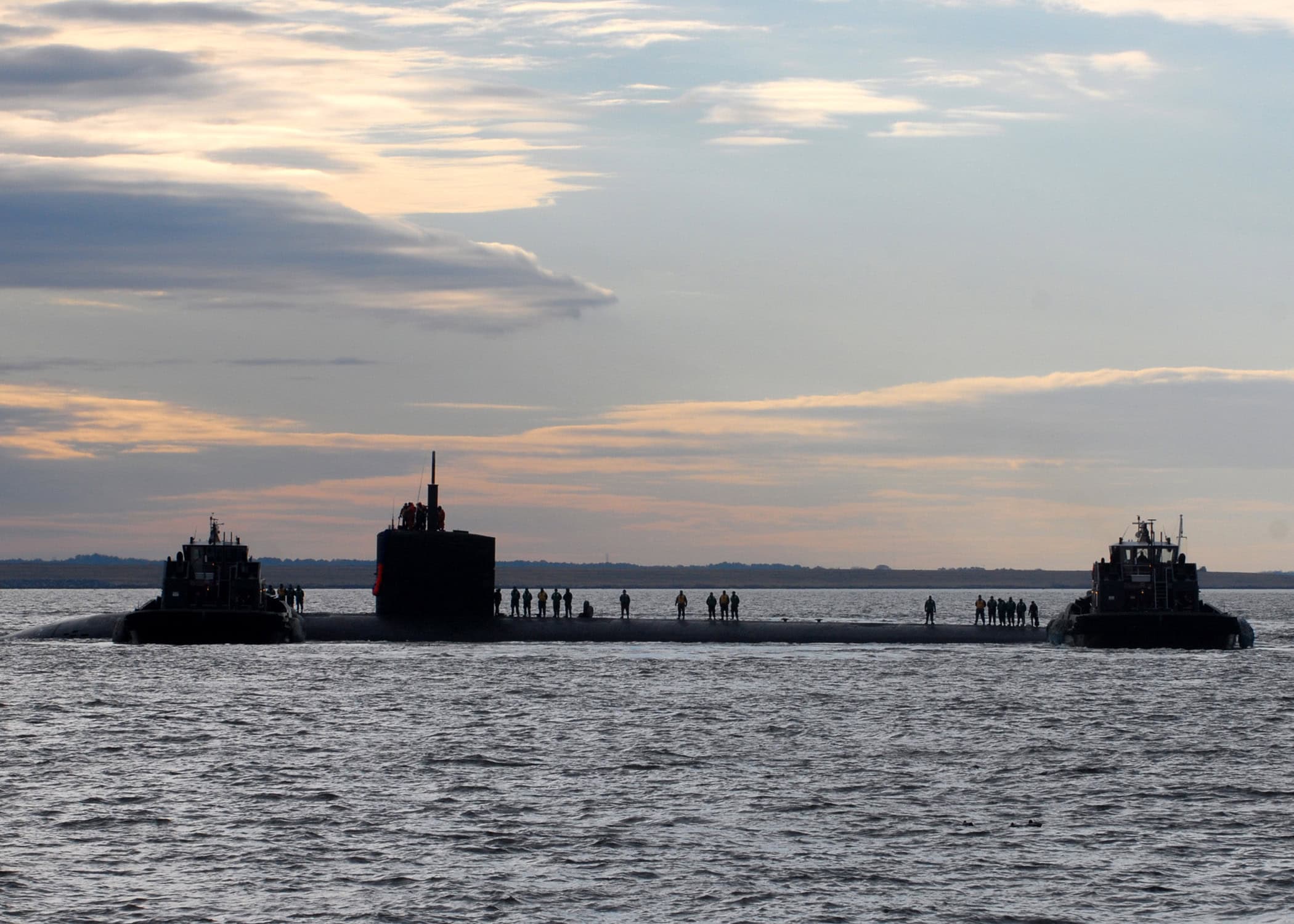
NORFOLK (Dec. 21, 2010) The Los Angeles-class submarine USS Boise (SSN 764) returns to homeport at Naval Station Norfolk after a scheduled six-month deployment. Boise conducted operations in the U.S. European Command area of responsibility, supporting national security interests and maritime security operations. (U.S. Navy photo by Mass Communication Specialist 2nd Class Danna M. Morris/Released)
By the Navy secretary’s accounting the service had spent roughly $800 million to reach 22 percent completion against a total estimate that had swollen toward $3 billion, and by contract-based tallies the total investment neared $1.6 billion; the repaired boat would have delivered about a fifth of a submarine’s service life for two-thirds of a new Virginia’s price, and the labor was worth more on new construction.
Boise was inactivated after one patrol in eleven years. The chief of naval operations had already told Congress the situation was unacceptable, in testimony Defense One reported last year, and this publication’s own coverage of the 37 percent problem has traced how Boise became the emblem of a fleet in which more than a third of attack boats cannot deploy at any given time.
Why the Yards Cannot Keep Up
The bottleneck is easy to see. Nuclear repair work runs through four public shipyards, Norfolk, Portsmouth, Puget Sound, and Pearl Harbor, and those yards triage by strategic priority: ballistic missile submarines first, aircraft carriers second, attack submarines last.
The Congressional Budget Office documented the mechanics back in 2021, finding availabilities running months past schedule, Virginia-class boats returning almost nine months late on average, and too few workers to catch up, and the years since have added weight rather than relief.
The same queue that stranded Boise holds USS Connecticut, the Seawolf-class boat that struck an uncharted seamount in 2021 and has spent years in Puget Sound under repair, a $3 billion submarine the fleet cannot use, as this publication has chronicled.
The Navy is spending billions on the Shipyard Infrastructure Optimization Program to modernize docks and facilities, a generational fix this publication has covered as part of the wider repair crisis, but concrete pours slowly, welders take years to train, and the Columbia-class ballistic missile submarine, the Navy’s top program, rightfully claims first call on both.
When the Secretary of the Navy explained the Boise decision, his logic was labor: every engineer freed from a doomed overhaul could instead shift to Virginia and Columbia construction.
The idle queue, in other words, is not a scandal within the system. It is the system, working exactly to its capacity.
The Cost Is Measured in Submarine Patrols
The money is the visible loss, and it is not the important one.
Every ship-year of the GAO’s 41 is a year of presence the fleet did not get, in a decade when American attack submarines were the currency of deterrence in the Pacific and their shortage shaped every war plan against China.
The fleet stands at roughly fifty attack boats against a stated requirement in the mid-sixties, with Virginias promised to Australia under AUKUS.
The GAO has now priced the second problem at billions of dollars spent crewing steel that cannot submerge.
The fixes it recommends are modest, administrative, and cheap compared to what they would save, which is the report’s real indictment: the Navy has been paying $230,000 per boat per day for years for the privilege of not having a plan. What a shame. We can do better.
About the Author: Harry J. Kazianis
Harry J. Kazianis (@Grecianformula) was the former Senior Director of National Security Affairs at the Center for the National Interest (CFTNI), a foreign policy think tank founded by Richard Nixon based in Washington, DC. Harry has over a decade of experience in think tanks and national security publishing. His ideas have been published in the NY Times, The Washington Post, The Wall Street Journal, CNN, and many other outlets. He has held positions at CSIS, the Heritage Foundation, the University of Nottingham, and several other institutions related to national security research and studies. He is the former Executive Editor of the National Interest and the Diplomat. He holds a Master’s degree focusing on international affairs from Harvard University.

