
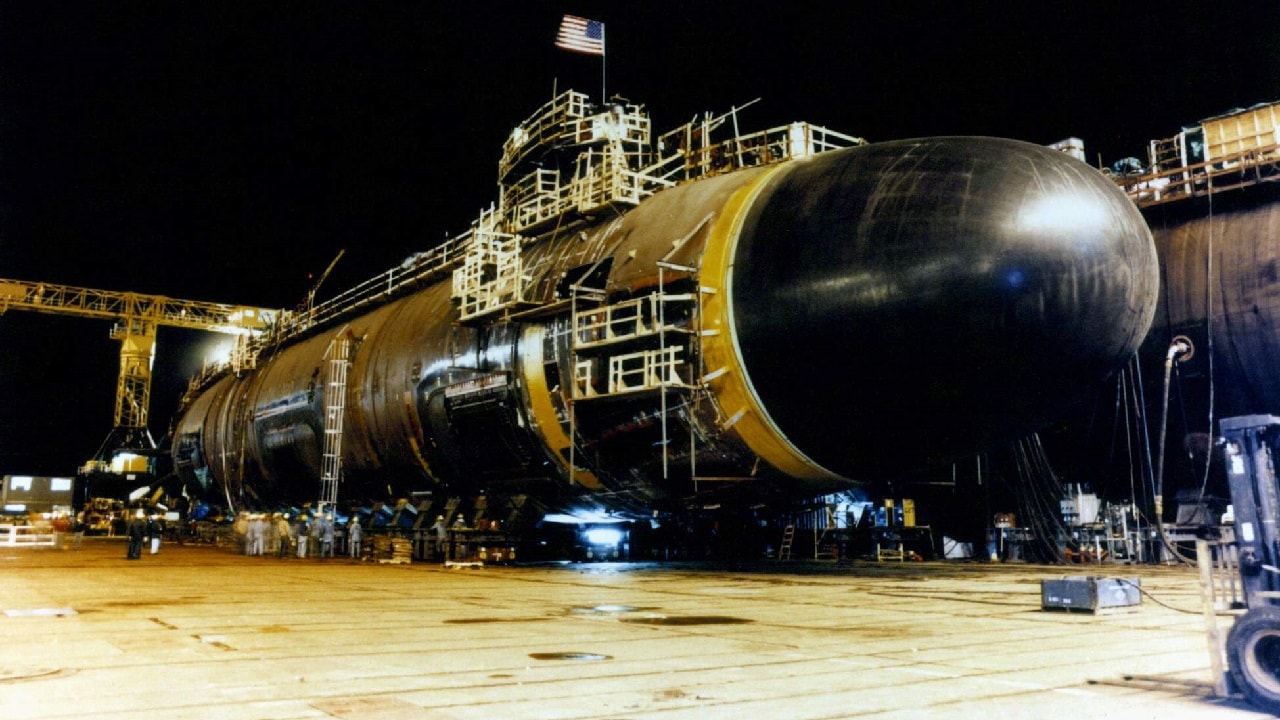
Summary and Key Points: Defense columnist Steve Balestrieri exposes a staggering crisis within the U.S. Navy’s submarine fleet. Following a 2021 underwater collision with an uncharted seamount in the South China Sea, the $3 billion Seawolf-class USS Connecticut remains paralyzed in a Washington dry dock.
-Because the Seawolf production line closed in the 1990s after only three boats were built, critical parts like the bow sonar dome must be fabricated entirely from scratch.
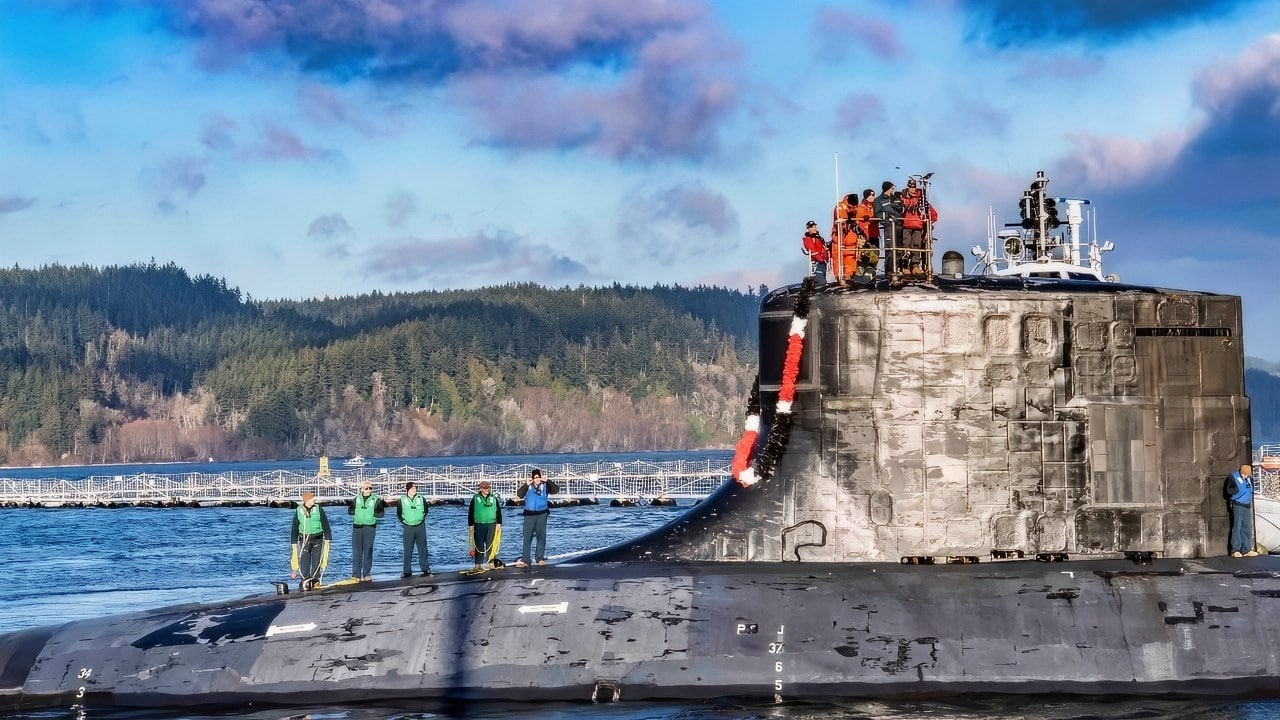
The Seawolf-class fast-attack submarine USS Seawolf (SSN 21) returns home to Naval Base Kitsap-Bangor, Washington, Dec. 14, 2022, following a seven-month deployment. Seawolf is the first of the Navy’s three Seawolf-class submarines, designed to be faster and quieter than its Los Angeles-class counterpart. (U.S. Navy photo by Mass Communication Specialist 2nd Class Gwendelyn L. Ohrazda)
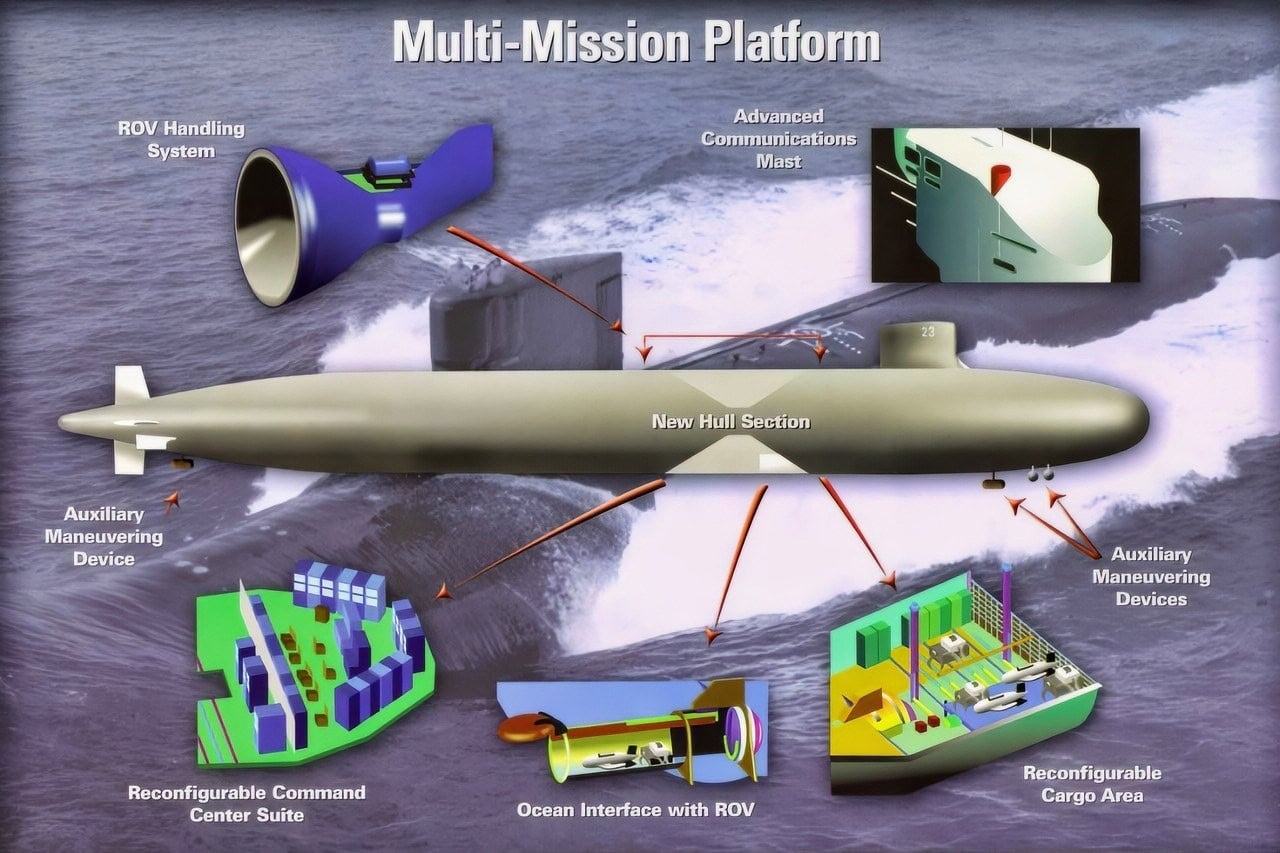
USS Jimmy Carter Seawolf-Class. Image Credit: Creative Commons.
-Balestrieri highlights that this multi-year delay—alongside the devastating decade-long maintenance backlog facing the USS Boise—signals a severe, systemic breakdown in America’s naval shipbuilding and repair infrastructure.
The $3 Billion Paperweight: Why Seawolf-Class USS Connecticut Can’t Go to Sea
The USS Connecticut (SSN-22), a $3 billion Seawolf-class nuclear-powered attack submarine, is currently undergoing extensive repairs and a major maintenance overhaul at the Puget Sound Naval Shipyard in Bremerton, Washington.
The USS Connecticut is one of three Seawolf-class attack submarines. It was severely damaged on October 2, 2021, after a collision with an uncharted seamount.
The impact caused severe damage to the submarine’s bow, sonar dome, and ballast tanks. The sonar dome was completely lost during transit after the crash.
The impact on the seamount in the South China Sea, located off the coast of Japan, damaged the sonar dome, making underwater travel unsafe, several Navy officials said at the time.
The USS Connecticut (SSN-22) was initially expected to return by 2025, but the timeline has been delayed to late 2026 or early 2027. The nuclear-powered submarine has been undergoing extensive repairs at the Puget Sound Naval Shipyard in Washington following the underwater mountain collision.
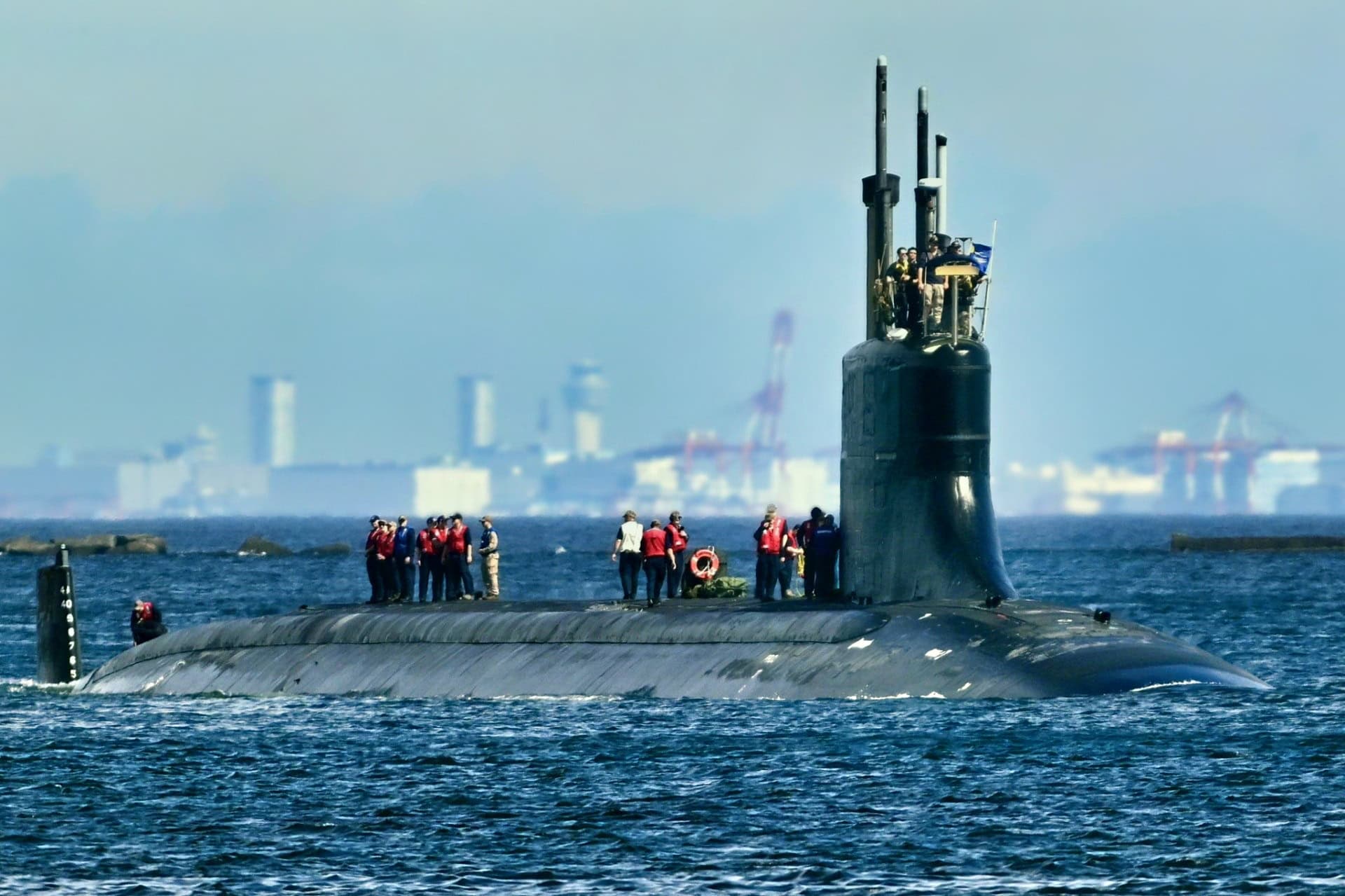
Seawolf-Class Submarine. Image Credit: Creative Commons.
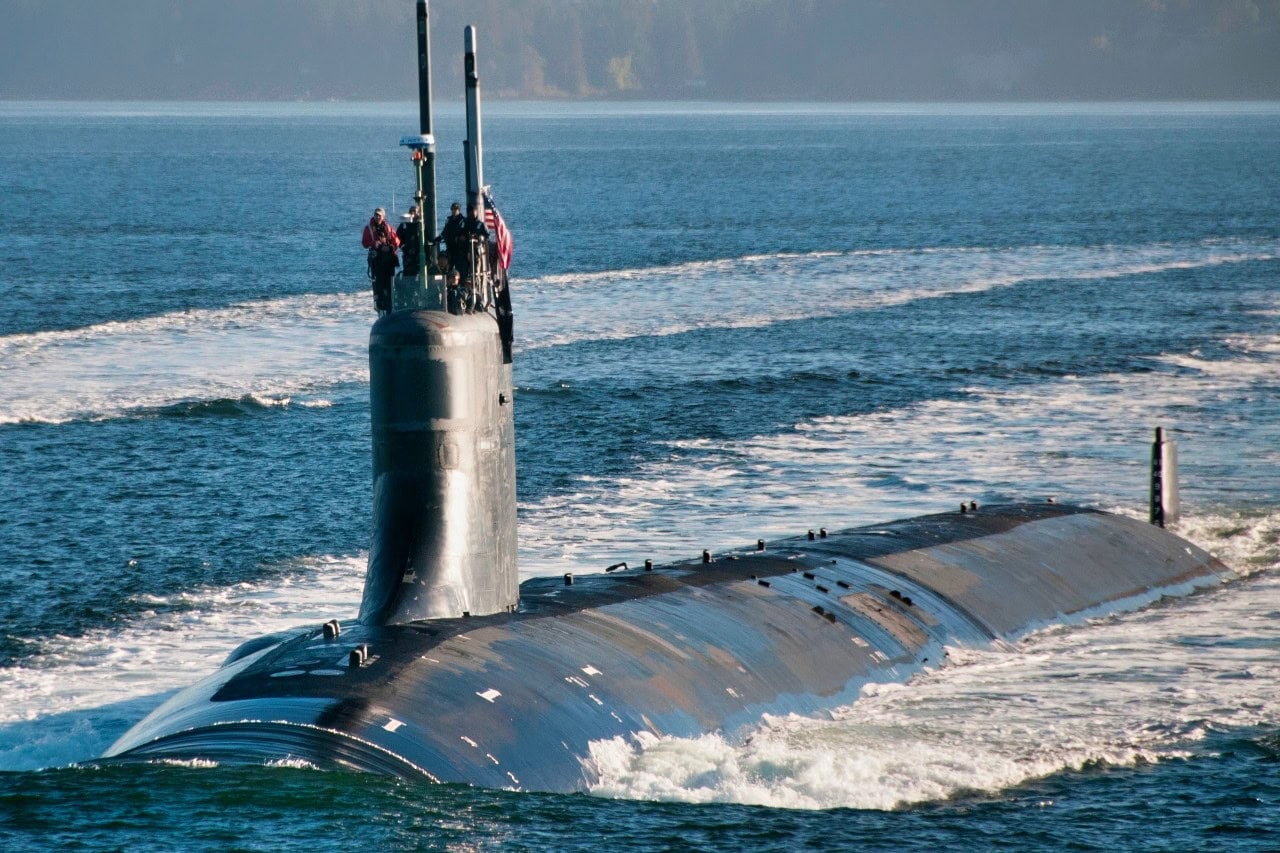
PUGET SOUND, Wash. (Sept. 11, 2017) The Seawolf-class fast-attack submarine USS Jimmy Carter (SSN 23) transits the Hood Canal as the boat returns home to Naval Base Kitsap-Bangor. Jimmy Carter is the last and most advanced of the Seawolf-class attack submarines, which are all homeported at Naval Base Kitsap. (U.S. Navy photo by Lt. Cmdr. Michael Smith/Released)
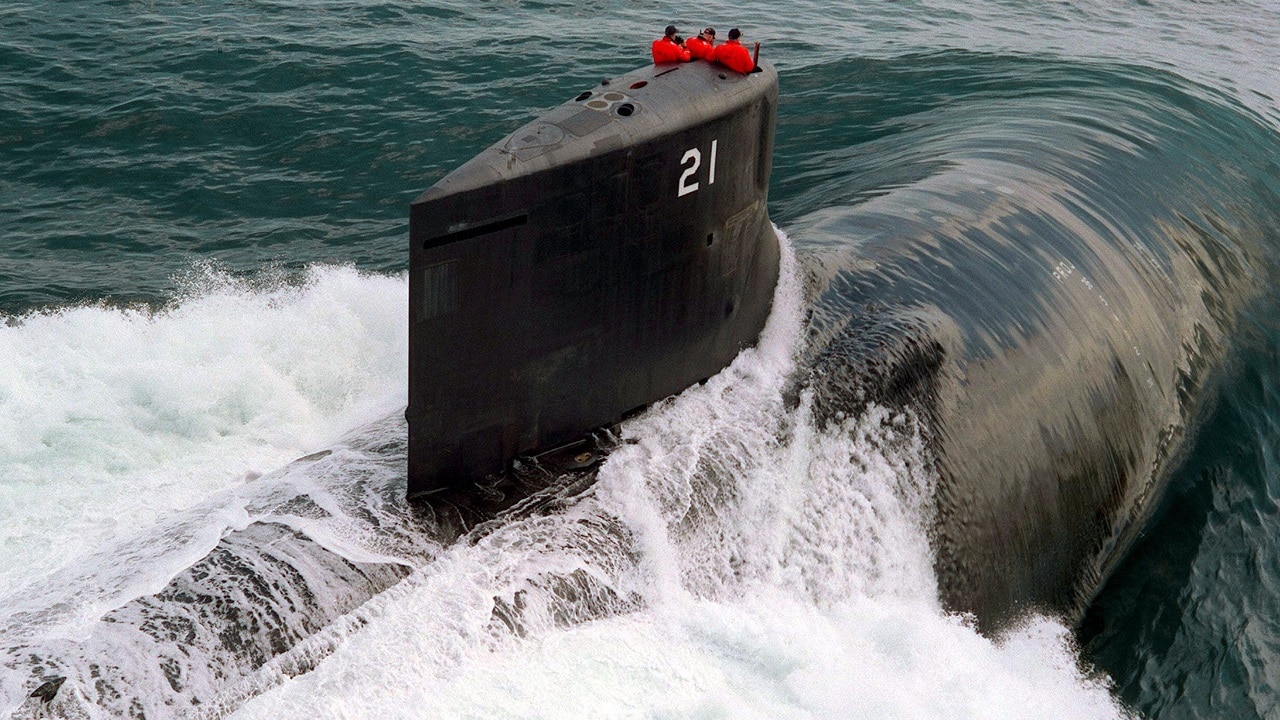
The U.S. Navy’s newest attack submarine, USS Seawolf (SSN 21), conducts Bravo sea trials off the coast of Connecticut in preparation for its scheduled commissioning in July 1997.
And this is at a time when the Navy is desperately short of attack submarines.
The Submarine’s Entire Command Element Was Quickly Relieved
The submarine’s Commanding Officer, Cmdr. Cameron Aljilani, Executive Officer, Lt. Cmdr. Patrick Cashin, and Chief of the Boat Master Chief Sonar Technician Cory Rodgers were relieved from command following the completion of an investigation by U.S. 7th Fleet commander Vice Adm. Karl Thomas in early November 2021.
“We have very rigorous navigation safety procedures, and they fell short of what our standard was,” Naval Submarine Forces commander Vice Adm. William Houston said.
The Navy conducted an investigation and determined that the accident was preventable and resulted from a “command environment” and “lax attitudes toward the performance of key tasks,” leading to the relief of the commanding officer, executive officer, and chief of the boat from their duties.
The command investigation led by the chief of U.S. Pacific Fleet’s Maritime Headquarters, Rear Admiral Christopher Cavanaugh, said the sub was sailing rapidly in an area of the ocean that was not charted properly.
Cavanaugh’s report noted that Commander Cameron Aljilani contributed to a “poor command climate” and his actions “set the conditions of the boat’s performance.”
After a month’s trip back to the West Coast of the US, the Connecticut entered into extensive repairs at Puget Sound Naval Shipyard and Intermediate Maintenance Facility.
Repairs to the USS Connecticut Have Been Slow And Complex
The submarine required extensive and complex repairs at the Puget Sound Naval Shipyard, which have taken years to complete. As it was a rare Seawolf-class vessel, a specialized sonar dome needed to be replaced.
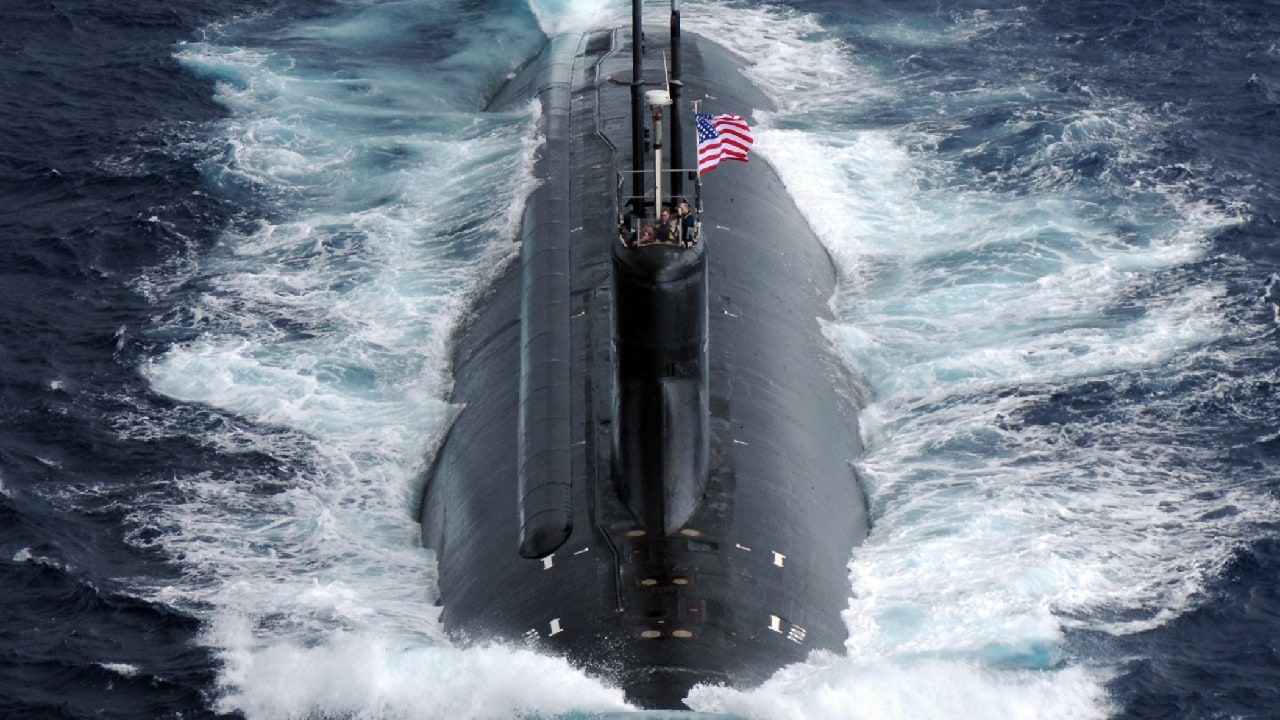
The Seawolf-class fast-attack submarine USS Connecticut transits the Pacific Ocean during Annual Exercise. ANNUALEX is a yearly bilateral exercise with the U.S. Navy and the Japan Maritime Self-Defense Force.
The collision caused significant damage, primarily to the submarine’s bow sonar dome and ballast tanks.
The Seawolf production line consisted of only three vessels, and it was shut down in the 1990s. Unlike other classes, there are no decommissioned sister ships to cannibalize for parts, meaning critical components, including the specialized bow sonar dome, had to be specially fabricated, a process with a lead time of over three years.
The Seawolf submarines are used for highly sensitive undersea surveillance and infiltration missions, and the loss of one of these three boats for more than five years has significantly degraded overall fleet readiness.
Extensive Shipyard Work And Upgrades
The submarine was moved to the Puget Sound Naval Shipyard for extensive repairs, including replacement of the damaged sonar dome and other hull components.
“USS Connecticut (SSN 22) is in Dry Dock at Puget Sound Naval Shipyard & Intermediate Maintenance Facility (PSNS & IMF) in Bremerton, Washington, undergoing an Extended Docking Selected Restricted Availability (EDSRA), which is a major maintenance availability that all submarines undergo during their maintenance life cycle,” a Navy spokesperson told TWZ in July of last year.
“The damage USS Connecticut sustained in October 2021 is also being repaired during this EDSRA. Connecticut is expected to return to service in late 2026. PSNS & IMF and Naval Sea Systems Command are continuing to prioritize investments in materiel, infrastructure, and personnel to meet the needs of the fleet.”
Long Repairs Due To The Shutdown Of The Production Line
Repairs are expected to be completed in late 2026, with the process taking several years due to the severity of the damage and the specialized nature of the repairs.
The Seawolf class production was cut short by the Navy at the end of the Cold War, as only three boats were ever built, and those were constructed in the 1980s. By cutting production short, the Seawolf class was the most expensive attack submarine ever built, each costing $3 billion, which translates to over $10 billion today.
The Navy is not just repairing the damage but also increasing the boat’s lethality while it is in dry dock.
“As one of the most advanced and stealth-capable submarines in the fleet, the vessel is seen as critical to future U.S. naval strategy in the Indo-Pacific. Its capabilities include speeds exceeding 35 knots, under-ice operations, and the ability to carry up to 50 weapons. That includes weapons like Mk 48 torpedoes, Tomahawk cruise missiles, and Harpoon anti-ship missiles.”
New Sonar Dome Requested In Navy’s FY 2025 Budget Request
“The Seawolf Class submarines’ sustainment strategy did not include the provisioning of replacement bow domes; therefore, no replacement bow domes for these in-service submarines are within the Navy’s inventory,” the budget requested.
“This program would procure one Seawolf-class bow dome for use in the event replacement is required. Funds in FY25 are to purchase a bow dome, which has a lead time of three-plus years.
“Congress approved an initial trench of $40 million for ’emergency repairs’ and an additional $10 million for a new bow dome in 2021.” However, that’s not believed to include the total cost of the repairs to the boat.
The USS Connecticut is scheduled to finish its repairs late this year and return to the fleet. However, some analysts estimate that the boat won’t be ready until 2027. The USS Seawolf is then expected to enter its own lengthy EDRSA, which will keep it in dry dock until 2029. Which would only leave the Navy with one Seawolf-class submarine on active duty.
The only other Seawolf-class submarine is the highly modified USS Jimmy Carter (SSN-23), which was designed and built for underwater espionage missions and features a 100-foot-long Multi-Mission Platform (MMP) hull extension.
The prolonged repair work of the USS Connecticut highlights the precarious position of the US shipbuilding industry, where new construction, maintenance work, and repairs are constantly over budget and behind schedule.
The USS Boise Is A Prime Example Of What Ails US Shipyards
Another not-so-stellar example of this is the USS Boise, (SSN-764) a Los Angeles-class attack submarine. The USS Boise delivered some of the opening salvos of Operation Iraqi Freedom when she launched a full load of Tomahawk cruise missiles in support of the initial invasion in March 2003.
The USS Boise has faced a nearly decade-long delay in its maintenance schedule, with its official engineering overhaul (EOH) finally beginning in early 2024, nearly nine years behind its original planned start date.
Sidelined since its last patrol ended in early 2015, the submarine lost its dive certification in 2017 and has since become the “poster child” for the U.S. Navy’s maintenance backlogs and shipyard capacity crises.
Current projections estimate the overhaul won’t be completed until September 2029, meaning the submarine will have been out of service for approximately 15 years, which is almost half its total expected service life.
About the Author: Steve Balestrieri
Steve Balestrieri is a National Security Columnist. He served as a US Army Special Forces NCO and Warrant Officer. In addition to writing on defense, he covers the NFL for PatsFans.com and is a member of the Pro Football Writers of America (PFWA). His work was regularly featured in many military publications.