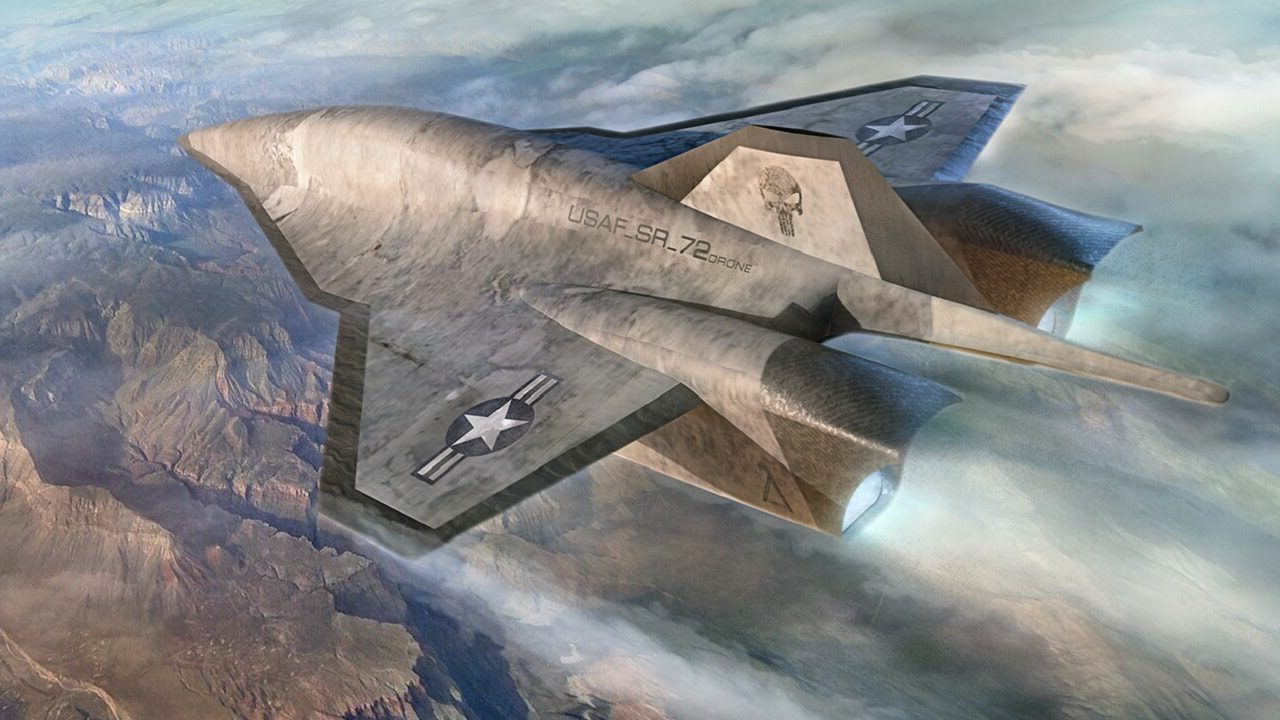
Summary and Key Points: Expert Caleb Larson examines whether Lockheed Martin’s SR-72, outlined in 2013 as a Mach 6, unmanned or optionally piloted hypersonic successor to the SR-71 Blackbird with turbine-to-scramjet combined-cycle propulsion and a demonstrator targeted for the early 2020s, ever became real. The Air Force never adopted it as a program of record, a senior Lockheed executive said in February 2018 none had been built, and classified Skunk Works losses don’t name it. His verdict: unconfirmed, likely shelved.
The SR-72 Could Hit Mach 6 If It Is Ever Built
Arguably one of the United States’ most significant aeronautical achievements during the Cold War was the SR-71 Blackbird, a faster-than-sound spy and reconnaissance aircraft. Tasked with flying over the world’s hotspots and snapping valuable intelligence data on immense rolls of film, the Blackbird could respond to crises incredibly quickly. Thanks to a pair of immense Pratt & Whitney J58 afterburning turbojet engines that could transition into a ramjet-like flight mode at high speeds, the SR-71 was never shot down. Experts still talk about it making a comeback of sorts as NASA seems interested in the idea, to some degree.
The Blackbird offered some advantages over the crop of advanced satellites that took on its aerial reconnaissance role.
In some circumstances, the jet could fly over important areas faster than a satellite’s orbit could be repositioned.
And while the final SR-71 was retired in 1999, speculation, initially fueled by Lockheed Martin, suggested a successor to the Blackbird was in the works: the provisionally named SR-72 Darkstar, also known as the SR-72 Son of Blackbird.
SR-72 Darkstar or SR-72 Son of Blackbird: Fact or Fiction
In 2013, Lockheed Martin publicly outlined the SR-72 as a proposal for an unmanned or optionally piloted hypersonic aircraft intended to fill a similar role to its SR-71 predecessor, conducting intelligence, surveillance, and reconnaissance missions, with a potential strike capability as well.
According to many reports, the concept was to reach Mach 6 speeds, or six times the speed of sound, using a combined-cycle propulsion system that can transition from turbine power to scramjet operation.
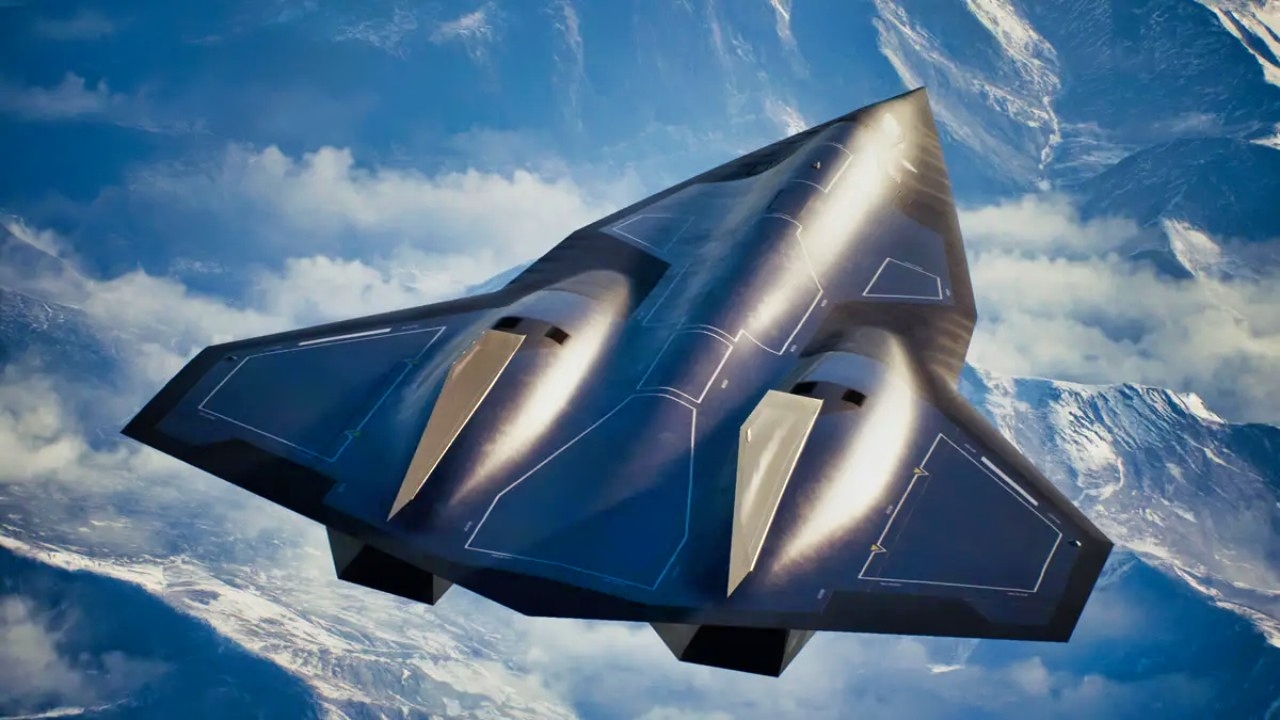
SR-72 Darkstar or SR-71 Son of Blackbird. Image Credit: Creative Commons.
Initially, Lockheed indicated that a technology demonstrator could be in the works, with a projected finish time around the late 2010s or early 2020s. Should things have moved forward successfully, there could have been an SR-72 initial operational capability around 2030.
But the firm never demonstrated these milestones.
What Changed
Importantly, the United States Air Force never publicly adopted the SR-72 as a program of record.
In 2013, reporting indicated that the service declined the need to fund the proposed aircraft and instead pursued other high-altitude intelligence and surveillance options.
After 2018, Lockheed Martin also reduced public discussion. In February 2018, a senior Lockheed executive stated that no SR-72 aircraft had been produced, after which the company largely stopped discussing the project publicly.
As of today, no demonstrator aircraft has been revealed to the public.
No confirmed flight, official photographs, test announcement, or public procurement contract is associated with a hypothetical SR-72 aircraft. Classified Lockheed aeronautics spending has fueled speculation.
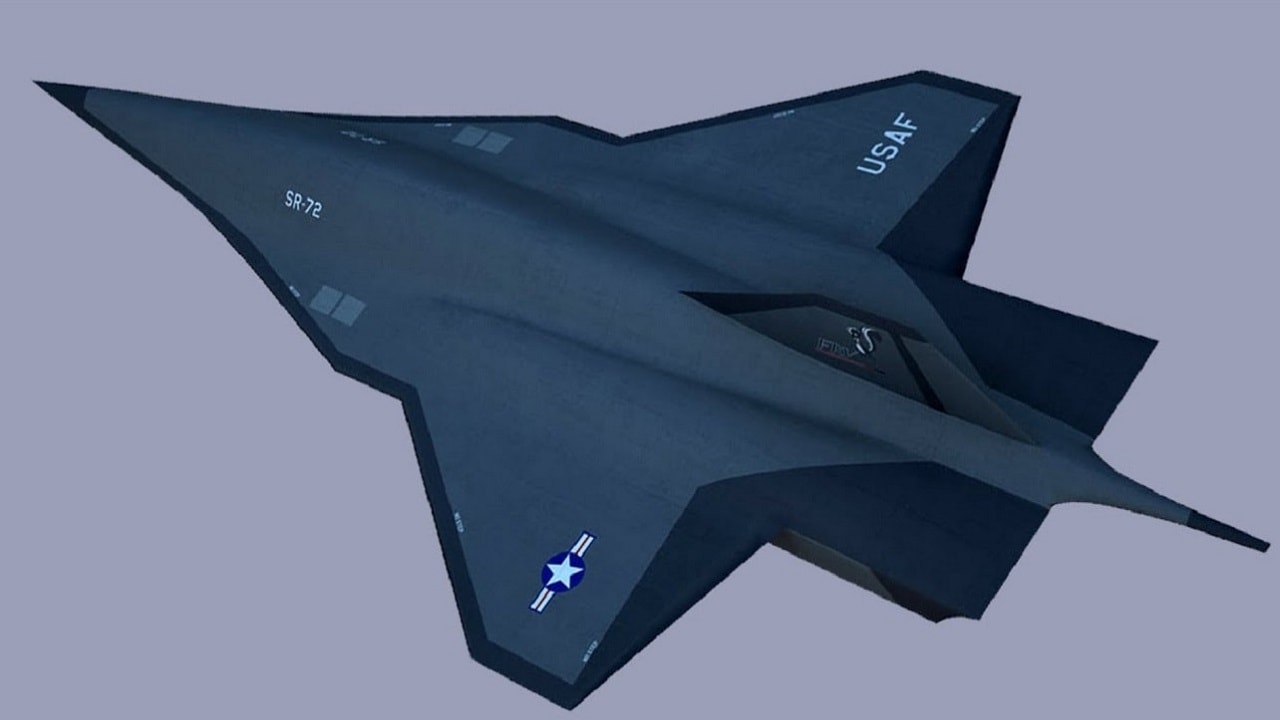
SR-72. Image Credit – Artist rendering.
The company has reported substantial losses and cost growth on unarmed classified aircraft programs, but its filings do not identify those efforts as SR-72-related.
Assessment of Possibilities
Could an SR-72-like aircraft still be under development? It is plausible, though unproven. Given the SR-72’s proposed role as an SR-71 successor aircraft, it would be highly classified. And given the classified nature of Lockheed Martin’s secretive Skunk Works division, which tackles some of the company’s most difficult engineering challenges, it would be difficult—if not impossible—to rule out or confirm this possibility.
One, perhaps more likely, conclusion is that an SR-72 aircraft experienced delays or cost overruns because of propulsion and integration problems. Sustained hypersonic flight requires incredibly complex integration of thermal protection, propulsion, guidance, materials, and launch-and-recovery systems.
Thermal management on other unmanned hypersonic test aircraft in development worldwide has made the task’s difficulty clear. Adding a pilot — a life on the line — to the equation raises the stakes considerably.
But the question remains: could an SR-72 aircraft already be flying secretly? We cannot rule it out with complete certainty.
However, the significant caveat is that no public evidence confirms its existence, and claims to the contrary are, at best, incredibly hopeful and, at worst, very misleading.
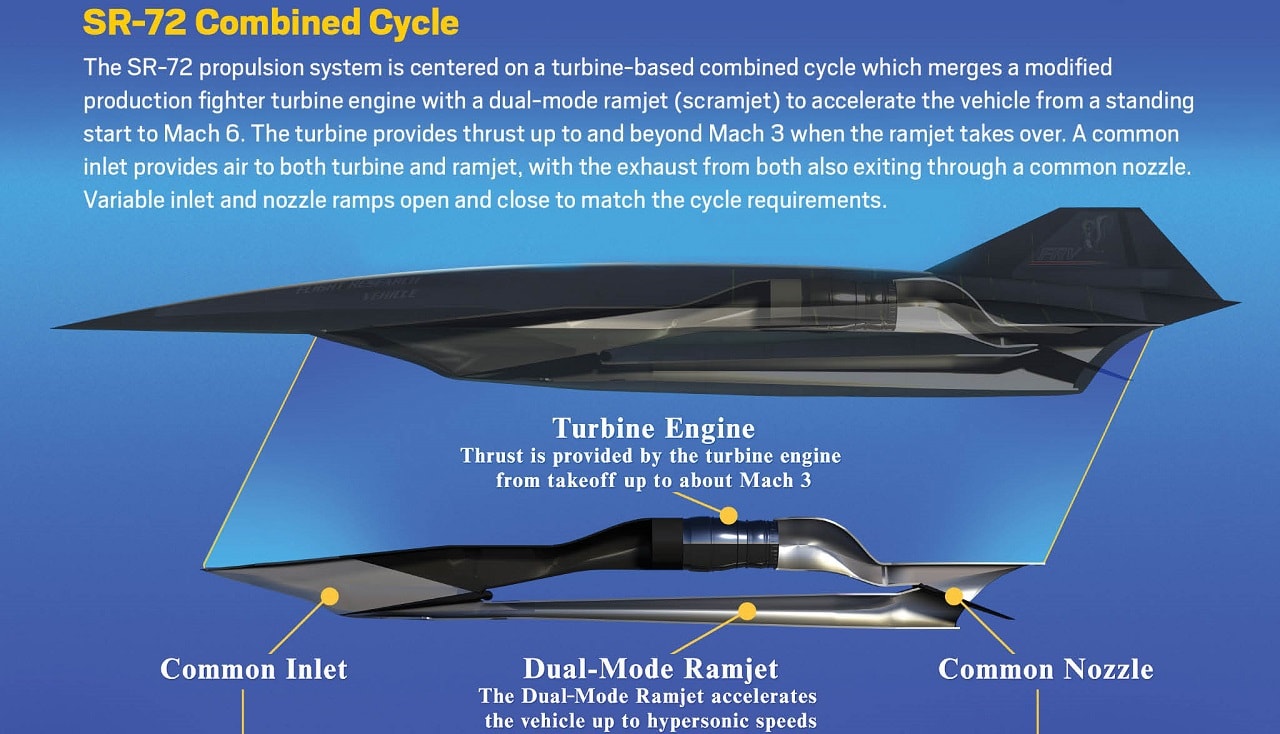
SR-72 Son of Blackbird. Image Credit: Creative Commons.
Another, perhaps more likely conclusion is that the SR-72 program may have been a real, though aspirational, Lockheed Martin program that was ultimately canceled or put on hold.
The Bottom Line: Aviation History Denied?
The most reasonable conclusion is that the SR-72 program remains unconfirmed. Lockheed clearly studied and promoted the concept of an SR-71-successor aircraft, but public evidence does not establish that a full-scale aircraft was built or flown.
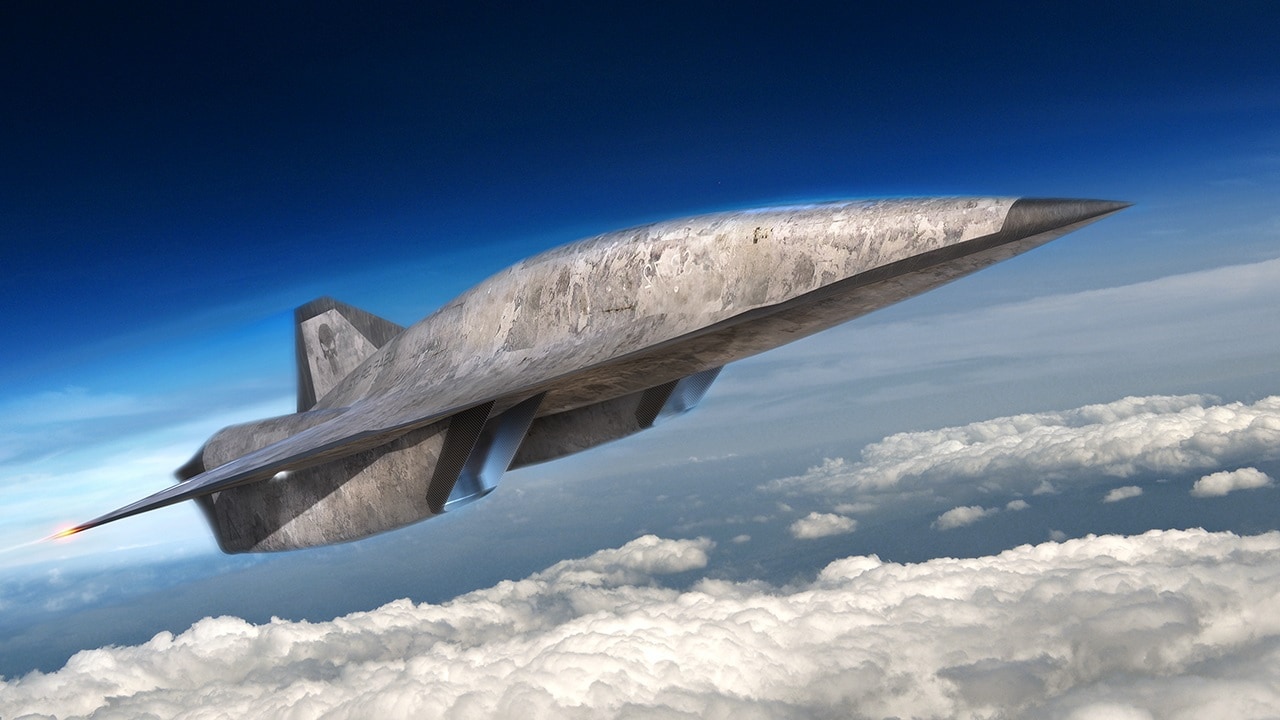
SR-72 artist rendering. Image Credit: Creative Commons.
Claims that it is nearing service by 2030 rely on inference from reporting on classified programs — and are inherently speculative.
Without official U.S. Air Force or Lockheed Martin announcements, or flight footage or related data, the SR-72 cannot be considered a program with a factual basis, even if it may have, at one time, been moving toward becoming a program of record.
About the Author: Caleb Larson
Caleb Larson is an American multiformat journalist based in Berlin, Germany. His work covers the intersection of conflict and society, focusing on American foreign policy and European security. He has reported from Germany, Russia, and the United States. Most recently, he covered the war in Ukraine, reporting extensively on the shifting battle lines in Donbas and the war’s civilian and humanitarian toll. Previously, he worked as a Defense Reporter for POLITICO Europe. You can follow his latest work on X.