
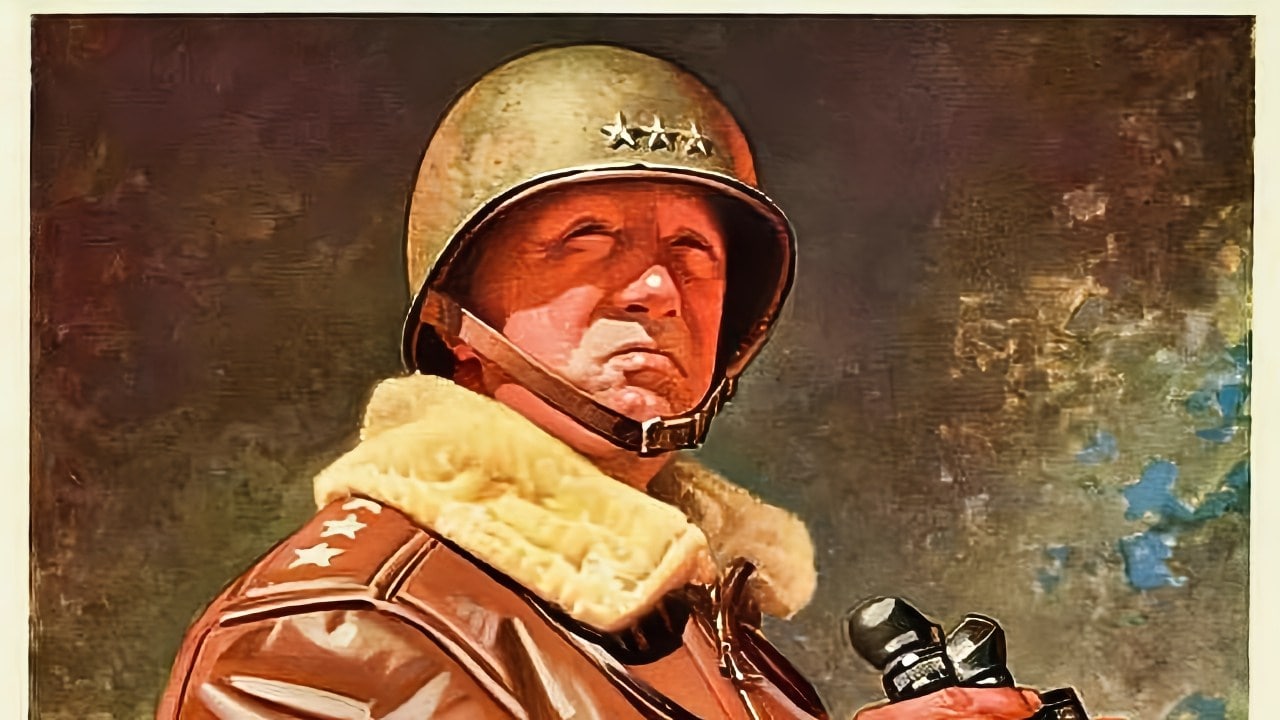
Summary and Key Points: Before he was the master of armored warfare, George S. Patton Jr. was a boy struggling with a secret: he couldn’t read or write until age 11.
-Battling dyslexia long before it was understood, Patton’s path was shaped by a violent family lineage of Confederate colonels and rugged California pioneers like “Don Benito” Wilson.
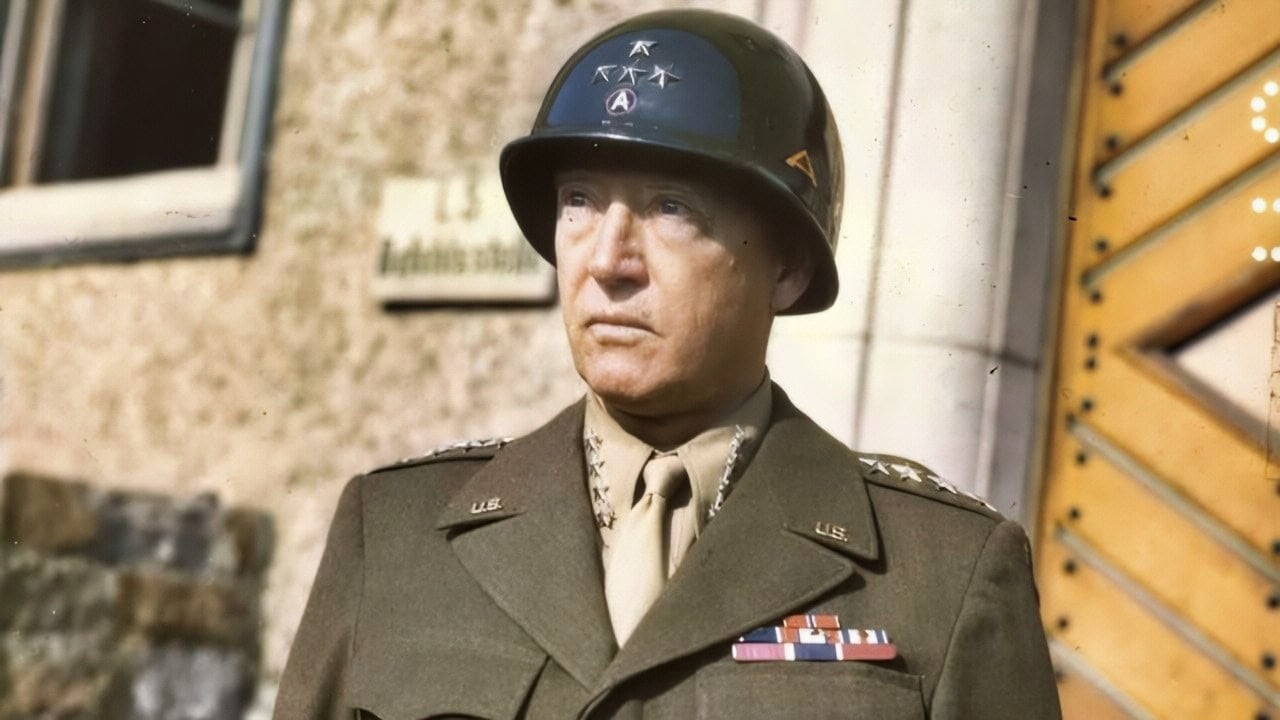
General George Patton U.S. Army Photo
-Mentored by the legendary “Gray Ghost” John Singleton Mosby and fueled by a father’s wooden sword, Patton transformed early failure into the relentless drive that would later liberate Europe.
-This is the hidden history of how America’s most eccentric general was made.
Predestined for War: The Violent Family Legacy That Created George S. Patton
“Never tell people how to do things. Tell them what to do and they will surprise you with their ingenuity.” – U.S. Army General George Patton
Yet another quotable nugget of wisdom from iconic US Army General George Smith Patton Jr. This particular quote emphasizes that an effective leader should not be a micromanager.
Having previously written articles on Patton’s generalship in World War II and his experiences as a young tank officer in World War I, this writer shall now focus on George Patton’s boyhood.
Paternal Parental Predestination for Patton?
As is true of many of the military leaders we’ve profiled, George Patton Jr. was imbued with a martial family tradition. Indeed, when looking at his lineage, it seems as though the boy Georgie was predestined to become a military man.
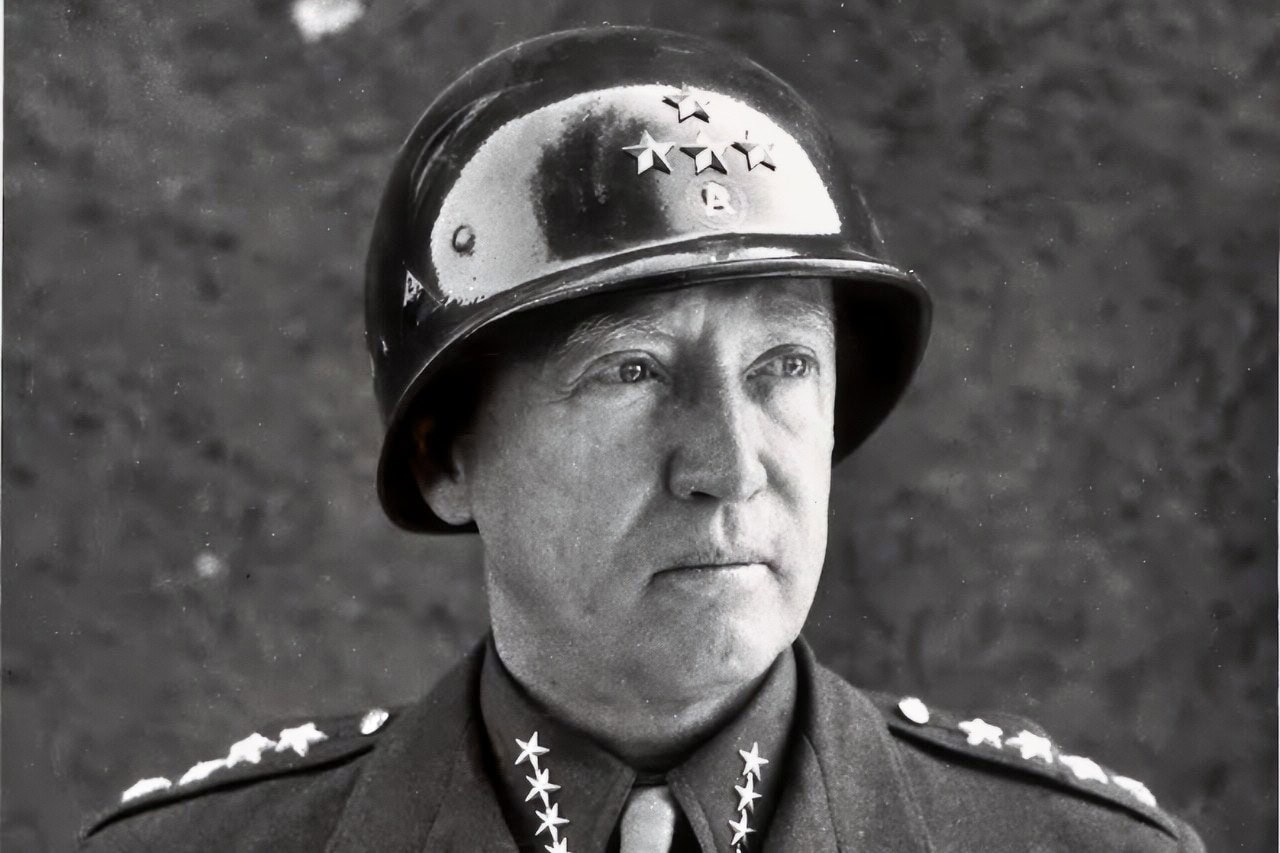
U.S. Army General George Patton
Although Georgie’s father, George Smith Patton, wasn’t a military careerist, he did graduate from the Virginia Military Institute (VMI) in 1877, where Georgie spent a year (1903-1904) before gaining admission to the United States Military Academy at West Point. (His father also carved a wooden sword for his son when the latter was still very young.)
Meanwhile, the paternal grandfather, George Smith Patton Sr. *did* parlay his own status as a VMI alumnus (Class of 1852, second in a class of 24), serving as a Confederate Army officer in the 22nd Virginia Infantry during the American Civil War, rising in rank from captain to colonel of the regiment, and wounded in battle three times: in the shoulder at the Battle of Scary Creek on July 17, 1861; in the stomach at Giles Court House on May 10, 1862; and finally and fatally at the Battle of Opequon, also known as the Third Battle of Winchester, dying of his wounds of September 25, 1864,
(NOTE: Yes, technically speaking, George S. Patton jr. should’ve actually been George S. Patton III; accordingly, his son, who also ended up as a general, was indeed George S. Patton IV).
“Don Benito” and Aunt Nannie
Lest we erroneously give all the credit to the paternal side of Patton’s parentage in influencing his military career path, it should be noted that his mother’s (Ruth Wilson’s) side of the family also played a role.
We’re talking about Georgie’s maternal grandfather, Benjamin Davis “Don Benito” Wilson, whose Lake Vineyard (San Marino, California) estate the Patton family also lived in, in addition to Los Angeles.
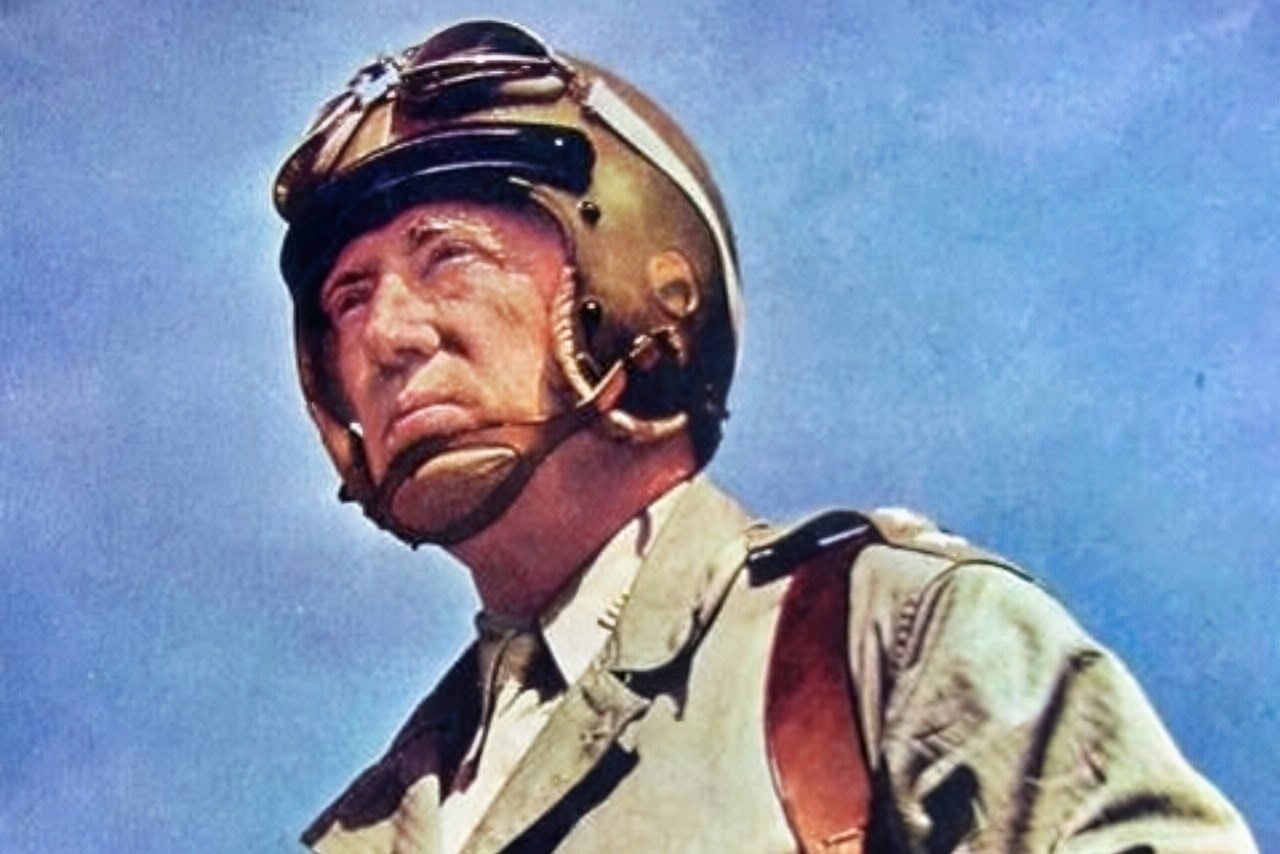
General George Patton of the U.S. Army. Image Credit: Creative Commons.
Don Benito was an early American pioneer in California before the territory became part of the United States.
His adventurous exploits were hugely inspirational to his future grandson as noted by Glen Jeansonne, Frank C. Haney, and David Luhrssen 2008 piece in Warfare History Network titled “George S. Patton: A Life Shaped by Dyslexia,” [Martin] Blumenson credits Don Benito with some of the genetic makeup of the future general, including looks, driv [sic], and tenacity. [Lt. Col. Carlo] D’Este’s work reveals Don Benito as an extremely eccentric and physically rugged individualist.
His exploits included lassoing and killing grizzly bears, surviving the poison-tipped arrow of an American Indian, and delivering the heads of rebellious Indians in a wicker basket to California’s governor. Patton would replicate that feat when he presented General Pershing with the bodies of three of Pancho Villa’s men during the Punitive Expedition of 1916.
Like his ancestor, George Patton enjoyed and displayed a zest for combat, which contrasted sharply with his more low-key superior in World War II, General Dwight D. Eisenhower.”
And then there was Ruth’s eccentric sister, Georgie’s maternal aunt Nannie, who, beyond merely doting on her nephew, is described by Jeansonne. Haney and Luhrssen are being “obsessed with him.” Nannie read George the Bible three to four hours per day and “having decided that George was ‘delicate,’ began reading aloud to him classics such as Plutarch’s Lives and The March of Xenophon and stories about Alexander the Great and Napoleon.”
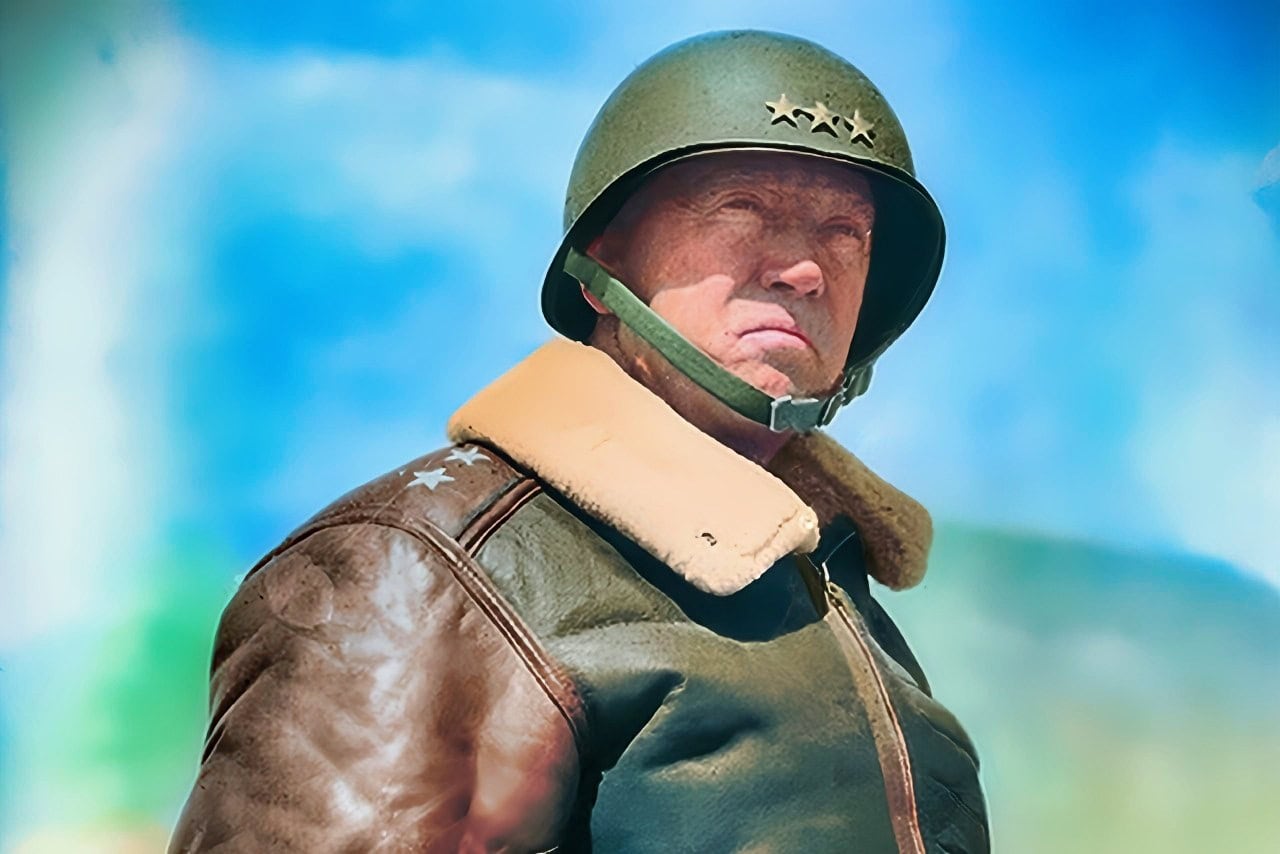
George Patton U.S. Army Photo

General Patton Portrait. Image Credit: Creative Commons.
In addition to the obvious influence of those military leaders’ stories on the boy’s eventual career path, the Bible reading also had a major impact, as seen in the frequent invocations of God in his later military speeches and writings.
About That Dyslexia
As I noted in a previous article, young Georgie’s struggles with dyslexia manifested themselves at an early age, and he didn’t learn to read or write until age 11. However, thanks to his innate intelligence, drive, and determination, Georgie adapted, improvised, and overcame.
He took to heart his father’s exhortation to “Do your damnedest always.” And despite his late-blooming literacy, the boy could quote from memory not only lengthy Bible passages, but also entire volumes of poetry and long passages of history, thanks to Aunt Nannie.
At the age of 11, he finally started formal schooling outside the home, enrolling in Stephen Cutter Clark’s Classical School for Boys, a private school in Pasadena, for six years. Seeing past his dyslexia, Georgie’s teachers described him as an intelligent boy who was widely read in classical military history, particularly the exploits of Hannibal, Scipio Africanus, Julius Caesar, and Joan of Arc. And during those school years, the future general had one other key influencer play a major personal role in his life: John Singleton Mosby, AKA “The Gray Ghost,” the former Confederate cavalry colonel, who frequently stopped by the Patton family home.
About the Author: Christian D. Orr, Defense Expert
Christian D. Orr is a Senior Defense Editor. He is a former Air Force Security Forces officer, Federal law enforcement officer, and private military contractor (with assignments worked in Iraq, the United Arab Emirates, Kosovo, Japan, Germany, and the Pentagon). Chris holds a B.A. in International Relations from the University of Southern California (USC) and an M.A. in Intelligence Studies (concentration in Terrorism Studies) from American Military University (AMU). He is also the author of the newly published book “Five Decades of a Fabulous Firearm: Celebrating the 50th Anniversary of the Beretta 92 Pistol Series.”