
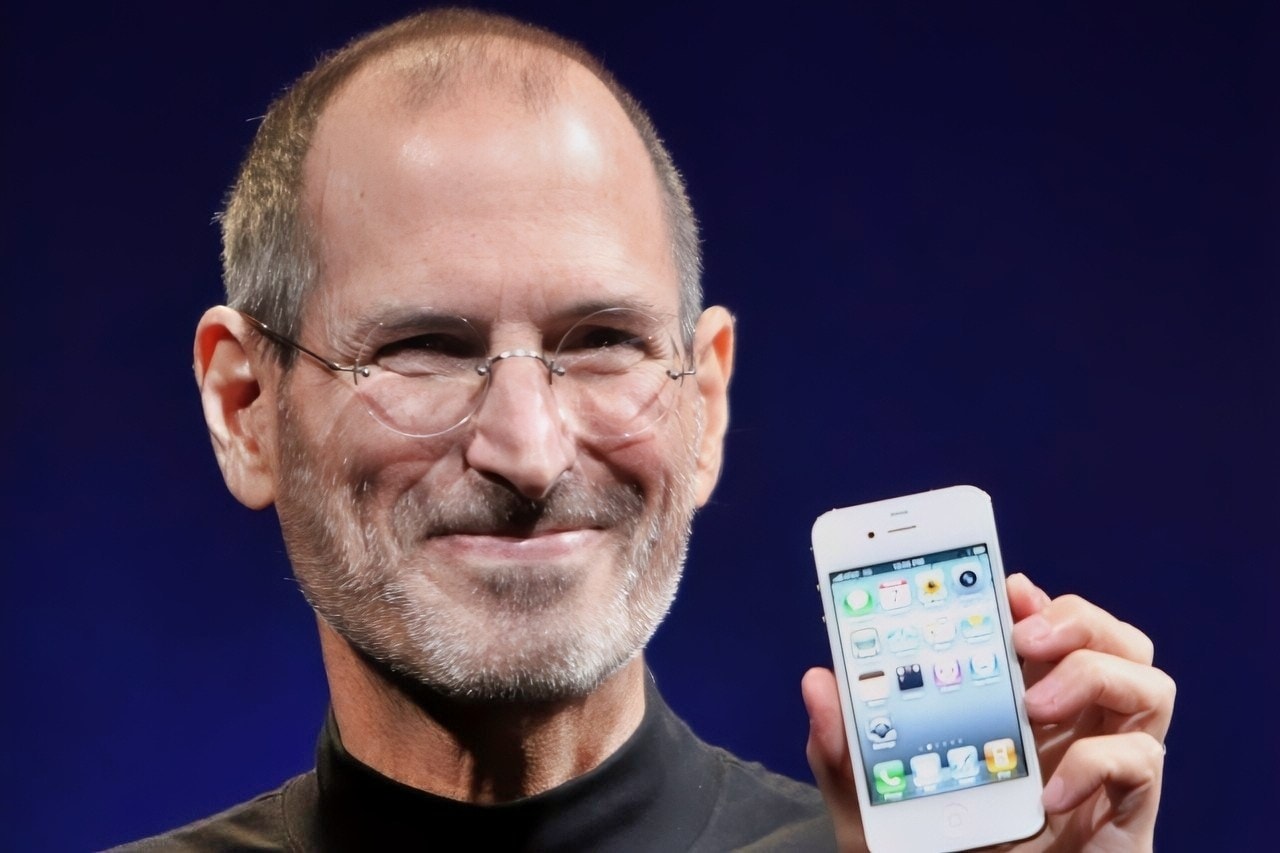
Summary and Key Points: National security and intelligence analyst Isaac Seitz evaluates the medical and professional timeline of Steve Jobs.
-Diagnosed with a rare pancreatic neuroendocrine tumor (pNET) in 2003, Jobs famously delayed conventional surgery for nine months, a decision that remains a point of medical debate.
-This report analyzes how Jobs introduced the iPhone (2007) and iPad (2010) while battling metastasis to the liver, leading to a controversial 2009 transplant.
-Seitz explores Jobs’ final resignation in August 2011 and his transition of power to Tim Cook, concluding that Jobs’ obsession with simplicity continues to shape Apple’s 2026 trajectory.
Apple’s Steve Jobs Explains Life and Death in 1 Quote
“Remembering that you are going to die is the best way I know to avoid the trap of thinking you have something to lose.” – Steve Jobs
Steve Jobs was arguably one of the most important entrepreneurs of the modern era. Under his leadership, Apple would release the iPhone, which fundamentally transformed the lives of millions of people. His contributions to the tech industry were legendary, and his influence is still felt around the world today.
Unfortunately, his life was cut short due to a form of pancreatic cancer that ultimately took his life.
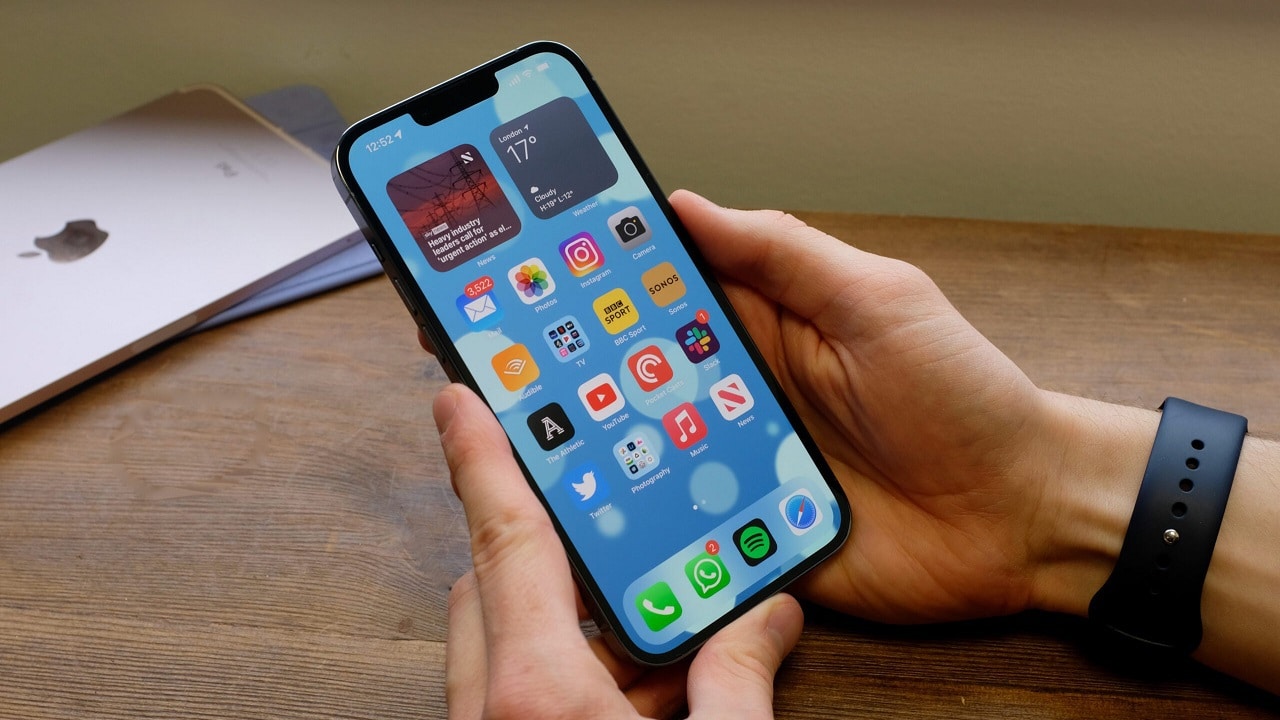
iPhone 13. Image Credit: Creative Commons.
Jobs’ Secret Health Problems
Steve Jobs’ struggle with illness began in 2003, when a CT scan initially performed to investigate a kidney stone incidentally revealed a “dark shadow” on his pancreas. Further medical evaluation confirmed that he had a pancreatic neuroendocrine tumor, or pNET, a rare form of pancreatic cancer that grows more slowly and responds more favorably to treatment than the more common adenocarcinoma.
Although doctors advised immediate surgery, Jobs chose to delay conventional treatment for nine months while exploring alternative approaches such as restrictive diets and acupuncture. This decision would later become one of the most debated aspects of his medical journey, one he reportedly regretted in hindsight.
By August 2004, Jobs informed Apple employees that he had undergone a successful surgery to remove the tumor.
In his message, he emphasized that he would not require chemotherapy or radiation and that the cancer had been caught early enough to be addressed surgically. Although he expressed optimism, his health became a recurring topic of speculation in the years that followed. At Apple’s 2006 Worldwide Developers Conference, his noticeably thin frame reignited public concern, prompting the company to issue statements insisting that Jobs’ health was strong.
Keep Moving Forward
Despite his physical challenges, Jobs’ professional output during these years was monumental. In 2007, he introduced the iPhone, a device that would go on to redefine the smartphone industry and usher in an era of mobile computing that reshaped global culture and commerce.
Even as he pushed Apple toward new frontiers, the toll of his illness remained visible. By 2008, his gaunt appearance during keynote presentations sparked widespread discussion. While the world saw him as an unshakable visionary, behind the scenes, he was navigating increasing health complications and fatigue.
In early 2009, Jobs took a medical leave of absence from Apple as his condition worsened. It was later revealed that his cancer had metastasized to his liver, requiring a transplant that he underwent later that year.
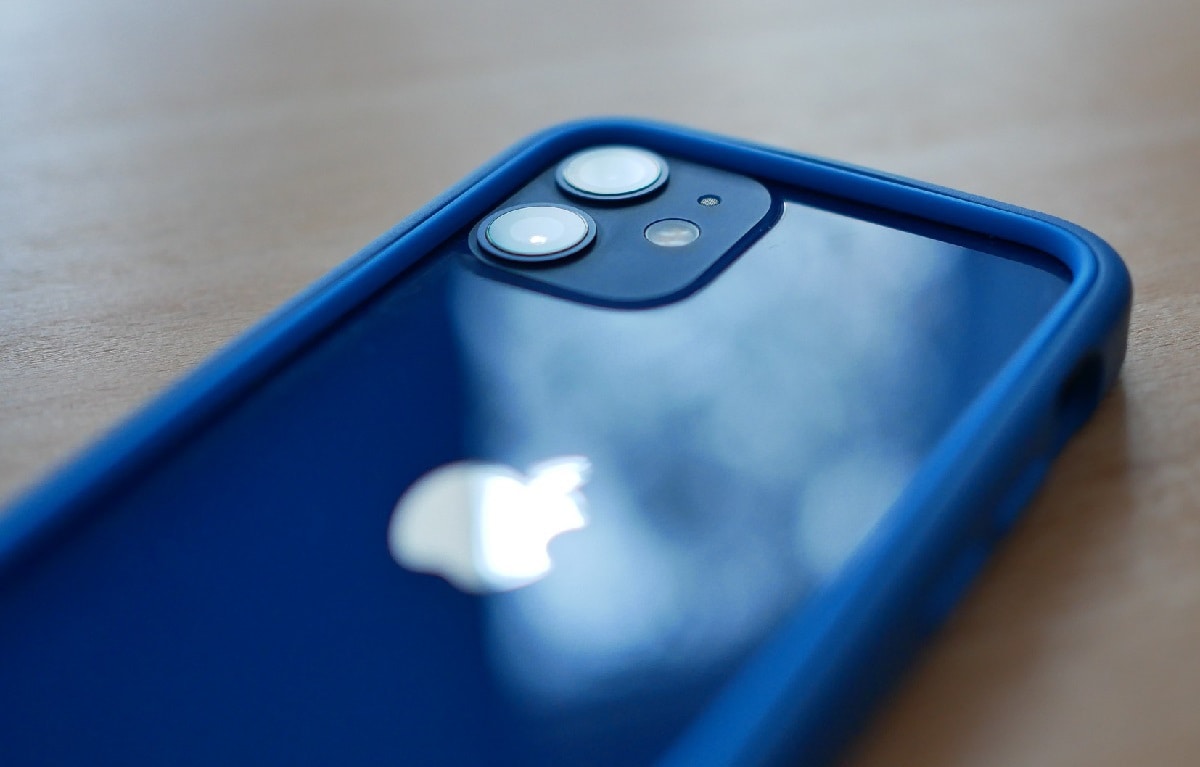
Apple iPhone. Image: Creative Commons.
The transplant offered him temporary renewed vitality but also generated significant ethical debate concerning organ allocation policies and whether his wealth had afforded him faster access to a donor organ than typical patients would receive. Even during this period away from the public eye, Jobs continued to exert substantial influence over Apple’s major projects, participating in key design and strategy decisions.
Jobs’ Condition Worsens
His return to Apple in late 2009 marked a period of remarkable creative output despite continuing health troubles. In 2010, he personally introduced the iPad, a device that revolutionized portable computing and extended Apple’s dominance into yet another product category. The same year, he unveiled the iPhone 4, one of the company’s most iconic designs. While on stage, he maintained his characteristic presence and storytelling ability, but observers noted his increasingly frail physique. Time and again, Jobs demonstrated that his passion for shaping the future of technology outweighed the personal challenges he faced.
By early 2011, Jobs’ health had deteriorated further, prompting him to take another medical leave of absence. Although he continued to participate in major corporate decisions, much of Apple’s operational leadership had shifted to Tim Cook. Apple moved forward with product plans that Jobs had long influenced, reinforcing the breadth of his imprint on the company.

iPhone 12 Pro Max. Image: Apple.
On August 24, 2011, Steve Jobs resigned as Apple’s CEO. In his resignation letter, he stated that he could no longer meet the expectations and duties of the position, marking the end of an extraordinary chapter in corporate history. He transitioned into the role of Chairman of the Board, a symbolic acknowledgment of his foundational role at Apple even as his health declined.
The Death and Legacy of Steve Jobs
Jobs died on October 5, 2011, from complications related to the metastatic pancreatic neuroendocrine tumor that he had lived with for eight years. He spent his final hours surrounded by family. According to accounts, his last words were “Oh wow. Oh wow. Oh wow,” spoken as he gazed past those at his bedside.
His death came just one day after Apple announced the iPhone 4S, a timing that many interpreted as symbolically linking his passing with the continuation of his creative legacy.

Apple Laptop. Image Credit: Iliescu Victor.
In the years following his death, Steve Jobs’ influence has remained deeply woven into Apple’s identity.
Tim Cook has repeatedly emphasized Jobs’ lasting impact on the company, once noting that “there is not a day that goes by that we don’t think about him.” Jobs’ belief that design and functionality are inseparable continues to inform Apple’s product philosophy, shaping devices from the Apple Watch to emerging technologies in augmented reality.
His insistence on simplicity, integration, and emotional resonance in product design persists as a guiding principle not only within Apple but across the entire tech industry.
About the Author: Isaac Seitz
Isaac Seitz, a Defense Columnist, graduated from Patrick Henry College’s Strategic Intelligence and National Security program. He has also studied Russian at Middlebury Language Schools and has worked as an intelligence Analyst in the private sector.