
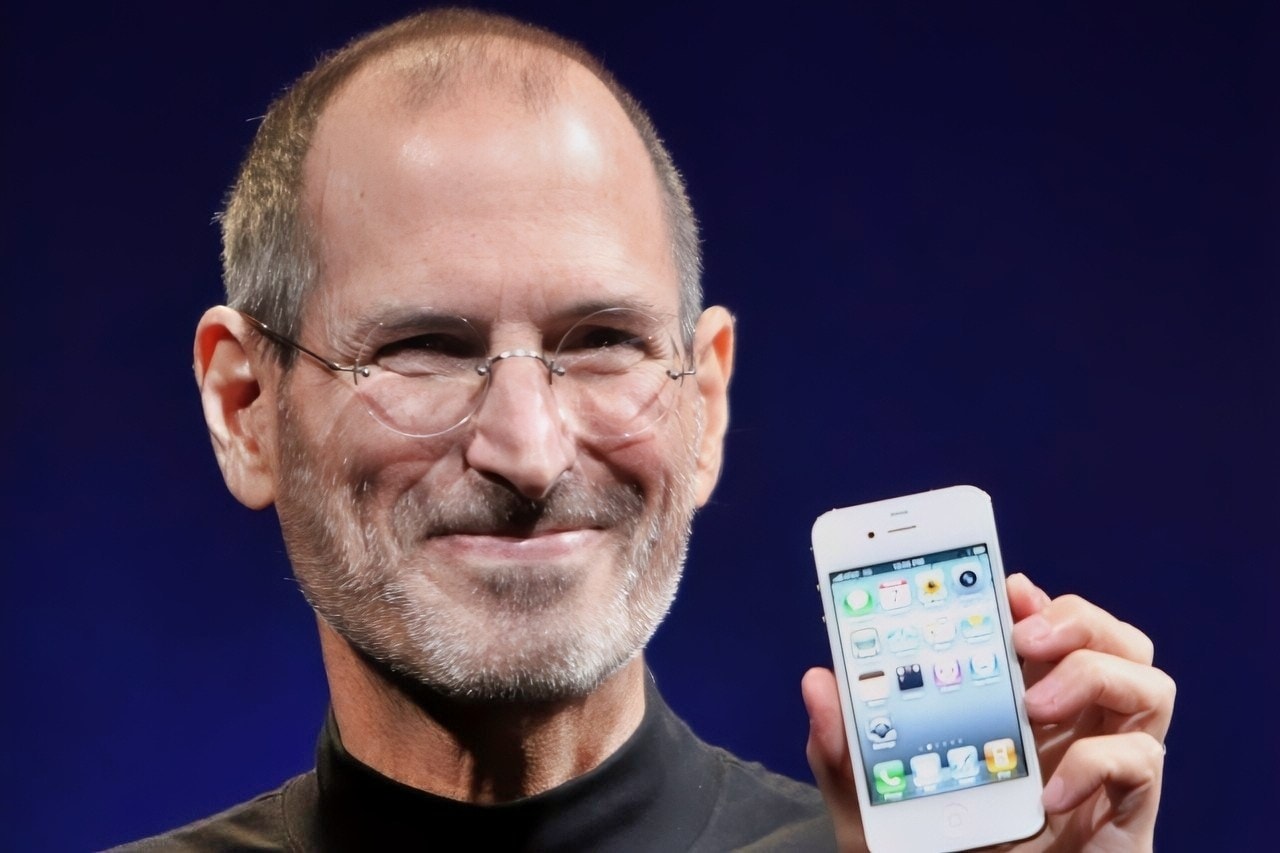
Summary and Key Points: Born in San Francisco and raised in Mountain View, Jobs fused craftsmanship, counterculture, and ruthless product focus into a new kind of technology company.
-After meeting Wozniak and co-founding Apple, he helped drive early personal-computing breakthroughs, then left amid internal clashes and built NeXT.
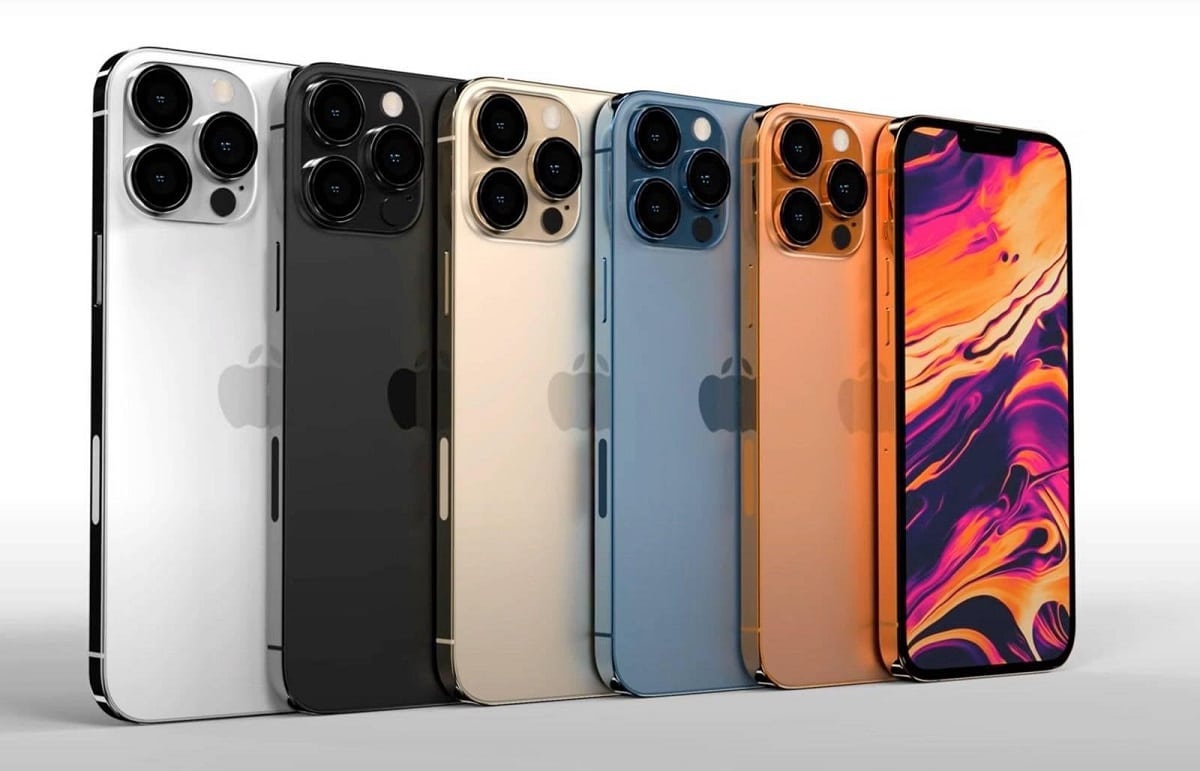
Image Credit: Apple.
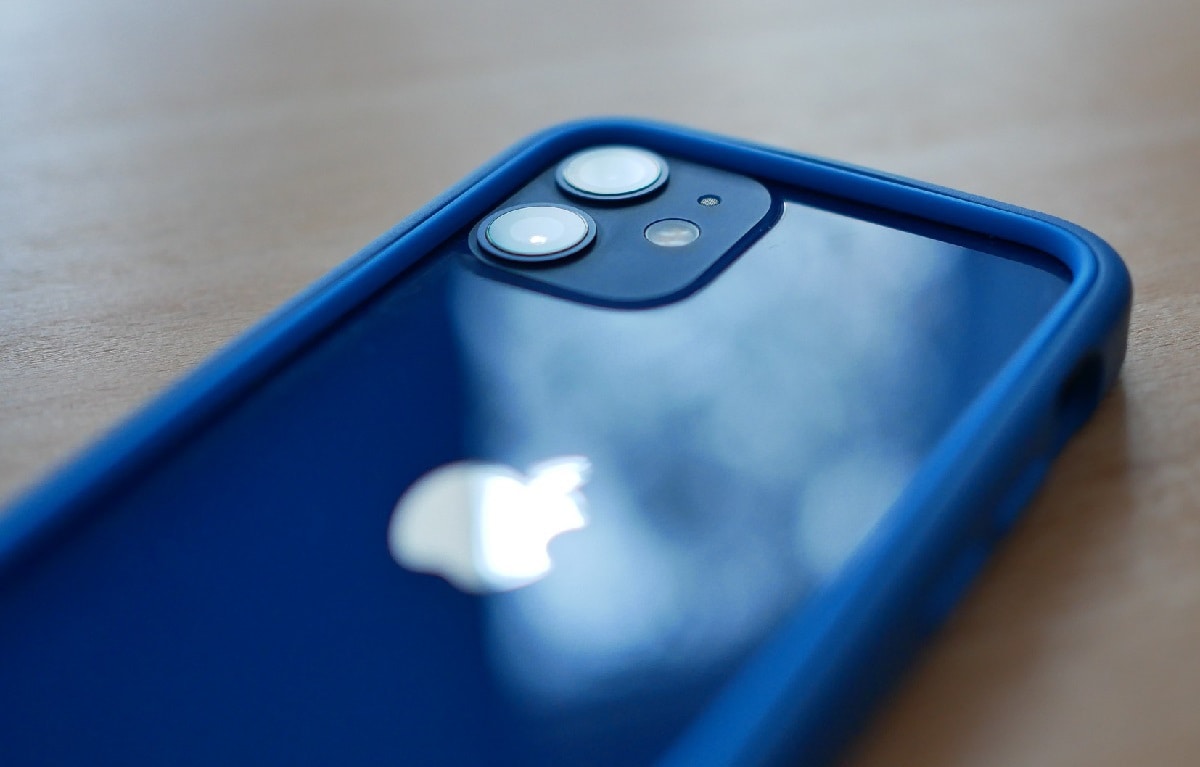
Apple iPhone. Image: Creative Commons.
-That “side chapter” later became the operating-system foundation that brought him back to rescue Apple, leading to the iMac, iPod, iPhone, and iPad era—shaped in close partnership with Jony Ive.
Quote of the Day: Steve Jobs on What Really Matters
“Being the richest man in the cemetery doesn’t matter to me. Going to bed at night saying we’ve done something wonderful, that’s what matters to me.” Steven Paul Jobs, born on February 24, 1955, in San Francisco, California, emerged as one of the most influential figures in the modern history of technology and design.
Adopted shortly after birth by Paul and Clara Jobs, he grew up in Mountain View, a place that would eventually be known as the heart of Silicon Valley.
His childhood was shaped by his father’s hands-on lessons in electronics, from building workbenches to repairing gadgets, instilling in him a fascination with craftsmanship and the inner workings of machines.
Early Life and Inspiration
As a young boy, Steve Jobs was exposed to various emerging technologies that would later inspire many of his innovations.
At Homestead High School, he joined the Hewlett-Packard Explorers Club, where he used computers for the first time and discovereda lifelong passion.
It was also during these formative years that he met Steve Wozniak, a like-minded electronics enthusiast five years his senior. Their shared interests in engineering, pranks, and counterculture laid the foundation for a consequential partnership.
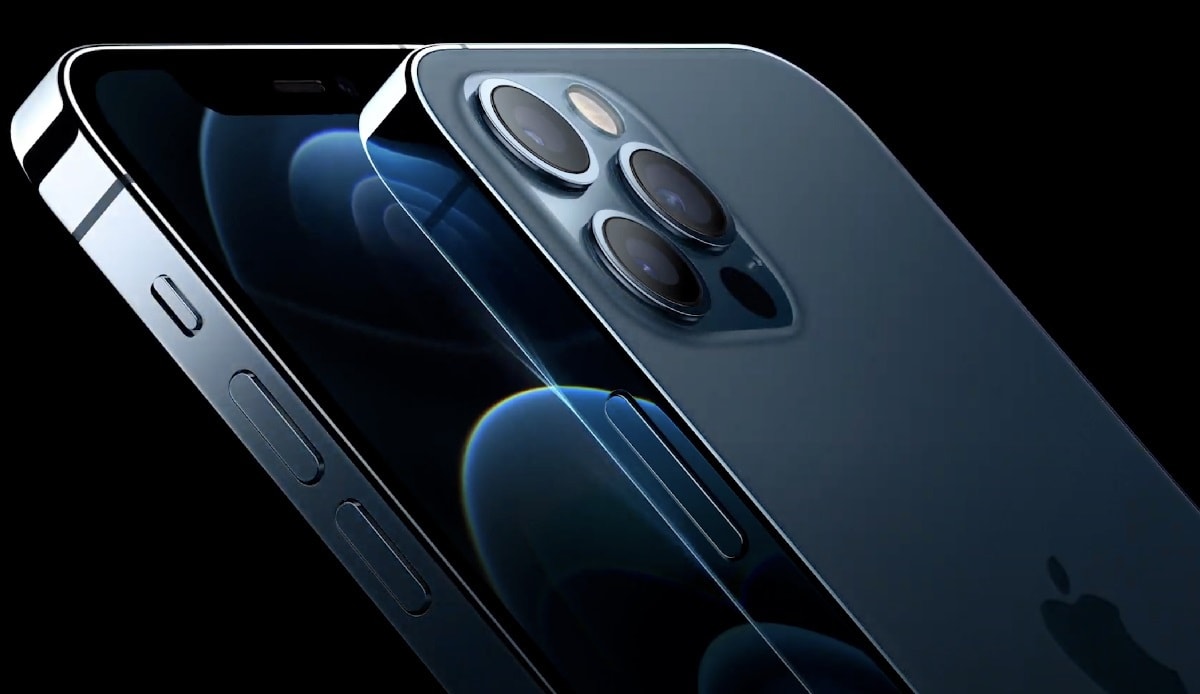
iPhone 12 Pro Max. Image: Apple.

Apple Laptop. Image Credit: Iliescu Victor.
In 1972, Jobs enrolled at Reed College in Portland, Oregon. Although he dropped out after only one semester, he chose to remain on campus and audit courses that interested him, immersing himself in subjects like calligraphy. Interestingly enough, this study of typography would later influence the Macintosh’s groundbreaking use of elegant fonts and design aesthetics.
After leaving Reed, Jobs embarked on a spiritual journey to India in 1974, where he explored Zen Buddhism, practiced meditation, and embraced principles of simplicity and clarity, which would later shape Apple’s minimalist design philosophy.
The Birth of Apple
After returning to California, Jobs worked at Atari as a video game designer. During this time, his friendship with Wozniak deepened, especially as Wozniak began developing an innovative computer logic board.
Recognizing its commercial potential, Jobs encouraged Wozniak to turn the invention into a business opportunity. Their collaboration culminated in the founding of Apple Computer Inc. on April 1, 1976, alongside Ronald Wayne. The Apple I was assembled in the Jobs family garage and sold to hobbyists, establishing the financial and creative momentum that Apple needed to grow.
The company’s success accelerated with the release of the Apple II in 1977. Featuring color graphics and an accessible design, the Apple II became one of the earliest mass-market personal computers, propelling Apple into prominence. Its popularity grew even more with the introduction of Visicalc, the first spreadsheet software, which transformed the Apple II from a hobbyist device into an essential business tool. By 1980, Apple had gone public, instantly increasing Jobs’ wealth and cementing the company’s standing in the computing world.
Steve Jobs: Brief Tenure Apart from Apple
However, internal conflicts within Apple soon reached a breaking point. Jobs’ ambitious leadership style clashed with then-CEO John Sculley and the board of directors, resulting in his departure from the company in 1985. Rather than retreating, Jobs used this moment to pursue new ventures.
He founded NeXT that same year, aiming to build advanced computers for higher education and business markets. While NeXT’s hardware struggled commercially due to its high cost, the software innovations it produced would later prove critical to Apple’s revival.
By the mid-1990s, Apple was struggling, weighed down by an unfocused product lineup and declining market share. In 1996, the company sought a modern operating system and decided to acquire NeXT.
This move not only provided Apple with the technological foundation it needed but also brought Jobs back to the company he had helped build. In 1997, he assumed the role of interim CEO, eventually becoming permanent CEO and guiding Apple through one of the greatest corporate turnarounds in business history. ‘
The iPhone: Reshaping the Modern World
Under Jobs’ renewed leadership, Apple underwent a dramatic transformation. He simplified the product line, revitalized the company’s brand identity, and reinvigorated its design philosophy.
The release of the iMac in 1998 marked Apple’s return to profitability and ignited a new era of innovation. Jobs continued pushing boundaries with the creation of the iPod in 2001 and the accompanying iTunes ecosystem, which reshaped digital music consumption.
The introduction of the iPhone in 2007 fundamentally changed mobile technology, blending computing power, internet access, and a revolutionary touch interface into a single device. The App Store, launched in 2008, opened opportunities for developers worldwide and established a new digital economy. The release of the iPad in 2010 further demonstrated Jobs’ ability to anticipate shifts in consumer behavior and redefine entire industries.
Throughout this period, Jobs’ partnership with Apple’s chief designer, Jony Ive, was instrumental to the company’s success. Together, they championed simplicity, elegance, and an emphasis on intuition that made Apple products culturally iconic as well as technologically advanced.
Even as Apple’s influence grew, Jobs remained deeply involved in design and product decisions, driven by his belief that technology should seamlessly integrate with human experience.
In 2003, Jobs was diagnosed with a rare form of pancreatic cancer. Despite ongoing treatment and periods of medical leave, he continued to lead Apple with remarkable determination. He underwent surgery in 2004 and later received a liver transplant in 2009.
In August 2011, he stepped down as CEO and became chairman of the board. Jobs passed away on October 5, 2011, at the age of 56, in Palo Alto, California. He was laid to rest in an unmarked grave at Alta Mesa Memorial Park.
His influence persisted long after his death, and in 2022, he was posthumously awarded the Presidential Medal of Freedom.
About the Author: Isaac Seitz
Isaac Seitz, a Defense Columnist, graduated from Patrick Henry College’s Strategic Intelligence and National Security program. He has also studied Russian at Middlebury Language Schools and has worked as an intelligence Analyst in the private sector.