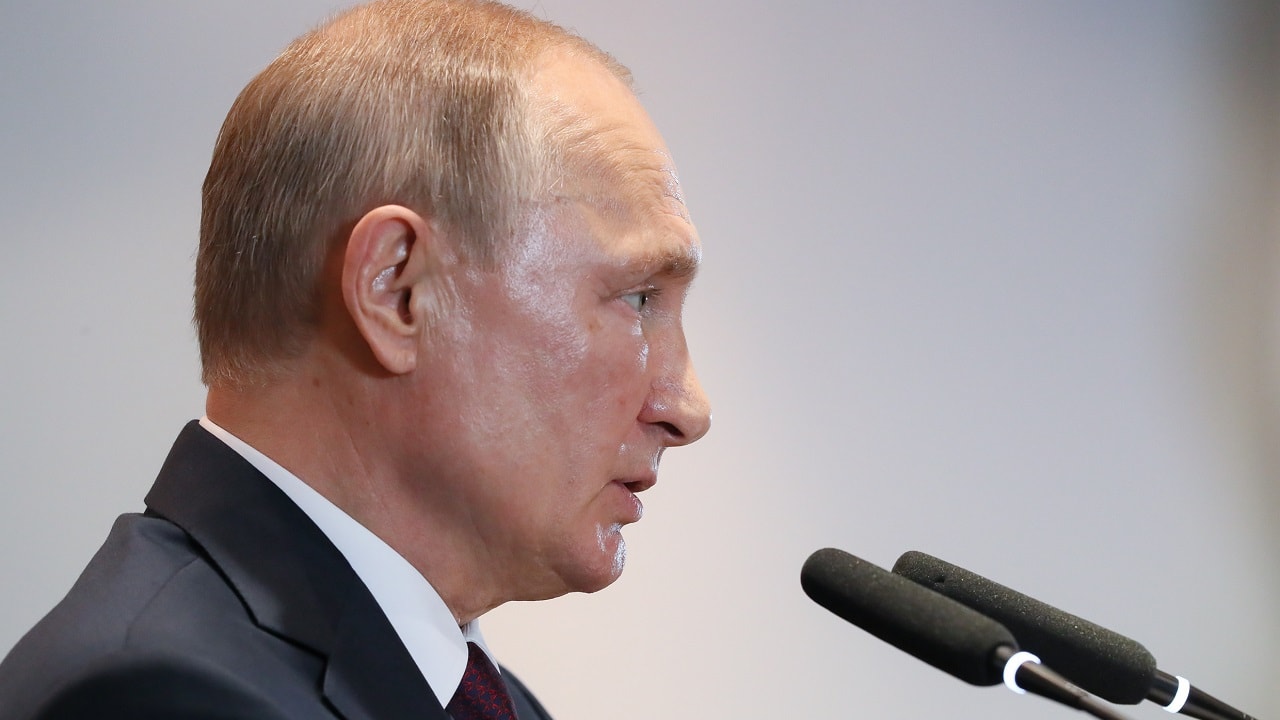
Summary and Key Points: Reuben F. Johnson — Director of Research at the Casimir Pulaski Foundation, 36-year defense analyst, DoD consultant, and survivor of Russia’s February 2022 invasion of Ukraine — examines mounting speculation of a palace coup against President Vladimir Putin.
-Drawing on Transparency International’s 2024 Corruption Perceptions Index, which ranked Russia 154th of 180 nations, and the house arrest of former First Deputy Defense Minister Ruslan Tsalikov on fraud charges exceeding $76.7 million, Johnson synthesizes a portrait of systemic collapse.
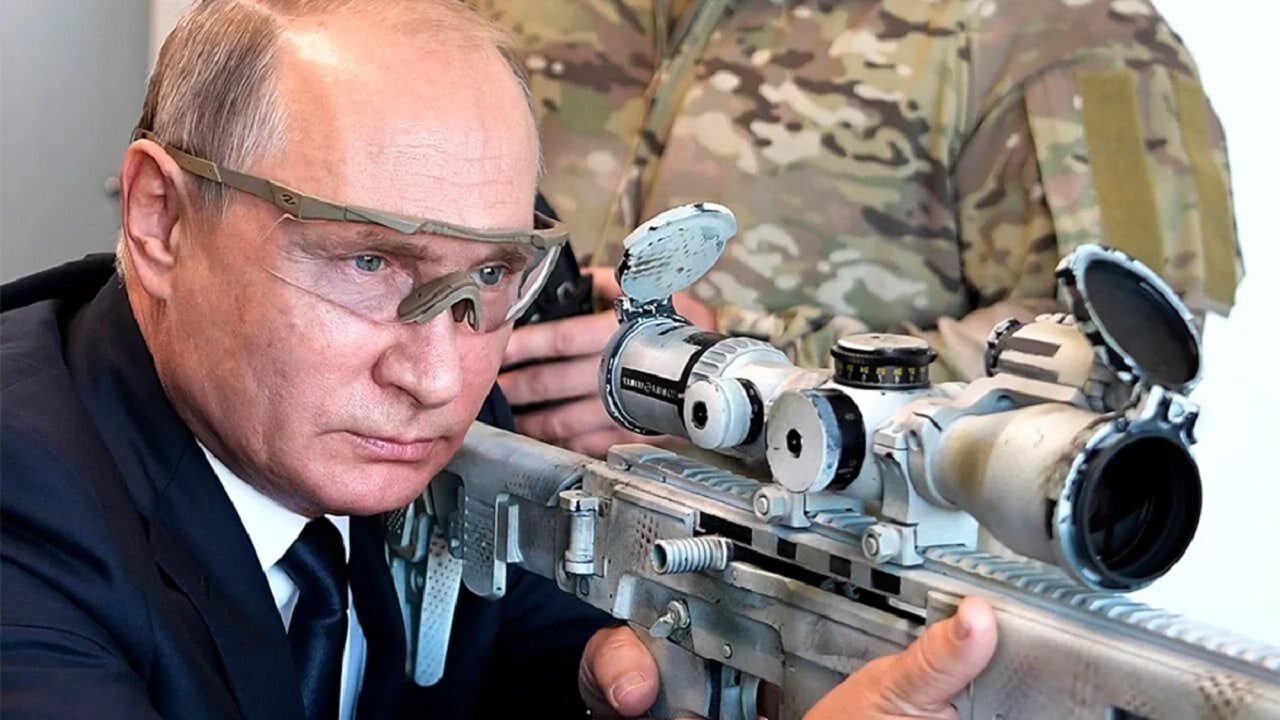
Russian President Putin testing a new sniper rifle. Image Credit: Russian State Media.
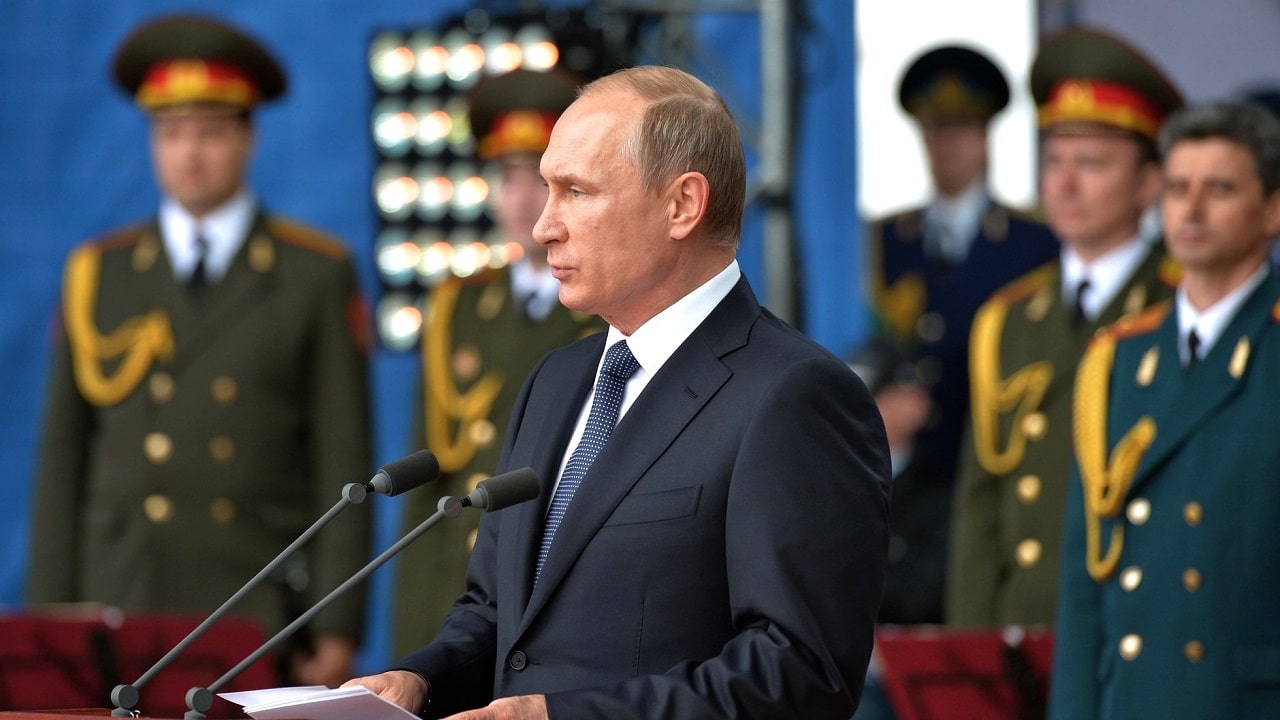
Vladimir Putin at the opening ceremony of international military-technical forum.
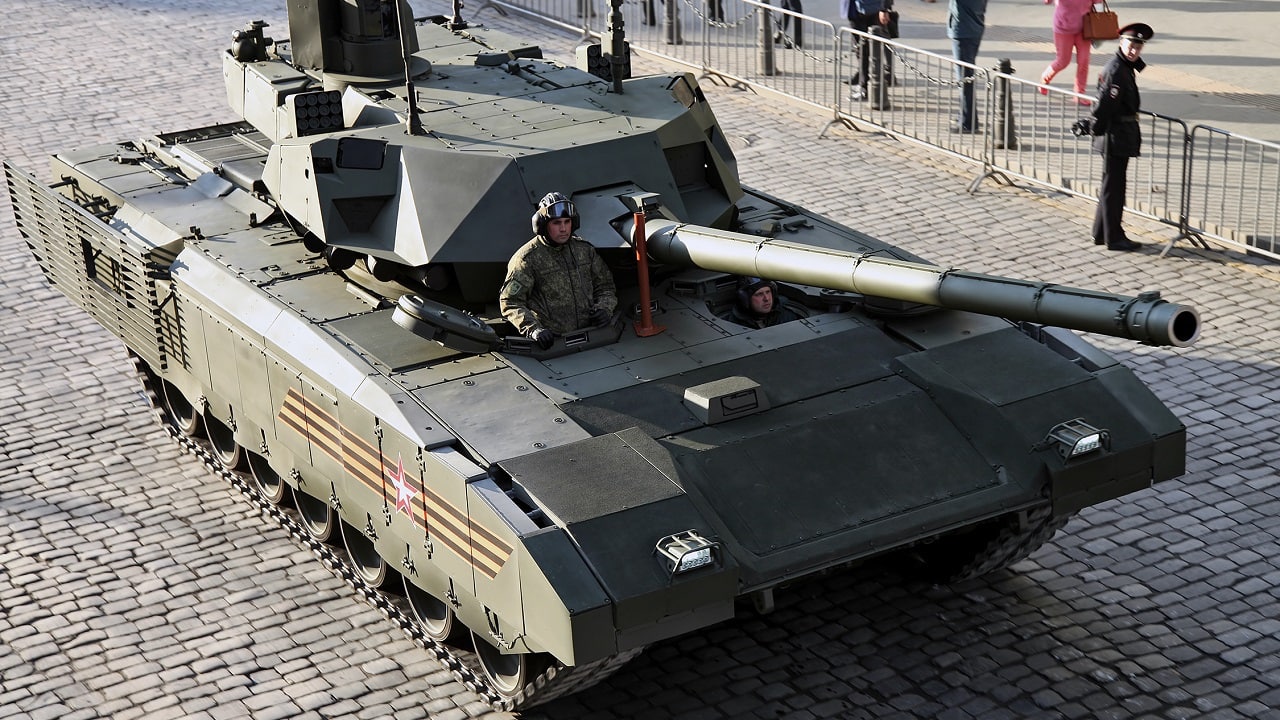
Russian Armata T-14 Tank. Image Credit: Creative Commons.
-Citing US Army War College historian Stephen Blank, Johnson assesses whether deteriorating Russian military performance, internet blackouts in Moscow, and Telegram censorship signal a genuine threat to Putin’s regime.
Is a Coup Coming for Putin? Moscow Internet Blackouts and a $76M Fraud Scandal Suggest Something Is Wrong
Lack of transparency in Moscow has always caused a furious circulation of rumors and conspiracy theories.
Nothing kicks the speculation into gear more rapidly than suggestions that a palace coup is in the offing.
There have been three attempts at overthrowing a Russian government in modern times: The August 1991 coup which sought to remove then-USSR Communist Party General Secretary Mikhail Gorbachev. This lasted only three days until it collapsed. Later came the October 1993 revolt against President Boris Yeltsin and the June 2023 march on Moscow by the Wagner Group, which petered out before the mercenary group’s formation ever reached the capital.
These past few days, rumors have circulated that a plot is in the making to remove President Vladimir Putin.
There is some reason for the suspicions. If there was ever a leader in the history of modern Russia whose mismanagement of his country would catalyze his removal, Putin would be that leader.
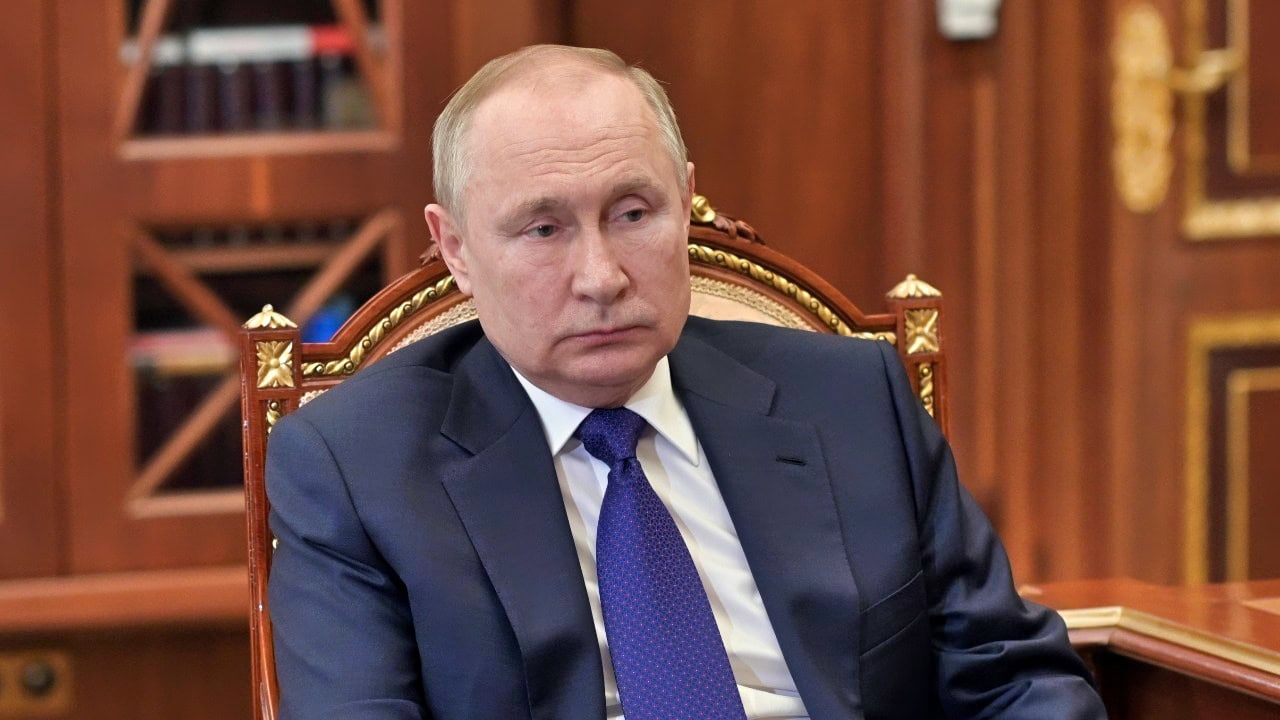
Russia’s President Putin. Image Credit: Russian Government.
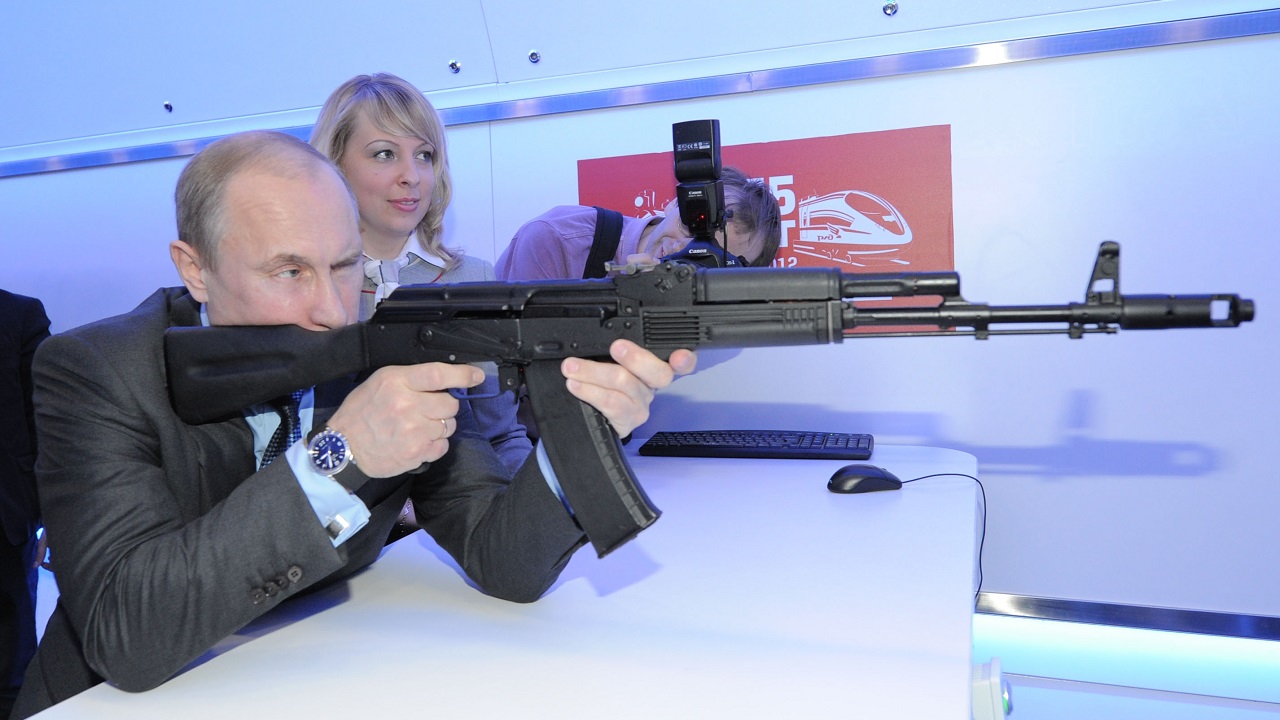
Then President-elect Vladimir Putin aiming with an AK-74 rifle simulator at an electronic shooting gallery during his visit to the Russian Railways Scientific and Technical Development Center in Moscow’s Rizhsky railway station.
Putin’s invasion of Ukraine has resulted in the worst battlefield failures by Moscow’s military since Nazi Germany’s Wehrmacht rolled over the Red Army. Putin’s ransacking of the economy has caused significant disruptions and has reduced the standard of living in a way comparable to the malaise that caused Communist Party leadership to forcibly retire Nikita Khrushchev in 1964.
A Regime on the Take
Possibly the worst aspect of Putin’s quarter-century reign is the pervasive and seemingly uncontrollable corruption. Last month, Transparency International published the Corruption Perceptions Index (CPI) for the year 2024. Russia scored 22 out of 100 points and ranked 154th out of 180 countries. These are the same numbers accorded to Azerbaijan, Honduras, and Lebanon, and they mark Russia’s worst performance in the history of the Index.
The rising tide of officials blatantly on the take also involves the armed forces and the Ministry of Defense at the highest levels.
Earlier this month, it was announced that former First Deputy Defense Minister Ruslan Tsalikov has been placed under house arrest on charges of establishing a criminal organization, money laundering, embezzlement, and bribery.
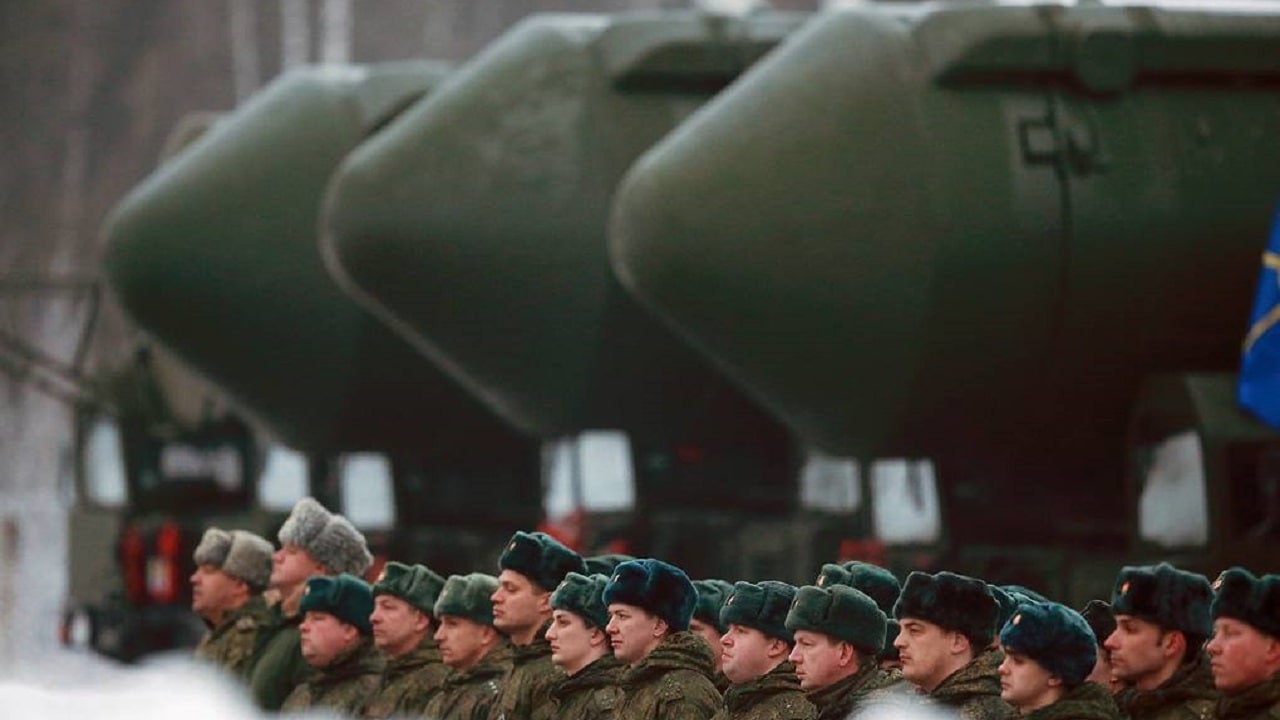
Russian nuclear weapons. Image Credit: Russian State Media.
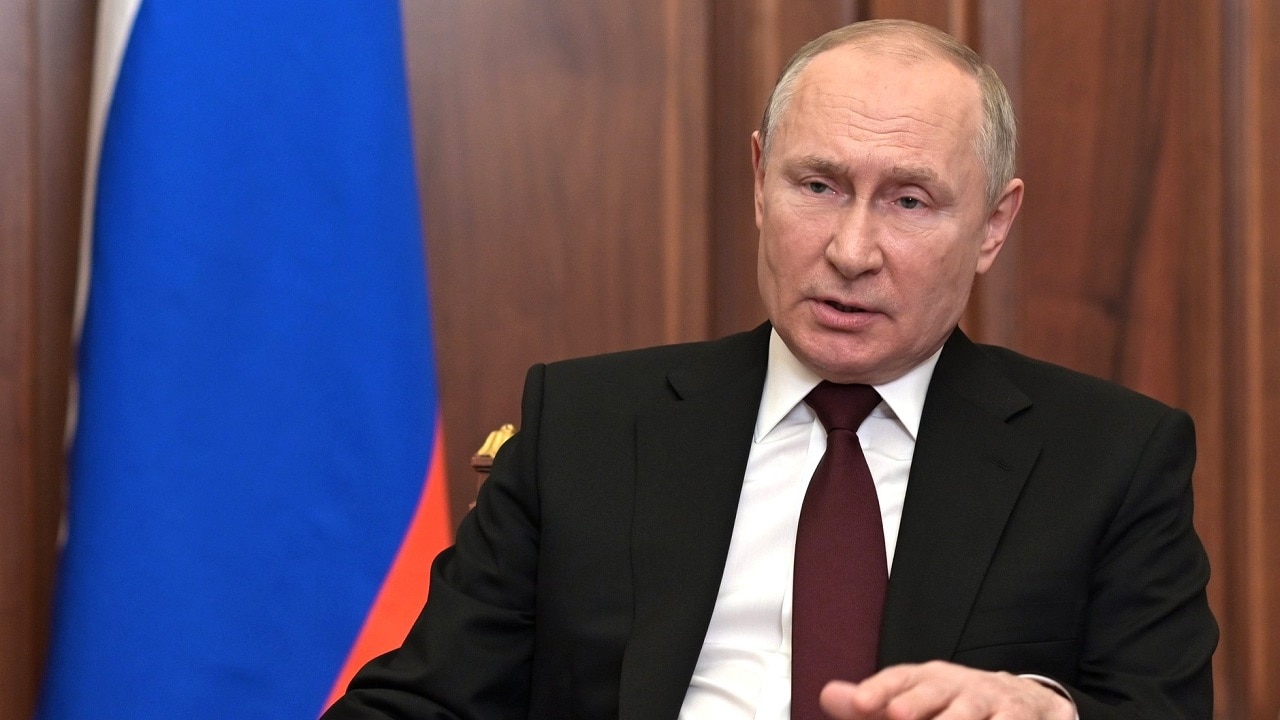
Russian President Putin addressing the nation.
Tsalikov stands accused of fraud involving the Russian military’s clothing and food supplier, Voentorg. Investigations have allegedly uncovered damages from fraud totaling more than 6 billion rubles, or about $76.7 million.
Tsalikov is also accused of accepting bribes from defense contractors, most specifically research companies, according to details published by Kommersant.
Increased Military Failures and Internet Blackouts
But what specifically prompted the latest whispers of a coup was a rumor published by UK tabloids suggesting that recent internet outages in Moscow and the blocking of the most popular social media platform in all of Russia, Telegram, were prompted by fears of a plot.
According to these reports, the plot is being organized by figures close to the former Defense Minister, Sergei Shoigu, who is now the head of Russia’s National Security Council.
This suggestion of a coup first came from the VChK-OGPU channel on Telegram.
This channel has become well-known for publishing leaked insider information from the Russian security services.
The information it has broadcast in the past has proven accurate many times. But in this instance, the authors acknowledged that at present the suspicion of a coup plot is merely a “conspiracy theory” floated by an undisclosed source.
Numerous Russia experts have disregarded the possibility that a coup could come from inside the elites in Moscow and St. Petersburg.
But what is not open for debate is the poisonous situation regarding morale within the military ranks, and the increasing odds of a military collapse.
What the Experts Think
Stephen Blank, a former senior professor and researcher at the US Army War College and a Russian-military historian, explained to 19FortyFive that there is little appreciation and even less understanding of the disastrous deterioration in the capabilities of today’s Russian military.
“Everyone likes to run around saying that the Ukrainians are losing, but they are not. They keep talking about how the Russian military can keep up its effort in the field ad infinitum, but this all increasingly flies in the face of evidence to the contrary,” he said.
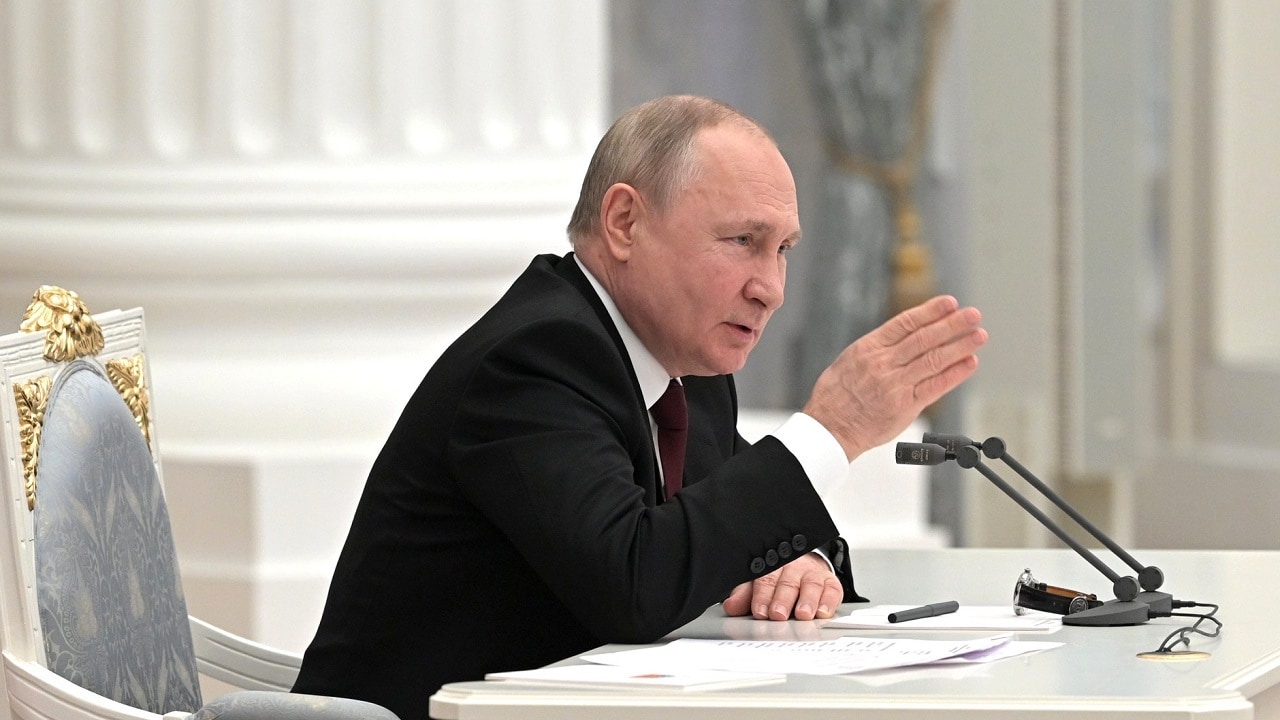
Russian President Putin.
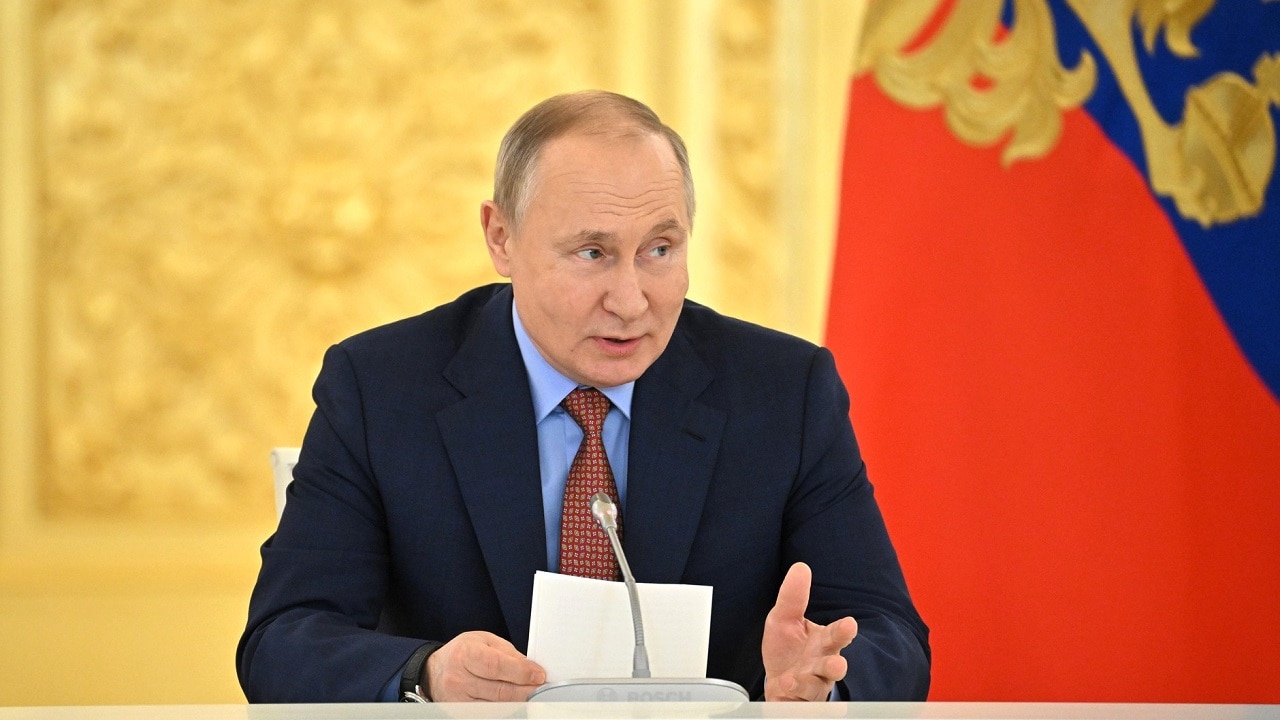
Russian President Putin. Image Credit: Russian Federation.
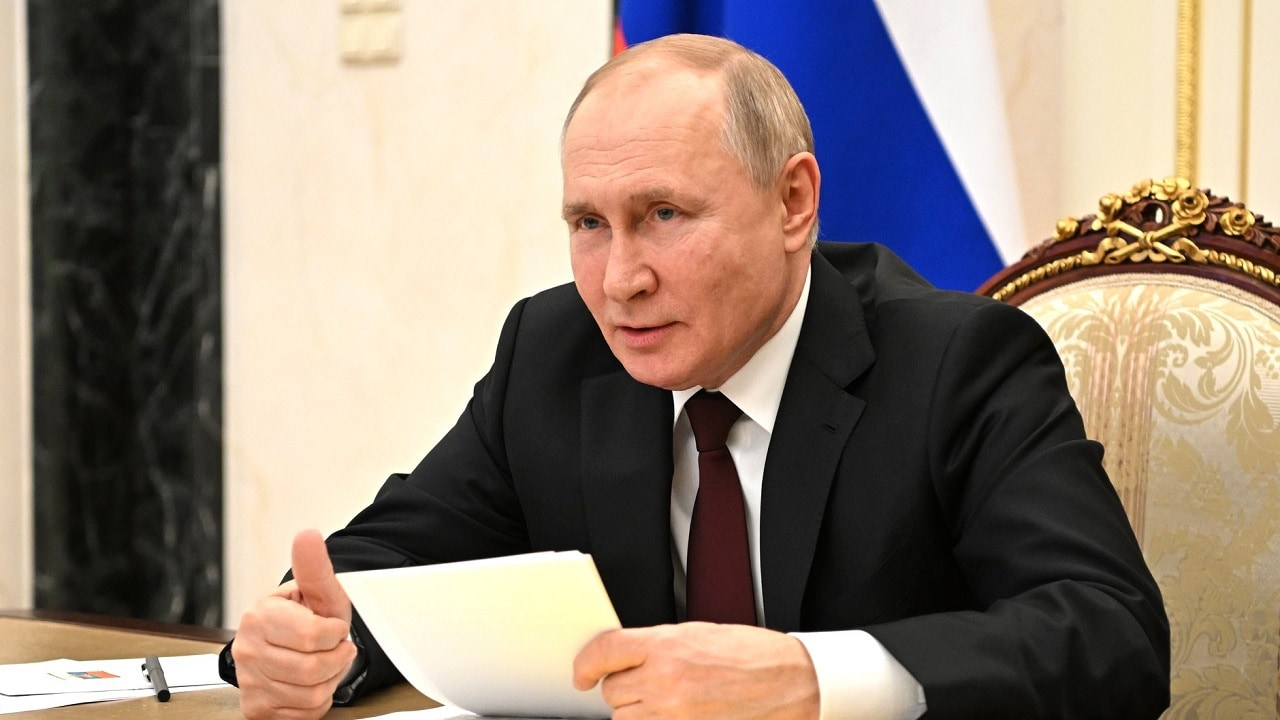
Russian President Putin. Image Credit: Russian Government.
“The performance of the Soviet military after the June 1941 invasion by Nazi Germany was a catastrophe, to be sure, but what we are seeing now is far worse,” he continued. “We all know of the initial defeats in the first 30 days, but if you read the German war documents from this time you see that by the end of July 1941 the Russians were striking back—they were fighting like lions.”
“This Russian army is not fighting like lions. They never have been and never will. In the meantime, Moscow’s military industry is increasingly unable to deliver what is needed in the field. And then look at the personnel problems: increasing losses in the tens of thousands every month. Where are they getting replacement soldiers from—Africa, South America, North Korea, India—is this a force that is going to achieve victory over Ukraine? Somehow, I seriously doubt it,” he concluded.
What Happens Next: Coup Time for Putin?
These realities may be finally creeping into Putin’s consciousness.
The question for analysts is how much further this situation can deteriorate before real cracks appear in the Russian war machine.
The fact that rumors are circulating and internet connectivity is being cut off may mean that someone close to Putin—or even Putin himself—is finally realizing that the country is careening towards a crisis.
About the Author: Reuben F. Johnson
Reuben F. Johnson has thirty-six years of experience analyzing and reporting on foreign weapons systems, defense technologies, and international arms export policy. Johnson is the Director of Research at the Casimir Pulaski Foundation. He is also a survivor of the Russian invasion of Ukraine in February 2022. He worked for years in the American defense industry as a foreign technology analyst and later as a consultant for the U.S. Department of Defense, the Departments of the Navy and Air Force, and the governments of the United Kingdom and Australia. In 2022-2023, he won two awards in a row for his defense reporting. He holds a bachelor’s degree from DePauw University and a master’s degree from Miami University in Ohio, specializing in Soviet and Russian studies. He lives in Warsaw.