
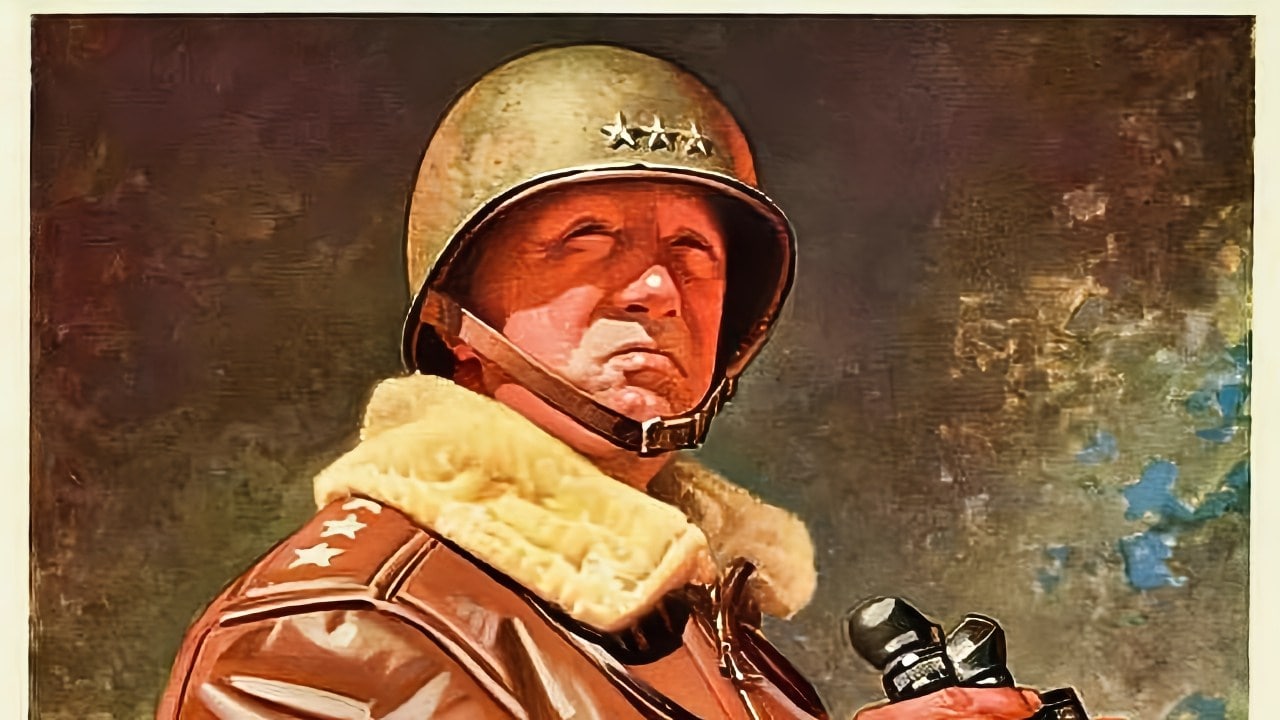
Summary and Key Points: Defense analyst Isaac Seitz evaluates the legacy of General George S. Patton, emphasizing how early academic struggles with dyslexia forged the iron discipline required to master armored warfare.
-From his participation in the 1912 Stockholm Olympics to his role under General Pershing in World War I, Patton pioneered the integration of infantry, artillery, and tanks.
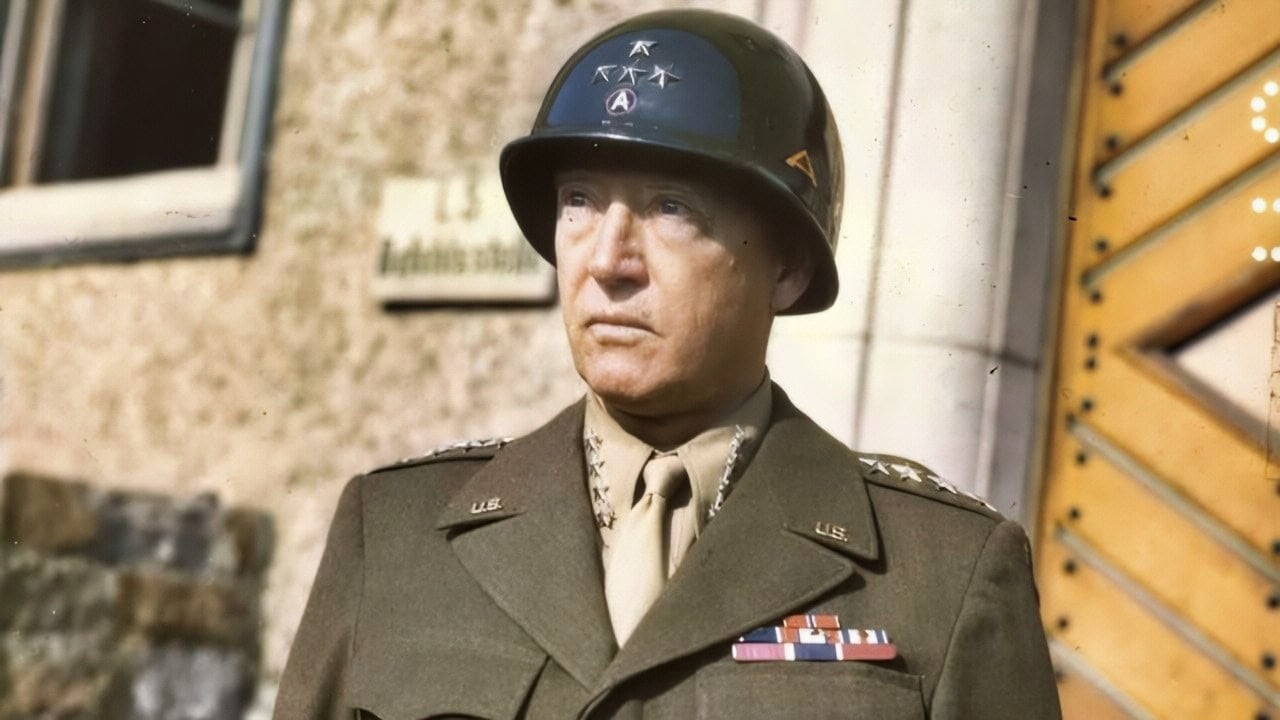
General George Patton U.S. Army Photo

U.S. Army General George Patton. Image Credit: Creative Commons.
-This “warrior ethos,” rooted in ancestral military tradition and his experience during the Meuse–Argonne offensive, enabled the rapid liberation of Western Europe during World War II.
-Seitz argues that Patton’s flamboyant public image often obscured his deep intellectual contributions to U.S. Army mechanized doctrine.
Quote of the Day the Explains George Patton Perfectly
“A pint of sweat will save a gallon of blood.” – George Patton
General George S. Patton is a fascinating figure in American military history. He was a brilliant tactician and a particularly effective leader.
Under his command, his troops swept through Europe, liberating Western Europe from Nazi occupation. At the same time, however, he was also an eccentric individual who butted heads with his fellow commanders and held strange beliefs about reincarnation.
Patton had always believed he was meant to participate in a great war.
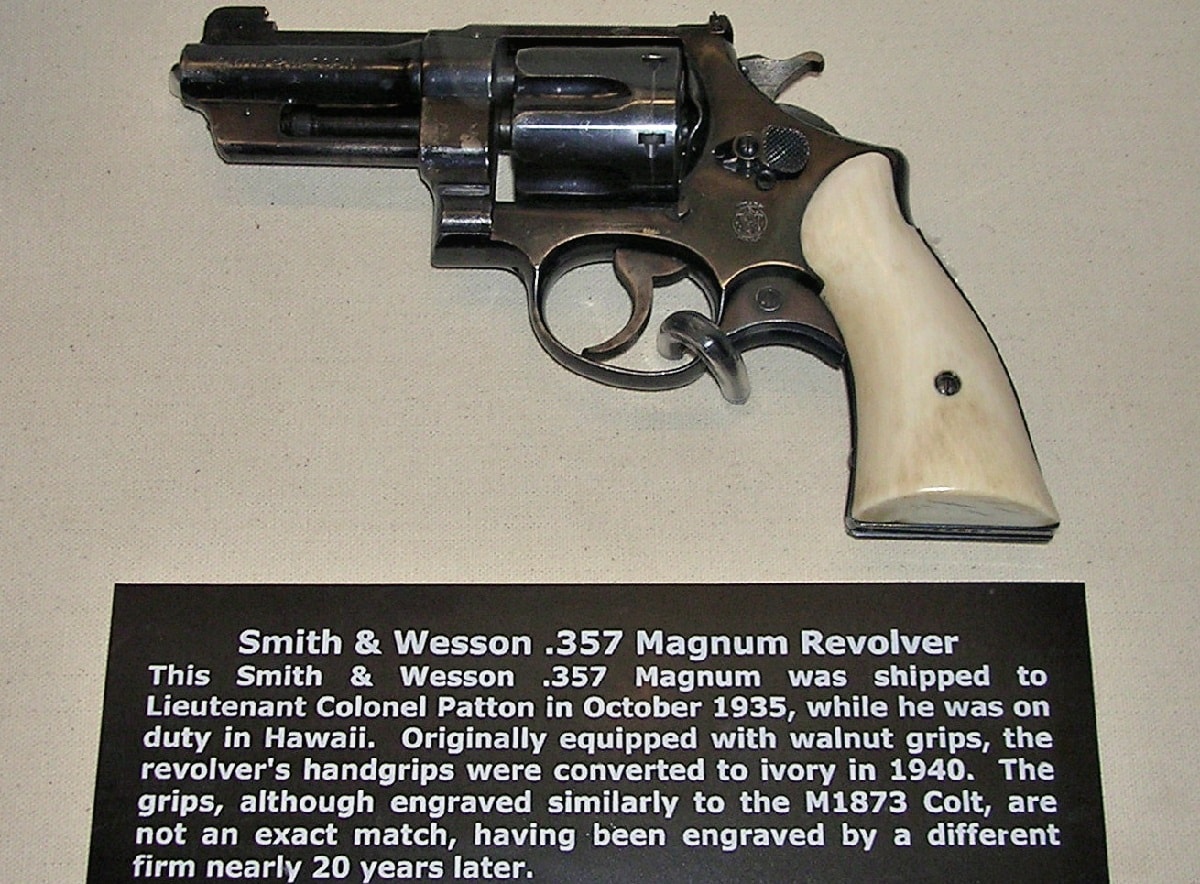
Patton’s well-known custom ivory-handled revolver.
He spent his younger years immersing himself in military history and training himself physically. When he joined the Army, he honed his leadership skills and developed ambitious ideas for new tactics in the new age of warfare.
All of these experiences combined to create the man who confronted Rommel in Africa and swept the Germans out of France.
Early Life and Struggles
Patton was born on November 11, 1885, in San Gabriel, California, into a family steeped in military tradition and ancestral pride. His relatives had fought in the Revolutionary War, the Mexican–American War, and the Civil War, particularly on the Confederate side.
From an early age, Patton absorbed stories of heroic charges, battlefield courage, and the romanticized concept of the warrior. These stories shaped his identity as a young boy.
He grew up believing that courage, honor, and martial glory were the highest human virtues. Even as a young boy, Patton declared his intention to become a great soldier, often imagining himself on historical battlefields or reenacting famous military engagements.
This early immersion in military lore gave him a sense of destiny that would fuel both his ambition and his confidence throughout his life.
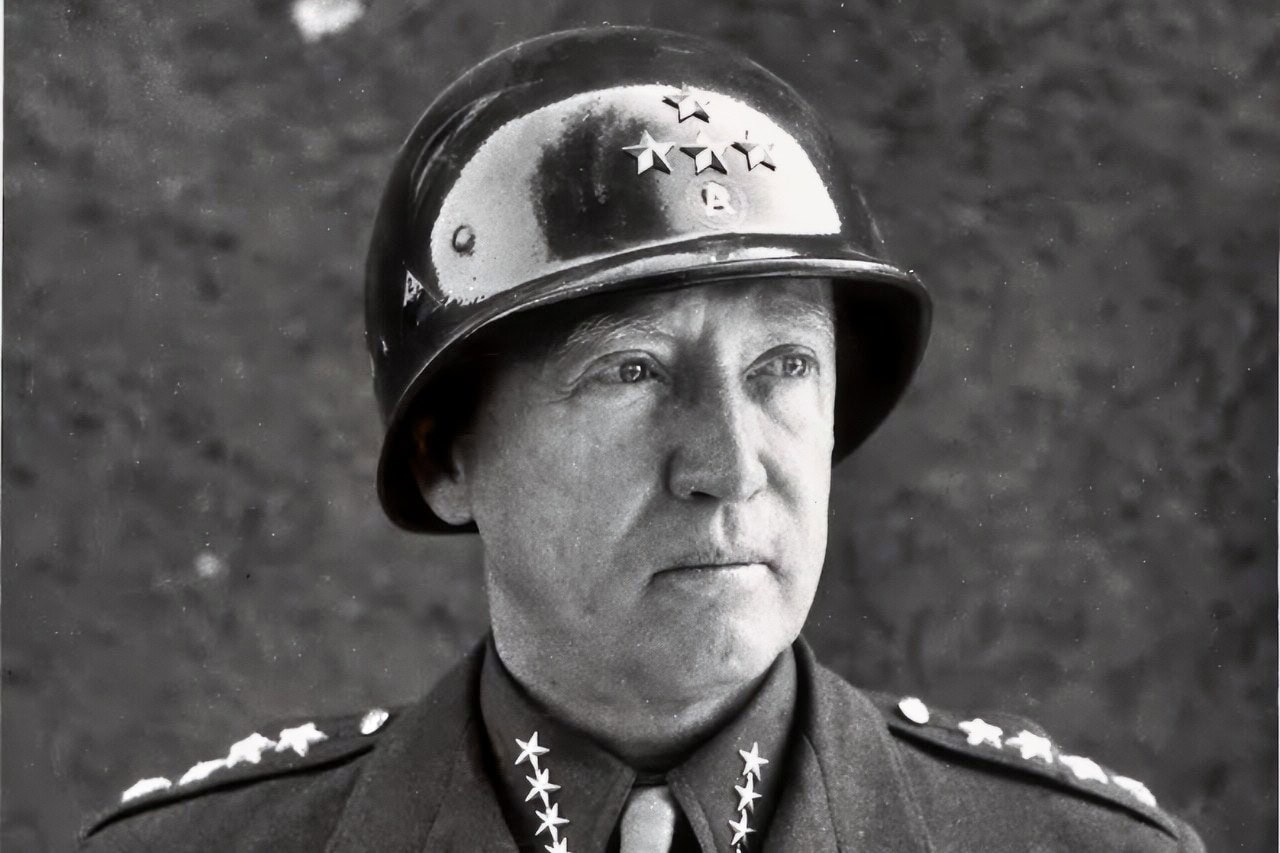
U.S. Army General George Patton
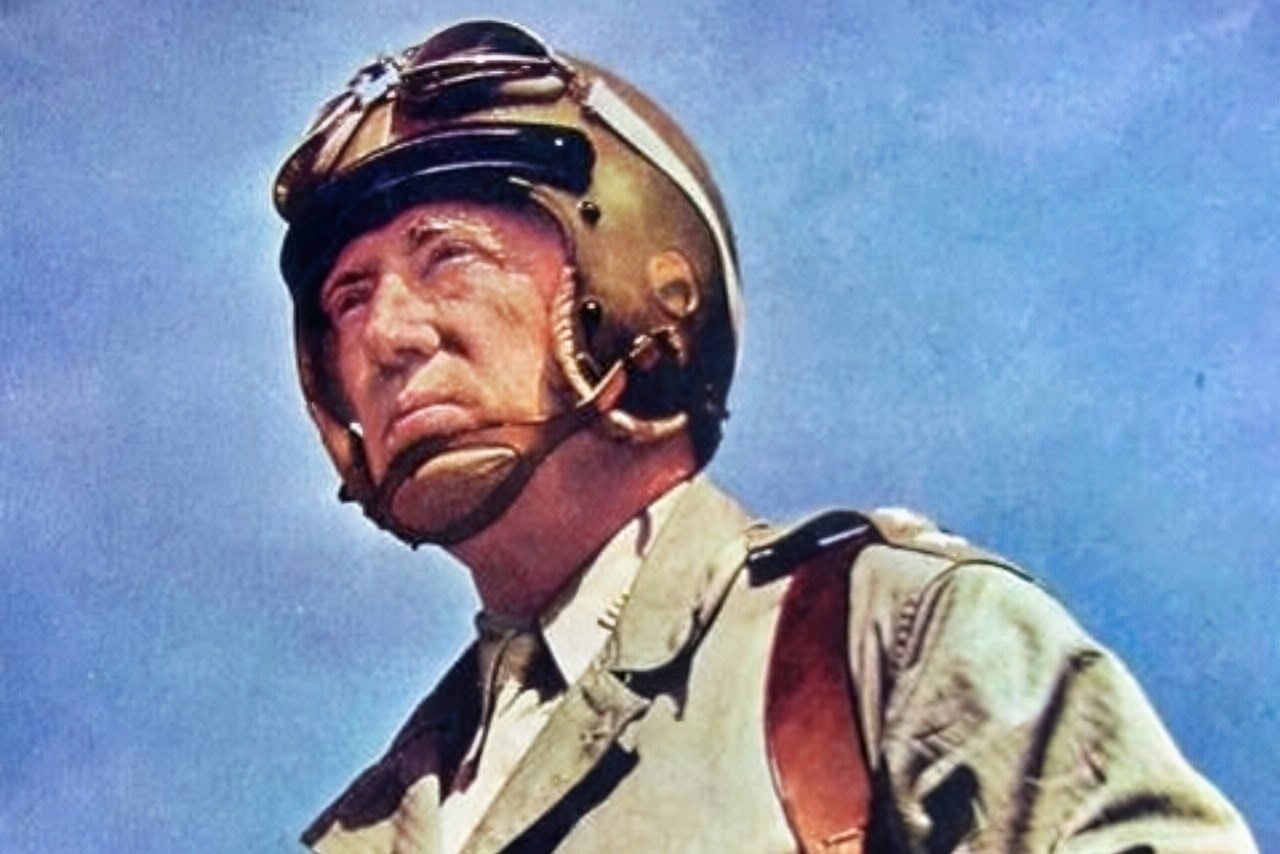
General George Patton of the U.S. Army. Image Credit: Creative Commons.
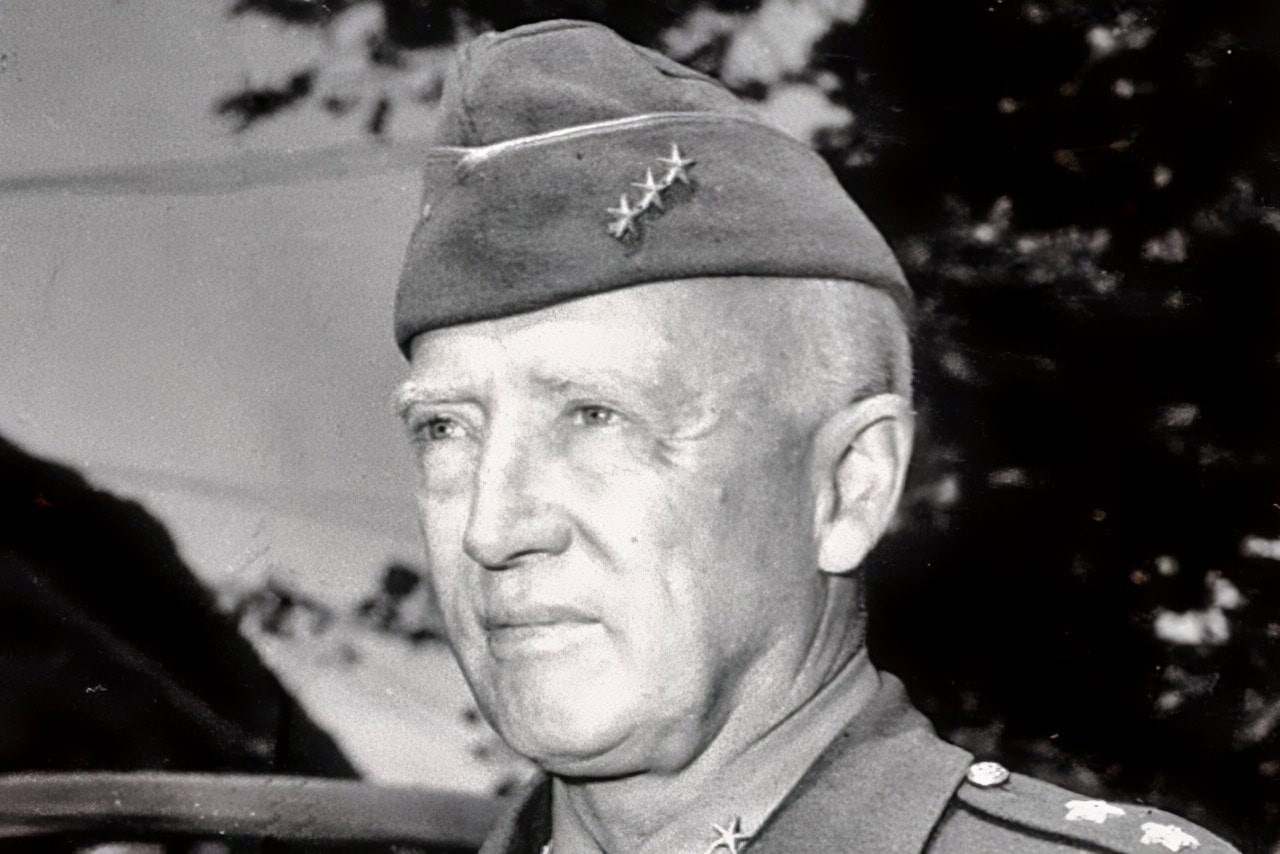
George S. Patton Quote of the Day. Creative Commons Image.
Yet Patton’s early years were far from effortless. He struggled mightily with reading due to what would now be recognized as dyslexia, and his delayed literacy affected his confidence in academic settings. Whereas many young officers-to-be excelled in traditional schooling, Patton had to develop extraordinary discipline simply to keep pace.
He did so with relentless determination. Rather than allowing his academic struggles to define him, he pushed himself through repetition, memorization, and extended study sessions.
This process taught him an important lesson about overcoming adversity and mastering difficult tasks: mastery came not from talent alone, but from persistence and a willingness to outwork others. These traits would later form the backbone of his leadership philosophy.
Training Himself Physically and Mentally
When he failed to secure an appointment to the U.S. Military Academy at his first attempt, Patton spent a year at the Virginia Military Institute. The structured military environment suited him well. It introduced him to rigorous standards of conduct, sharpened his interest in military organization, and strengthened the foundation he needed to eventually enter West Point.
Once admitted to the Academy in 1904, Patton became known not for academic brilliance but for his iron determination and his devotion to the military ideals he had cultivated since childhood.
He worked tirelessly to overcome academic weaknesses and found his strengths in history, tactics, and physical pursuits. West Point helped transform the young dreamer raised on heroic family stories into a disciplined, focused officer with an emerging sense of professional identity.
Patton’s athleticism became a defining aspect of his cadet experience. He gravitated toward cavalry riding, fencing, and polo, all of which required precision, timing, and control under pressure. These skills taught Patton lessons about speed, adaptability, and coordination that he later applied to armored warfare.
His love of horsemanship in particular helped him think in terms of movement and momentum, all essential elements of his operational style during World War II. His athletic prowess culminated in representing the United States in the 1912 Stockholm Olympics, where he competed in the modern pentathlon. The intense preparation for the event demanded both physical and mental discipline, qualities that he emphasized throughout his military career and expected from the soldiers he commanded.
Military Career of George Patton
World War I provided the next major stage in Patton’s development and arguably the most transformative. Assigned under General Pershing’s command, Patton became involved in the emerging field of tank warfare, a technology still in its infancy.
Fascinated by the tactical possibilities of armored vehicles, he immersed himself in every aspect of tank operations. He helped organize the first American tank units, trained crews, and conducted experiments that shaped the foundations of U.S. armored doctrine.
In France, Patton led tank assaults during the St. Mihiel and Meuse–Argonne offensives. His habit of leading from the front resulted in a serious wound during combat, but it also cemented his reputation as a fearless and innovative commander.
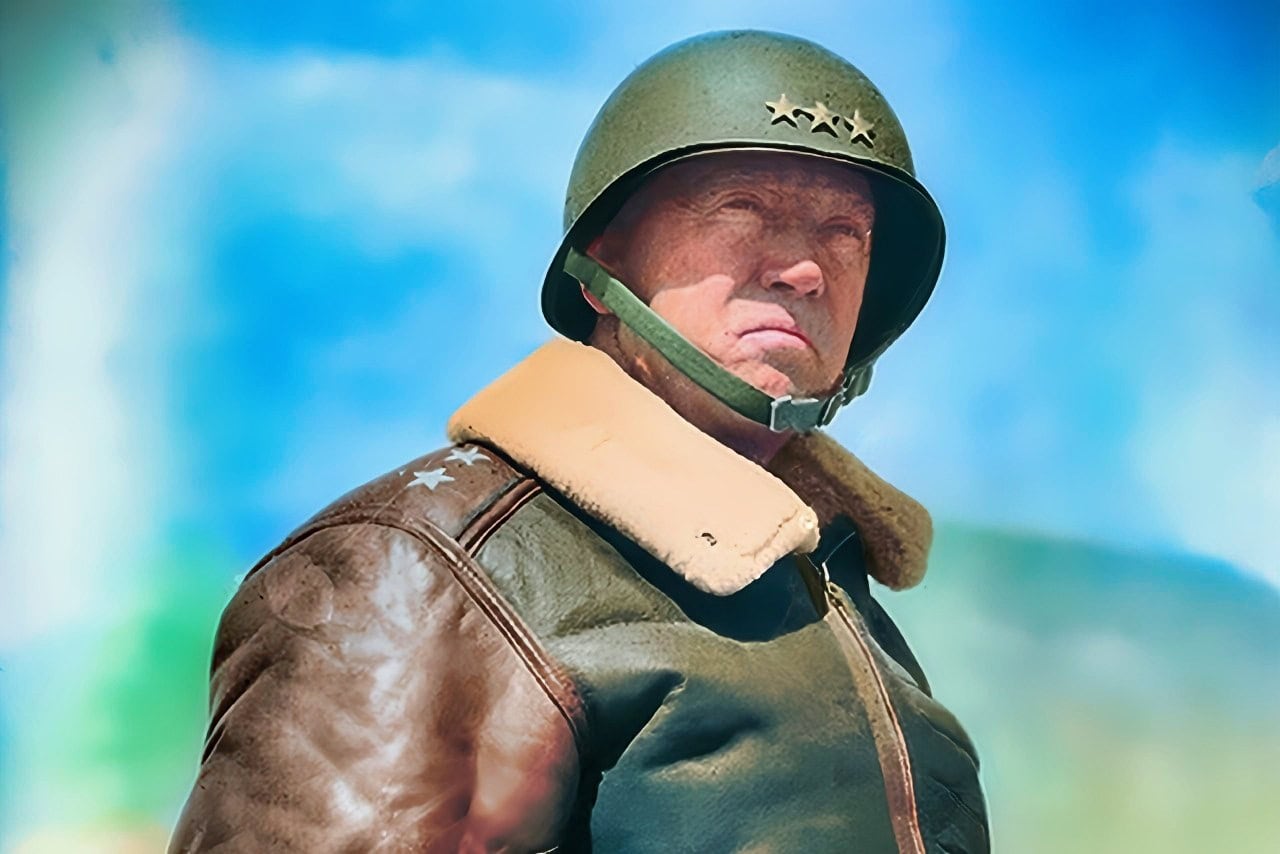
George Patton U.S. Army Photo

General Patton Portrait. Image Credit: Creative Commons.
Patton drew profound lessons from his experience in WWI. He recognized that modern warfare required speed, coordination, and the integration of infantry, artillery, and armor. He understood that technology could determine the outcome of battles, but only when commanded by officers who could think boldly and act swiftly.
He emerged from the war convinced that the future of combat lay with mechanized forces, and he spent much of the interwar period studying, writing, and advocating for armored warfare. His intellectual rigor, often overlooked due to his flamboyant public image, played a major role in shaping the U.S. Army’s mechanized doctrine. During these years, he also formed key relationships with fellow officers, including Dwight D. Eisenhower. Their exchanges, experiments, and discussions helped lay the groundwork for the large-scale armored operations of WWII.
When World War II began, Patton entered the conflict uniquely prepared. His childhood had given him a sense of destiny and an unwavering warrior ethos. His academic struggles had forged discipline. His athletic achievements had taught him endurance and precision.
His experiences in the military had shown him the value of aggressive action. H
is service in World War I had introduced him to modern warfare and the potential of mechanized forces. And his interwar years had shaped him into a strategic thinker and a master of armored maneuver.
About the Author: Isaac Seitz
Isaac Seitz, a Defense Columnist, graduated from Patrick Henry College’s Strategic Intelligence and National Security program. He has also studied Russian at Middlebury Language Schools and has worked as an intelligence Analyst in the private sector.