
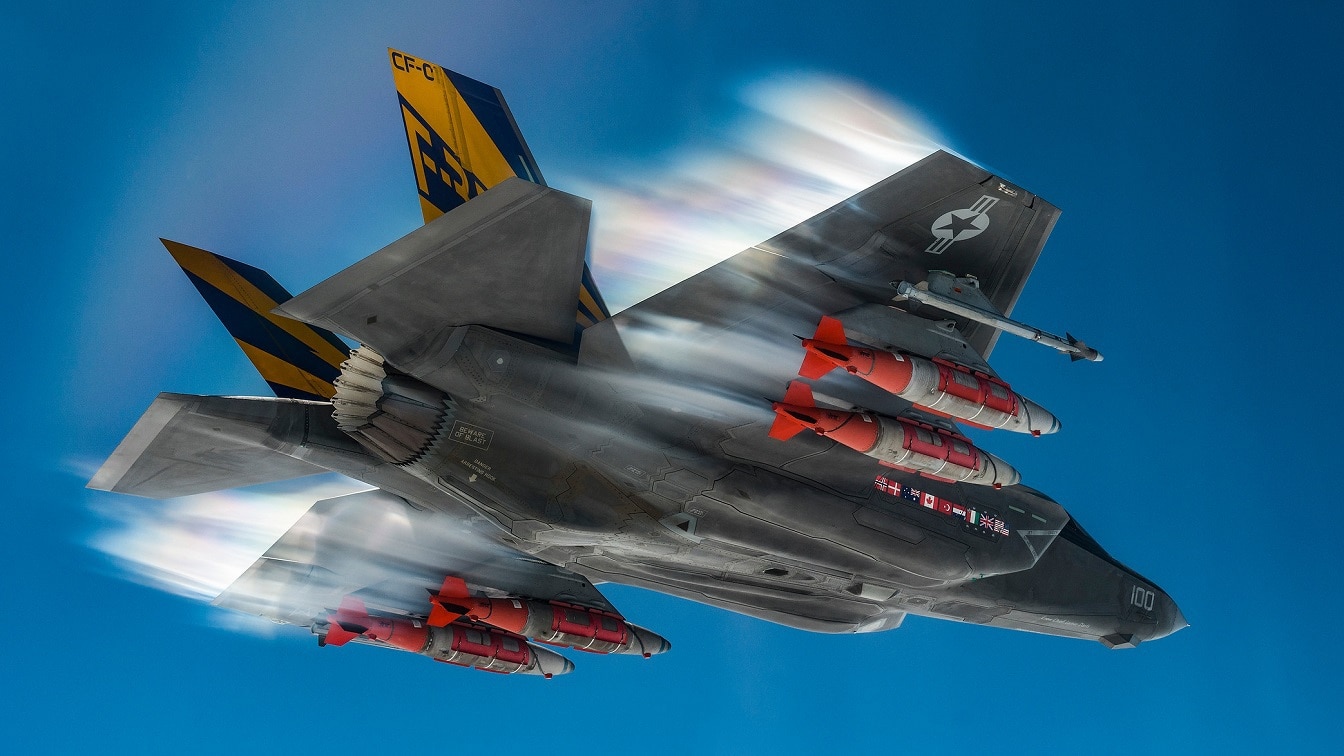
Summary and Key Points: Jack Buckby — British defense and national security researcher based in New York, 1,000-article veteran of 19FortyFive and National Security Journal, and published author on extremism and deradicalization — reports on a classified Pentagon Director of Operational Test and Evaluation assessment revealing the F-35 Joint Strike Fighter delivered no new combat capability in 2024.
-The TR-3 hardware and computing upgrade — which increases onboard processing power by an order of magnitude and underpins the entire Block 4 modernization package — was deemed “predominantly unusable” due to stability failures, undiscovered defects, and missing features.
-With only three of nine cybersecurity vulnerability assessments completed and Block 4 delivery now slipping toward 2031, Buckby warns the delay creates cascading readiness risks for over 800 delivered F-35s across U.S., NATO, and allied air forces — even as U.S. Marine Corps F-35s fly combat missions over Iran on older TR-2 software.
Pentagon Finds F-35 Delivered No New Combat Capability in 2024
A new Pentagon weapons testing assessment from the Director of Operational Test and Evaluation (DOT&E) – the office responsible for evaluating whether U.S. systems are combat-ready – found that the F-35 program delivered no new combat capability in 2024, according to reporting by Bloomberg.
The findings come at the worst possible time, when U.S. and allied F-35s are actively flying combat missions over Iran using older software. This really matters, because the F-35 is not just another fighter jet – it is the backbone of U.S. and NATO airpower, with more than 800 aircraft already delivered and thousands more planned.
The Pentagon’s findings, which have not yet been officially released, raise serious concerns about whether the F-35’s software-driven modernization model is falling behind at a moment when the United States may be entering a period of sustained and overlapping conflicts.
What the Pentagon Report Found
The Pentagon’s annual testing assessment, seen by Bloomberg, paints a clear picture of a program that is struggling to deliver on its promises.
‘According to the report, the TR-3 upgrade – intended to significantly expand the F-35’s computing power and enable future capabilities – was “predominantly unusable” for much of 2024 due to stability problems, newly-disocvered defects, and a number of missing features.
As a result, the program delivered no new combat capability during 2024, despite expectations that TR-3 would begin significantly improving the aircraft’s operational performance.
The report also found that the program has shown no improvement in meeting software development timelines, falling short of the Pentagon’s development expectations.
Cybersecurity testing was similarly limited. According to the report, only three of nine planned vulnerability assessments were completed, with staffing cuts and changing priorities cited as contributing factors. And, these issues are more than isolated technical setbacks.
The TR-3 is the foundation for the next generation of F-35 capabilities, and delays like this – especially at this stage – are set to cause cascading effects across the entire modernization effort.
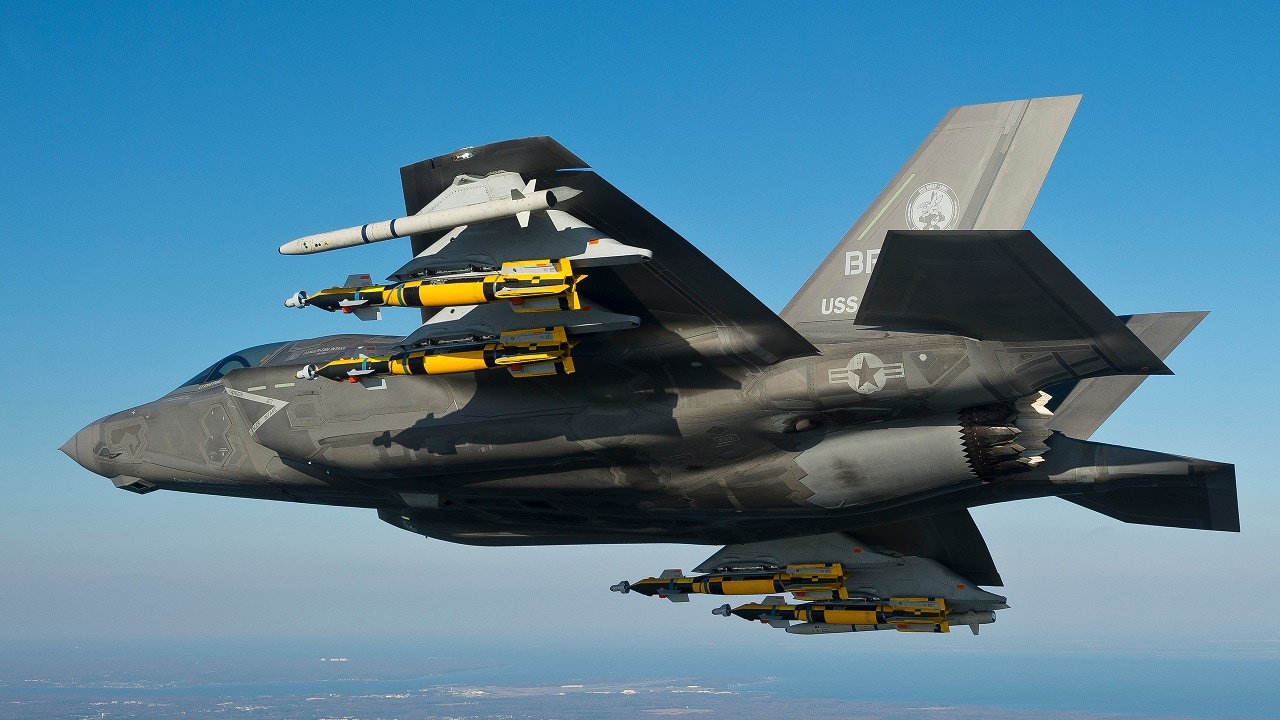
F-35 Joint Strike Fighter. Image Credit: Lockheed Martin.
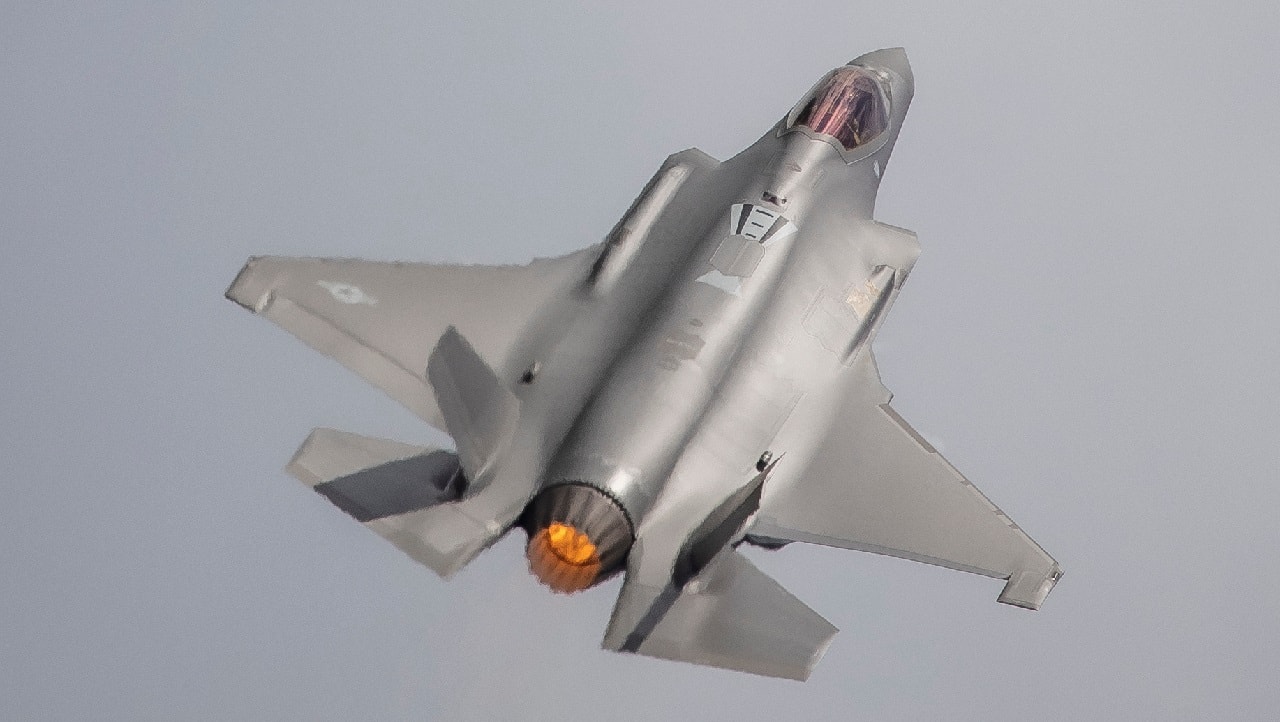
Lockheed Martin F-35 Stealth Fighter. Image Credit: Lockheed Martin.
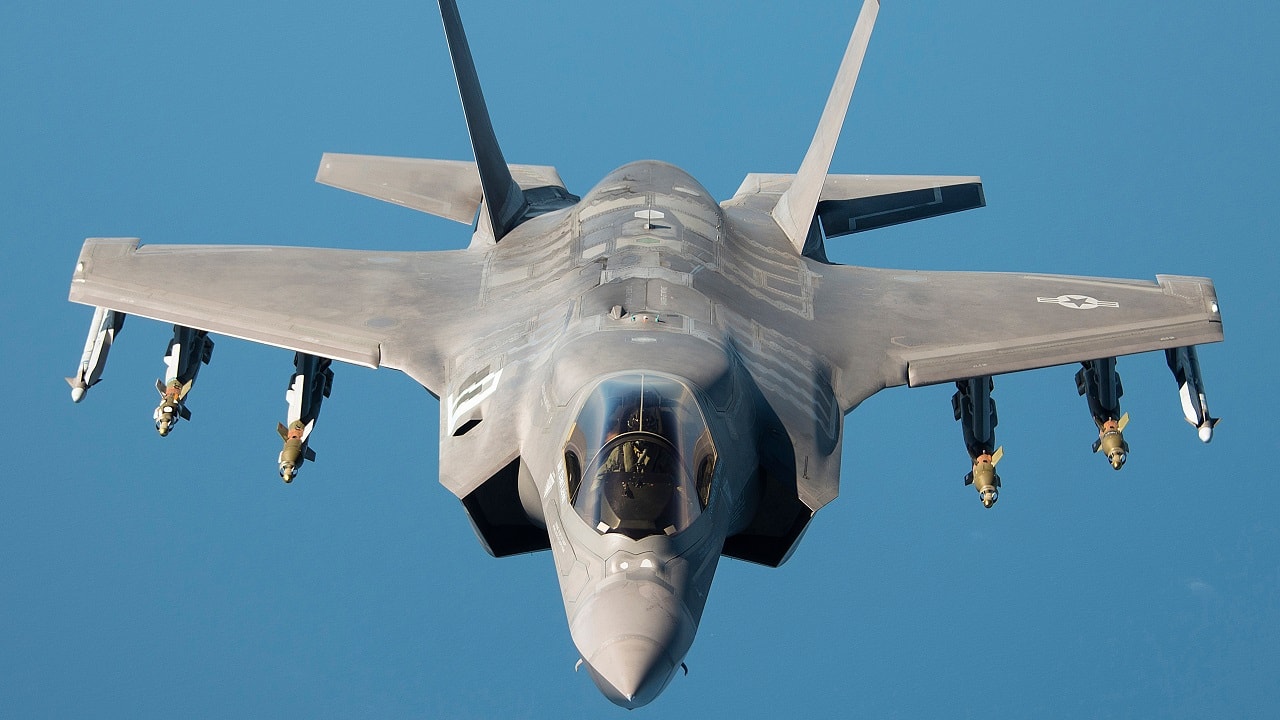
F-35 JSF. Image Credit: Lockheed Martin.
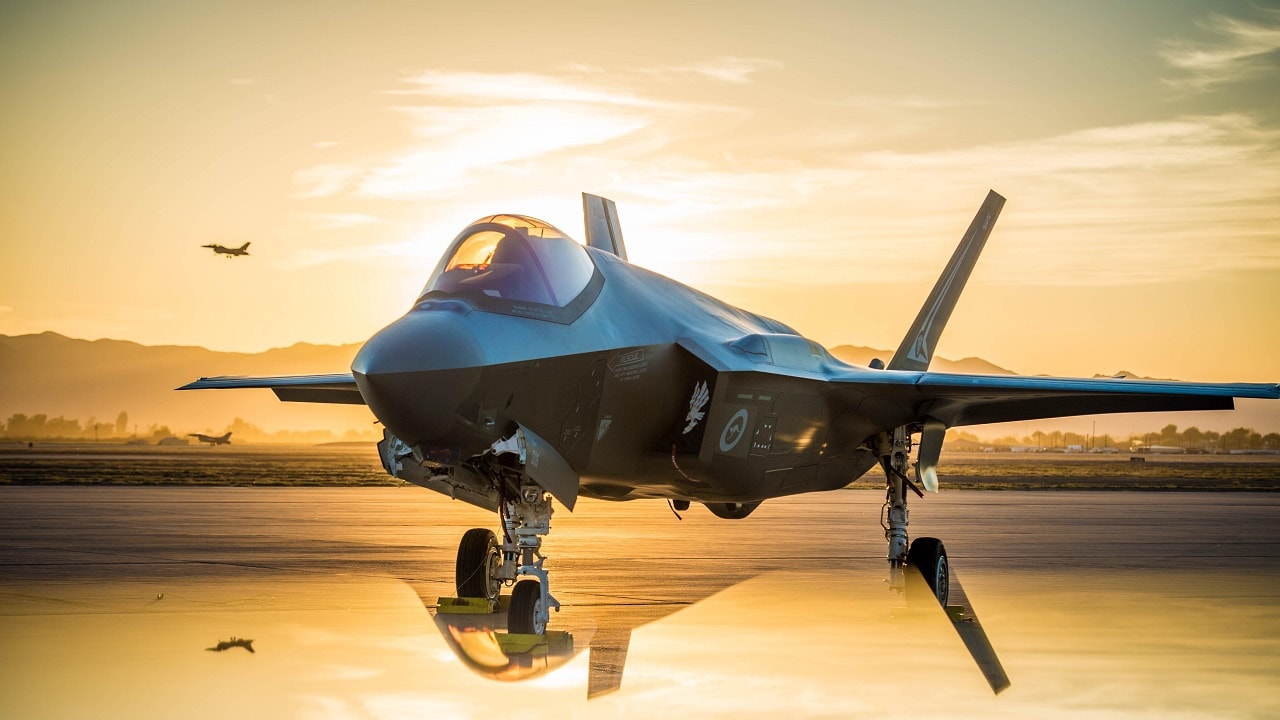
F-35 Fighter.
What Block 4 Means, and Why TR-3 Delays Matter
The F-35 is designed to be upgraded in “blocks,” which are major capability packages that introduce new weapons, sensors, enhanced sensor fusion, and improved data-sharing across allied forces. But Block 4, the next major upgrade, depends entirely on TR-3.
The upgrade is not merely a software patch, but a major hardware and computing overhaul designed to increase the aircraft’s onboard processing power by more than an order of magnitude and significantly expand the system’s memory capacity.
Without TR-3, those Block 4 capabilities cannot be fully implemented – and that creates a ripple effect. Block 4 was originally expected years earlier but has now slipped, with key elements of the upgrade now unlikely to be fully delivered until around 2031 or beyond, according to the Pentagon and Government Accountability Office.
The F-35 is a powerful platform, and its long-term advantage depends on the promised continuous upgrades. If those upgrades are delayed, the aircraft risks stagnating relative to emerging threats and degrading readiness not just for the United States but also for allies all over the world.
The F-35 Is Still Proving Its Value
Despite the problem – and these are by no means the first scandal for the platform – the F-35 is currently proving its value in combat.
The aircraft is actively being used in operations in Iran, where it has been employed for strike missions and suppression of air defenses, on top of its traditional air superiority role. U.S. Marine Corps F-35s operating from carriers and other deployed aircraft are currently flying with TR-2 software, not the delayed TR-3 upgrade.
The ongoing successes in Iran prove an important point: even without its next-generation upgrades, the F-35 remains one of the most capable combat aircraft in service today. But that doesn’t mean it will be the best aircraft in operation in perpetuity. Ongoing operations in Iran are being conducted without the enhanced capabilities promised by Block 4 and TR-3 – capabilities that will be critical in more demanding environments and against more advanced adversaries.
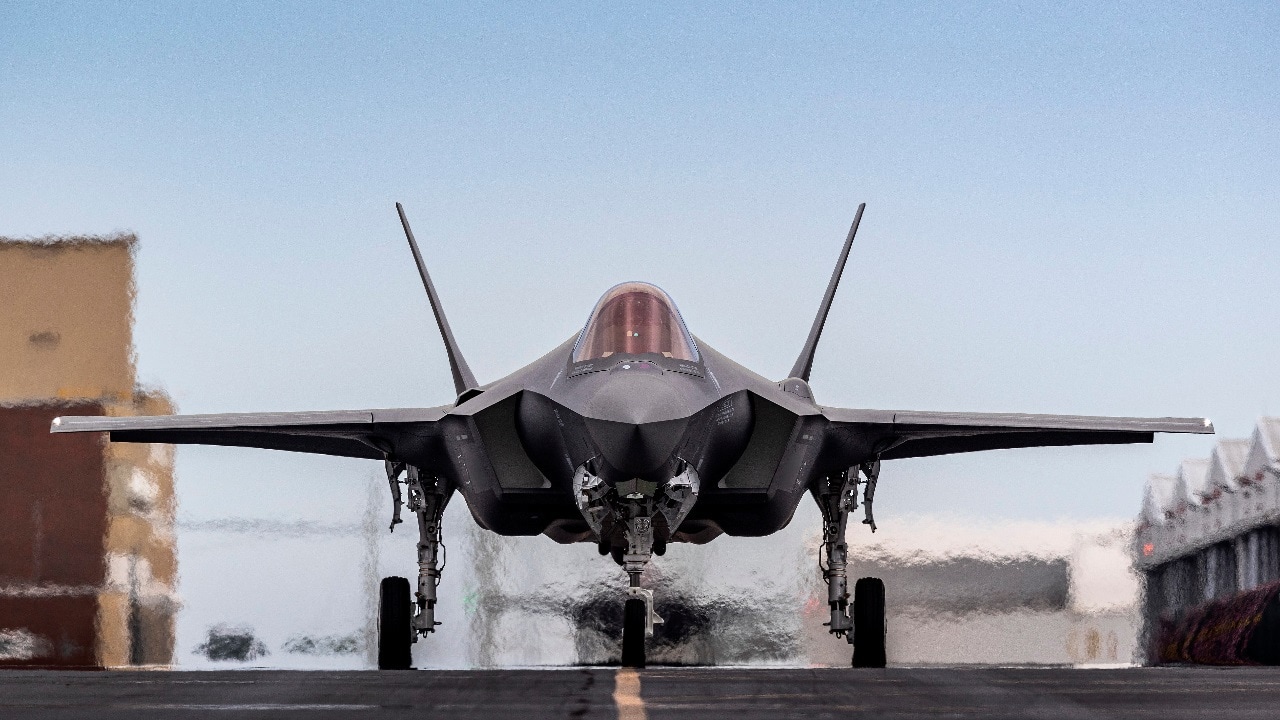
F-35 Stealth Fighter. Image Credit: Creative Commons.
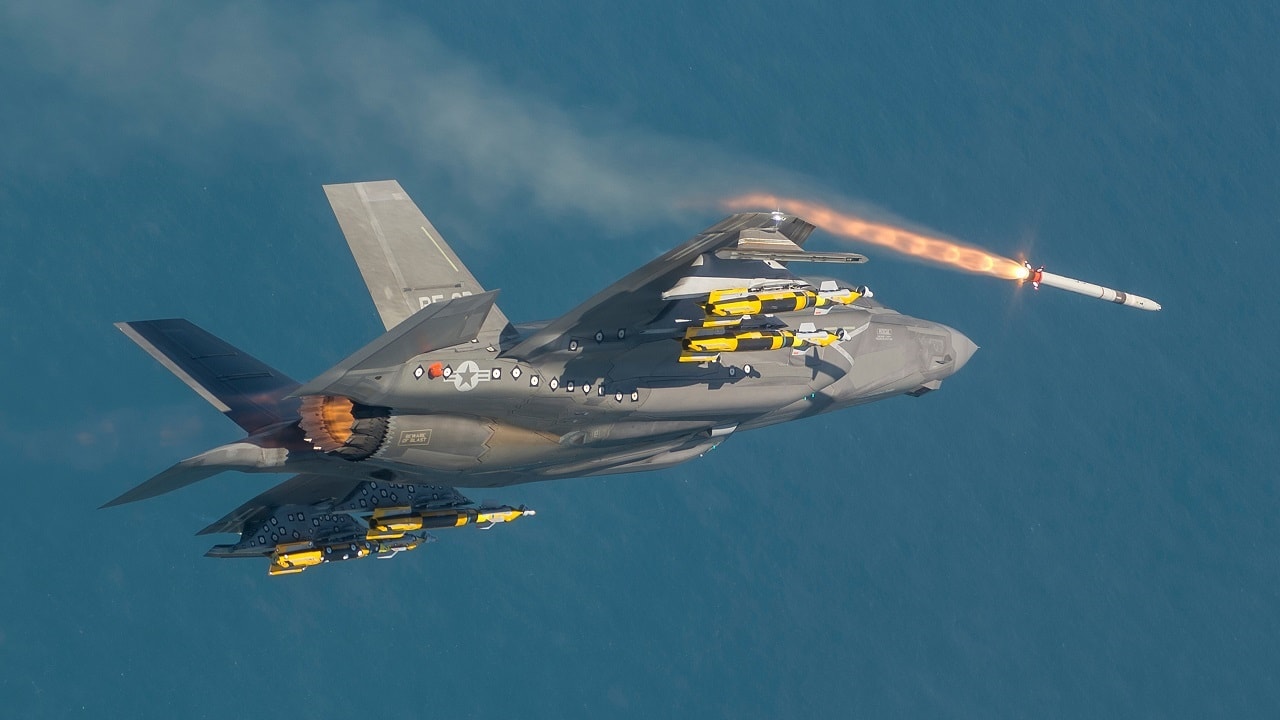
F-35. Image: Creative Commons.

US Air Force F-35 Stealth Fighter. Image Credit: Creative Commons.
Iran presents a relatively limited challenge in terms of air defense compared to potential conflicts involving China or Russia. In those scenarios, the F-35’s edge will depend far more heavily on data fusion technology and electronic warfare, and indeed integration with next-generation weapons – the latter of which is precisely the kind of functionality that has now been delayed.
The aircraft is performing effectively today, but the question is whether it will maintain that advantage in future conflicts unless something changes.
The full DOT&E report cited by Bloomberg is expected to be released publicly later this year, though exact timing remains unclear.
About the Author: Jack Buckby
Jack Buckby is a British researcher and analyst specialising in defence and national security, based in New York. His work focuses on military capability, procurement, and strategic competition, producing and editing analysis for policy and defence audiences. He brings extensive editorial experience, with a career output spanning over 1,000 articles at 19FortyFive and National Security Journal, and has previously authored books and papers on extremism and deradicalisation.