

Summary and Key Points: Defense expert Christian D. Orr examines the critical role and looming retirement of the U.S. Navy’s “Fab Four” Ohio-class SSGNs.
-Converted from SSBNs under the START II treaty, these specialized guided-missile submarines—the USS Ohio, Michigan, Florida, and Georgia—each carry a staggering 154 Tomahawk (TLAM) missiles.
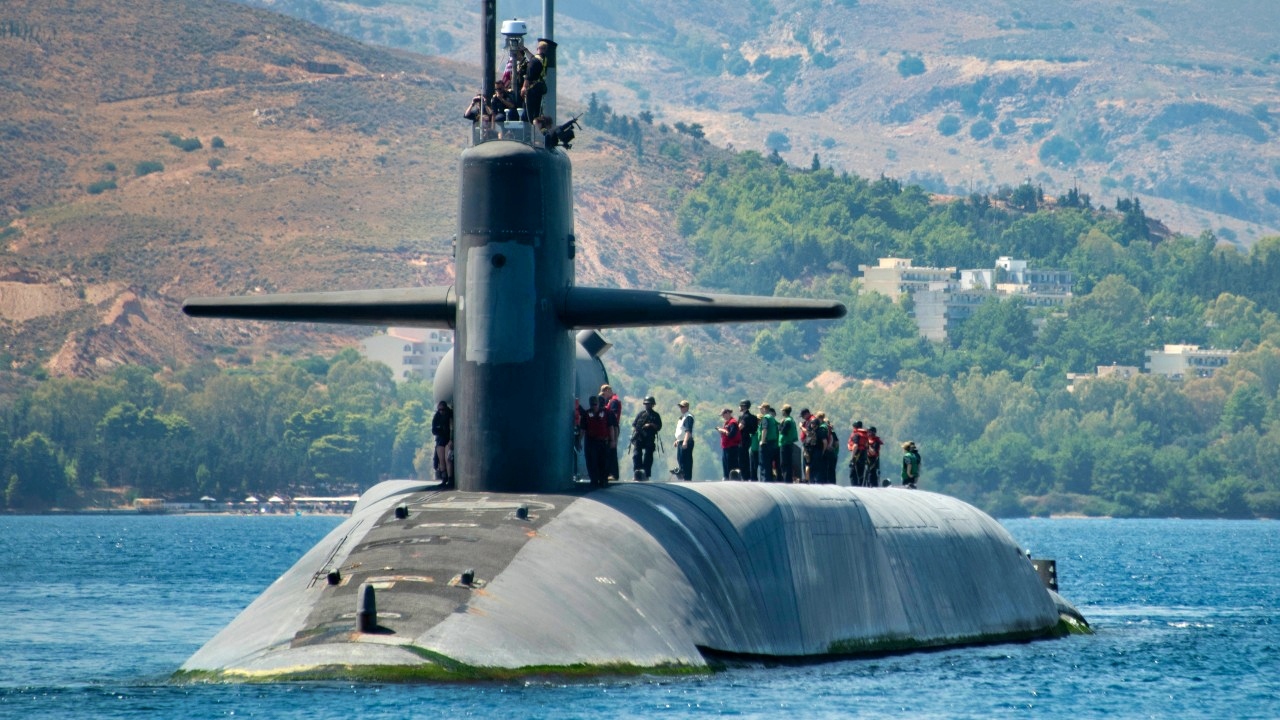
190907-N-UR565-0660NAVAL SUPPORT ACTIVITY SOUDA BAY, Greece (Sept. 7, 2019) The Ohio-class cruise missile submarine USS Florida (SSGN 728) arrives in Souda Bay, Greece, for a scheduled port visit, Sept. 7, 2019. NSA Souda Bay is an operational ashore base that enables U.S., allied, and partner nation forces to be where they are needed and when they are needed to ensure security and stability in Europe, Africa, and Southwest Asia. (Photo by Joel Diller/Released)
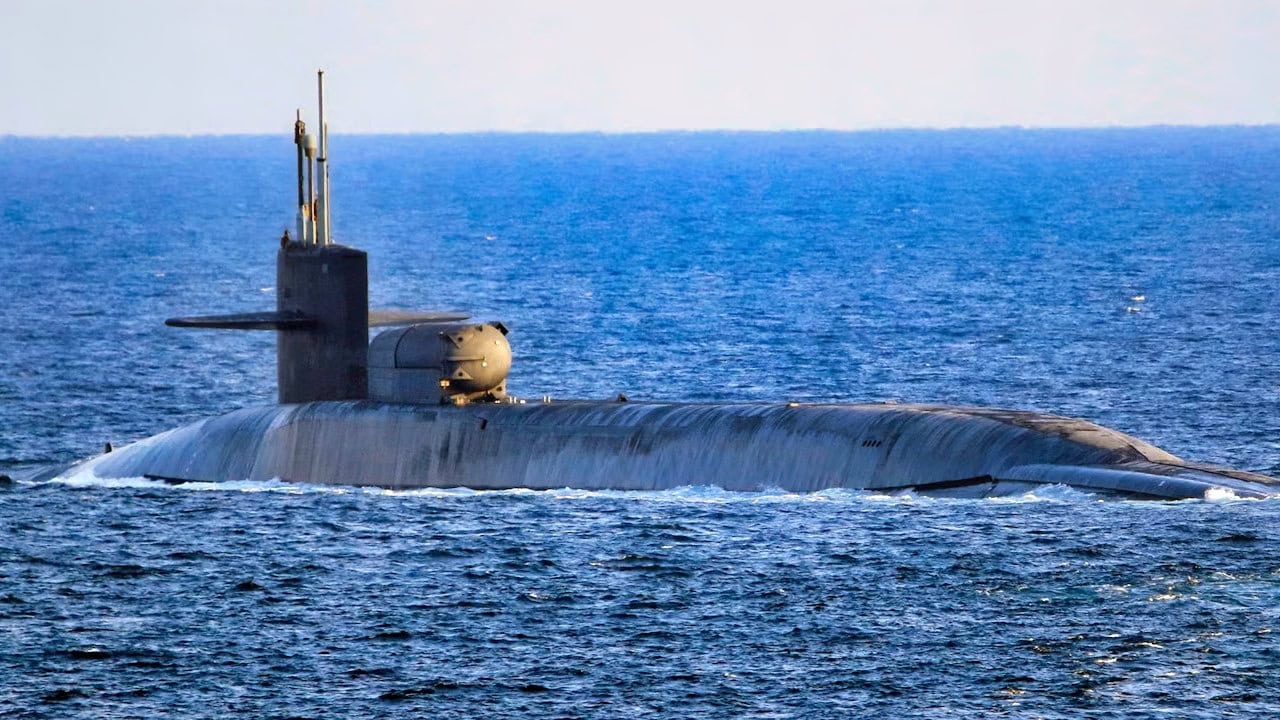
Ohio-Class SSGN Submarine U.S. Navy.
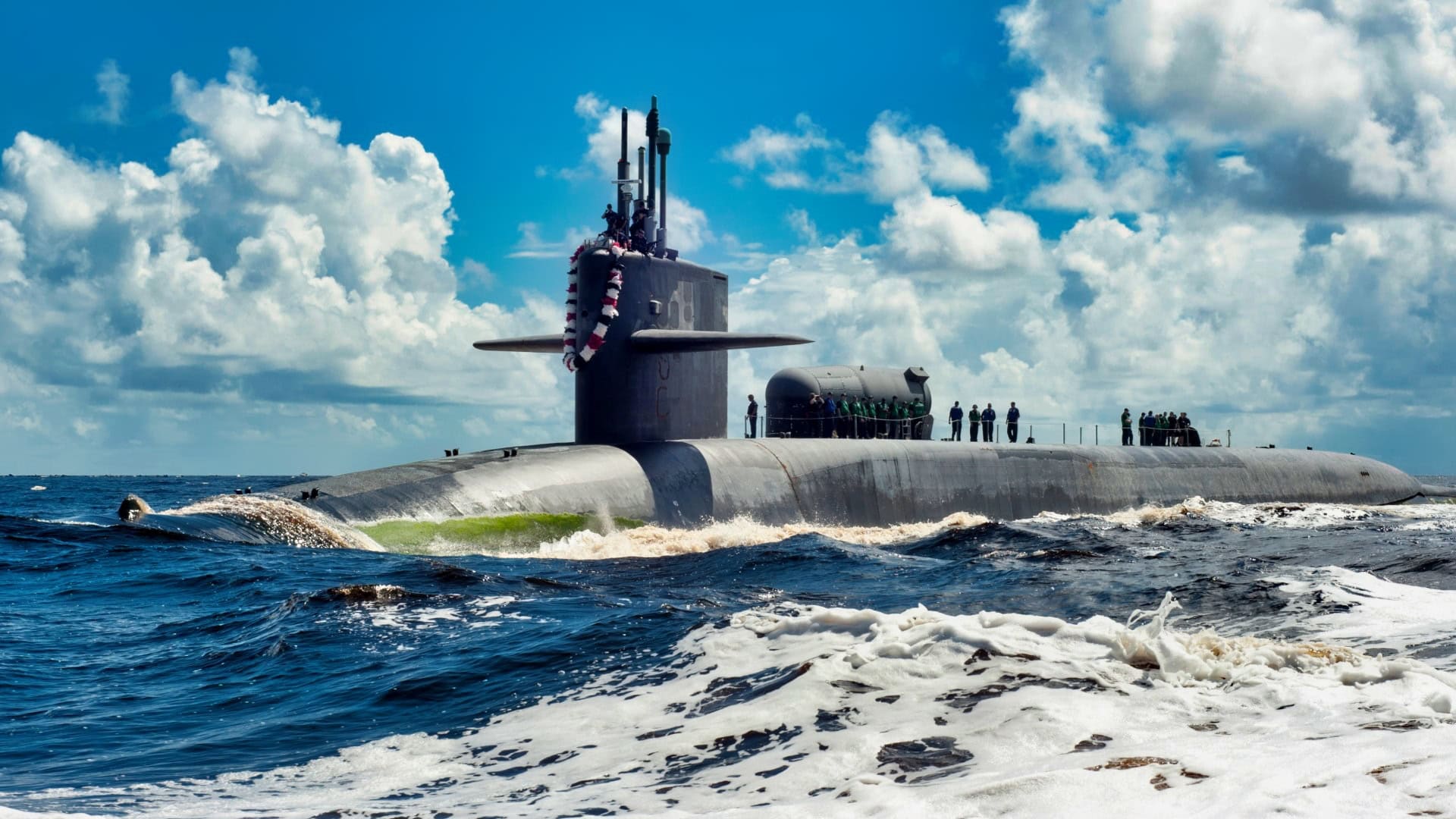
FERNANDINA BEACH, Fla. – The Ohio-class guided missile submarine USS Georgia (SSGN 729) transits the Saint Marys River July 15. Georgia returned to Kings Bay after spending more than a year forward deployed. (U.S. Navy photo by Mass Communication Specialist 1st Class(SW) James Kimber)
-While the USS Florida proved the platform’s lethality during Operation Odyssey Dawn, these 40-year-old vessels are slated for retirement by 2028.
-Orr warns that the Virginia Payload Module (VPM), intended as a replacement, offers significantly less magazine depth, creating a strategic “missile gap” exacerbated by industrial labor shortages and a convoluted acquisition process.
Meet the Ohio SSGNs: 4 Submarines, 600+ Tomahawk Missiles, and No Clear Replacement Plan
The military is a veritable alphabet soup of acronyms, and this is especially true of the wild, wacky, and wonderful world of submarine war.
You have your SSNs, i.e., nuclear- powered “fast attack” boats. You have your SSBNs, i.e., ballistic missile submarines, which, in addition to being powered by nuclear reactors, also wield nuclear weapons, thus serving as a leg of America’s nuclear strategic triad (hence their nickname of “boomers”).
And then you have the SSGNs, i.e., guided missile submarines, which are specialized vessels, often converted from SSBNs, designed for massive conventional land-attack strikes and Special Forces support using conventional cruise missiles.
The Ohio-class boats are time-honored and famous for their SSBN status, thanks at least in part to the USS Alabama’s (SSBN-731) fictitious participation in the 1995 movie Crimson Tide (with an all-star cast consisting of Gene Hackman, Denzel Washington, James Gandolfini, Viggo Mortensen, Rocky Carroll, George Dzundza, and Rick Schroeder).
However, several of the aging Ohio-class subs have gained a new lease on life and historical significance via their conversion from SSBNs to SSGNs. We now focus on these “Fab Four” (so to speak), Ohios.
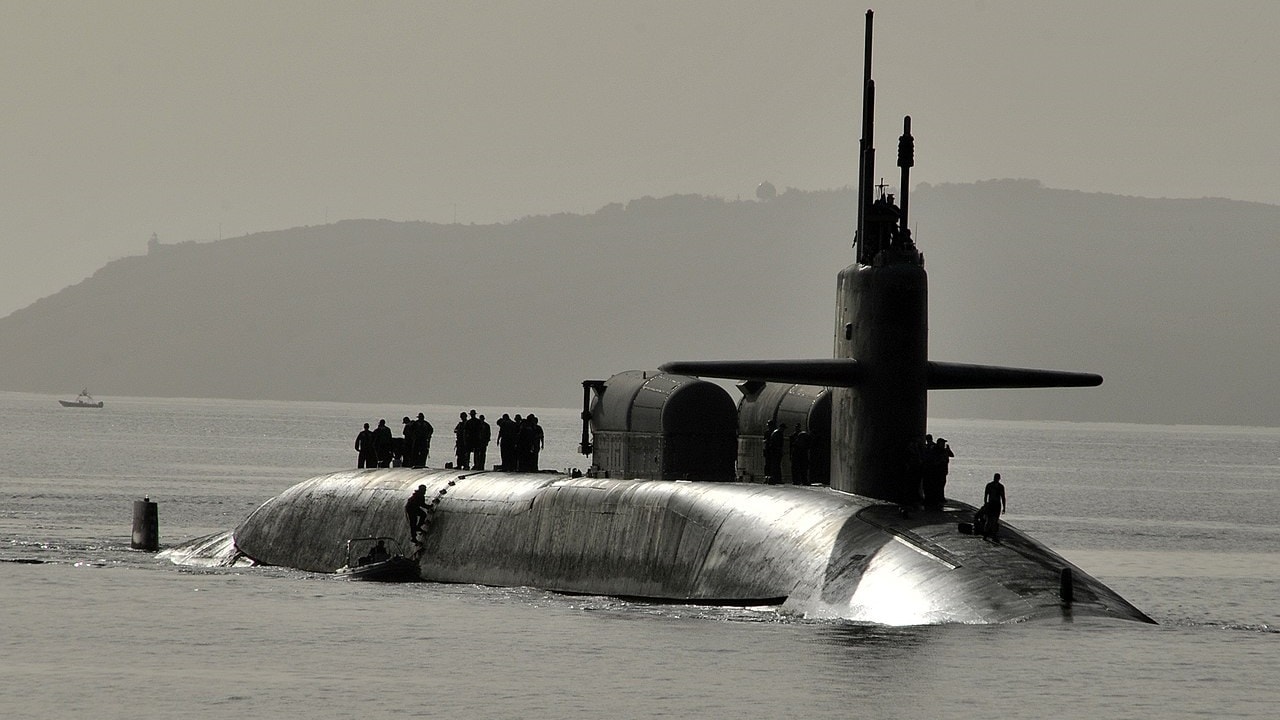
SOUDA BAY, Greece (May 21, 2013) The Ohio-class guided-missile submarine USS Florida (SSGN 728), gold crew, arrives in Souda harbor. Florida is homeported in Kings Bay, Ga., and is deployed conducting maritime security operations and theater security cooperation efforts in the U.S. 6th Fleet area of responsibility. (U.S. Navy photo by Paul Farley/Released) 130521-N-MO201-047
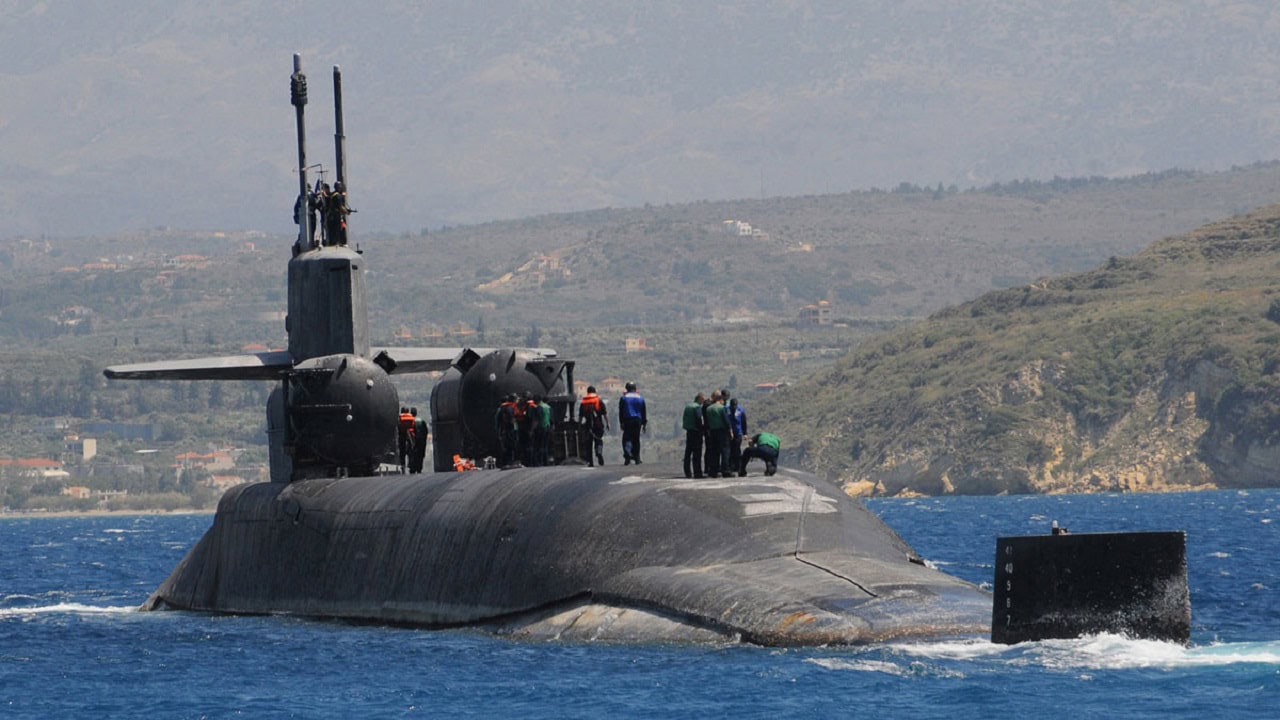
Ohio-Class SSGN. Image Credit: U.S. Navy.
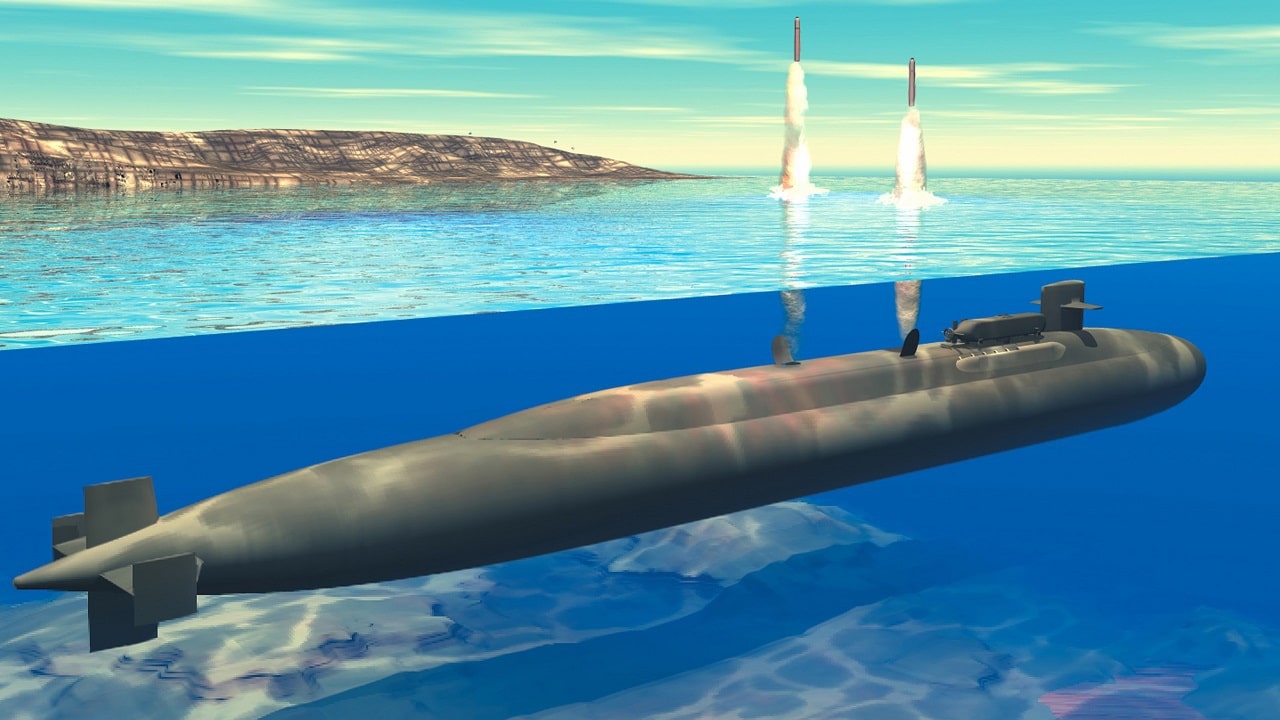
Artist’s concept of an Ohio-class SSGN launching Tomahawk Land Attack Missiles.
Ohio-Class SSBN to SSGN Conversion Basics
Courtesy of the Submarine Industrial Base Council (SIBC): “During the period 2002-2008, the U.S. Navy, in response to the START II treaty, converted its four oldest Ohio Class ballistic missile submarines (SSBN) to guided missile submarines (SSGN). By installing vertical launching systems (VLS) in a ‘multiple all-up-round canister’ (MAC), the SSGNs are capable of carrying up to 154 Tomahawk land attack missiles (TLAM). Two of the submarines’ 24 large vertical payload tubes were converted to lockout chambers for Special Forces personnel, such as Navy SEALS.”
The four Ohios that underwent the conversion were:
- USS Ohio (SSGN-726): the lead ship of the class, commissioned on November 11, 1981.
- USS Michigan (SSGN-727): commissioned on September 11, 1982.
- USS Florida (SSGN-728): commissioned on June 18, 1983.
- USS Georgia (SSGN-729): commissioned on February 11, 1984.
Combat History in Brief
Citing SIBC again, “USS Florida (SSGN 728) returned to its homeport in Kings Bay, Georgia on 29 April 2011, following a 15-month deployment in both Central and European Command areas of responsibility. As tensions in Libya escalated, the order to use military forces in graduated and sequenced strike operations against the government of Libya was given by Secretary of Defense Robert Gates and Operation Odyssey Dawn was executed. During the operation, Florida launched more than 90 Tomahawk land attack missiles (TLAM). The strike marked the first time a guided-missile submarine launched Tomahawks in combat.”
The Way Forward: What About Replacements?
Okay then, the Ohio-class SSGNs have a great capacity to carry TLAMs, but nothing lasts forever. As already indicated, these venerable warships are getting long in the tooth. Indeed, they were slated for retirement by 2028, so what about their replacements?
Well, easier said than done. For one thing, the up-and-coming Columbia-class submarines are coming along at a frustratingly slow pace.
Meanwhile, there’s the Virginia Payload Module (VPM) for the Virginia-class boats. The VPM is 84 feet (25.6 meters) long, thus increasing the Virginias’ total hull length from 377 feet (114.9 meters) to 461 feet (140.5 meters). That extra length incorporates four additional large-diameter payload tubes in a new hull section located amidships, each of which can carry seven Tomahawks, thus adding up to 28 missiles per VPM.
So then, why not simply make the VPMs even bigger in order to match the Ohio SSGNs’ TLAM capacity? Again, easier said than done, for two major reasons:
- The incredibly convoluted, inefficient, and time-consuming weapons acquisition process, a process that U.S. Secretary of War Pete Hegseth is attempting to reform and improve, but is facing an uphill battle in the process.
- A current shortage of skilled workers for the submarine program, thus necessitating the BuildSubmarines recruitment push; a physical extension of the VPM would almost certainly require even more such skilled workers to make that happen.
About the Author: Christian D. Orr, Defense Expert
Christian D. Orr is a Senior Defense Editor. He is a former Air Force Security Forces officer, Federal law enforcement officer, and private military contractor (with assignments worked in Iraq, the United Arab Emirates, Kosovo, Japan, Germany, and the Pentagon). Chris holds a B.A. in International Relations from the University of Southern California (USC) and an M.A. in Intelligence Studies (concentration in Terrorism Studies) from American Military University (AMU). He is also the author of the newly published book “Five Decades of a Fabulous Firearm: Celebrating the 50th Anniversary of the Beretta 92 Pistol Series.”