
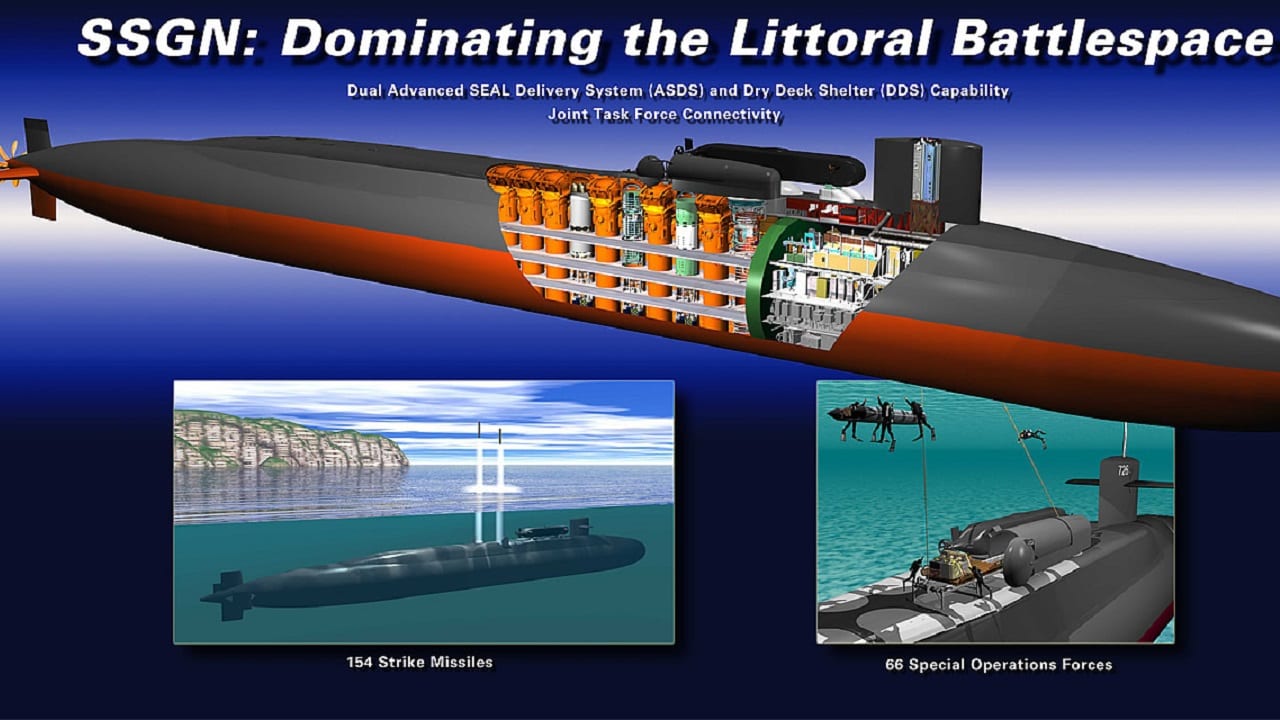
Summary and Key Points: Defense Columnist Isaac Seitz evaluates the U.S. Navy’s precarious “strike capacity trough” as Ohio-class SSGNs approach retirement. With each boat carrying 154 Tomahawks, the four hulls represent nearly 616 VLS cells—a concentrated firepower mass recently utilized in Operation Midnight Hammer and Operation Epic Fury. This report analyzes the trade-offs between costly hull life-extensions and the transition to Block V Virginia-class submarines with the Virginia Payload Module (VPM). Seitz emphasizes that despite the VPM’s 40-missile capacity, a significant undersea magazine depth deficit remains until the 2030s, complicating 2026 deterrence against peer adversaries.
Beyond Operation Epic Fury: Analyzing the Irreplaceable Undersea Magazine Depth of the SSGN Fleet
The Ohio-class guided missile submarines (SSGNs) are a class of modified Ohio-class submarines that replace their regular ICBM launchers with smaller vertical launch systems capable of launching Tomahawk cruise missiles.
However, all four of these special SSGNs are slated to retire within the coming years, potentially creating a capability gap in the U.S. Navy.
Is the Navy making a huge mistake by retiring these submarines?
Is there a way to retire these ships without leaving a vital gap in the Navy’s offensive arsenal?
Capabilities and Strategic Role
The Ohio-class SSGNs are remarkable primarily for their unprecedented conventional strike capacity. Each submarine carries up to 154 Tomahawk cruise missiles, a capability that has proven essential in recent U.S. military operations.
They played an important role in strikes on Houthi targets and were central to “Operation Midnight Hammer” against Iran in June 2025, demonstrating their ability to deliver overwhelming firepower with minimal risk to U.S. forces.
Their relevance was reinforced again during the ongoing Operation Epic Fury in Iran, where massed Tomahawk salvos were critical to dismantling enemy defenses, which importantly demonstrates that there is no effective substitute for the concentrated, undersea magazine depth these submarines provide.
In addition to long-range strike operations, the SSGNs possess significant special operations capabilities. Their conversion included the installation of dry-deck shelters, lock-out chambers, and extensive mission-support spaces, allowing them to covertly deploy up to 66 Navy SEALs.
This operational flexibility enables missions ranging from intelligence collection to kinetic strikes and hostage rescue. Their ability to serve as clandestine, forward-deployed hubs for planning and executing special operations gives combatant commanders a tool unmatched by any other submarine class.
Arguments for Decommissioning: Tomahawk Shortage?
While it may seem like an open-and-shut case in favor of keeping the SSGNs, there are still some valid concerns about keeping them around for too long.
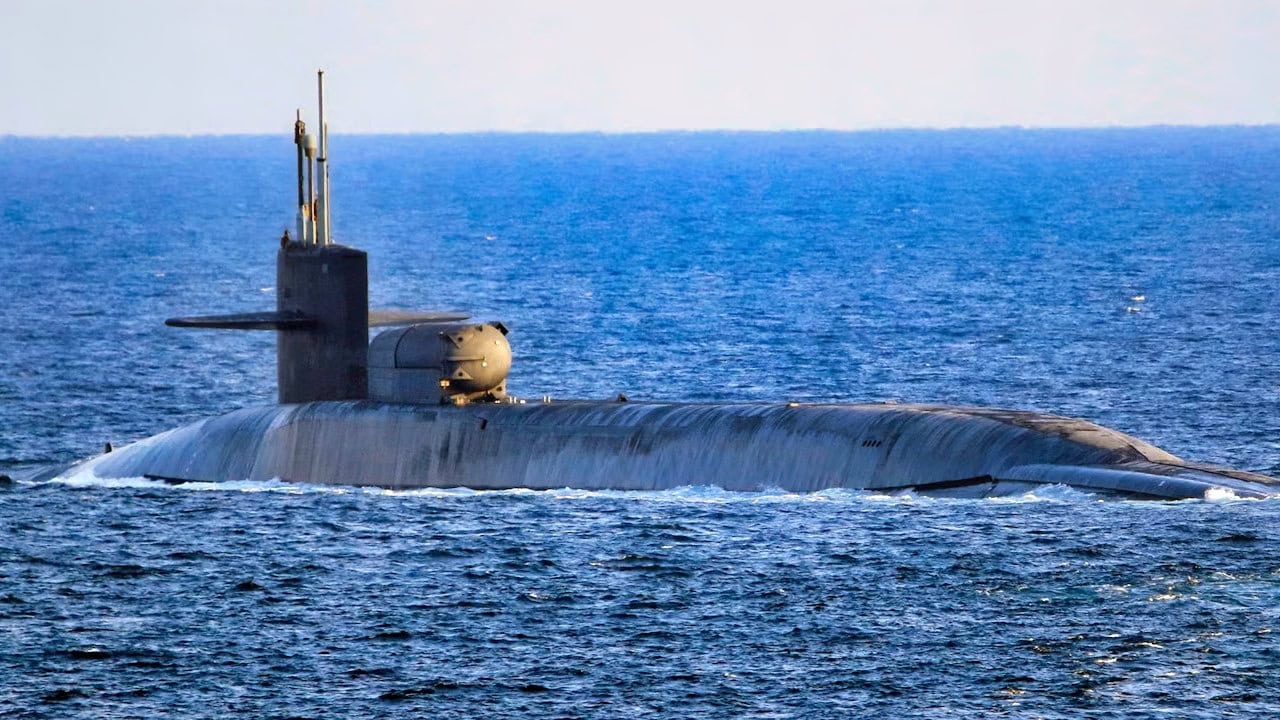
Ohio-Class SSGN Submarine U.S. Navy.
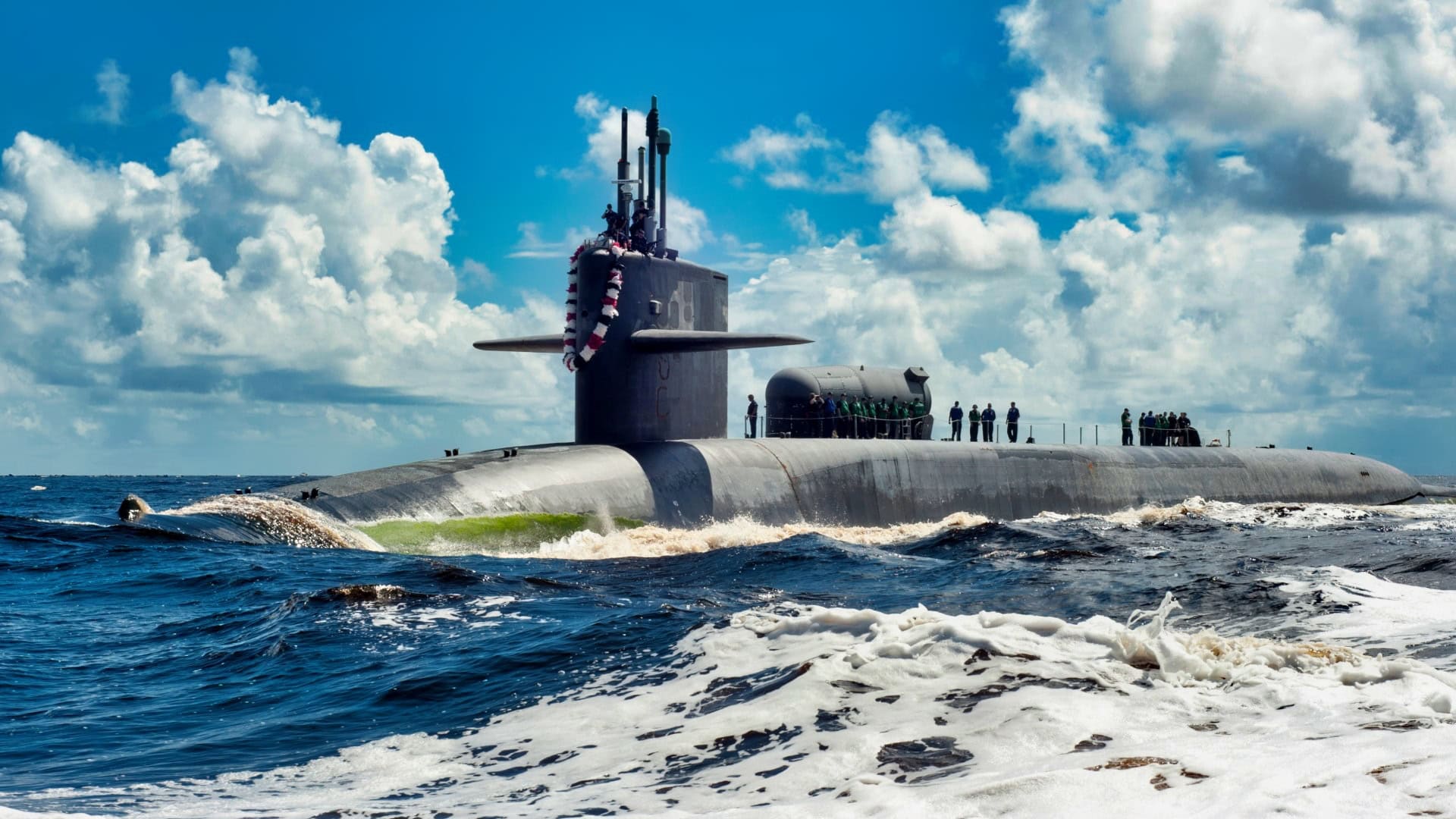
FERNANDINA BEACH, Fla. – The Ohio-class guided missile submarine USS Georgia (SSGN 729) transits the Saint Marys River July 15. Georgia returned to Kings Bay after spending more than a year forward deployed. (U.S. Navy photo by Mass Communication Specialist 1st Class(SW) James Kimber)
These submarines were built in the late 1970s and early 1980s, and even with conversions and life-extension work, they are approaching the upper limits of safe and efficient operation. The Navy faces a choice between expensive overhaul work or allowing the boats to retire as scheduled.
These submarines were built with reactors intended for a specific operational lifespan. Extending that lifespan through refueling is possible but expensive, time-consuming, and counter to the Navy’s broader efforts to streamline the fleet and accelerate modernization
Additionally, the Navy does have plans to replace the Ohio-class. The Virginia-class attack submarines equipped with the Virginia Payload Module (VPM) are intended to assume much of the SSGNs’ strike mission.
The VPM extends the hull and increases missile capacity from 12 to 40, improving the attack submarine fleet’s firepower while reducing reliance on a small number of extremely high-capacity platforms.
In theory, distributing missile capability across a larger number of submarines increases resiliency and reduces the risks associated with concentrating so many weapons in only four hulls. However, delays in producing VPM-equipped Virginias complicate this transition.
Budgetary considerations further reinforce the case for retirement. The Navy is juggling multiple ambitious procurement efforts, including the Columbia-class ballistic-missile submarines, new frigates, next-generation destroyers, and advanced unmanned maritime systems.
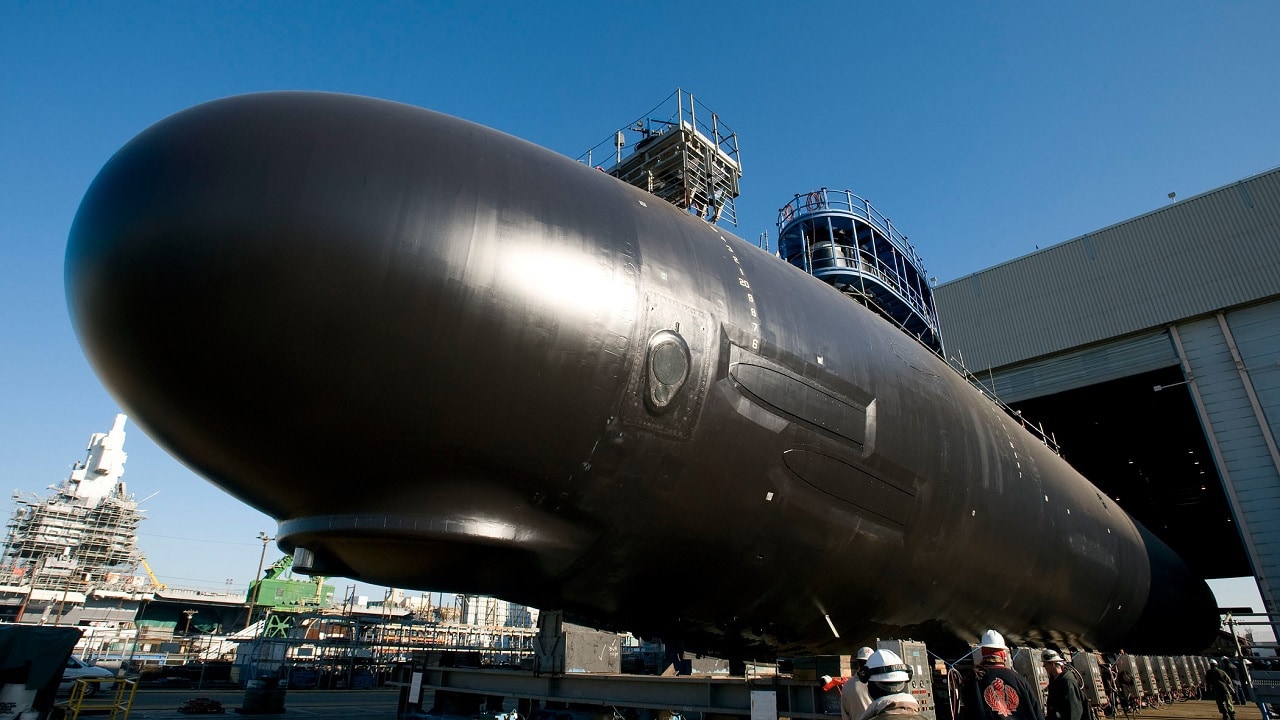
Virginia-Class. Image Credit: Creative Commons.
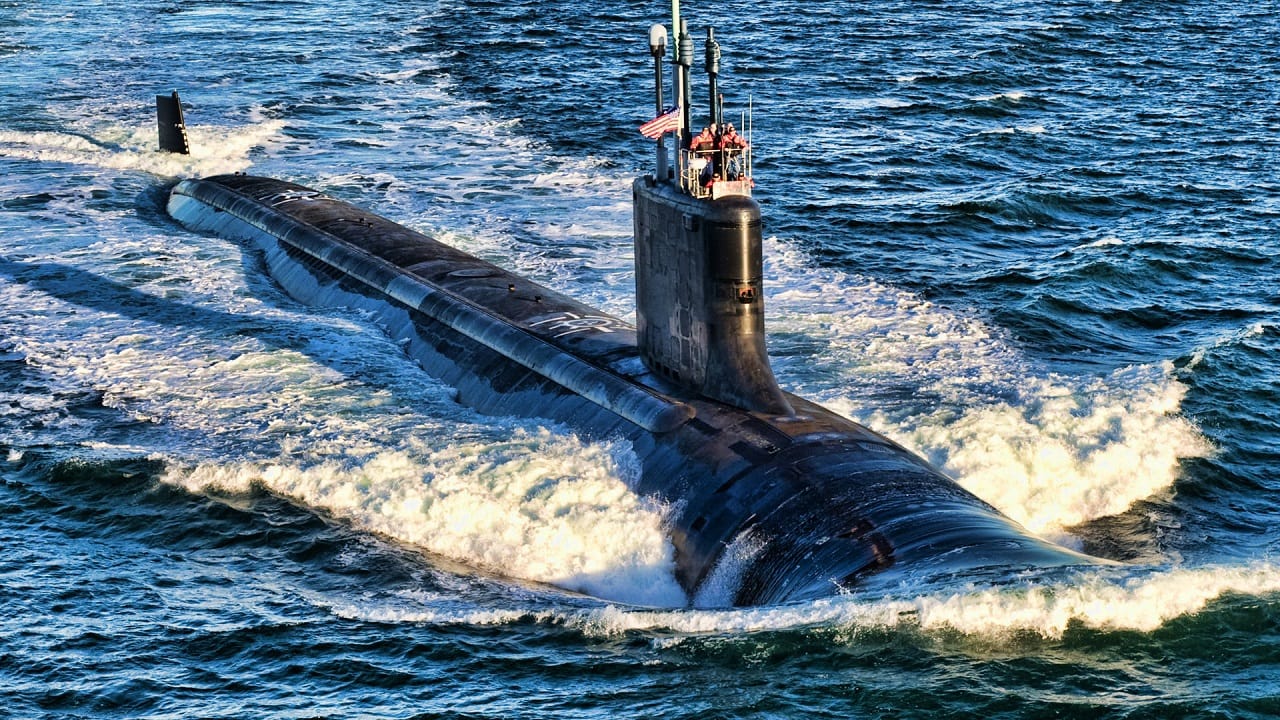
US Navy Attack Submarine. Image Credit: Creative Commons.
Sustaining the aging Ohio-class SSGNs diverts resources from programs deemed critical for long-term maritime superiority.
Moreover, the shipyards responsible for submarine maintenance are already strained by backlogs, and re-refueling or extensively overhauling these submarines would occupy dock space needed for newer vessels.
Arguments Against Decommissioning
Opponents of retirement make an equally forceful case, centered on the growing mismatch between global threats and U.S. strike capacity.
The most significant issue is the impending loss of launch cells. Retiring all four SSGNs would immediately eliminate 616 Tomahawk tubes.
When combined with the retirement of aging cruisers and destroyers, analysts found that the Navy is on a trajectory to lose roughly 2,080 launch cells, far exceeding initial estimates.
According to some reports, most of this reduction would stem from the SSGNs, making them the single greatest contributor to a severe and surprising decline in strike capacity.
The second major argument concerns the lack of a near-term replacement. Even once VPM-equipped Virginia-class submarines become available, they will carry only 40 missiles each, barely a quarter of the SSGNs’ loadout.
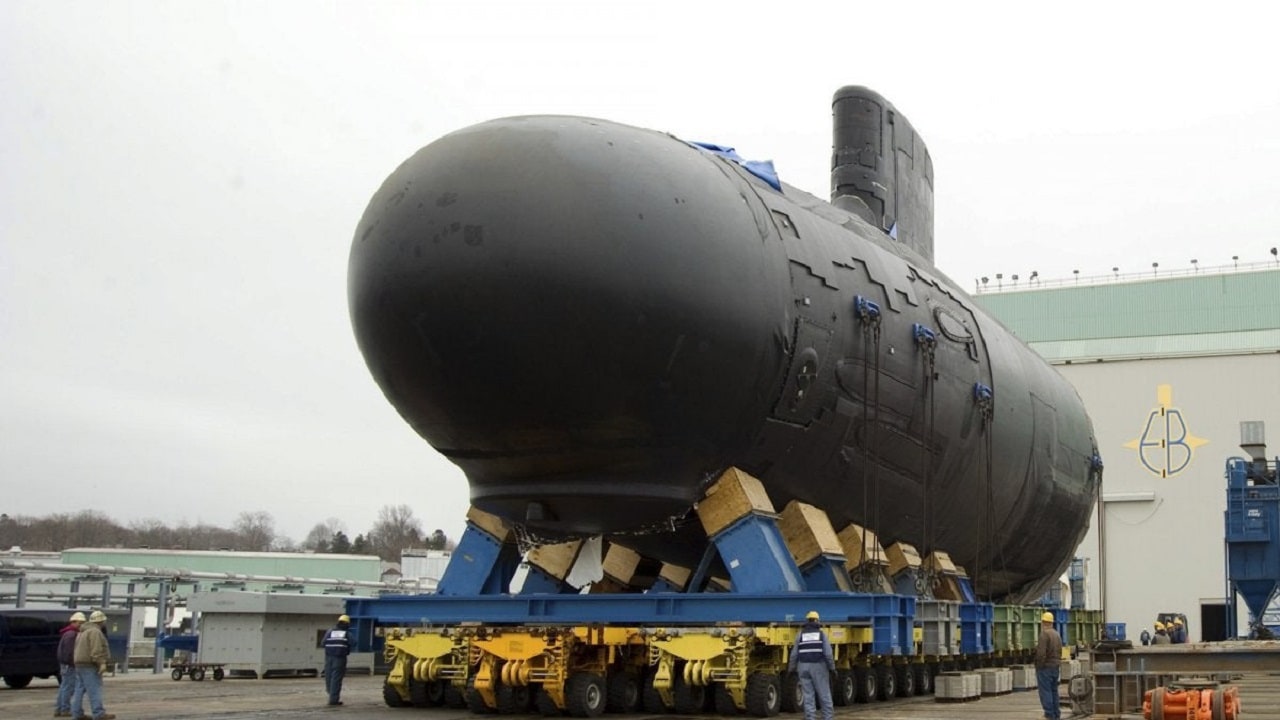
Image of Block III US Navy Virginia-class Submarine.
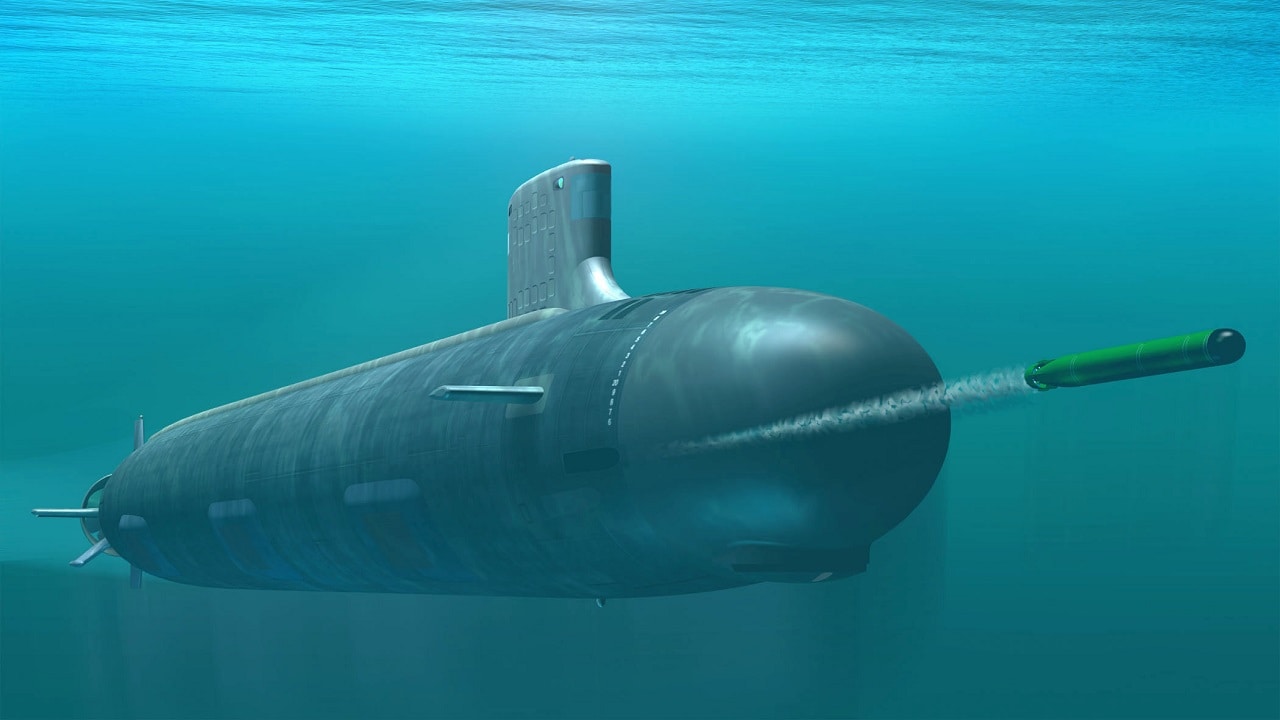
030521-D-9078S-001
(May 21, 2003) — This conceptual drawing shows the new Virginia-class attack submarine now under construction at General Dynamics Electric Boat in Groton, Conn., and Northrop Grumman Newport News Shipbuilding in Newport News, Va. The first ship of this class, USS Virginia (SSN 774) is scheduled to be delivered to the U.S. Navy in 2004. U.S. D.O.D. graphic by Ron Stern. (RELEASED)
No combination of new submarines arriving before 2030 can meaningfully offset the dramatic firepower gap created by SSGN retirement.
Analysts emphasize that in contemporary naval warfare, especially when confronting heavily defended adversaries such as China, large opening salvos are essential to neutralize early warning systems, air defenses, and hardened infrastructure. The firepower provided by the Ohio-class is therefore not merely useful but irreplaceable in the short term.
The Navy itself appears increasingly uncertain about retiring them. In 2025, U.S. Navy officials quietly confirmed that USS Ohio and USS Florida, initially slated for deactivation in fiscal year 2026, would not be retired as planned.
This reversal, coupled with efforts to develop new operational concepts centered around SSGN strengths, suggests that even within the Navy, there is recognition that retiring these boats may be premature.
About the Author: Isaac Seitz
Isaac Seitz, a Defense Columnist, graduated from Patrick Henry College’s Strategic Intelligence and National Security program. He has also studied Russian at Middlebury Language Schools and has worked as an intelligence Analyst in the private sector.