
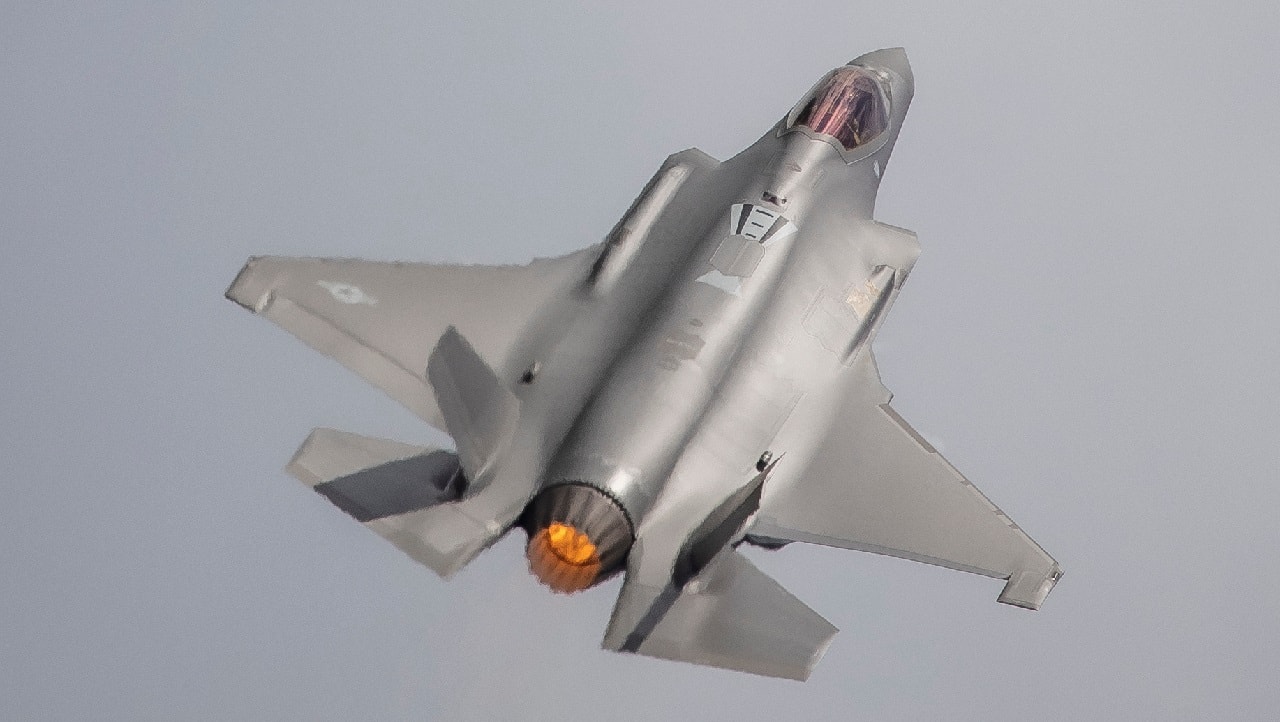
Summary and Key Points: In this legal thought experiment, attorney Harrison Kass evaluates the Lockheed Martin F-35 Lightning II through the lens of commercial “lemon laws” and consumer protection.
-Despite its role as a premier fifth-generation stealth asset in Operation Epic Fury, the program’s $2 trillion lifecycle cost, 50–55% mission-capable rate, and 800+ unresolved deficiencies would likely trigger massive civil liability in a private market.
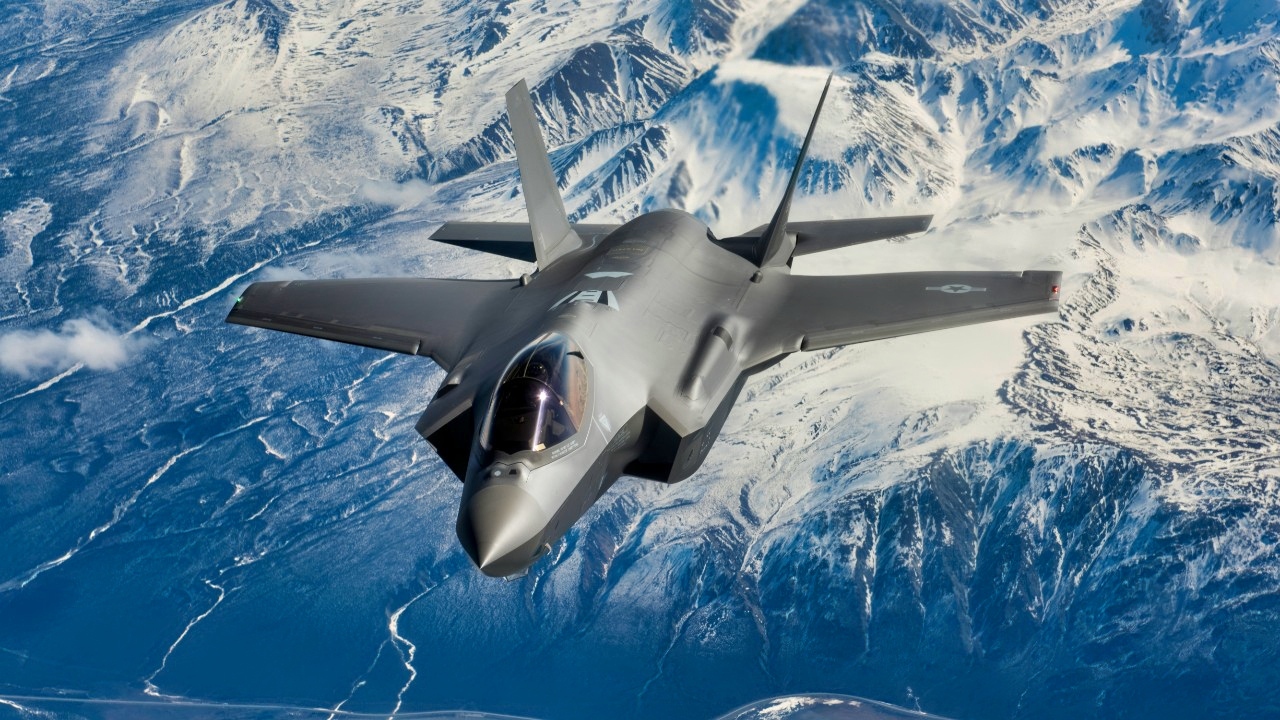
A new F-35A Lightning II fifth-generation fighter aircraft flies over the Alaska Canada Highway en route to its new home at the 354th Fighter Wing, Eielson Air Force Base, Alaska, April 21, 2020. The F-35 represents a new model of international cooperation, ensuring U.S. and Coalition partner security well into the 21st Century. (U.S. Air National Guard photo by Tech. Sgt. Adam Keele)
-Kass argues that under Uniform Commercial Code standards, the U.S. Air Force could claim a breach of implied warranty of fitness, yet Pentagon procurement remains uniquely shielded from the refunds or replacements common in ordinary commerce.
The $2 Trillion Lemon: Applying Consumer Protection Laws to the F-35 Program
What if the F-35 Lightning II were subject to consumer protection laws?
Well, let’s start with the obvious: the F-35 Lightning II is not a Toyota Camry, nor a commercial product at all.
Rather, the F-35 is a fifth-generation stealth aircraft, packed with novel technologies.
Dependent upon new software and sensors, the highly classified F-35 was a multinational project the likes of which had never really been done at scale before.
And unlike a normal car, the F-35 features stealth, sensor fusion, three variants that are different in complex ways, and an international supply chain. So friction and setbacks in the rollout are inevitable.
But all that being said, let’s walk the F-35 program through a thought experiment: compliance with commercial protections.
If the defects, delays, and cost overruns of the program were judged under ordinary commercial law norms, what accountability would Lockheed Martin owe?
Establishing the Legal Standard
If a private buyer paid for an F-35 and got the current performance outcome, what civil remedies would exist? If the F-35 were sold to a private buyer under ordinary commercial standards, would the defects and nonperformance make the aircraft a legal “lemon”
The facts at hand here are repeated delivery delays, unresolved deficiencies, underperformance against promised readiness, exploding lifecycle and sustainment costs, and an inability to fix defects within a reasonable time.
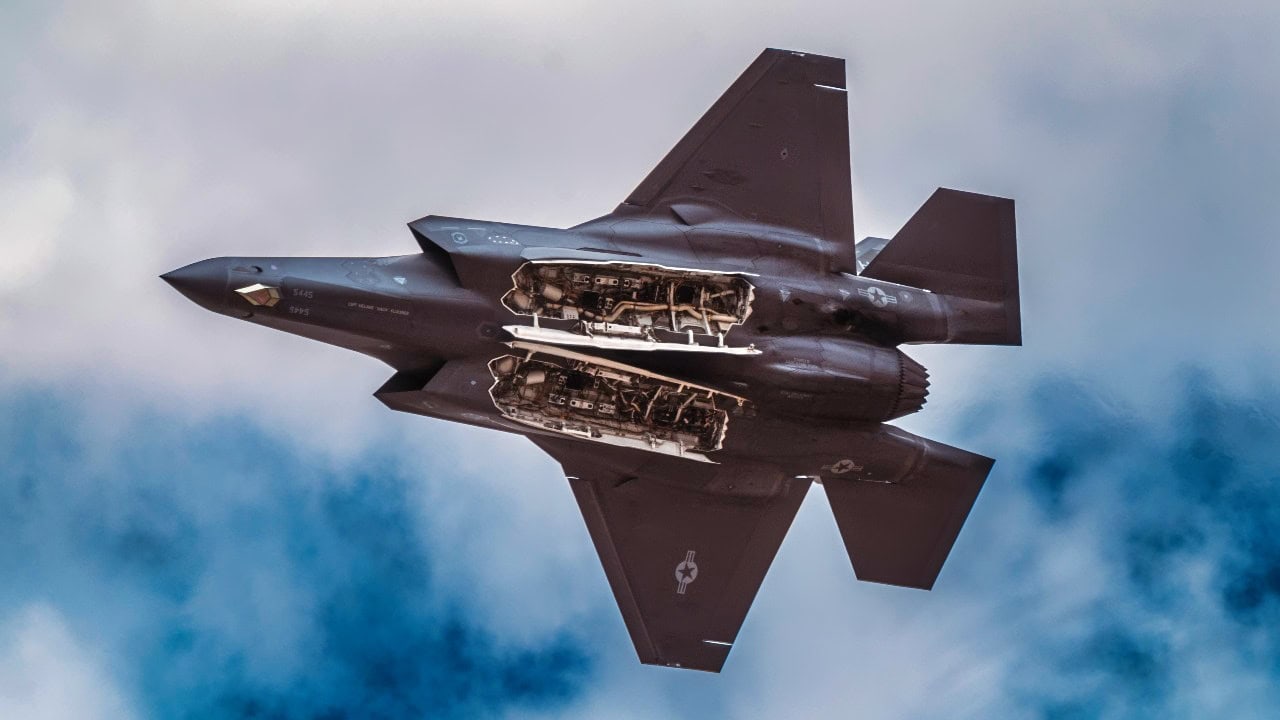
An F-35 Lightning II, assigned to the F-35 Demonstration Team, pays tribute to the past present, and future of Air Force aviation customs and capabilities during Luke Days airshow, March 23, 2024, at Luke Air Force Base, Arizona. Luke Days demonstrates the Air Force’s continuing progress in building the future of airpower with military and civilian air acts including the U.S Air Demonstration team the “Thunderbirds,” F-35A Lightning II, static displays, science, technology, engineering, and math exhibits, and military operations demonstrations. (U.S. Air Force photo by Airman 1st Class Mason Hargrove)
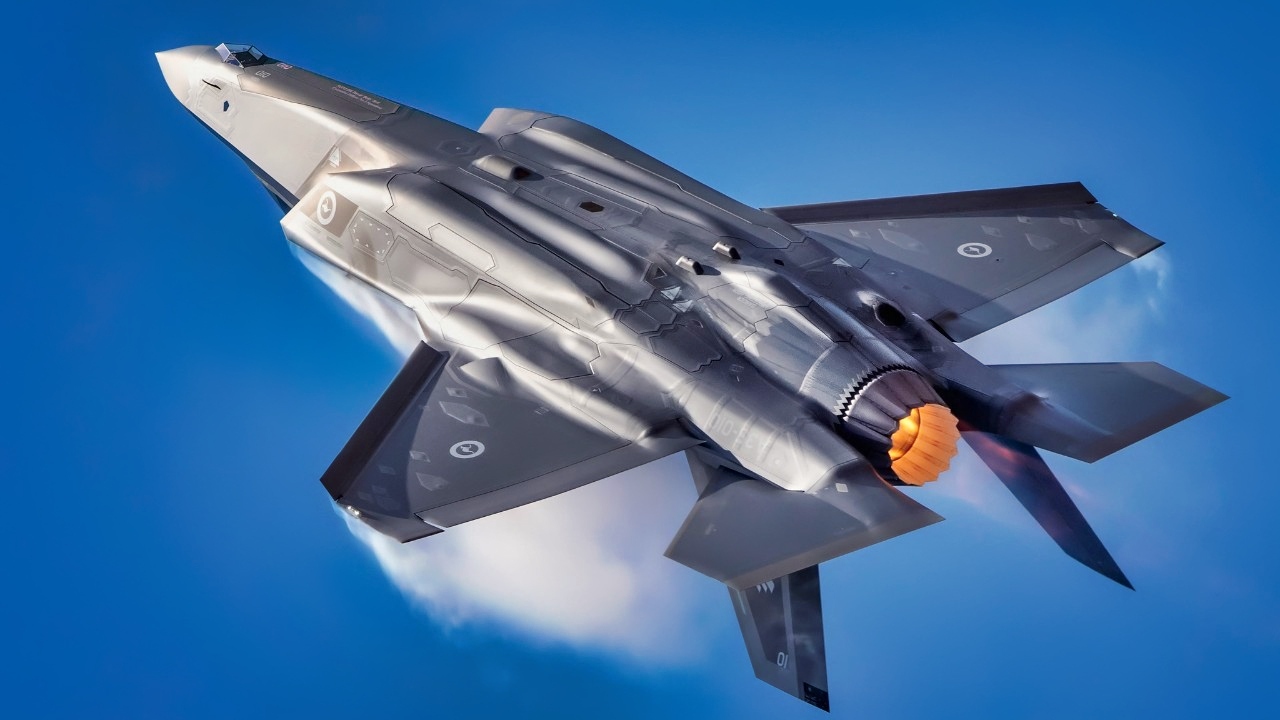
F-35 fighter. Image Credit: Creative Commons.
Several relevant legal standards may apply.
First, breach of contract. To satisfy a contract, a seller must deliver what was promised, making a timely delivery of a functioning product that is in full conformity with the agreed-upon specifications.
Two, express warranty. If the seller made specific claims about capability, readiness, delivery, cost profile, or software milestones, then a failure to meet those representations would violate an express warranty and trigger liability.
Three, implied warranty of fitness. In ordinary product sales, a product must work for ordinary intended purposes, and if the buyer relies on the seller’s expertise for specialized use, a fitness warranty may attach.
Four, “lemon” style remedies. Repeated failures of the product after repair, leaving the product out of service too often, or defects that substantially impair use, value, or safety, or repeated inability to cure the defects after reasonable attempts, would trigger lemon-style remedies.
Five, fraud/ negligent representation. If a plaintiff could prove the seller knowingly or recklessly made false claims, fraud could apply. This is a harder claim to satisfy, but would potentially be in play if performance representations were made without an adequate basis.
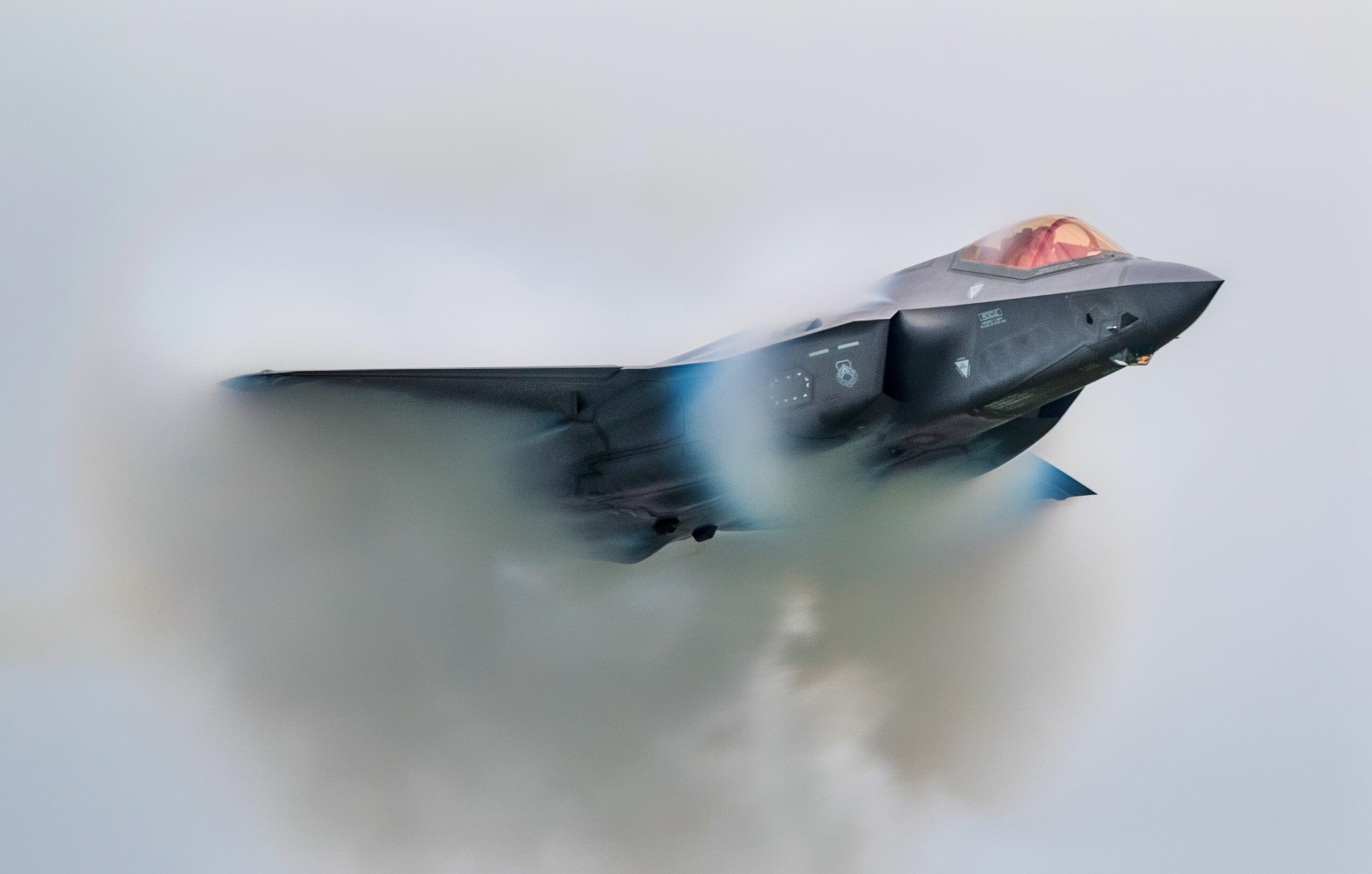
Capt. Andrew “Dojo” Olson, F-35 Demo Team pilot and commander performs aerial maneuvers during the Aero Gatineau-Ottawa Airshow in Quebec, Canada, Sept. 7, 2019. The team consists of 10 Airmen who help showcase the world’s most technologically advanced fifth-generation fighter jet. (U.S. Air Force photo by Senior Airman Alexander Cook)
Applying the F-35 to the Legal Standard
The F-35 program has suffered delivery and schedule failures, with massive delays across production and modernization, and promised milestones repeatedly pushed back.
Simultaneously, the program has suffered more than 800 unresolved deficiencies across software, mission systems, sustainment, and readiness. In a commercial legal setting, the plaintiff would argue that this is not. Minor problem, but chronic and ongoing.
The F-35’s mission-capable rate is roughly 50-55%. In a civilian/commercial context, this would be like owning a car that only worked half the time; a plaintiff would argue that this substantially impairs the product’s use and value.
The cost of the F-35 program has ballooned to more than $2 trillion. Of course, keep in mind that it is for the life of the program, which will go for decades. But still, a lot of money for sure.
Acquisition and sustainment costs have far exceeded initial public expectations. Here, a plaintiff would argue that the seller induced purchase, in part, through unrealistic cost assumptions.
Despite the glitches and the specialized attention, years of upgrades, patches, and workarounds have failed to solve the issue.
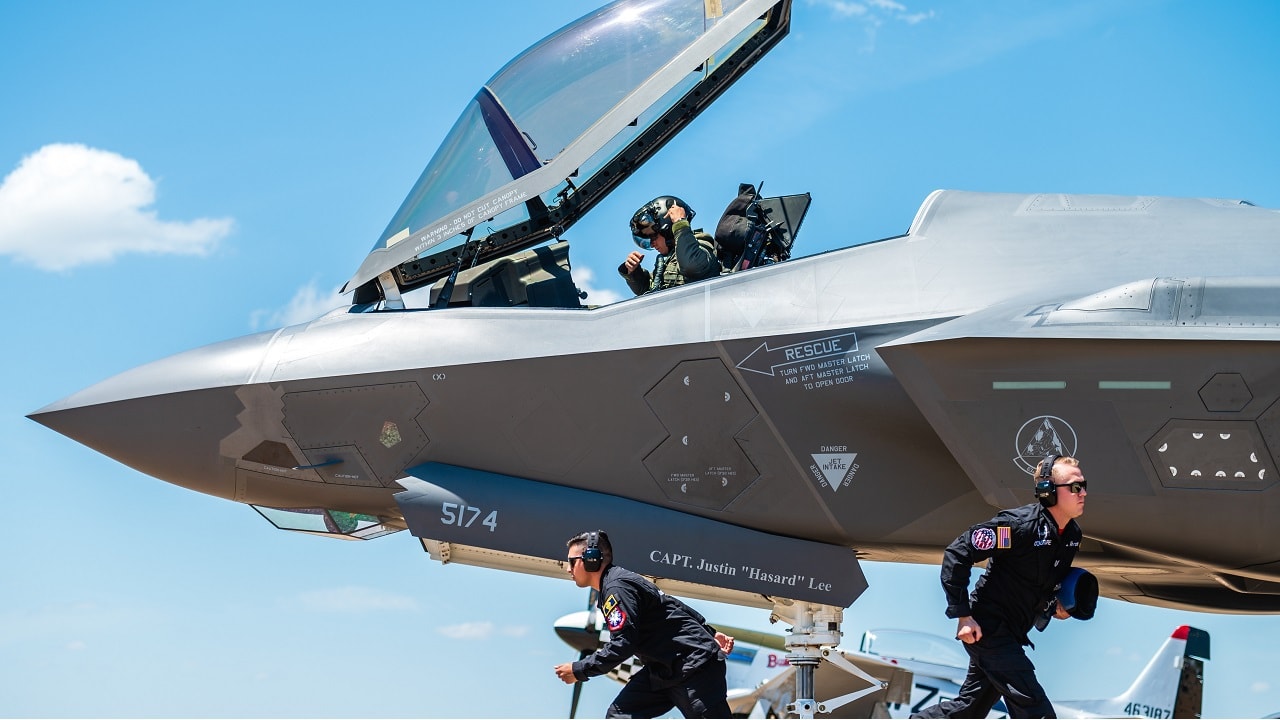
F-35 Lightning II demonstration team members sprint to their positions during the ground show at the Defenders of Liberty Air & Space Show at Barksdale Air Force Base, La., May 17, 2019. The team’s ground show consists of pre-flight inspections with sharp, quick-paced movements that showcase the pride and professionalism of the U.S. Air Force. (U.S. Air Force photo by Senior Airman Alexander Cook)
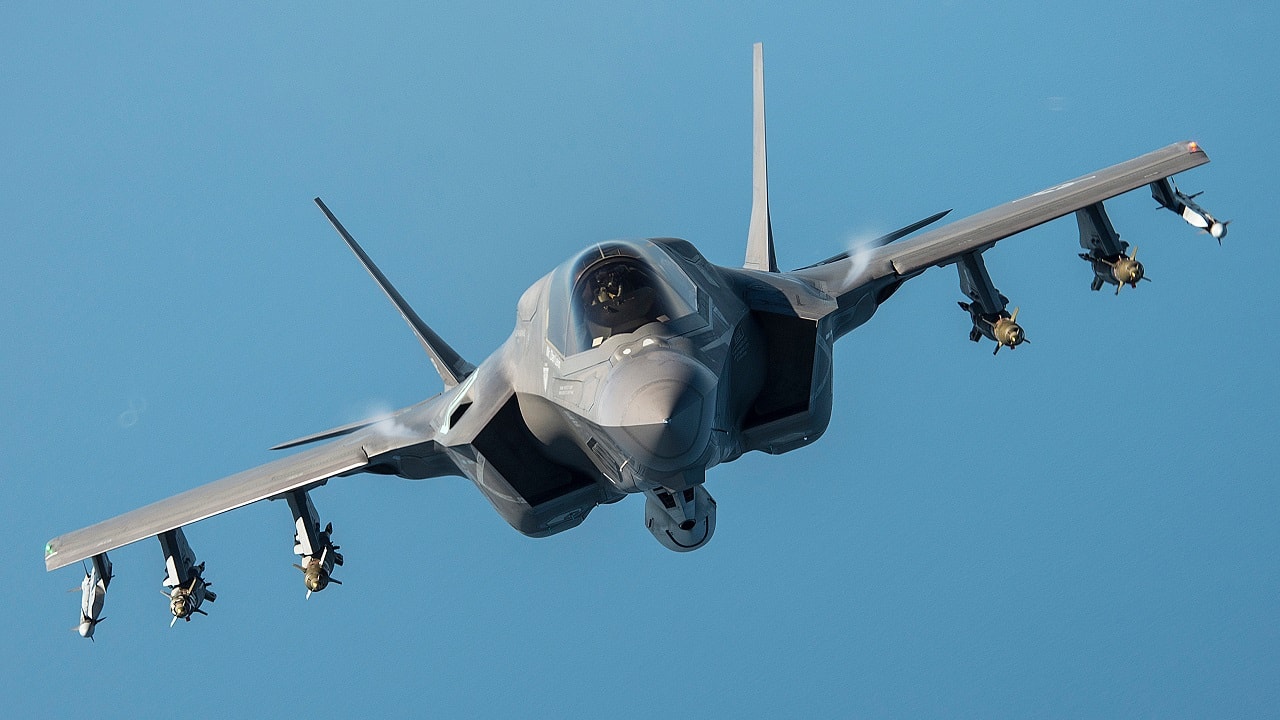
F-35 fighter shot from KC-135 tanker.
The aircraft still carries unresolved deficiencies after years in service. In lemon law terms, the seller had multiple opportunities to repair, but the product remains materially defective.
Remedies of the Law
Under commercial law, the buyer might be entitled to a refund, replacement, or a variety of damages, including diminution in value damages or consequential damages.
The plaintiff would also be entitled to attorneys’ fees and a court-supervised cure, such as mandated maintenance or software upgrades.
So, under normal commercial law, the plaintiff would have a strong case. The F-35 program’s repeated delays, unresolved defects, and low mission-capable rates would likely leave Lockheed liable. But fortunately for Lockheed, Pentagon procurement is radically different from a legal perspective.
So while, in ordinary commerce, a product like the F-35 would trigger refunds, replacements, lawsuits, et cetera, in defense acquisition, the only recourse is usually another hearing or another temporary software patch.
About the Author: Harrison Kass
Harrison Kass is an attorney and journalist covering national security, technology, and politics. Previously, he was a political staffer and candidate, and a US Air Force pilot selectee. He holds a JD from the University of Oregon and a master’s in global journalism and international relations from NYU.