
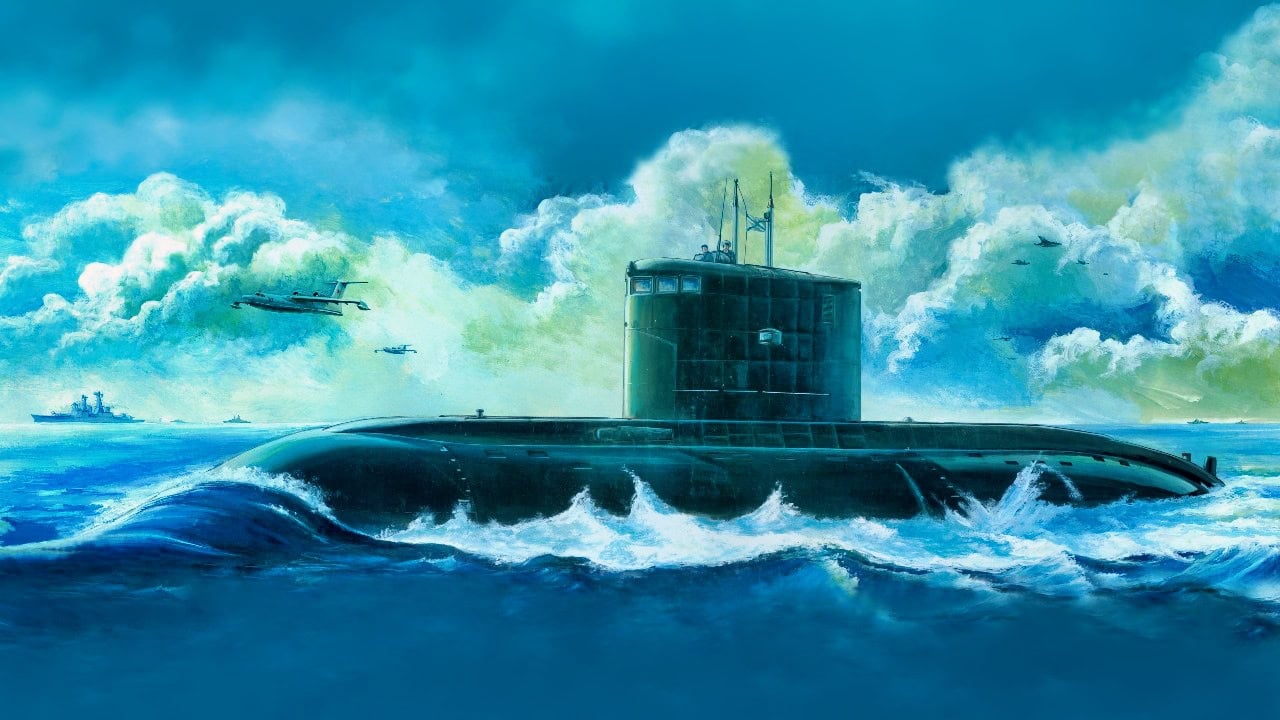
Summary and Key Points: Defense columnist Steve Balestrieri examines the stalled reality of Russia’s Amur-class submarine.
-Designed by the Rubin Central Design Bureau as the export successor to the legendary ‘Black Hole’ Kilo-class, the Amur promises stealth, Air-Independent Propulsion (AIP), and vertical launch systems for BrahMos missiles.
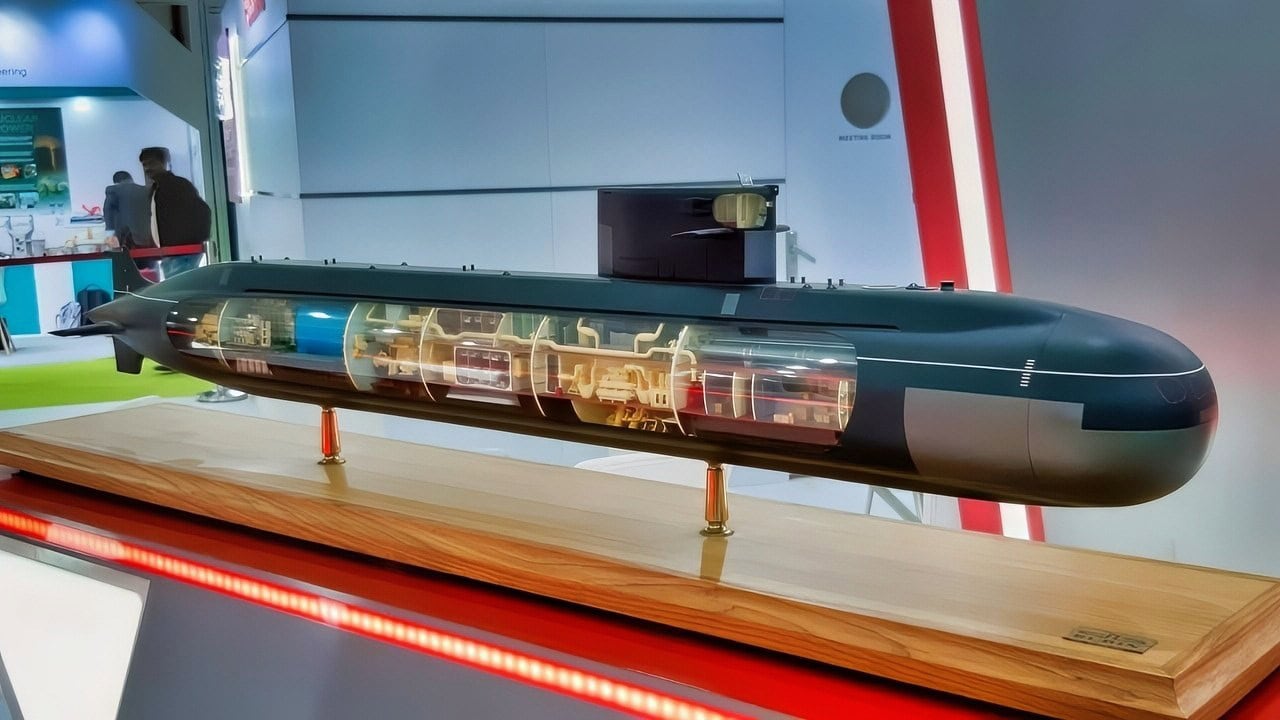
Amur-Class Submarine from Russia
-However, severe technical failures in its parent Lada-class program, compounded by crippling sanctions from the war in Ukraine, have left the Amur dead in the water. With zero hulls completed by 2026, potential buyers like India and Morocco are looking elsewhere.
Russia’s Amur-Class Submarine Has a Big Problem: No One Is Buying
Russia’s Amur-class submarine is designed as the export successor to the famed “Black Hole” Kilo-class, featuring superior stealth, advanced sonar, and vertical-launch cruise missile systems.
While marketed as exceptionally quiet, its success is hindered by development delays, a lack of secured foreign orders, and intense competition from modern air-independent-propulsion-equipped vessels.
Meet the Amur-class Submarine, Russia’s “Export” Variant
Russia’s Rubin Central Design Bureau has unveiled the Amur-950, a new cruise-missile attack submarine designed specifically for export customers, at the Army-2024 exhibition in Kubinka, Moscow Oblast.
It is a heavily modernized version of the Kilo-class and is advertised as an export version of the Lada-class.
It includes a single-hull design, enhanced stealth, and vertical launch systems for BrahMos missiles. It can also remain submerged for longer periods. The Amur-950 also offers an air-independent propulsion (AIP) option and 10 vertical launch system (VLS) cells, which enable salvo fire against.
The Amur-class is designed to operate in both shallow and deep waters, in all weather conditions. Its endurance, stealth, and firepower enable it to conduct a variety of missions, including coastal defense, anti-submarine warfare, anti-surface warfare, intelligence gathering, and support for special operations.
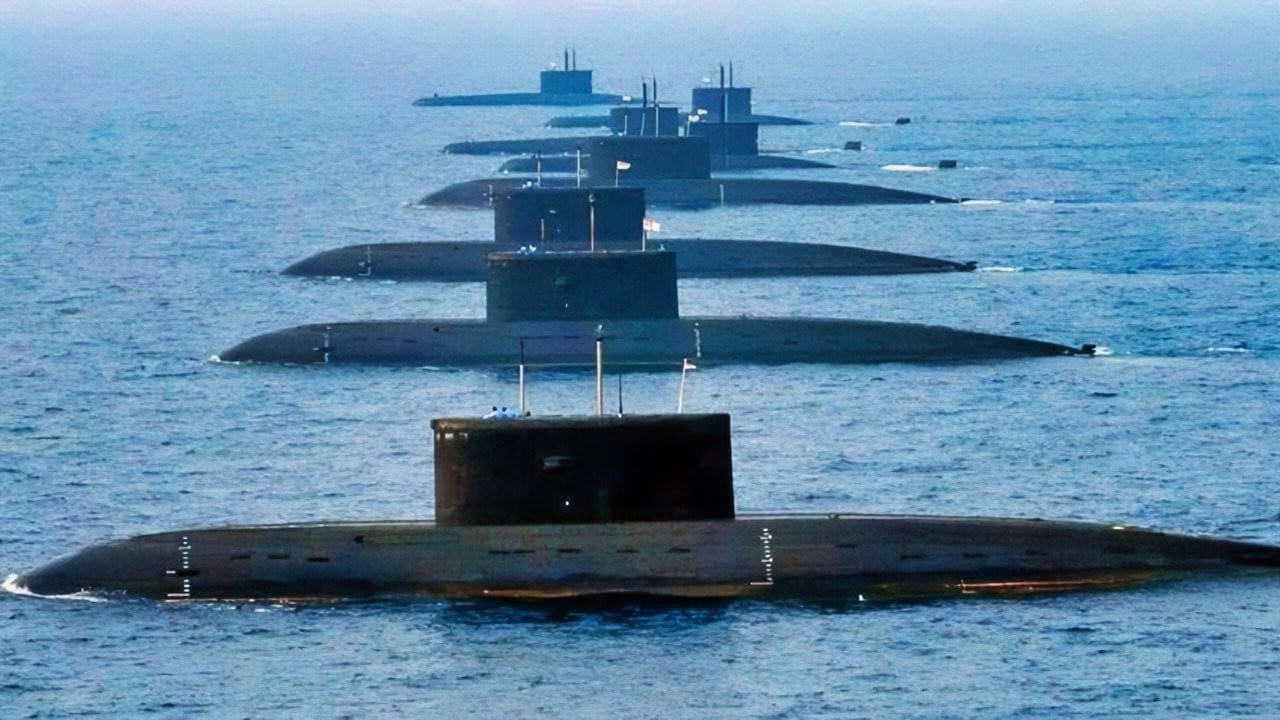
Kilo-Class Submarines All Together. Image Credit: Creative Commons.
The name “Amur” is derived from the Amur River in eastern Russia. The class comes in two distinct variants, the Amur-1650 and the Amur-950.
The Amur-950 is the smaller of the two, with a surface displacement of approximately 1,065 tons and a length of about 56.8 meters. It is designed for shorter missions and features a crew of 19.
The Amur Has 10 VLS Cells
One notable feature is the inclusion of 10 vertical launch system cells, which enable salvo fire against multiple predesignated targets. Sonar signatures of these submarines are reportedly several times lower than those of the older Kilo-class submarines. It is designed as a capable littoral boat.
The Amur-1650 is larger and intended for longer missions. It has a surface displacement of around 1,765 tons and a length of 66.8 meters.
With a crew of 35, it is designed for more extended missions and has greater endurance and payload capacity. The Amur-1650 is equipped with six 533 mm torpedo tubes capable of launching torpedoes, mines, and potentially cruise missiles.
The Amur’s Stealth Properties
The Amur-class submarine is designed with significantly improved acoustic stealth compared to its predecessors, particularly the Kilo-class, making it quieter and more challenging to detect.
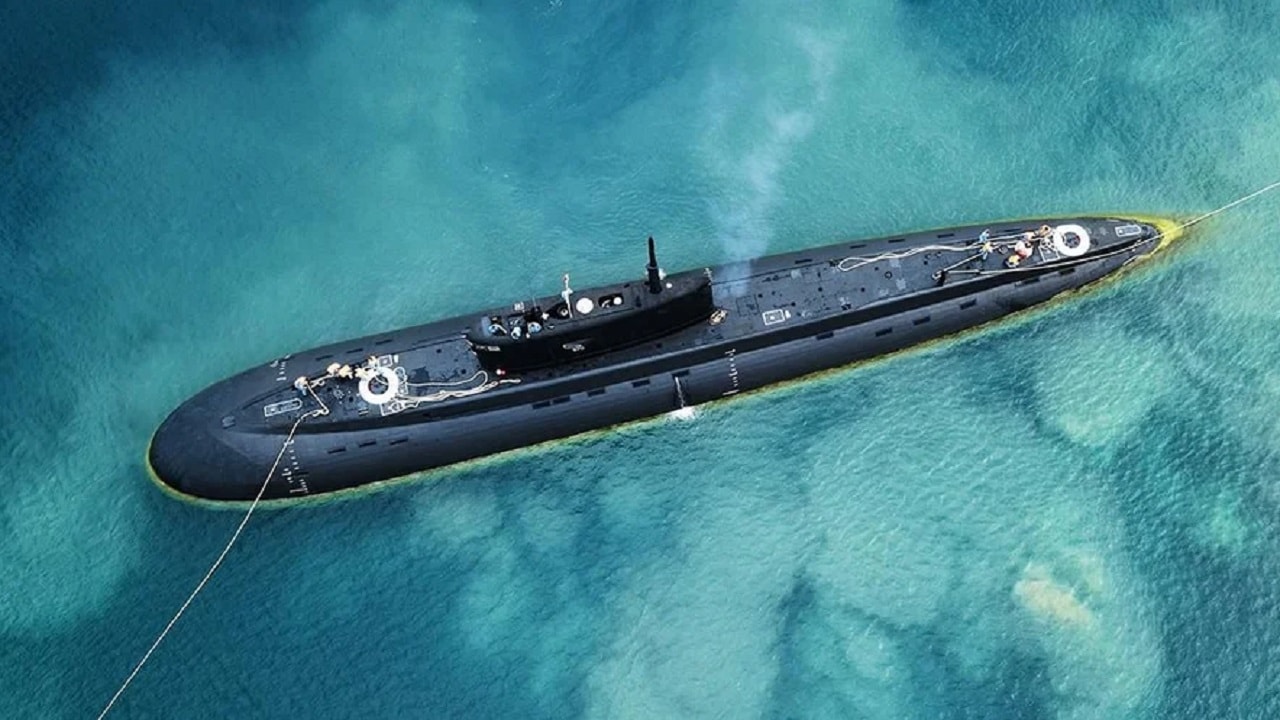
Kilo-Class Submarine. Image Credit: Creative Commons.
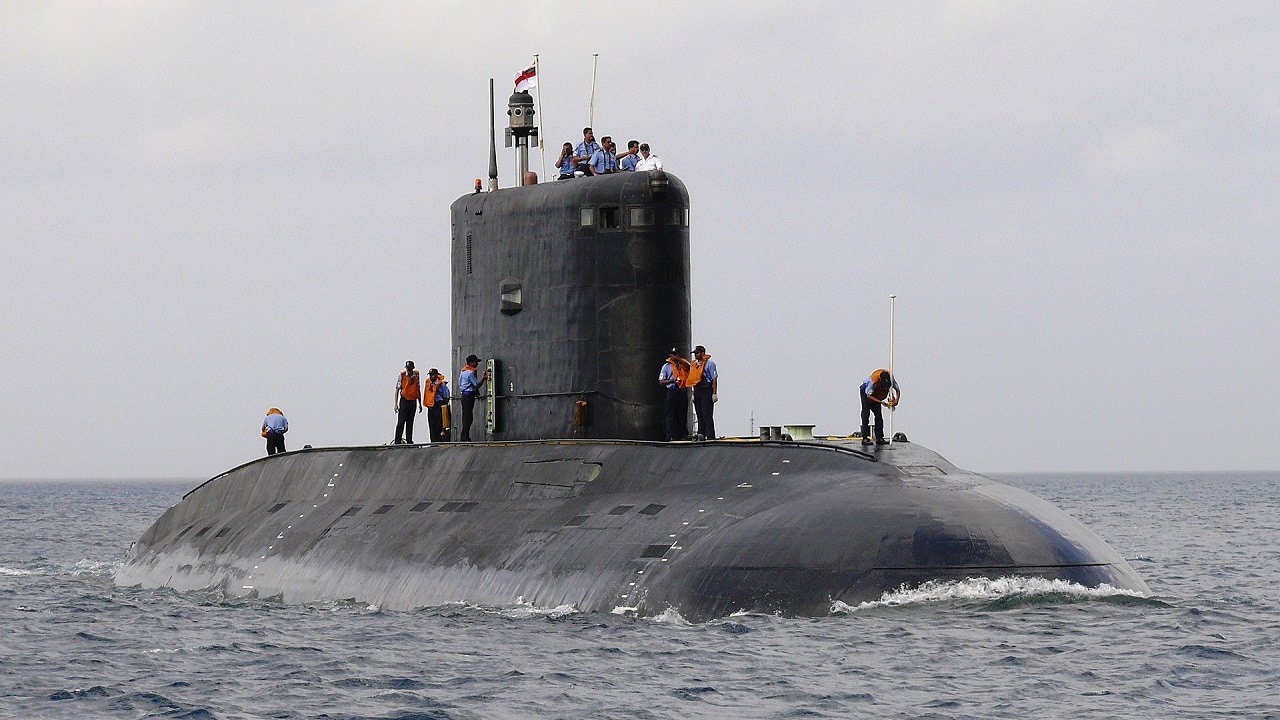
Kilo-Class Submarine.
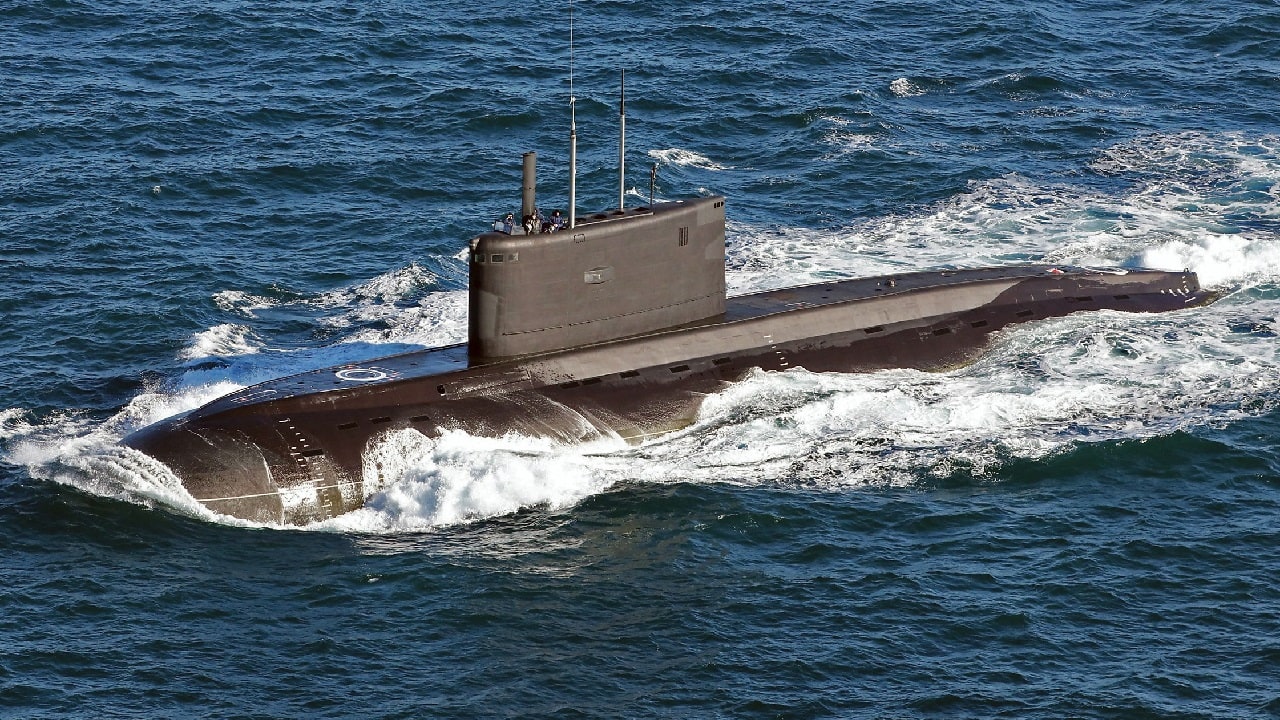
Pictured is a Kilo-Class Russian Submarine in the English Channel. The image was taken from Royal Navy Wildcat HMA2 Helicopter of 815 Naval Air Squadron. Kilo class is the NATO reporting name for the diesel-electric attack submarine.
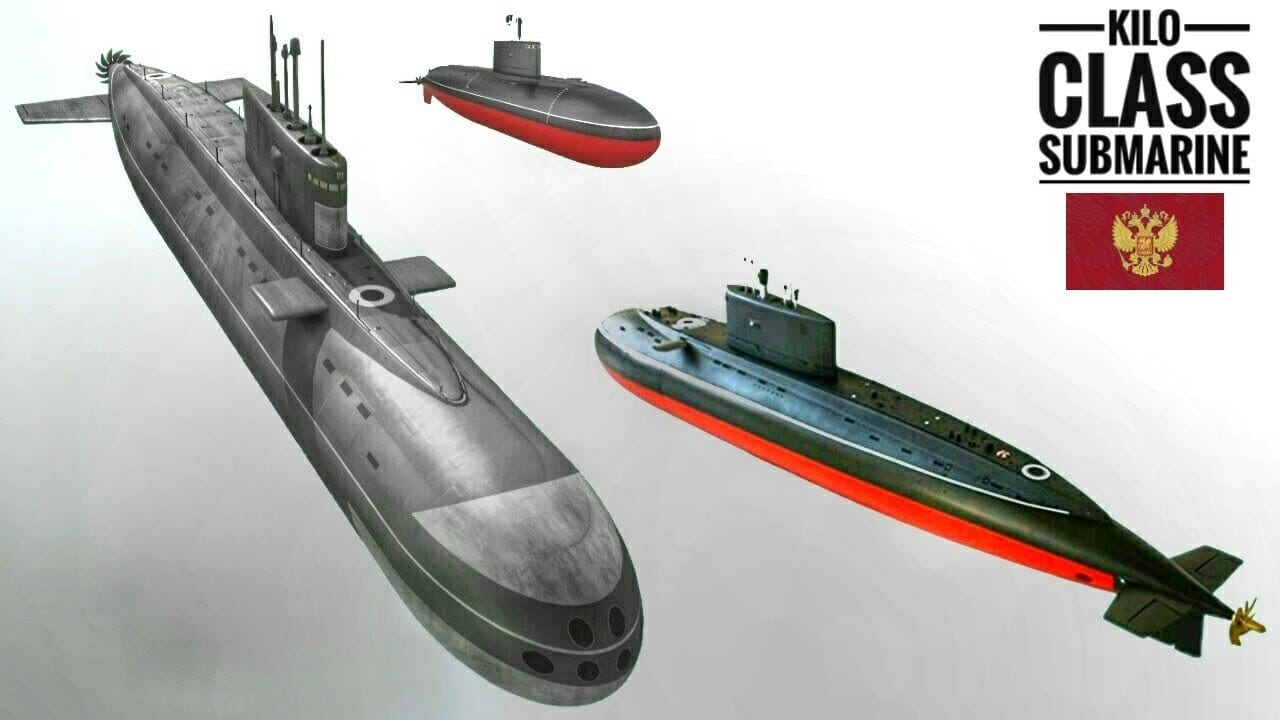
Kilo-class Submarine. Image Credit: Creative Commons.
Its stealth capabilities are enhanced by features such as a single-hull design, improved anechoic tiles, a low-noise propulsion system, an option for air-independent propulsion to extend submerged endurance, and new-generation electronic warfare systems. The Amur-class is also built on a modern design with improved combat systems.
It Is Hard to Export When They Haven’t Built Any
The design is export-oriented, particularly for customers such as the Indian Navy. Russia, through its rocket design bureau, NPO Mashinostroyeniya, has offered to jointly develop and collaborate on the Amur-1650 and the BrahMos missile program with India’s Defence Research and Development Organisation.
Morocco is in discussions with Russia to potentially acquire the Amur-1650 diesel-electric submarine, though no deal has been finalized. And one reason is that Russia still hasn’t built one.
This would significantly boost Morocco’s naval power, but it faces competition from French and German offers. The potential purchase is part of Morocco’s broader military modernization efforts and is viewed in the context of regional defense competition.
Promising Design, But Russia’s Realities Doom This Design
Russia has not sold any Amur-class submarines because the project has faced significant delays, and potential buyers have been dissatisfied with the slow progress and technical issues, leading them to choose other options. Technical problems, such as with the combat management and sonar systems, have also created a perception of unreliability.
The combat management system of the Amur-class’s predecessor, the Lada-class, was reportedly incompatible with the ship’s sonar and fire control systems, leading to the system falling behind and eventually crashing. This led the Russian Navy to consider further investment in the project unwise, impacting export prospects.
Lack of progress is a showstopper. Potential buyers like India and Morocco have been deterred by the project’s slow pace.
India considered the Amur-1650 for its Project 75I program but ultimately chose the French Scorpène-class, partly due to concerns that the Amur-class would not be completed until 2030.
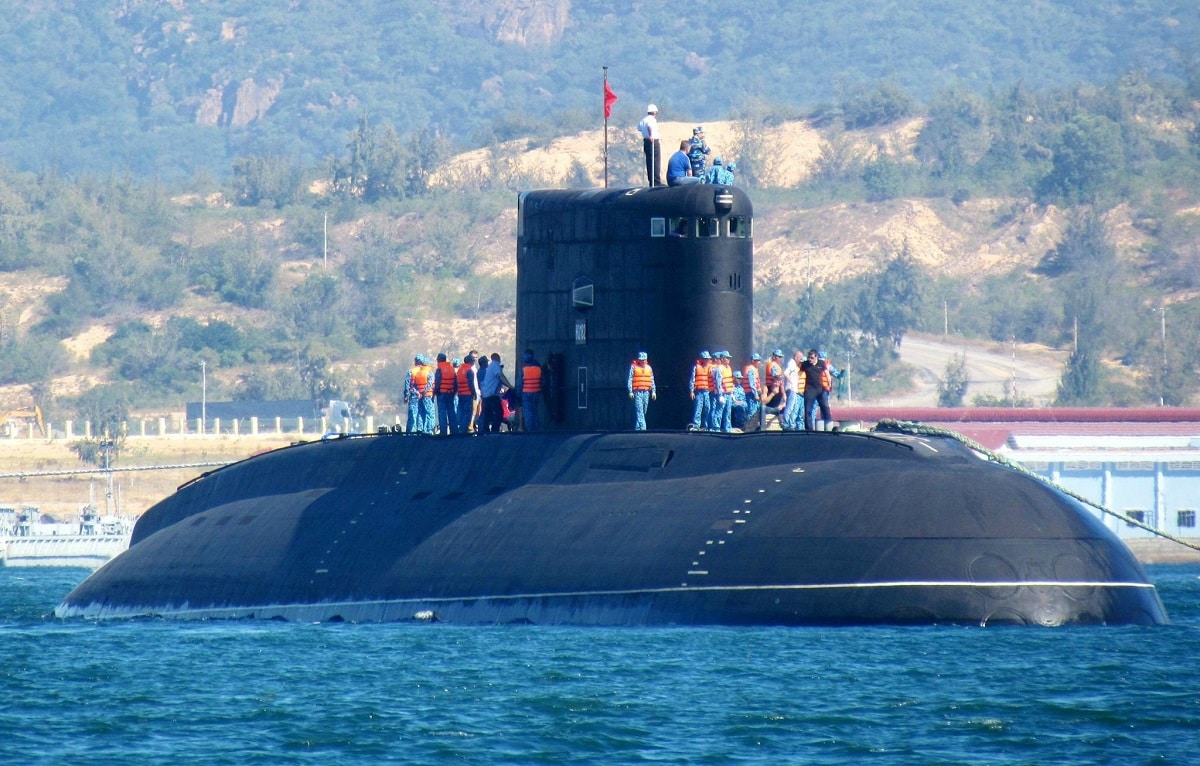
Russia-built Kilo-class Submarine. Image Credit: Creative Commons.
Morocco typically buys American-built weapons, so its pending decision to possibly buy Russian-made equipment is worth watching.
In 2021, Argentina was approached about purchasing the Amur-1650 submarine, but no agreement was reached.
China, which had previously signed an agreement to purchase Amur-class submarines, has since moved on to its own, more advanced Type 039 series of conventional submarines.
Russian Production Issues
The Russian submarine industry is facing broader challenges, including a lack of funding and components due to the war in Ukraine, which further hampers new construction and the Amur-class’s export potential.
To date, not a single Amur-class submarine has been completed. And it has raised questions about the submarine class’s ultimate viability.
The sanctions, which have severely crimped Moscow’s economy, have severely limited its ability to produce and deliver enough military equipment to supply its own forces, mired in a Ukrainian meatgrinder.
And trying to build an initial export submarine is a non-starter.
About the Author: Steve Balestrieri
Steve Balestrieri is a National Security Columnist. He served as a US Army Special Forces NCO and Warrant Officer. In addition to writing on defense, he covers the NFL for PatsFans.com and is a member of the Pro Football Writers of America (PFWA). His work was regularly featured in many military publications.