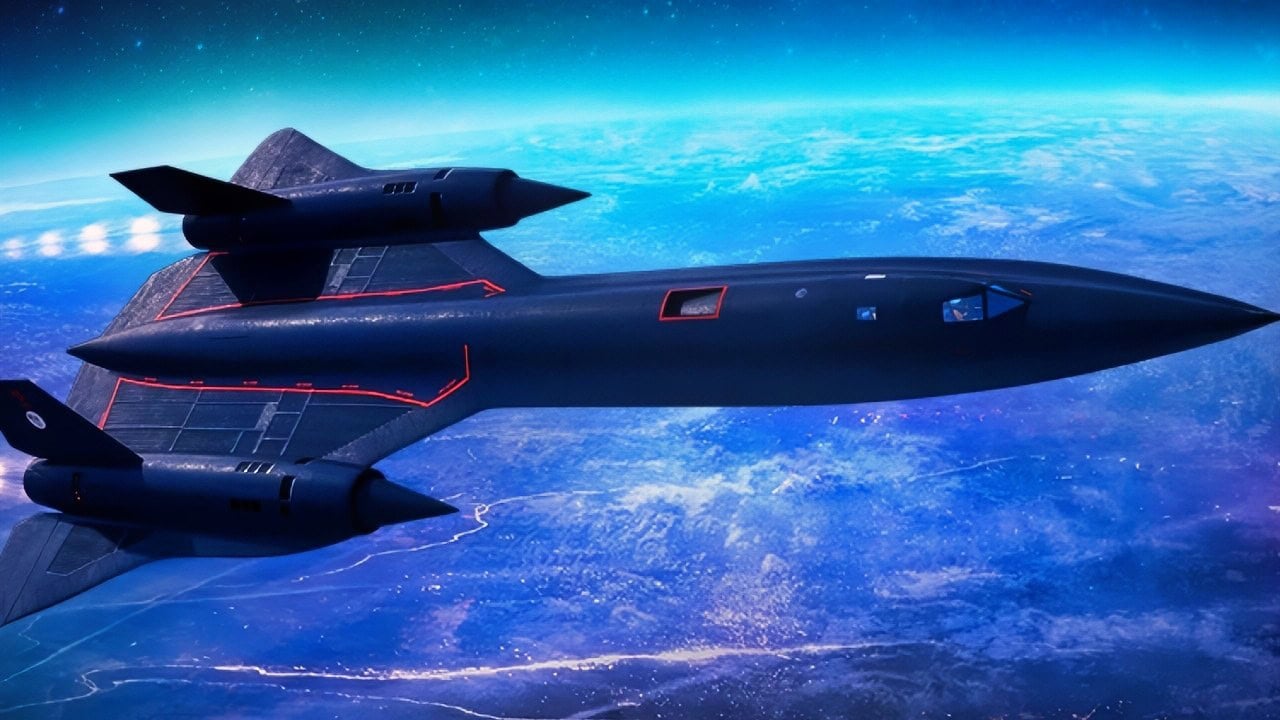
Outrunning the Cold War: The Untouchable Legacy of the SR-71 Blackbird
Of all the aircraft produced during the Cold War, none has captured the public’s interest quite like the SR-71 Blackbird. Designed by engineer Clarence “Kelly” Johnson and his team at Lockheed Martin’s Skunk Works division, the SR-71 is one of the fastest manned aircraft ever put to the skies.
Its black, sleek design made it a symbol of American Aerospace engineering prowess, and many of the flight records it earned during its career, it maintains to this day. But what made the Blackbird such a great aircraft, and why did the U.S. Air Force retire such a legendary plane?
The A-12 Oxcart: the Blackbird’s Predecessor
The SR-71’s development first began back in the 1960s. As the Cold War progressed, air defense technology steadily became more advanced. This meant that earlier models of reconnaissance aircraft were increasingly placed in danger.
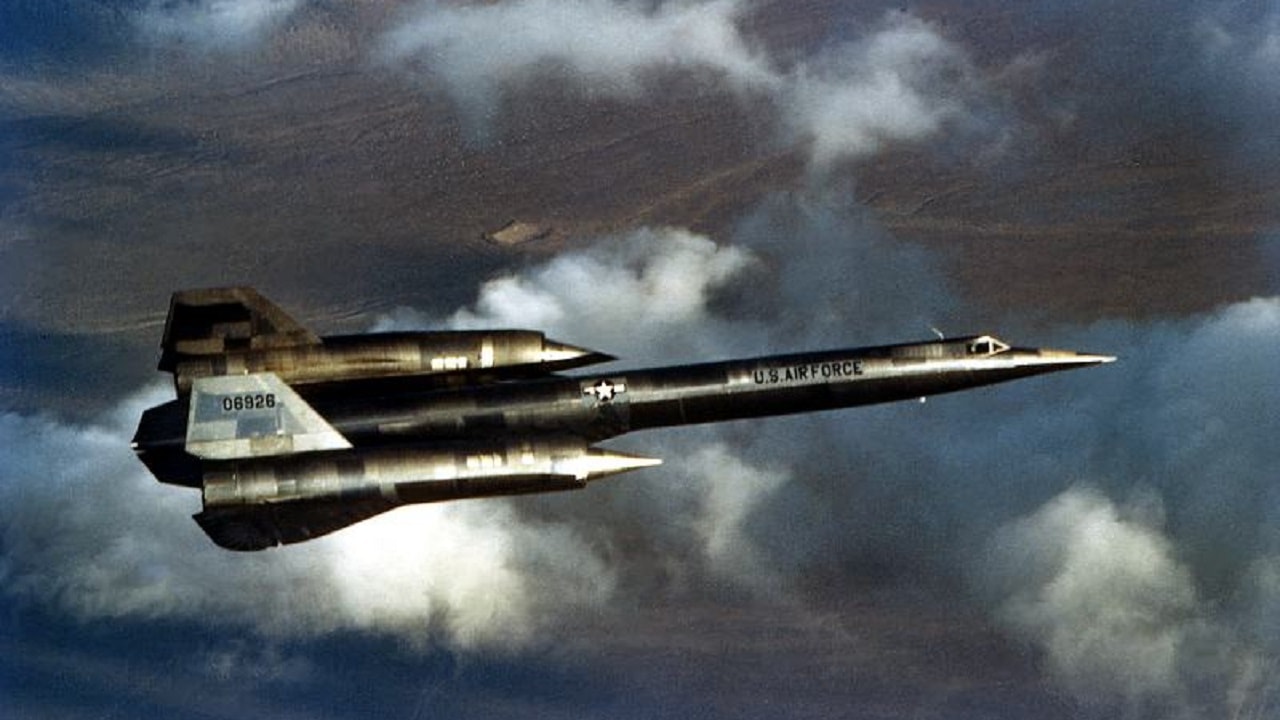
A-12 Oxcart. Image Credit: Creative Commons.
The Lockheed U-2, also a creation of Kelly Johnson’s Skunk Works team, successfully performed this mission for several years by flying at altitudes beyond the reach of early Soviet air defenses.
However, as Soviet radar and missile technologies rapidly advanced, it became clear that the U-2’s days were numbered as a viable overflight platform. This reality became starkly undeniable when a U-2, piloted by Francis Gary Powers, was shot down in May 1960. The incident revealed that high-altitude flight alone could not guarantee evasion, and a new generation of reconnaissance aircraft would be needed.
In response, the CIA commissioned Lockheed to create an aircraft that could fly at previously unimaginable speeds and altitudes while presenting a significantly reduced radar signature. The resulting project, codenamed Oxcart, led to the development of the A-12, the direct predecessor of the SR-71. The A-12 was a radical departure from contemporary aircraft design.
It was built with titanium, a metal rarely used in aviation at the time due to its difficulty to obtain and machine. Ironically, much of the titanium used for the program was procured indirectly from the Soviet Union through a network of shell companies.
Design and Development
The A-12’s shape was optimized for both aerodynamic efficiency and reduced radar visibility. Its sharp, tapered extensions of the fuselage produced additional lift at high speeds while simultaneously reducing the aircraft’s radar cross-section.
Beneath the surface, the A-12’s systems were engineered to survive the extreme heat generated during sustained flight above Mach 3. At such speeds, skin temperatures exceeded 600 degrees Fahrenheit, forcing engineers to design joints, panels, and internal components that could expand and contract dramatically during flight. The fuel, specially formulated JP-7, doubled as a heat sink to cool avionics and hydraulic systems.
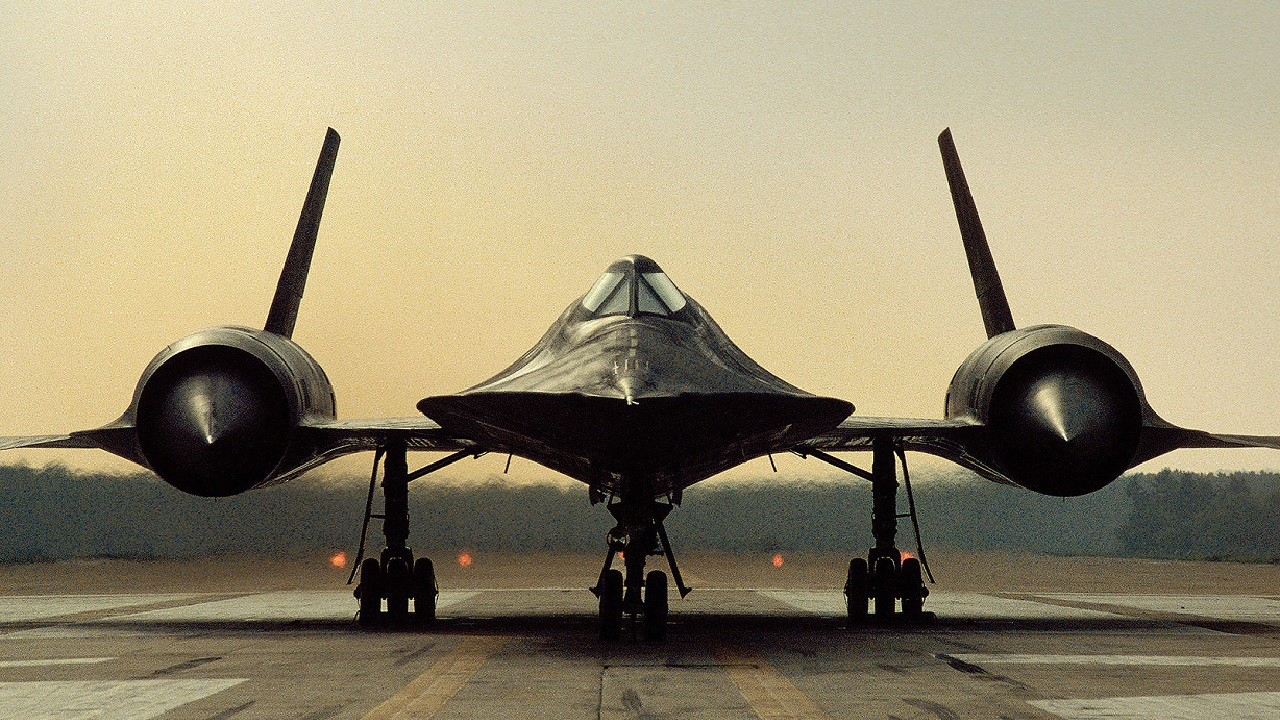
SR-71 Spy Plane. Image Credit: Creative Commons.
The A-12 made its first flight in April 1962 and proved to be remarkably capable. Yet the CIA’s aircraft, though highly advanced, was designed for single-seat covert reconnaissance missions. The U.S. Air Force soon recognized the need for a two-seat strategic reconnaissance aircraft with expanded sensor capabilities and greater operational flexibility. This realization led to the A-12 being transformed into a new variant: the SR-71.
What Made the SR-71 so Fast?
Behind its pilot-oriented cockpit systems and sleek appearance, the SR-71’s true brilliance lay in the harmony between its structural design, aerodynamic form, and unusual propulsion system. The aircraft’s Pratt & Whitney J58 engines operated as a hybrid between turbojet and ramjet. At lower speeds, the engines functioned like typical turbojets.
As the aircraft accelerated, bypass systems gradually redirected increasing amounts of air around the engine core, allowing the inlet shock cone and external compression to produce most of the thrust. This design enabled the SR-71 to cruise continuously above Mach 3, an extraordinary achievement for a manned aircraft. At cruising speed, the kinetic heating was so intense that the aircraft lengthened by several inches. As a result, its fuel tanks were intentionally loose on the ground and sealed only when the aircraft heated during high-speed flight.
The most iconic feature of the SR-71 was its matte black finish. Although often assumed to be purely aesthetic, the coating incorporated radar-absorbing materials that contributed to reduced detectability. Additional stealth features included angled vertical stabilizers and carefully shaped fuselage edges.
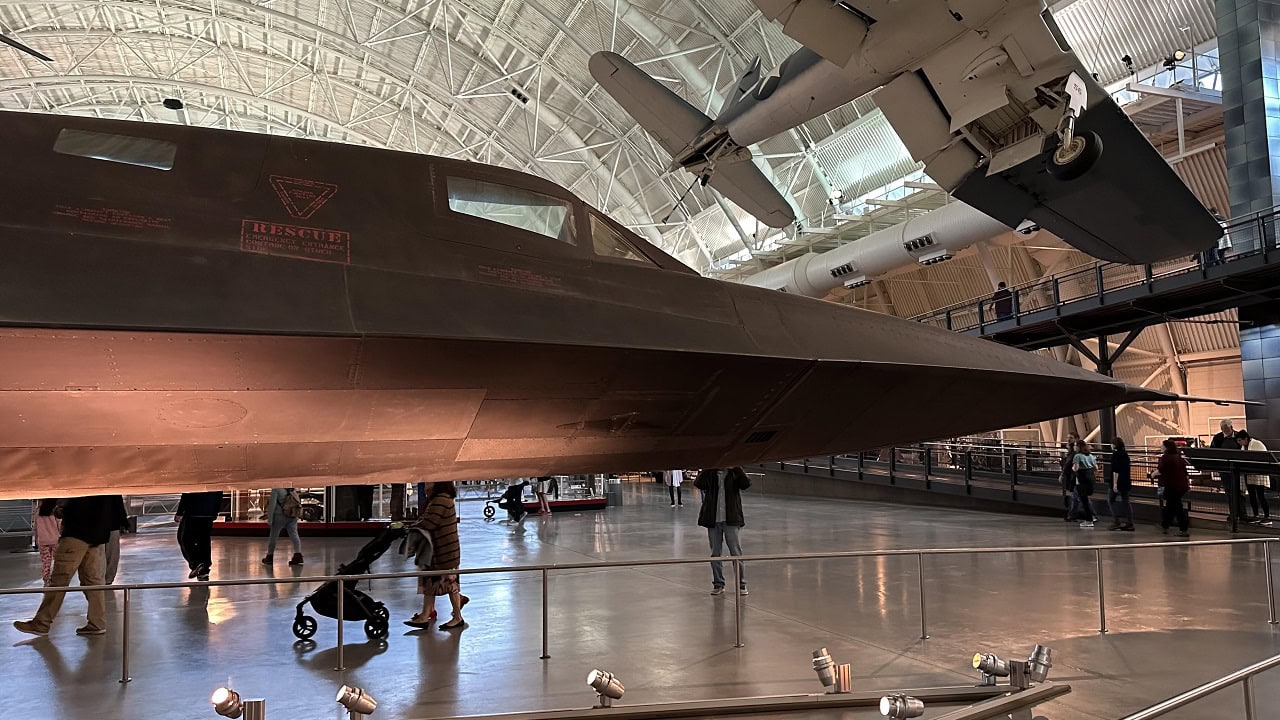
SR-71. SR-71 photo taken at the National Air and Space Museum. Taken by 19FortyFive on 10/1/2022.
Combined with its altitude and speed, the aircraft’s stealth characteristics made it exceptionally difficult to track or intercept. It should be noted, however, that the SR-71’s stealth capabilities pale in comparison to traditional stealth aircraft. Despite its lower visibility, the aircraft was still frequently detected by Soviet radars.
The Blackbird in Service
The SR-71 entered operational service in January 1966. Over the decades that followed, it would fly some of the most demanding reconnaissance missions in modern history.
During the Vietnam War, the aircraft collected intelligence on North Vietnamese installations, troop movements, and air defense networks. Despite hundreds of attempts to shoot it down with surface-to-air missiles, not a single SR-71 was ever lost to hostile fire. Crews often joked that the only real defense the aircraft needed was speed; if a missile launch was detected, they simply increased throttle and outran the threat.
Beyond Southeast Asia, the SR-71 became a critical asset in numerous geopolitical hotspots. It monitored Soviet naval activities across the globe, conducted surveillance during the Yom Kippur War in 1973, and provided vital intelligence on North Korea, Cuba, and the Middle East. The SR-71 never directly penetrated the USSR’s airspace.
Soviet air defense and interceptors were too dangerous to challenge, even for the Blackbird.
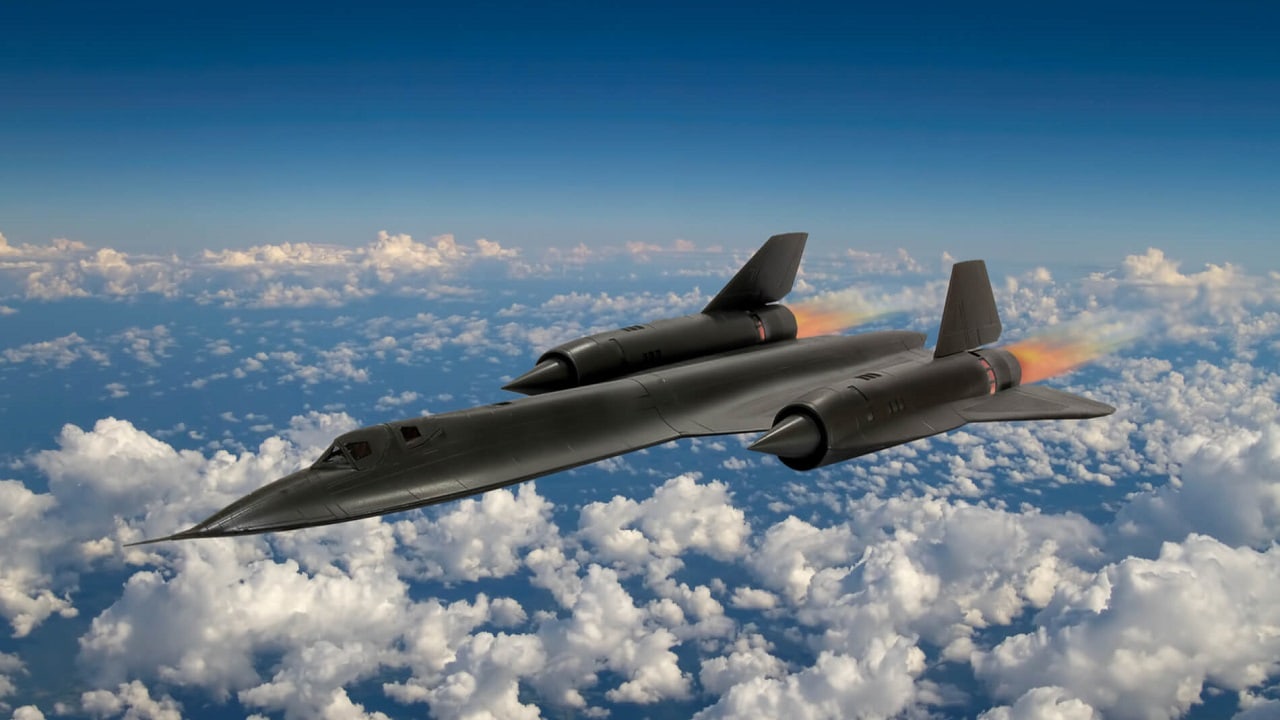
SR-71 Spy Plane. Image Credit: Creative Commons.
However, its unmatched speed led to multiple world records for altitude and time-distance flights, records that still stand today.
Despite its extraordinary capabilities, the SR-71 was expensive to operate and maintain. Each aircraft required a large team of specialists, specialized fueling equipment, and extensive maintenance due to the extreme wear inflicted by high-speed flight.
As satellite reconnaissance became more advanced and budgetary pressures increased, the Air Force faced repeated debates about whether to continue flying the Blackbird. The aircraft was officially retired in 1990, briefly resurrected in the mid-1990s, and retired again in 1998. NASA’s use of two SR-71s for experimental research lasted until 1999, marking the final chapter in the aircraft’s operational timeline.
About the Author: Isaac Seitz
Isaac Seitz, a Defense Columnist, graduated from Patrick Henry College’s Strategic Intelligence and National Security program. He has also studied Russian at Middlebury Language Schools and has worked as an intelligence Analyst in the private sector.