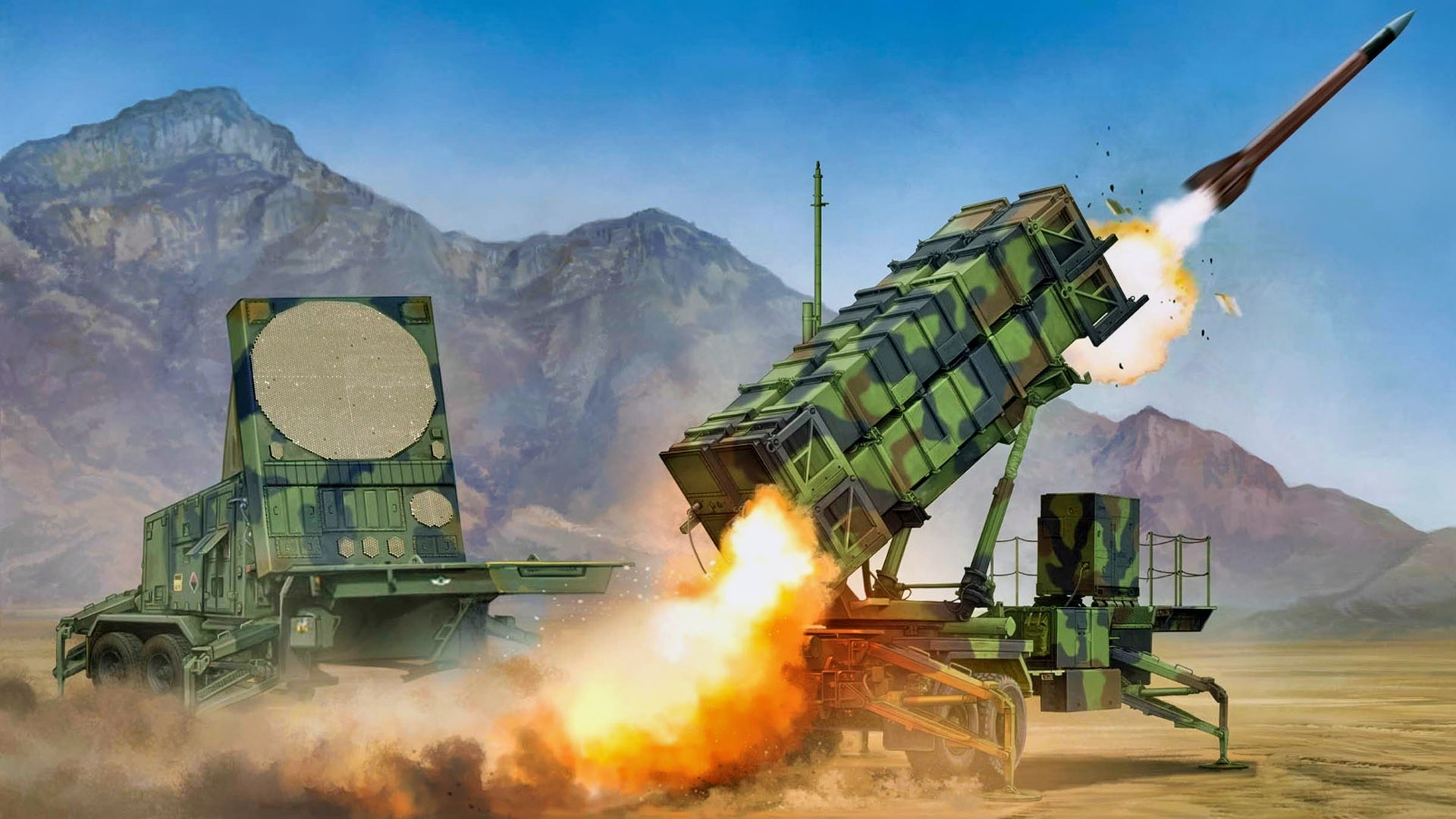
Summary and Key Points: Caleb Larson notes that the massive resource drain of the ongoing conflict in Iran is creating an unexpected geopolitical winner: China.
-With the U.S. shifting critical forces like the 31st Marine Expeditionary Unit away from Japan and burning through years’ worth of air defense missiles in a matter of days, Washington’s focus has pivoted sharply away from the Pacific.
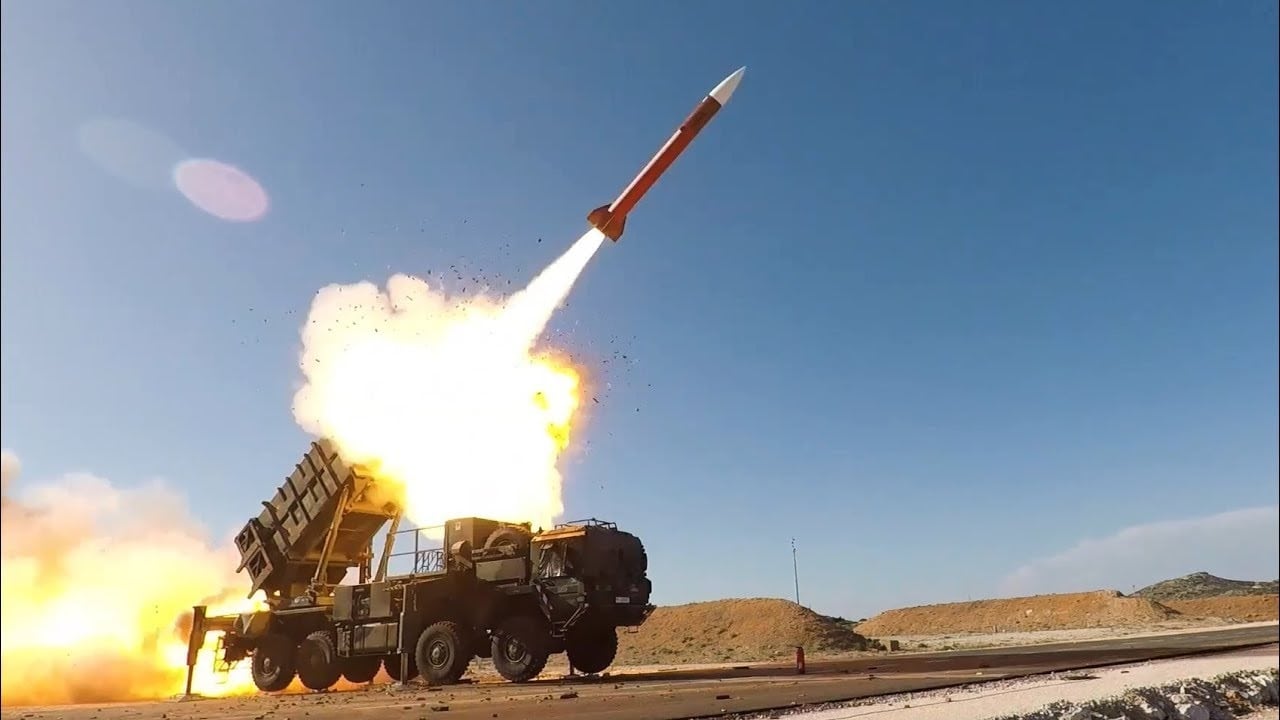
Patriot Missile. Image Credit: Lockheed Martin.
-As the United States depletes its high-end stockpiles to secure the Middle East, China is quietly capitalizing on the distraction while securing millions of barrels of heavily discounted Iranian oil.
Why the U.S. Surge in Iran Leaves the Indo-Pacific Vulnerable to China
As Washington surges assets to the Middle East and prepares for potential land operations against Iran, markets are trembling. The Strait of Hormuz, through which 15–20 percent of the world’s oil transits—not to mention huge quantities of fertilizer and other products—is effectively closed by Iran.
China is the one country that may stand to gain.
A Partnership Under Strain — but a Partnership Unbroken
Though China is one of the world’s manufacturing heavyweights, it carries little diplomatic heft. Tehran has sought to formalize defense ties with China, but Beijing has refused.
Still, China has not backed away from its deepening energy and dual-use technology ties to Iran, even if its strategic partnership doesn’t rise to the level of a NATO-style defense alliance.
Around 90 percent of Iran’s crude oil exports—totaling about 1.6 million barrels per day—are shipped to China.
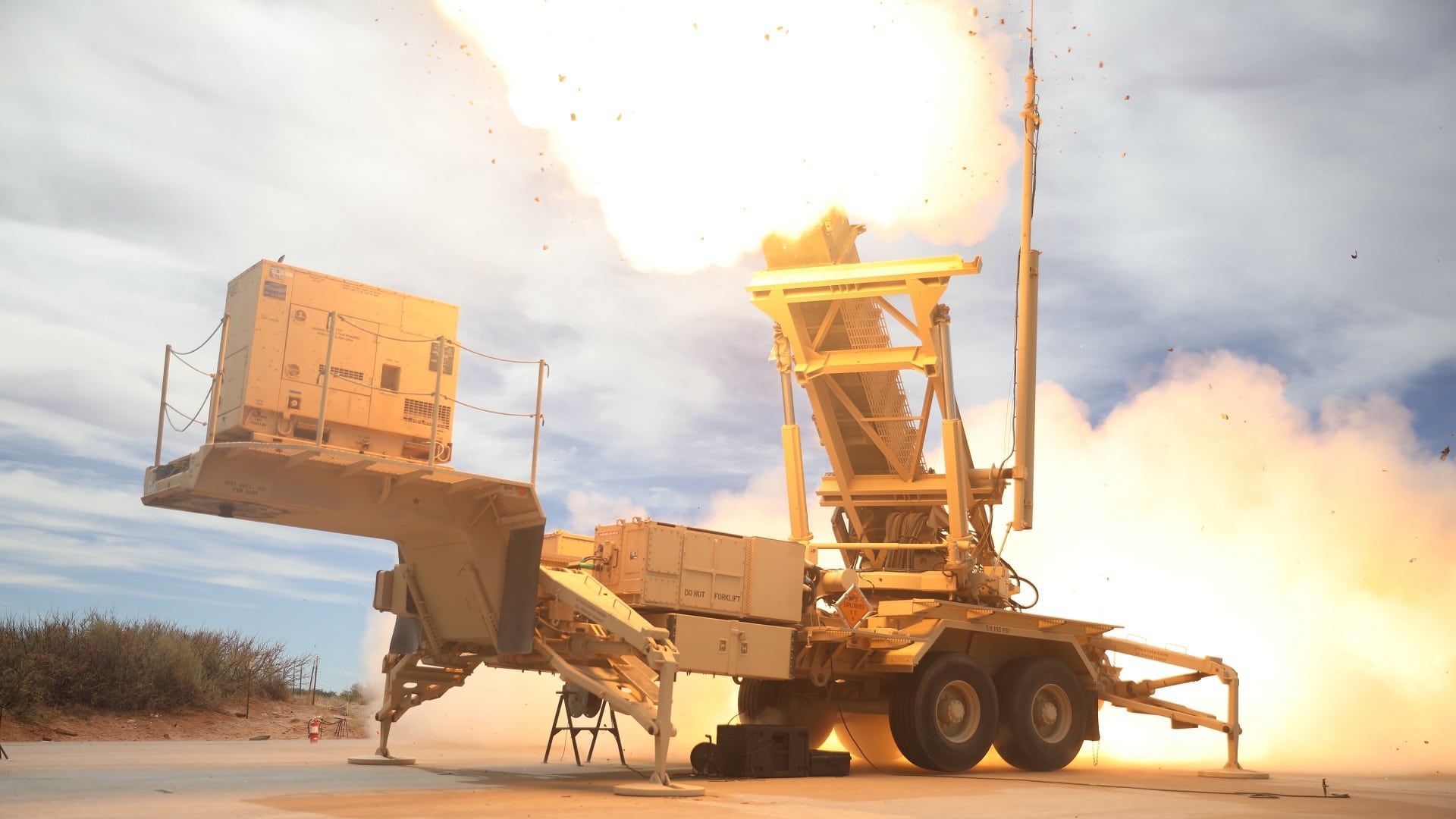
Soldiers from 69th Air Defense Artillery Brigade conducted Patriot Missile live fire training, November 5, at McGregor Range Complex on Fort Bliss. The live fire exercise was conducted jointly with Air Defense counterparts from the Japanese Self-Defense Force. (U.S. Army Photo by Staff Sgt. Ian Vega-Cerezo)
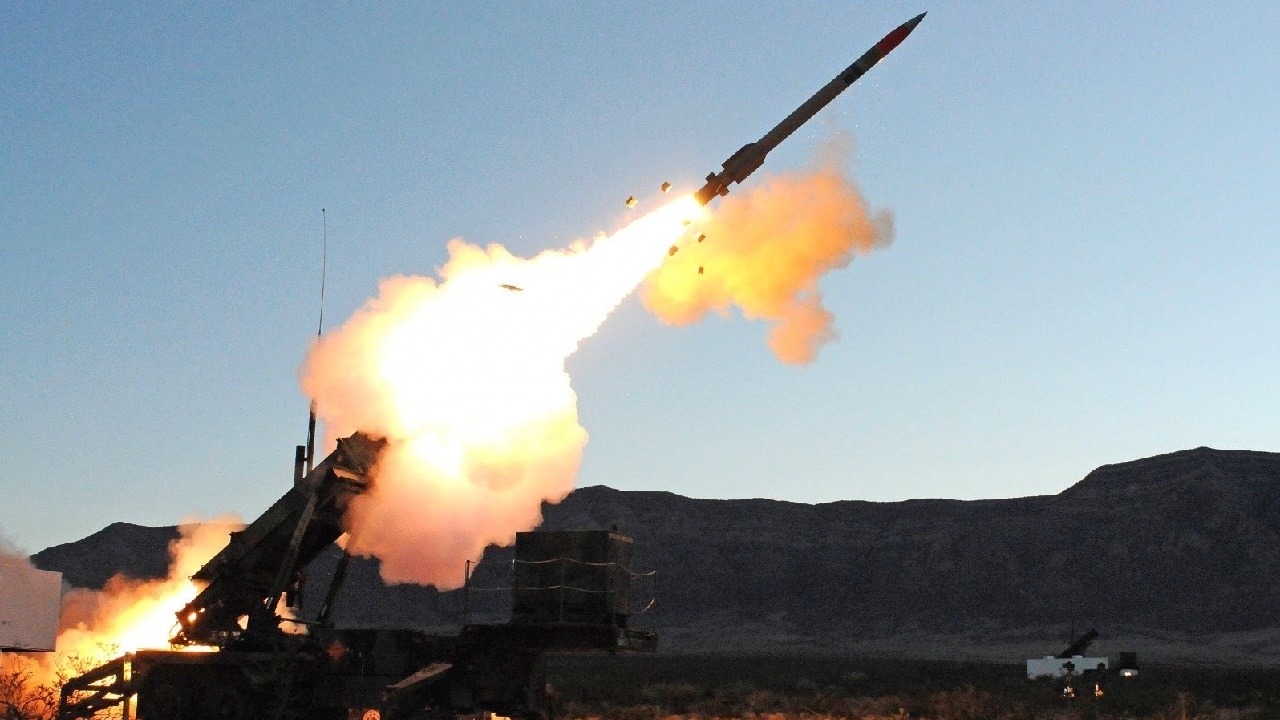
Patriot Missile. Image Credit: Creative Commons.
Though it is sold at a discount, which reflects the dangers of dealing with sanctioned oil, those sales are thought to earn the Islamist regime tens of billions of dollars per year.
Energy analysts estimate that Iranian oil accounts for about 12 percent of China’s oil imports, and the majority of Iranian crude is processed by small, semi-independent Chinese refineries known as teapot refineries. Beijing incentivizes these small operators to buy Iran’s sanctioned oil, thus shielding larger Chinese state-owned refineries from potential sanctions.
Another significant facet of the China-Iran relationship is Beijing’s provision of materiel to Tehran. China has supplied engines and components for Iran’s Shahed drones, as well as chemical precursors to rocket fuel.
Chinese Glee?
With the amphibious assault ship USS Tripoli (LHA-7) and 2,500 Marines of the 31st Marine Expeditionary Unit (MEU) en route to the Middle East, Washington is potentially setting the stage to expand its war in Iran with a boots-on-the-ground component.
The 31st MEU is one of just seven Marine Expeditionary Units and the only one permanently deployed to the Pacific; it is stationed at Okinawa, Japan. Drawing the 31st MEU away from the Indo-Pacific sends a strong signal to Asian allies and adversaries alike that Washington, at least for now, is more focused on events in Iran and is less available to respond to contingencies in the Pacific.
By one estimate, the opening salvoes of Operation Epic Fury consumed 319 Tomahawk cruise missiles. And though the United States has shifted its strike packages to plentiful and inexpensive Joint Direct Attack Munition-equipped bombs, replenishing Tomahawk stockpiles could take years.
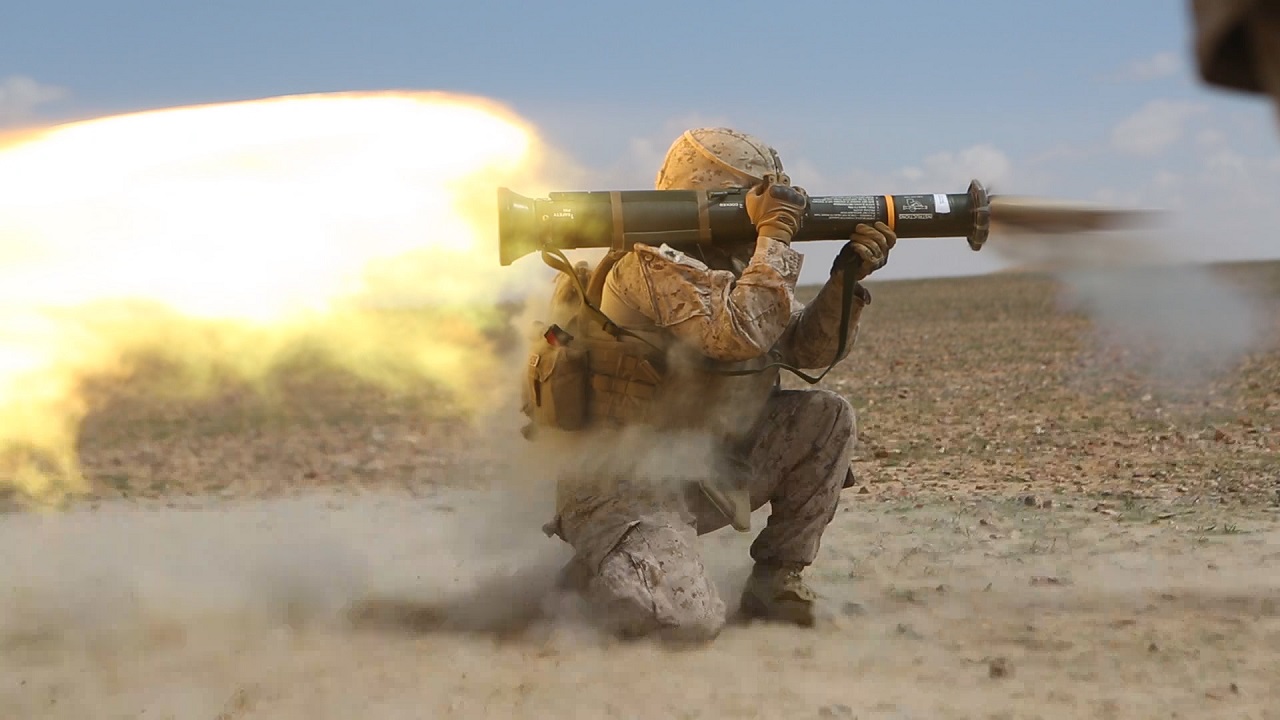
A Marine with Company G, 2nd Battalion, 7th Marine Regiment, Special Purpose Marine Air Ground Task Force – Crisis Response – Central Command, fires an AT4 antitank rocket launcher in the Central Command area of operations, March 23, 2015. The 2/7 Marines participated in a range that tests their ability to conduct an integrated combined arms assault against a simulated enemy position. (U.S. Marine Corps photo by Cpl. Will Perkins/Released)
Expenditure of PAC-3 and SM-3 missiles by the United States and Gulf countries has also been significant. “In the first four days of the Iran war, the US and its allies launched more than 800 Patriot missiles, about 200 more than Ukraine received in the past three years, according to Zelensky,” the Times of London explains. “Last year, Lockheed Martin, the American defence manufacturer, produced 620 of the missiles, although it plans to scale up to 2,000 over the next seven years.”
Some Gulf allies are reportedly less judicious with their air defenses than they should be, the Times reports.
In some instances, Gulf-state Patriot batteries burned through eight interceptors at a time to take down a single Iranian threat without differentiating between incoming ballistics, cruise missiles, or slow-moving Shahed drones. “Analysts suggest the difference in approach may be because the Gulf troops leave their batteries to take cover and the Patriots fire in automatic mode, while Ukrainians stay at the controls to fire manually.”
Pivot to… the Middle East
In one lengthy diatribe, a prominent Chinese nationalist blogger wrote on X that the United States is wringing Ukraine for air defense expertise even as Washington constricts the flow of air defense missiles and other munitions to Ukraine.
The blogger insists the United States is abandoning Ukraine, benefiting Russia, and turning toward the Middle East and away from the Indo-Pacific—a boon to Chinese aims in the region.
Though that analysis bleeds into the conspiratorial, it correctly identifies issues regarding U.S. air defense interceptors and Tomahawk cruise missiles: “In a world of finite resources, this is a zero-sum game. The ongoing parallel negotiations and conflicts over Gaza, Ukraine, and Iran are interconnected, and U.S. resource allocation is constantly weighed within this framework.”
For now, at least in the short term, resource allocation to the Middle East benefits China at the expense of U.S. allies in Asia. “Ukraine, Europe, and Arab nations are realizing this first. Allies in East Asia, including Japan, South Korea, and Taiwan, would be wise to recognize it too,” the blogger concludes.
About the Author: Caleb Larson
Caleb Larson is an American multiformat journalist based in Berlin, Germany. His work covers the intersection of conflict and society, focusing on American foreign policy and European security. He has reported from Germany, Russia, and the United States. Most recently, he covered the war in Ukraine, reporting extensively on the shifting battle lines in Donbas and writing about the war’s civilian and humanitarian toll. Previously, he worked as a Defense Reporter for POLITICO Europe. You can follow his latest work on X.