
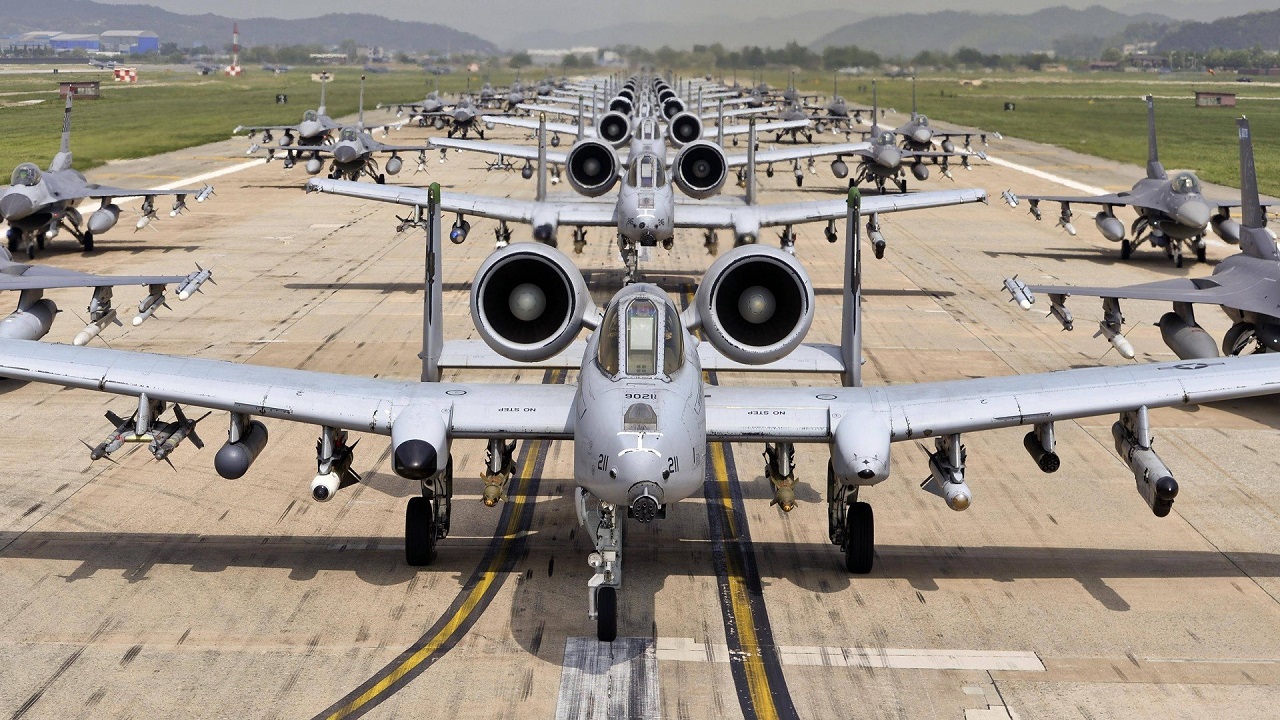
Summary and Key Points: The A-10 Thunderbolt II “Warthog” has successfully transitioned from a Cold War tank-killer to a premier maritime interdictor in the Strait of Hormuz, as noted by author Steve Balestrieri.
-Under the leadership of Gen. Dan Caine, the Warthog has secured a strategic reprieve until 2029, helping neutralize over 120 IRGC fast-attack boats and mine layers.
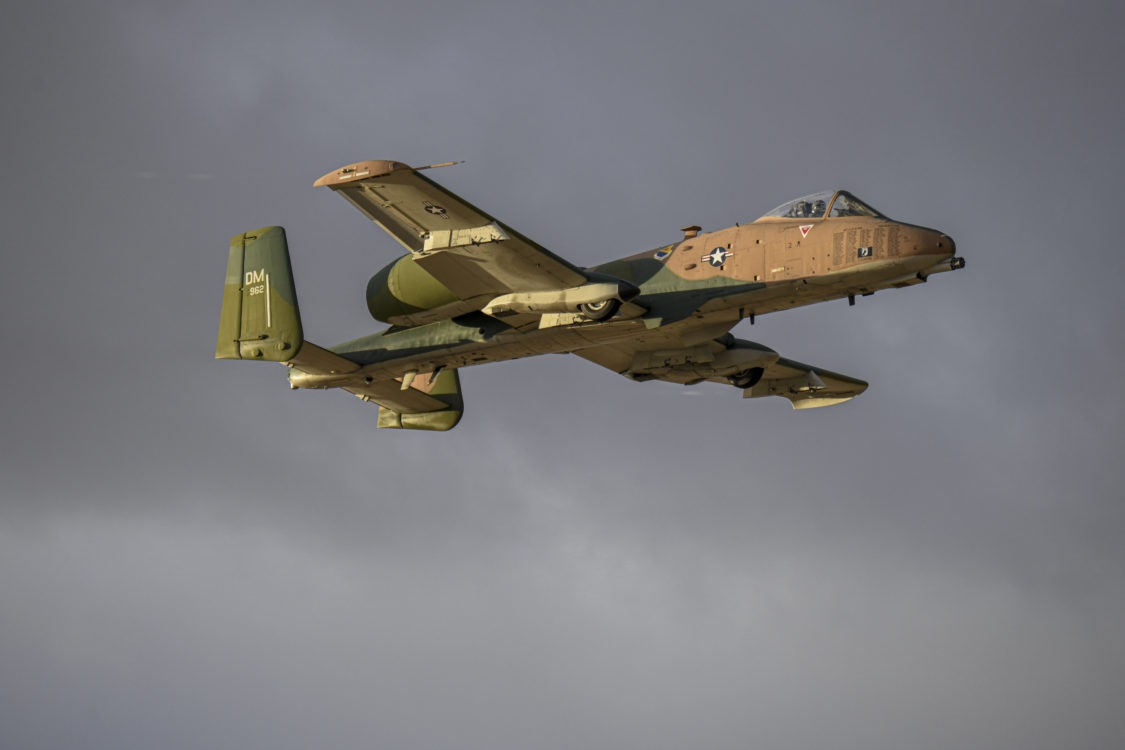
A U.S. Air Force A-10 Thunderbolt II flies over Davis-Monthan Air Force Base, Arizona, Feb. 17, 2022. The A-10 Demonstration Team’s jet has a heritage paint job to pay tribute to the 355th Tactical Fighter Wing’s contributions in the Vietnam War, including special dedication to personnel who were killed in action or became prisoners of war. (U.S. Air Force photo by Senior Airman Jacob T. Stephens)
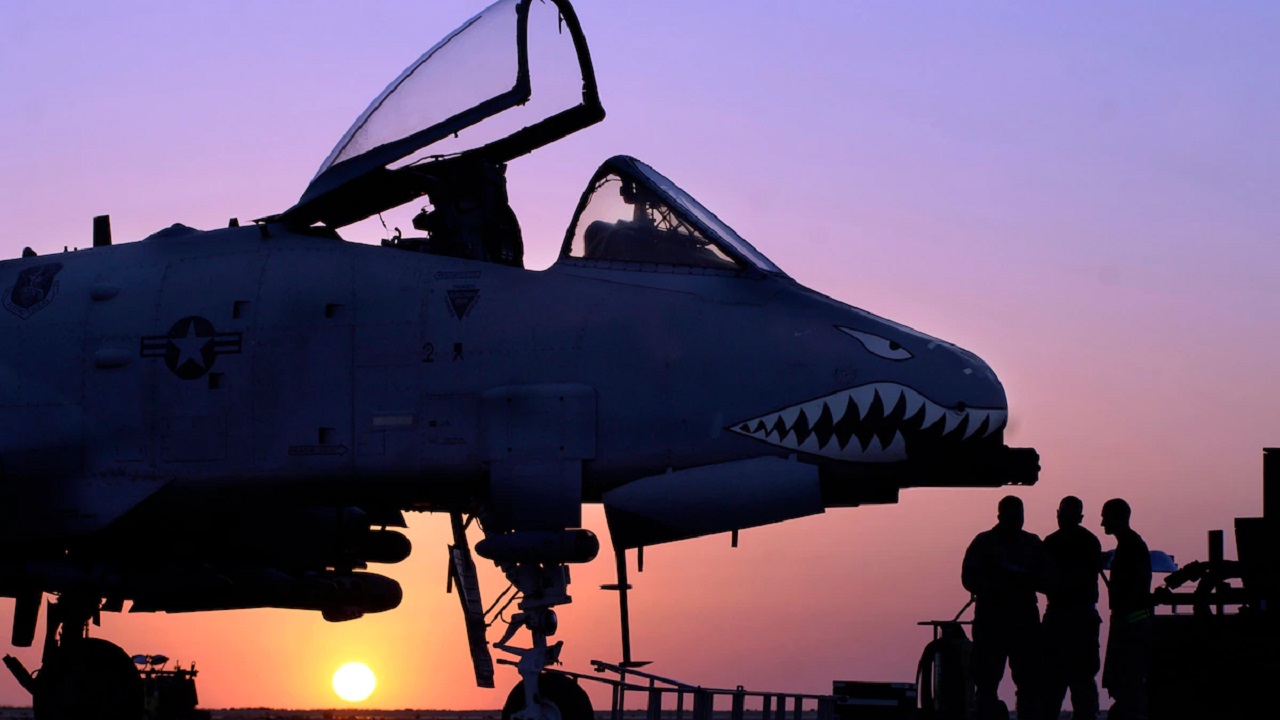
A-10 Warthog Sunset. Image Credit: Creative Commons.
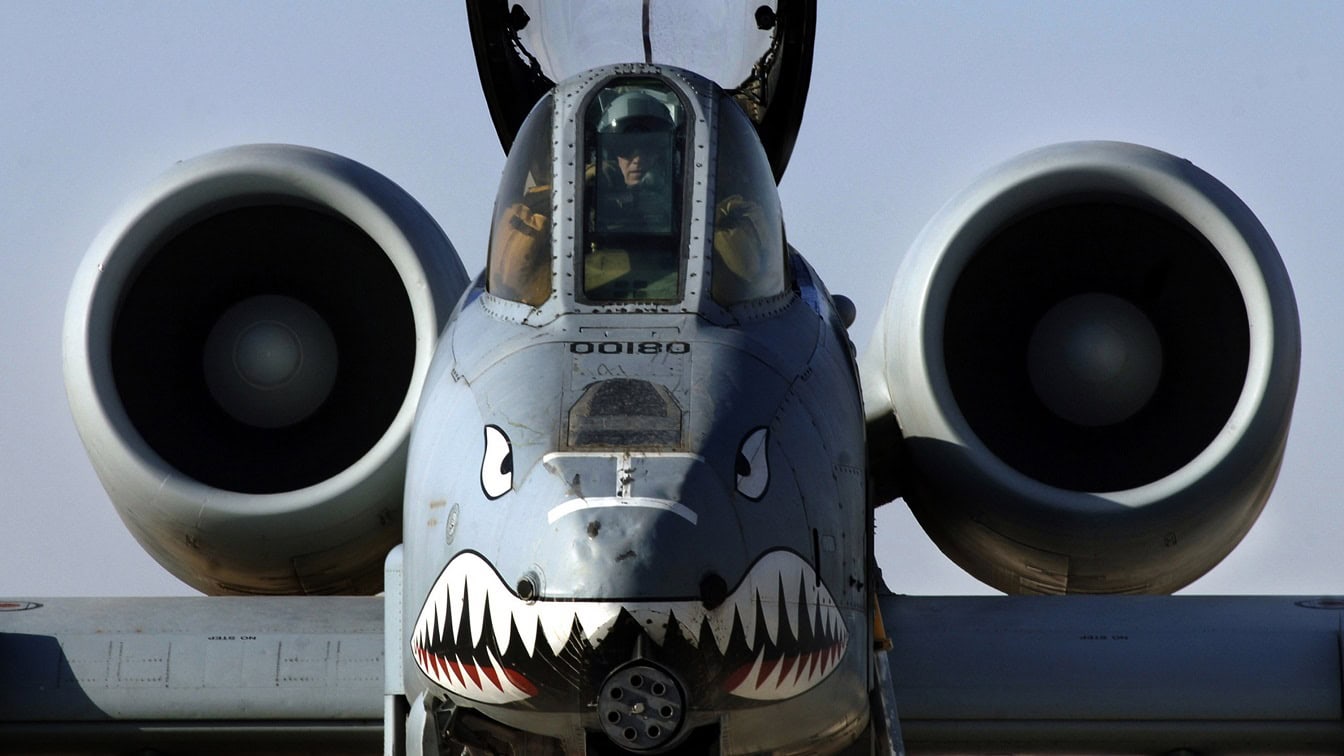
An A-10 Thunderbolt II takes off to provide close-air support to ground troops in Iraq April 25 from Al Asad Air Base, Iraq. The 438th Air Expeditionary Group A-10s perform 10 sorties daily, with 900 sorties in this last four months. (U.S. Air Force photo/Tech. Sgt. Cecilio M. Ricardo Jr.)
-Operating alongside Independence-class Littoral Combat Ships like the USS Santa Barbara, the A-10 leverages its GAU-8/A Avenger cannon and APKWS rockets to dominate littoral waters.
-While the F-15EX is slated to replace Michigan ANG units, the Warthog’s unmatched loiter time and durability remain vital for 2026 regional stability.
The Warthog’s Sea Change: How the A-10 is Dominating the Strait of Hormuz
BRRRRRT! The sound so many US troops love to hear is now a nightmare sound for sailors on board Iranian IRGC fast attack boats in the Strait of Hormuz.
Air Force Gen. Dan Caine, the chairman of the Joint Chiefs of Staff, discussed operational updates revealing that A-10 Thunderbolt II attack aircraft are “now in the fight.”
“The A-10 Warthog is now engaged across the southern flank, hunting and killing fast-attack boats in the Strait of Hormuz,” Caine said.
Armed with a 30mm GAU-8/A Avenger cannon capable of firing 3,900 rounds per minute, AGM-65 Maverick missiles, and APKWS laser-guided rockets, the A-10 can engage the small, agile surface craft the IRGC Navy has traditionally used to threaten shipping in the strait’s confined littoral environment.
Its loiter capability enables crews to maintain persistent overwatch that faster platforms cannot.
A-10s Were Granted A Reprieve, IRGC Sailors Were Not
The venerable A-10 Warthogs were slated for retirement in 2026, but will continue to serve until 2029 after being granted a reprieve. That’s great news for the US, and very bad news for IRGC sailors in the Strait.
The Air Force’s strategy is to divest itself of 340 aircraft from its inventory, including 162 A-10s.
Originally built between 1972 and 1984 for close air support, the A-10’s durability and GAU-8 Avenger cannon earned it a stellar reputation among troops in Iraq and Afghanistan. Despite that legacy, Air Force officials said the platform no longer fits the demands of future modern conflict.
The “Hog” Is Perfectly Suited For Hunting Littoral Targets
“We continue to hunt and kill [Iranian] afloat assets, including more than 120 vessels and 44 mine layers,” Chairman Caine added.
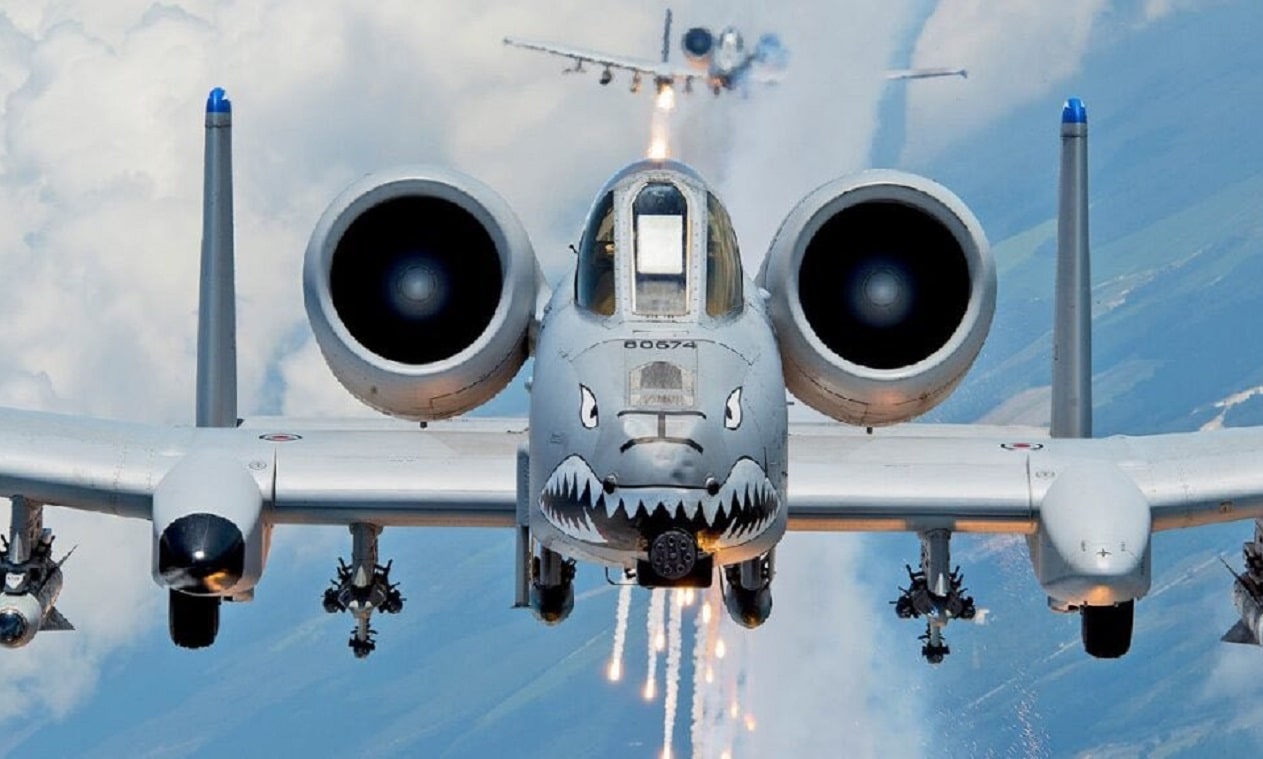
A-10 Warthog. Image Credit: Creative Commons.
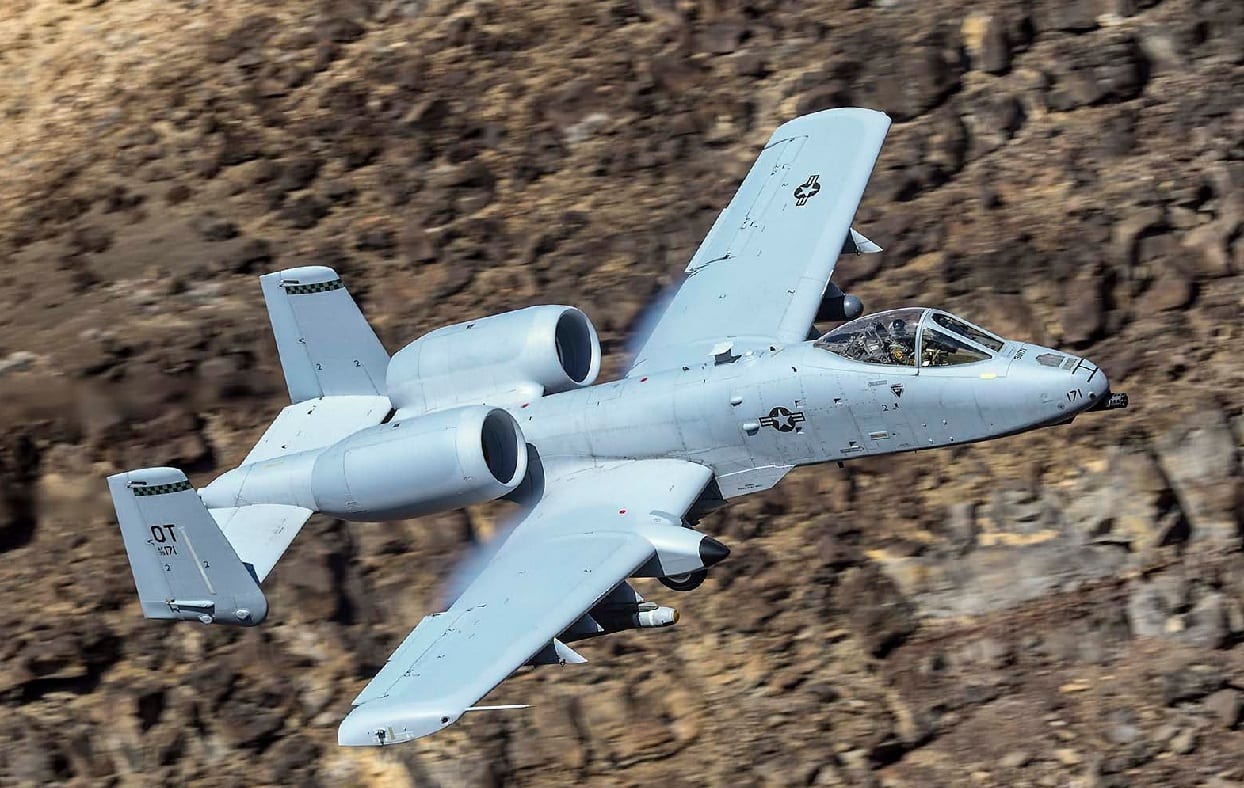
A-10 Warthog. Image: Creative Commons.
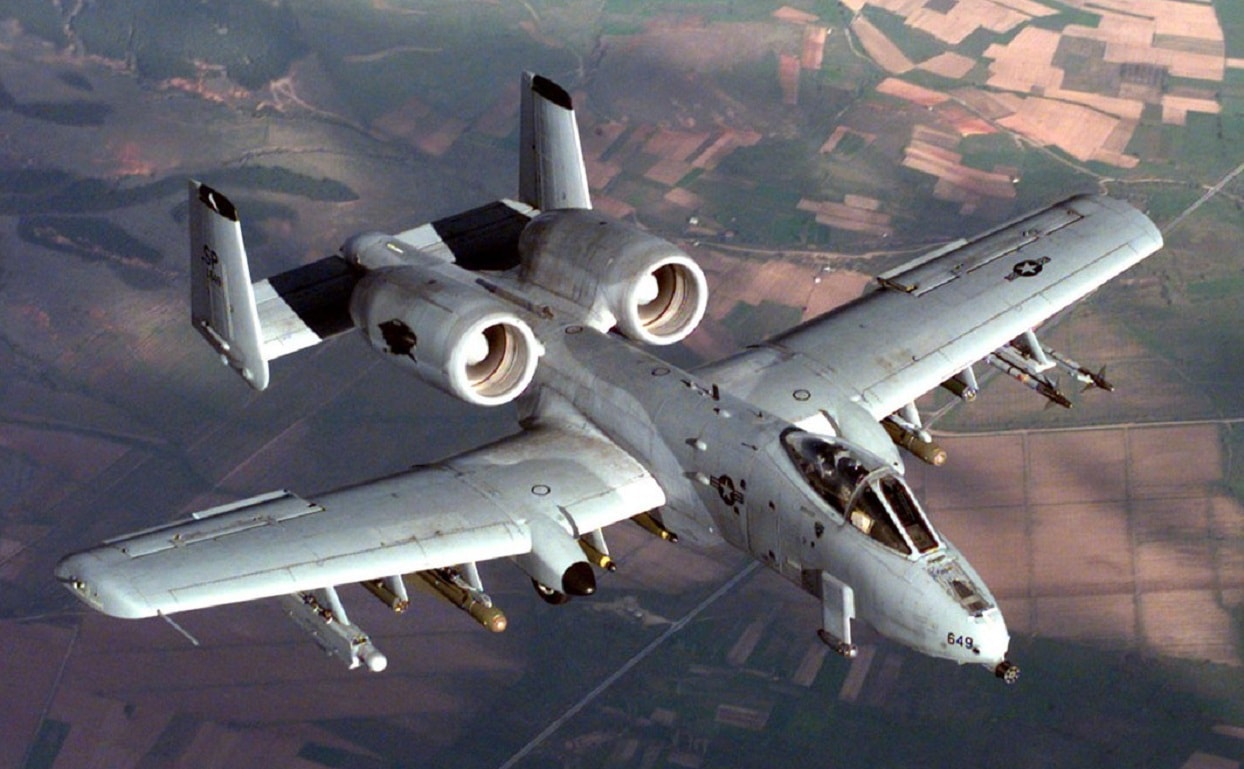
A-10 Warthog Image: Creative Commons.
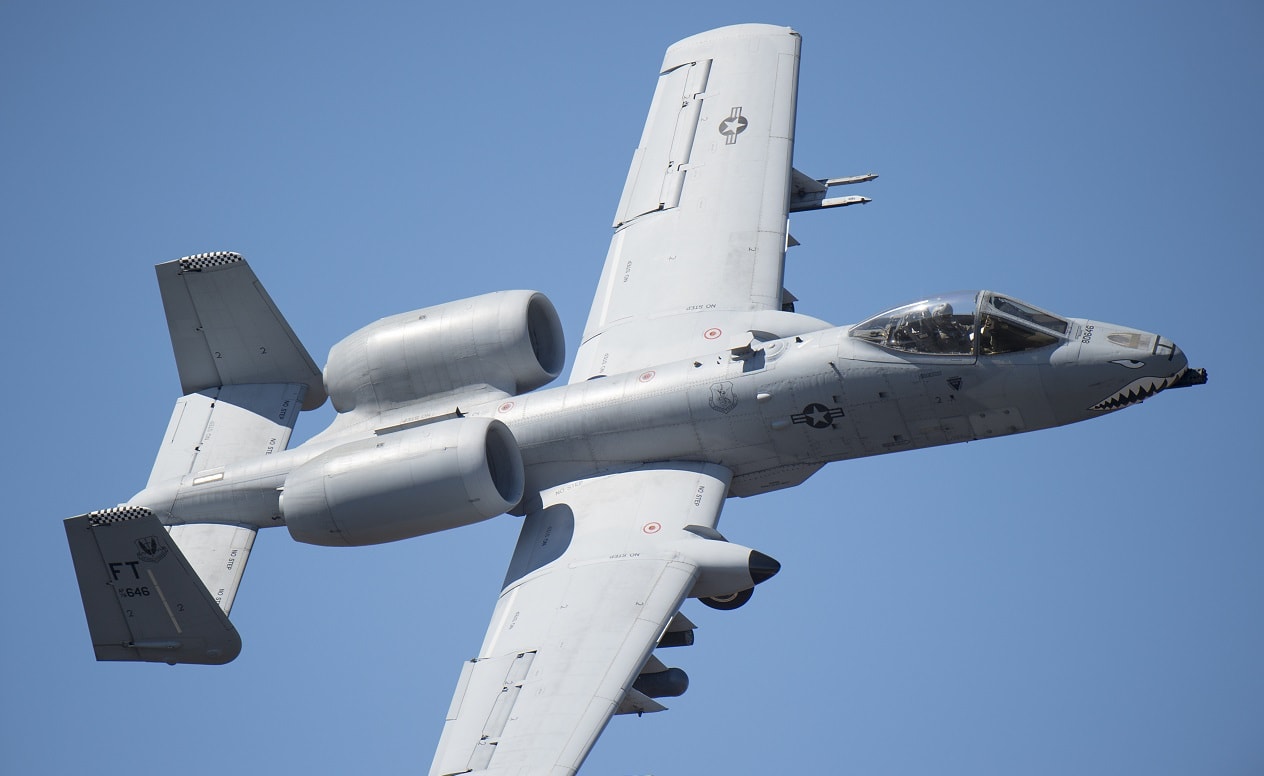
An A-10 Thunderbolt II flies over Grand Bay Bombing and Gunnery Range at Moody Air Force Base, Ga., Feb. 18, 2016. Multiple U.S. Air Force aircraft within Air Combat Command conducted joint aerial training that showcased the aircrafts tactical air and ground maneuvers, as well as its weapons capabilities. (U.S. Air Force photo by Staff Sgt. Brian J. Valencia/Released)
The Air Force has been trying to retire the A-10 for quite some time. And the reasoning behind the decision is sound. The A-10 wouldn’t be able to survive long in a peer or near-peer combat situation. The Warthog flies low and slow, making it an easy target for fighter aircraft and surface-to-air missiles.
However, with the Air Force and Navy pilots of the US and Israel destroying nearly all of Iran’s air defenses, the A-10 is an incredibly effective weapon operating against small, fast-moving targets in a tight littoral environment. It can loiter for long periods, waiting for targets to emerge.
And the Warthog’s well-deserved reputation for the ability to withstand incredible amounts of small arms fire, makes it very survivable. The A-10 is also one of the Air Force’s most economical aircraft to fly and maintain.
And in February, prior to the conflict with Iran beginning, the venerable A-10s were training for a maritime mission with the USS Santa Barbara, a U.S. Navy Independence-class Littoral Combat Ship (LCS) in the Persian Gulf.
The USS Santa Barbara is one of three US Navy ships slated for clearing mines from the Strait of Hormuz, and allowing merchant oil tankers to safely transit the Strait.
So, how did the A-10 survive more than 50 years, and is nearing 60 years of active military service?
The A-10 Is An Incredible, Tough, 53-Year Old Aircraft
The A-10 Warthog has served so long due to its exceptional durability, built around its powerful gun for Close Air Support (CAS) with redundant systems to survive heavy damage, a titanium “bathtub” protecting the pilot, and its ability to fly with significant damage, plus constant upgrades extending its life, and strong Congressional support driven by its unmatched effectiveness for ground troops, keeping it in service past earlier retirement plans.
The key design features that cemented the Hog’s longevity include:
Battle damage resilience remains incredibly high. The A-10 can sustain direct hits from large-caliber rounds and remain flyable, even with one engine, half a tail, or half a wing missing.
Redundant systems keep it flying. It features backup mechanical flight controls for when hydraulic systems fail, ensuring control even with severe damage.
A titanium “bathtub” protects the pilot, making it incredibly tough for a jet.
The engines are placed high on the fuselage, behind the wings, to shield them from ground fire and reduce infrared signature.
Built around its massive 30mm GAU-8 Avenger cannon, it excels at low-speed, low-altitude tank-killing and supporting troops, a role it’s uniquely suited for. And the cannon has that unique, “BRRRRT” sound that the troops love.
Modernization, Upgrades & Support
The Air Force has invested in structural reinforcements, modernized avionics, and targeting systems to keep it combat-ready and up to date.
Service Life Extension Programs (SLEP). These programs aim to double the aircraft’s operational lifespan beyond its original 8,000-hour estimate.
Congressional and ground troop support are factors that can’t be overstated. Strong support from Congress and ground forces, who value its vital CAS role, has repeatedly saved it from retirement plans.
Air Force Budget Cuts the Number of F-35s Purchased in 2026
The Air Force has often stated that the arrival of the F-35 will replace the A-10 fleet. However, the new budget also reduces the number of those jets, which carry fewer weapons than the A-10 and lack its famous GAU-8 Avenger 30 mm gun.
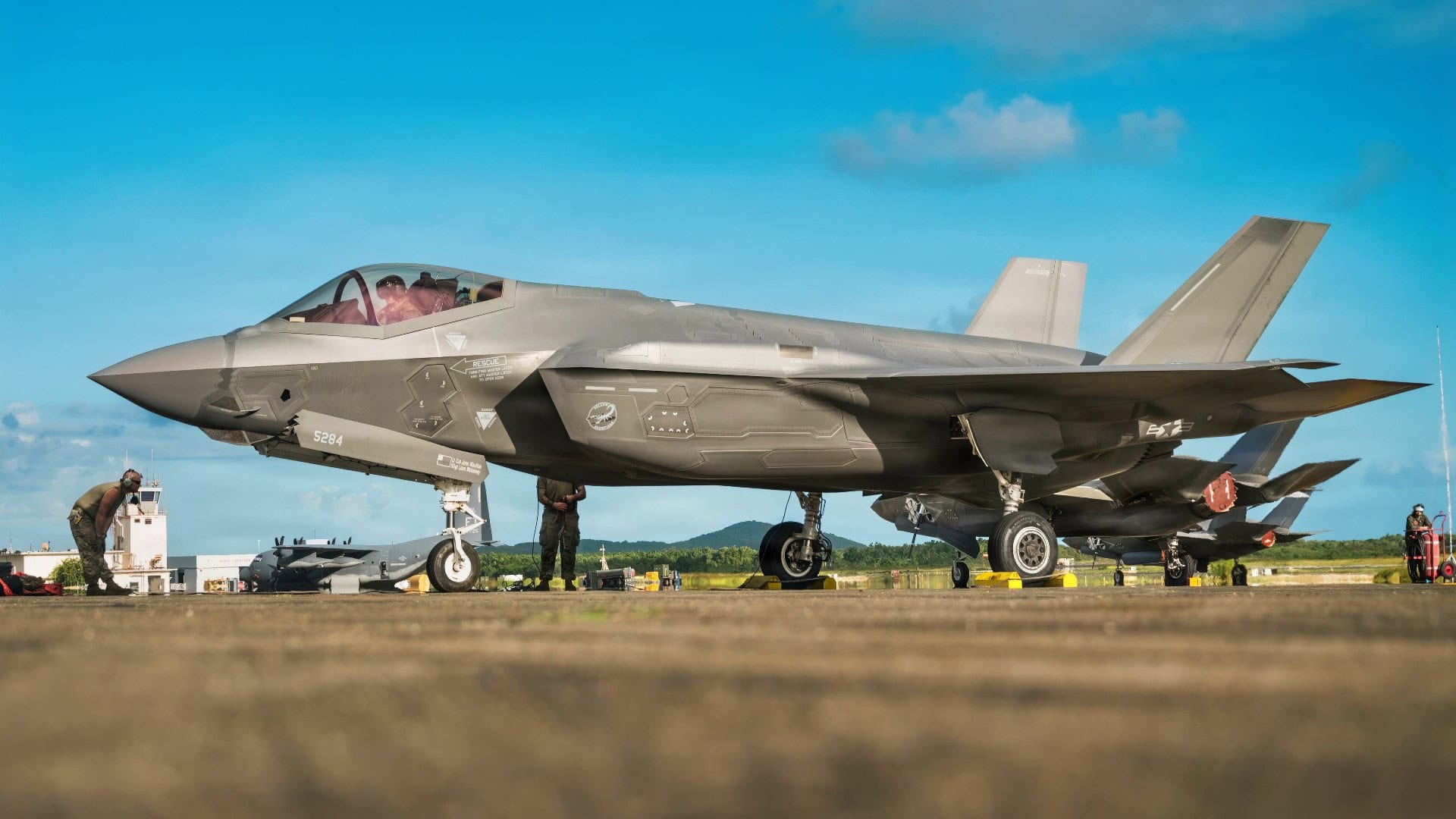
U.S. Air Force crew chiefs perform post flight maintenance on an F-35A Lightning II after its first arrival in Ceiba, Puerto Rico, Dec. 20, 2025. U.S. military forces are deployed to the Caribbean in support of the U.S. Southern Command mission, Department of War-directed operations, and the president’s priorities to disrupt illicit drug trafficking and protect the homeland. (U.S. Air Force photo)
The Air Force instead said it will request $3.1 billion for 21 F-15EX aircraft, while reducing its F-35 procurement from 74 to 47, and will spend $3.4 billion developing the F-47, the next-generation air superiority fighter (NGAD).
The F-15EX Appears To Be The Next Ground Support Aircraft
President Trump made a surprise announcement that the Michigan Air National Guard, which was set to lose its A-10 Warthogs in 2026, will be reequipped with the F-15EX.
So, the Michigan ANG squadron will have to be trained on the F-15EX. The aircraft has an increased payload of 29,000 pounds plus two additional weapons stations. It can carry hypersonic missiles or up to 12 AIM-9 Sidewinder missiles or AIM-120 AMRAAMs, or a combination of up to 24 air-to-ground munitions.
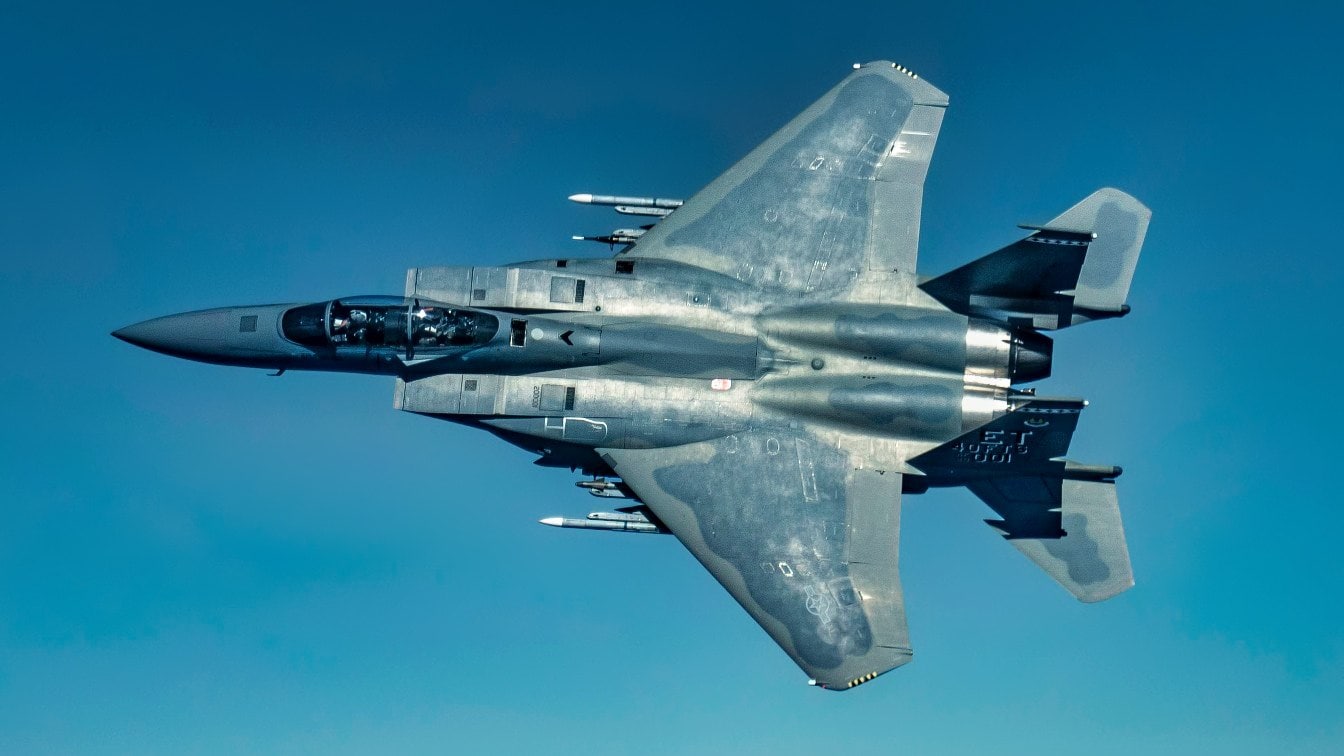
U.S. Air Force Lt. Col. Richard Turner, 40th Flight Test Squadron commander flies 40 FLTS Senior Enlisted Leader, MSgt Tristan McIntire during a test sortie in the F-15EX Eagle II over the Gulf of Mexico on Jun. 14, 2022. Assigned to the 96th Test Wing at Eglin Air Force Base, Fla., the F-15EX Eagle II is the Air Force’s newest 4th generation fighter being tested at the 40 FLTS. (U.S. Air Force photo by Tech. Sgt. John McRell)
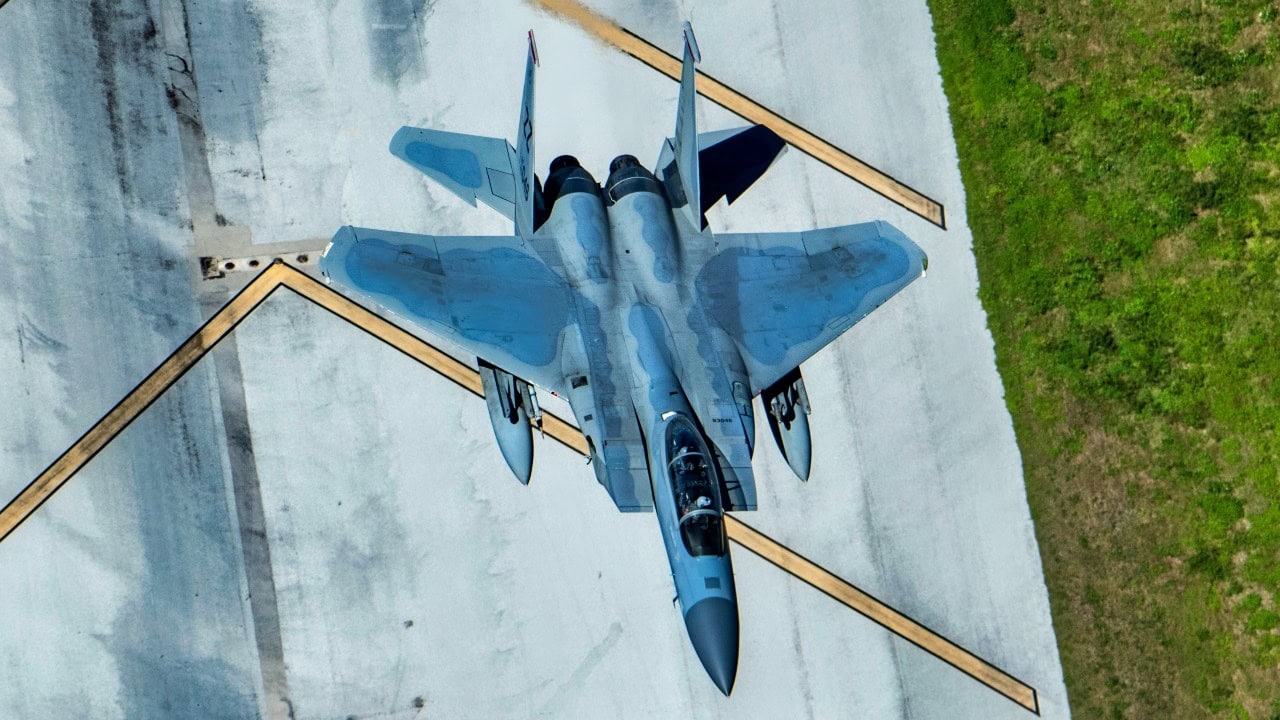
A U.S. Air Force F-15 Eagle II flies during a large show-of-force formation over Andersen Air Force Base, Guam, Mar. 6, 2019. CN19 is a long-standing exercise designed to enhance multilateral air operations amongst partner nations and includes humanitarian assistance and disaster relief airlift operations as well as large-force employment. Approximately 2,000 U.S. Airmen, Marines, and Sailors participated alongside approximately 800 RAAF and JASDF members during the exercise. (U.S. Air Force Photo by Senior Airman Xavier Navarro)
Plus, it carries one internally mounted M61A1 20 mm six-barrel cannon (500 rounds). The cannon is no match for the 30mm, but it is still powerful nonetheless.
It is also blisteringly fast, reaching Mach 2.5, or approximately 1,918.7 mph. The Michigan ANG pilots could also be teachers, training new F-15EX pilots on the finer points of ground support.
The Iranian Mission Breathes New Life Into The A-10
Thanks to the Iran mission, the A-10 will live on for a short time, operating alongside Navy littoral ships to try to get oil flowing through the Strait.
The A-10 can also be an effective drone hunter. TWZ reported last October that A-10s had been modified to carry Advanced Precision Kill Weapons System II (APKWS II), but kill markings reveal it has successfully shot down drones.
ARKWS IIs are cheap 2.75-inch (70mm) Hydra rockets transformed into drone and cruise missile killers. These offer the Air Force major advantages over their more advanced air-to-air missile counterparts.
The rockets enable the aircraft to engage large numbers of enemy drones and other aerial threats cost-effectively. The Air Force has large stocks of 2.75-inch rockets in its inventory
And this maritime usage of the A-10 is not entirely without precedent. In the early 2020s, numerous Maritime Surface Warfare exercises were conducted, such as in September 2023, when two A-10s engaged simulated surface threats in the Gulf of Oman with the Arleigh Burke-class guided-missile destroyer USS Stethem.
About the Author: Steve Balestrieri
Steve Balestrieri is a National Security Columnist. He served as a US Army Special Forces NCO and Warrant Officer. In addition to writing on defense, he covers the NFL for PatsFans.com and is a member of the Pro Football Writers of America (PFWA). His work was regularly featured in many military publications.