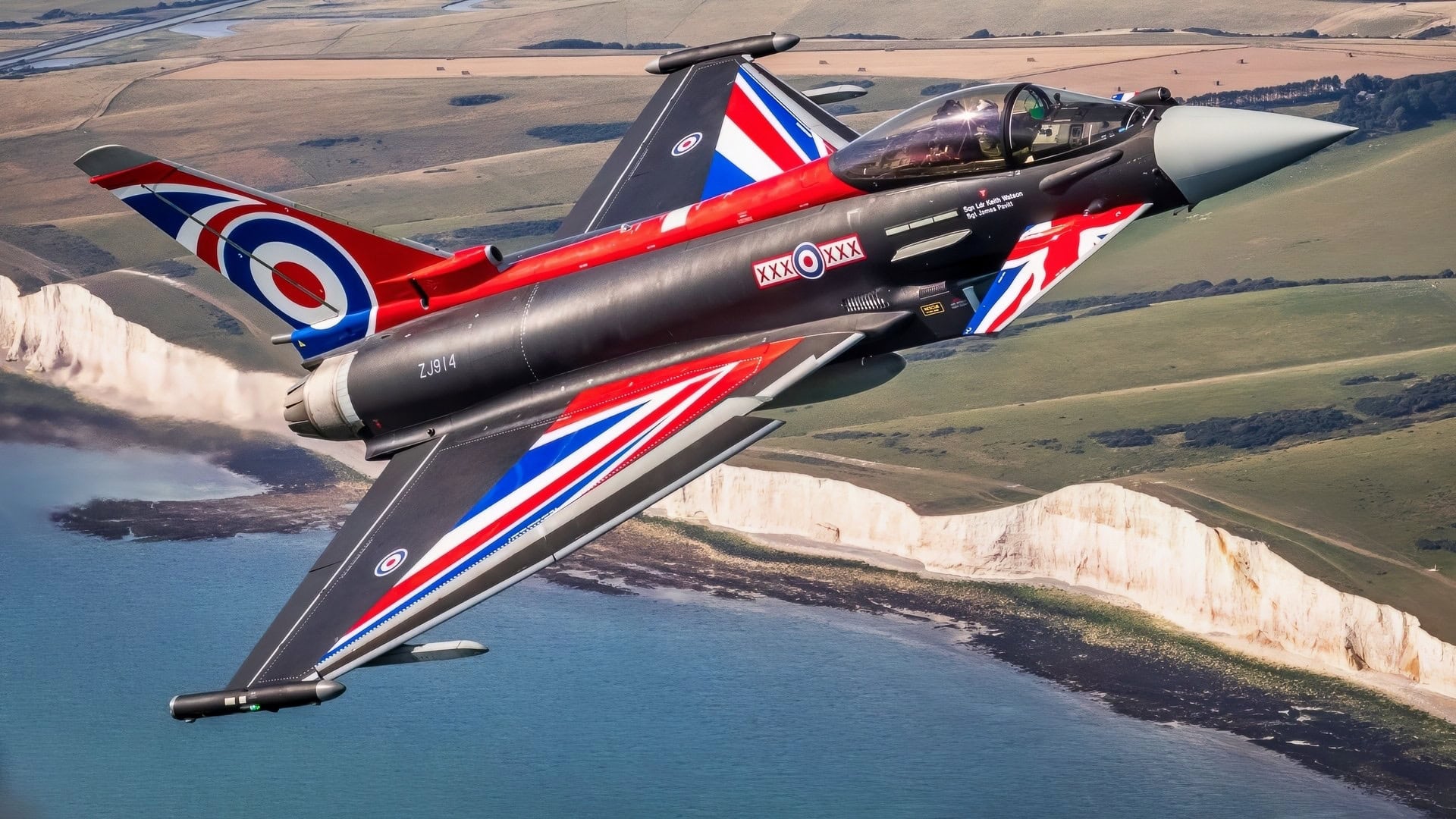
The Eurofighter Typhoon Will Never Need to Be the F-22 or the F-35
The Eurofighter Typhoon is a fourth-generation warplane that rivals anything that the Americans have built. The Eurofighter Typhoon is a pure energy warplane built for speed, climb, and missile dominance.
Built for Speed, Designed for Dominance
The Eurofighter is deadly in both beyond-visual-range (BVR) and close combat.
It remains relevant—in fact, the plane might be more relevant today for Europe’s needs than the proposed sixth-generation warplanes that various European states are attempting to build. Any problems afflicting the Eurofighter Typhoon have more to do with politics than physics.
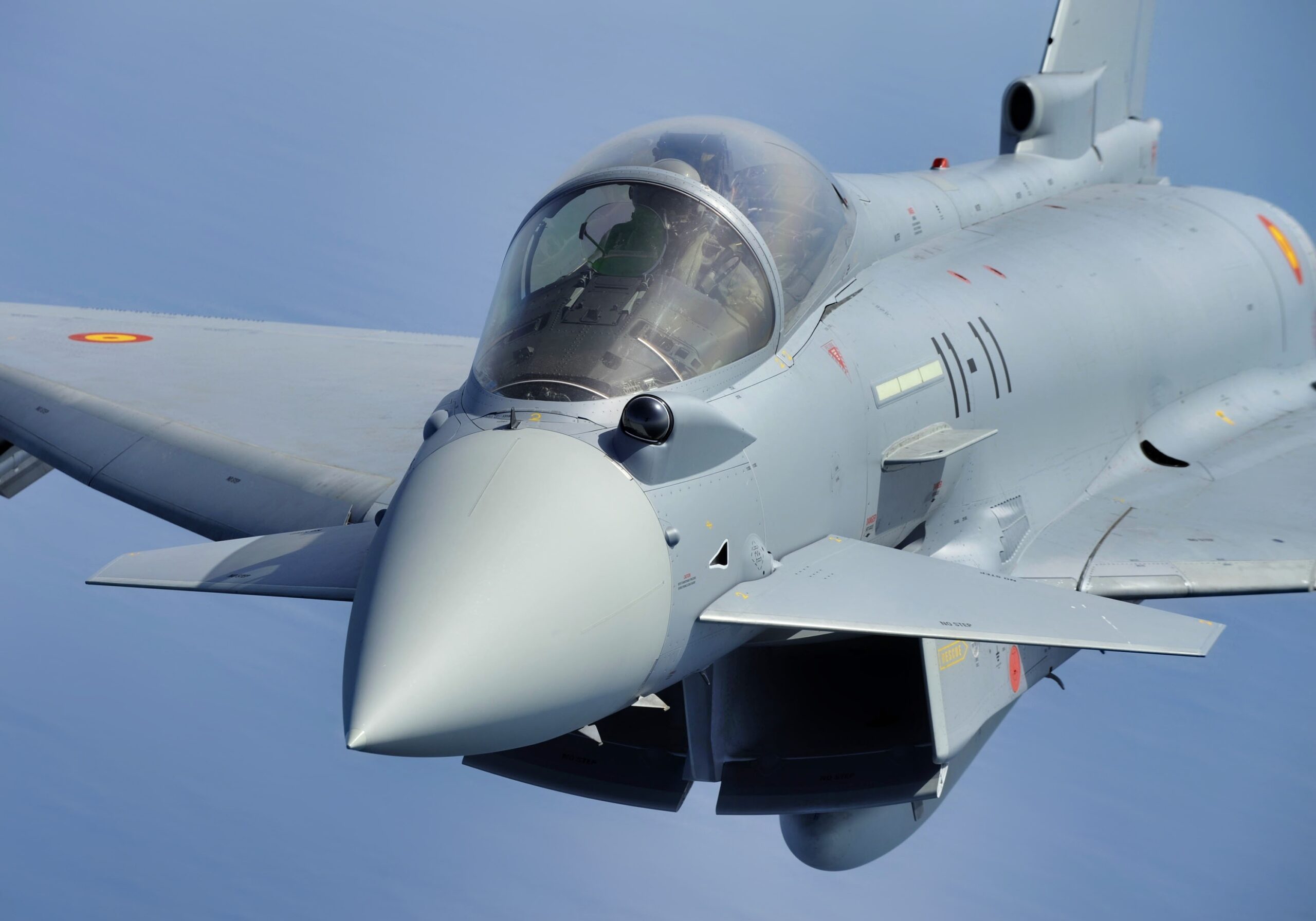
Eurofighter Typhoon Fighter. Image Credit: Creative Commons.
This jet may lack stealth, but it is such an effective warplane that it does not need stealth to be dangerous.
The Eurofighter can kill an enemy plane by going faster than most rivals, shooting farther, and leaving before the enemy can respond. What’s more, this plane has proven to be a highly adaptable bird.
The Art of “Energy” Air War
One of the most interesting aspects of the Eurofighter Typhoon is its design. Aerospace engineers refer to the Typhoon as a “rate” fighter, as opposed to an “angles” fighter.
The Eurofighter Typhoon wins by keeping speed and energy as it engages enemies. This plane absolutely dominates sustained nine-gee turns, too. When others are out of gas, the Eurofighter employs innovative vertical maneuvering to sustain itself in combat.
So, whereas another iconic fourth-generation warplane—the U.S. F/A-18 Super Hornet—excels at high-alpha nose pointing, the Typhoon dominates energy fights—and the key to modern air war is sustaining a plane’s energy in combat.
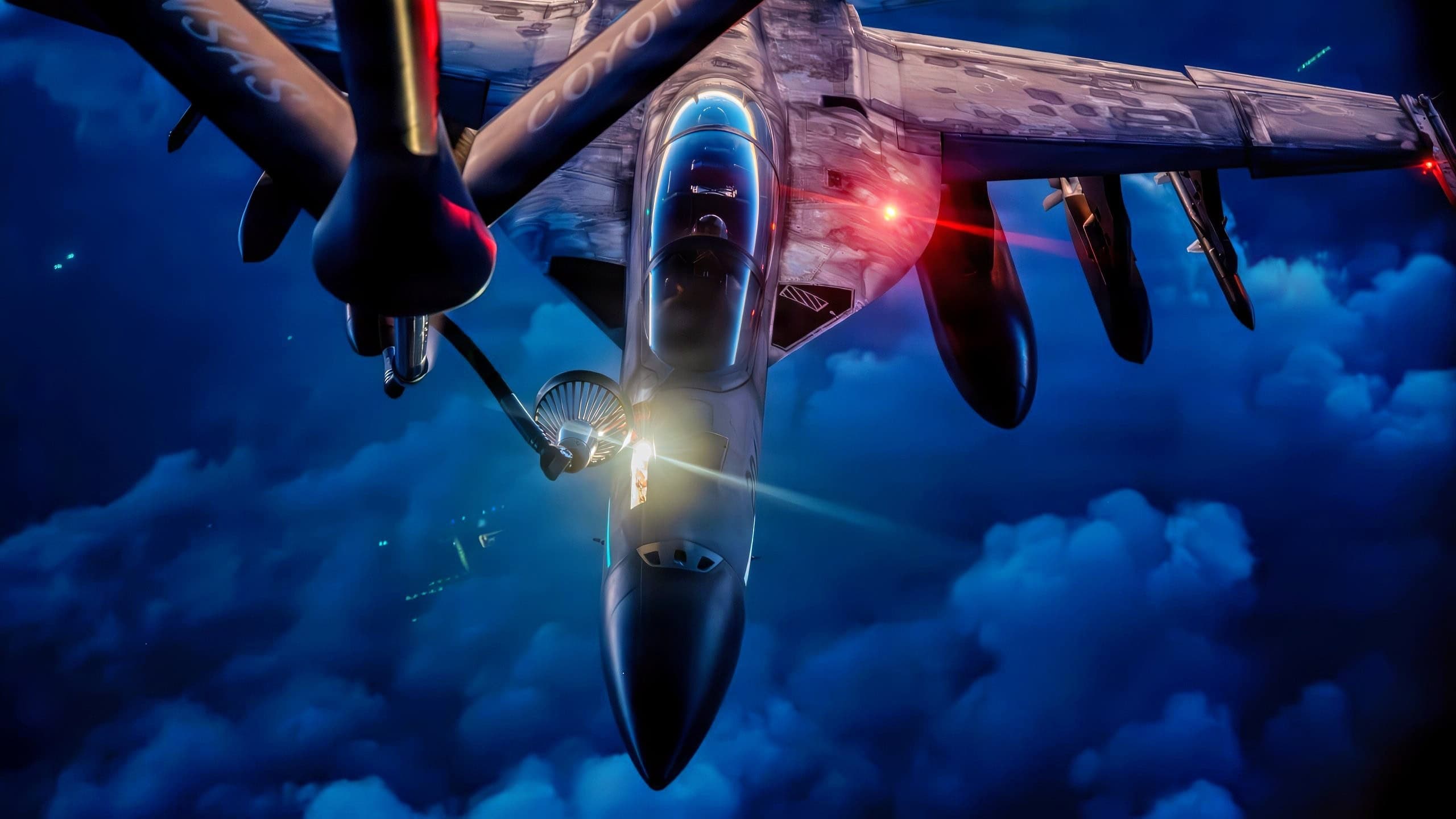
A U.S. Navy F/A-18F Super Hornet aircraft refuels from a U.S. Air Force KC-135 Stratotanker aircraft during a mission in support of Operation Epic Fury over the U.S. Central Command area of responsibility, March 8, 2026. (U.S. Air Force photo)
The Delta Wing Advantage
Built in a delta-wing shape, these planes have canards on the front that are more than just a stylish flare. They reduce overall drag on the plane during high-speed maneuvers. These canards also enhance structural strength and allow better control at high energy rates.
Speaking of high energy, the Typhoon is considered to be one of the fastest-climbing modern warplanes. The Typhoon’s climb rate is around 25 percent better than the climb rate of another U.S. fourth-generation plane, the F-16 Fighting Falcon.
In fact, many argue that the climb rate of the Eurofighter Typhoon is much closer to that of the fifth-generation F-22 Raptor.
The Eurofighter intercepts threats fast.
A Missile Truck That Strikes First
The Typhoon launches missiles from a much longer range than most counterparts, and it can disengage vertically when needed. So, this 1970s bird, designed for Europe, is essentially a giant missile truck that reaches altitude and fights at BVR faster than almost any other warplane on the planet.
Not bad for Europe, which is (rightly) accused by friends and enemies alike of skimping on defense spending.
Politics—Not Physics—Is the Problem
Before we analyze the onboard weapons packages, though, let’s look at what my 19FortyFive colleague, Kris Osborn, had to say in these pages about the downsides of the Eurofighter Typhoon. According to Osborn, the Typhoon suffers from the same problem that drags down most European projects: multinational bureaucracy.
The Eurofighter is a continental warplane, as its name suggests. It was designed for the European project and was meant to serve numerous European nations.
When it comes to defense matters, though, Europe does not speak with one voice. All European nations retain tight control over their national defense (or defer to NATO).
That means there are far too many hands on the stick when it comes to upgrading the plane.
The multinational nature of the plane means that multiple political compromises across a broad front must be made, which slows innovation. Integrating new capabilities into this iconic platform takes longer than it would in the United States, where single-program jets are common.
Thus, the Europeans have for themselves the fourth-generation equivalent of a Porsche 911. But that Porsche 911 isn’t owned by a single person or family. It’s owned by an entire neighborhood, and they want to use it for different things at the same time. Europe’s internal structure, therefore, is creating all manner of complications for maintaining one of the world’s most important fourth-generation warplanes.
Constant Upgrades Keep It Relevant
Still, European defense contractors have invested heavily in sweeping upgrades designed to keep the Eurofighter Typhoon flying. And those upgrades have made their way into the plane, meaning that it’s still relevant, even decades after it first took wing.
In fact, it can be argued that Europeans are pushing the Eurofighter Typhoon’s capabilities closer to those of a fifth-generation warplane. Upgrades include aerodynamic tweaks to the plane’s structure, enabling this iconic warplane to carry heavier weapons.
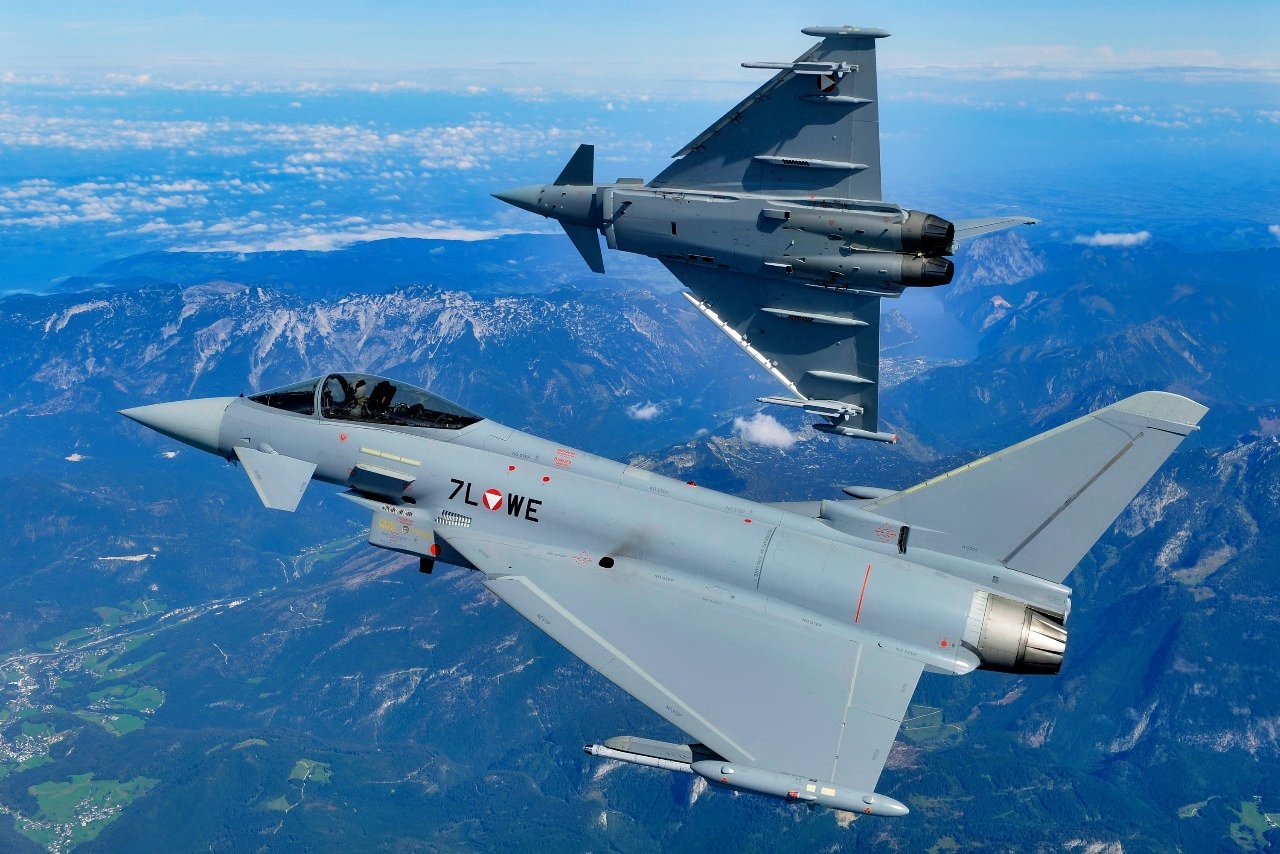
Eurofighter Typhoon. Image Credit: Creative Commons.
The Eurofighter is integrating new cruise missiles, including replacements for the aging Storm Shadows that many European warplanes fire. Additionally, the Europeans are continually modernizing the plane to carry an array of newer missile variants, including upgraded Meteor missiles and advanced short-range air-to-air missiles (ASRAAMs).
The AIM-132 ASRAAM is extremely fast—it accelerates to full speed once triggered—and has significant off-boresight capability. ASRAAMs can lock on after launch, which makes for a frighteningly expansive no-escape zone. In other words, you don’t need to point the jet at the enemy. The pilot just looks and shoots, and the missile will find its way to the target.
Everything about the Typhoon’s overall design makes it perfect for the kind of BVR warfare that is dominating the world’s battlefields. In essence, the Eurofighter Typhoon is meant to win before the merger. Its high rate of climb means better missile kinematics. Higher speeds mean a longer engagement envelope.
Deadly Up Close, Devastating at Range
European engineers have also designed more advanced sensors, and they have integrated this 1970s-era warplane with advanced helmet cueing to adapt it to today’s high-tech battlefield.
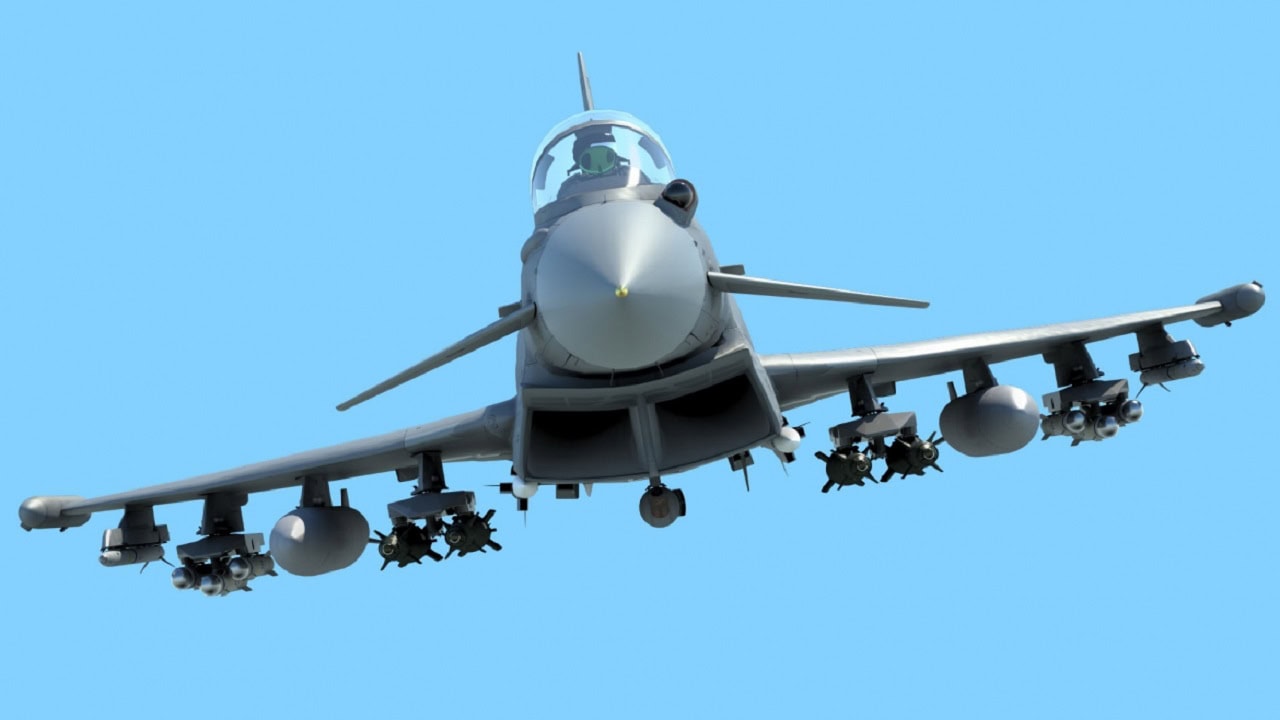
Typhoon fitted with the common launcher (computer generated image: for illustrative purposes only)
In essence, if an enemy somehow escapes the Typhoon’s long-range kill-chain and gets in close, this dynamic warbird has a reliable and lethal close-in backup.
The Eurofighter Typhoon proves that raw performance still matters in modern warfare. It may lack stealth, but the Eurofighter Typhoon doesn’t really need it. This bird kills faster, climbs higher, and fights smarter than most of its rivals. And if the Europeans keep upgrading it to include not only more advanced missiles, but also drones, the Typhoon will remain the most important warplane defending Europe.
About the Author: Brandon J. Weichert
Brandon J. Weichert is the Senior National Security Editor at 19FortyFive.com. Recently, Weichert became the editor of the “NatSec Guy” section at Emerald.TV. He was previously the senior national security editor at The National Interest. Weichert is the host of The National Security Hour on iHeartRadio, where he discusses national security policy every Wednesday at 8 pm Eastern. He hosts a companion show on Rumble entitled “National Security Talk.” Weichert consults regularly with various government institutions and private organizations on geopolitical issues. His writings have appeared in numerous publications, among them Popular Mechanics, National Review, MSN, and The American Spectator. And his books include Winning Space: How America Remains a Superpower, Biohacked: China’s Race to Control Life, and The Shadow War: Iran’s Quest for Supremacy. Weichert’s newest book, A Disaster of Our Own Making: How the West Lost Ukraine, is available for purchase wherever books are sold. He can be followed via Twitter/X @WeTheBrandon.