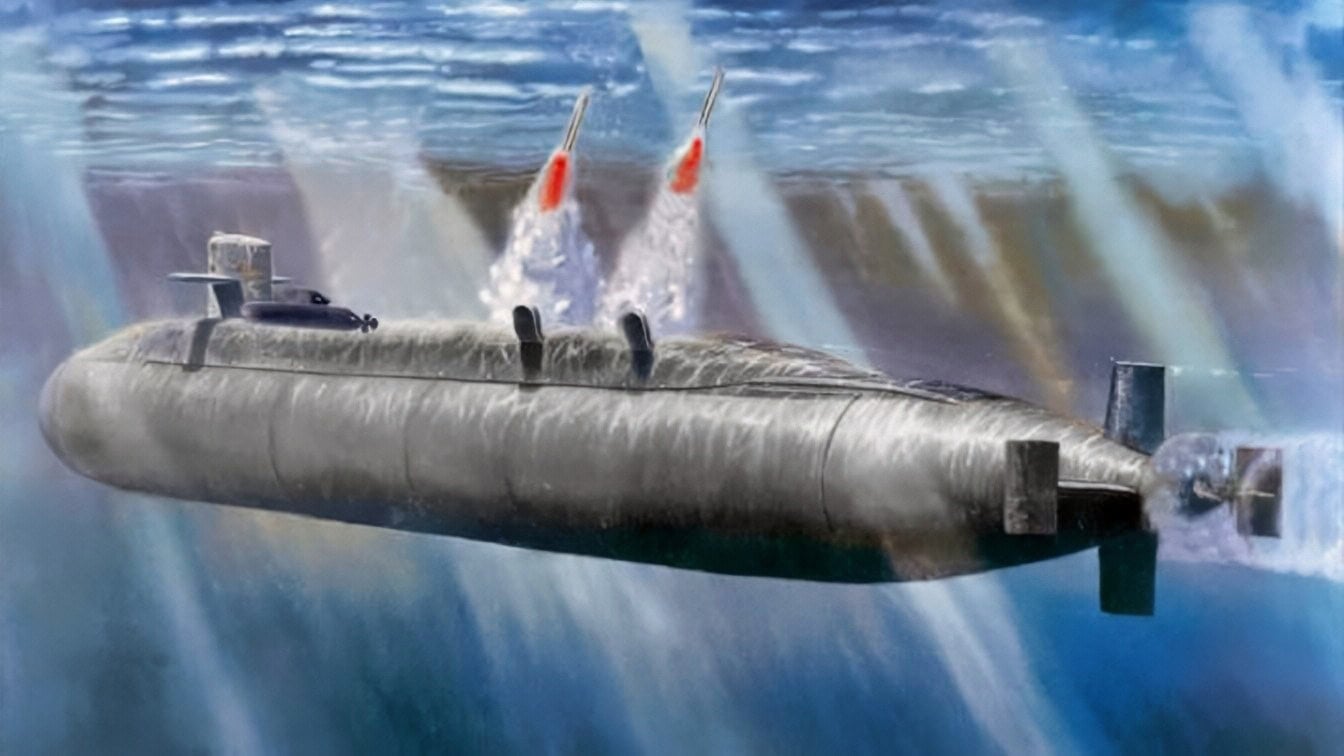
The U.S. Military Is Now In Hot Pursuit of Building More and More Missiles as the Iran War Rages
The United States is already in possession of the world’s most prestigious missile industry, and it could be about to get much bigger.
After weeks of renewed fighting in the Middle East, it has become clear just how hastily even the top military power can burn through high-end munitions, and change is needed if the U.S. wants to maintain its edge.
Last week, Reuters revealed that the Defense Department had sealed framework deals with BAE Systems, Lockheed Martin, and Honeywell to put its production on a “wartime footing”.
This update evidences the rising anxieties in Washington that existing peacetime production lines may simply not be enough. This is especially the case given the current war with Iran and tensions over Taiwan and Ukraine.
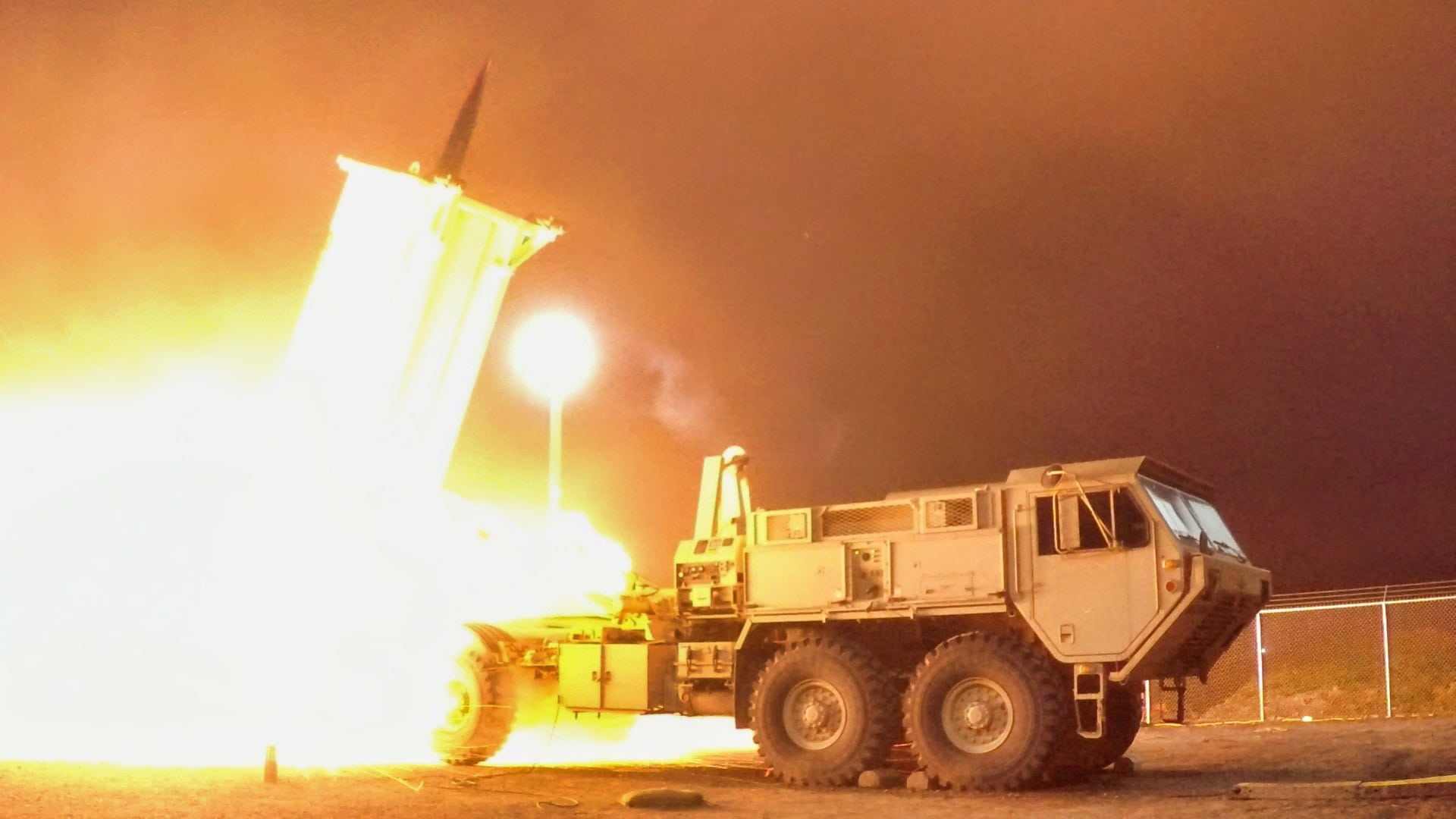
THAAD. Image Credit: Department of Defense.
This week, Business Insider reported production is sharply increasing weapons that would be essential in any full-blown global war: missile interceptors, long-range strike systems, and precision-guided weapons. Among the most notable changes is the push to expand production of THAAD components and interceptors. Earlier this year, BAE Systems and Lockheed Martin said they would quadruple production of seekers for the THAAD interceptor, while Lockheed said separately that it had signed an agreement with the Department of War to increase THAAD interceptor production from 96 a year to 400.
That matters because THAAD is not a niche capability. It is one of the US military’s premier defenses against ballistic missile threats, and recent combat use has only reinforced its importance.
During the 12-day war with Iran last June, the system was deployed against Iranian missile attacks, expending between 100 and 150 interceptors.
The same logic applies across the wider missile inventory. RTX’s Raytheon said in February that annual production of the SM-6 missile will rise to more than 500, while Tomahawk cruise missile output will increase to 1,000 per year.
Iran burned through 100-150 THAAD interceptors in 12 days. The Pentagon’s response: quadruple THAAD production to 400/year
The company also said it would increase production of the SM-3 IIA interceptor and accelerate SM-3 IB production. These systems have seen extensive use in recent operations, particularly in the Middle East, raising concerns about depletion rates and the time needed to rebuild inventories.
Patriot production is also on the up, with. Lockheed Martin announced in January that its PAC-3 output is set to rocket from some 600 a year to 2,000, via a seven-year deal with the Pentagon.
This is not just about America flexing its muscles and meeting its own demands, but about its allies.
Patriot batteries and interceptors are used by a vast network of partners, and American stockpiles are already being strained by transfers to partners, especially given the demand across distinct theatres in Europe, the Indo-Pacific, and the Middle East.
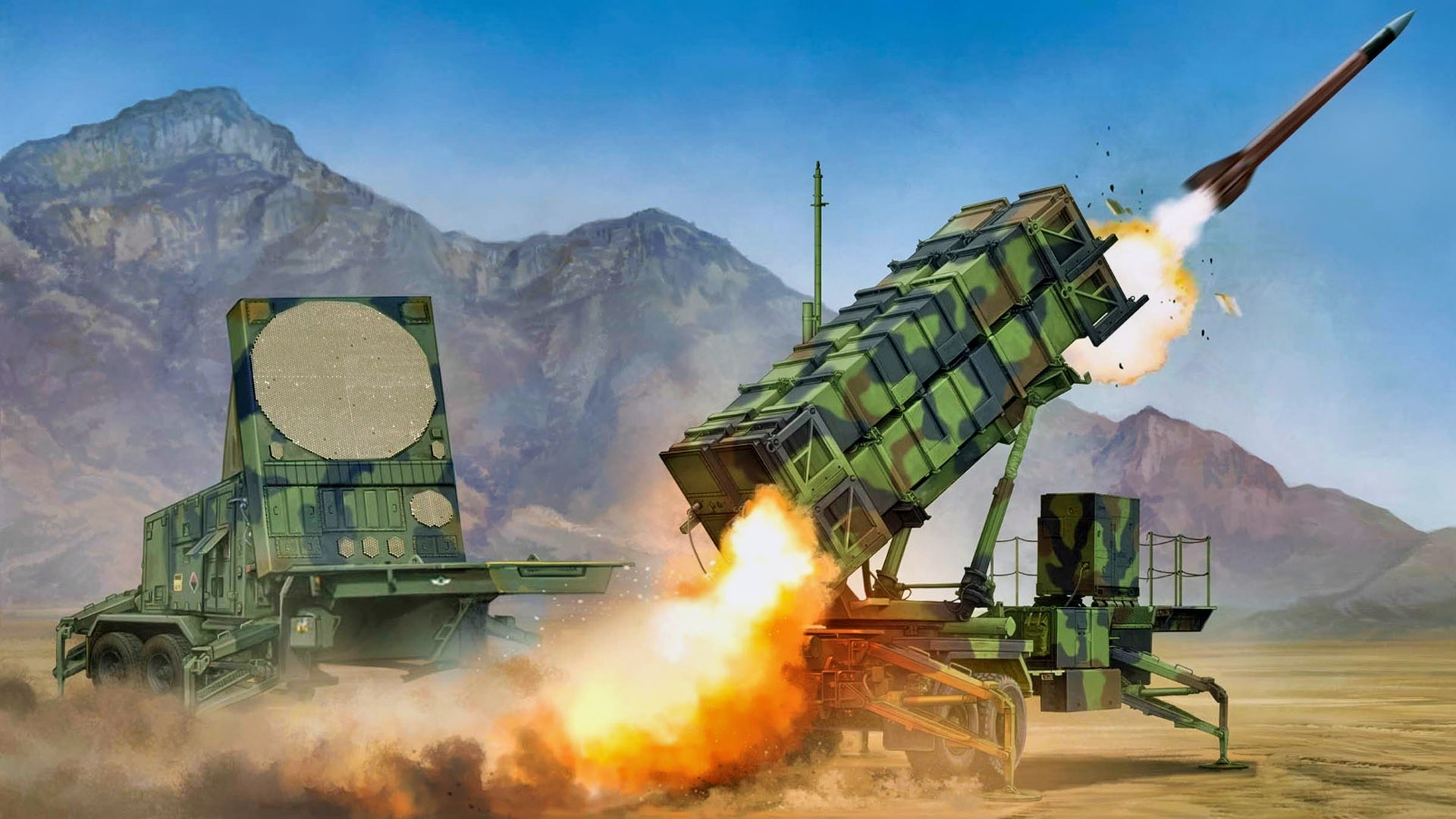
Patriot Missile. Image Credit: Creative Commons.
The Precision Strike Missile (PrSM) is now scheduled to ramp up production under a new framework with Lockheed that would quadruple output to 400 missiles a year. The missile, designed as a successor to ATACMS, is highly relevant because it supports the US Army’s move toward longer-range, survivable land-based fires. In any potential full-on confrontation with China, that kind of capability would be essential.
This news is far from being solely about replenishing stocks used up in conflict in the Middle East, but about preparing for a much more significant contingency.
The specific politics surrounding this are almost as dramatic as the production shake-up. U.S. President Donald Trump just claimed that the US did not necessarily “have to be there for NATO” after slamming the U.S. allies for failing to adequately back up Washington during the current war with Iran.
Spain, for example, refused to allow U.S. jets involved in the operation to use its bases. Meanwhile, the UK dawdled in its stance, with U.S. defense secretary Pete Hegseth telling Londo to “go get your own oil” from the Strait of Hormuz, amid speculation that the U.S. could chaperone commercial ships in the embattled Gulf to assuage price shocks.
Trump, once again, came to publicly questioned why America should defend allies who were “not there for us”, while Sky News said that the UK Parliament’s Joint Committee on the National Security Strategy committee has already warned Britain and its European partners to prepare for an eventuality in which the US refuses to aid its defense despite a major crisis-likely at the hands of Russia.
MORE – You Can Now Visit the YF-118G Bird of Prey Stealth Fighter
About the Author: Georgia Gilholy
Georgia Gilholy is a journalist based in the United Kingdom who has been published in Newsweek, The Times of Israel, and The Spectator. Gilholy writes about international politics, culture, and education. You can follow her on X: @llggeorgia.