
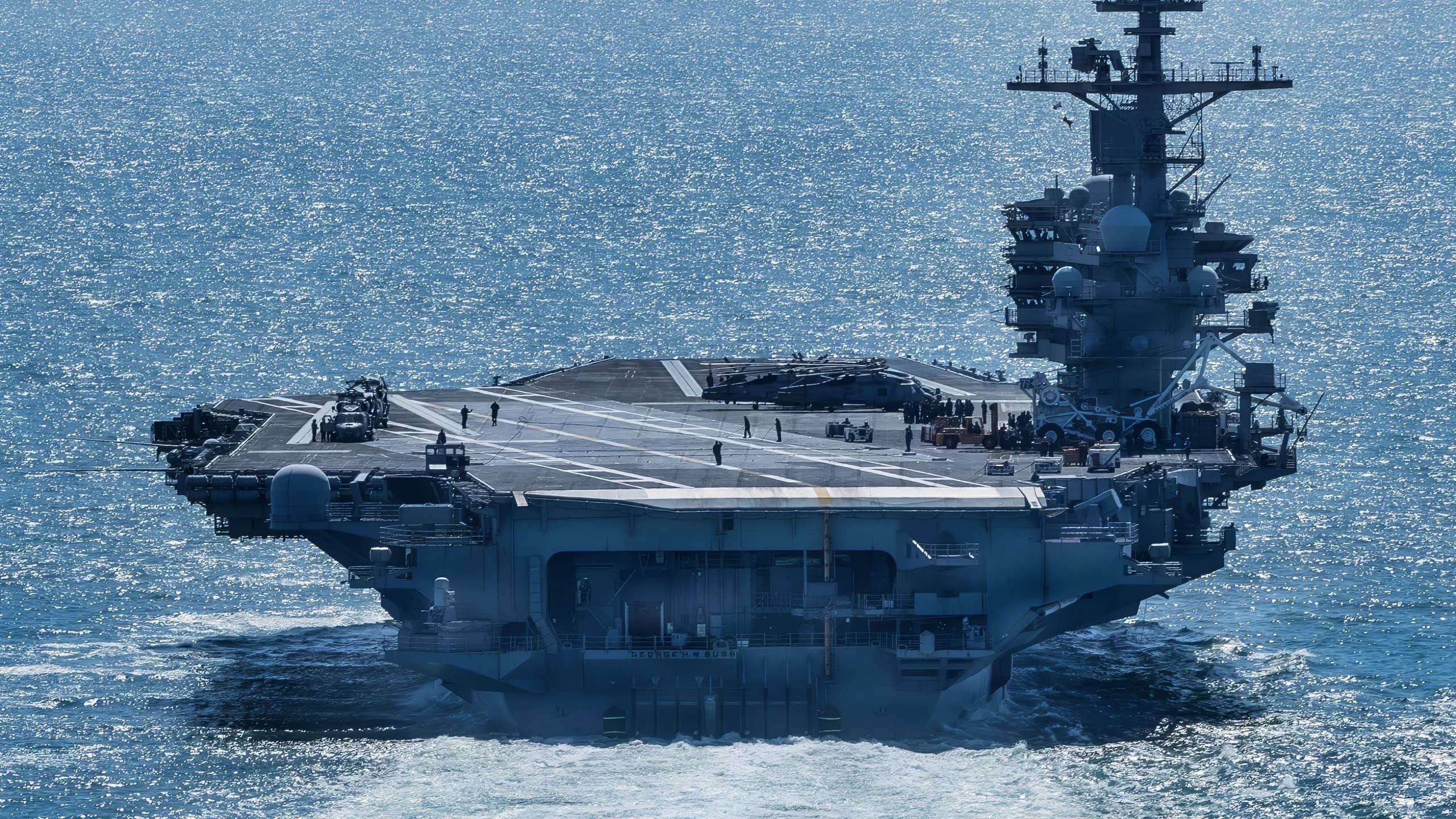
The Iran War Is Now Becoming a Strait of Hormuz Showdown
The war in Iran began just over a month ago, when the United States and Israel launched airstrikes that killed Iranian Supreme Leader Ali Khamenei and several other top officials in Tehran.
The strikes did not bring about the immediate end of the Islamic Republic regime, and Khamenei’s son was soon elected as his successor. The war has continued into a second month, with no obvious endgame in sight.
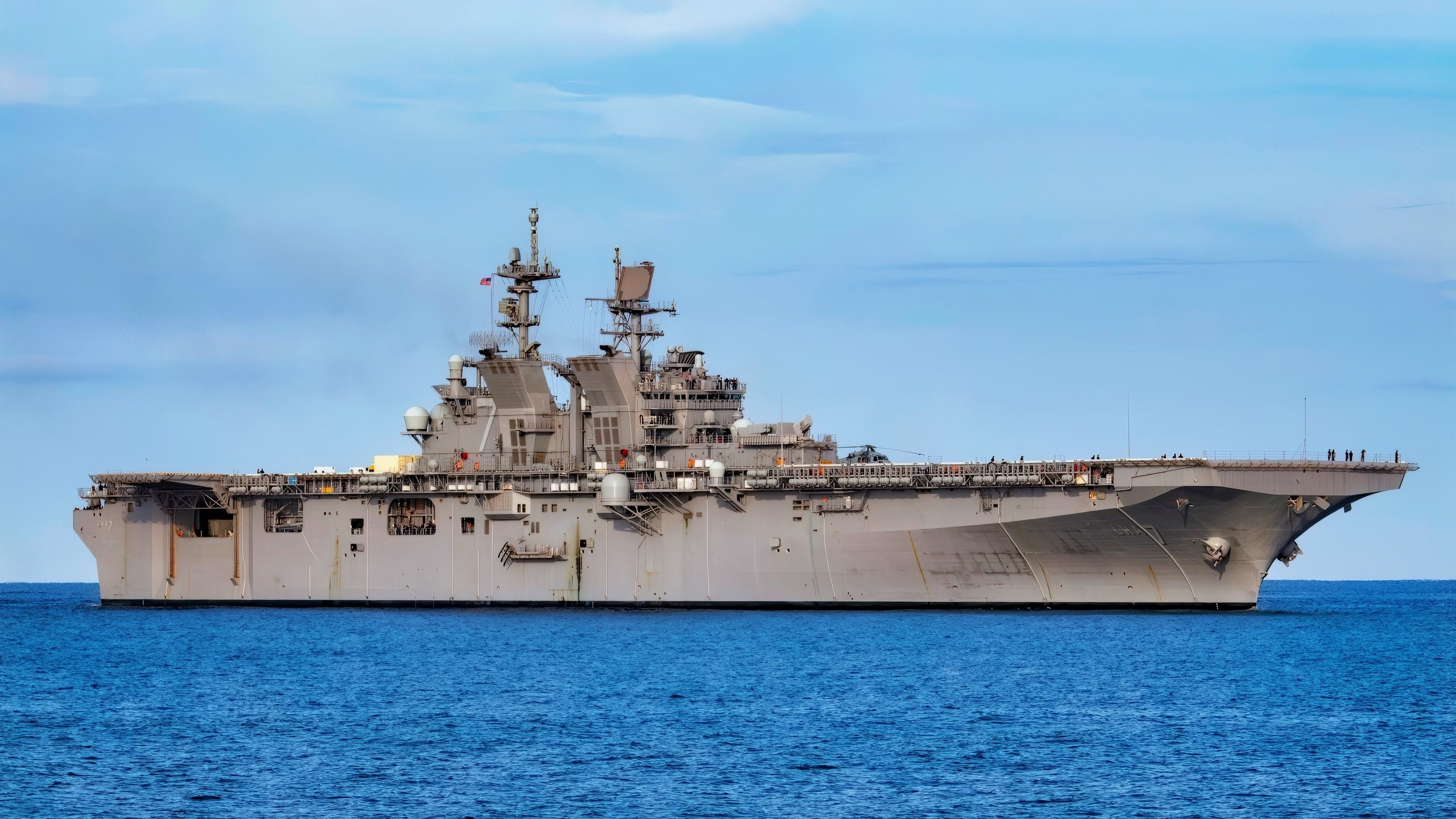
GUANTANAMO BAY, Cuba (Aug. 3, 2020) The amphibious assault ship USS Tripoli (LHA 7), the second America-class amphibious assault ship, transits toward Naval Station Guantanamo Bay, Aug. 3, 2020. Tripoli commissioned July 15 and is en route to homeport in San Diego. Naval Station Guantanamo Bay is the forward, ready, irreplaceable U.S. sea power platform in the Caribbean. (U.S. Navy photo by Mass Communication Specialist 2nd Class Samantha Oblander)
Iran early in the war closed the Strait of Hormuz, a global choke point for shipping—especially oil tankers. The result has been a major disruption to global oil supply, which has led gas prices to soar. The national average price for gasoline has exceeded $4 per gallon for the first time since 2022, the Associated Press reported, and the national average jumped by more than a dollar in just one month.
Using military action to open the Strait of Hormuz is far from an easy lift. The difficulty is laid out in an analysis published this week by Responsible Statecraft. The key obstacle is Iran’s capacity for drone warfare.
“This is why the U.S. Navy hasn’t attempted to force its way through the strait. Simply put, Iran is threatening extremely expensive and manpower-intensive U.S. ships with weapons that are a fraction of the cost in exchange,” James A. Russell writes. “Moreover, the United States can’t easily replace destroyed or damaged vessels due to the well-documented decline of the shipbuilding industrial base.”
U.S. President Donald Trump has threatened other actions—from destroying oil wells to attacking Kharg Island—to coerce Iran to reopen the strait. The use of ground troops in the conflict is a real possibility.
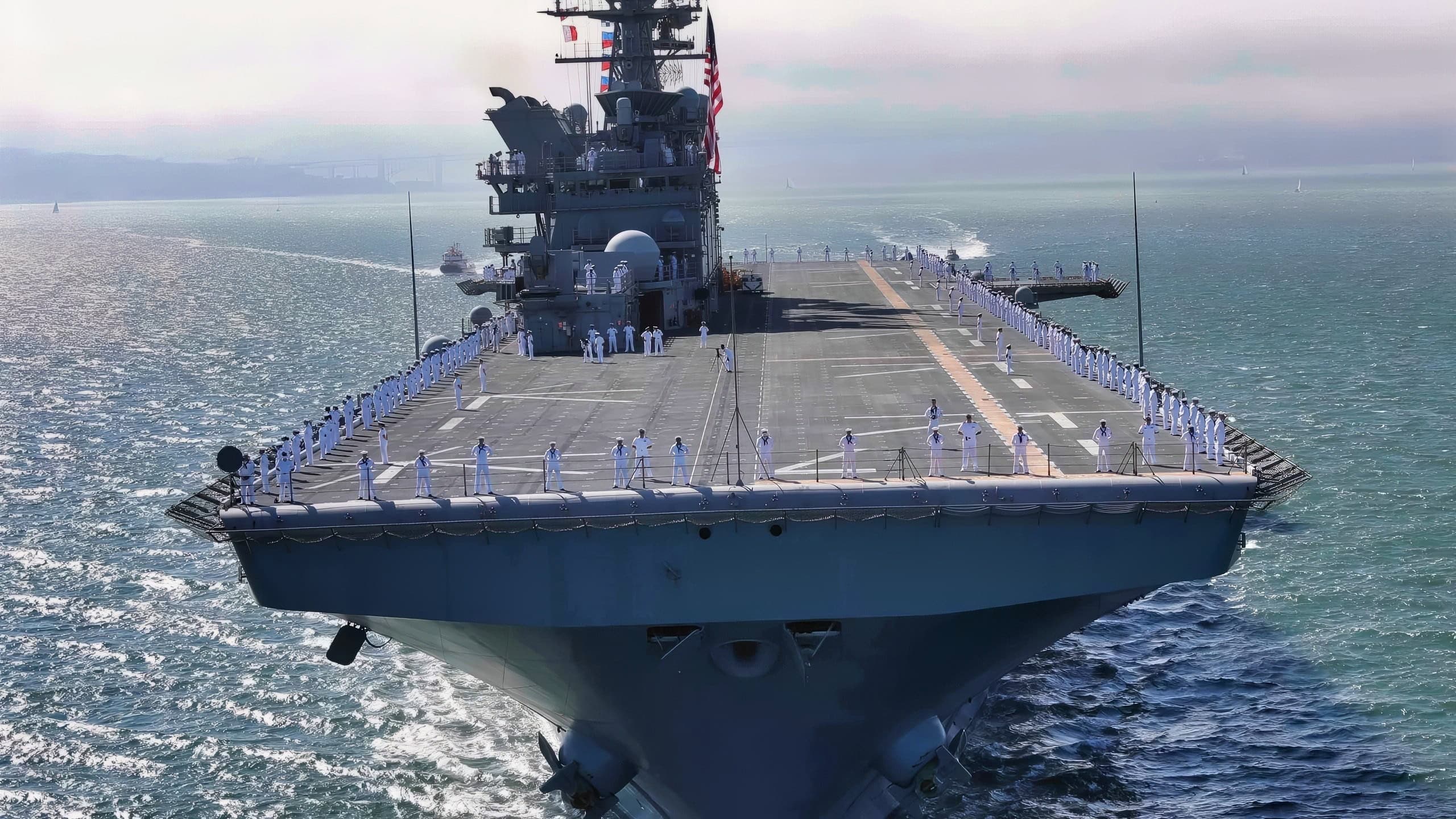
210911-N-OP825-1213 PACIFIC OCEAN (Sept. 11, 2021) Sailors aboard amphibious assault ship USS Tripoli (LHA 7) man the rails on the ship’s flight deck as the ship prepares to pull into San Francisco in support of San Francisco Fleet Week (SFFW), Sept. 11, 2021. SFFW is an opportunity for the American public to meet their Navy, Marine Corps and Coast Guard teams and experience America’s sea services. During fleet week, service members participate in various community service events, showcase capabilities and equipment to the community, and enjoy the hospitality of San Francisco and its surrounding areas. (U.S. Navy photo by Mass Communication Specialist 3rd Class Erica Higa /Released)
A Political Issue
The closure of the strait could pose a major political problem for the president—and for other world leaders, as high fuel prices are affecting other countries as well.
Among other things, the war has threatened the MAGA political project.
President Donald Trump, who came to power in part by criticizing open-ended wars in the Middle East—and who often warned that his various political opponents would launch more of them—now sees himself at the helm of just such a war.
It also appears Trump has abandoned his oft-stated dream of winning the Nobel Peace Prize.
In 2024 in particular, Trump came back to power by promising to end inflation, and specifically by promising low gas prices.
So what’s the way forward, and what can be done to reopen the Strait of Hormuz?
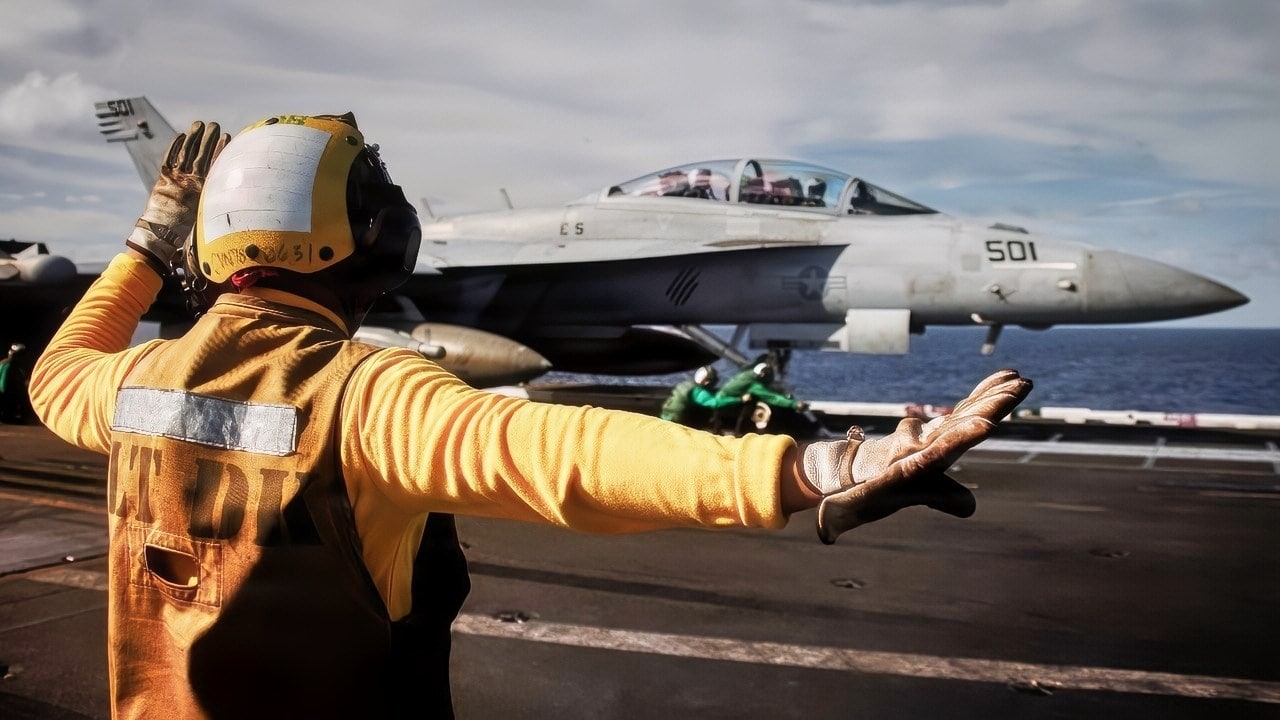
A U.S. Sailor signals to send the aircraft catapult shuttle forward on the flight deck of the world’s largest aircraft carrier, Ford-class aircraft carrier USS Gerald R. Ford (CVN 78), while underway in the Caribbean Sea, Jan. 11, 2026. U.S. military forces are deployed to the Caribbean in support of the U.S. Southern Command mission, Department of War-directed operations, and the president’s priorities to disrupt illicit drug trafficking and protect the homeland. (U.S. Navy photo)
Ending the War Without It
While the justifications for the war have shifted over its course, one clear objective at the moment is to reopen the Strait of Hormuz, whether by a deal or by force. But the president this week raised the possibility that the war could end without the strait reopening.
The Wall Street Journal reported on Tuesday that Trump has told aides he is “willing to end the U.S. military campaign against Iran even if the Strait of Hormuz remains largely closed.” The idea, administration sources told the newspaper, would be “leaving a complex operation to reopen it for a later date.”
WSJ’s story added that the White House has assessed that “a mission to pry open the choke point would push the conflict beyond his timeline of four to six weeks.”
Another surprise in the report is the suggestion that if current operations don’t succeed in getting Iran to back down, “Washington would press allies in Europe and the Gulf to take the lead on reopening the strait, the officials said.”
That presumably would entail the United States stepping away from a war it started, and asking European and Gulf allies—who have not, up to this point, participated in the war—to take over instead.
The president, in a Truth Social post on Tuesday morning, made this a bit more explicit:
“All of those countries that can’t get jet fuel because of the Strait of Hormuz, like the United Kingdom, which refused to get involved in the decapitation of Iran, I have a suggestion for you: Number 1, buy from the U.S., we have plenty, and Number 2, build up some delayed courage, go to the Strait, and just TAKE IT.
“You’ll have to start learning how to fight for yourself, the U.S.A. won’t be there to help you anymore, just like you weren’t there for us. Iran has been, essentially, decimated. The hard part is done. Go get your own oil!”
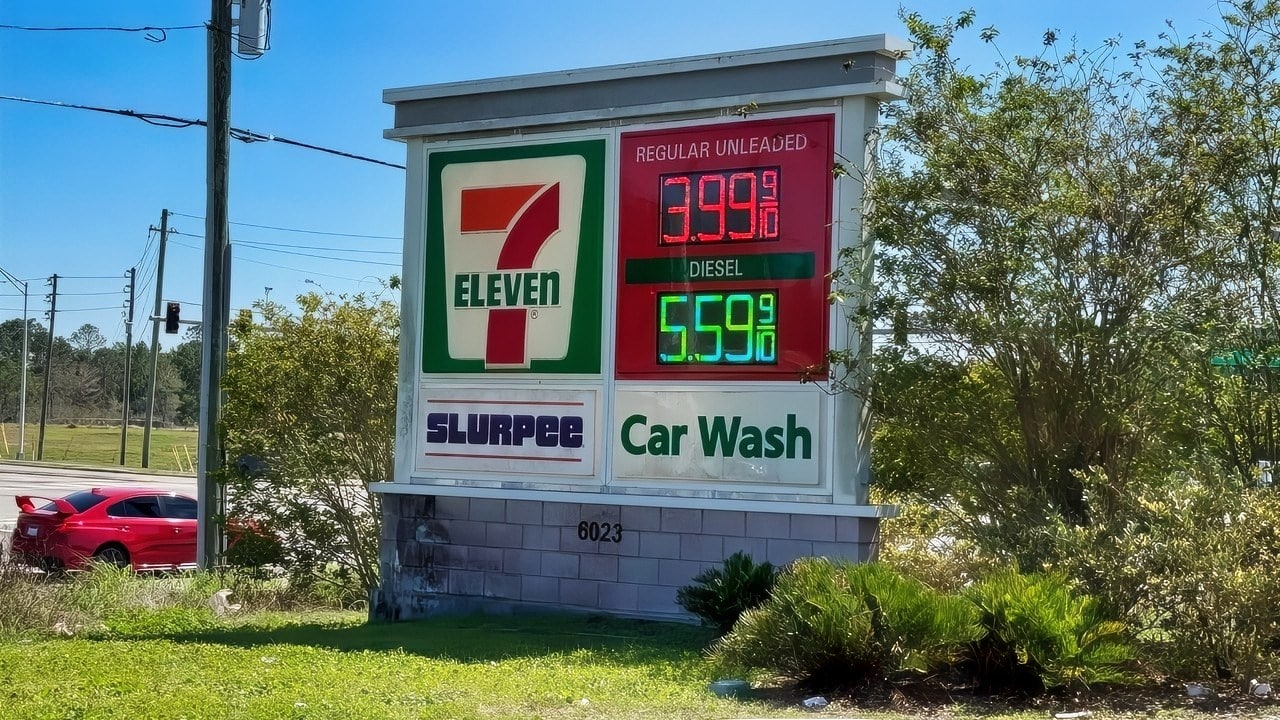
Gas Prices Keep Rising Due to Iran War. Image by 19FortyFive Editor Harry J. Kazianis in Davenport, Florida.
In a separate post, Trump attacked the government of France for refusing to let planes fly over French territory.
“France has been VERY UNHELPFUL with respect to the “Butcher of Iran,” who has been successfully eliminated! The U.S.A. will REMEMBER!!!” Trump declared. According to Axios, Secretary of State Marco Rubio at the G7 this week raised the issue with the French foreign minister, but was rebuffed.
So Now What?
This may be a bluff by the White House—Trump has been known to do that in high-stakes international situations.
But if the United States were to declare victory in Iran and then leave, with the Strait of Hormuz still closed, there would likely be major consequences.
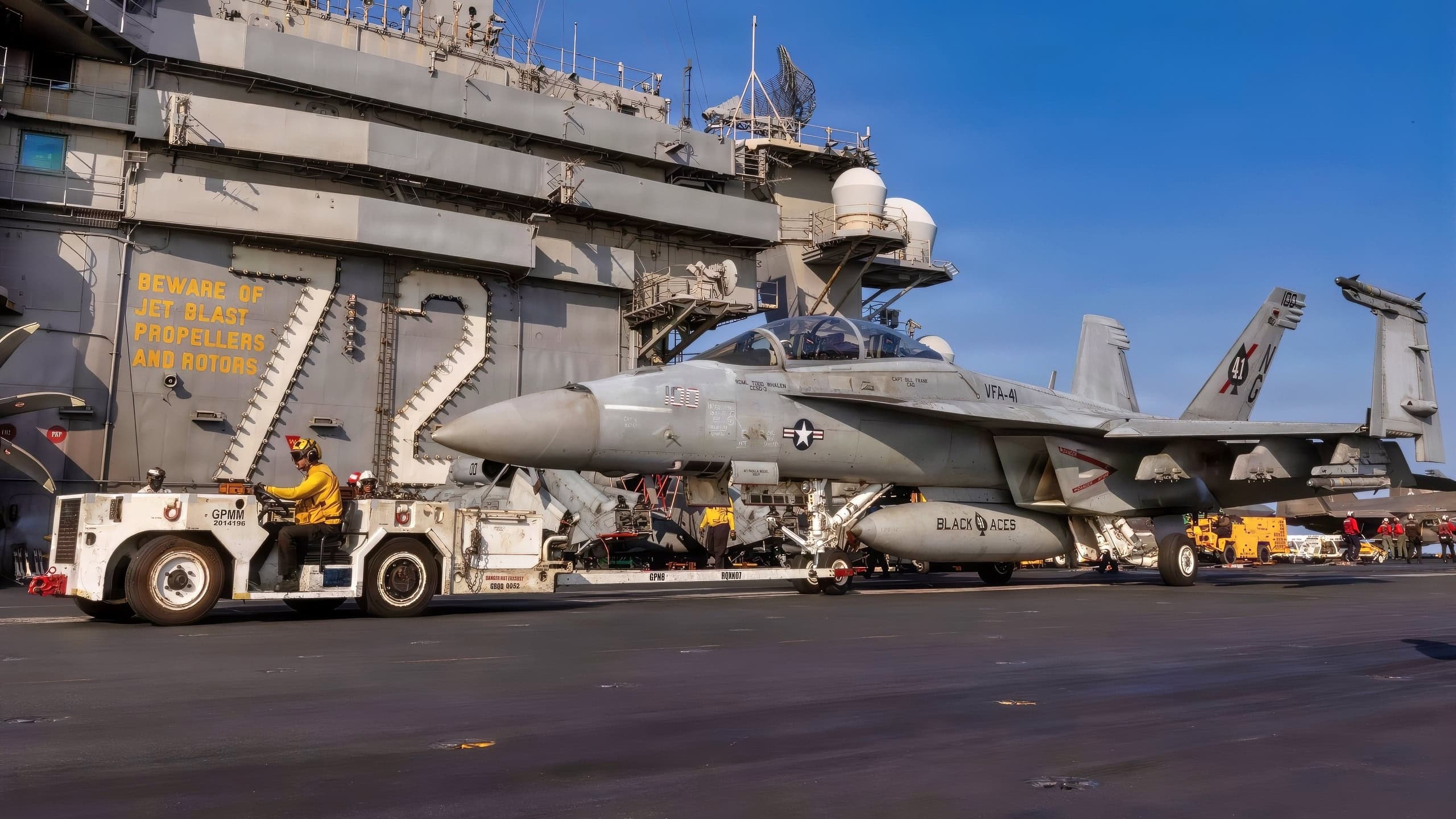
An F/A-18F Super Hornet, attached to Strike Fighter Squadron (VFA) 41, is taxied on the flight deck of Nimitz-class aircraft carrier USS Abraham Lincoln (CVN 72) in support of Operation Epic Fury, March 6, 2026. Abraham Lincoln is deployed to the U.S. 5th Fleet area of operations to support maritime security and stability in the Middle East. (U.S. Navy photo)
For one thing, gas prices would likely remain high for the short-term future if the Strait remains closed, leading to a great deal of discontent at home, and possible difficulty for the president and his party heading into the midterm elections.
The president would likely try to blame that on European and Gulf countries, but he would have a difficult case to make, especially because it was the United States and Israel, not those countries, that started the war in the first place. The Strait of Hormuz was not closed until the war started.
MORE – China’s H-20 Stealth Bomber Is In Trouble
MORE – The U.S. Navy’s Aircraft Carrier Crisis
About the Author: Stephen Silver
Stephen Silver is an award-winning journalist, essayist, and film critic, and contributor to the Philadelphia Inquirer, the Jewish Telegraphic Agency, Broad Street Review, and Splice Today. The co-founder of the Philadelphia Film Critics Circle, Stephen lives in suburban Philadelphia with his wife and two sons. For over a decade, Stephen has authored thousands of articles that focus on politics, national security, technology, and the economy. Follow him on X (formerly Twitter) at @StephenSilver, and subscribe to his Substack newsletter.