Trump Said the Iran War Will Continue: We Have More Questions Than Answers After His Speech
The world was on pins and needles waiting for President Donald Trump to clearly declare that the Iran War, which began on February 28 with the Israeli Air Force’s assassination of Iran’s spiritual and political leader, Ayatollah Ali Khamenei, was over.
Sadly, those words in the forty-seventh president’s half-hour speech never came out of his mouth. And global oil markets reacted negatively to the president’s indecision.
The President’s Speech
Indeed, the president clearly stated that he would continue prosecuting the war for at least another two to three weeks. In his speech, the American leader indicated that the United States had achieved its major objectives.
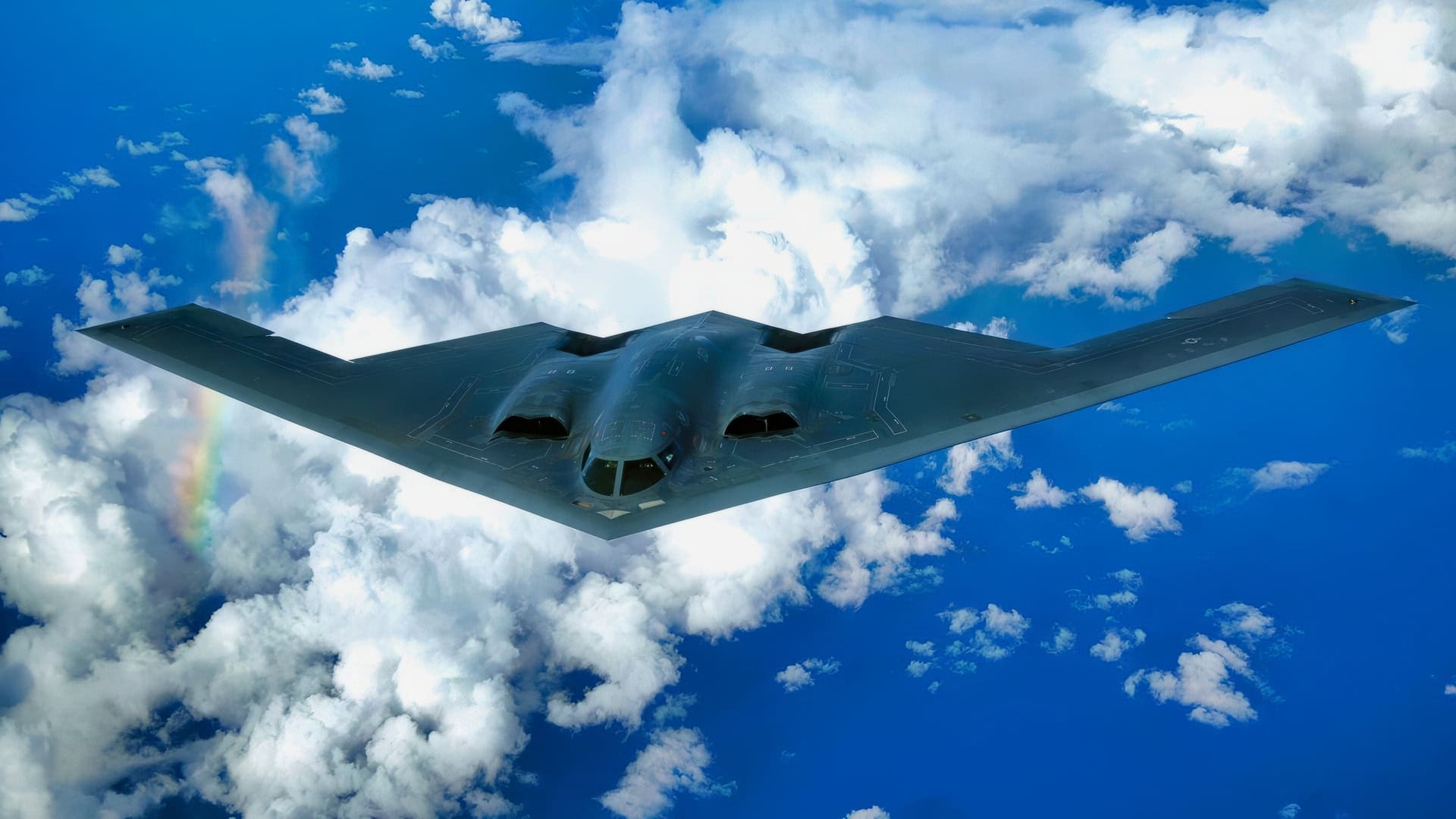
A B-2 Spirit soars after a refueling mission over the Pacific Ocean on Tuesday, May 30, 2006. The B-2, from the 509th Bomb Wing at Whiteman Air Force Base, Mo., is part of a continuous bomber presence in the Asia-Pacific region. (U.S. Air Force photo/Staff Sgt. Bennie J. Davis III)
Among those objectives, the president assessed that US and Israeli air forces had destroyed Iran’s air defense network, obliterated all suspected nuclear weapons facilities inside Iran, and annihilated the Iranian military.
Alas, even after the speech, the flow of troops and resources continues, signaling an escalatory move by the United States.
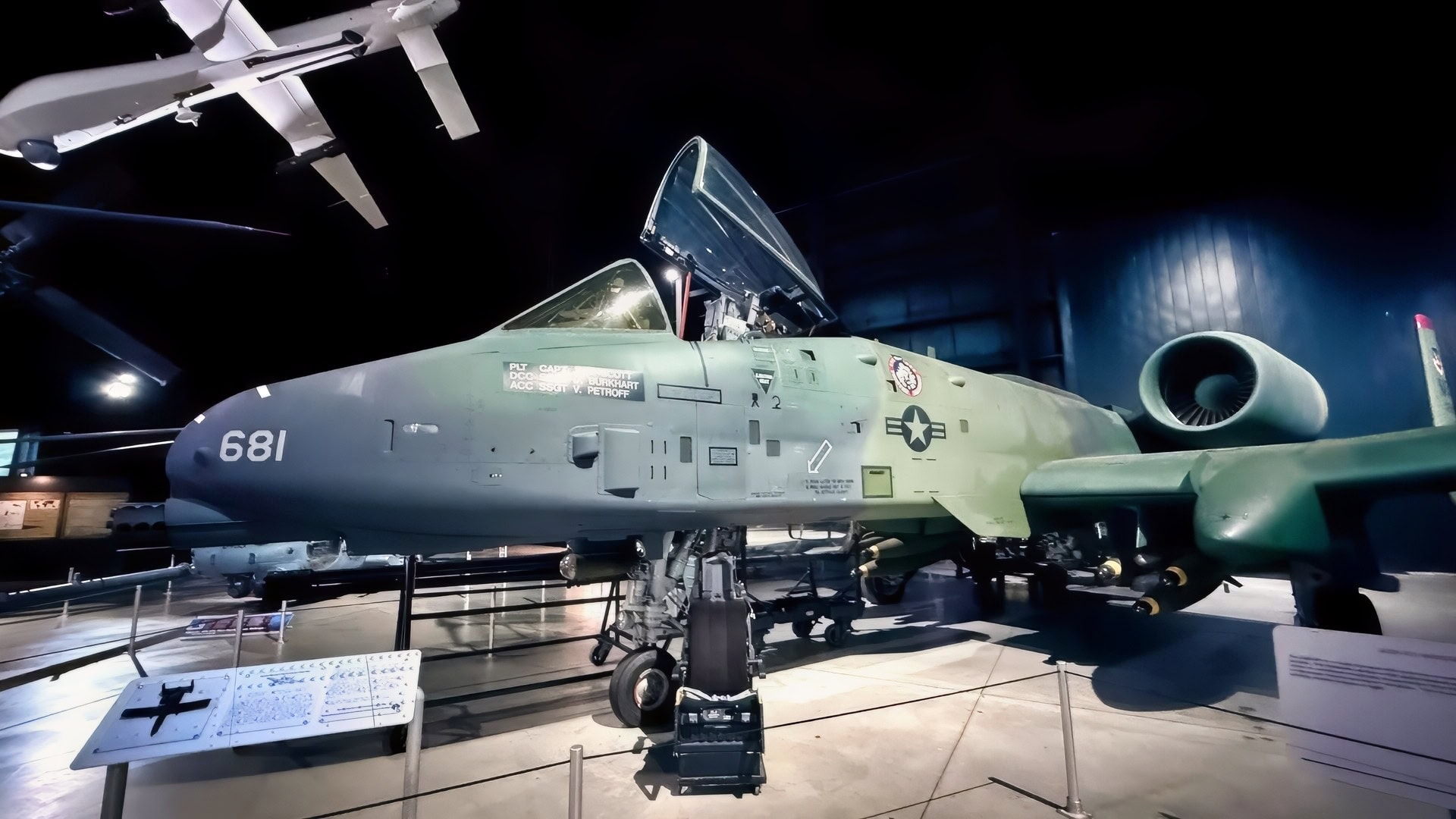
Not only have two Marine Expeditionary Units (MEUs) and the US Army’s 82nd Airborne Rangers been sent to the Middle East, but the Nevada Air National Guard is also being deployed to the region. A-10 Warthogs, which are close-in air support (CAS) planes, are being moved into the area, suggesting that the administration is at least considering some ground attack against Iran.
That brings us to the parts of the president’s speech that seemed to have unsettled the market. In his speech, Mr. Trump stated that he would continue the conflict by bombing more sensitive targets in Iran. If the Iranians did not stop their opposition to the US and Israelis, Trump implied he would order strikes on key Iranian oil production sites and critical electrical infrastructure, which would knock the Iranians “back to the stone age.”
After the speech, Secretary of Defense Pete Hegseth tweeted that the Pentagon would bomb the Iranians back into the Stone Age.
Of course, this was a very poor choice of words, both by the president and his secretary of defense. These were the same words that US Air Force Gen. Curtis LeMay used when speaking about his plan to defeat the North Vietnamese in the Vietnam War. What’s more, that statement alone is escalatory.
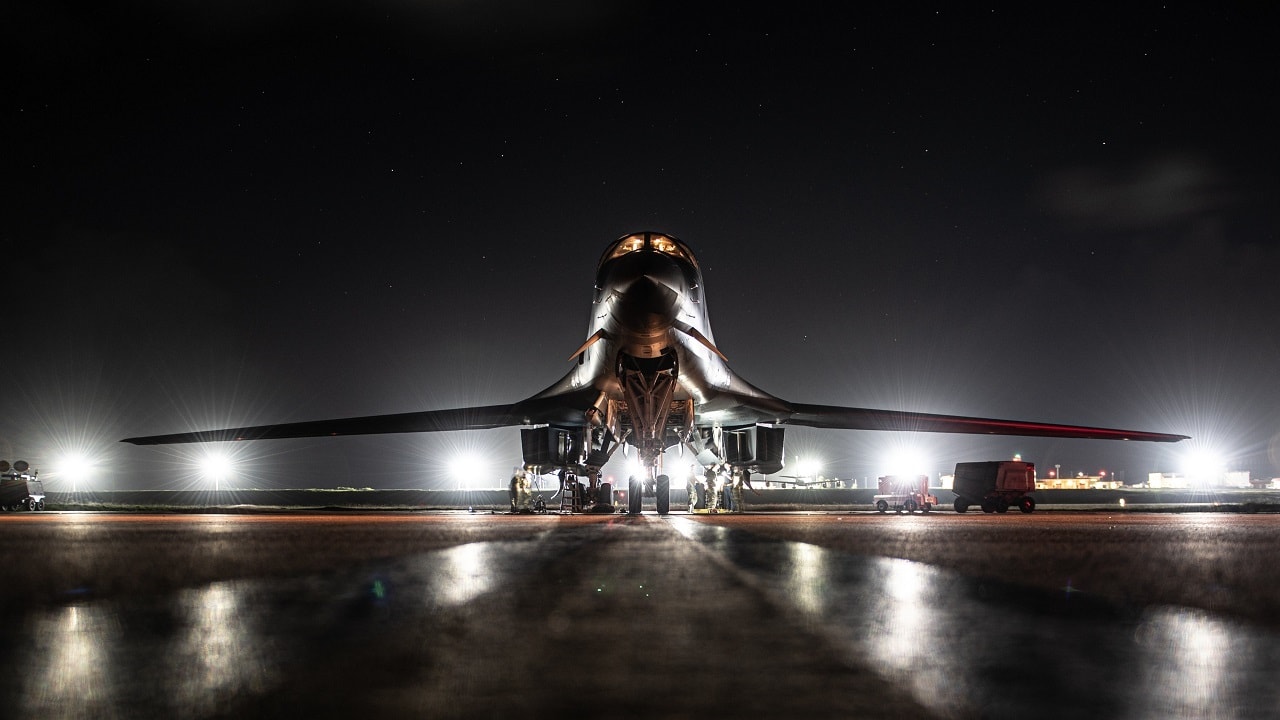
B-1B Lancer Bomber. Image Credit: U.S. Air Force.
There is also confusion among the general population.
Potential Invasion Points in Iran
After all, in the same speech, the American president quipped that the Second World War and the Korean War lasted longer than the current conflict in Iran. That, too, led many to believe the president was not serious about de-escalation. A few potential targets have been floated over the weeks for possible landings, ranging from Kharg Island to other points along the Iranian coastline, in what would be an obvious attempt to force open the Strait of Hormuz.
In every case, though, the risks of unintended consequences are greater than what the government publicly admits.
Then there’s the even more fantastical idea of deploying ground forces to a suspected nuclear weapons site in Iran, such as Isfahan or Yazd. At these mountain fortresses, it is believed that nuclear weapons or nuclear materials, like uranium, may be stored.
The Trump administration has long dedicated itself to stopping the Islamic Republic of Iran from obtaining nuclear weapons. This was the foundation of last year’s B-2 Spirit strikes during the 12-Day War. It is one of the reasons the president has cited for intervening in the current conflict with Iran.
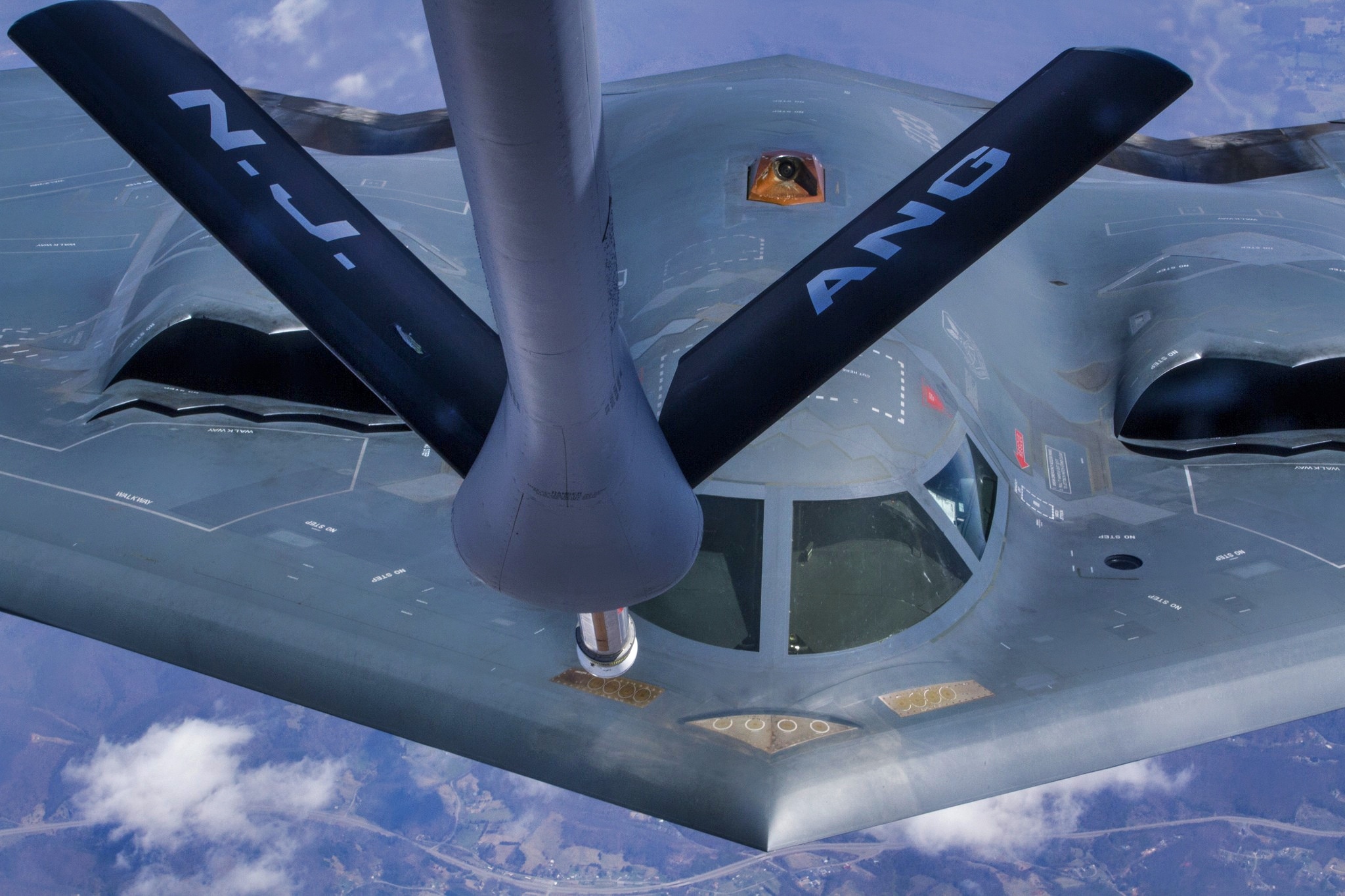
B-2 Spirit Stealth Bomber. Image Credit: Creative Commons.
Yet, a uranium hunt in the middle of Iran seems even more absurd than landing troops on Kharg Island or somewhere along the coast. According to the Washington Post, the president was recently briefed on plans to land thousands of US troops and Special Forces operators at a suspected Iranian nuclear weapons facility.
Once there, the U.S. forces would build a runway and dig trenches for their use. The runway would serve to bring in additional U.S. forces. After establishing a foothold, U.S. forces would then move out to locate and destroy or recover Iran’s nuclear materials.
This would be carried out while under attack from entrenched Iranian defenders and their missile and drone arsenal. In other words, this is as reckless an operation as President Jimmy Carter’s Operation Eagle Claw to rescue US hostages in Iran in 1979.
Tell Us How This Ends
So, we are left with the possibilities that Trump merely intends to bomb Iran for the next two to three weeks and then leave, or the prospects of a U.S. ground invasion of some kind into the Islamic Republic. An extended bombing campaign would not result in the overthrow or destruction of the regime. It would, as the air campaign has already done, weaken Iran’s capabilities.
If the president tries to land US forces anywhere inside Iranian territory, the chances of a total strategic disaster are dangerously high. The only sensible option is for the president to stop fighting this war of choice. However, doing so requires accepting the risk of being seen as defeated at the strategic level by the Iranians. He is unlikely to accept that, so the escalation continues.
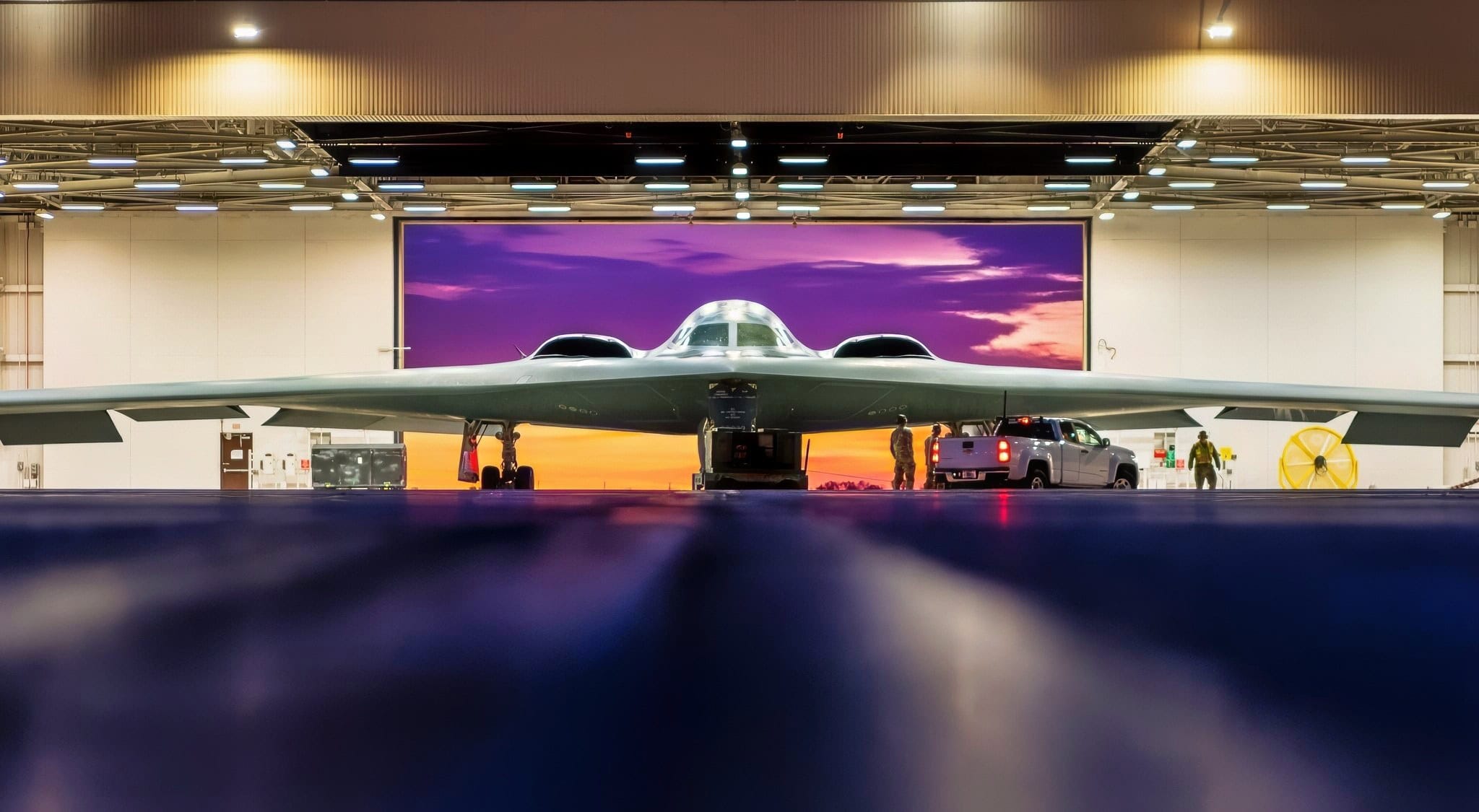
U.S. Airmen assigned to the 393rd Bomber Generation Squadron prepare a B-2 Spirit aircraft for flight during Exercise Global Thunder 26 at Whiteman Air Force Base, Missouri, Oct. 24, 2025. Global Thunder is an annual command and control exercise designed to train U.S. Strategic Command forces and assess joint operational readiness. (U.S. Air Force photo by Staff Sgt. Joshua Hastings)
Meanwhile, Washington simply assumes that Tehran will endure it. Maybe Iran’s regime will. Or perhaps, they too will escalate in unconventional ways. One way or another, the war will last more than two to three weeks. It could take months or even years at this rate to end.
MORE: Trump Could Break NATO For Good
About the Author: Brandon J. Weichert
Brandon J. Weichert is the Senior National Security Editor at 19FortyFive.com. Recently, Weichert became the editor of the “NatSec Guy” section at Emerald.TV. He was previously the senior national security editor at The National Interest. Weichert is the host of The National Security Hour on iHeartRadio, where he discusses national security policy every Wednesday at 8pm Eastern. He hosts a companion show on Rumble entitled “National Security Talk.” Weichert consults regularly with various government institutions and private organizations on geopolitical issues. His writings have appeared in numerous publications, among them Popular Mechanics, National Review, MSN, and The American Spectator. And his books include Winning Space: How America Remains a Superpower, Biohacked: China’s Race to Control Life, and The Shadow War: Iran’s Quest for Supremacy. Weichert’s newest book, A Disaster of Our Own Making: How the West Lost Ukraine, is available for purchase wherever books are sold. He can be followed via Twitter/X @WeTheBrandon.