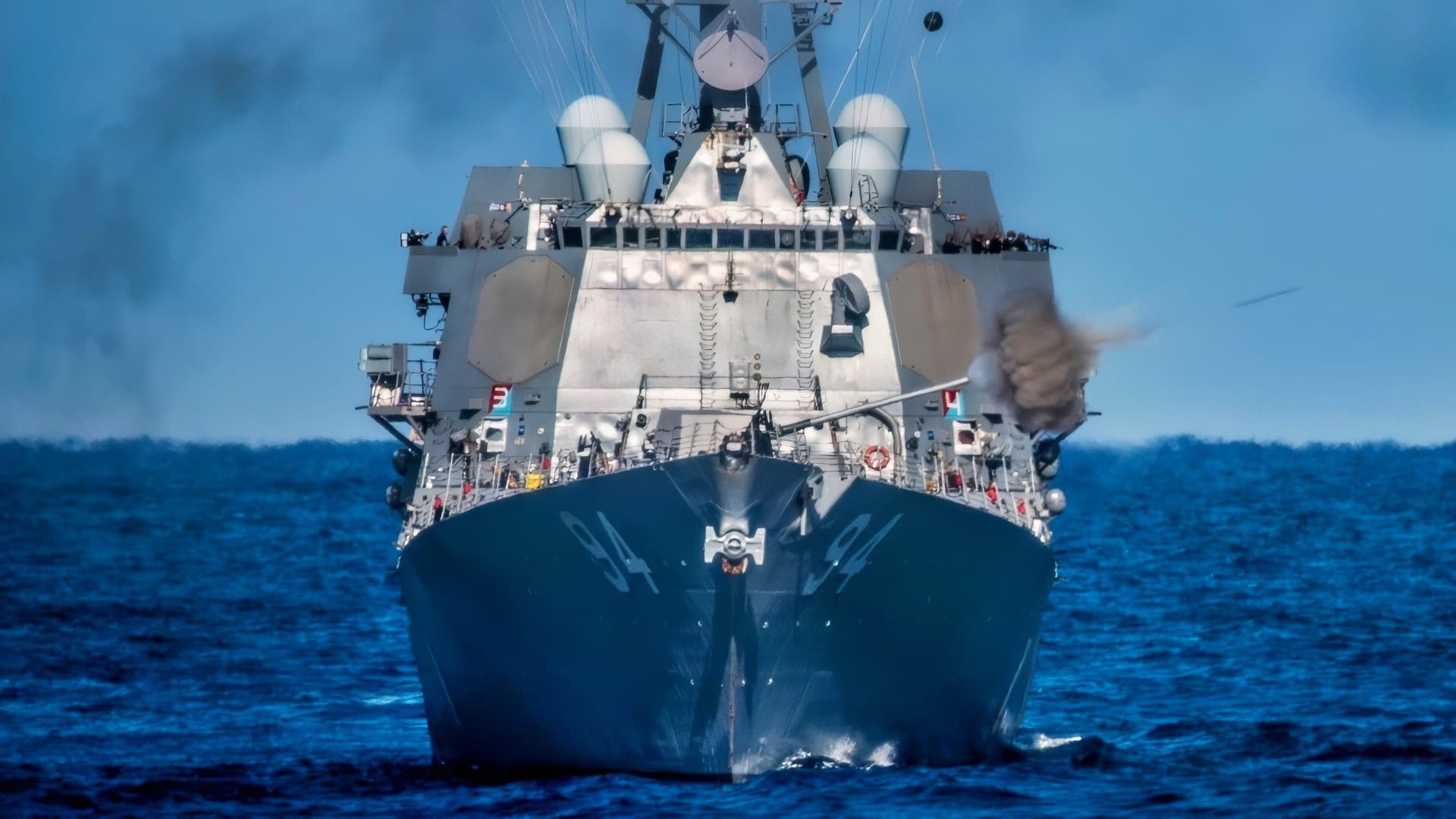
The U.S. Military Could Force Ships Through the Strait of Hormuz — It Can’t Make Insurers, Shippers, or Energy Markets Believe It’s Safe
On Easter morning this year, the world woke up to a shocking Truth Social post from the forty-seventh president of the United States. That message was aimed at the Iranian government, with whom President Trump has been at odds for the last month, and it ominously declared that, “Tuesday will be Power Plant Day [sic], and Bridge Day, all wrapped into one, in Iran. There will be nothing like it!!! Open the F—in’ Strait, you crazy b——s, or you’ll be living in Hell—JUST WATCH! Praise be to Allah. President DONALD J. TRUMP.”
Strait of Hormuz: The Strategic Context
This follows a bold raid deep inside the Islamic Republic of Iran carried out by the United States military and reportedly at least two Israeli special forces units.
The raid resulted in the rescue of two downed US pilots whose F-15 Strike Eagle was shot down late last week and led to the destruction of nearly $400 million worth of military equipment due to the fierce firefight.
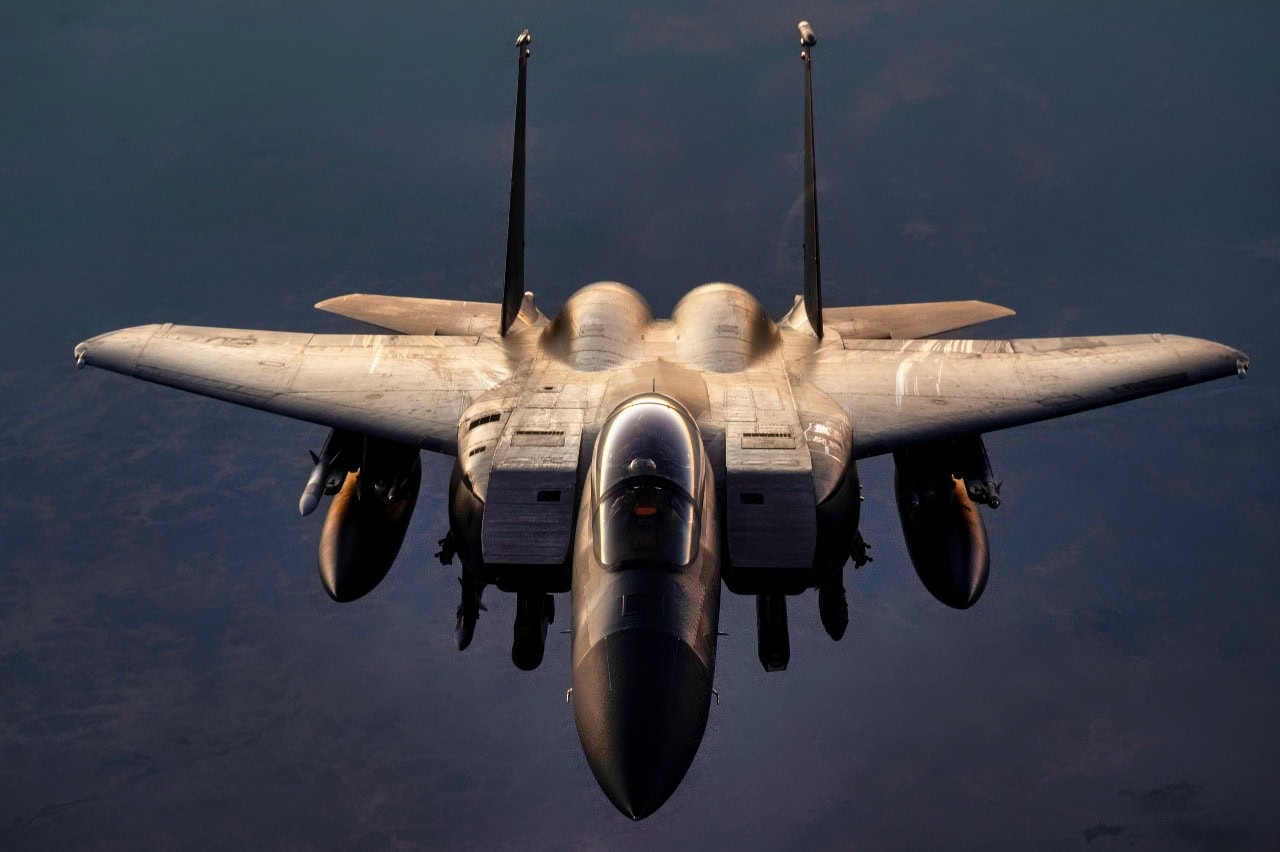
A U.S. Air Force F-15E Strike Eagle flies over the U.S. Central Command area of responsibility, Jan. 7, 2025. The F-15E’s superior maneuverability and acceleration are achieved through its high engine thrust-to-weight ratio and low-wing loading. (U.S. Air Force photo by Staff Sgt. William Rio Rosado)
While every American should commend the US military for undertaking such a risky mission deep inside enemy territory to supposedly rescue two downed American airmen, the reality is that neither that mission nor the president’s other concern about Iran—the Islamic Republic’s alleged nuclear weapons program—is as crucial to national strategic and economic interests as the White House claims.
Currently, the most pressing issue is the ongoing Iranian blockade of the Strait of Hormuz.
That closure is destabilizing the global economy because nearly 20 percent of all oil and natural gas flow through that narrow waterway between the coastlines of Oman, the United Arab Emirates (UAE), and Iran.
The closure has not only disrupted global energy markets but is also affecting international agriculture—since many agricultural precursors, such as fertilizer, pass through the Strait of Hormuz—as well as the world’s high-tech sector.
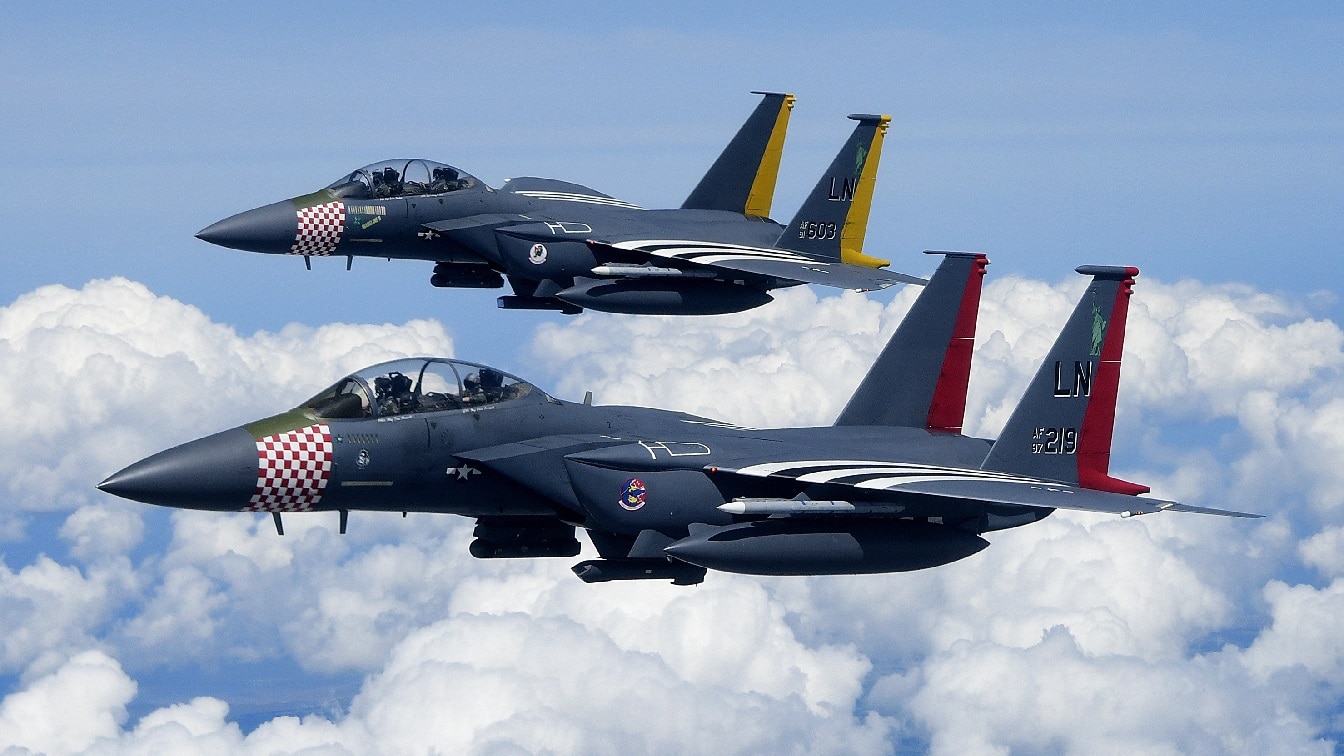
A pair of heritage painted F-15E Strike Eagles assigned to the 48th Fighter Wing conduct aerial maneuvers over southern England June 9, 2019. The Liberty Wing conducts routine training daily to ensure the 48th Fighter Wing brings unique air combat capabilities to the fight when called upon by United States Air Forces in Europe-Air Forces Africa. (U.S. Air Force photo/ Tech. Sgt. Matthew Plew)
Helium, an essential element for manufacturing semiconductors that form the foundation of the artificial intelligence boom currently boosting Western economies, has been cut off due to the war.
Despite President Trump’s previous claims that he cares little about reopening the Strait of Hormuz, his expletive-filled, threatening message to the mullahs of Iran emphasizes how much of a threat the closure of the Strait of Hormuz poses to US economic prosperity and national security.
The fact that Trump rage-posted about the closure on Eastern Sunday dispels the White House’s claim that Hormuz is an international issue, or at least a European one.
A Painful Realization by Trump
Trump is realizing that he will need to use military force to forcibly reopen the Strait of Hormuz.
Otherwise, Iran will keep asserting unwanted control over the narrow waterway.
In fact, it already seems like many nations are bribing the Islamic Republic to allow their cargo and container ships to pass through the Strait—and they’re paying those bribes (which Iran calls tolls) in alternative currencies, like the Chinese yuan.
If this continues, the Americans will lose their dominant position in the Middle East, enemies and allies will start undermining the US dollar’s role as the primary reserve currency, and the shift away from the US-led world order will become unstoppable.
Trump will soon have to choose between accepting this new paradigm and escalating tensions through force. It’s unlikely he’ll accept Iran’s established control of the Strait of Hormuz, so he will likely escalate.
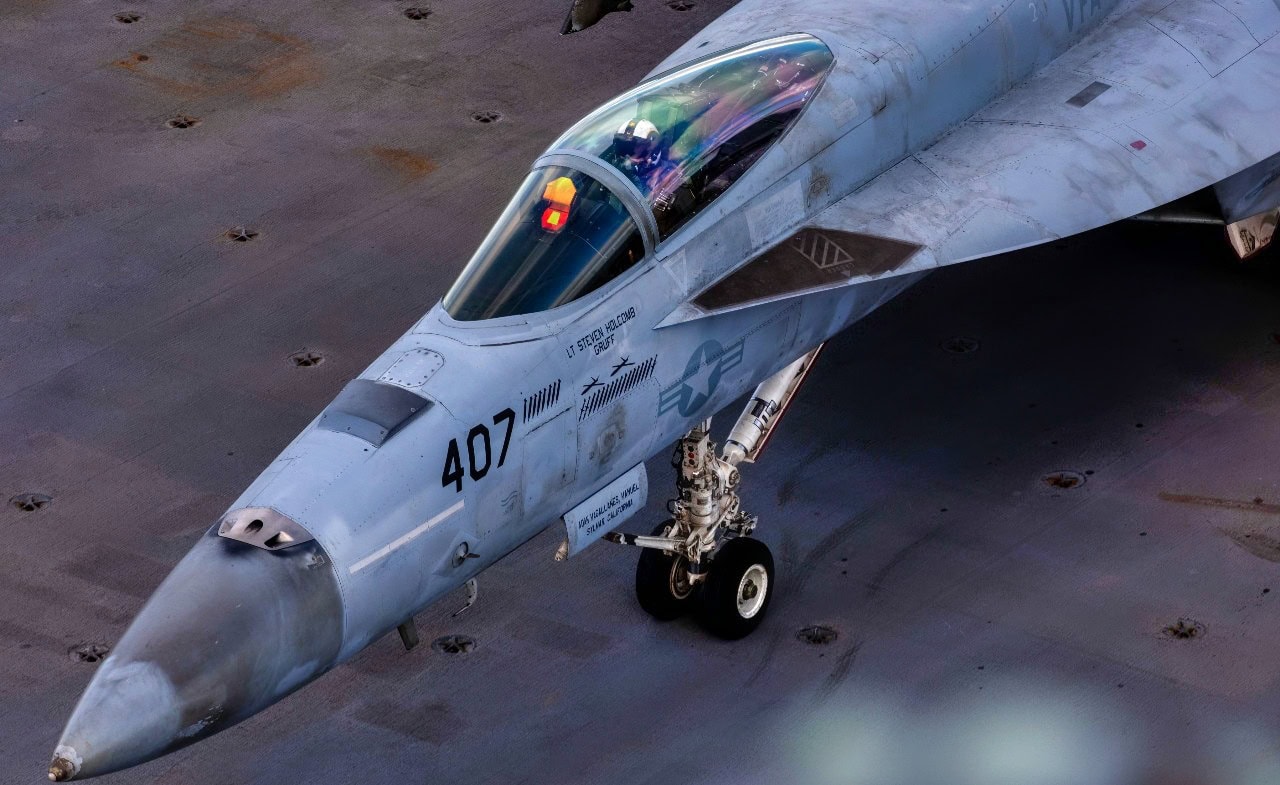
(Dec. 7, 2024) LT Steven Holcomb, attached to the Gunslingers of Strike Fighter Squadron (VFA) 105, operates a F/A-18E Super Hornet on the flight deck during flight operations, Dec. 7, 2024. USS George H.W. Bush is in the basic phase of the Optimized Fleet Response Plan conducting flight deck certification.(U.S. Navy photo by Mass Communication Specialist Seaman Jayden Brown)
Reopening the strait is militarily possible, but it won’t be a quick, easy, low-risk operation. The real issue isn’t just getting US Navy ships through the strait; it’s creating a secure enough environment that commercial shipping companies, insurers, and energy traders believe the risk has been reduced, which would lower overall costs.
Militarily, Trump faces two grim options, according to a recent report by The Guardian. He could seize territory, such as the Iranian island of Kharg, or launch a large-scale naval protection effort in the waterway. The reality is that even a limited landing could escalate quickly, since holding any captured ground would expose those US landing forces to the extensive range of Iranian missiles, drones, and rockets that have proven deadly throughout this war.
Additionally, a US attempt to use naval force to open—and maintain—the Strait will require enormous efforts, including escorts, minesweeping, and air support.
Here’s Why the Strait of Hormuz Isn’t Being Reopened Anytime Soon
Lest we forget, the US Navy is painfully short on minesweeping capacity and would likely rely on reluctant European and Asian allies to deploy their military forces to help keep the strait open. Why would European nations, India, or Japan risk losing their limited naval warships to Iranian attacks when they could simply pay a bribe in Chinese yuan to Tehran to keep their goods flowing freely through the strait?
Earlier in the conflict, President Trump speculated that reopening the strait would be a “simple military maneuver.” Defense News interviewed multiple military experts who said just the opposite. In fact, there are five key issues that will complicate any hurried American effort to punch through—and keep open—the sealed Strait of Hormuz.
The geography of the region benefits Iran. Hormuz is a narrow waterway, and Iran is located on the north coast of this waterway.
They have fortified that coastline with numerous missiles, drones, mines, and small craft that can be quickly deployed to complicate the tightly packed shipping lanes of the strait.
Therefore, even a “residual” Iranian capability is too significant a threat to shipping (and to the US Navy) for this to be considered a “simple military maneuver.”
The 5 Challenges That You Can’t Easily Solve on the Hormuz
Mines will be a major threat to any ships navigating this waterway. Although mines are an old naval technology, they have become highly sophisticated today—and very hard to detect before they become active and cause harm. Even a single mine strike, or just a credible suspicion of mines, can discourage insurers and shippers from using this critical waterway. All the Iranians need to do is claim they are mining the strait (without doing so) to keep foreign ships, military and civilian alike, away, potentially destabilizing the global economy.
Escort duty is not the same as reopening trade. Sure, the US Navy can force a few ships through—likely at great cost. But that doesn’t mean the global energy market believes the route has been safely reopened. Confidence is crucial for market viability and affordability. Additionally, US Navy escorts would be vulnerable to damage or destruction from over 88,000 Shahed-style drones, thousands of advanced missiles, and possibly even hypersonic weapons—not to mention mines—that Iran will likely deploy against those warships.
No Allies, No Help. President Trump is right when he says this isn’t just an American problem (though it’s fair to argue that the United States and Israel played a role in causing it). Honestly, the US Navy can’t sustain a long-term effort to keep the Strait of Hormuz open to lower global prices. Most of America’s allies have little desire to risk their ships for such a mission, even though they rely on the Strait of Hormuz much more than the US does.

F-22 Raptor Fighter. Image Credit: Creative Commons.
The campaign would expand. Once the US Navy began escort duty, they’d inevitably need to move on to minesweeping. In turn, the US military would have to conduct strikes against suspected Iranian launch sites that threaten US Navy and civilian ships in the Strait of Hormuz. So, one quickly shifts from “protecting shipping” to waging full-scale war against the Islamic Republic to continually weaken their ability to terrorize international shipping in the narrow Strait of Hormuz. And the Iranians have repeatedly demonstrated an ability to stay combat-effective even under the pressures of joint US-Israeli airstrikes against their regime.
Basically, the easiest part of reopening the Strait of Hormuz militarily is starting the operation. The tougher part is convincing global trade that the strait is both open and safe for passage.
If the US Navy, or even the US Navy along with key allies, takes part in reopening the strait, they could quickly find themselves drawn into a much larger military conflict. This is especially true if the US tries any landings of ground forces along the Iranian coast to assert control of the sea.
Anything is Possible. Is It Probable, Though?
So, while reopening the strait is possible, maintaining that opening and convincing commercial enterprises that the strait is safe enough to lower global prices are more difficult challenges.
America cannot do it alone, and it’s unlikely that the United States can rely on its allies for help—especially when it’s easier and cheaper for those allies to bribe Tehran in Chinese yuan or other currencies besides the US dollar for moving their goods through the strait.
If the Iran War continues, especially if Trump escalates as I fear he will, there will be no reopening of the Strait of Hormuz because no shipper or insurer will want to risk their products being caught in the crossfire.
The cost of the US Navy—and the American taxpayer—will be so high that it will likely lead to a regime change in Washington this November rather than in Tehran.
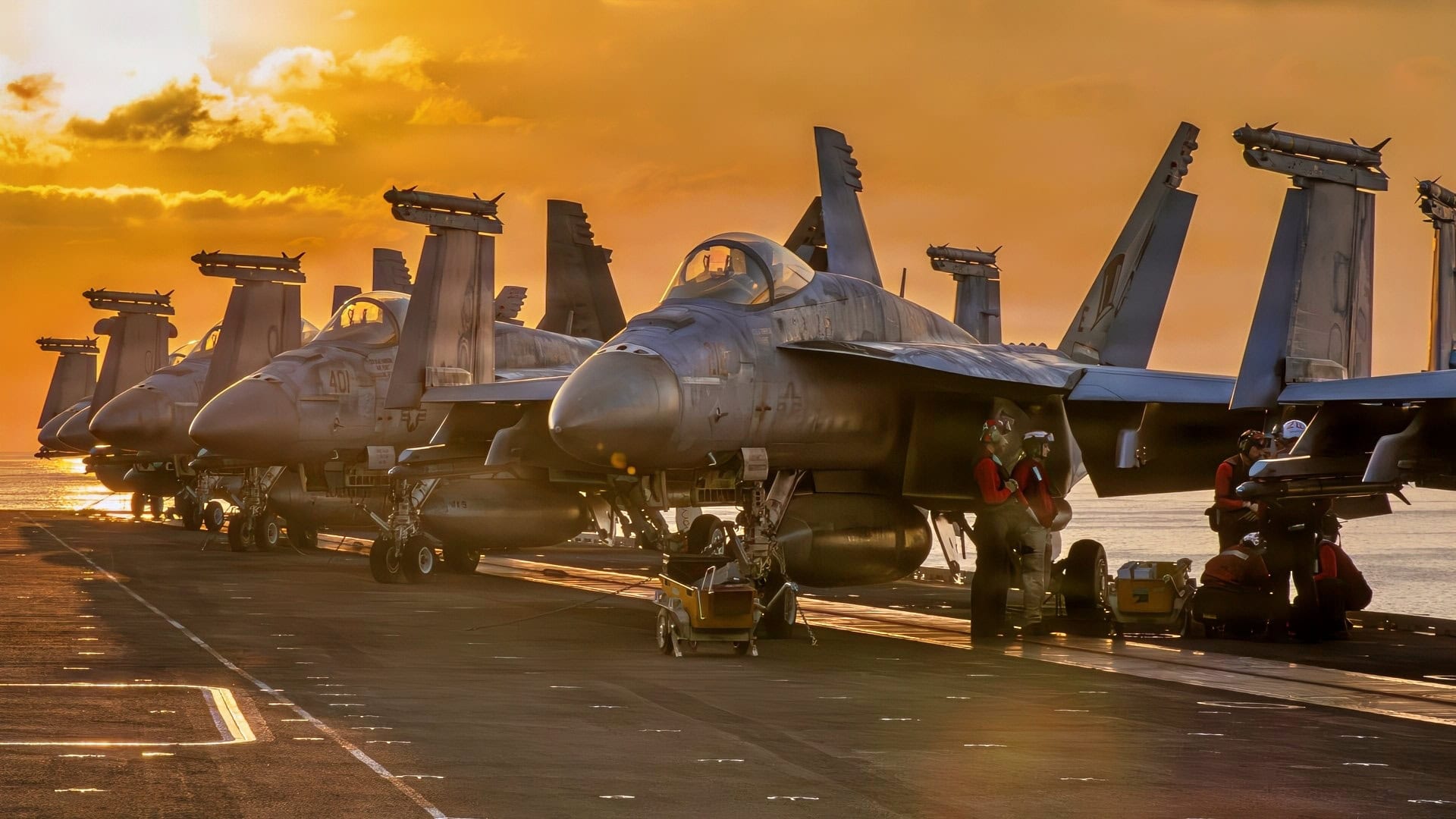
Aircraft is staged for flight operations on the flight deck of Nimitz-class aircraft carrier USS Abraham Lincoln (CVN 72) in support of Operation Epic Fury, Mar. 3, 2026. (U.S. Navy photo)
These are the stakes President Trump has set for himself, and they are too great for any political leader to overcome.
Unless Trump ends the war now, the Strait of Hormuz will never reopen in any meaningful way.
About the Author: Brandon J. Weichert
Brandon J. Weichert is the Senior National Security Editor at 19FortyFive.com. Recently, Weichert became the editor of the “NatSec Guy” section at Emerald.TV. He was previously the senior national security editor at The National Interest. Weichert is the host of The National Security Hour on iHeartRadio, where he discusses national security policy every Wednesday at 8pm Eastern. He hosts a companion show on Rumble entitled “National Security Talk.” Weichert consults regularly with various government institutions and private organizations on geopolitical issues. His writings have appeared in numerous publications, among them Popular Mechanics, National Review, MSN, and The American Spectator. And his books include Winning Space: How America Remains a Superpower, Biohacked: China’s Race to Control Life, and The Shadow War: Iran’s Quest for Supremacy. Weichert’s newest book, A Disaster of Our Own Making: How the West Lost Ukraine, is available for purchase wherever books are sold. He can be followed via Twitter/X @WeTheBrandon.