
The Iran Ceasefire Might Not Hold: For the moment, we have a ceasefire between Iran and the United States. At around 7 pm on Tuesday, Iran and the United States agreed to a two-week cease-fire that forestalled a series of US strikes against Iranian infrastructure and opened, to some degree, the Strait of Hormuz.
The Iran Ceasefire: What We Know
A ceasefire is certainly better than the continuation of the war, and as the Trump administration has discovered to its considerable dismay, it’s quite difficult to end wars and often even more difficult to keep them ended.
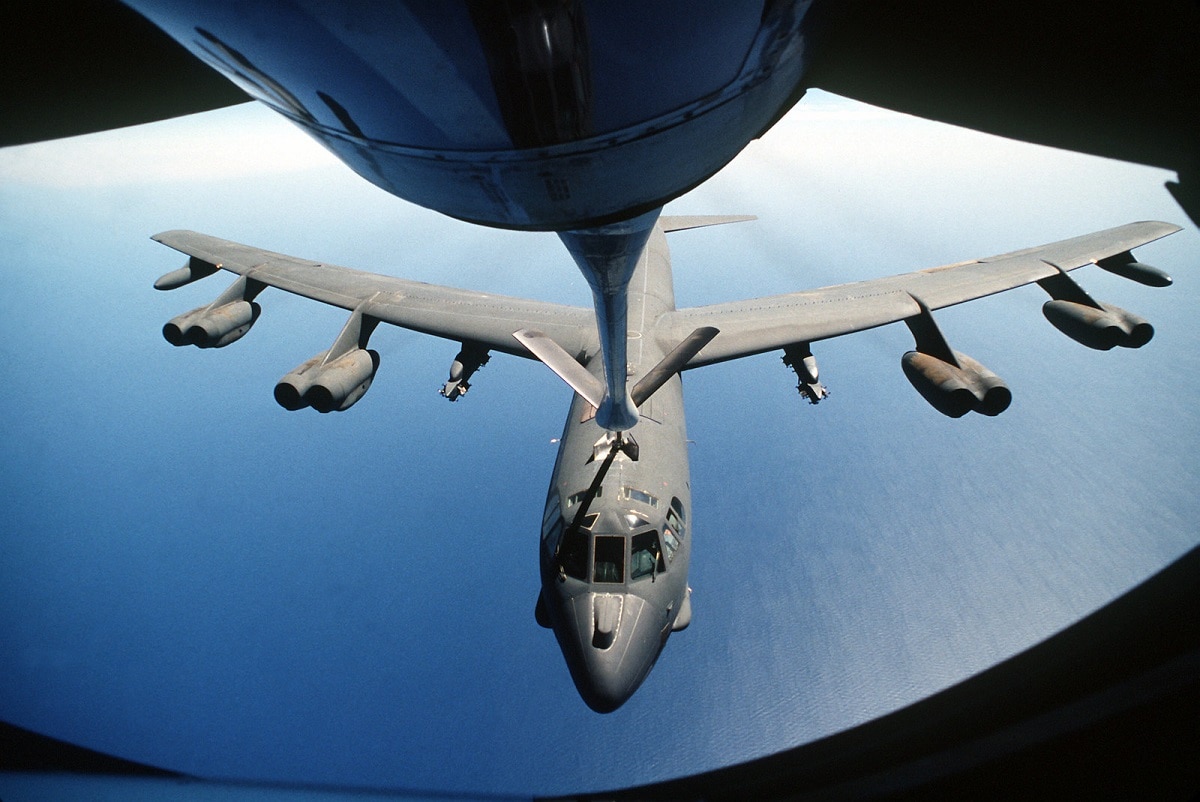
B-52 bomber. Image Credit: U.S. Air Force.
However, as BH Liddell Hart made clear, “the object in war is a better state of peace—even if only from your own point of view. Hence, it is essential to conduct war with constant regard to the peace you desire.”
It is not obvious that this war has created a better state of peace for Iran, the United States, Israel, or anyone else.
Status of the Strait
The status of the Strait of Hormuz is the war’s critical strategic question.
The United States evidently did not expect Iran to close the Strait and did not develop effective options to reopen it.
Forcing the Strait open would have required tricky military operations that almost certainly would have placed American troops on Iranian soil, potentially for an extended period of time and quite likely in considerable danger from Iranian counterattacks.
While President Trump had downplayed the importance of the Strait in recent weeks, opening the waterway was a core part of his threats against Iran on Tuesday.
This made it all the more surprising that the cease-fire has not seemed to open the Strait.
Apparently, some reports say Tehran will continue to charge a fee for transit through the narrows, although it will reportedly share part of that fee with Oman.
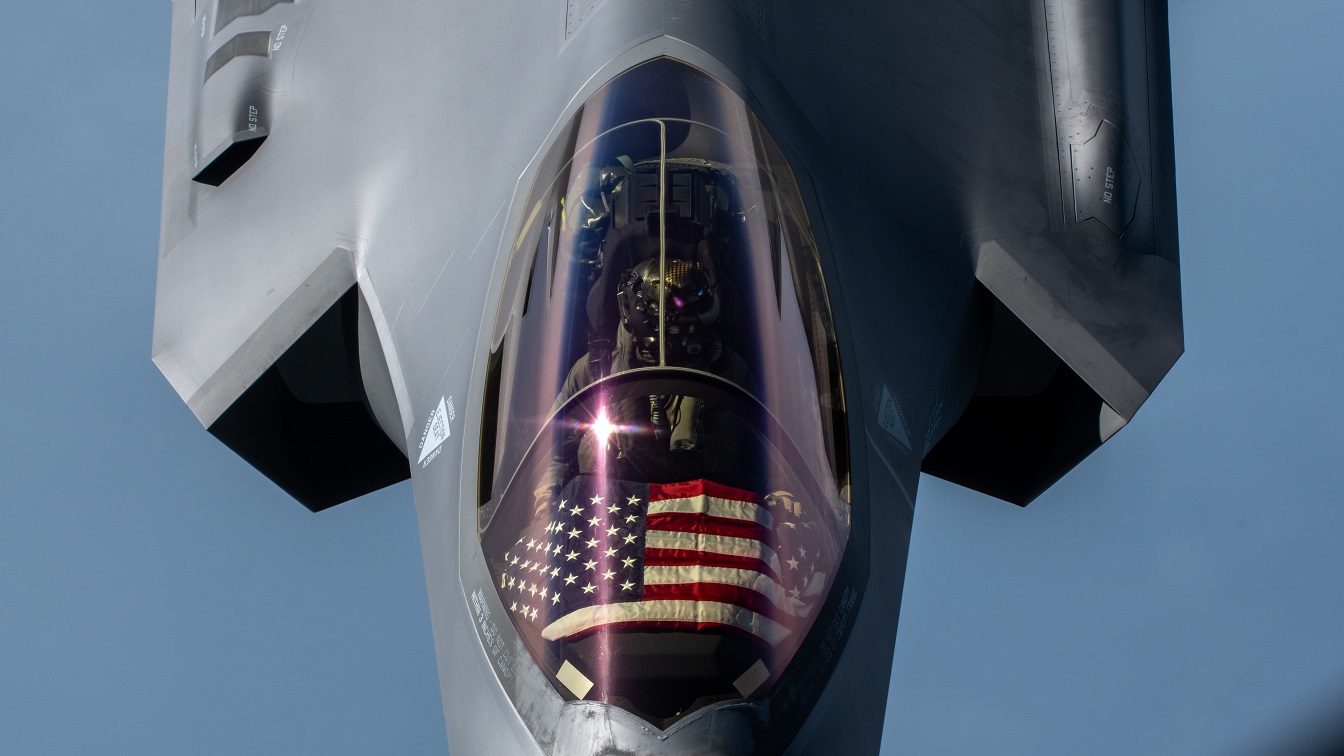
An F-35A Lightning II from the 354th Fighter Wing, Eielson Air Force Base, Alaska, flies behind a KC-135 Stratotanker assigned to the 117th Air Refueling Squadron, Forbes Field Air National Guard Base, Kansas, over the Indo-Pacific, March 10, 2022. Aircrews routinely fly missions aimed at sharpening the necessary skills needed to respond to emerging situations at a moment’s notice. (U.S. Air Force photo by Airman 1st Class Yosselin Perla)
President Trump has mused that the United States might become part of that agreement, though it’s unclear why Iran would agree to such a condition.
Iran’s continued control over the Strait leaves the United States in an objectively worse position than when the war began.
While the US does not depend on oil from the Gulf, US consumers pay higher prices for food, gas, and commodities if transit is disrupted or constrained.
Moreover, any kind of toll scheme would give Iran a long-term source of funds for reconstruction of both civilian damage and military capabilities.
Ceasefire Negotiations Were Missing Key Parties
The negotiation process that brought us to this point was not transparent.
Iran withdrew from direct talks after Trump’s threats, although indirect communication continued through Pakistani intermediaries.
Apparently, China leaned on Iran to accept a US cease-fire offer. Israel was evidently not consulted despite being an active party to the hostilities.
Worse, at the moment, neither the United States nor Iran seems to have any grip on what they agreed to.
Iran seems to believe that the United States has accepted a proposal to negotiate based on a set of 10 maximalist points that would include the US withdrawal from the region and the payment of reparations.
President Trump has alternately suggested that the Iranian ten points serve as the basis for negotiations, and that a different set of fifteen points (representing US demands) will be the foundation of talks.
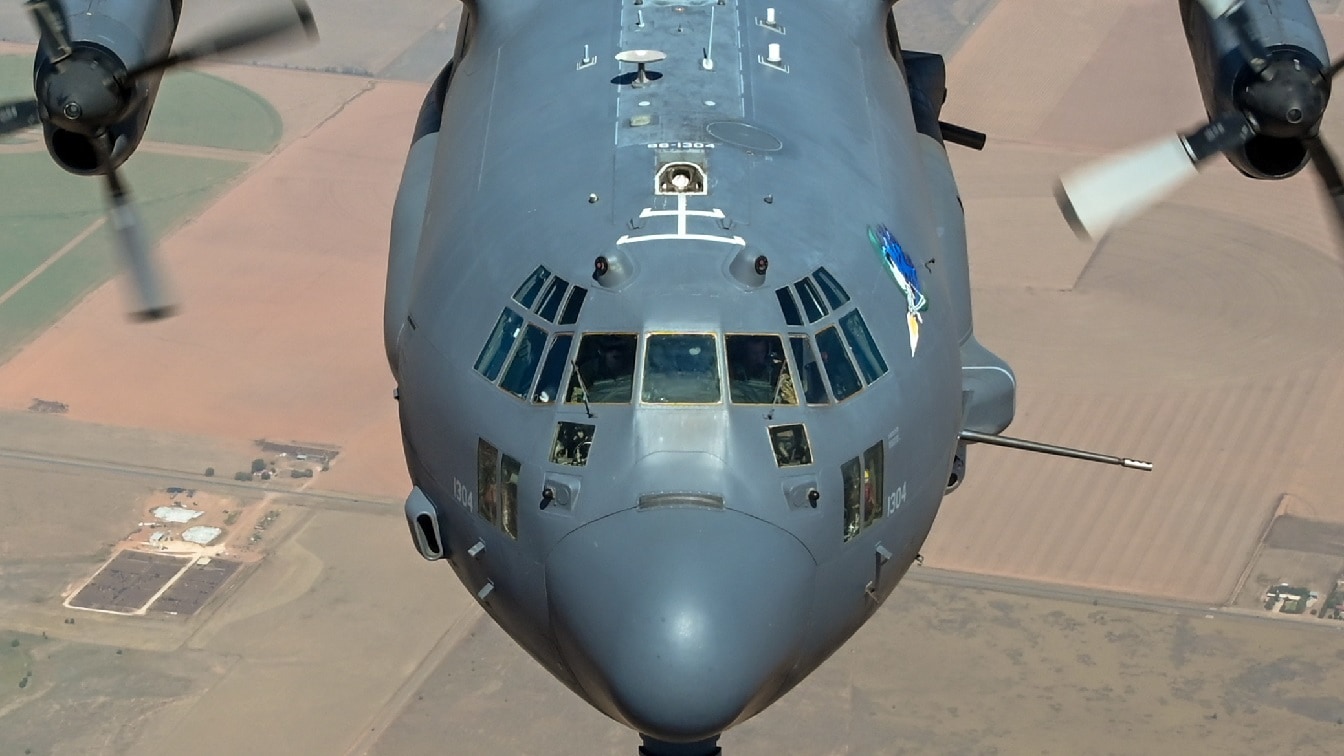
A KC-135R Stratotanker from the 465th Air Refueling Squadron at Tinker Air Force Base, Oklahoma, flies above a AC-130W Stinger from the 16th Special Operations Squadron at Cannon Air Force Base. (U.S. Air Force photo by Senior Airman Mary Begy)
This has left some questions about whether there was any negotiation at all, rather than a panicked US offer and a rapid Iranian agreement.
Under normal diplomatic conditions, experienced professional negotiators would have noted the discrepancies and worked toward an understanding that both sides could share, if not fully agree to. However, the United States under Trump has largely abandoned this approach in favor of diplomacy conducted by the friends and family of the President.
Could The War Restart?
Will the ceasefire stick?
It is very difficult to say without a clear sense of the precise terms of the deal, and not even the President seems to have a firm grasp of what Iran and the United States have agreed to.
While confusion can allow a certain degree of flexibility (allowing both sides to claim victory was probably the only way to get to a ceasefire), agreements typically oblige their parties to do things or stop doing things.
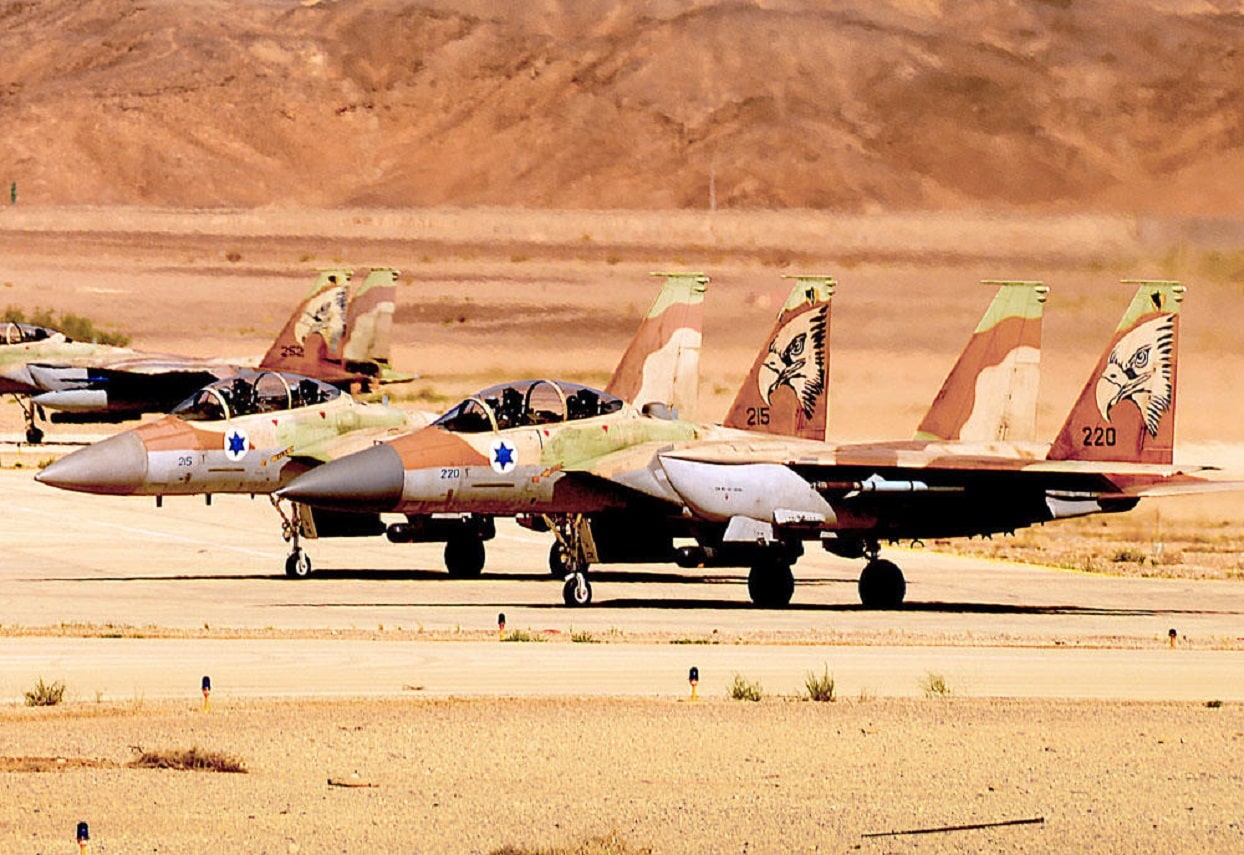
F-15I. Image: Creative Commons.
If Iran and the United States have no firm sense of agreement on what they should do or stop doing, then the ceasefire is inherently unstable.
Still, the US appears committed to talks of some kind, and both Israel and the United States have (for the moment) stopped bombing Iran. However, Israel seems sketchy about the cease-fire (it continues to bomb Lebanon), and it does not seem likely that America’s Gulf allies will be satisfied with an outcome that leaves the Islamic Republic in control of the Strait of Hormuz.
This is to say that spoilers exist and may find both the means and the opportunity to disrupt this peace.
The Iran War of 2026: What Happens Now?
Effectively, Iran has conceded nothing.
It will continue to exercise control over the Strait, and will not be subjected to American or Israeli bombing, at least for the next two weeks.
Iran will presumably stop firing missiles and drones at targets across the Gulf, but the damage inflicted on Iran’s defense industrial base is almost certainly trivial, and Iran will rapidly reconstitute the capabilities it enjoyed on February 28, especially if it has a secure funding stream in the form of transit tolls.
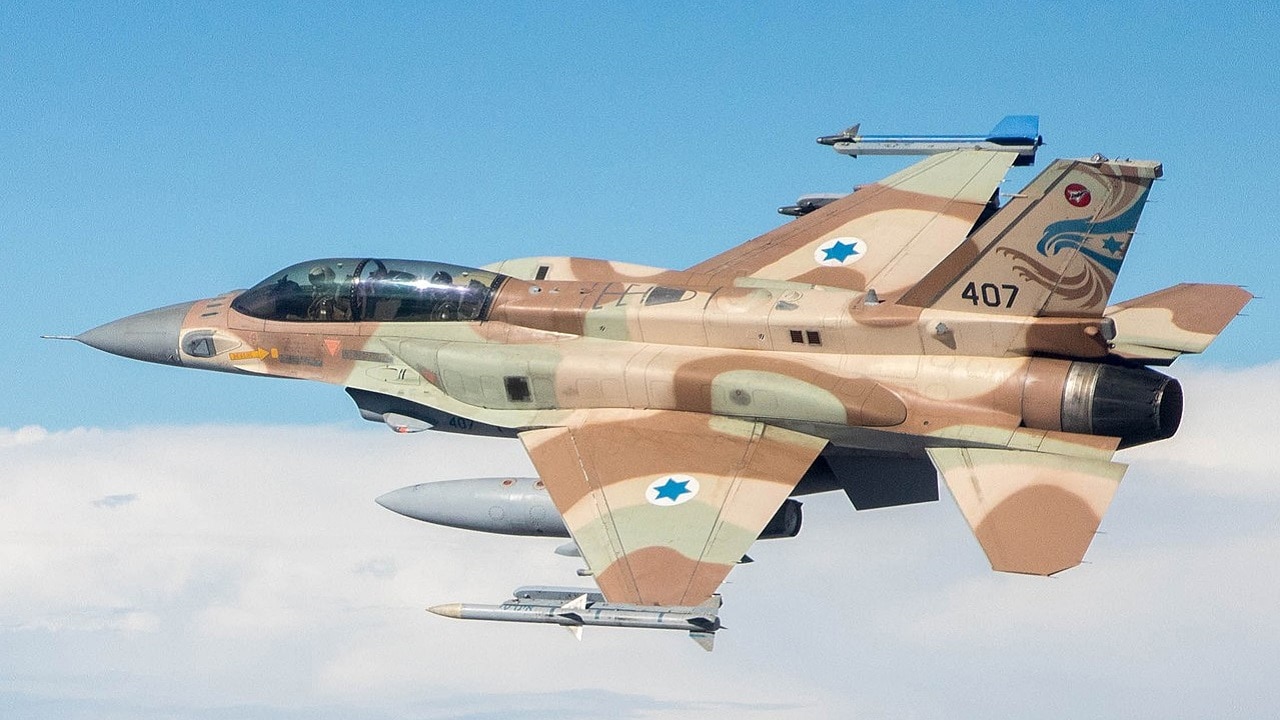
F-16I Sufa. Image Credit: Creative Commons.
If this cease-fire ends the war, it leaves Iran in a better state of peace than when the war began.
If the cease-fire collapses, it will have done nothing but let the major combatants catch their breath before Round Three.
About the Author: Dr. Robert Farley, University of Kentucky
Dr. Robert Farley has taught security and diplomacy courses at the Patterson School since 2005. He received his BS from the University of Oregon in 1997, and his Ph. D. from the University of Washington in 2004. Dr. Farley is the author of Grounded: The Case for Abolishing the United States Air Force (University Press of Kentucky, 2014), the Battleship Book (Wildside, 2016), Patents for Power: Intellectual Property Law and the Diffusion of Military Technology (University of Chicago, 2020), and most recently Waging War with Gold: National Security and the Finance Domain Across the Ages (Lynne Rienner, 2023). He has contributed extensively to a number of journals and magazines, including the National Interest, the Diplomat: APAC, World Politics Review, and the American Prospect. Dr. Farley is also a founder and senior editor of Lawyers, Guns and Money.