
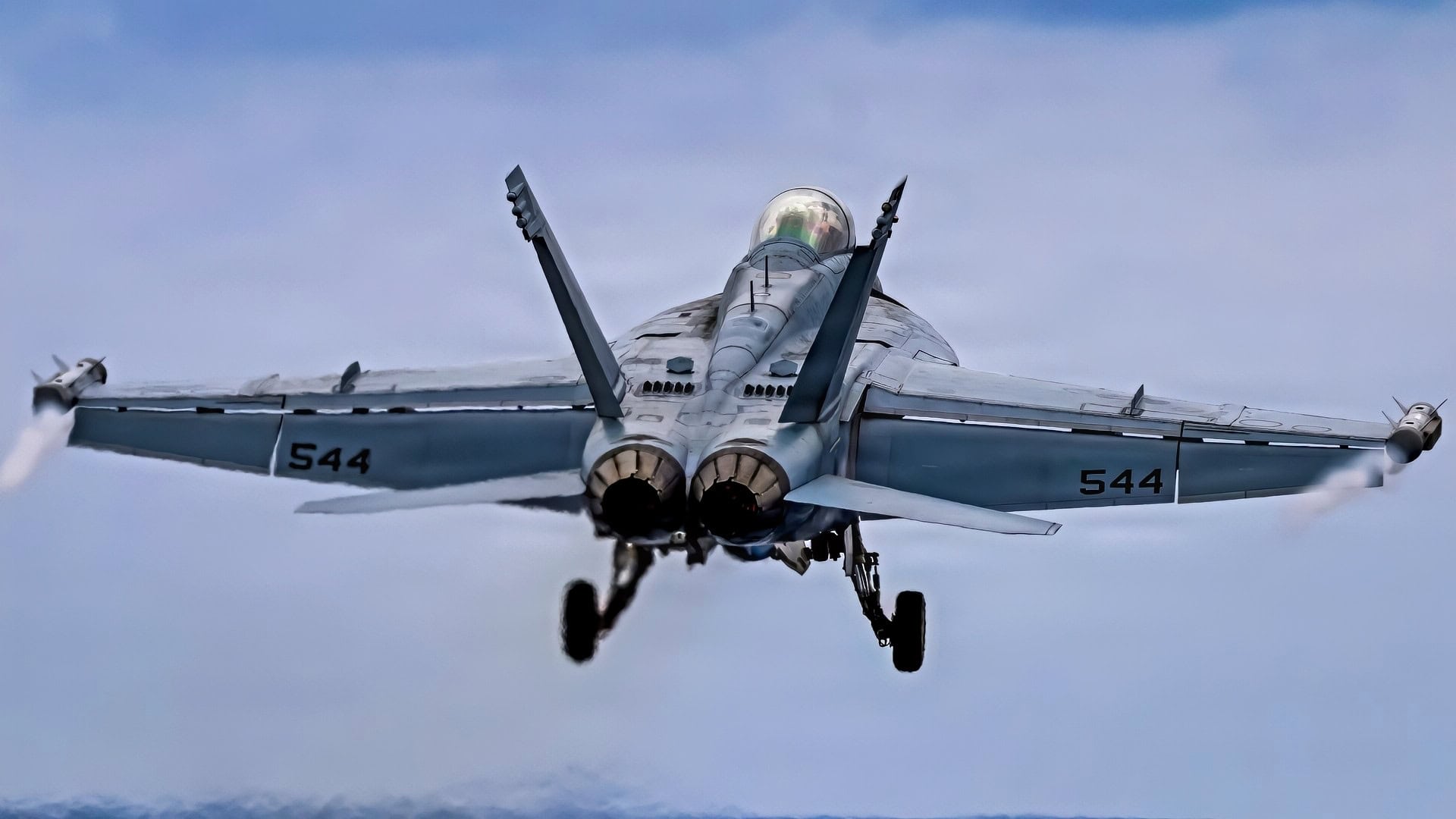
A U.S. Blockade of Iran Is the Right Move: Forty-seven years of mismanagement have left Iran a paradox. On paper, it should be one of the world’s wealthiest states.
It is not only the world’s third-largest holder of proven crude oil reserves but is also the second-largest holder of natural gas reserves.
At a minimum, its development should be on par with, if not far superior to, Dubai and Doha.
Both were dusty backwaters at the time of the Islamic Revolution.
Beyond oil, Iran had human capital that the Gulf Arab states could only salivate over. Iranians were the region’s engineers and scientists. Universities excelled across disciplines.
Whether for manual labor, management, or innovation, Iran had all the building blocks to be a first-world country.
Why Iran Isn’t Rich Like Dubai…or Better
Instead, the clerical regime squandered Iranian wealth.
Blaming sanctions is naïve. Foreign investors steered clear of Iran due to its corruption and lack of both commercial law and an independent judiciary.
Export of revolution and subsidies for proxy groups trumped basic infrastructure investment.
Sanctions did matter, of course.
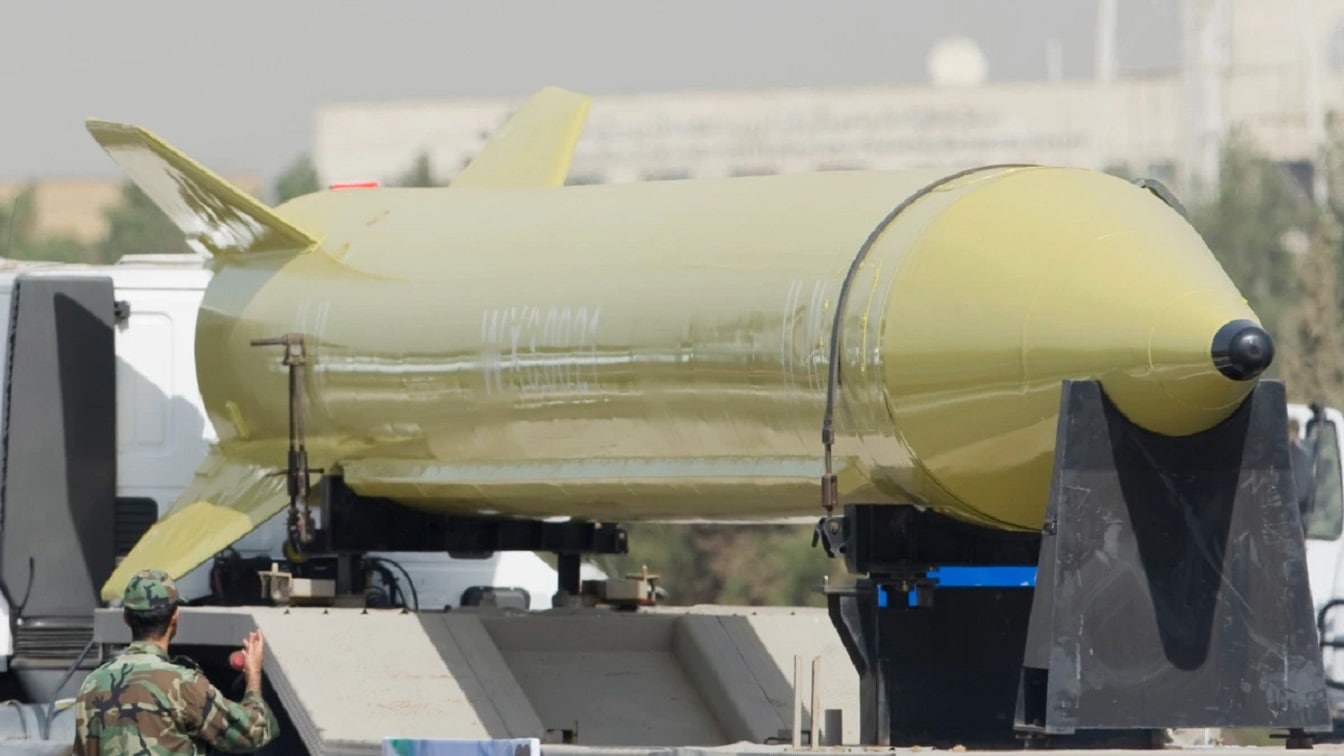
Iranian Ballistic Missile. Image Credit: Creative Commons.
In 2025, Saeed-Reza Ameli, former secretary of Iran’s Supreme Cultural Revolution Council, estimated sanctions had cost the Iranian economy $1.2 trillion since 2013. Given that the Islamic Republic’s nuclear program extended back four decades, and factoring in the real cost is likely upwards of $2 trillion.
Iran Has An Oil Problem…As In Old Oil Fields
Both American and Iranian pundits and politicians can spin and ascribe blame, but certain facts remain indisputable. First, Iran’s oil fields are in decline. Many are now more than half a century old, and some more than a century.
With every year, it gets harder for Iranian engineers to extract oil from the same fields. Mismanagement has only accelerated the process.
To compensate, the Islamic Republic injects gasoline into the fields to increase oil production. This leads to the second problem: Even before the current war, the Islamic Republic lacked sufficient refining capacity to meet its own refined gasoline needs. Accordingly, it has imported gasoline from China, the Netherlands, and Venezuela. Venezuela, of course, is no longer an option, and Operation Epic Fury has set the regime back further, especially after Israel’s bombing of Asaluyeh.
While Iran’s blanket infringement on freedom of navigation for non-combatants and its efforts to charge tolls for transiting ships are illegal, blockades during military campaigns are not. Seizing Iranian ships and blockading ports is legal.
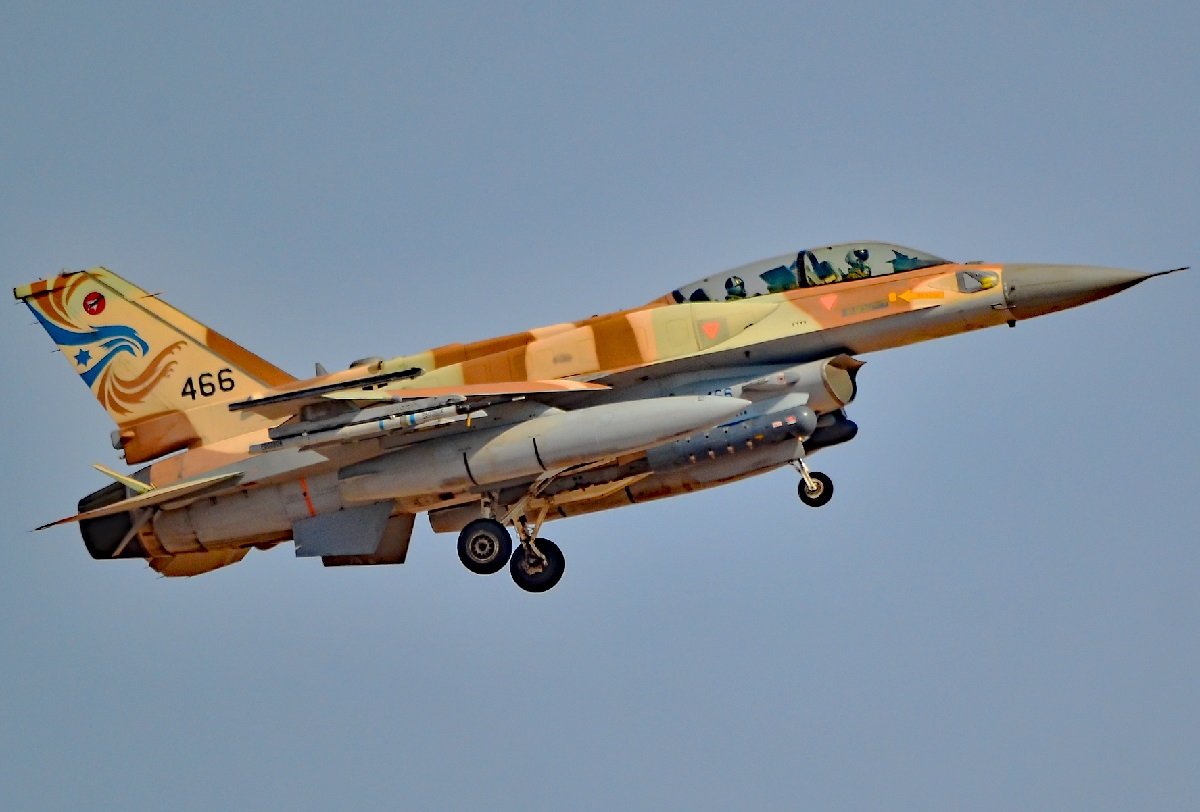
Israeli F-16. Image Credit: Creative Commons
Why A Blockage Will Hurt Iran
Blockading Iranian vessels and ships destined for Iran would have several immediate military benefits. First, seizing Iranian crude would deny the regime the ability to pay its salaries and those of its proxies.
Second, blockading Iranian ports would prevent the regime from importing gasoline. This would both temporarily impede Iranian oil extraction and would also reduce the amount of fuel available to the Islamic Republic to move its military, the security forces, and proxies it uses to massacre civilians.
Blockading Iranian ports would also prevent the shipment of Chinese or Russian missiles, especially since the United States and Israel now control Iran’s airspace. The U.S. Navy, however, could ensure the Strait remains open for everyone but Iran and its Russian, Chinese, North Korean, and Spanish patrons.
What History Teaches
In 1999, President Bill Clinton bombed Serbia to compel it to cease its operations in Kosovo. Even though many Americans demanded regime change, Clinton left Serbian dictator Slobodan Milošević in power when he ended the campaign.
With many of his supporters dead and his economy in tatters, Milošević fell from power in a popular uprising the following year. The key to replicating the Serbian precedent is to ensure Iran cannot rebuild in the interim.
Many within Congress and the media today allow their hatred for President Donald Trump to outweigh their desire for the United States to achieve its war aims.
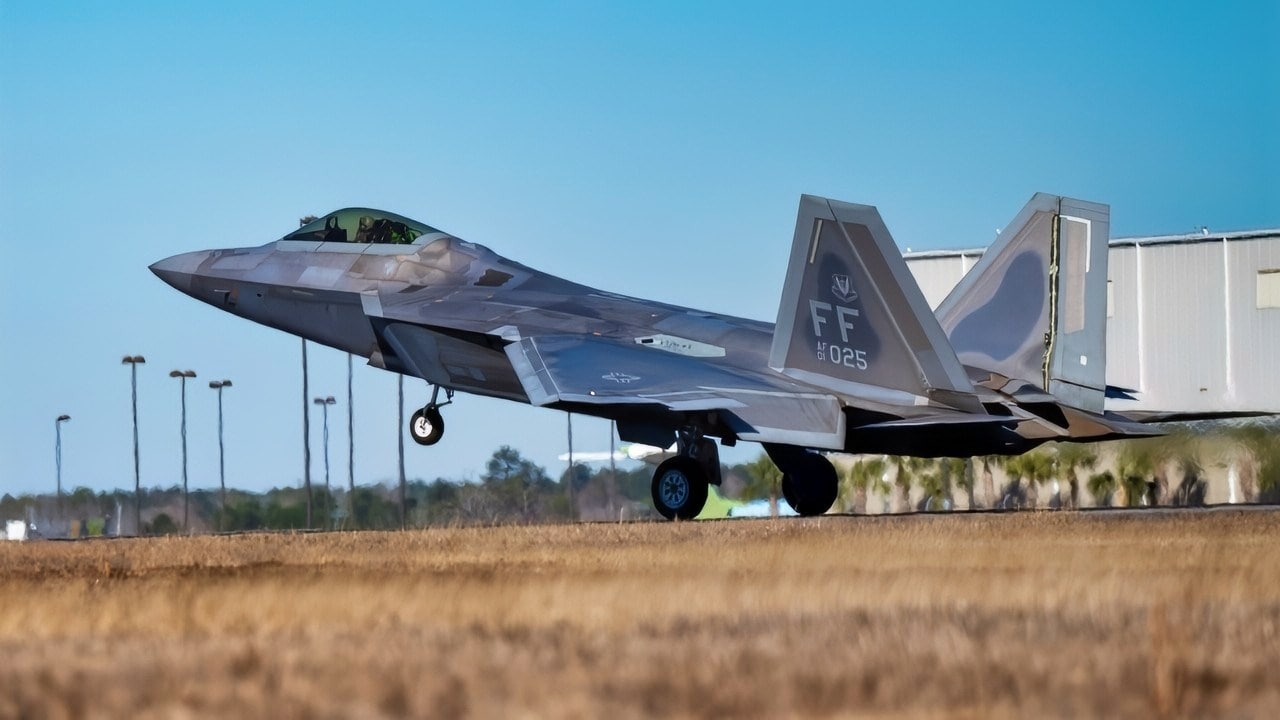
A U.S. Air Force F-22 Raptor aircraft assigned to the 1st Fighter Wing, Joint Base Langley-Eustis, lands on the runway during Sentry Savannah 25-1, at the Air Dominance Center, Savannah Air National Guard Base, Georgia, Jan. 17, 2025. Sentry Savannah is the Air National Guard’s premier fourth- and fifth-generation fighter integration exercise, with this year’s event involving more than 1,000 participants and 56 aircraft from eight flying units. (U.S. Air National Guard photo by Senior Airman Xaviera Stevens)
Iranian leaders may posture as strong for issuing maximalist demands, but the world should see them for what they are: Buffoons who missed an opportunity to spare their regime more pain.
Time For Iran to Feel the Pain
The negotiation was not one between equals, but rather between a giant about to stomp and the mouse underfoot.
While the media frames the survival of a few top leaders as a defeat for Trump, the reality is different: The United States has decimated most of Iran’s military infrastructure. The United States and Israel control Iran’s airspace. The regime has little ability to recover economically, absent external investment. The mouse may now be crushed.
Cutting off strategic imports and lucrative exports will be essential, however, to avoid snatching defeat from the jaws of victory. Frankly, the real question now is why the Pentagon has been so reticent to do what was so obviously necessary on the first day of the war.
About the Author: Dr. Michael Rubin
Michael Rubin is a senior fellow at the American Enterprise Institute and director of policy analysis at the Middle East Forum. The opinions and views expressed are his own. A former Pentagon official, Dr. Rubin has lived in post-revolution Iran, Yemen, and both pre- and postwar Iraq. He also spent time with the Taliban before 9/11. For more than a decade, he taught classes at sea on the Horn of Africa and the Middle East, covering conflicts, culture, and terrorism to deployed U.S. Navy and Marine units. The views expressed are the author’s own.