

The U.S. Navy’s Nimitz-class aircraft carrier, USS Abraham Lincoln, has enjoyed a successful Iran war. The operational tempo and sortie rate have been high. Aircraft launch from the deck 24/7.
President Donald Trump said the Iranians have fired 101 missiles at the Abraham Lincoln as of the end of March, and none have hit the carrier. The USS Gerald R. Ford supercarrier had well-documented problems and was not a factor in Operation Epic Fury.
It would have been better to deploy two flat-tops in the Central Command area of responsibility.
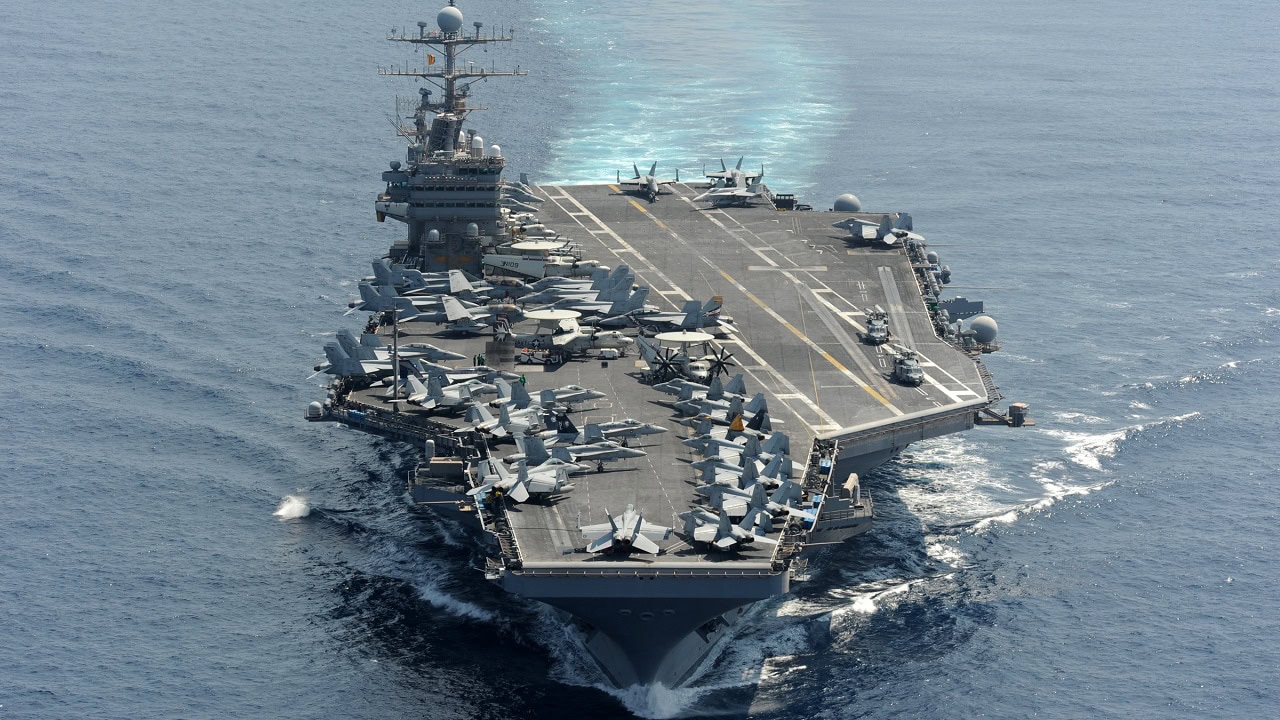
INDIAN OCEAN, (Jan 18, 2012) The Nimitz-class aircraft carrier USS Abraham Lincoln (CVN 72) transits the Indian Ocean. Abraham Lincoln is in the U.S. 7th Fleet area of responsibility as part of a deployment to the western Pacific and Indian Oceans to support coalition efforts. (U.S. Navy photo by Chief Mass Communication Specialist Eric S. Powell/ Released)
Doubling the aircraft and increasing firepower would have been welcome. The U.S. Navy would love to have at least four carriers in the water at all times, but this is difficult given long nuclear refueling periods, complex overhauls, and intricate maintenance requirements.
Adding the New USS Defiant Missile Barge to the Mix
Another asset that could have been decisive was the newly proposed Trump-class battleship. This mammoth missile barge could have carried more Tomahawks and hypersonic missiles to eliminate targets in Iran.
However, the first Trump-class battleship, the USS Defiant, probably won’t be ready until the mid-2030s, if it is built at all.
As for carriers, the Navy is accelerating the final delivery of the Ford-class USS John F. Kennedy and sending the USS George H.W. Bush carrier to the Middle East. The USS Nimitz, scheduled for retirement this summer, has been extended for one more deployment to South America to patrol the Southern Command theater.
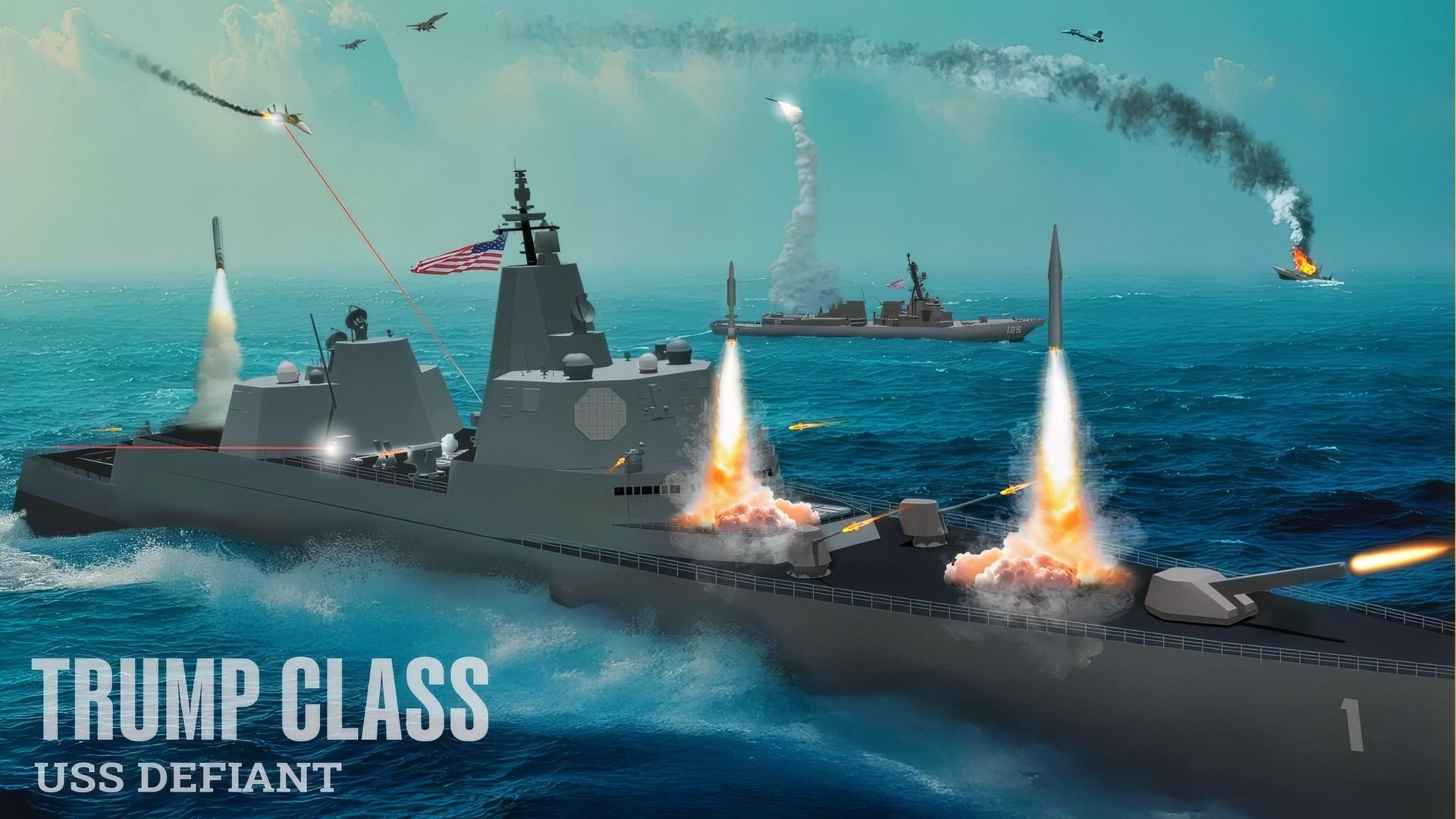
Trump-Class Battleship USS Defiant. Image Credit: Creative Commons.
Having Enough Carriers for a Two-Front War
Even though the Navy had only the Abraham Lincoln deployed against Iran, this demonstrated that the Department of Defense would have an extra carrier or two in East Asia should China have attacked Taiwan during Operation Epic Fury.
China’s generals and admirals may conclude that even one U.S. carrier can be effective in battle during a major war.
Iranian Carrier-Killing Missiles Were Not Successful
Another lesson learned by the Chinese is that carrier-killing missiles may not be what they are cracked up to be. American carrier strike groups include destroyer escorts equipped with the Aegis Combat System, which provides a protective missile shield for the flotilla.
The “SM” Standard Missile family of interceptors was effective.
Of course, China would use more modern anti-ship missiles against American aircraft carriers, along with engaging destroyers and cruisers. But the People’s Liberation Army Navy was likely surprised at how well the Abraham Lincoln fought back against the projectiles it faced.
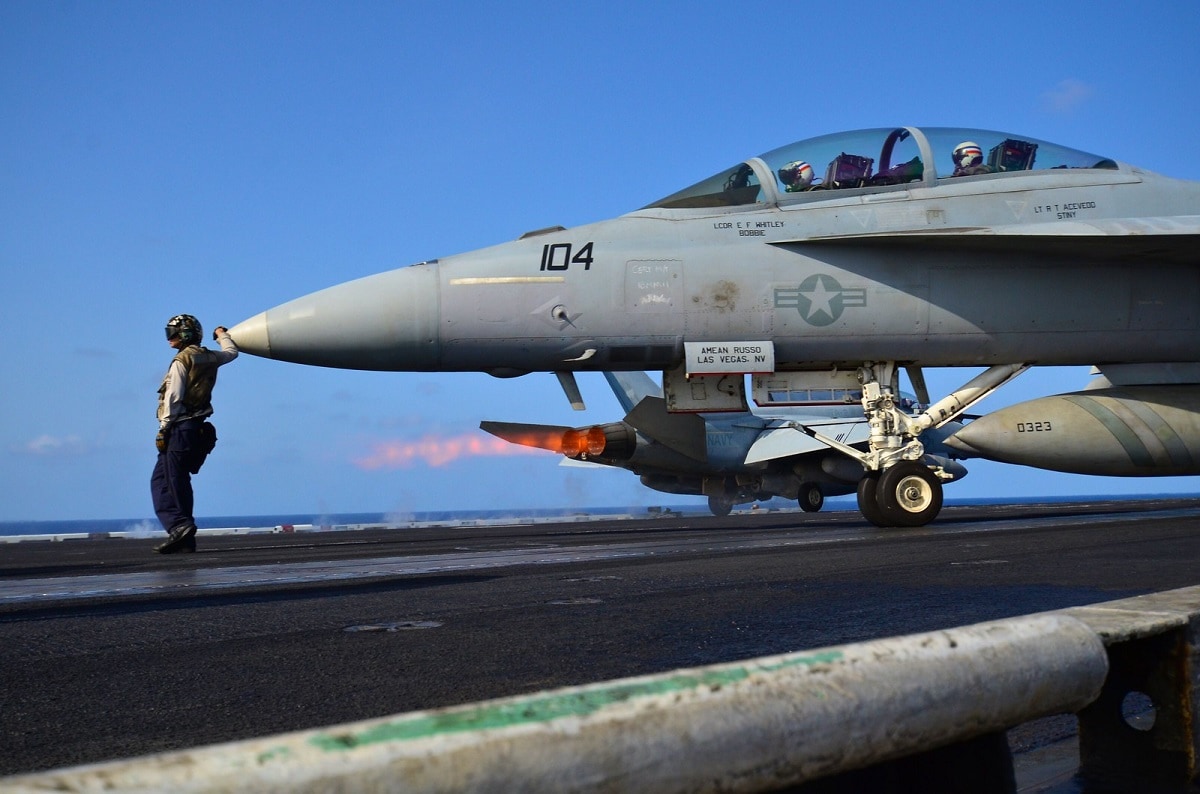
PACIFIC OCEAN (March 18, 2011) An F/A-18F Super Hornet assigned to the Bounty Hunters of Strike Fighter Squadron (VFA) 2 prepares to move as another jet launches from the aircraft carrier USS Abraham Lincoln (CVN 72) during a fly off of Carrier Air Wing (CVW) 2. Abraham Lincoln is returning home from a routine deployment to the Arabian Sea and is in the U.S. 3rd Fleet area of responsibility in support of maritime security operations and theater security cooperation efforts in the region. (U.S. Navy photo by Capt. Jaime Quejada/Released).
How About Those F-35s and F/A-18 E/Fs?
The U.S. Navy should be proud of how carrier aviation performed during the war against Iran.
The Lincoln’s F-35C Lightning IIs and F/A-18 E/F Super Hornets suffered no losses and launched significant numbers of bombs and missiles at Iranian military infrastructure.
There was one close call involving a MANPAD system. A shoulder-fired missile nearly hit a Super Hornet, but this was an anomaly. Other fighter flights proved highly capable.
Humming Along With the Growler
The EA-18G Growler electronic warfare airplane did its job, too.
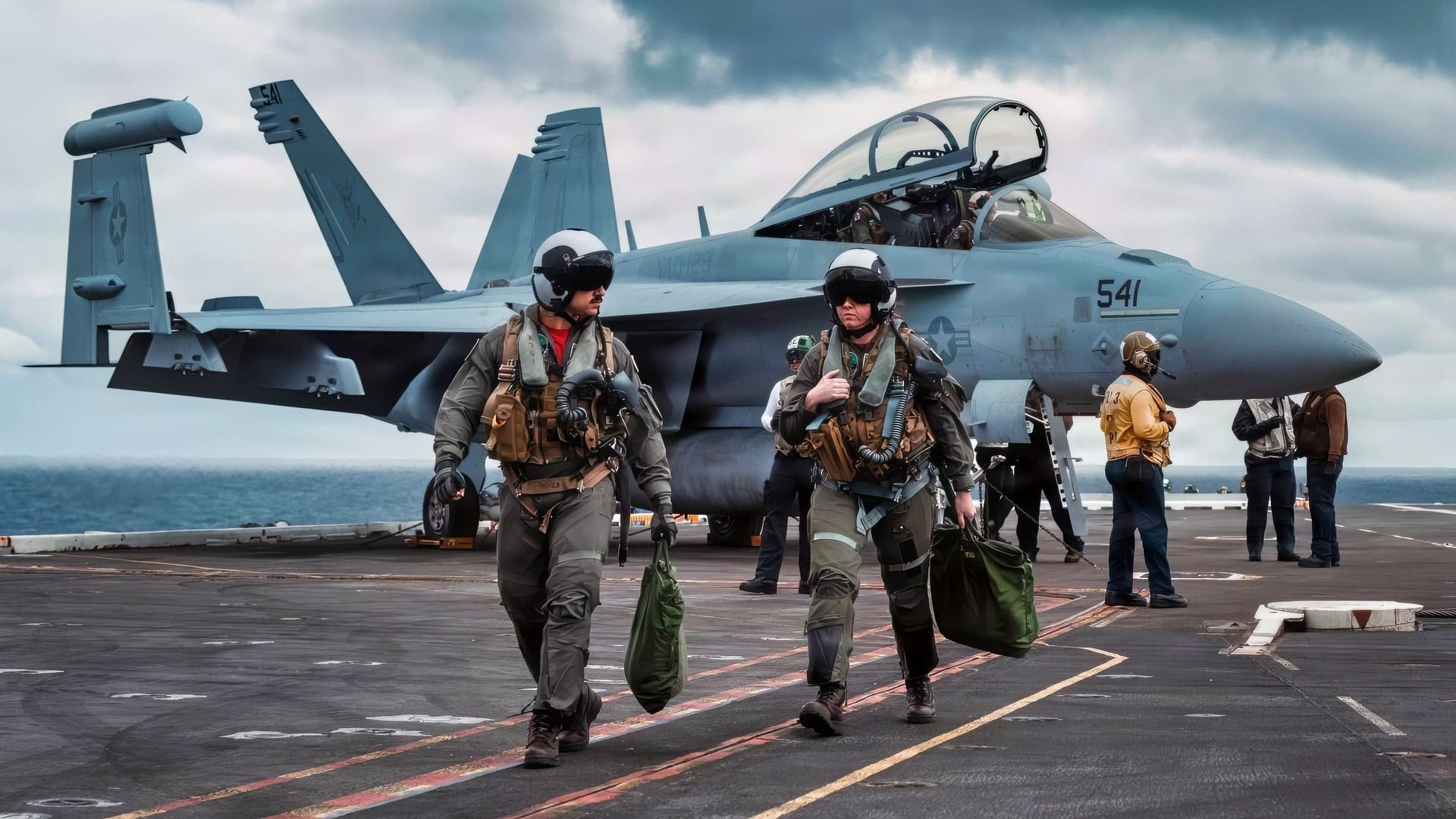
PACIFIC OCEAN (Jan. 24, 2026) – U.S. Navy Lt. Patrick Urrutia, left, and U.S. Navy Lt. Jg. Gabriela Patrick depart a U.S. Navy EA-18G Growler attached to Electronic Attack Squadron (VAQ) 129 on the flight deck of the Nimitz-class aircraft carrier USS Theodore Roosevelt (CVN 71), Jan. 24, 2026. Theodore Roosevelt, flagship of Carrier Strike Group (CSG) 9, is underway conducting exercises to bolster strike group readiness and capability in the U.S. 3rd Fleet area of operations. (U.S. Navy photo by Mass Communication Specialist Seaman Apprentice Cesar Nungaray)
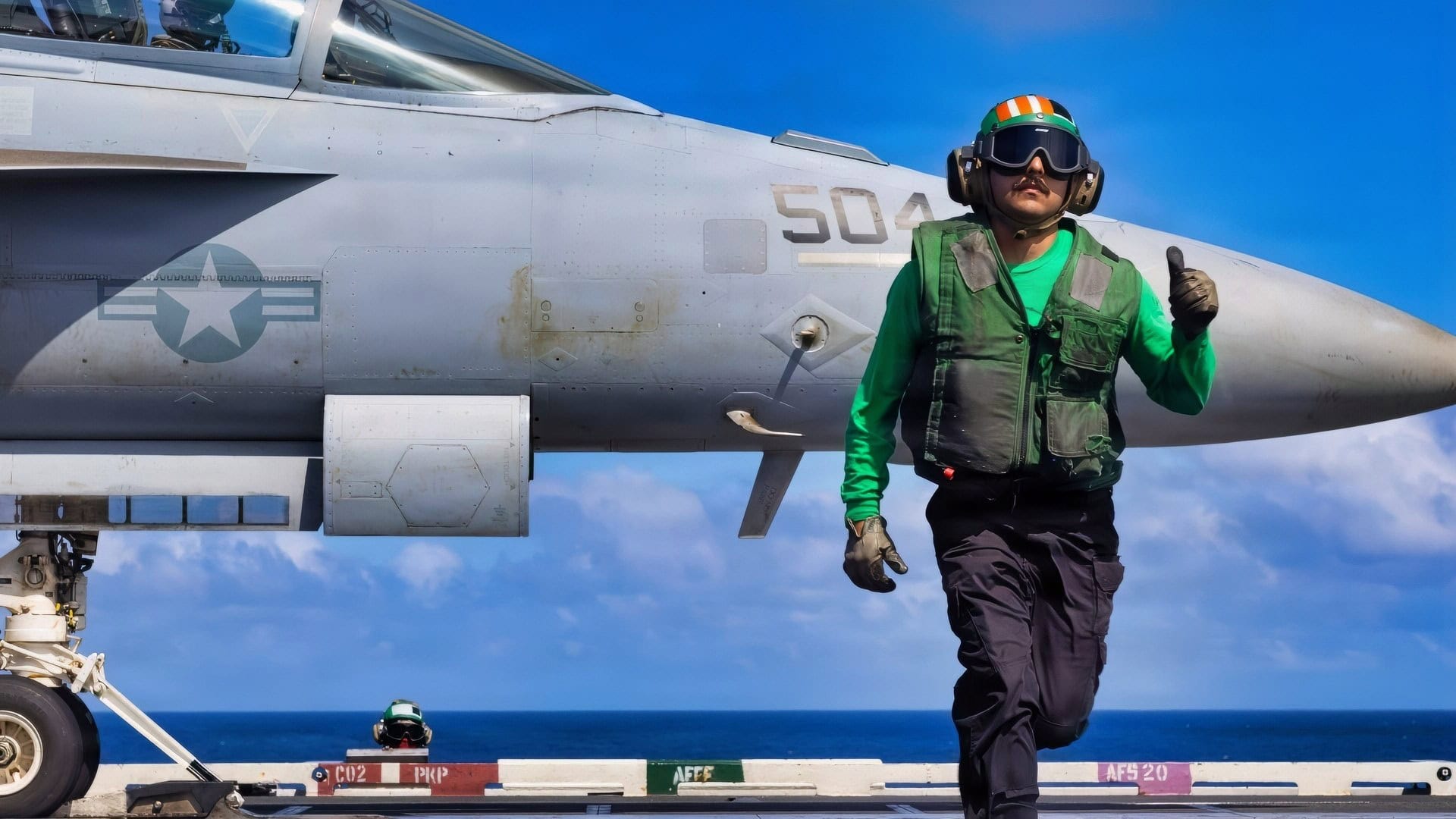
A U.S. Sailor signals the launch of an E/A-18G Growler aircraft, attached to Electronic Attack Squadron 142, from the flight deck of the world’s largest aircraft carrier, Ford-class aircraft carrier USS Gerald R. Ford (CVN 78), while underway in the Caribbean Sea, Jan. 31, 2026. U.S. military forces are deployed to the Caribbean in support of the U.S. Southern Command mission, Department of War-directed operations, and the president’s priorities to disrupt illicit drug trafficking and protect the homeland. (U.S. Navy photo)
Many enemy radar and communications systems were blinded and jammed by the Growler, showing that the Americans can make adversaries search in vain for U.S. aircraft without missiles bringing them down.
Double the Trouble
Just think what two carriers in the Middle East could have done. The Gerald R. Ford was a disappointment, and China is likely to conclude that this carrier could be overrated, with problems with its sewage system, a laundry room fire, and other maladies that put a chill on the deployment.
The Trump-class Battleship Would Have Been a Difference Maker
That leaves the Trump-class USS Defiant (BBG-X), planned for the future U.S. Golden Fleet.
This ship would have helped, but it was not required for victory. It does make one wonder what if it joined the fight. The high number of missiles this ship could have brought to bear would have compounded the mission’s success.
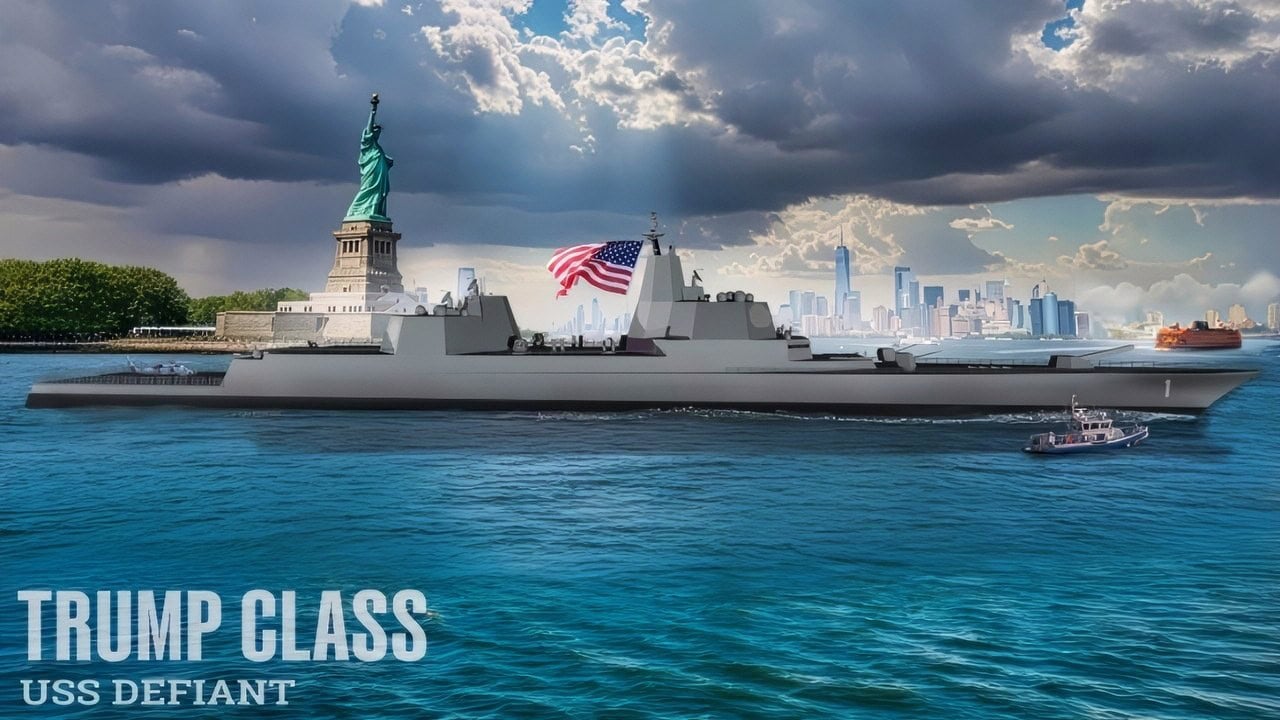
Trump-Class Battleship. Image Credit: Creative Commons/White House.
Locked and Loaded But Expensive
The BBG-X will carry 128 MK-41 VLS cells, SLCM-N nuclear cruise missiles, and Conventional Prompt Strike (CPS) hypersonics.
This could bring the enemy a world of hurt. The Trump-class missile barge may also feature rail guns and directed-energy systems for air defense.
Building this ship will be a significant hurdle. The cost is substantial, with estimates ranging from $17.6 billion to $22 billion. The Gerald R. Ford cost the Navy $13.3 billion, prompting some to call the ship a boondoggle.
Can the Americans Afford the Golden Fleet?
The Trump national security team knows that the Golden Fleet will be expensive. The president recently released his defense budget request, which totals $1.5 trillion. It is not clear how much Congress will cut from the proposed number, but you can bet the final budget will be north of $1 trillion.
That would mean the BBG-X could have a line item for research and development to get the program up and running.
The success of the USS Abraham Lincoln has been a pleasant surprise for the Navy. I have often written about my confidence in carriers and their survivability. China is likely dismayed that the Lincoln thrived without major problems, but they are likely overjoyed that the Ford endured its share of setbacks.
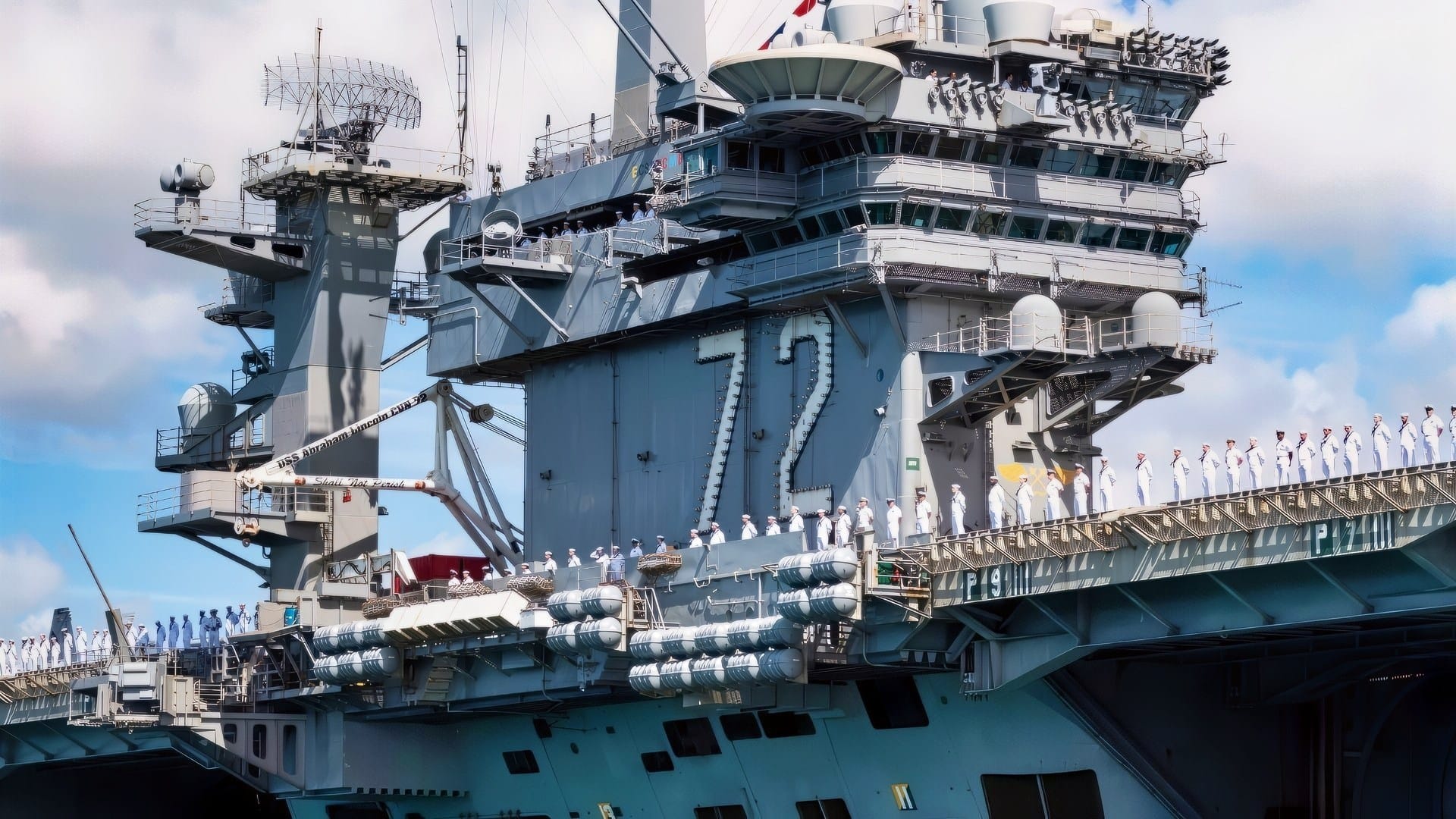
(June 28, 2022) – Nimitz-class aircraft carrier USS Abraham Lincoln (CVN 72) arrives at Joint Base Pearl Harbor-Hickam to participate in Rim of the Pacific (RIMPAC) 2022, June 28. Twenty-six nations, 38 ships, four submarines, more than 170 aircraft and 25,000 personnel are participating in RIMPAC from June 29 to Aug. 4 in and around the Hawaiian Islands and Southern California. The world’s largest international maritime exercise, RIMPAC provides a unique training opportunity while fostering and sustaining cooperative relationships among participants critical to ensuring the safety of sea lanes and security on the world’s oceans. RIMPAC 2022 is the 28th exercise in the series that began in 1971. (U.S. Navy photo by Mass Communication Specialist 1st Class Devin M. Langer)
The Golden Fleet may be truly golden with the advent of the (BBG-X). Let’s see if that program can emerge successfully. It would have been a welcome addition to the bombardment of Iran and could be a major asset if the Navy makes it a priority.
About the Author: Dr. Brent M. Eastwood
Author of now over 3,500 articles on defense issues, Brent M. Eastwood, PhD, is the author of Don’t Turn Your Back On the World: A Conservative Foreign Policy and Humans, Machines, and Data: Future Trends in Warfare, plus two other books. Brent was the founder and CEO of a tech firm that predicted world events using artificial intelligence. He served as a legislative fellow for US Senator Tim Scott and advised the senator on defense and foreign policy issues. He has taught at American University, George Washington University, and George Mason University. Brent is a former US Army Infantry officer. He can be followed on X @BMEastwood.