
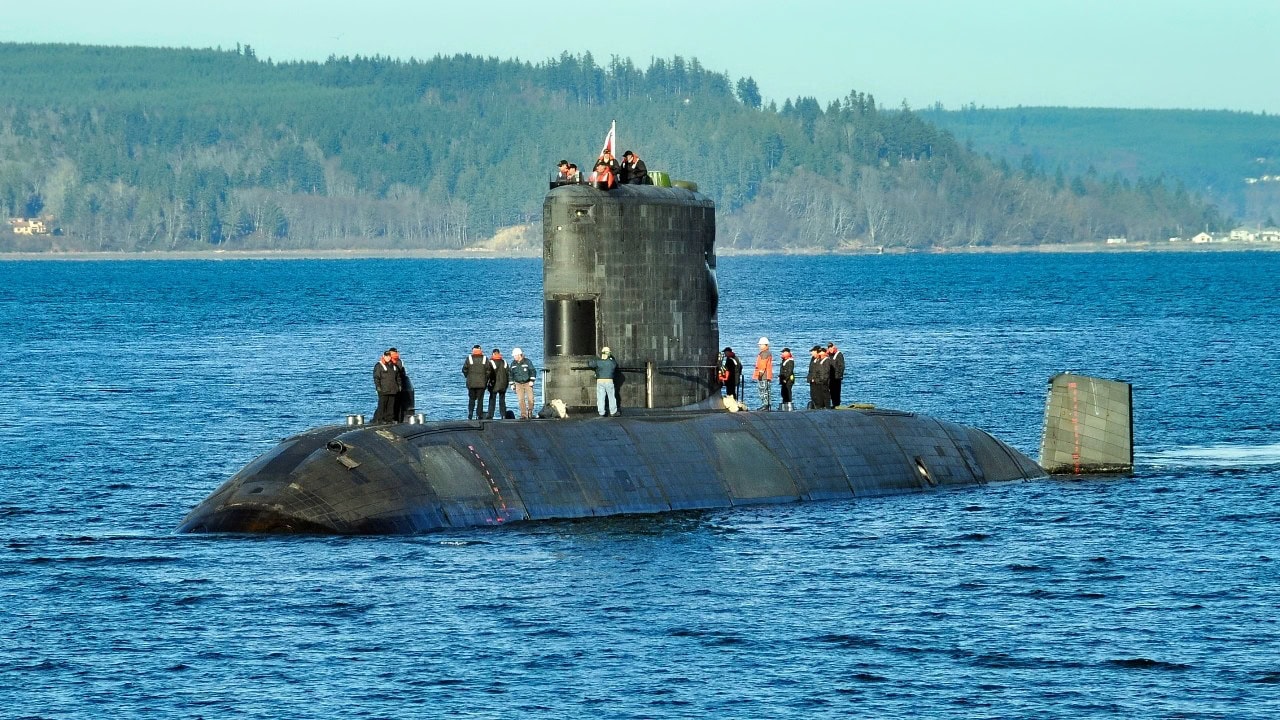
Canada has four submarines. For years, the Royal Canadian Navy has struggled to keep even one of them at sea at any given time. The country’s own procurement documents acknowledge the Victoria-class fleet is “increasingly obsolete and expensive to maintain” — and replacements are still more than a decade away.
Meanwhile, Prime Minister Mark Carney’s government has spent months relitigating a fighter jet contract it already signed, reopening talks with a rival contractor even after Ottawa paid for long-lead F-35 parts. Airpower gets the headlines. The undersea fleet gets ignored.
Canada’s Submarine Crisis Is Real:
While the Canadian government continues to waffle on the previously agreed F-35 fighter procurement plan, its navy is facing an entirely different problem: a small, aging submarine fleet approaching the end of its service life.
Prime Minister Mark Carney’s government famously reopened scrutiny of the country’s planned purchase of 88 Lockheed Martin F-35 Lightning II aircraft, a deal that had already been negotiated and backed by the Royal Canadian Air Force (RCAF). The review has consumed significant time and resources, and negotiations continue with rival defense contractor Saab, reigniting a long-running political argument over costs and sovereignty.
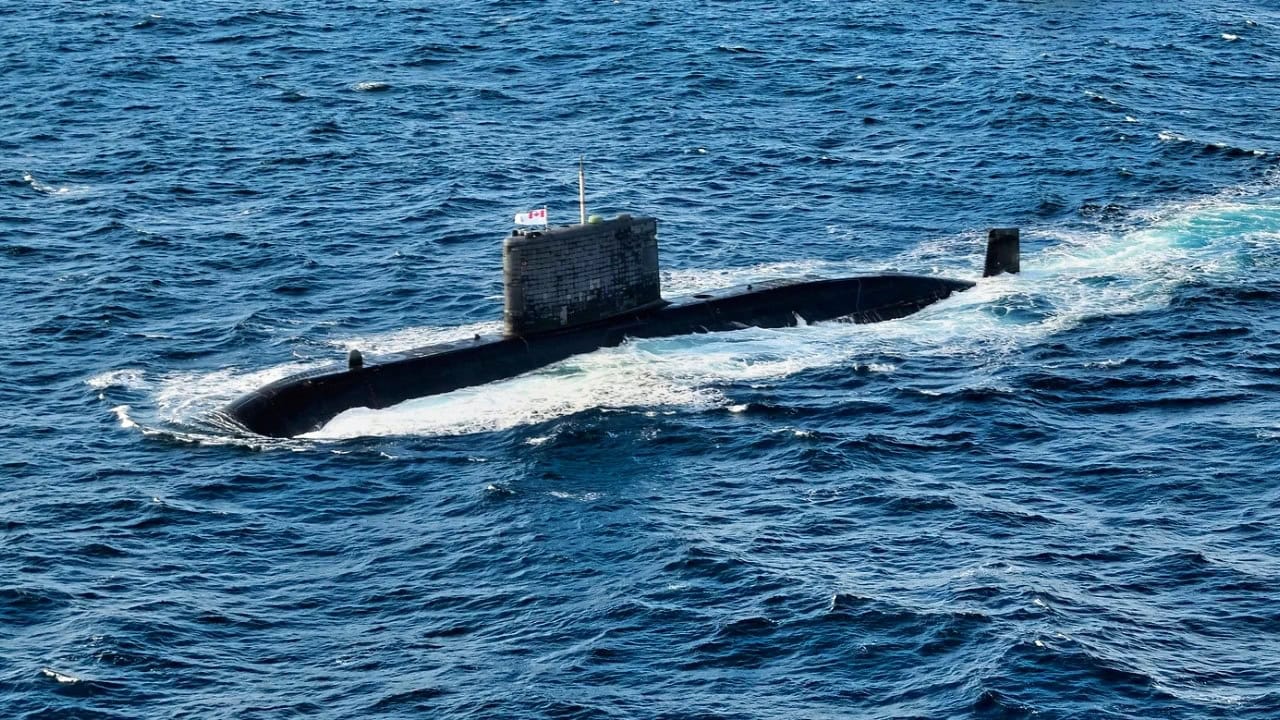
Victoria-Class Submarine at Sea. Image Credit: Creative Commons.
And while Ottawa revisits the decision, its submarine fleet still lacks a replacement. As the government and media focus on airpower, the country’s undersea capabilities, critical to Arctic sovereignty and maritime security, are running out of time.
The F-35 Debate Is Political – and It Was Already Settled
Canada’s F-35 procurement is one of the most scrutinized defense programs in the country’s modern history. After years of competition and analysis, Ottawa committed to purchasing 88 aircraft, with initial deliveries expected later this decade.
Despite that, the government has reopened the deal, laying the groundwork for a potential deal with Sweden’s Saab to establish a mixed fleet of F-35s and Gripen fighter jets – even after payments have already been made for long-lead parts that would be used to build additional F-35 fighter jets for its fleet.
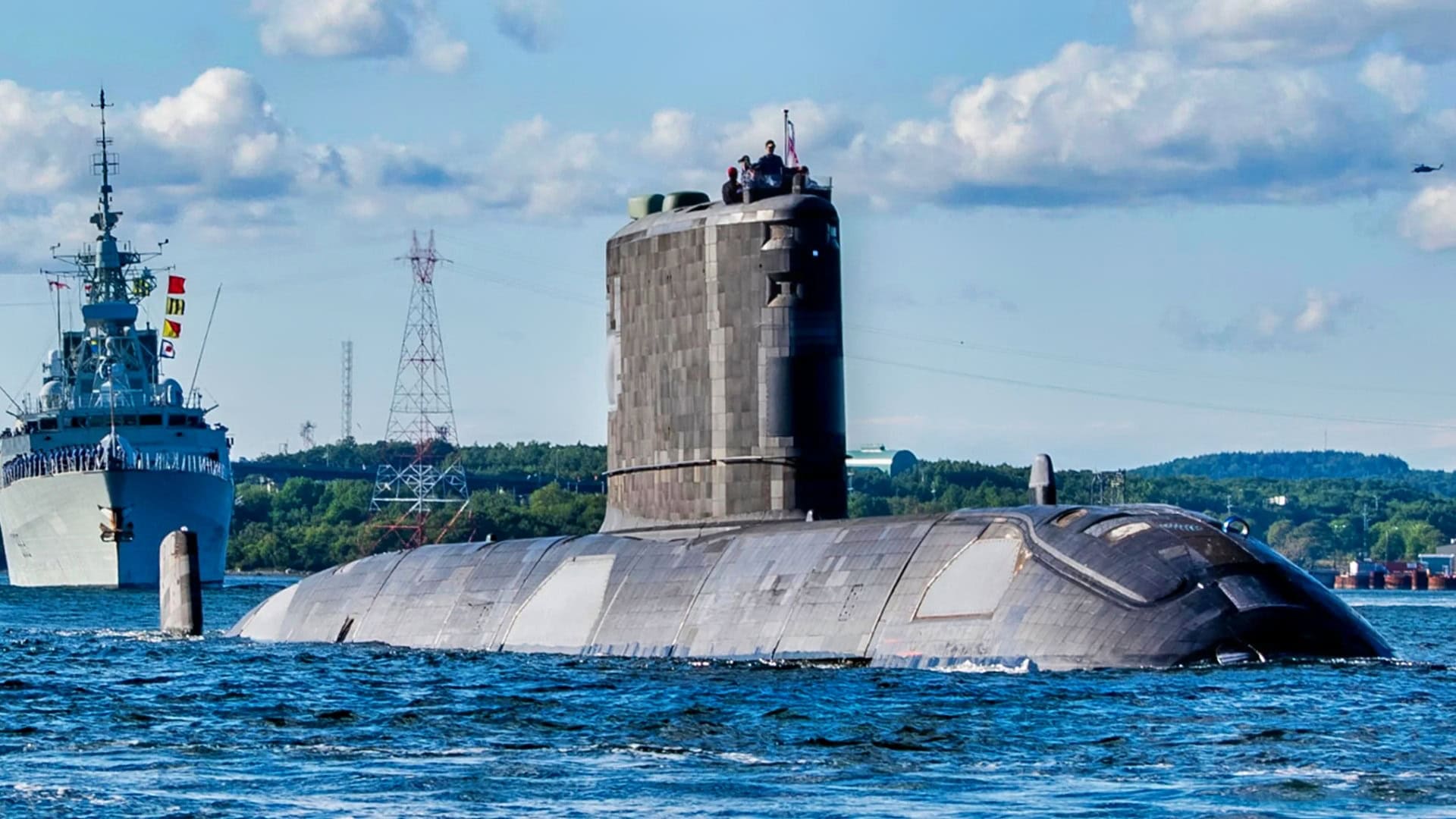
Victoria-Class Submarine Canada.
From a military standpoint, the decision is political, as RCAF officials have already backed the existing plan to field a fleet composed entirely of F-35s.
The RCAF consistently backed the American jet as the only aircraft that fully meets Canada’s operational requirements, particularly for NORAD integration and coalition operations with the United States and NATO allies. The aircraft’s stealth, sensor fusion, advanced hardware, and interoperability were all decisive factors in its selection over competitors like Sweden’s Gripen in 2023.
Canada’s airpower requirements are closely tied to North American defense commitments, where seamless integration with U.S. systems is necessary. The F-35’s ability to operate within that networked environment is not easily replicated by alternative platforms – particularly those a generation behind the F-35.
As a result, it’s clear the current debate is not really about military necessity but politics and industrial benefits. And while Ottawa looks to do a deal with Saab that brings jobs and manufacturing to Canada, there’s another debate that is getting far less attention – a separate procurement effort that remains unresolved.
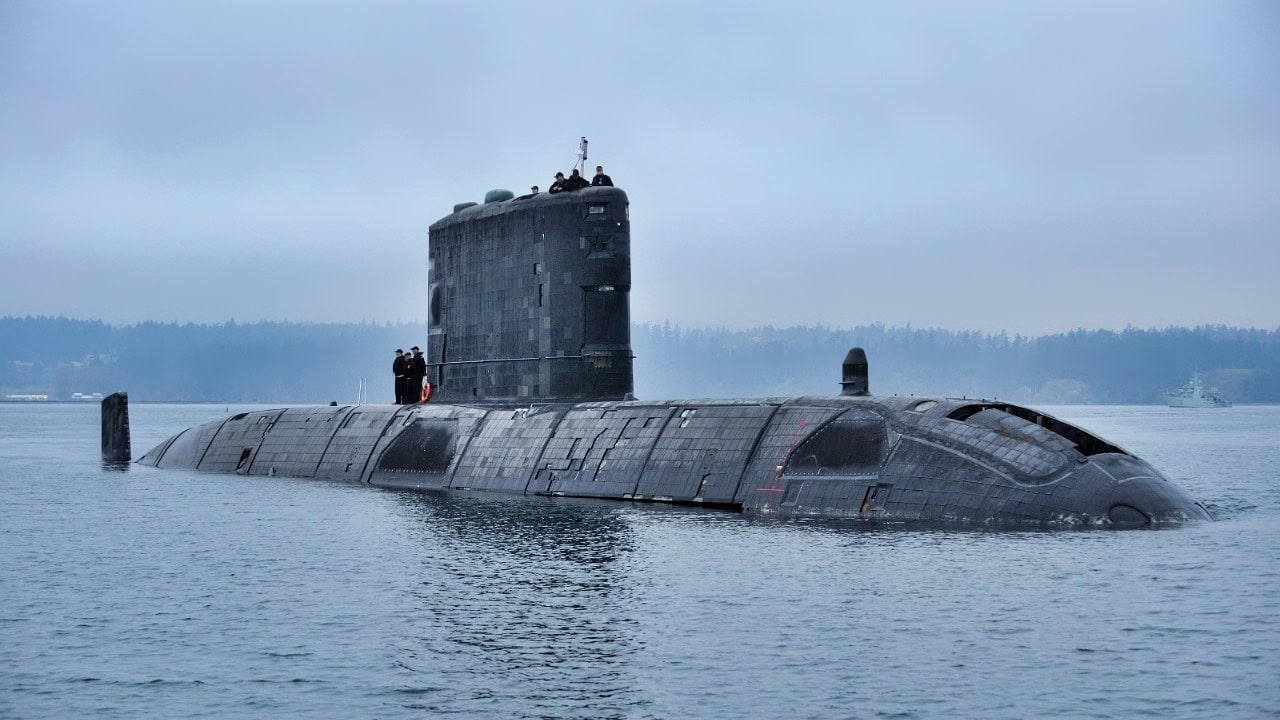
Victoria-Class Submarine from Canada.
Canada’s Submarine Fleet Is In Trouble
Canada’s submarine force is built around four Victoria-class boats, acquired second-hand from the United Kingdom in 1998 after being originally constructed in the late 1980s and early 1990s.
The submarines were intended as a relatively low-cost way to preserve Canada’s undersea capability, but they have been plagued by availability and maintenance problems ever since.
Canada has struggled for years to maintain even minimal submarine availability.
It has historically aimed for a steady-state of just two boats available for operations at any given time – a target that it has repeatedly struggled to meet.
Some assessments have also indicated that the Navy has not been able to consistently keep even a single submarine at sea over sustained periods, due to maintenance cycles and refit delays.
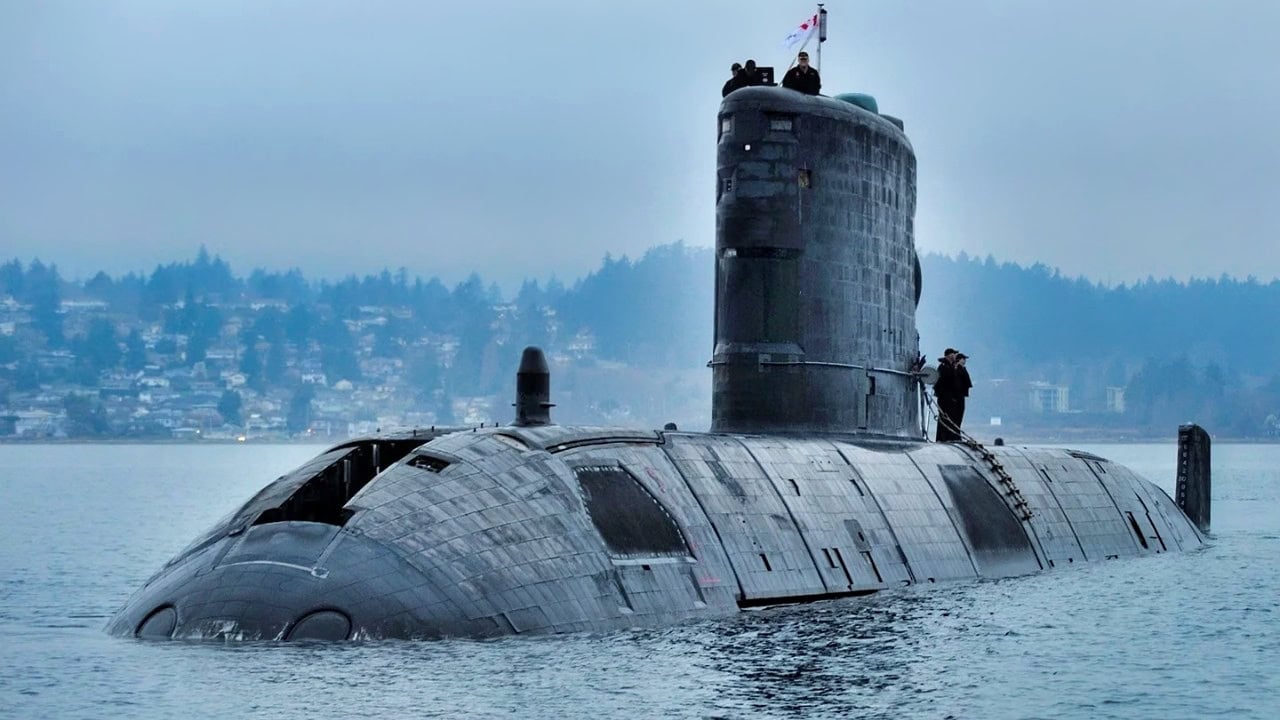
Victoria-Class Submarine Canadian Navy. Image Credit: Government Photo.
There have also been technical issues reported across the fleet, further limiting availability. The problem is not a secret; the Canadian government even states that the Victoria-class boats are becoming “increasingly obsolete and expensive to maintain,” adding that “Canada needs a new fleet of submarines to protect our sovereignty from emerging security threats.”
Canada has four hulls on paper, but it doesn’t really mean all that much – and in time, the situation is only going to worsen if it cannot find replacements.
So, What Next?
To address the looming gap, Canada has launched the Canadian Patrol Submarine Project, a program to acquire up to 12 new submarines. The project is expected to be one of the largest defense procurements in the country’s history, with estimates ranging into the tens of billions of dollars depending on the scope and industrial commitments.
The competition has already been narrowed down to two bidders: Germany’s ThyssenKrupp Marine Systems and South Korea’s Hanwha Ocean. Both companies are offering advanced diesel-electric submarines, along with significant industrial investment packages aimed at securing Canadian political support – much like the current Gripen offer.
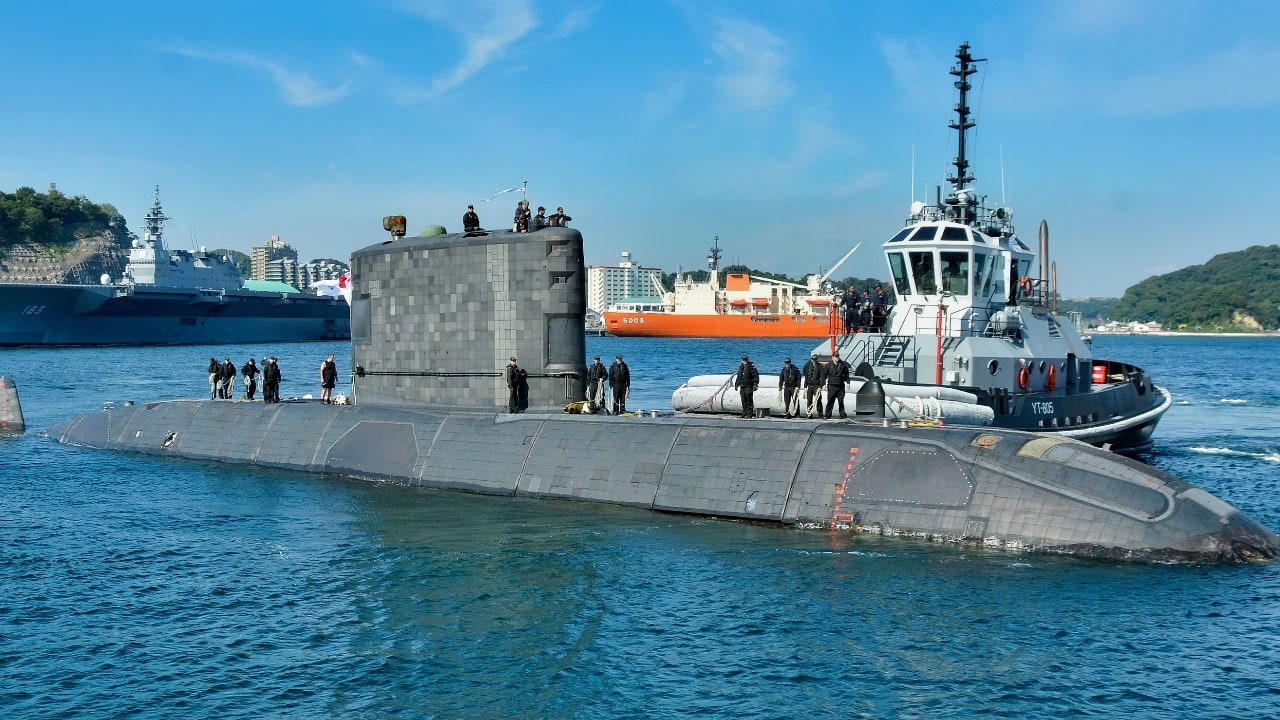
Canada Victoria-Class Submarine. Image Credit: Creative Commons.
The Canadian government has indicated its intention to select a single supplier rather than split the contract across multiple fleets. A single class is preferable because it simplifies maintenance, training, and logistics, while reducing long-term sustainment costs – a benefit Ottawa seems happy to take for its navy, but not its air force.
But a project of this scale run by just one contractor does come with some risk. Submarine programs are already among the most challenging defense procurements, requiring long timelines and specialized infrastructure. Given how long the programs take, they also need political commitment and long-term consistency. Even under optimistic assumptions, new submarines are unlikely to enter service until the late 2030s, leaving a significant risk of a capability gap if the current fleet cannot be sustained for long enough.
Why Canada Needs Subs
The debate over F-35s and Gripens is one thing, but submarines are another. Maintaining a credible fleet of fighter jets is essential for national defense and meeting Canada’s obligations under NORAD and NATO, particularly in monitoring and defending North American airspace.
But fighter procurement, while politically contentious, is comparatively flexible: there are multiple established suppliers, mature production lines, and aircraft that can be integrated into allied frameworks relatively quickly. Canada’s own process illustrates this. The country first committed to the Joint Strike Fighter program in 1997, spent more than a decade debating alternatives, formally relaunched a competition in 2017, narrowed the field to two finalists in 2021, and only selected the Lockheed Martin F-35 Lightning II in January 2023 – a process spanning over 25 years from initial participation to final selection.
Even after that, the government has continued to revisit or delay elements of the procurement. Submarines, by contrast, do not offer that kind of flexibility. They are far more complex to design, build, and sustain, with far fewer global suppliers, longer production timelines, and infrastructure requirements that can take decades to fully establish.
Unlike fighter jets, where delays can often be mitigated through allied cooperation or interim measures, there is no quick substitute for a domestic submarine capability. With Canada’s existing fleet aging toward obsolescence and replacement timelines stretching into the late 2030s, the margin for delay is far narrower, and the consequences of waiting too long are much harder to reverse.
Canada is not choosing between two equivalent procurement problems.
Fighter jets can be competed, delayed, or even partially substituted within allied frameworks – all while working on the next submarine program. And even if Canada goes ahead with its Gripen plans, it’s worth making a decision sooner rather than later. But waiting to choose the right solution for its next submarines is not so flexible.
The industrial base is narrower, the timelines are longer, and once capability is lost, it takes decades to rebuild. Ottawa has already shown it can revisit airpower decisions at will. Now is the time to get moving – and take action on its underwater force, too.
MORE – ‘Slap a Cage on It’: The Cheap Way To Save U.S. Army Tanks from Drone Swarm Attack
MORE – The Army’s New M1E3 Tank Is a Drone Warrior
About the Author: Jack Buckby
Jack Buckby is a British researcher and analyst specializing in defense and national security, based in New York. His work focuses on military capability, procurement, and strategic competition, producing and editing analysis for policy and defense audiences. He brings extensive editorial experience, with a career output spanning over 1,000 articles at 19FortyFive and National Security Journal, and has previously authored books and papers on extremism and deradicalization.