
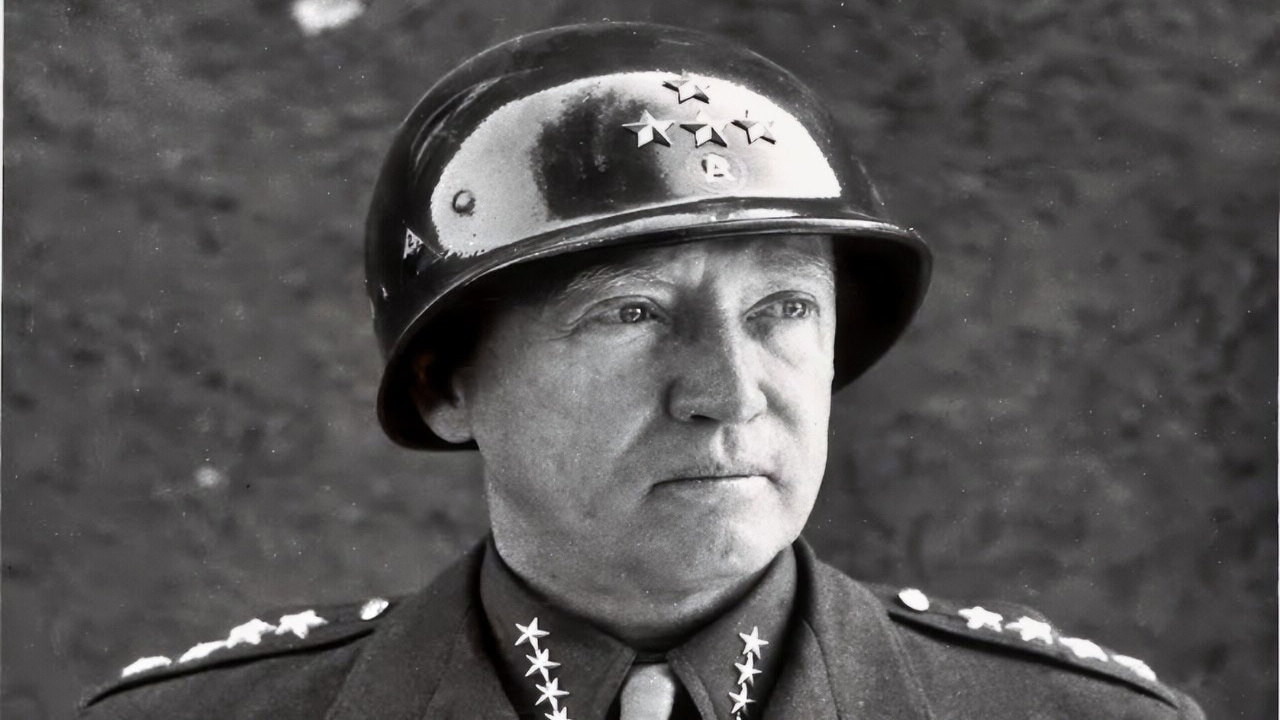
“Americans Don’t Surrender.” – Quote by General George Patton, U.S. Army
George S. Patton is one of the most renowned generals of the Second World War. In the midst of the War, he fought with boldness and aggression, never giving the enemy any time to recover.
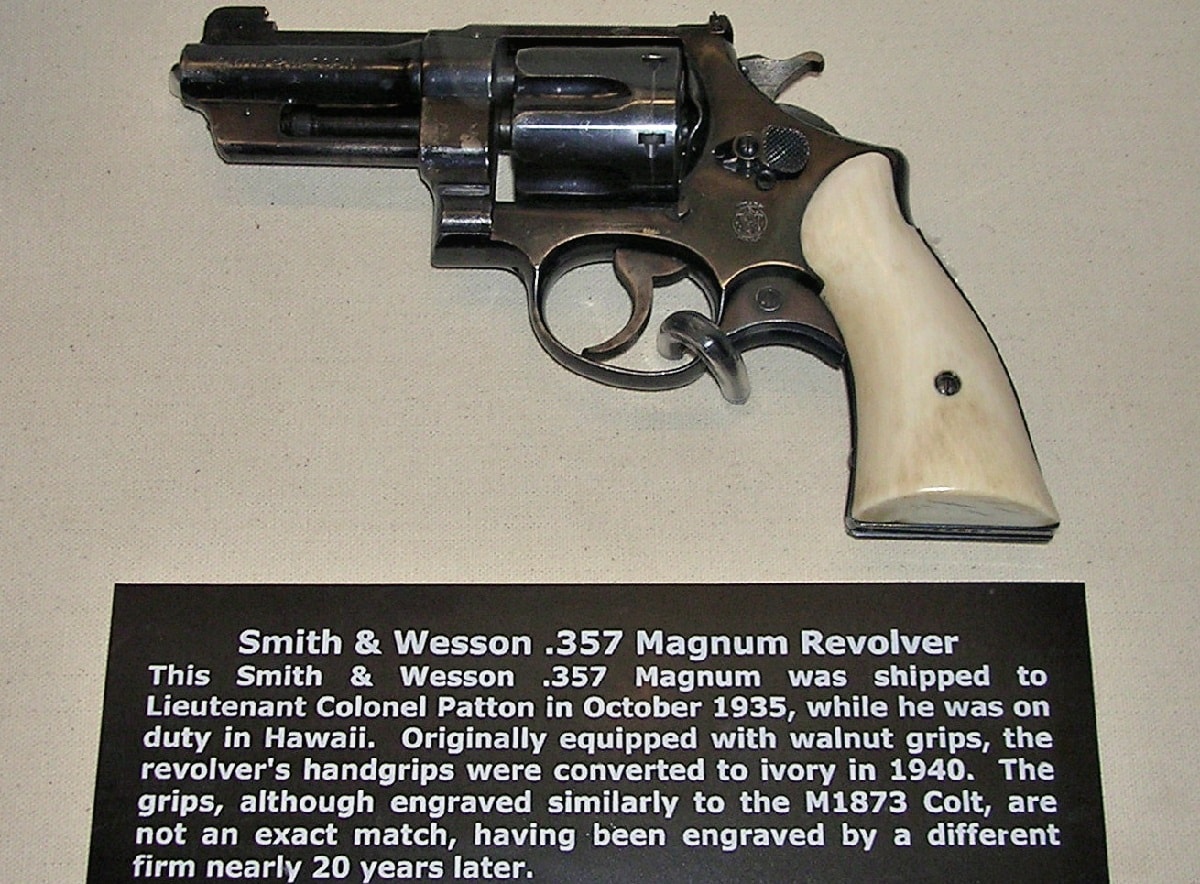
Patton’s well-known custom ivory-handled revolver.
The operations of Patton and the U.S. Third Army were instrumental in ending the war in Europe. When the war did end, however, Patton found himself at a loss for what to do next.
All his life, he had trained to fight in a great war, and now that war had ended. He spent the remainder of his life in administrative positions before a car accident led to his ultimate demise.
General George Patton in His Element
During the closing phase of the war, Patton’s Third Army was widely regarded as one of the most effective American field forces in Europe.
After the breakout from Normandy in the summer of 1944, Patton and his troops barrelled across France with relentless momentum.
He pursued retreating German forces with near‑reckless energy, convinced that hesitation would only prolong the conflict and cost lives.
This approach earned him admiration from his soldiers and quiet concern from Allied leaders who were forced to admit the value of his results despite their own personal misgivings.
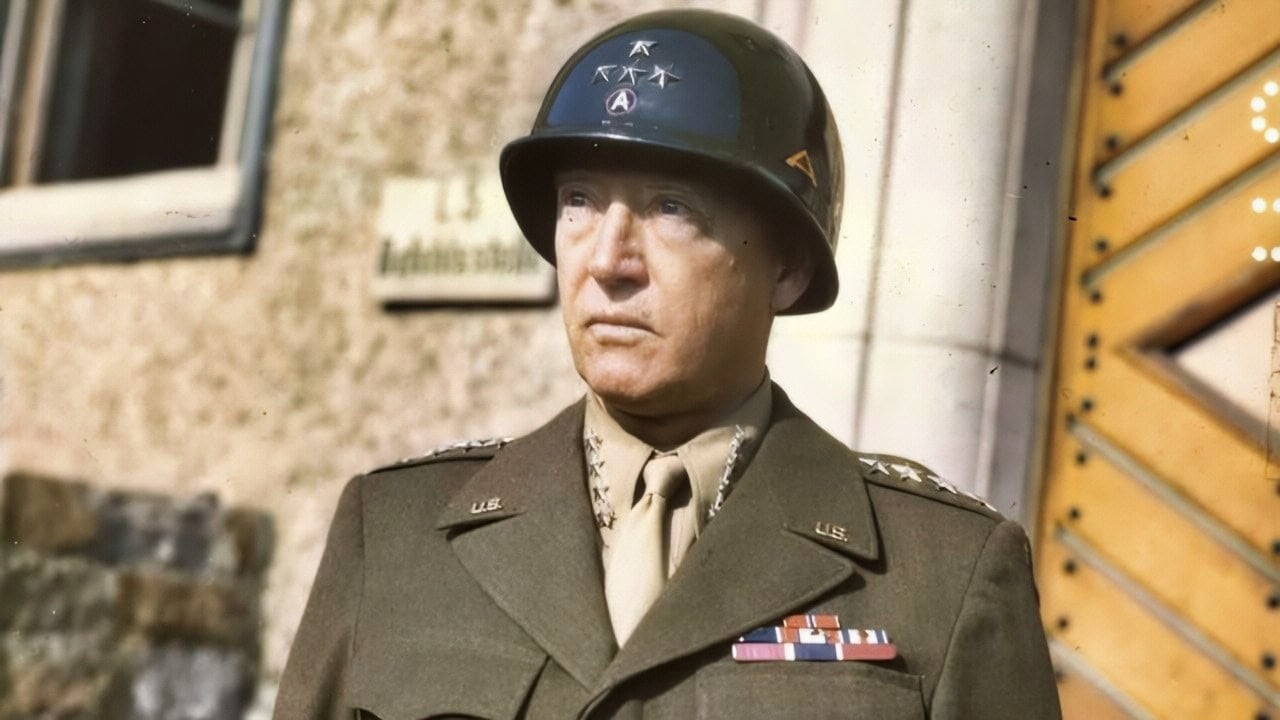
General George Patton, U.S. Army Photo
Patton’s reputation reached its peak during the German counteroffensive in the Ardennes in December 1944. When the Battle of the Bulge threatened to split Allied lines and isolate American forces at Bastogne, Patton executed a highly complex maneuver, pivoting the Third Army northward under harsh winter conditions.
His forces redeployed at breakneck speeds and reached Bastogne in just a few days despite harsh winter conditions, saving the encircled division.
This feat is considered by many, including Patton himself, to be one of his greatest achievements in his military career.
The End of the War
As Allied armies pushed into Germany in early 1945, Patton’s forces continued their rapid advance.
The Third Army crossed the Rhine, seized the industrial centers, and drove into southern Germany and western Czechoslovakia.
During this time, Patton remained guided by his usual doctrine of aggression and speed. He believed that overwhelming force, applied quickly and without pause, was the surest path to victory.
His troops captured vast territories and large numbers of enemy soldiers, contributing significantly to the final defeat of the Wehrmacht.
In 1945, Germany officially surrendered, marking an end to the War in Europe. With no war to fight, Patton had very suddenly lost his life’s purpose.

General Patton Portrait. Image Credit: Creative Commons.
From a young age, he envisioned himself as a warrior who would fight in a legendary war. Now that the war was over, it left him feeling empty.
He requested a transfer to a command position in the Pacific, but was denied. Patton was appointed military governor of Bavaria, a role that required political tact and administrative skills rather than aggression and strict discipline alone.
While he was a good military administrator, he was woefully unprepared for his new role as a civil servant.
Patton’s Worst Enemy: Himself
Almost immediately, Patton became embroiled in controversy.
When faced with questions from the, he expressed his hesitation to carry out the mandated denazification policy for post-war Germany.
In his view, many former members of the Nazi party had experience in infrastructure and management, so it made no sense to remove people who were qualified for their positions.
To make matters worse, Patton compared the Nazis to Democrats and Republicans, saying that most Nazis were just normal people going about their everyday lives. These comments enraged the media, who hounded him for being a Nazi sympathizer.
They also infuriated Eisenhower, who promptly ordered Patton to hold a press conference to retract his statements. He held the conference as ordered, but instead doubled down on his views.
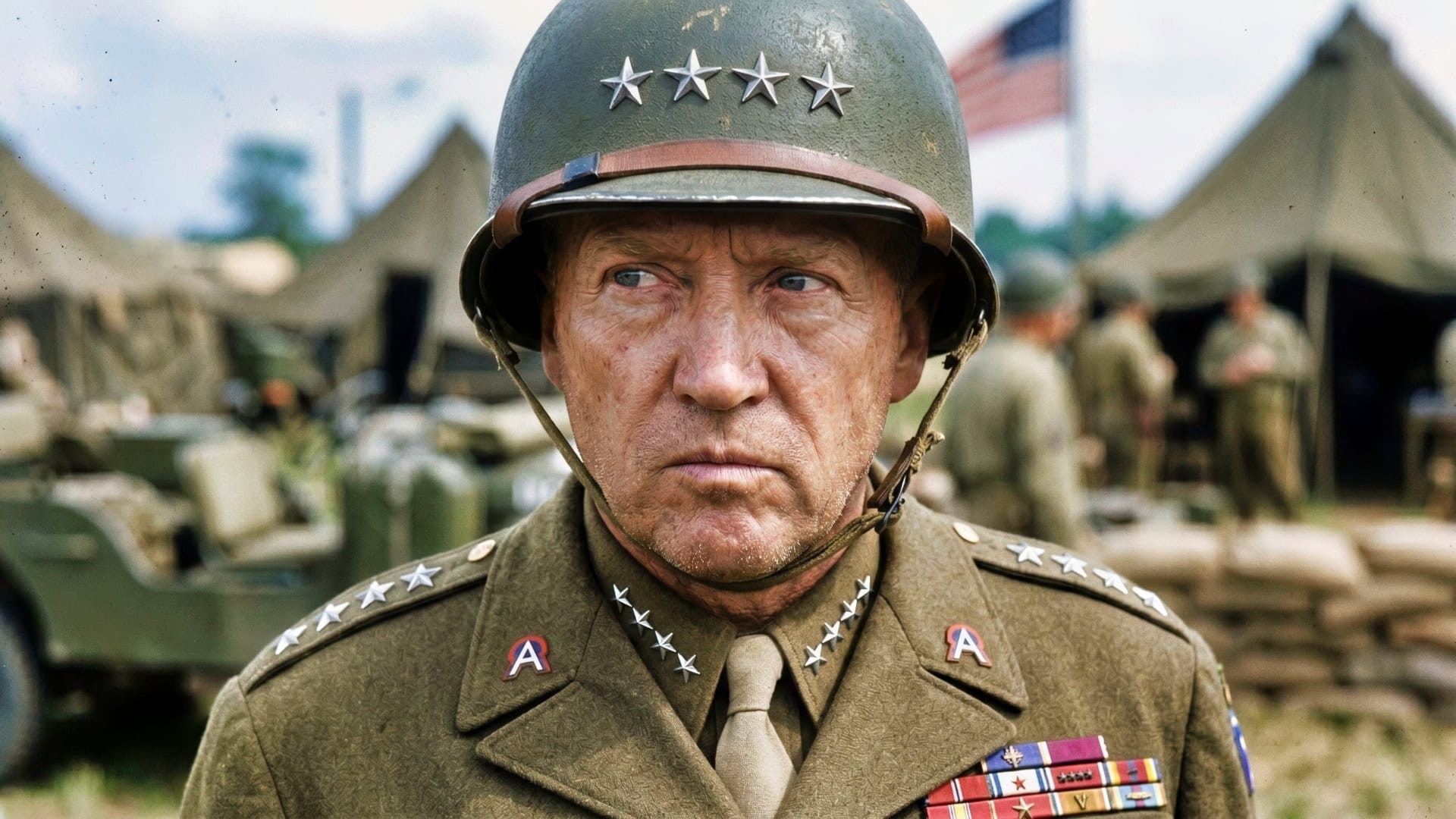
New General George Patton in Camp WWII. Image Credit: Banana Nano Image.
Patton was once again put in hot water because of his attitude toward the Soviet Union. Even as the war ended, Patton was convinced that the former ally would soon become America’s next enemy.
He openly expressed hostility toward Soviet intentions in Eastern Europe, believing that the Red Army posed a greater long‑term threat than a defeated Germany.
Patton went so far as to suggest that the Western Allies should prepare for a new war, even proposing the idea of using captured German soldiers against the Soviets.
The start of the Cold War vindicated Patton’s paranoia towards the Soviets; however, at the time, the comments jeopardized the already fragile peace that existed between the West and the East.
Relief of Command and Death
Between his hostile comments on the Soviets and his disagreement with denazification, Patton put Eisenhower and the rest of the Allied command in an awkward position.
While Ike respected Patton immensely for his tactical prowess, it was clear that his inability to control his speech would only cause more problems down the line. As a result, Patton was relieved of command of the Third Army.
He was placed in command of the U.S. 15th Army based in Bad Nauheim, Germany, which was tasked with compiling a comprehensive history of the War in Europe. He accepted this position out of his own love of history, but the message from above was clear: Patton’s glory days had ended.
On December 9th, 1945, Patton and his chief of staff were on their way to a hunting trip near Speyer, Germany. Unfortunately, his car was hit by an American Army truck, resulting in his paralyzation.
Twelve days later, he died in his sleep, ending the life of one of the most fascinating figures of the Second World War.
At the height of the war, Patton was in his element.
He relished the life of a soldier and was inspired by the feats of great generals and leaders of the past. When the war ended, however, he found himself a stranger in a strange land. Whether by bad luck or divine intervention, the end of the war meant the end of his life.
About the Author: Isaac Seitz
Isaac Seitz, a Defense Columnist, graduated from Patrick Henry College’s Strategic Intelligence and National Security program. He has also studied Russian at Middlebury Language Schools and has worked as an intelligence Analyst in the private sector.