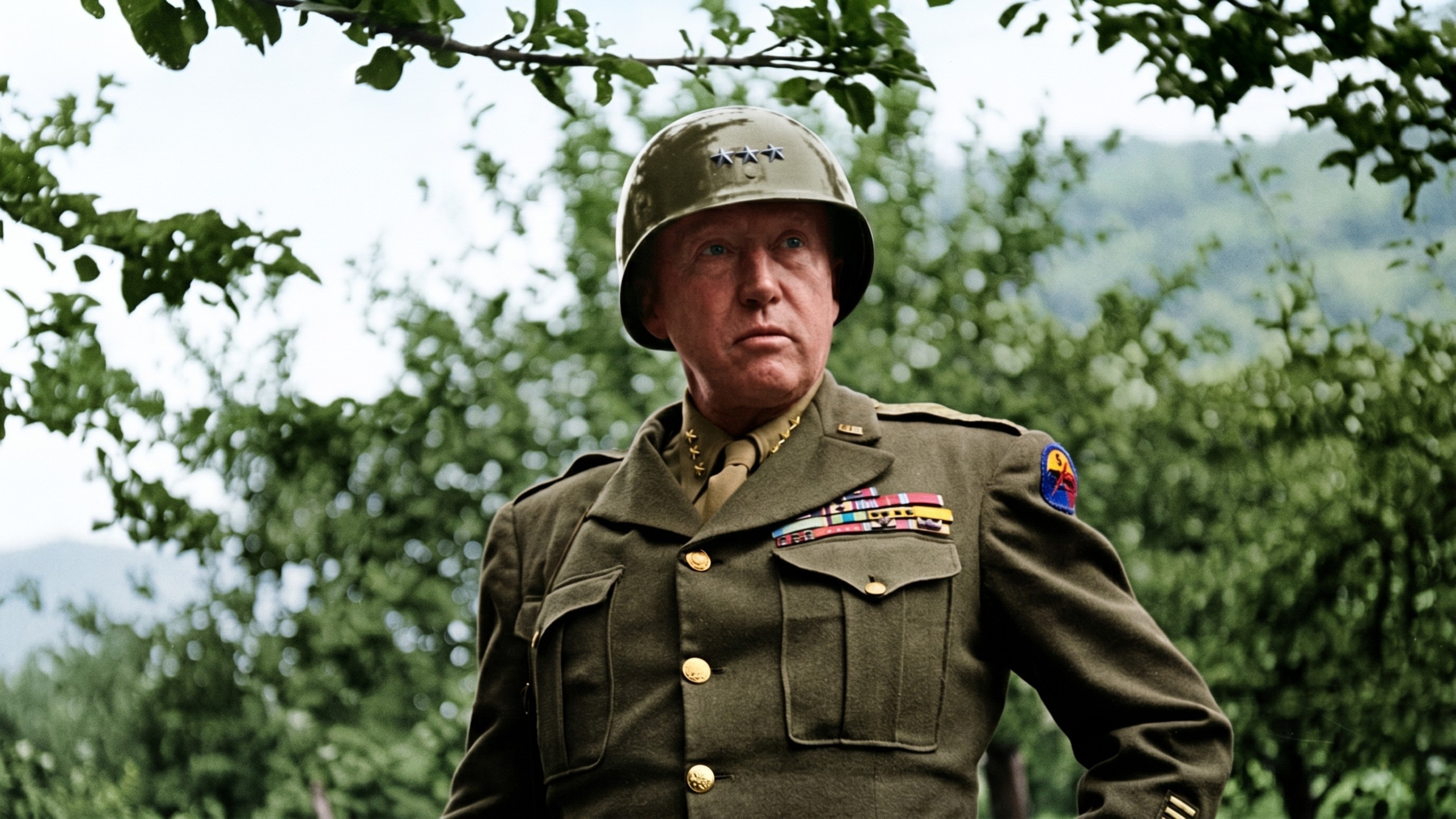
General George S. Patton said it best: “Know what you know, and know what you don’t know.” That principle defined his entire approach to warfare—Patton studied the German Wehrmacht’s tactics so intensely that he could predict Rommel’s moves before they happened, and he turned that mastery into the legendary relief of Bastogne during the Battle of the Bulge.
The Quotes and Wisdom of George Patton
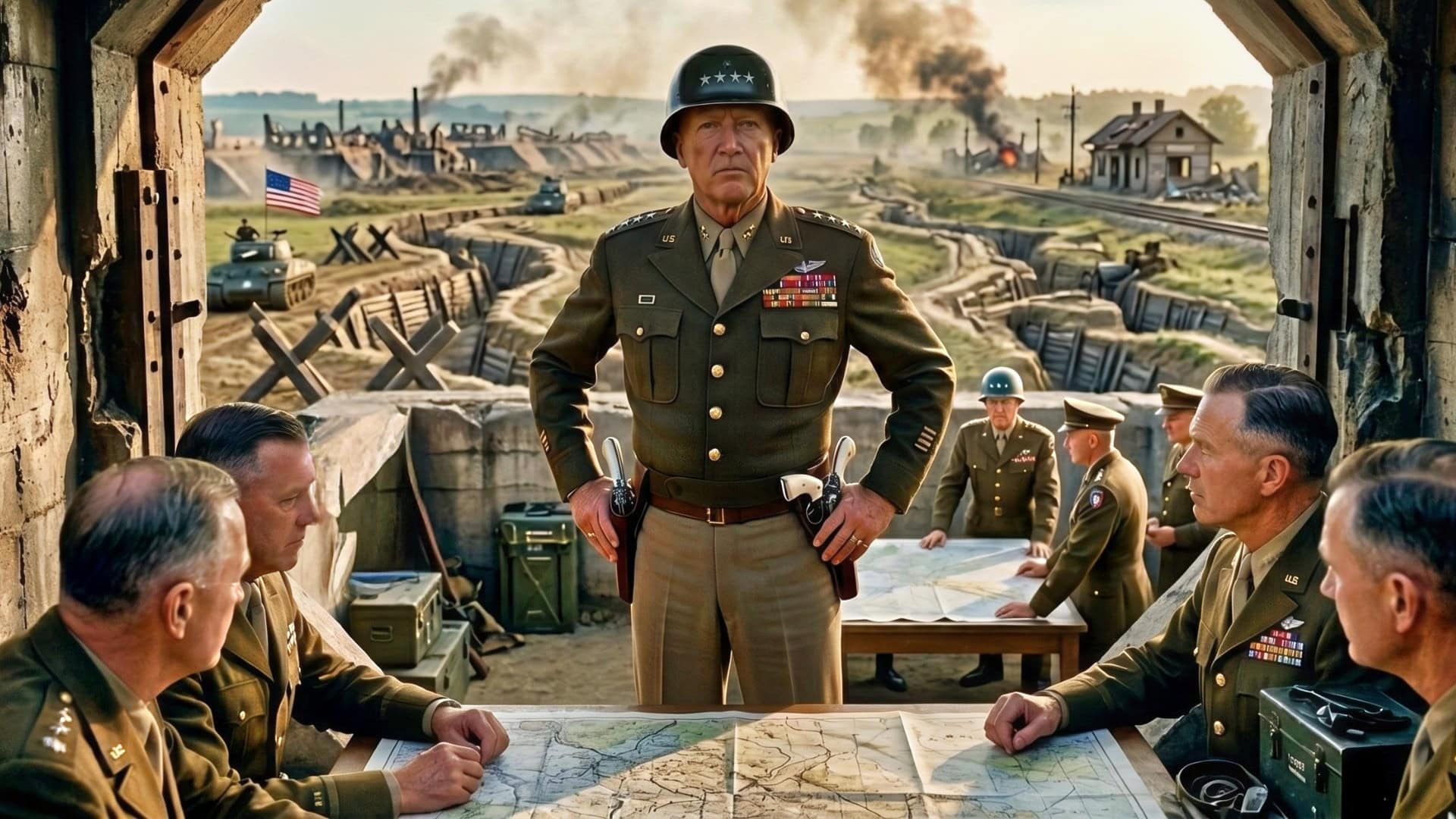
General George Patton in the Room. Banana Nano image.
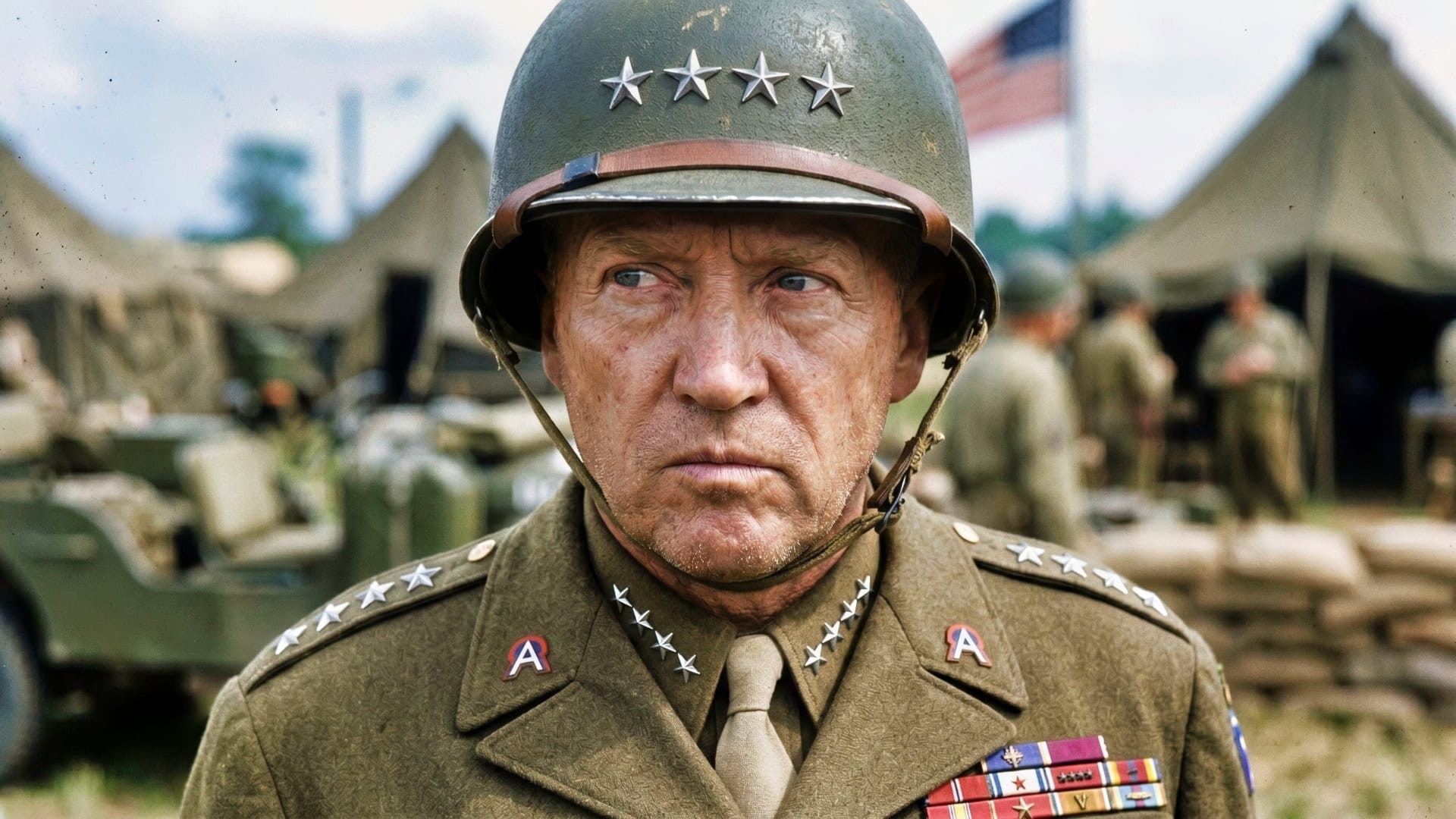
New General George Patton in Camp WWII. Image Credit: Banana Nano Image.
“Know what you know, and know what you don’t know.” General George S. Patton, U.S. Army
Considered by many to be one of the greatest American Generals of World War II, Patton was a brilliant strategist whose aggressive strategies often led him to victory.
Underpinning his brash and eccentric personality, however, was a deep love and respect for history, which inspired his love of the Army in the first place. His study of history also led him to study other great military men, both historical and contemporary.
During the war, Patton studied the Wehrmacht’s tactics intensely, seeking to understand its leaders and strategies. This was especially crucial during the fight against Erwin Rommel in North Africa, as the Allies pushed the Germans off the continent.
Cultivating a Love of Military History
Ever since he was a child, Patton was immersed in military history.
He read widely about battles and tactics, but also about the commanders and the societies that produced them. He was convinced that the basic character of war remained constant across centuries, even as technology changed.
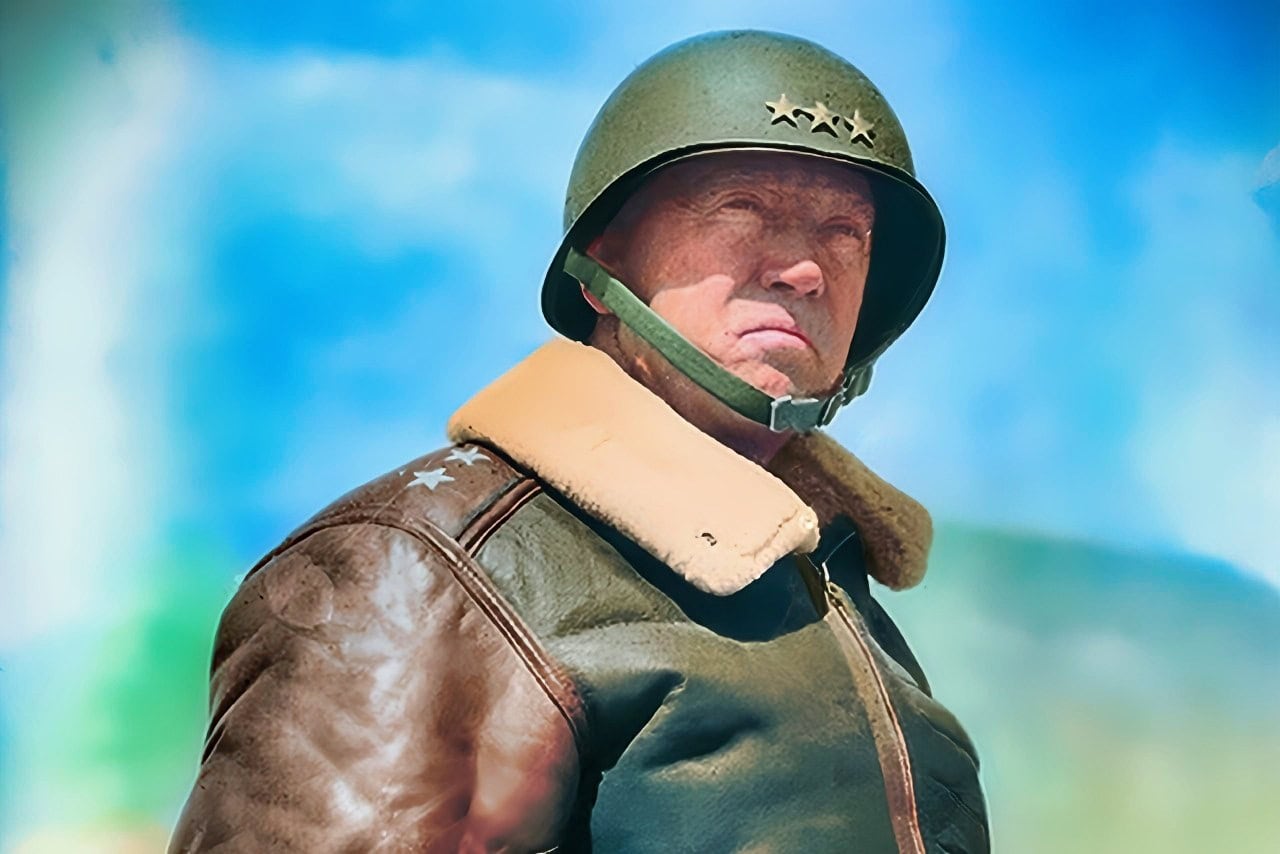
George Patton U.S. Army Photo
Horse cavalry might give way to tanks, but humans tended to remain the same. This belief shaped how Patton studied his enemies. He was not searching only for technical weaknesses; he was searching for predictable human behavior that could be exploited in combat.
Patton sought to understand how his opponents trained, planned, and reacted to success and failure.
He paid close attention to doctrine, command culture, and battlefield habits. This habit allowed him to imagine himself on the opposite side of the battlefield, asking what choices he would make if he were the enemy commander.
Patton believed that this mental exercise was essential to staying one step ahead. In his view, surprise did not come from secrecy alone but from acting in ways the enemy did not expect.
Know Thy Enemy
By the time World War II began, Patton had already formed a clear vision of the enemy.
He held the German Army in high regard as a disciplined, professional force shaped by a long military tradition. Rather than dismissing German victories as mere luck, as some had, Patton studied their doctrine, seeking to understand what made the blitzkrieg so successful.
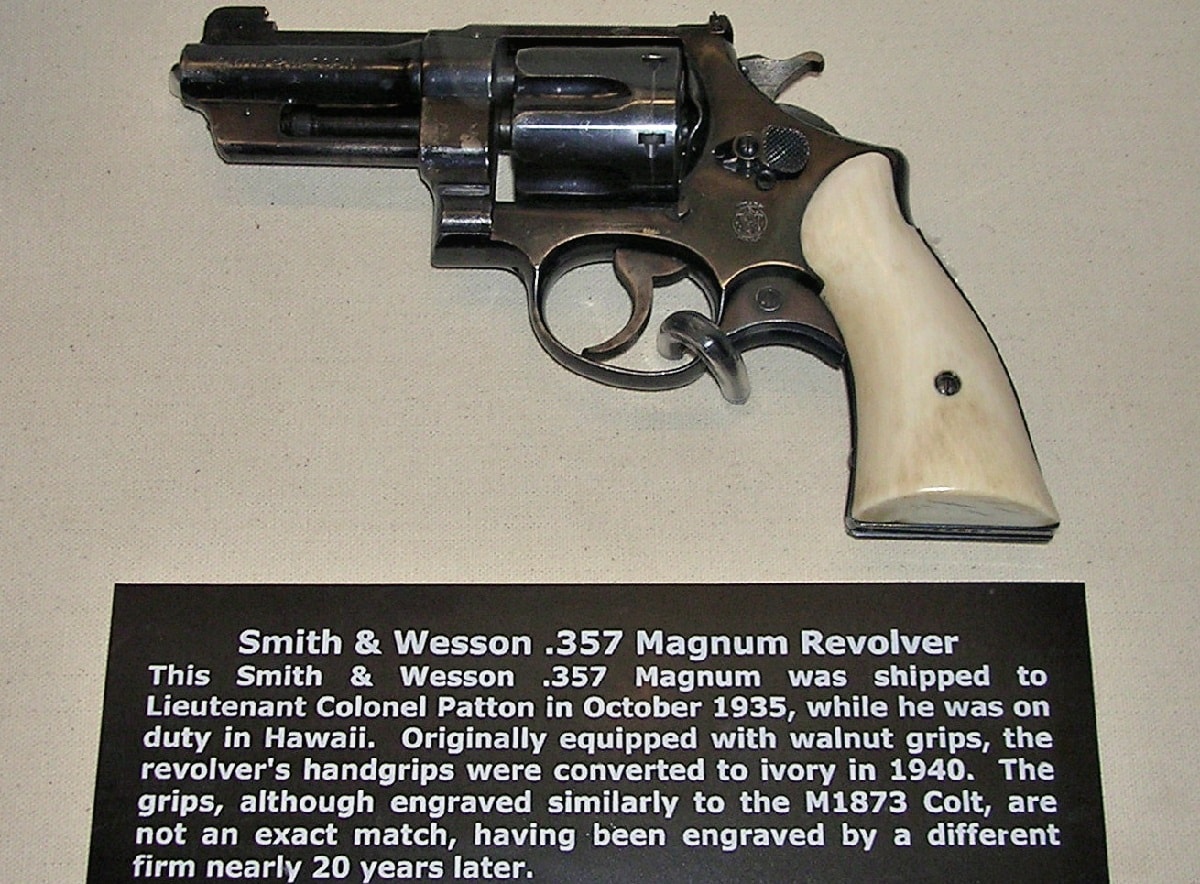
Patton’s well-known custom ivory-handled revolver.
He read German manuals, followed their campaigns closely, and paid attention to their commanders such as Erwin Rommel. Patton understood that fighting such an opponent required matching speed with speed and aggression with greater aggression.
This respect for German capabilities influenced how Patton trained and led his own forces.
One of Germany’s best strengths was exploiting moments of weakness and hesitation.
He theorized that if his troops were fast and aggressive, he would deny the Germans the time they needed to regroup and recuperate before launching another offensive. As a result, he demanded constant readiness from his troops and strictly enforced discipline. By studying German operational habits, he prepared his army to meet them on their own terms while pushing even harder.
Always a Step Ahead
Patton’s first major test against German forces came in North Africa. After U.S. troops suffered a serious defeat at Kasserine Pass at the hands of Rommel, Patton was placed in command of II Corps.
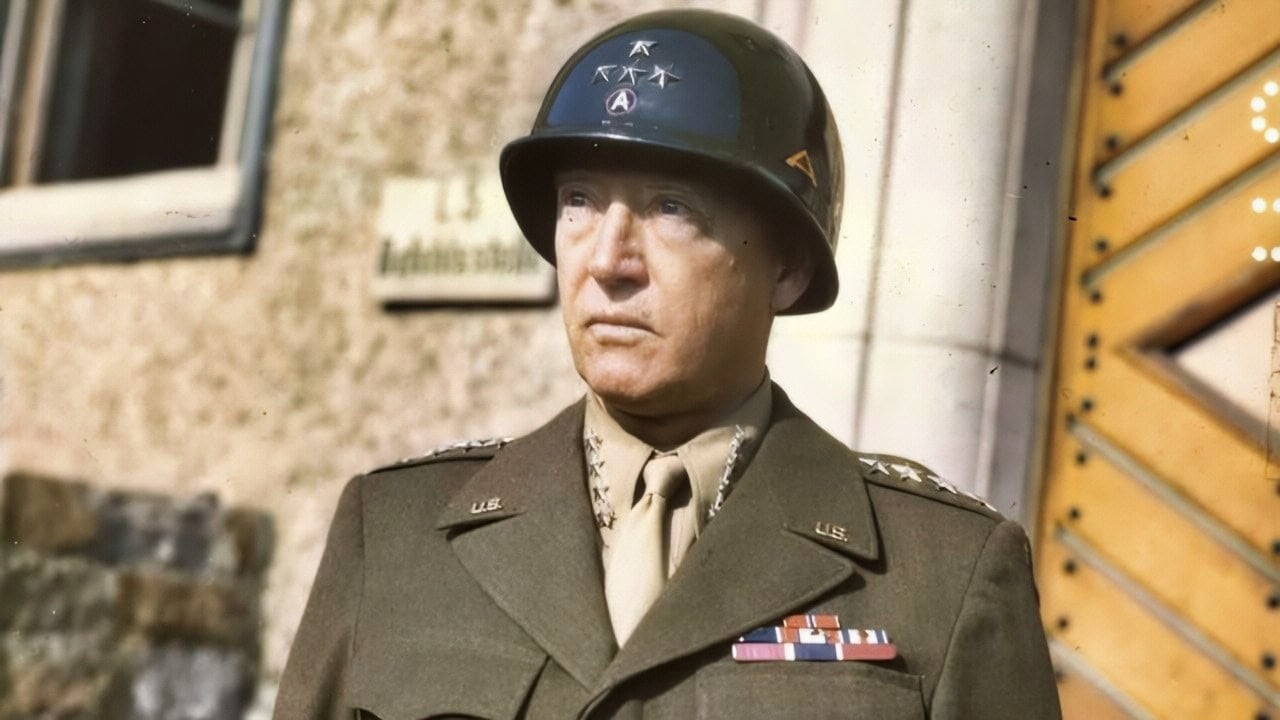
General George Patton U.S. Army Photo
The Americans, Patton concluded, had acted too slowly and had failed to anticipate the Germans’ quick maneuver tactics. He then endeavored to restore discipline and order in the battered Corps, bringing it back to fighting strength. Throughout history, victory often came to the more disciplined and more professional fighting force. Patton therefore enforced his standards of professionalism and discipline on his troops.
The battles that followed vindicated Patton’s approach and showed his deep understanding of the enemy.
While the Germans remained formidable, Patton’s forces demonstrated that they could absorb blows and respond effectively.
Patton had learned from his enemy and adjusted accordingly. This capacity to learn and adapt was a defining feature of his command style. Each encounter with the enemy became a lesson to be analyzed and applied in future operations.
Know What You Know, Know What the Enemy Knows
Patton was not the only one who studied his enemies.
Before D-Day, he became the centerpiece of the Allied deception plan designed to mislead German intelligence about the invasion site. The Germans idolized him and considered him to be one of the most important Allied commanders on the Western Front. Patton understood how he was perceived and willingly played his part, commanding a fictitious army and making visible preparations in southeastern England. His role in the deception delayed German reinforcement of Normandy, buying the Allies critical time during the invasion.
Once unleashed in France after the Normandy breakout, Patton applied everything he knew about German operational weaknesses. He believed that German forces, though battered, would recover if allowed time to establish defensive lines.
To prevent this, he drove his Third Army forward at extraordinary speed. His forces bypassed strongpoints and struck deep into the German rear. Patton targeted fuel depots, communication centers, and headquarters, knowing that German units were highly dependent on coordinated logistics. His advances forced enemy commanders to react constantly, disrupting their ability to plan coherent defenses.
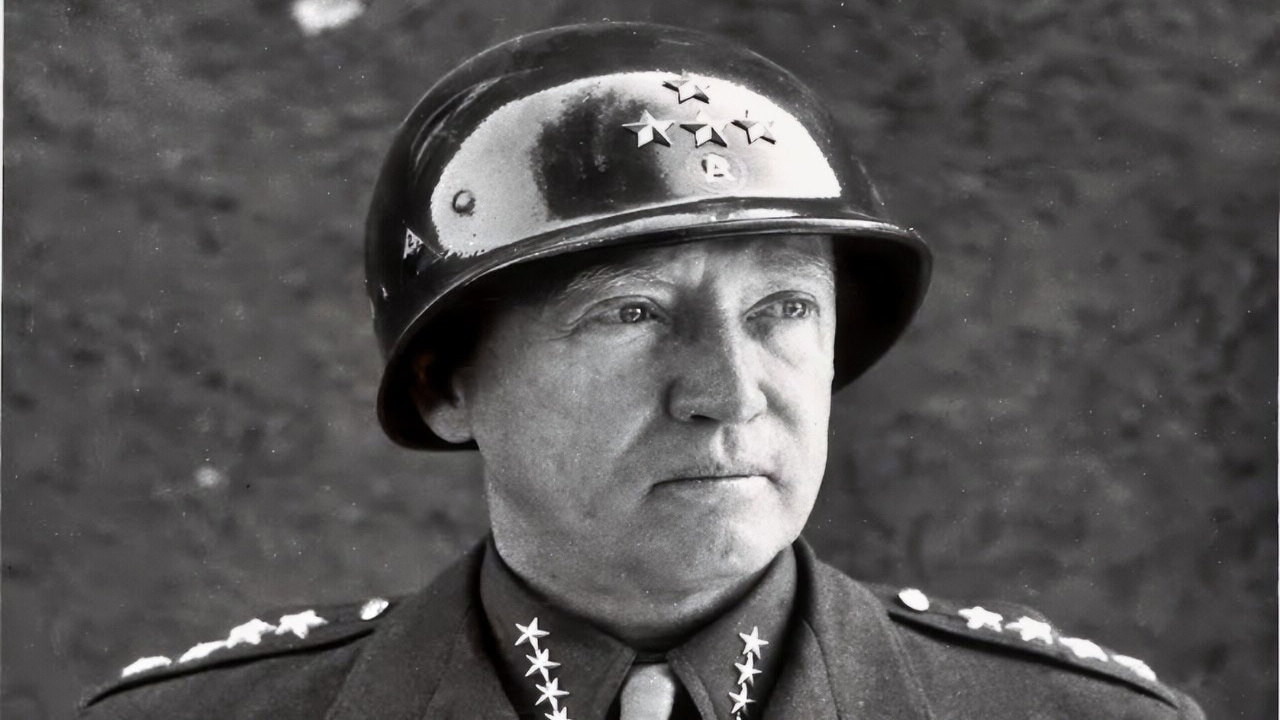
General Patton U.S. Army Photo
Reading the Germans Like an Open Book: The Battle of the Bulge
The Battle of the Bulge in 1944 is the clearest example of Patton understanding his opponents and staying one step ahead of them.
When the Germans launched a surprise offensive through the Ardennes, Patton was not caught off guard.
Given the deteriorating state of the Germans’ defenses, he figured Hitler would mount one last offensive to stabilize the front.
Recognizing the logic behind a bold counterattack, Patton had already thought through how he would respond. As a result, he redirected his army northward with remarkable speed, relieving the besieged town of Bastogne and disrupting German plans.
About the Author: Isaac Seitz
Isaac Seitz, a Defense Columnist, graduated from Patrick Henry College’s Strategic Intelligence and National Security program. He has also studied Russian at Middlebury Language Schools and has worked as an intelligence Analyst in the private sector.