
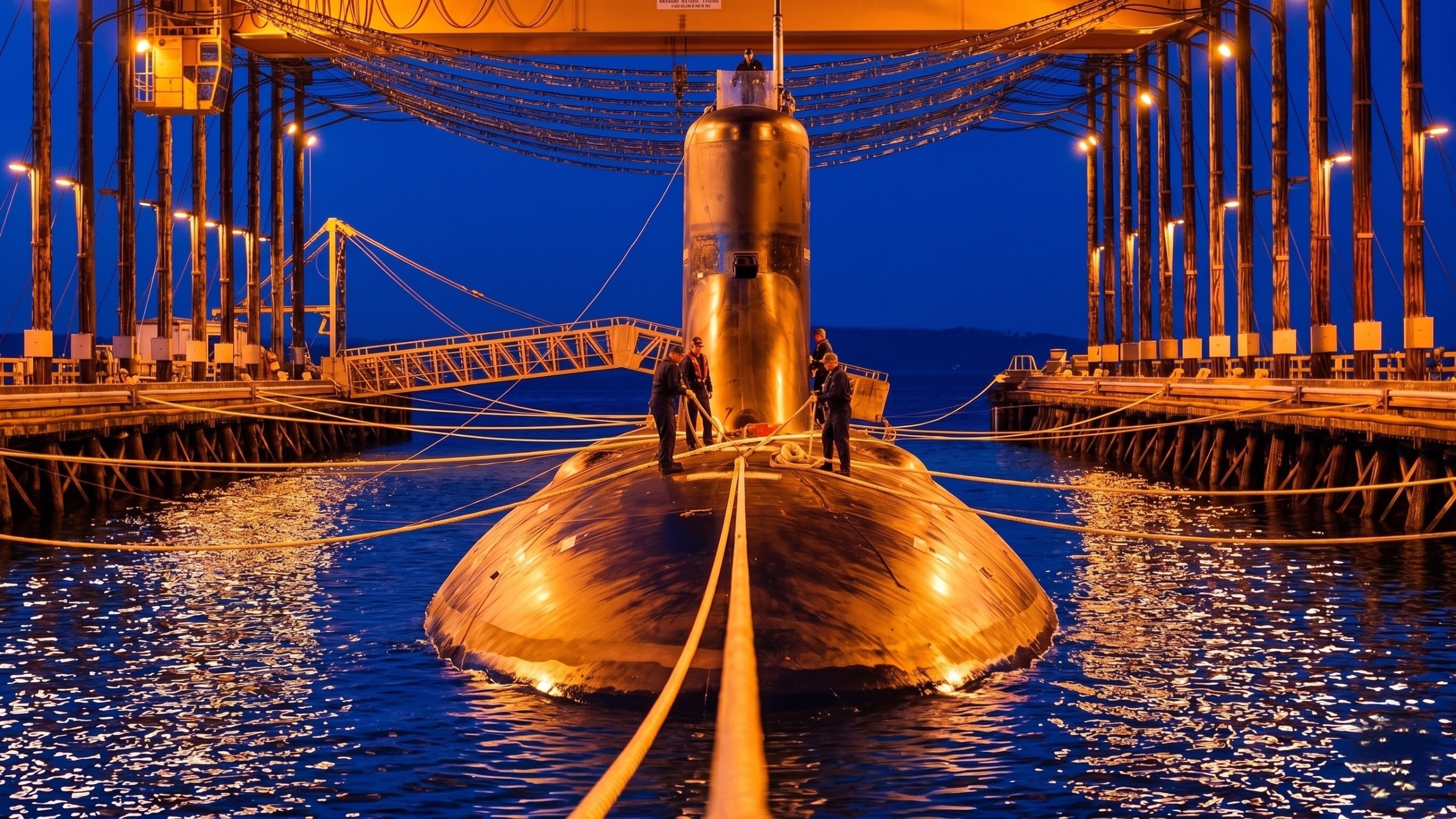
The U.S. Navy’s Seawolf-class submarine was supposed to dominate the depths for decades and replace the entire Los Angeles-class with 29 next-generation boats—but only 3 were ever built. Today, the USS Seawolf, USS Connecticut, and USS Jimmy Carter remain the most expensive attack submarines the Navy has ever fielded, with each hull running between $3 billion and $3.5 billion in 1990s dollars.
The U.S. Navy’s Seawolf-Class Folly
The U.S. Navy’s Seawolf-class nuclear-powered submarines were supposed to be modern marvels.
They would run silent and run deep, terrorizing enemy shipping and other adversarial submarines.
The Navy planned for them to be the next-generation boat that could dominate the depths and serve for decades. Originally designed to counteract the Soviet navy, they belonged to an era that emphasized quiet patrolling and fast attacks that could make the Russians think twice about deploying warships worldwide.
The Seawolf-class fast attack boats were supposed to replace the Los Angeles-class. The speed was better on the Seawolf-class. They were stealthier and could dive deeper. The Navy ordered 29 new Seawolf subs, but only three were built. The USS Seawolf (SSN-21), USS Connecticut (SSN-22), and USS Jimmy Carter (SSN-23) would take the underwater fight to the enemy.
Peace Dividend Takes the Bite Out of the Seawolf-class
These were constructed in the 1990s. This was not a good time for Navy acquisition. The Cold War had ended, and President Bill Clinton wanted to cut the military to focus more on domestic social programs with the savings. The Seawolf-class was a victim of these cost-cutting measures.
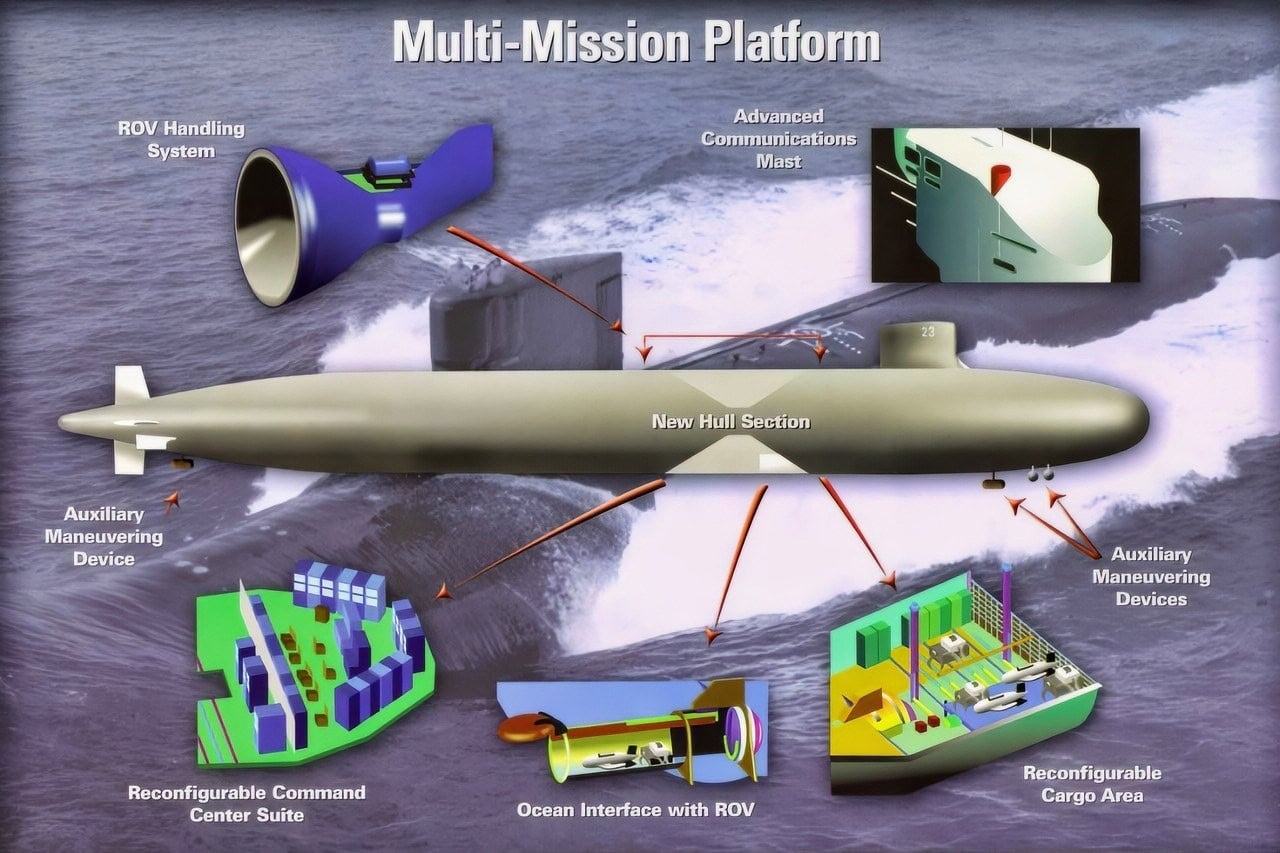
USS Jimmy Carter Seawolf-Class. Image Credit: Creative Commons.
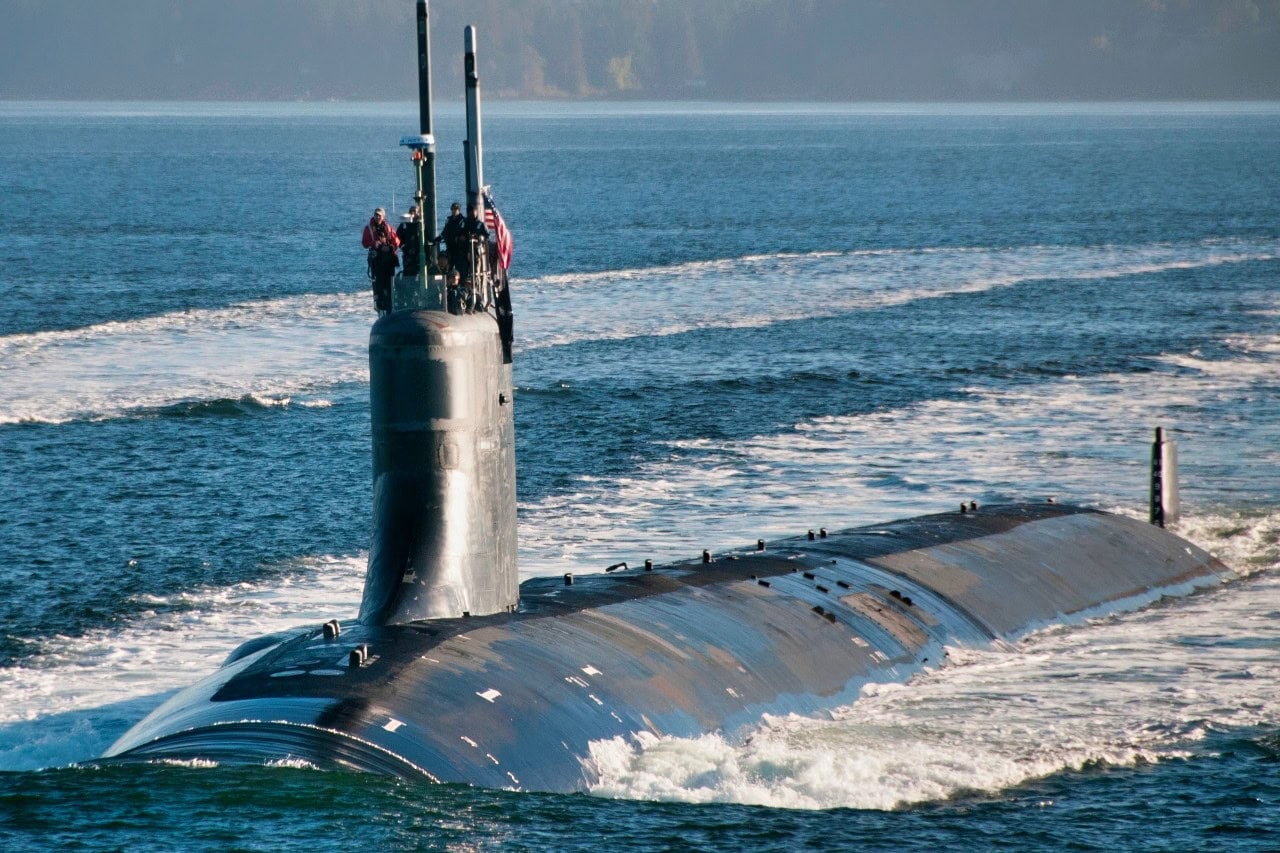
PUGET SOUND, Wash. (Sept. 11, 2017) The Seawolf-class fast-attack submarine USS Jimmy Carter (SSN 23) transits the Hood Canal as the boat returns home to Naval Base Kitsap-Bangor. Jimmy Carter is the last and most advanced of the Seawolf-class attack submarines, which are all homeported at Naval Base Kitsap. (U.S. Navy photo by Lt. Cmdr. Michael Smith/Released)
They Just Cost Too Much
The Seawolf-class did not come cheap. They were some of the most expensive subs in the world. Seawolf and Jimmy Carter were approximately $3 billion each, and Connecticut cost about $3.5 billion. This made Congress recoil and added to the need to cut the order down to three subs.
Patrolling at Great Depths
On July 19, 1997, USS Seawolf went on active duty, then the USS Connecticut in 1998 and USS Jimmy Carter in 2005. The Seawolf-class boats are built to a high standard, featuring HY-100 steel rather than HY-80 steel used in previous submarines. This allows for deeper diving. The tailor-made teardrop-shaped hull reduces drag and minimizes wake turbulence, increasing agility and improving combat performance.
Stealthier Than Many American Subs
These subs are quiet. Acoustic technologies were among the best in the world at the time of manufacture. The vibrations from machinery are minimized. Pumps, motors, and generators were made to reduce their acoustic signatures. The exterior is covered with anechoic tiles and acoustic materials that absorb sonar and reduce the submarine’s own noise, greatly reducing its detectability by passive and active sonar systems.
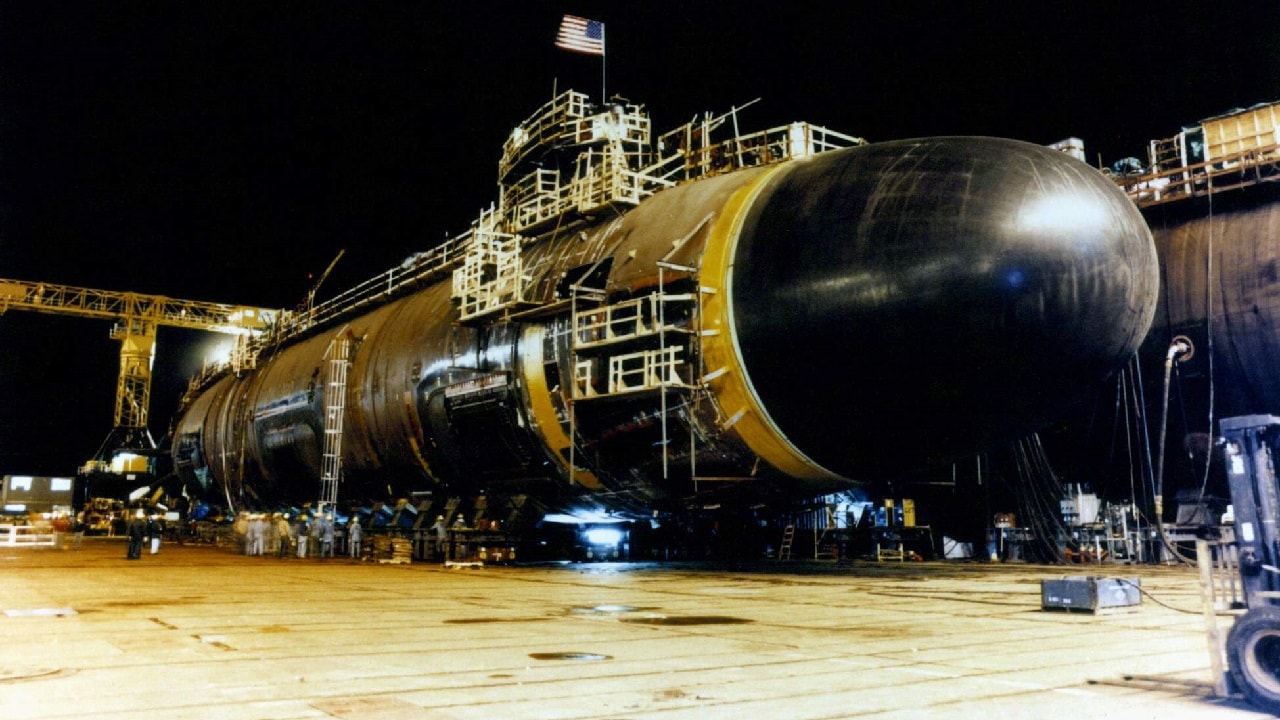
The first of a revolutionary new class of fast attack submarine, the Seawolf (SSN-21). Shown during construction at the Electric Boat Division of General Dynamics Corporation in Groton, Conn. She was christened by Margaret Dalton, wife of Secretary of the Navy John H. Dalton, on June 24, 1995.
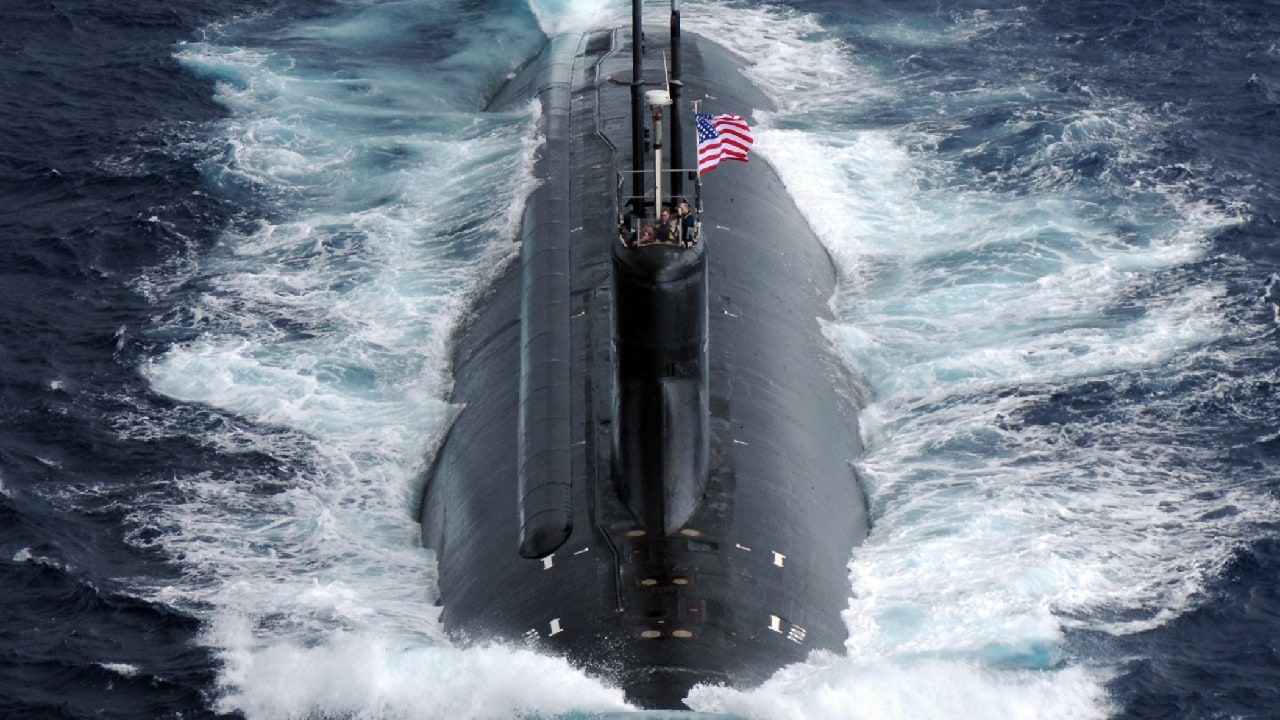
The Seawolf-class fast-attack submarine USS Connecticut transits the Pacific Ocean during Annual Exercise. ANNUALEX is a yearly bilateral exercise with the U.S. Navy and the Japan Maritime Self-Defense Force.
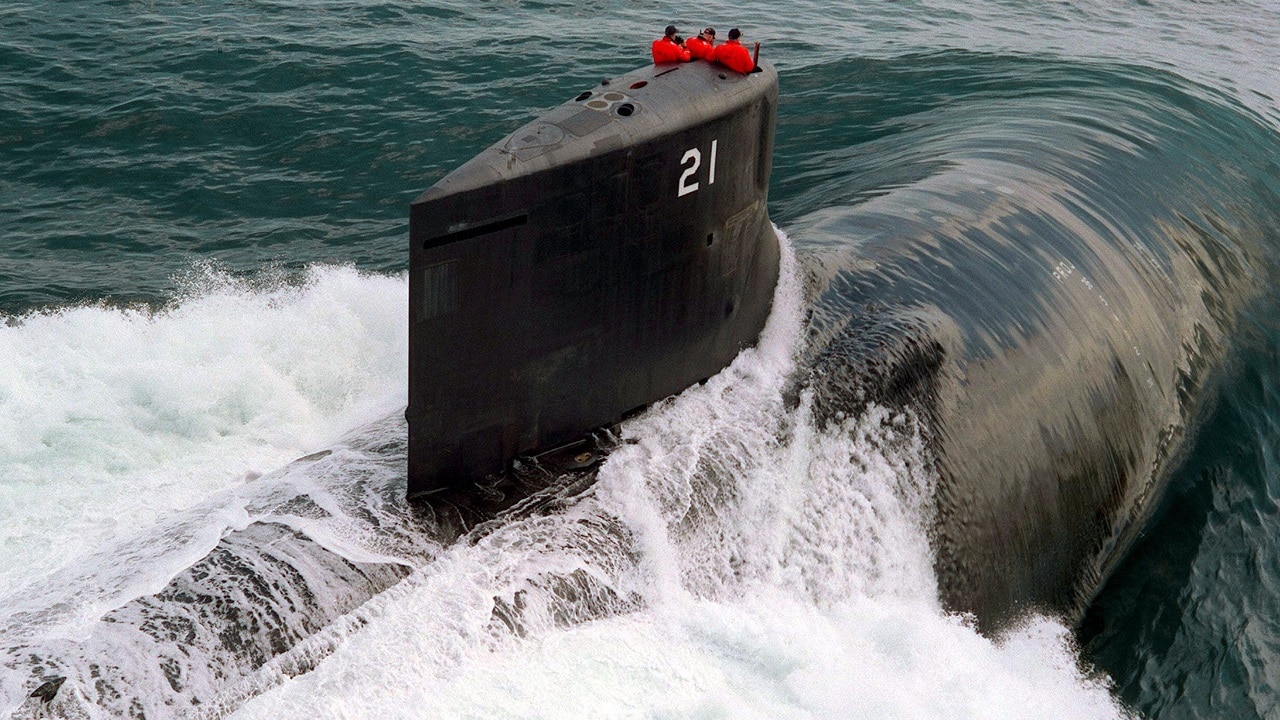
The U.S. Navy’s newest attack submarine, USS Seawolf (SSN 21), conducts Bravo sea trials off the coast of Connecticut in preparation for its scheduled commissioning in July 1997.
Locked and Loaded
Seawolf-class boats have eight torpedo tubes — four more than Los Angeles-class subs — the Seawolfs can employ Mk 48 torpedoes, Tomahawk cruise missiles, and Harpoon anti-ship missiles.
Not Always Blessed By Fortune
However, the Seawolf-class has experienced some tough luck. On October 2, 2021, USS Connecticut crashed into an uncharted seamount in the South China Sea. Eleven sailors were injured. The Connecticut is laid up in Puget Sound for repairs and will likely not be ready for active duty until late this year, and that’s the most optimistic scenario. Repair costs will be hundreds of millions of dollars.
The Navy said the wreck could have been avoided by the crew. “This mishap was preventable. It resulted from an accumulation of errors and omissions in navigation planning, watch team execution, and risk management that fell far below US Navy standards,” the investigation concluded. “Prudent decision-making and adherence to required procedures in any of these three areas could have prevented the grounding.”
The USS Seawolf Is Experiencing Some Downtime
The USS Seawolf is back in port for maintenance and refit after completing a deployment this year. It is homeported at Naval Base Kitsap-Bangor. The sub conducted operations in the Indo-Pacific, and its mission was considered a success, as the “Apex Predator” conducted freedom-of-navigation exercises and rehearsed actions against Chinese shipping and submarines. The deployment ended in February.
The Seawolf traveled 45,000 nautical miles and took on a scheduled port of call at Yokosuka, Japan. The Seawolf’s motto is “beware the wolf.” The submarine’s officers and crew were glad to be back home.
“I am immensely proud to serve with the remarkable sailors of USS Seawolf. For months, they operated at the highest levels of proficiency, faced with the most challenging undersea environments imaginable. Their unwavering dedication, technical mastery, and resilient spirit are the sole reasons for our success, and it is my absolute honor to bring them home today,” said Commander Doug Hagenbuch, captain of the Seawolf, in a Navy news release. “I would also like to thank the families of the Seawolf crew for their unwavering support, patience, and sacrifices during this deployment, which is a true testament to their character and patriotism.”
That’s all good for the crew, but the sub itself will be out of action for an extended period. This means the Navy is down another Seawolf-class boat.
USS Jimmy Carter Keeps Tabs on the Enemy
The final Seawolf-class vessel is the USS Jimmy Carter, which has been specially configured as a spy sub. This boat is great for collecting intelligence and even stealthier than its sister subs. There is a 100-foot hull protusion called the Multi-Mission Platform. This increased Jimmy Carter’s length to 435 feet and its submerged displacement to 12,158 tons.
The Multi-Mission Platform “allows Carter to carry remotely operated vehicles, cable spools, special-operations craft, and other advanced technologies needed to carry out classified operations and ‘enhanced warfighting capabilities,’” according to the Navy.
So it’s a mixed bag for the Seawolf-class. Jimmy Carter is a valuable intelligence collector. That is badly needed in an era of great power rivalry. But the Connecticut has been out of service for years, and it will probably only enter sea trials in late 2026 or early 2027.
The Seawolf is the best boat in the bunch for its fast attack performance.
The last deployment was a success. It is too bad the Navy could not have purchased more Seawolf-class submarines. The subs have redeeming features, but were not what the maritime branch envisioned when it ordered 29 of the boats that could have made a bigger difference in 21st-century undersea warfare.
About the Author: Dr. Brent M. Eastwood
Author of now over 3,500 articles on defense issues, Brent M. Eastwood, PhD, is the author of Don’t Turn Your Back On the World: A Conservative Foreign Policy and Humans, Machines, and Data: Future Trends in Warfare, plus two other books. Brent was the founder and CEO of a tech firm that predicted world events using artificial intelligence. He served as a legislative fellow for US Senator Tim Scott and advised the senator on defense and foreign policy issues. He has taught at American University, George Washington University, and George Mason University. Brent is a former US Army Infantry officer. He can be followed on X @BMEastwood.