The Seawolf-Class Might Be the Best Submarine Ever…and the U.S. Navy Only Has Three of Them
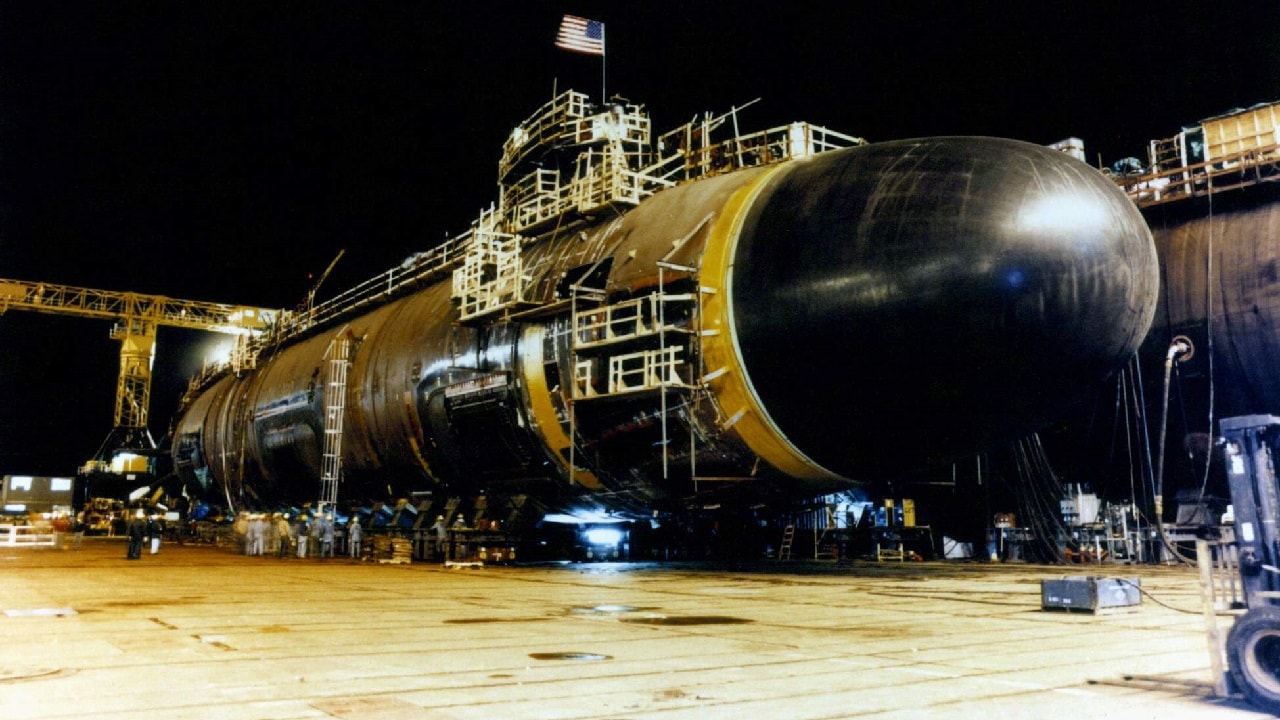
In July 1997, the USS Seawolf (SSN-21) entered service with the United States Navy. This particular attack submarine was the first of the Seawolf-class nuclear submarines.
These submarines were among the quietest and most advanced ever built by the U.S. and remain unmatched to this day, at least according to many naval experts.
At the time, the Navy had planned to put 29 of these advanced undersea vessels into service, but only three would ever be built despite their advanced capabilities.
With the end of the Cold War, the U.S. Navy no longer needed to match or surpass the Soviet Navy, meaning that the Seawolf-class was no longer needed.
The Soviet Threat: its Time for a New Attack Sub
The Seawolf-class was conceived during the later years of the Cold War, when the U.S. and Soviet navies were locked in a fierce competition for naval dominance.
For much of the Cold War, the United States had enjoyed a substantial advantage in undersea warfare, particularly in acoustic stealth.
American attack submarines could reliably detect, track, and if necessary, destroy Soviet boats long before being detected themselves.
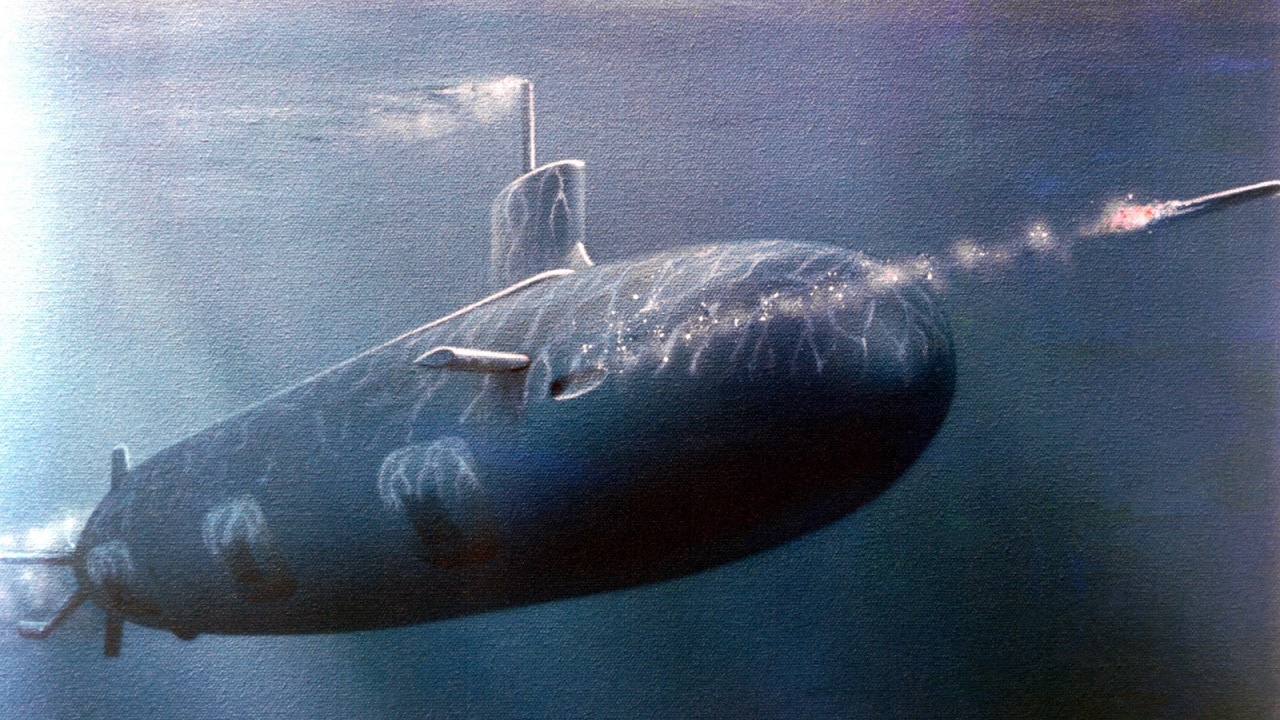
An artist’s concept of the nuclear-powered submarine SEAWOLF (SSN-21).
Throughout the 70s and 80s, however, the Soviets introduced more advanced submarines, such as the Typhoon-class, Akula-class, and the extremely stealthy Kilo-class. These new vessels were a major technological leap in Soviet-naval technology and posed a huge threat to the U.S.’ naval superiority.
In response, the U.S. Navy concluded that incremental upgrades to the existing Los Angeles-class attack submarines would no longer be sufficient.
What was required was a clean-sheet design explicitly tailored to defeat the best Soviet submarines under the harshest conditions imaginable, including deep-ocean combat and operations beneath the Arctic ice cap.
The result was the Seawolf-class: an uncompromising hunter-killer built without regard for cost, provided it could guarantee American dominance in the undersea domain.
The Toughest Subs in the West
The Seawolf-class was constructed using HY-100 high-strength steel for the pressure hull. Previous U.S. submarines had relied primarily on HY-80 steel, which limited safe diving depth but was cheaper to acquire and easier to work with.
HY-100 steel offered substantially greater strength, allowing the Seawolf to dive far deeper than its predecessors.
Although exact maximum depths remain classified, it is estimated that the Seawolf-class can descend to a depth of 1,600 feet, although its true operating limits may be even greater.
The logic behind this design choice was that it provided a number of tactical advantages to the Seawolf-class, including greater freedom of maneuver, improved survivability against enemy weapons, and enhanced ability to exploit thermal layers that distort sonar performance.
In tandem with its reinforced hull, the subs were designed to be highly shock-resistant. Internal systems aboard the Seawolf were mounted on raft-isolated platforms designed to absorb the shock of nearby explosions.
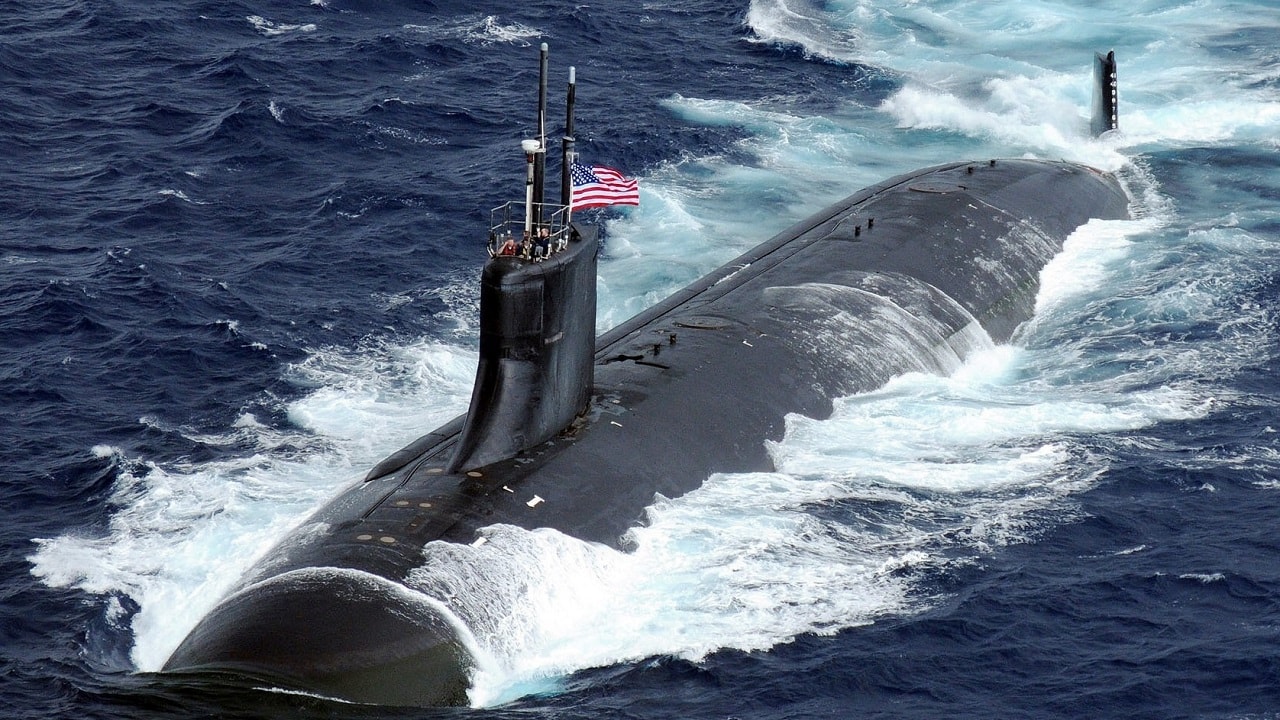
Seawolf-Class Submarine USS Seawolf. Image Credit: Creative Commons.
This increased the submarine’s chances of surviving depth charge detonations or near-miss torpedo blasts. In this respect, the Seawolf was less a refinement of earlier designs than the product of an entirely different threat environment. It was expected not only to go up against the toughest and most advanced vessels in the Soviet Union, but to beat them in a fight.
What Made the Seawolf-Class so Stealthy
The strength of the Seawolf-class, however, was not its diving depth or strength but silence. Every aspect of its design was built specifically to reduce its acoustic signature.
The submarine’s hull form was extensively tested and refined to reduce hydrodynamic noise, while anechoic tiles blanketed the exterior to absorb active sonar emissions and dampen internally generated sound.
Machinery within the hull was isolated, balanced, and silenced to a degree never before attempted on an American submarine. The result was a vessel widely described by the Navy itself as dramatically quieter than the Improved Los Angeles class across the board.
In a huge departure from previous designs, the Seawolf-class abandoned the old propeller propulsion in favor of a new pump-jet propulsion system.
Unlike traditional open propellers, which are prone to cavitation at higher speeds, the pump-jet enclosed the propulsor within a duct. This significantly reduced noise, particularly during high-speed maneuvering.
The pump-jet also allowed the Seawolf to maintain acoustic discretion at speeds previously thought incompatible with stealth. Famously, Navy statements suggested that a Seawolf traveling at tactical speed could be quieter than an older Los Angeles-class submarine sitting idle in port.
Powering this achievement was the Westinghouse S6W pressurized-water nuclear reactor. Generating on the order of fifty thousand shaft horsepower, the reactor gave the Seawolf extraordinary speed and endurance.
While precise performance figures remain classified, open estimates consistently cite maximum submerged speeds of approximately thirty-five knots. More important than top speed, however, was Seawolf’s ability to sustain relatively high speeds without sacrificing stealth. This allowed it to reposition rapidly in response to changing tactical conditions while remaining extraordinarily difficult to detect.
Sensor Suite and Armament
Complementing the Seawolf-class’s advanced design was a sensor suite with exceptional capabilities. The Seawolf employed the AN/BSY-2 combat system, centered on a massive spherical bow sonar array augmented by wide-aperture arrays running along the hull and advanced towed-array systems.
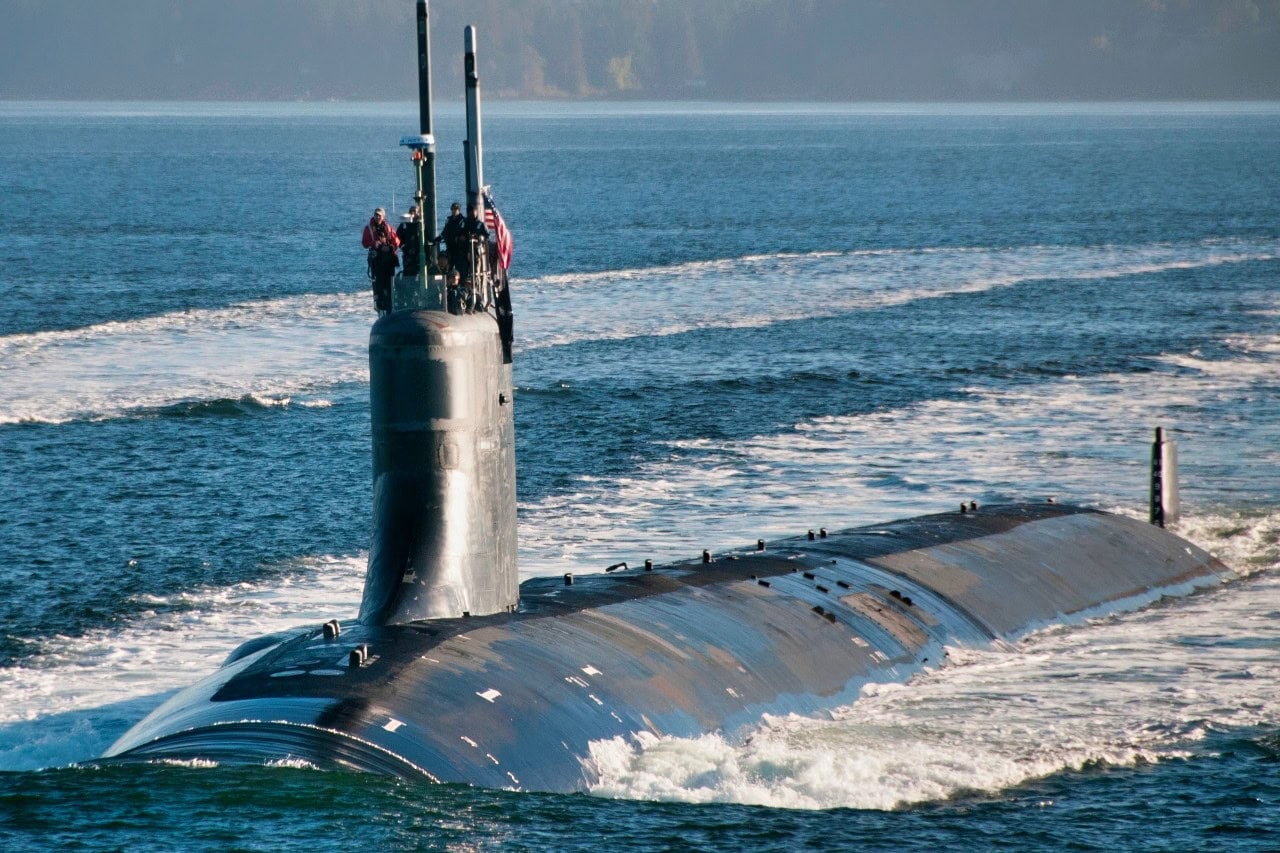
PUGET SOUND, Wash. (Sept. 11, 2017) The Seawolf-class fast-attack submarine USS Jimmy Carter (SSN 23) transits the Hood Canal as the boat returns home to Naval Base Kitsap-Bangor. Jimmy Carter is the last and most advanced of the Seawolf-class attack submarines, which are all homeported at Naval Base Kitsap. (U.S. Navy photo by Lt. Cmdr. Michael Smith/Released)
Together, these sensors enabled superior detection and tracking of enemy submarines at long ranges, using both passive and active sonar techniques. The system also benefited from powerful digital processing, marking a shift toward greater automation in submarine combat systems and reducing crew workload during complex engagements.
Unlike most other American attack submarines, which were equipped with four torpedo tubes, the Seawolf featured eight 660mm tubes. This allowed it to fire multiple weapons nearly simultaneously, a critical advantage in submarine-on-submarine combat where the first moments of engagement often determine survival.
The torpedo room itself was enormous, capable of carrying as many as 50 weapons, including Mk-48 Advanced Capability torpedoes, Tomahawk land-attack cruise missiles, Harpoon anti-ship missiles, and naval mines. In sheer payload and launch flexibility, the Seawolf surpassed every other attack submarine in the U.S. inventory.
Why the Navy Only Built Three Seawolf Subs
Only three Seawolf-class submarines were ultimately constructed. The lead boat, USS Seawolf (SSN-21), was commissioned in 1997, followed by USS Connecticut (SSN-22) in 1998. The third and final submarine, USS Jimmy Carter (SSN-23), commissioned in 2005, was a special case.
Lengthened by roughly 100 feet, Jimmy Carter incorporated a multi-mission platform designed to support classified intelligence, surveillance, and special operations. Widely believed to function as a covert undersea espionage platform, Jimmy Carter is thought to conduct cable tapping, sensor deployment, and special forces operations far beyond the scope of traditional attack submarines. Its extensive modifications made it the most expensive fast-attack submarine ever built.
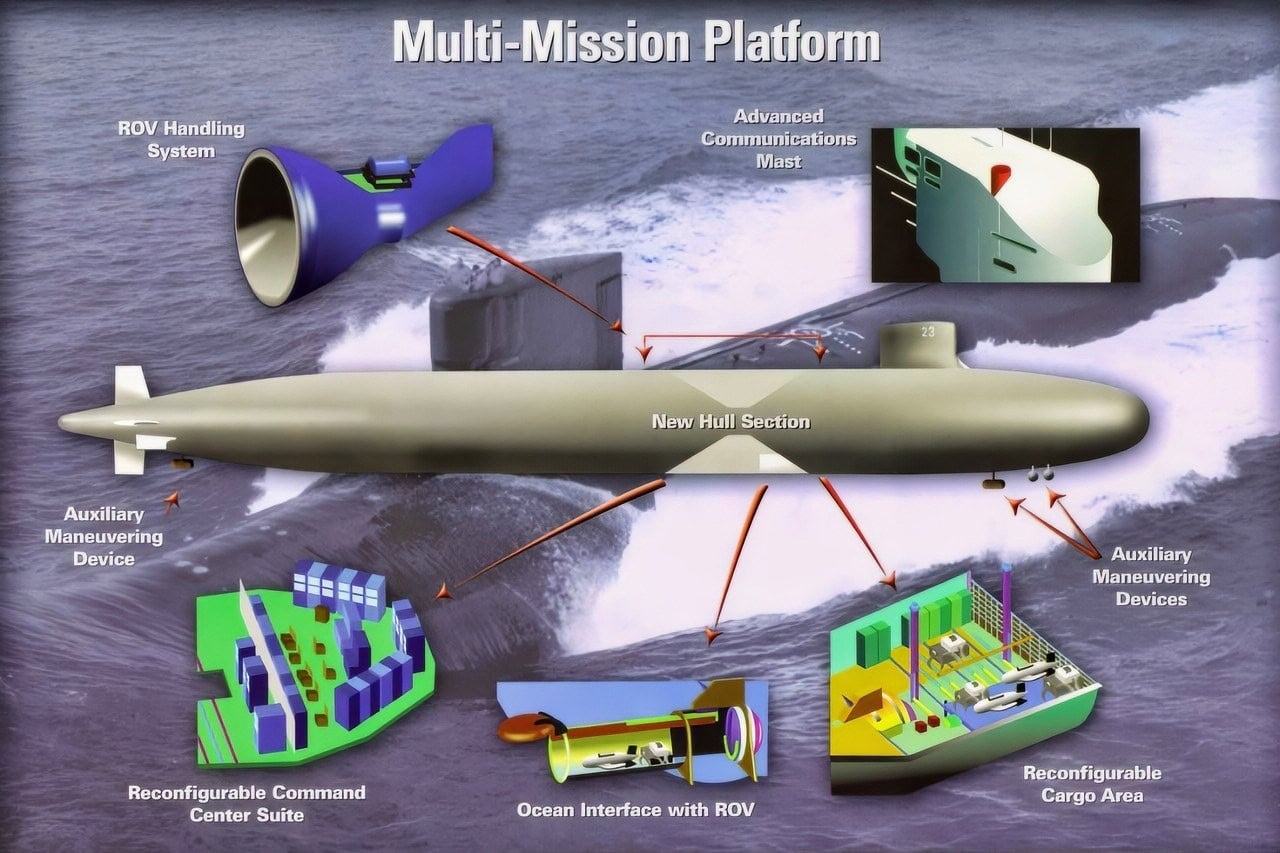
USS Jimmy Carter Seawolf-Class. Image Credit: Creative Commons.
Cost, ultimately, was the Seawolf program’s fatal flaw. Each submarine cost approximately three billion dollars in 1990s currency, with Jimmy Carter costing even more. Adjusted for inflation, this places the Seawolf among the most expensive submarines ever produced by any nation.
While cost alone had not prevented the construction of complex weapons systems during the Cold War, by the time that Connecticut and Jimmy Carter entered into service, the enemy they were built to counter no longer existed.
The End of the Cold War and the End of the Seawolf
The collapse of the Soviet Union fundamentally undermined the rationale for a large fleet of ultra-high-end attack submarines optimized for deep-ocean combat against peer adversaries. As defense budgets declined and the world entered into a “peace dividend,” the Seawolf’s price tag became increasingly difficult to justify.
By the early 1990s, senior policymakers openly questioned whether submarines designed to hunt Soviet boats under the polar ice were still relevant in a world without the Soviet Union. Congressional opposition mounted, and proposals to cancel further Seawolf construction gained traction.
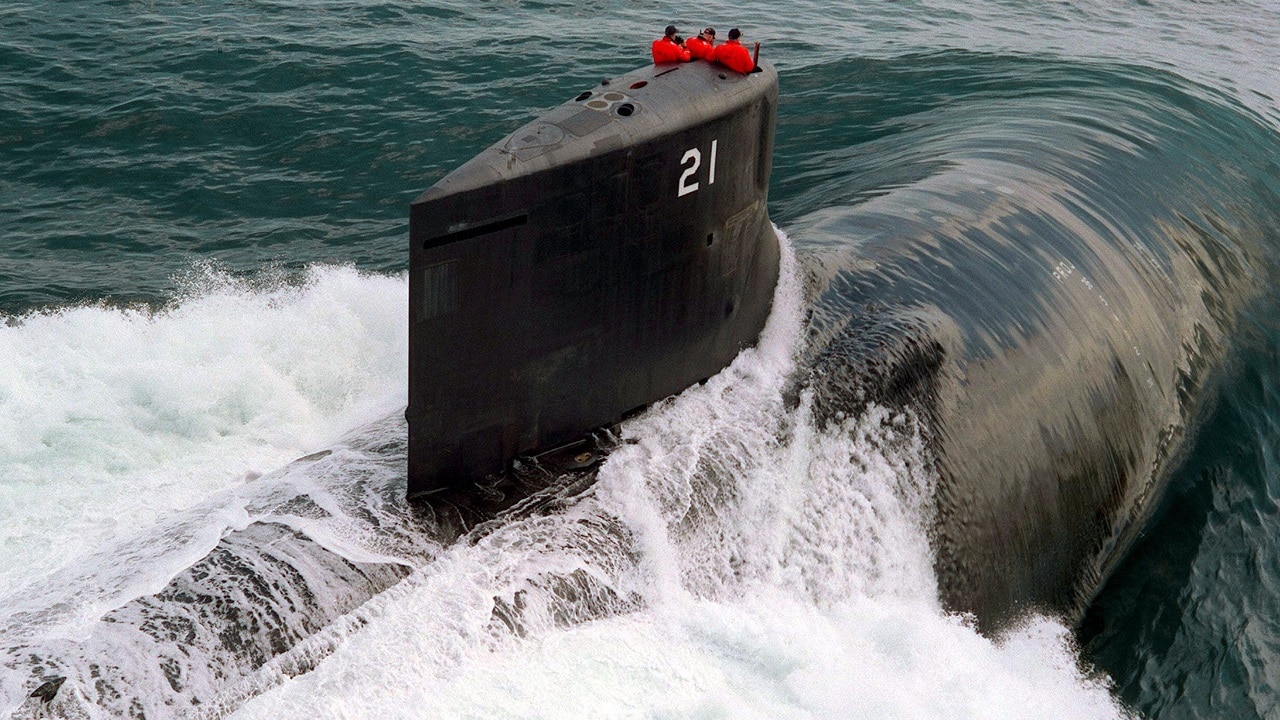
The U.S. Navy’s newest attack submarine, USS Seawolf (SSN 21), conducts Bravo sea trials off the coast of Connecticut in preparation for its scheduled commissioning in July 1997.
Rather than abandoning attack submarine development entirely, the Navy pursued a new approach. The result was the Virginia-class submarine, designed to be more affordable, more adaptable, and better suited to a broader range of missions, including operations in shallow coastal waters, intelligence gathering, and special forces support.
Although the Virginia class does not exceed the Seawolf in raw performance, it incorporates many of the Seawolf’s technological lessons in a more modular, scalable form and can be produced in sufficient numbers to sustain fleet capacity.
The Right Submarine for the Wrong Time
The Seawolf-class was and still is one of the most advanced submarines in the world, and that is, unfortunately, one of its great weaknesses. While it demonstrated what incredible feats American shipbuilding is capable of, it did so at a time when the U.S.’ defense budget was being slashed.
The subs were simply too ambitious, and the U.S. lacked the funds and industrial capacity to keep up with them. Today, near-peer naval competition is back, and now the Seawolf’s capabilities appear less excessive than they did in the 1990s. Unfortunately, it is too late for the Seawolf. American industry is still a shadow of its former self, and restarting the project simply would not work in today’s context.
The Seawolf-Class in 2026
Today, there are three Seawolf-class submarines in active service, currently conducting missions whose details are largely hidden from public view. Despite being built during the Cold War, they are still the most advanced in the U.S. Navy’s Submarine fleet. The Seawolf-class project was not a failure, the complete opposite, actually. They produced exactly the Submarines that the Navy wanted and needed at the time. Unfortunately, they were built at a bad time.
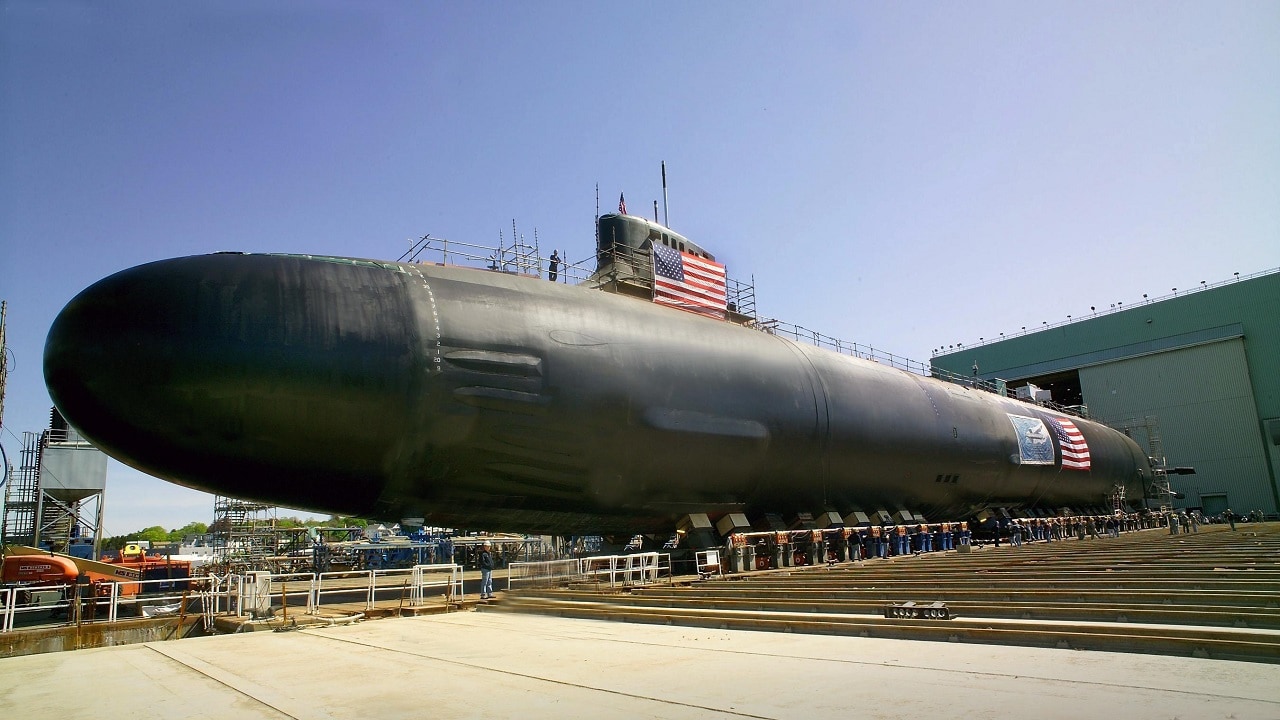
Seawolf-class Submarine. Image Credit: Creative Commons.
The fall of the USSR completely blindsided the West, which had assumed the Soviet Union would continue for at least several more decades.
As soon as the Seawolf-class hit the waves, they were rendered irrelevant by geopolitical forces far outside their control.
About the Author: Isaac Seitz
Isaac Seitz, a Defense Columnist, graduated from Patrick Henry College’s Strategic Intelligence and National Security program. He has also studied Russian at Middlebury Language Schools and has worked as an intelligence Analyst in the private sector.