One of the worst mistakes analysts make is to “mirror-image.” Essentially, they assume the enemy they’re analyzing will behave exactly as their own military does. It’s a dangerous assumption, especially when dealing with nations that have fundamentally different cultures from our own, such as the People’s Republic of China (PRC).
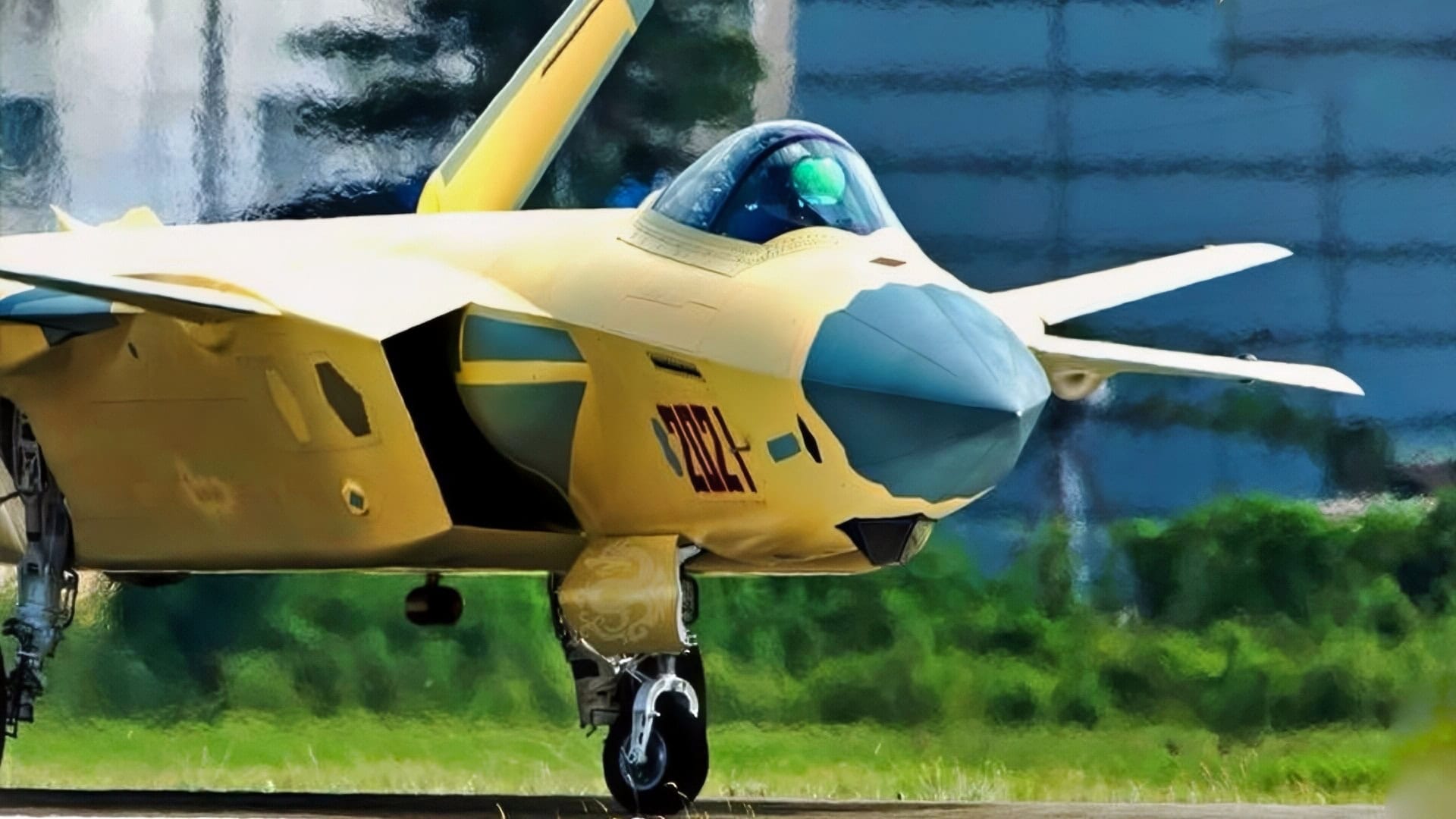
The Americans have designed their fifth-generation warplane, the iconic F-22 Raptor, primarily for air-superiority missions. China’s rival to the F-22, the fifth-generation Chengdu J-20 “Mighty Dragon,” has evolved along different lines.
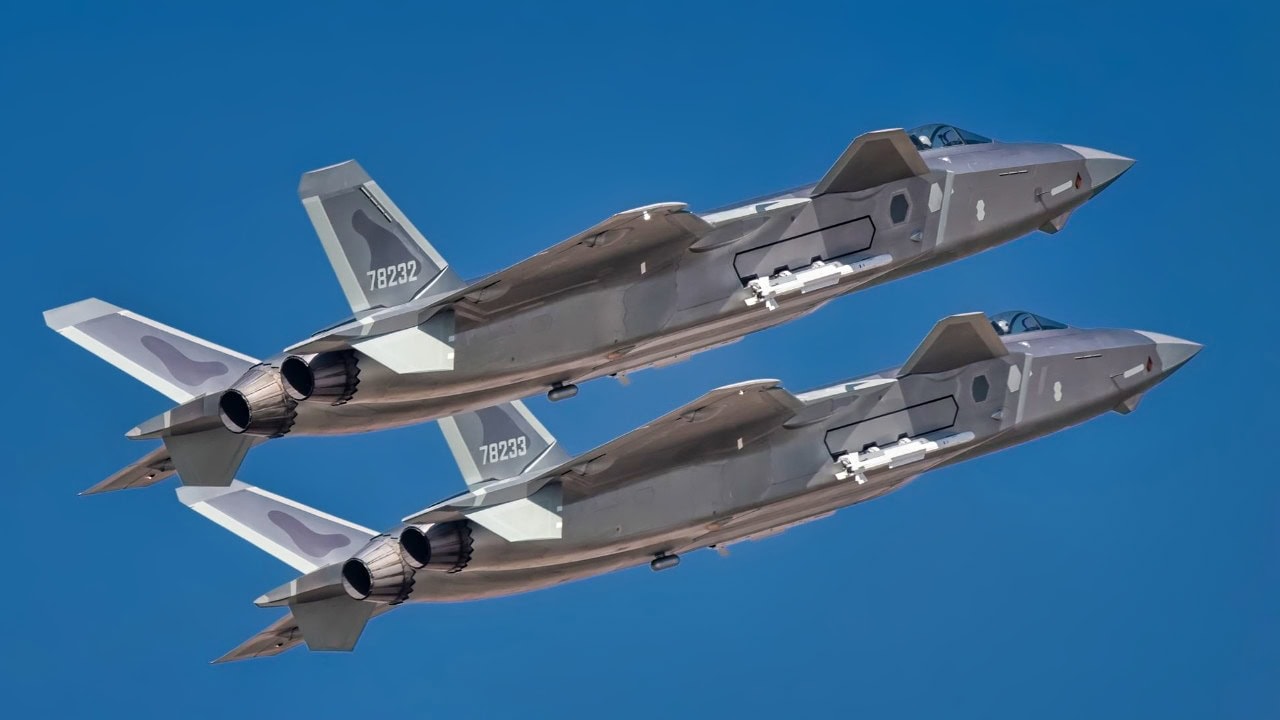
J-20 Mighty Dragon. Image Credit: Creative Commons
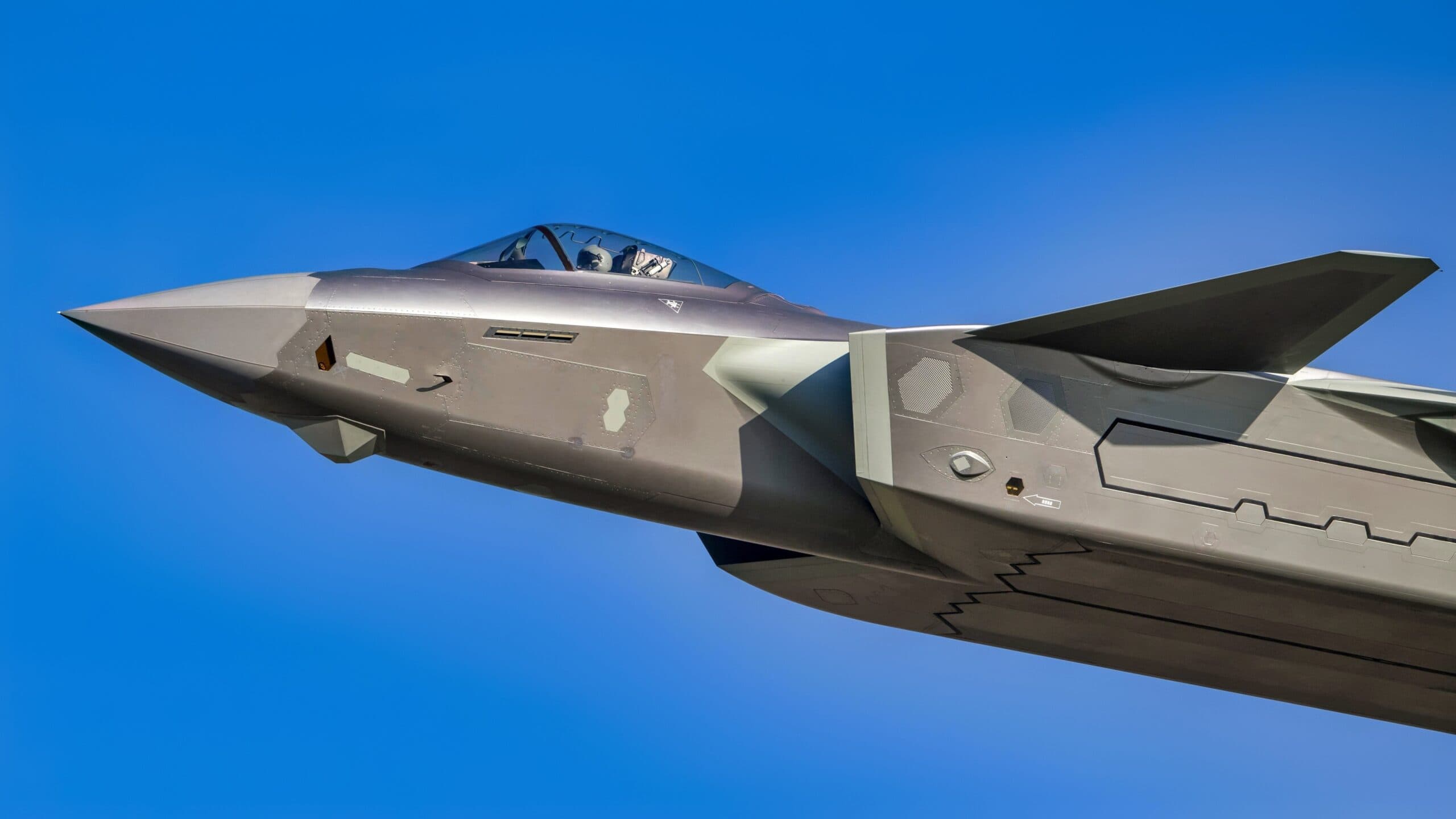
J-20 Fighter. Image Credit: Creative Commons.
Yet most American analysts have not paid sufficient attention to the divergent evolutionary pathways of the two rival nations’ warplanes. We keep mirror-imaging, believing China will use its J-20 the same way we intend to employ the F-22.
China’s J-20 prioritizes long-range, high-missile-loadout operations and networked operations, all to conduct attacks against high-value targets and engage in long-range air-to-air missile battles. Rather than being a pure dogfighter, the J-20 increasingly resembles a long-range aerial quarterback.
But its most interesting aspect is the notion that the J-20 might be a gigantic “bomb” or “missile truck.”
Why the J-20 Gets Called a “Missile Truck”
The term in question comes from two overlapping ideas. First, the J-20 is a large stealth warplane with a comparatively big internal weapons bay. That makes it well-suited to carrying long-range air-to-air missiles while remaining low-observable. Second, recent imagery shows the J-20 with eight external air-to-air missiles mounted on underwing pylons.
The Aviationist, an online trade publication, described this as “beast mode,” similar to how the US Lockheed Martin F-35 Lightning II, a fifth-generation multirole stealth warplane, can carry missiles under its wings. In both cases, though, carrying missiles on the outside of the plane compromises its stealth.
But the Chinese are making a bet based on recent developments in air warfare tactics: that stealth is less important than firepower and speed.
By placing missiles on the wings of their stealth fighter, the Chinese People’s Liberation Army Air Force (PLAAF) is giving the warplane up to 14 total air-to-air missiles, allowing it to pack quite a wallop when going up against Western systems in combat.
But becoming a missile truck–going into “bease mode”– is not likely how the J-20s would initially deploy in combat. They’d likely keep their stealth for as long as possible and wait to shed that cloak of radar invisibility once enemy air defenses no longer pose a threat, or in missions when the J-20 is operating under the cover of China’s vast anti-access/area-denial (A2/AD) bubble and does not, therefore, require maximum stealth.
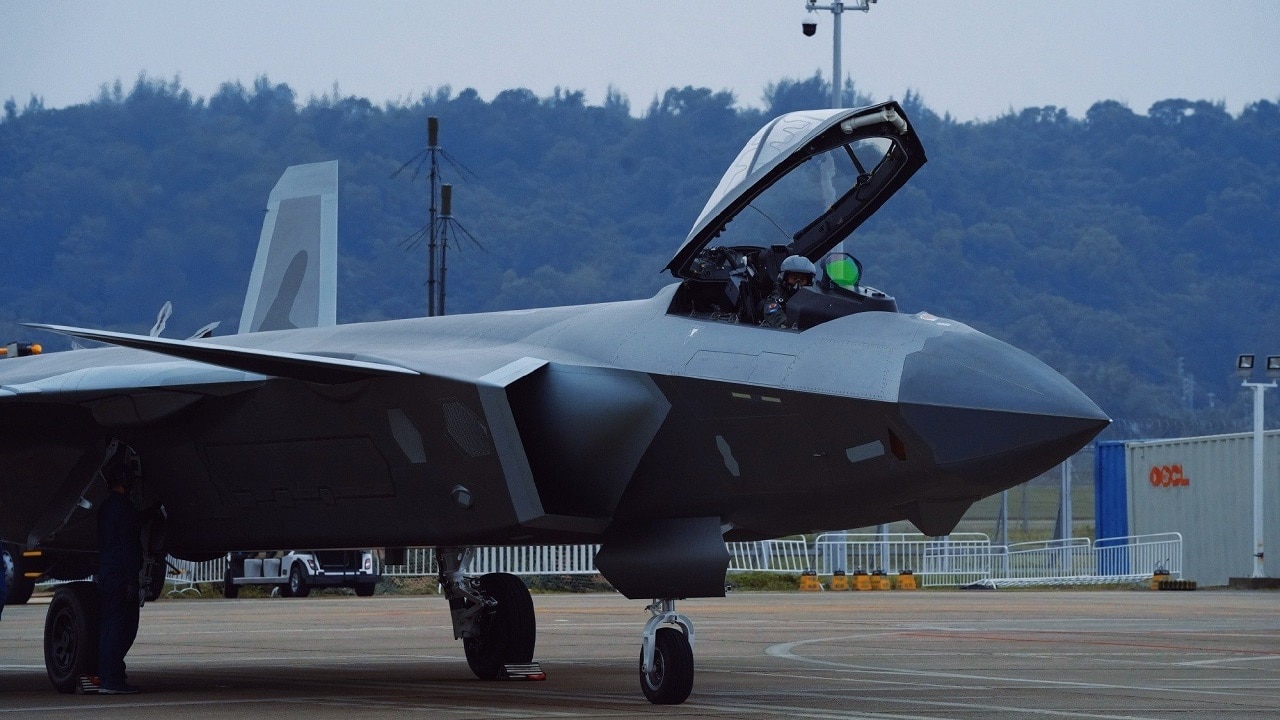
J-20
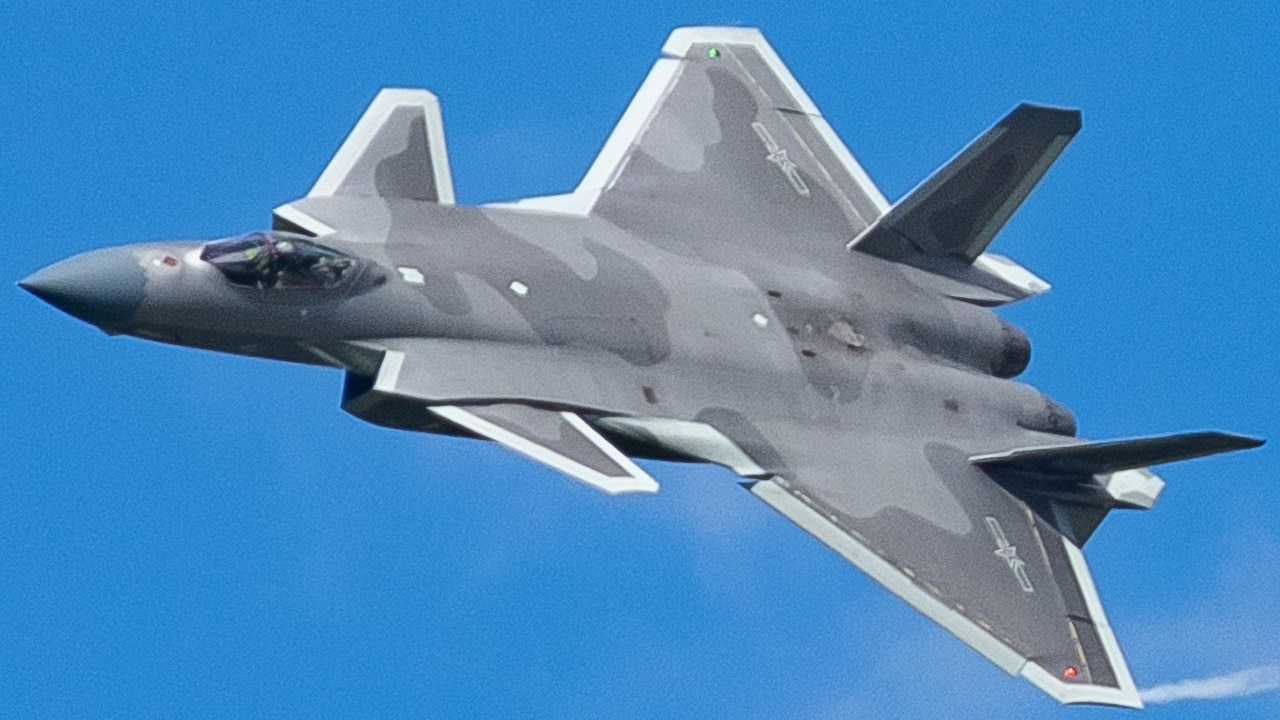
J-20 Fighter. Image Credit: Creative Commons.
What the J-20 Really Hunts
J-20’s most dangerous role is not dropping bombs on Taiwan. It’s hunting the aircraft that makes American airpower work. So, tankers, AWACS, intelligence-surveillance-reconnaissance (ISR) aircraft, electronic warfare (EW) birds, and other command-and-control platforms are prey for this Chinese air hunter.
Hence, the PLAAF wants a long-range missile load on the stealth fighter. A J-20 carrying PL-15 air-to-air missiles and potentially future systems that can fire at even longer ranges could threaten US support aircraft from standoff distances. National Security Journal writer Steve Balestrieri, in an essay at the popular defense site last September, made this point.
Why This Matters for Taiwan
In a Taiwan scenario, the fighter would likely not serve as a traditional dogfighter. It would likely operate as part of a larger Chinese kill chain that involved China’s AEW aircraft, ground-based radars, satellites (whatever weren’t destroyed by US counterspace capabilities), drones, long-range surface-to-air missiles (SAMs), and other fighters.
Its job would be to extend China’s anti-access network into the air domain. In “clean” stealth mode, the J-20 could get close enough to ambush high-value aircraft. In “beast mode,” the J-20 could add mass to Chinese missile salvos once the environment became more permissive.
Flexibility Is Key
The real lesson of the J-20 is not that China has built a better fighter than the F-22. It’s that Beijing is pursuing a different theory of victory. Rather than seeking air dominance through traditional dogfighting, the Chinese are building an integrated system designed to blind, isolate, and overwhelm American forces at long range.
In that version, the J-20 is not merely a fighter. Instead, it’s a stealthy sensor, a networked battle manager, and (when needed) a heavily armed missile-truck capable of adding mass to China’s kill chain.
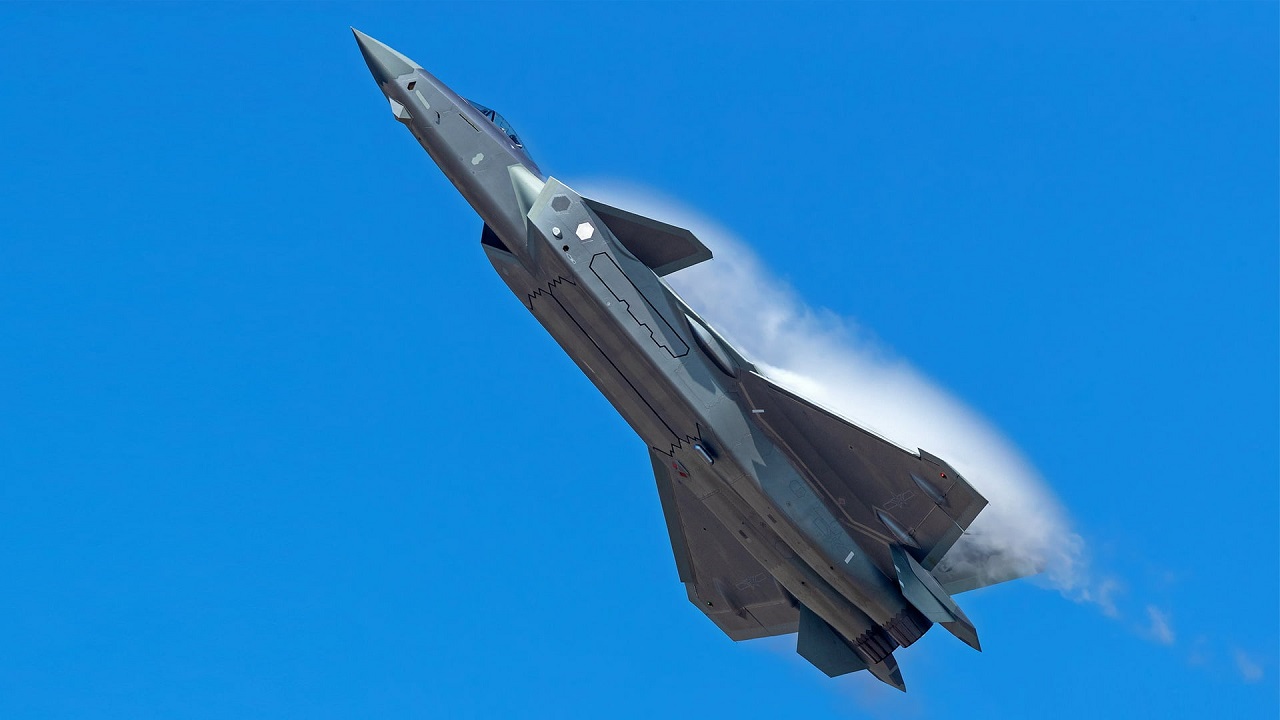
J-20 Stealth Fighter. Image Credit: Creative Commons.
Those analysts who continue to view the J-20 through an American lens risk misunderstanding how the People’s Liberation Army (PLA) intends to fight–and potentially win–a future war over Taiwan.
About the Author: Brandon J. Weichert
Brandon J. Weichert is the Senior National Security Editor at 19FortyFive.com. He also manages The Weichert Brief on Substack. Weichert also hosts “National Security Talk” on Rumble. He is the author of four bestselling national security books, the most recent of which is A Disaster of Our Own Making: How the West Lost Ukraine (Encounter Books). Follow him via Twitter/X @WeTheBrandon.