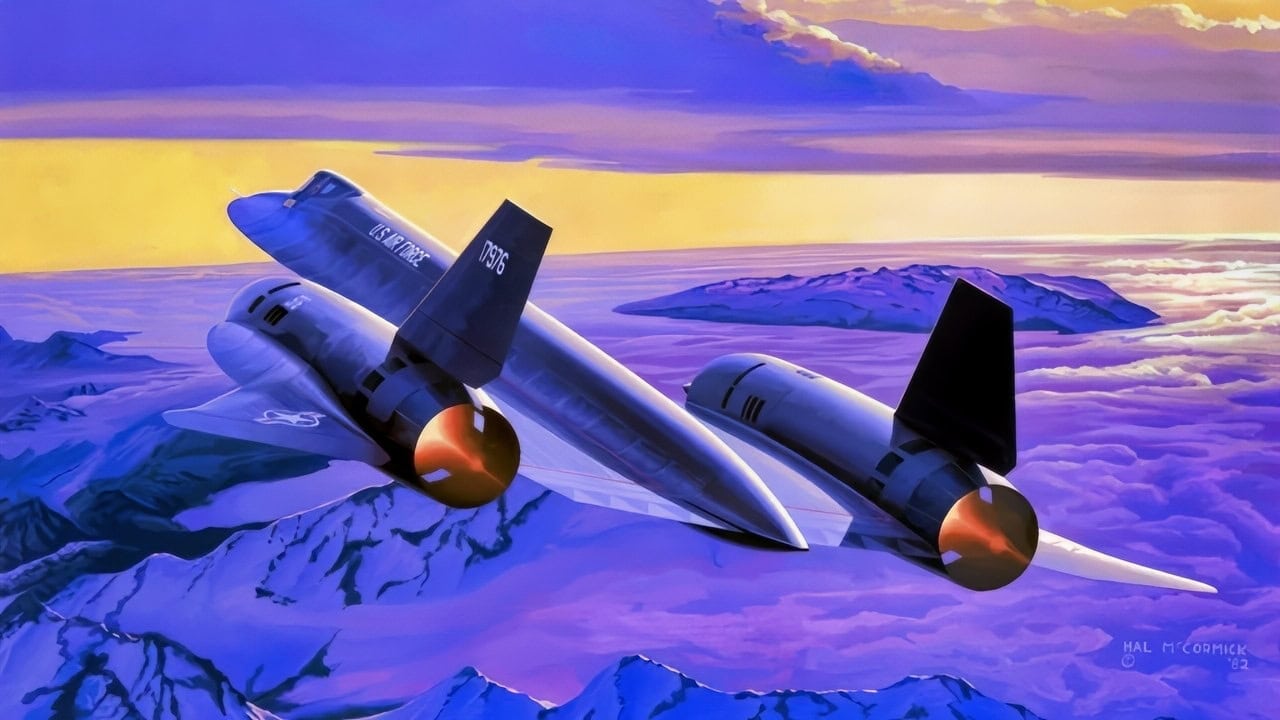
US Navy F-4B Phantom pilot Jerry Hart and his Radar Intercept Officer (RIO) were vectored to intercept the legendary SR-71 Blackbird on its return from a reconnaissance trip near China.
The mission wasn’t hostile. The Navy crew was just trying to see if they could get a radar lock on the Blackbird. What happened thereafter was an important lesson in physics.
SR-71 History: What Happened?
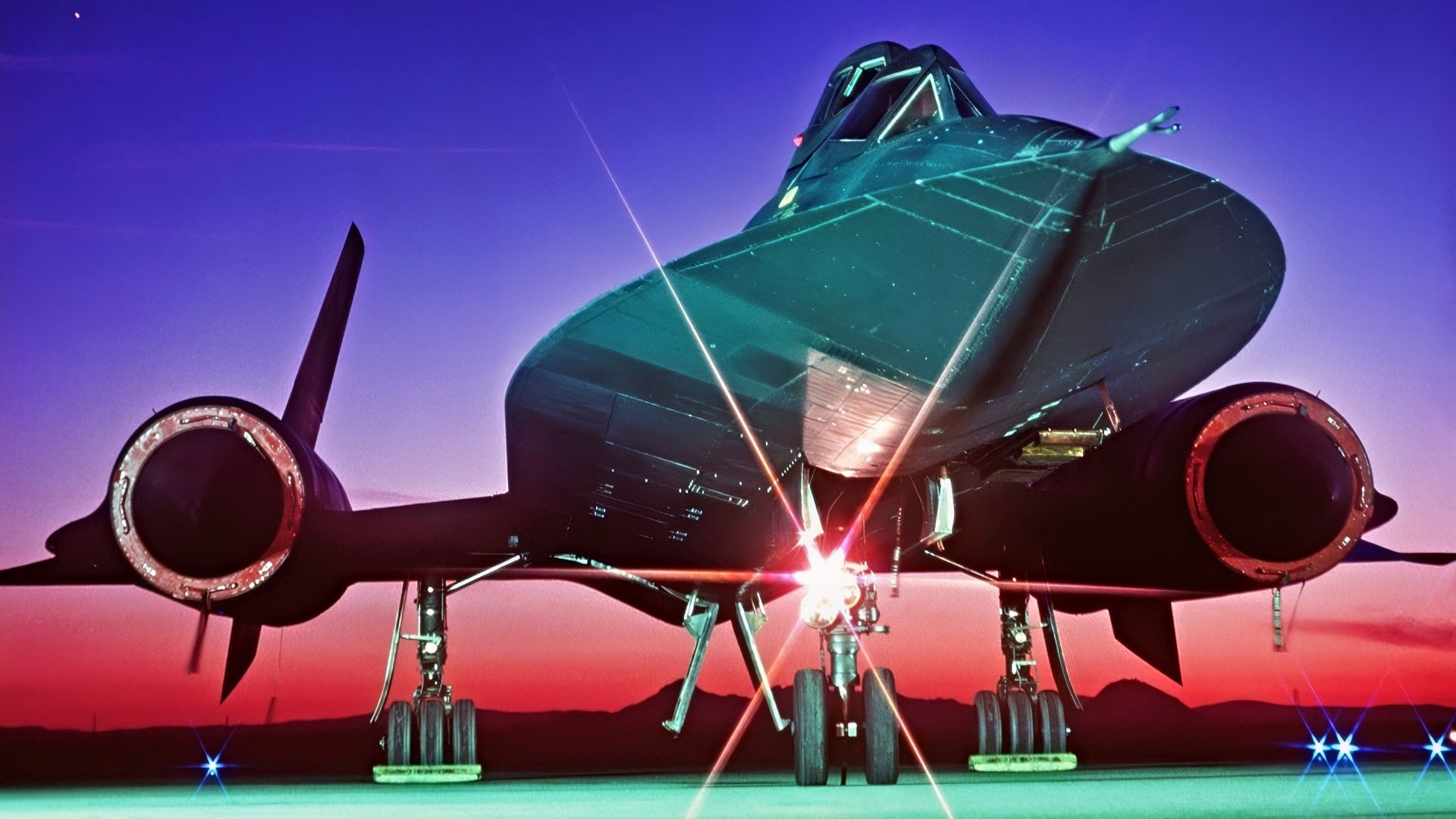
SR-71 Blackbird at Night. Image Credit: Creative Commons.
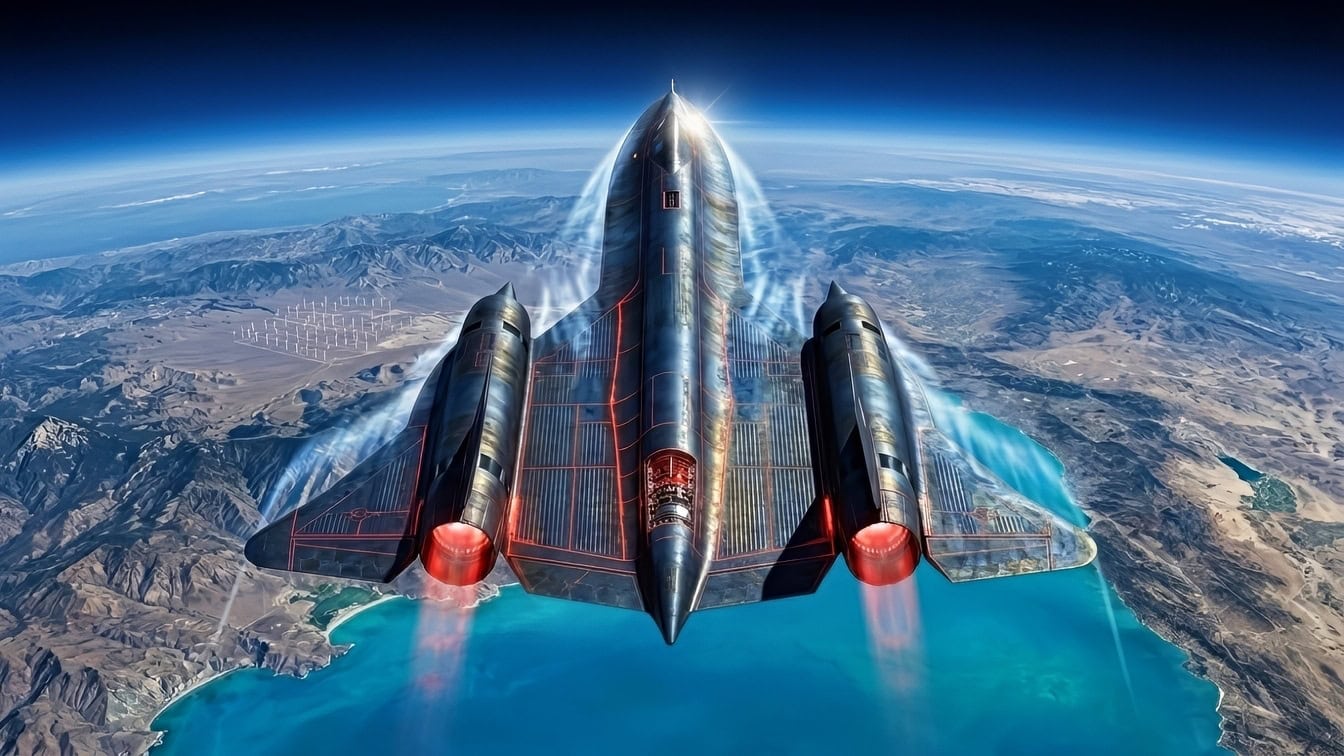
SR-71 Blackbird Hitting Mach 3. Image Credit: Banana Nano.
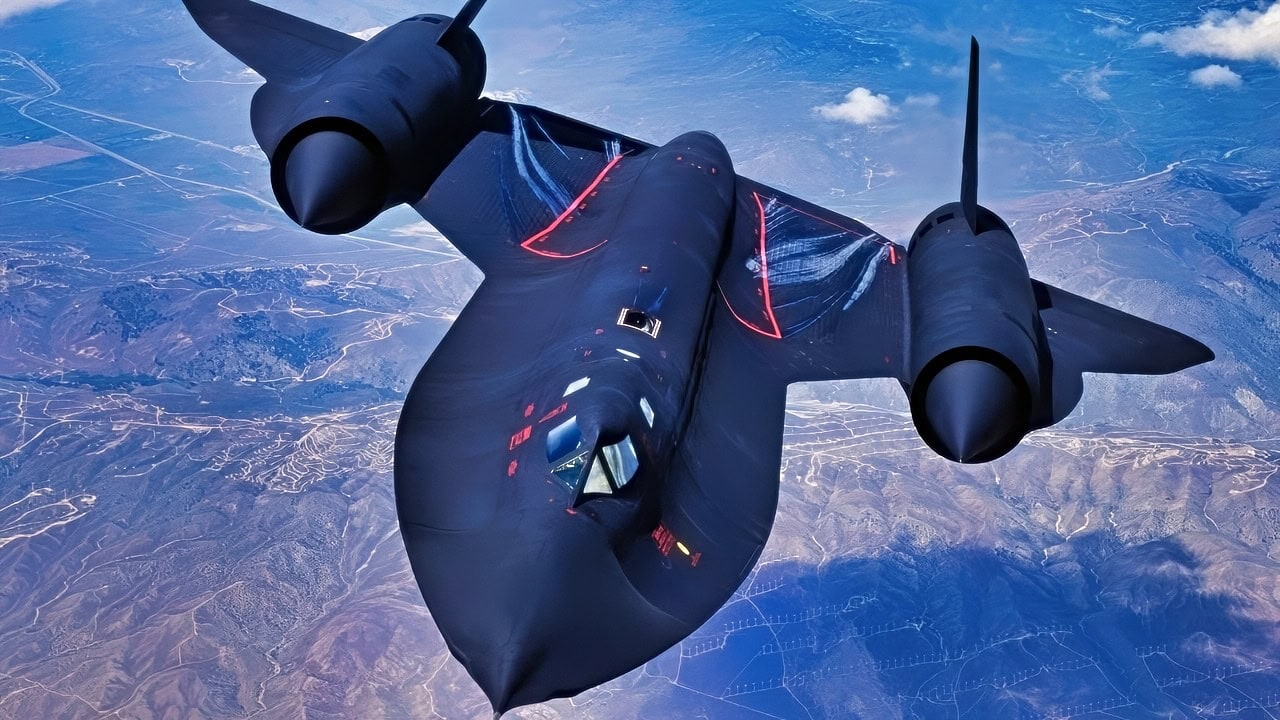
SR-71 Mach 3. Image Credit: Creative Commons.
Hart described watching his F-4’s radar display as the SR-71 approached at full speed. The radar initially tracked the object normally.
Then the closure rate indicator–the measure of how quickly the two aircraft were approaching each other–began spinning upward at a rate he had never seen before.
Shortly afterward, the radar display started behaving erratically. It jumped across the scope and eventually went completely black.
That radar never worked properly again during that flight, as The Aviation Geek recounts.
Per the Aviation Geek, an online trade publication, “The closure rate indicator was winding up far higher than [the RIO] had ever seen.” Finally, the radar scope just gave up and went to sleep.
Did the SR-71 Actually Break the Radar?
The Blackbird’s speed didn’t literally destroy Hart’s radar. More likely, the F-4’s AN/APQ-series radar was simply pushed beyond its normal operational parameters.
The designers of that specific radar never seriously expected that system to encounter a plane moving at the velocities the SR-71 did. The SR-71 routinely cruised above Mach 3 at around 80,000 feet.
The resulting closure rates and Doppler shifts could create tracking problems for older analog radar systems.
In other words, the radar likely malfunctioned or overloaded while trying to process a target moving at an extreme combination of altitude and velocity.
Why This Matters:
SR-71’s primary defense was not stealth. It was speed. And altitude.
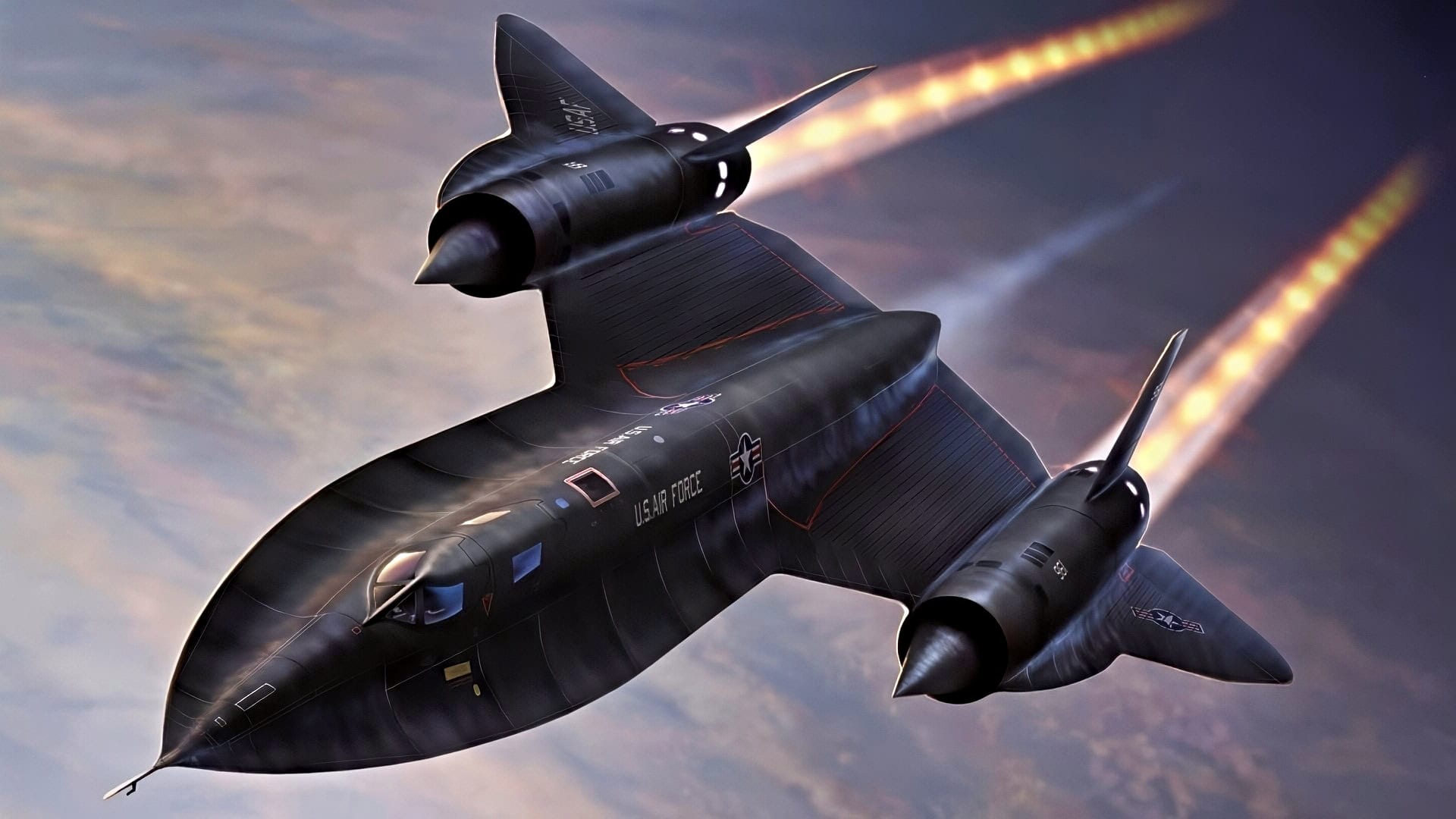
SR-71 Blackbird High in the Sky. Image Credit: Creative Commons.

YF-12, a plane that is related to the SR-71 looks very similar. 19FortyFive.com image from National Museum of the Air Force.

SR-71 at National Museum of the Air Force.
That perfect combination of high-flying and blistering speed was the Blackbird’s only true protection from enemy air defenses and enemy warplanes.
If the Blackbird ever encountered enemy missiles while flying over contested territory, Blackbird crews often responded simply by accelerating rather than maneuvering.
In fact, in the entire service life of the Blackbird, more than 1,000 missiles were launched against this plane without one of those missiles ever shooting down a Blackbird.
SR-71 Blackbird Doing the Business: The Most Interesting Part of the Story
The most revealing part of this incredible story is that Hart and his crew never once made visual contact with the Blackbird in flight.
Hard recalled, expecting to see the Blackbird streak overhead at least. Instead, the legendary spy plane remained so high and so far away that neither Hart nor his RIO could spot it with their eyes.
That’s what made the SR-71 so unique.
Most fighters dominate because they can outturn or outshoot their opponents.
The Blackbird dominated because it operated in an entirely different flight regime.
A Navy Phantom, one of the premier fighters of the Cold War, wasn’t really “intercepting” it so much as observing a machine that existed in another performance category altogether.
SR-71 remains one of the clearest examples of how a revolutionary leap in performance can render existing defenses and tactics temporarily obsolete.
That’s what happened with the Phantom’s otherwise advanced (for its day) radar. It simply shut down after encountering the advanced SR-71.
As the United States, Russia, and China race each other to field hypersonic weapons and sixth-generation warplanes, those countries should remember the timeless lessons of the Blackbird.
What made the Blackbird such a memorable system was not its speed. It’s that the system was so different and revolutionary that it truly changed the rules of the game.
Which nation today will develop a system as revolutionary as Blackbird? The business-and-industry side of it might make that a little hard. Stay tuned: the SR-72 could be here soon enough.
SR-71 Blackbird: We Visited One Take You Close
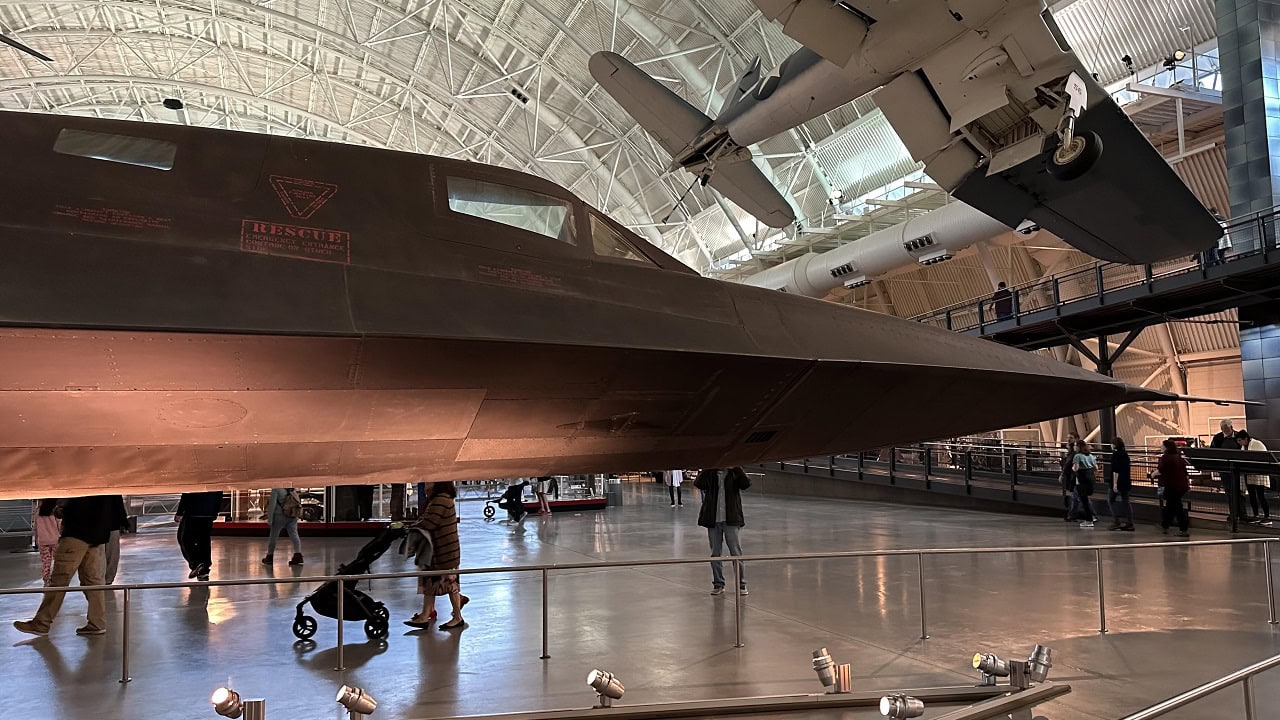
SR-71. SR-71 photo taken at the National Air and Space Museum. Taken by 19FortyFive on 10/1/2022.
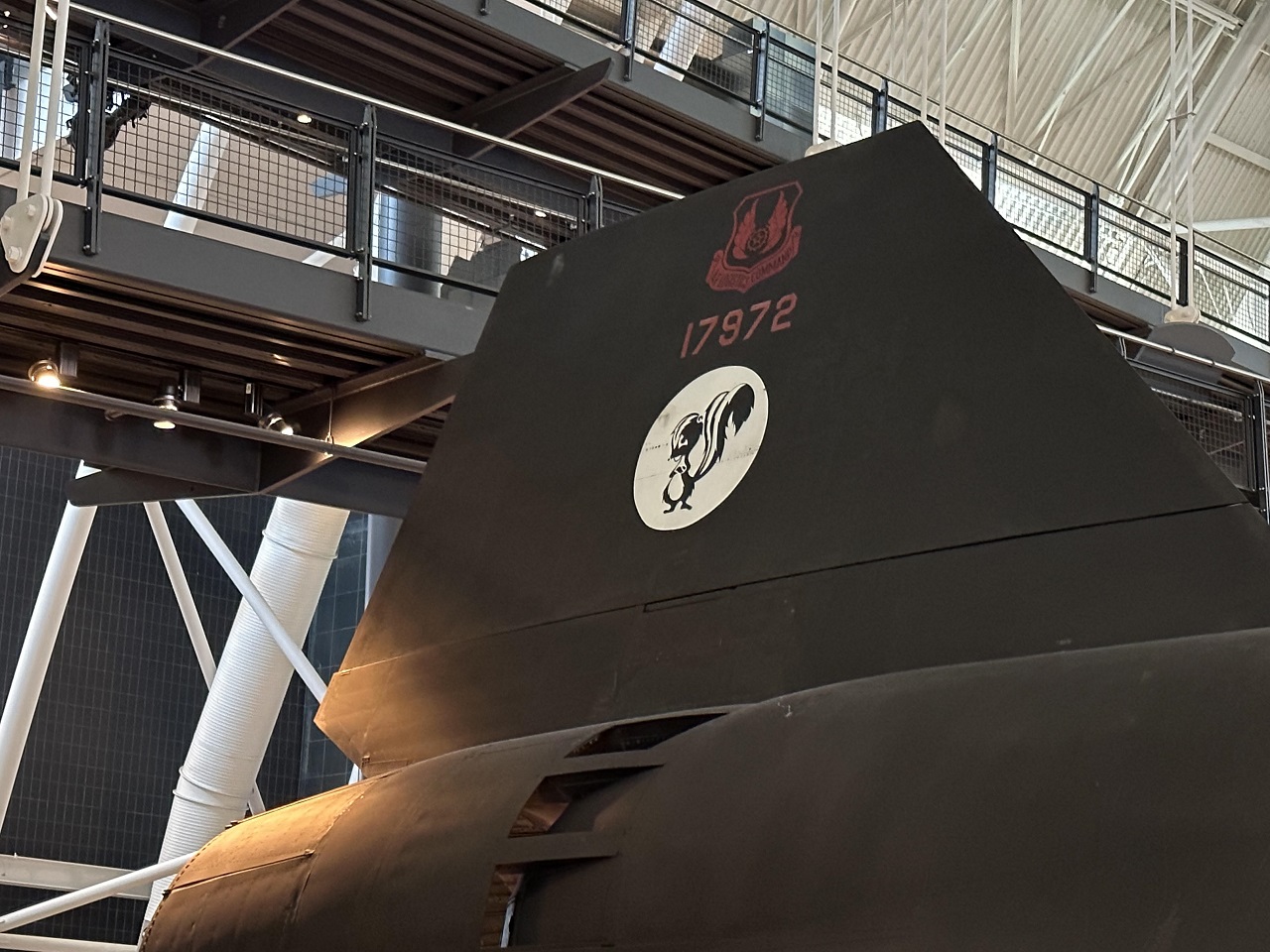
SR-71. SR-71 photo taken at the National Air and Space Museum. Taken by 19FortyFive on 10/1/2022.
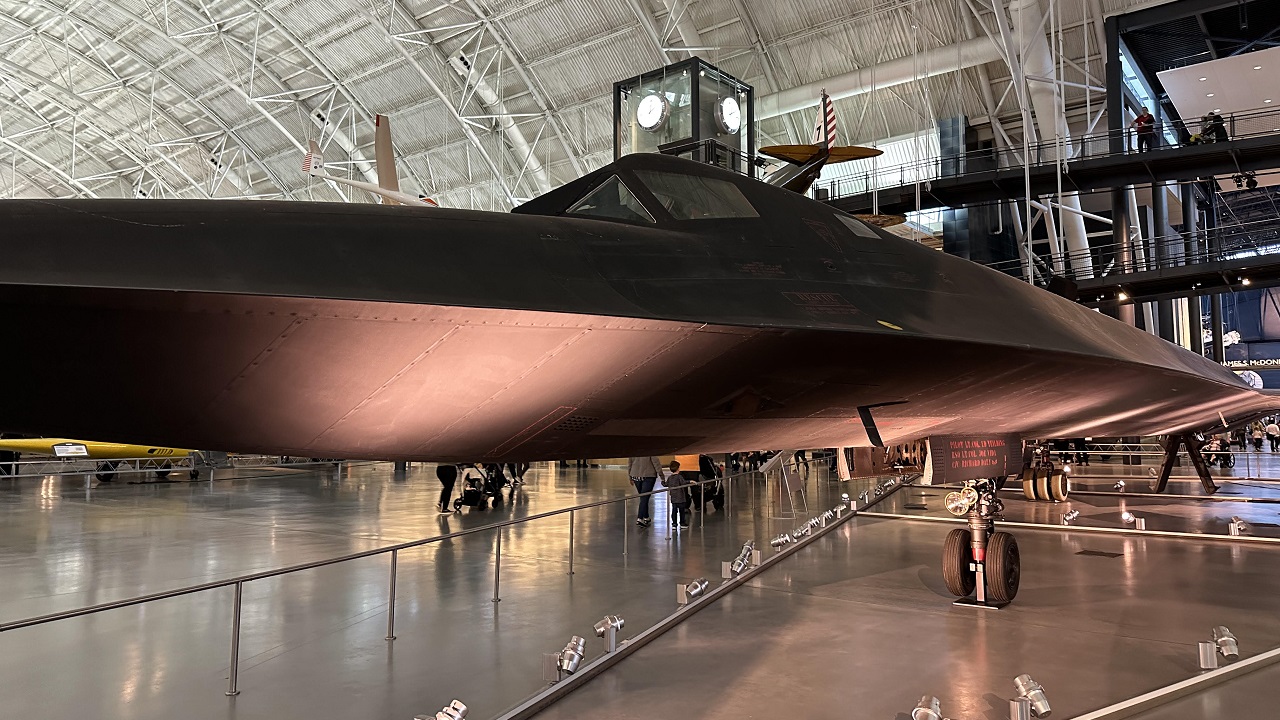
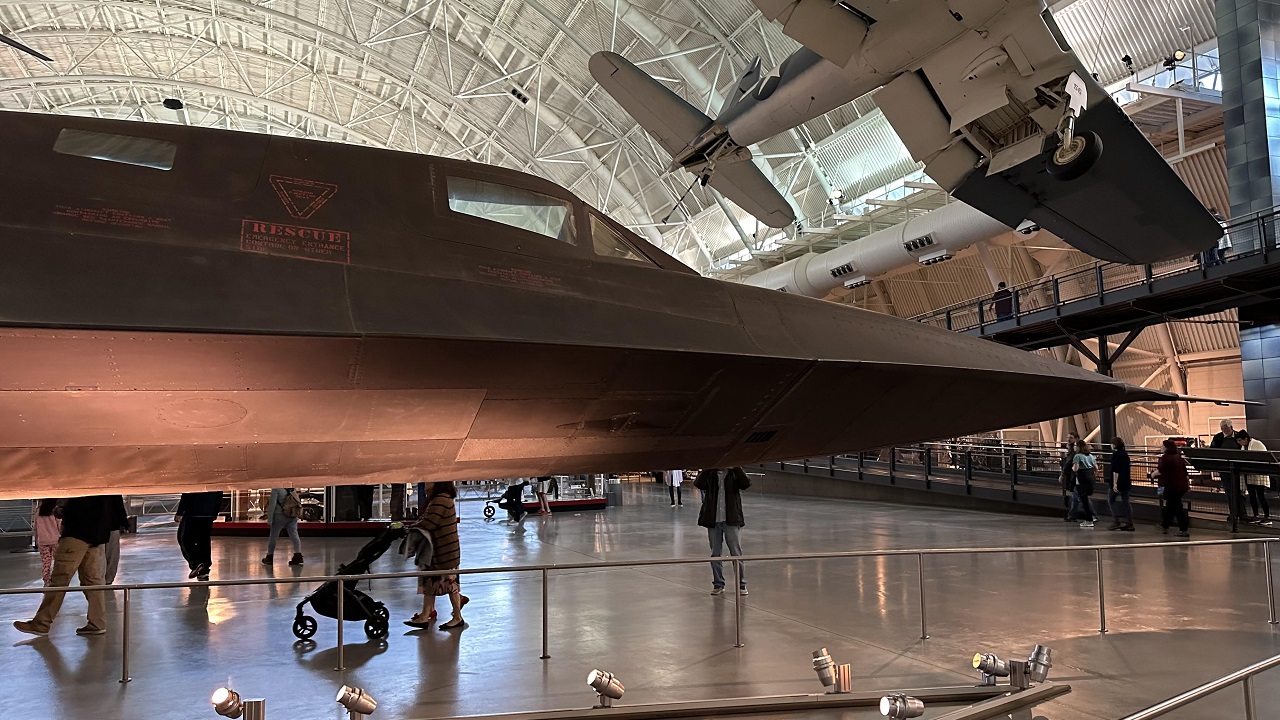
SR-71. SR-71 photo taken at the National Air and Space Museum. Taken by 19FortyFive on 10/1/2022.
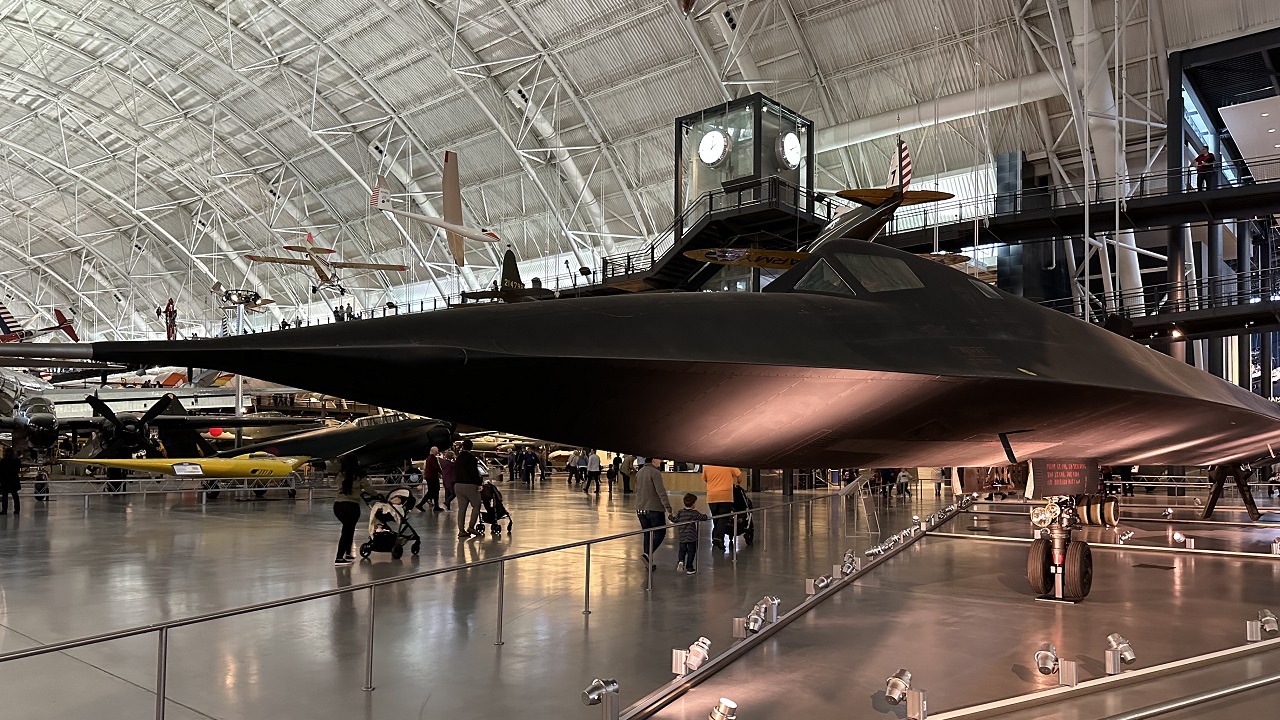
SR-71. SR-71 photo taken at the National Air and Space Museum. Taken by 19FortyFive on 10/1/2022.
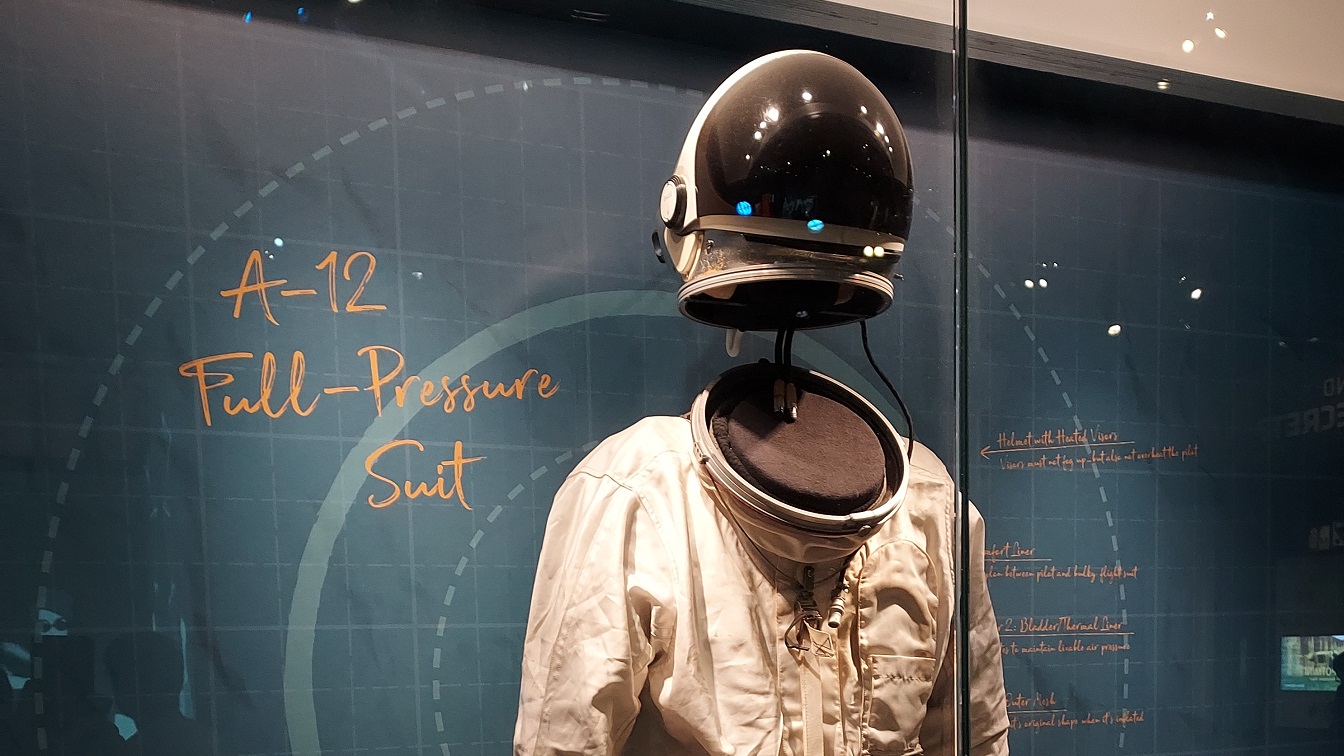
Flight suit. Image Credit: 19FortyFive Original Image.
About the Author: Brandon J. Weichert
Brandon J. Weichert is the Senior National Security Editor at 19FortyFive.com. He also manages The Weichert Brief on Substack. Weichert also hosts “National Security Talk” on Rumble. He is the author of four bestselling national security books, the most recent of which is A Disaster of Our Own Making: How the West Lost Ukraine (Encounter Books). Follow him via Twitter/X @WeTheBrandon.