
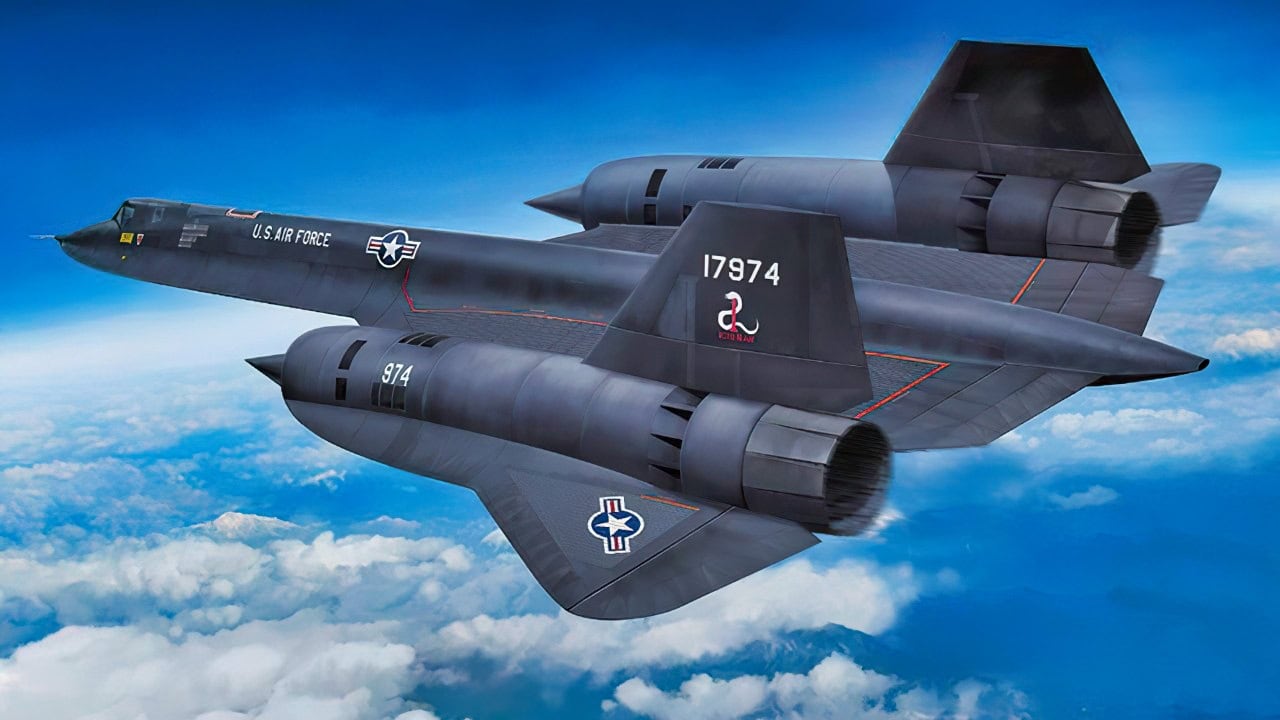
So you think the SR-71 was a truly original and unique airplane? This is mostly correct. And, as you can tell from the original photos below, we have spent a lot of time photographing and documenting this amazing plane. The Blackbird dominated with that MACH 3.3 speed or 36.55 miles per minute.
This was a testament to American aviation dominance and an airplane that goes down in history as something that could always knock it out of the park.
SR-71 Blackbird. 19FortyFive.com Image.
The RSR Multi-threat Speed Demon
But there was once a rival to the SR-71. The Soviet Union had high hopes for its own ultra-fast spy plane, which its engineers and designers hoped would outfly the Blackbird.
It was called the Tsybin RSR, which stood for “Reactivnyi Strategicheskii Razvedchik.” This was Russian for “jet strategic reconnaissance.”
It Brought Much to the Table
The Soviets wanted this spy bird to also reach MACH 3 speeds and rush to the United States to get eyes on American cities, nuclear missile launch sites, and military bases.
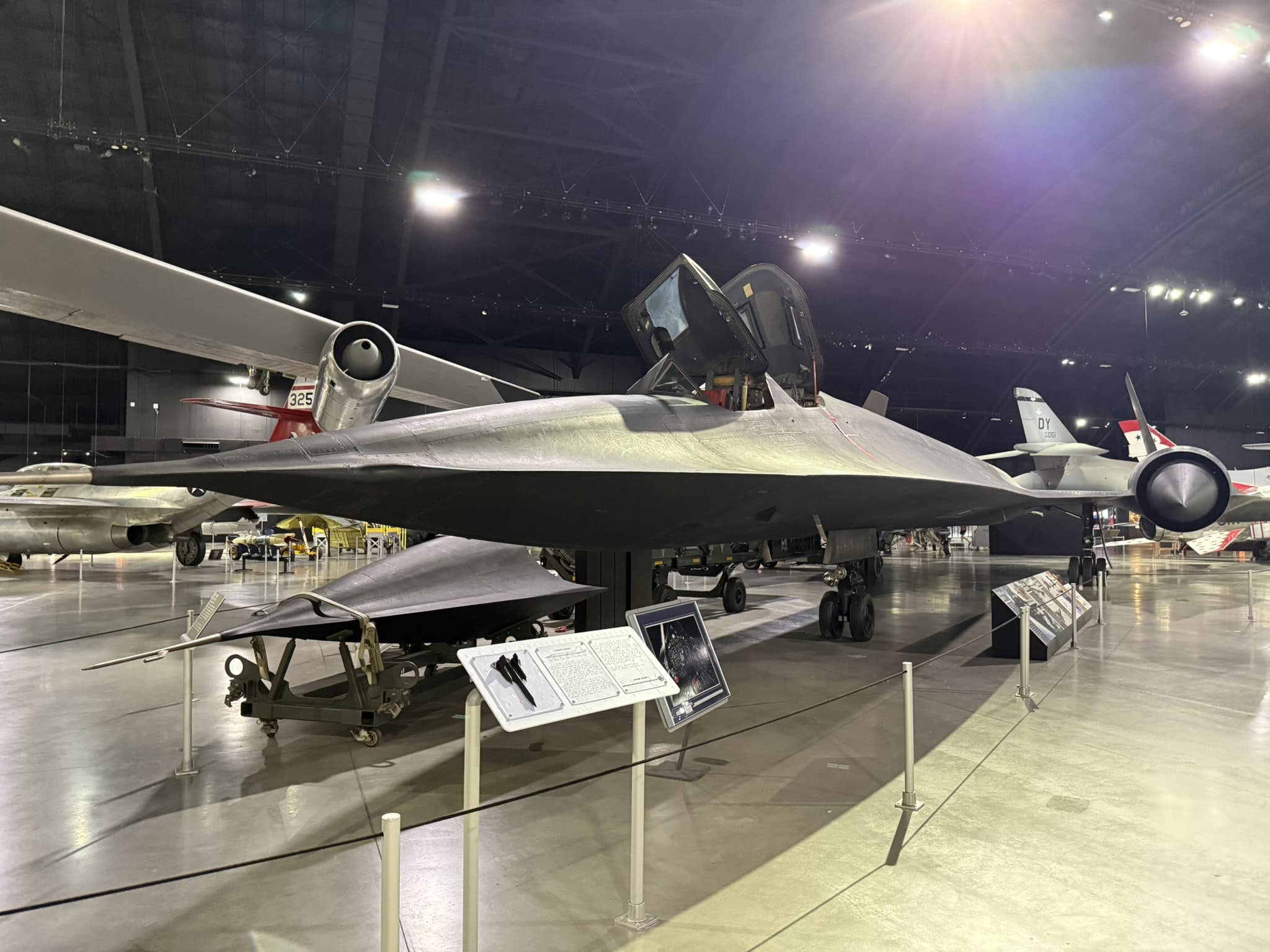
SR-71 from 19FortyFive.com original picture archive. Image taken at the Smithsonian.
It could collect intelligence that would rival that of spy satellites, giving the Soviets decisive reconnaissance if World War Three ever broke out.
The Soviets Had a Brainiac Engineer with Excellent Ideas
The development of the RSR actually predated the design and manufacture of the SR-71. The Soviets had an ace aviation designer named Pavel Tsybin.
He was an aerospace mastermind who could look into the future and see what the Soviet intelligence apparatus needed most – overhead flights that would give the Russians a glimpse of American nuclear and military capabilities.
Tsybin even thought his masterpiece could bomb the United States while it collected intelligence.
This was seen as an irresistible endeavor, and Tsybin was given the green light to begin work on the RSR.
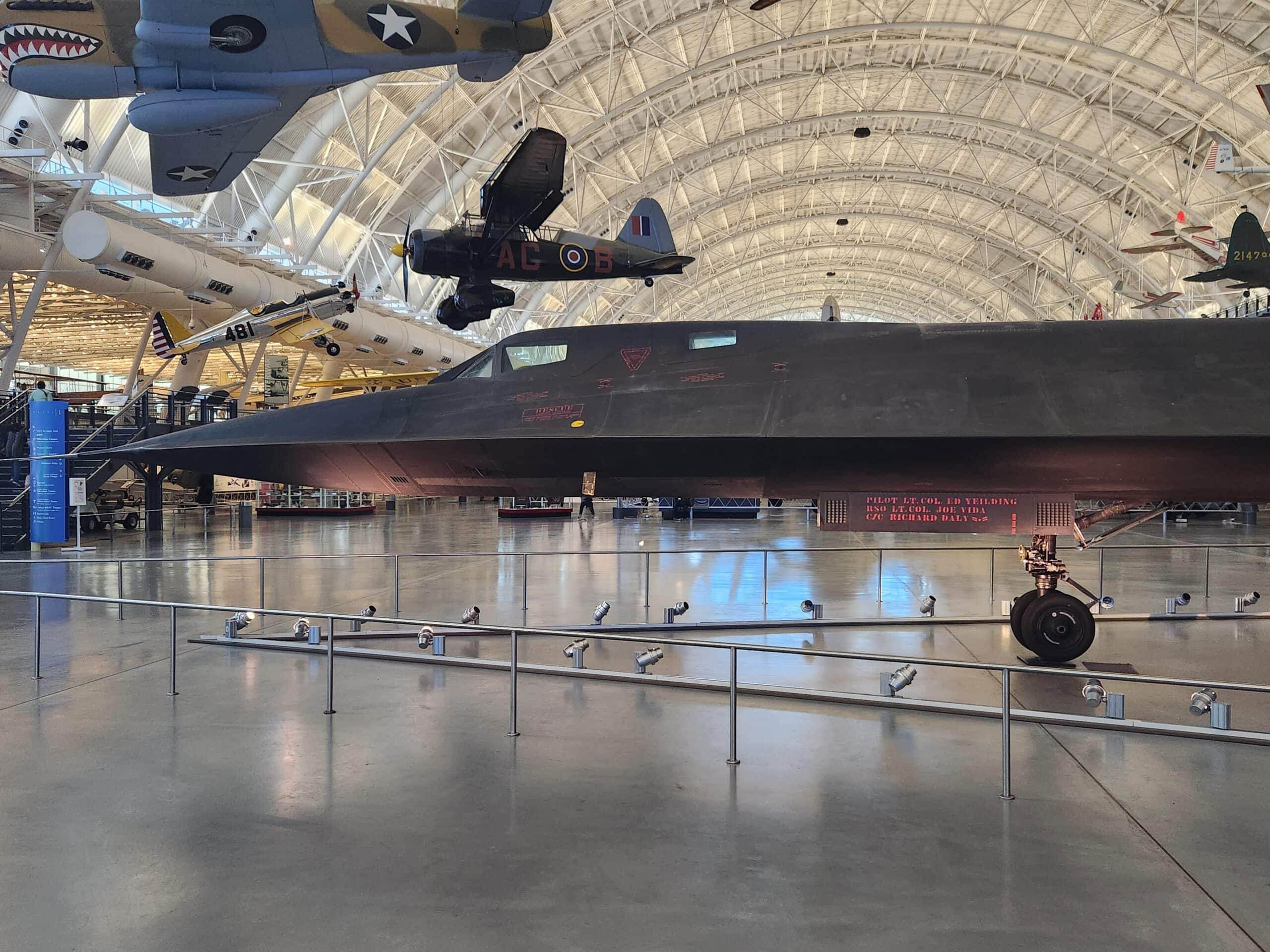
SR-71 At the Smithsonian. Image Credit: Creative Commons.
It was originally supposed to have a ramjet engine in 1954, a far-ahead-of-its-time design that showcased Tsybin’s talent for innovation.
This Airplane Would Have Been Out of This World
The RSR would have mind-bending specs. It was designed to have a 10,000-mile range with a top altitude of 98,000 feet.
The Soviets even thought the RSR could carry and drop nuclear weapons while also spying on the enemy.
This was a heady goal, and the Soviets believed they had a winner that would bend the curve and allow the air force to dominate a nuclear scenario.
The bombing capability did not succeed for the RSR. The high altitude would have made the use of a nuclear device difficult to deploy.
Tsybin was disappointed because he wanted that strategic-bombing characteristic for his baby, but the other Soviet engineers convinced him to focus only on the reconnaissance mission.
The Resulting Changes to the specs did not excite the Soviet High Command
Turbofans would be used during takeoff, and the ramjet engines would then be engaged later. This trimmed the once-dominant specs.

SR-71 Blackbird Flying at Top Speed. Image Credit: Creative Commons.
The RSR would then only fly at MACH 2 and 73,800 feet. The range was limited to 2,500 miles. Tsybin was disappointed, but he had no choice.
His technological innovations were simply not good enough to surpass what would become the SR-71, and that was good news for America, which would have had difficulty intercepting the original RSR.
The Adept Designer Needed More Time
Tsybin had to go back to the drawing board and devised some new designs, but he became frustrated when the Soviet high command thought that overhead satellite imagery would be better for Russian intelligence collection.
The Soviets built what was considered a crude prototype, but it never entered serial production.
The RSR Was Just Not Good Enough to Move the Needle vs. SR-71 Blackbird
Soviet Premier Nikita Khrushchev was also more interested in developing ICBMs and thought the RSR was becoming a money pit, overwhelmed by events.
Funds would be better spent on strategic missiles and satellites. The Soviet leader canceled the RSR in 1961.
So the Soviet Union would never get its own version of the Blackbird.
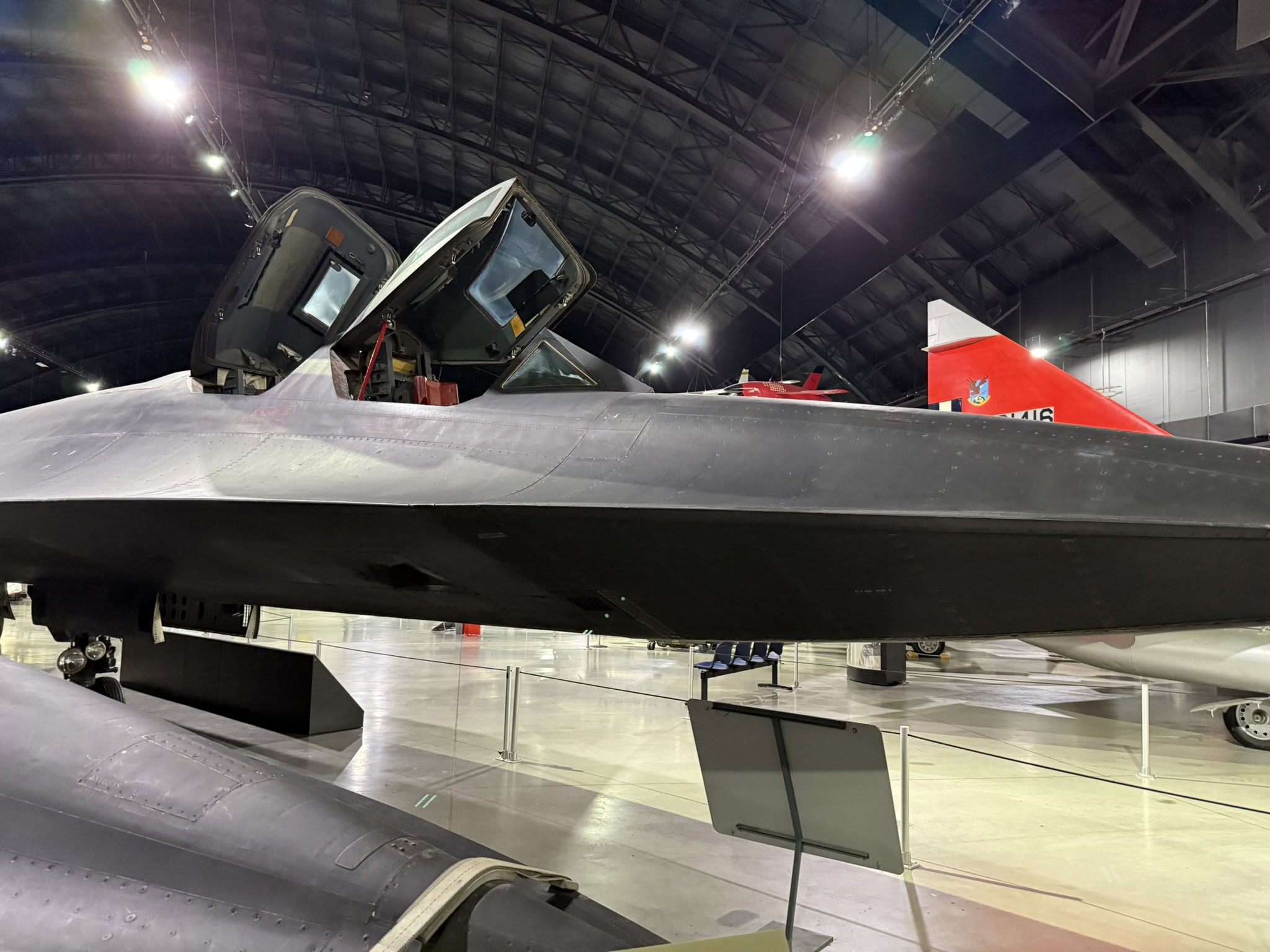
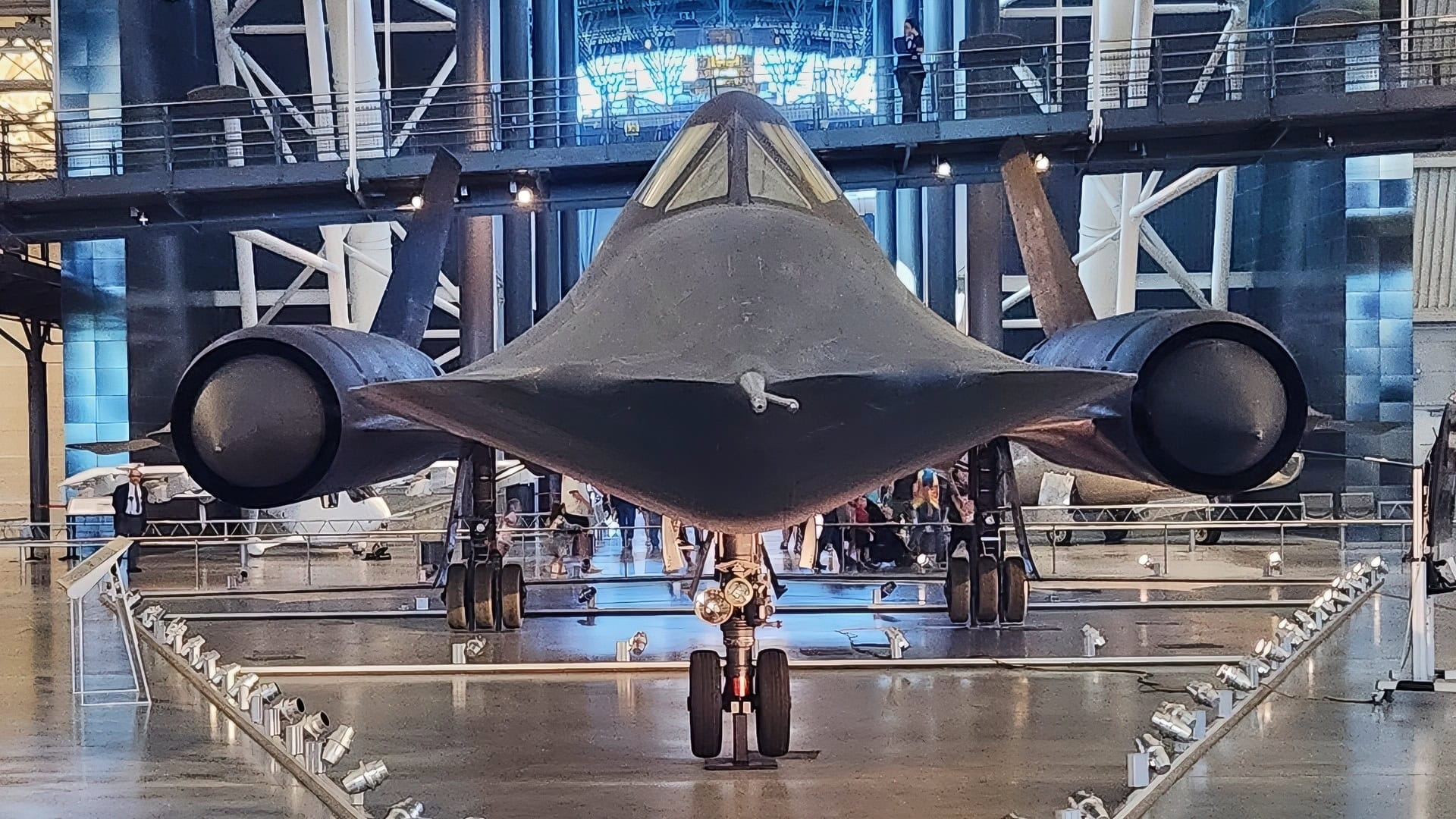
SR-71 at National Museum of the Air Force.
That was just fine with the Americans, who would have been hard-pressed to react skillfully if the RSR were ever built to its original specifications.
Tsybin should be given credit for his ambition and creativity with the scramjet engines that were ahead of their time.
The Soviets had to make a difficult decision.
The RSR was not going to be as good as Tsybin advertised, though.
The Russians were known for designing fast aircraft, but only the MACH 2 speed for the RSR was not considered groundbreaking.
Strategic Bombing and Intelligence Collection Were Going to Be Difficult
Would the RSR have been survivable enough for the bombing and recon mission? Tsybin thought that his airplane could conduct barrel rolls to outfly enemy SAMs.
This was another appealing idea that would likely not have worked. The airframe would not have been stable enough to complete such a maneuver at high speed.
Plus, the heat generated on the fuselage was a problem.
The RSR was an intriguing prospect, though. The Soviets were indeed ambitious with the speed, range, and altitude of the original design.
Having a high-speed asset to fly nuclear bombing missions and gather intelligence was a good idea, but it failed to cross the defense acquisition valley of death before being canceled.
About the Author: Brent M. Eastwood, PhD
Author of now over 3,500 articles on defense issues, Brent M. Eastwood, PhD, is the author of Don’t Turn Your Back On the World: A Conservative Foreign Policy and Humans, Machines, and Data: Future Trends in Warfare, plus two other books. Brent was the founder and CEO of a tech firm that predicted world events using artificial intelligence. He served as a legislative fellow for US Senator Tim Scott and advised the senator on defense and foreign policy issues. He has taught at American University, George Washington University, and George Mason University. Brent is a former US Army Infantry officer. He can be followed on X @BMEastwood.