
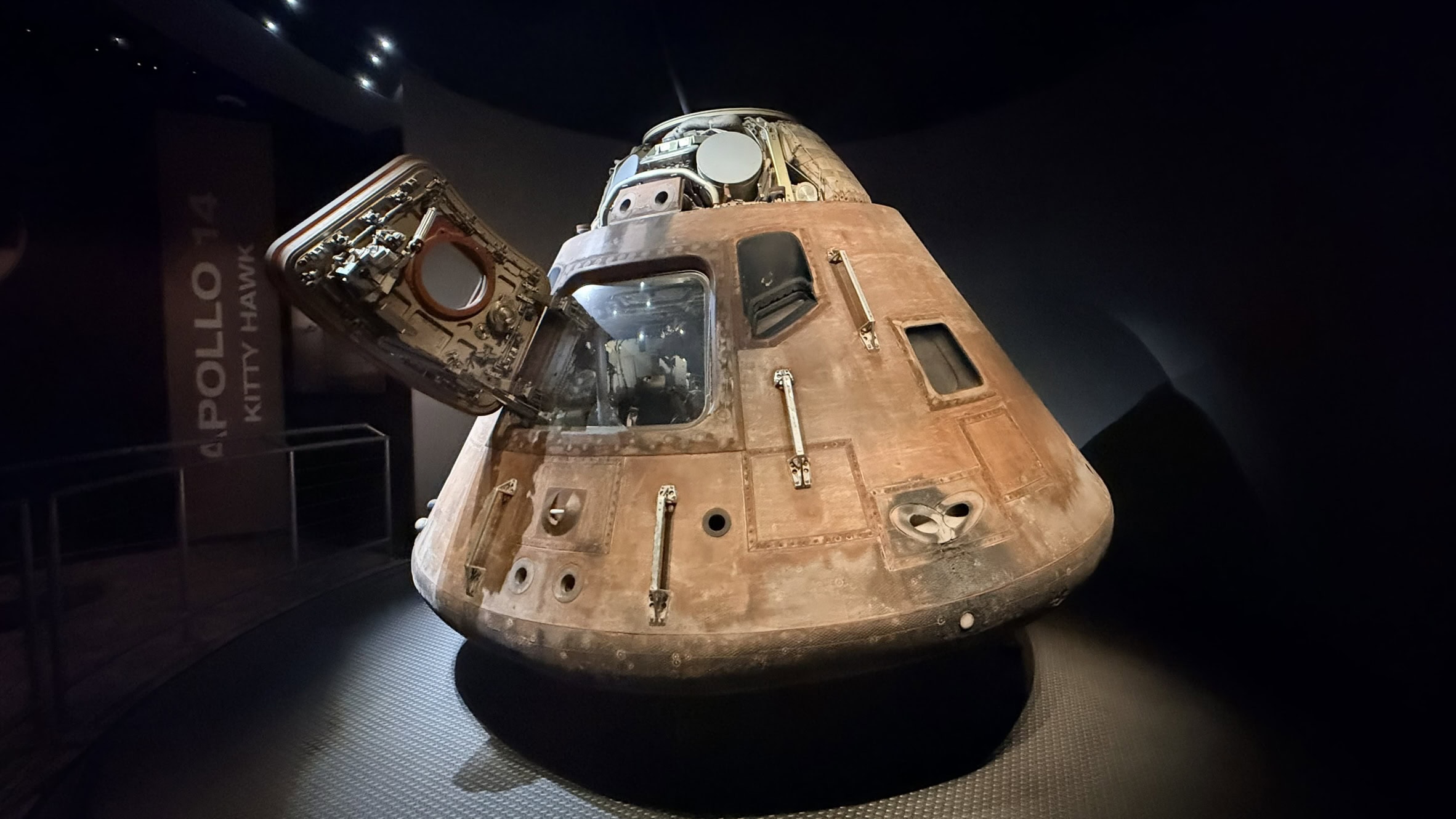
June 30th marked the anniversary of the Soyuz 11 disaster, when three Soviet cosmonauts successfully completed humanity’s first long-duration stay aboard a space station. Concluding the mission, the capsule landed normally in Kazakhstan.
Recovery crews are expected to greet newly minted Soviet heroes. Instead, once the capsule was opened, recovery crews found three dead cosmonauts. There was no fire. No explosion. The capsule was largely intact.
But a pressure equalization valve had unexpectedly opened during descent, causing a rapid depressurization that killed the entire crew.
Mission Background
Soyuz 11 launched in June 1971 with a three-person crew featuring Georgi Dobrovolski, Vladislav Volkov, and Viktor Patsayev.
The capsule docked with the Salyut 1 space station, making the crew the first to occupy the world’s first space station.
The mission was a scientific success; the crew spent 23 days aboard Salyut 1, a record at the time, before embarking on what initially appeared to be a routine return.
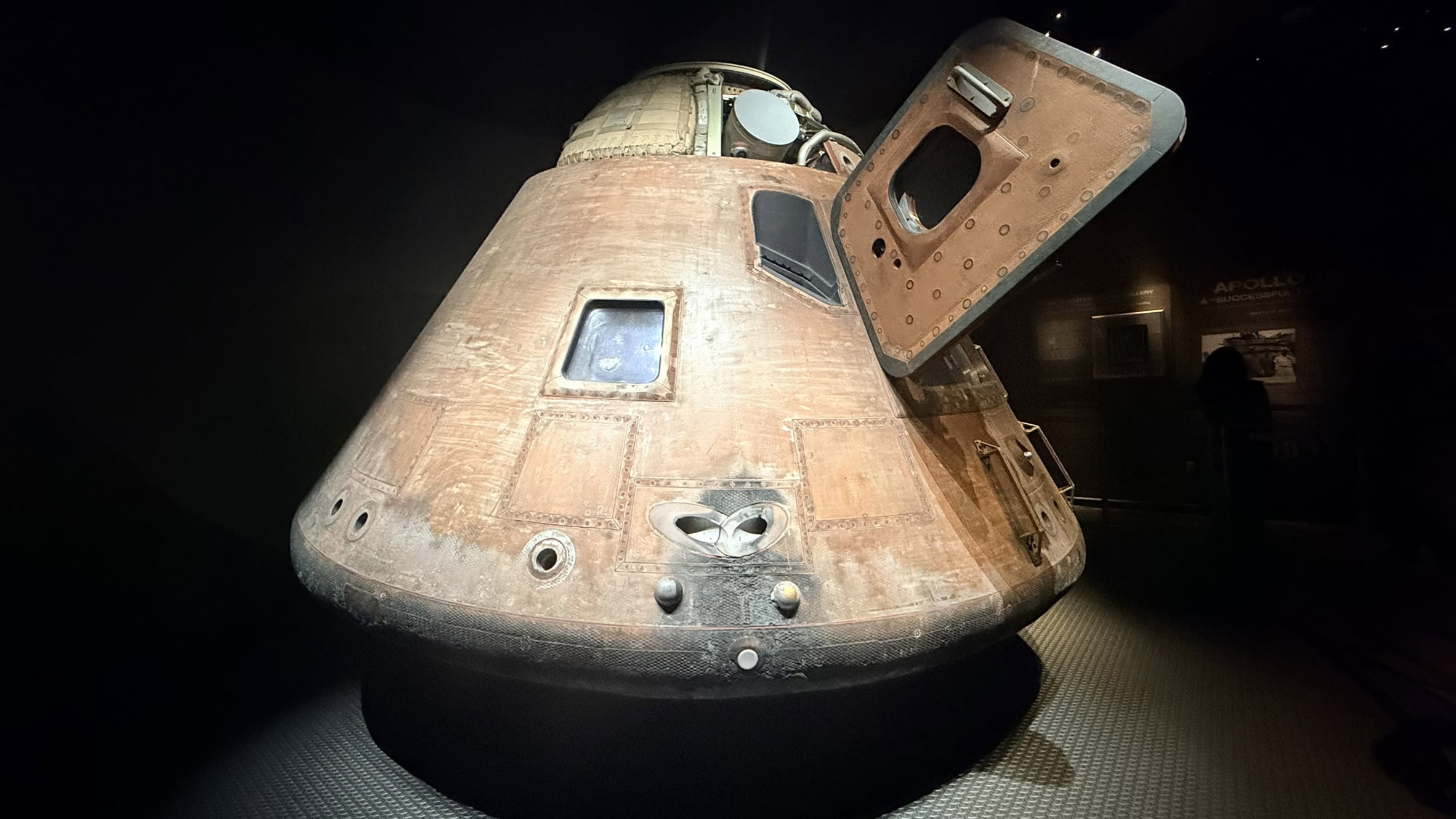
Apollo 11 Capsule. NASA Kennedy Space Center 19FortyFive Image Taken on June 28, 20226.
Normally, before reentry, the orbital module separates, and then the service module separates before the descent module continues home.
The separations are accomplished through explosive pyro-bolts. This is standard procedure and, for Soyuz 11, it occurred roughly 168 kilometers above Earth, leaving the capsule prepared for atmospheric entry—at least in theory.
Rapid Depressurization
But a pressure equalization valve failed. Measuring 16 mm in diameter, the valve is designed to open much later in descent, around 4 kilometers of altitude (not 168). This equalizes cabin pressure before the hatch opens.
During Soyuz 11, however, the shock of the separation sequence apparently caused the valve to open prematurely while the cabin was still in a vacuum, allowing the tiny 16 mm opening to become a direct path for cabin air to escape into space.
The cabin atmosphere rapidly vented into the vacuum. Pressure dropped catastrophically. The crew had almost no warning. Flight recordings suggested one crew member attempted to reach the valve.
But the crew lost consciousness from lack of oxygen before corrective action could be completed.
Why No Suits?
The obvious question is: why weren’t the cosmonauts wearing pressure suits?
The Soviet leadership wanted a three-person crew, but the capsule’s interior was extremely cramped, and wearing full pressure suits would have reduced the crew’s capacity. The result was increased operational efficiency, but decreased safety margins.
The tragedy prompted changes to spacecraft design.
Soyuz was redesigned, with crew size temporarily reduced to two. Pressure suits became mandatory during launch and landing. The valve mechanism was modified.
The separation sequence was reevaluated.
Additional redundancies were introduced. These lessons are still influential today.
Soyuz 11 serves as a stark reminder that mission reliability depends on systems of systems, not just engines, computers, and rockets but valves, seals, and switches.
Remarkably, Soyuz 11 remains the only mission in which humans died while actually in space—a disaster that reshaped human spaceflight permanently.
About the Author: Harrison Kass
Harrison Kass is a writer and attorney focused on national security, technology, and political culture. His work has appeared in Tablet, City Journal, The Hill, The Spectator, and The Cipher Brief. He holds a JD from the University of Oregon and a master’s in Global & Joint Program Studies from NYU. More at harrisonkass.com.