
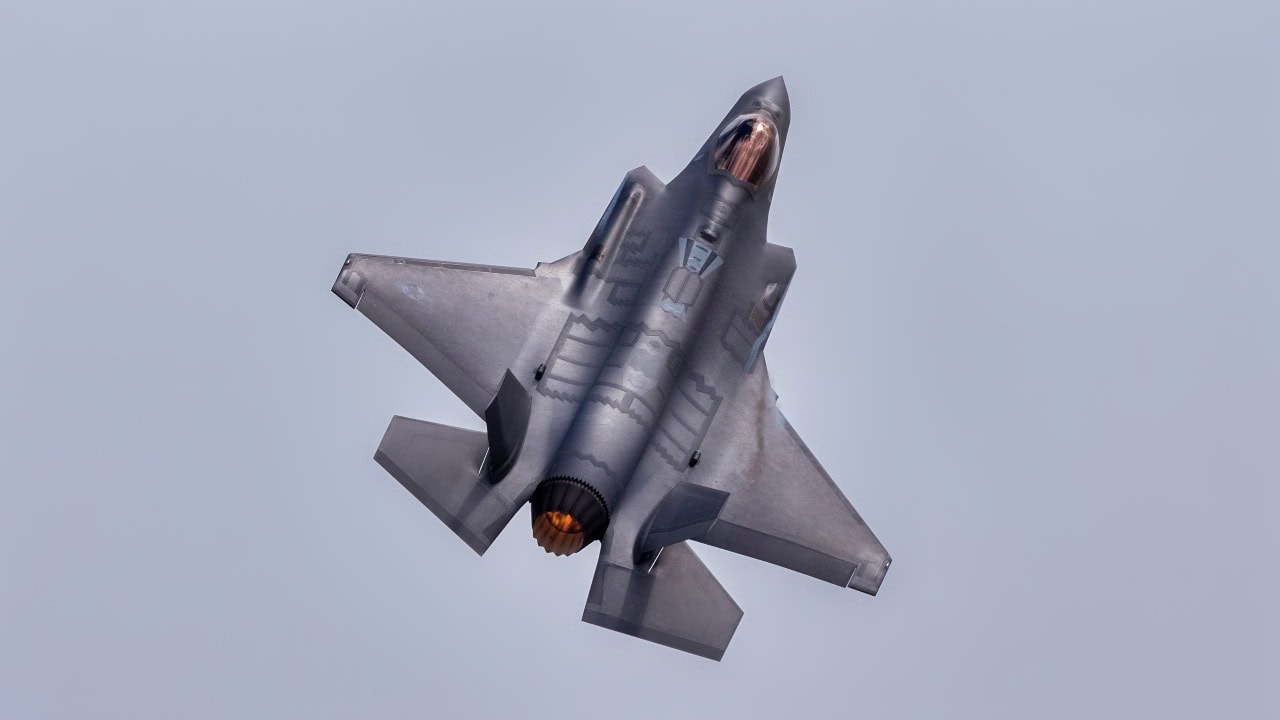
President Donald Trump said he would offer a “big gift bag” to President Recep Tayyip Erdogan when he sees him at the July 7-8, 2026, NATO summit. Increasingly, it appears Trump will offer Erdoǧan re-entry into the F-35 Joint Strike Fighter program, which, after Israel’s annihilation, is Erdogan’s top dream.
Trump sells out American interests for a red-carpet reception and perhaps some family business deals. Selling Turkey the F-35 would be a disaster for several reasons.
The F-35 Mistake and How Turkey Wins
First, Turkey has become a formidable military supplier on its own.
After the Obama administration began providing drones to Turkey in 2011, Turkey reverse-engineered the American weaponry to jump-start its own defense industry.
Erdogan’s son-in-law revamped Baykar, a minor machinery and auto-parts factory, into a multibillion-dollar enterprise profiting off American research and development that the Turks simply stole.
Today, Turkey openly talks about its efforts to produce the Kaan, a stealth joint-strike fighter of its own. Erdogan plays Trump for a fool by suggesting that Turkey wants the F-35 for NATO defense; if Trump accedes to Erdogan’s scheme, he will betray Lockheed Martin and its partners’ investments.
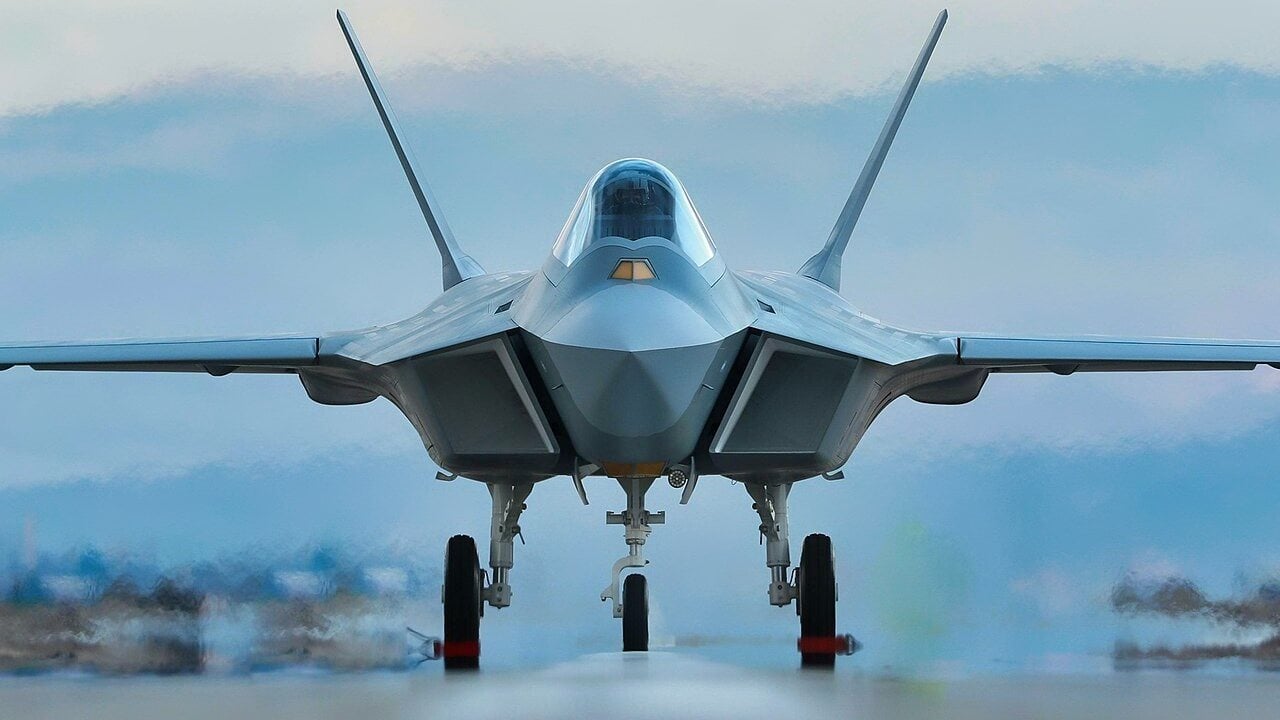
Kaan Stealth Fighter from Turkey. Image Credit: Creative Commons.
Second, Erdogan is an unreliable ally, and not only because of the S-400 purchase, which originally led to Turkey’s expulsion from the F-35 program. On March 9, 2026, Turkey deployed six F-16s to occupied northern Cyprus, not only upending the status quo but also violating end-use agreements to which Turkey committed when it purchased those aircraft. It was a test that Trump failed. If Turkey no longer respects end-use agreements, those F-35s could end up anywhere: In Pakistan, China, or even Iran.
Stealth Problems You Can’t Hide
It is not far-fetched. In 2010, the Turkish Air Force held secret wargames with the People’s Liberation Army Air Force and the Pakistan Air Force.
More recently, Trump said that Erdogan even considered joining Iran’s side in the U.S-Israel-Iran war.
Such context makes Turkey’s misjudged S-400 purchase not an exception but the rule. By ignoring the 2017 Countering America’s Adversaries Through Sanctions Act (CAATSA), a law meant to dissuade countries from proliferating to and dealing with Russia, Iran, and North Korea, Trump gives a green light for others to strike deals with America’s adversaries.
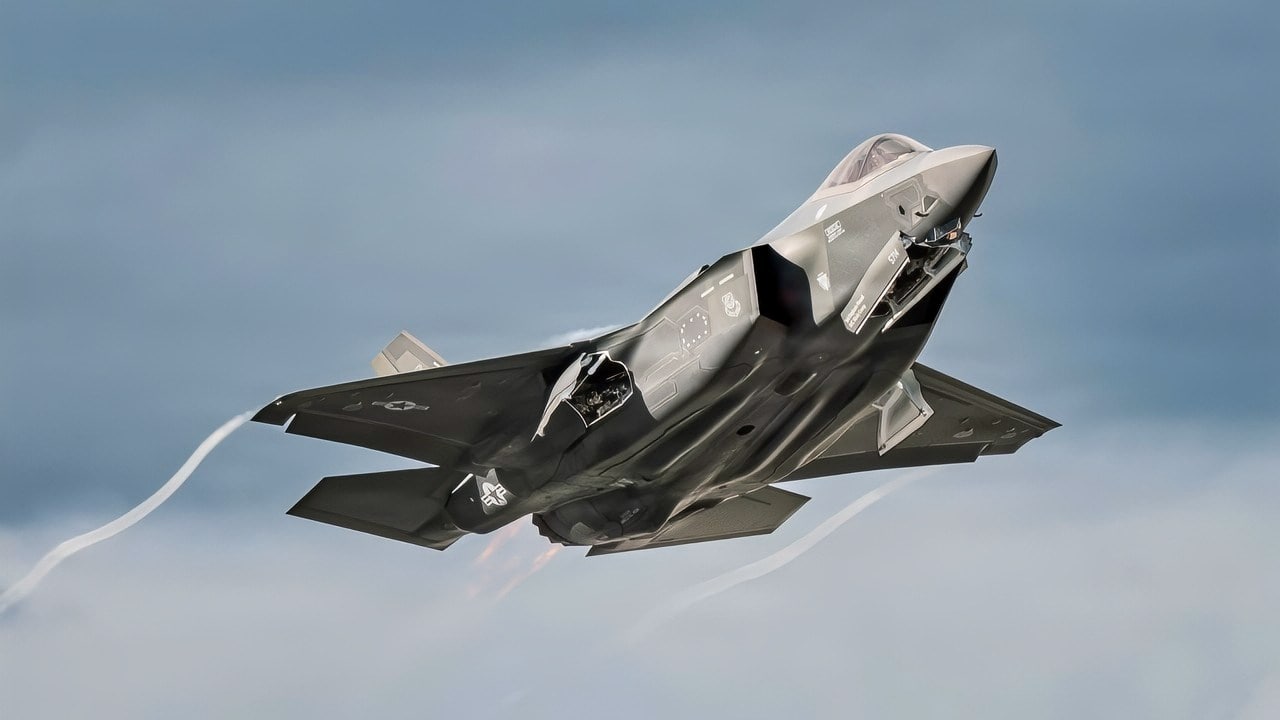
A U.S. Air Force F-35 Lightning II assigned to the 6th Weapons Squadron takes off in support of a U.S. Air Force Weapons School Integration (WSINT) mission at Nellis Air Force Base, Nevada, Nov. 18, 2025. WSINT incorporates multiple aircraft, domains and mission sets to challenge participants with dynamic problem-solving. (U.S. Air Force photo by Senior Airman Lauren Clevenger)
The Regional War Threat
The biggest danger to Trump’s gift of the F-35 is that it could spark regional war. Even if Trump and Ambassador Tom Barrack are the diplomatic wunderkinds they claim to be, they will be gone from office in two and a half years, but Turkey will have the F-35 for decades.
Over the past decade, if not more, Erdogan has cultivated Hamas and allowed the U.S.-designated terror group to make Istanbul its de facto headquarters.
As Turkey increases its genocidal rhetoric against Israel, the likelihood of a future Turkey-Israel war increases, especially given Turkey’s own nuclear ambitions. Nor would Israel necessarily be the only spark. Turkey has used its jets to harass Greece, a fellow NATO ally. Turkey continues to occupy one-third of Cyprus, and it has used its own military force to protect the militias and terrorists that its client politicians in Tripoli, Libya, shelter.
What America Should Do Instead
If Trump really wants to thank Erdogan for his friendship, he could offer the Turkish leader an all-expenses-paid visit to Mar-a-Lago; selling out American industry and allies is not an act of statesmanship, but rather fulfills a Turkish fantasy.
Nor should Trump have any illusions: Erdogan is not celebrating his friendship with Trump; he is celebrating how easy it was to con Trump. Today, Erdogan and the Muslim Brotherhood laugh at the U.S. president.
About the Author: Dr. Michael Rubin
Michael Rubin is director of policy analysis at the Middle East Forum and a distinguished fellow at India’s Usanas Foundation. A former Pentagon official, Dr. Rubin was a senior fellow at the American Enterprise Institute for more than two decades. He has lived in post-revolution Iran, Yemen, and both pre- and postwar Iraq. Opinions expressed here are the author’s own.