
The war in Ukraine has settled into a pattern. The front line barely moves from month to month, while Russian missile and drone attacks on Ukrainian cities have intensified.
Diplomacy between Washington, Kyiv, and Moscow has produced talk of peace, but no proposal that either government has had to answer.
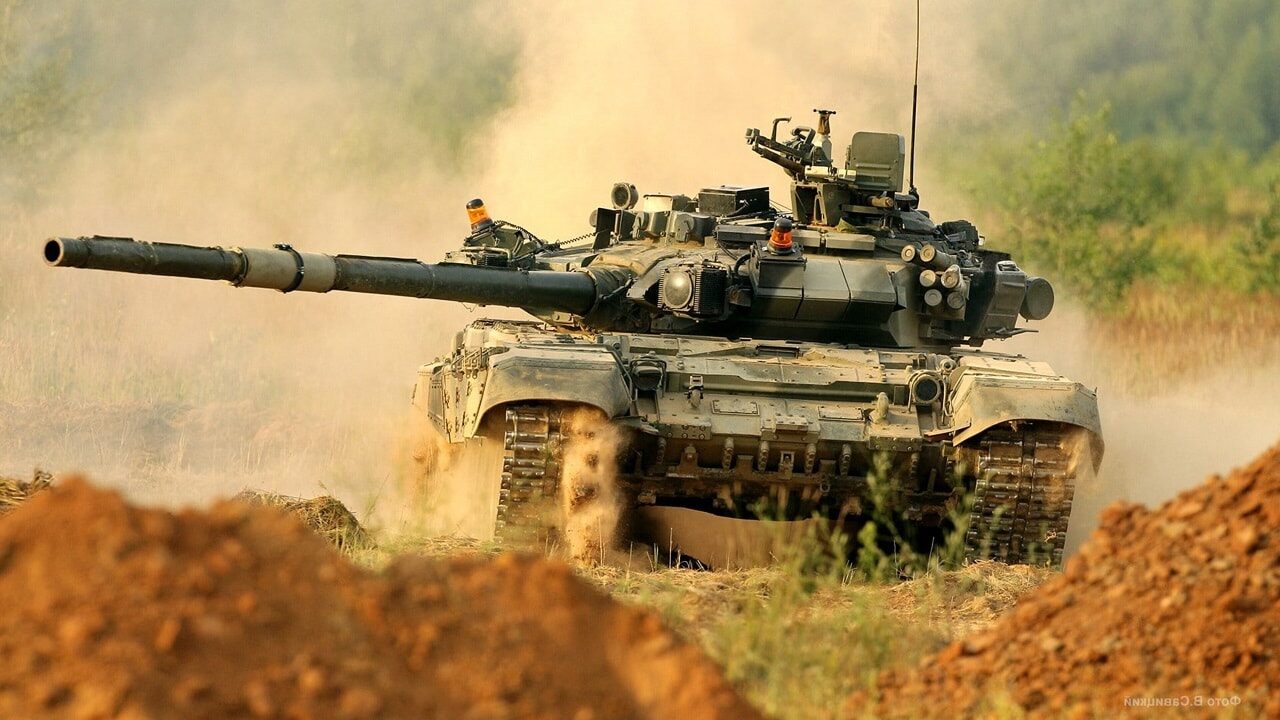
Russian T-80 tank. Image Credit: Creative Commons.
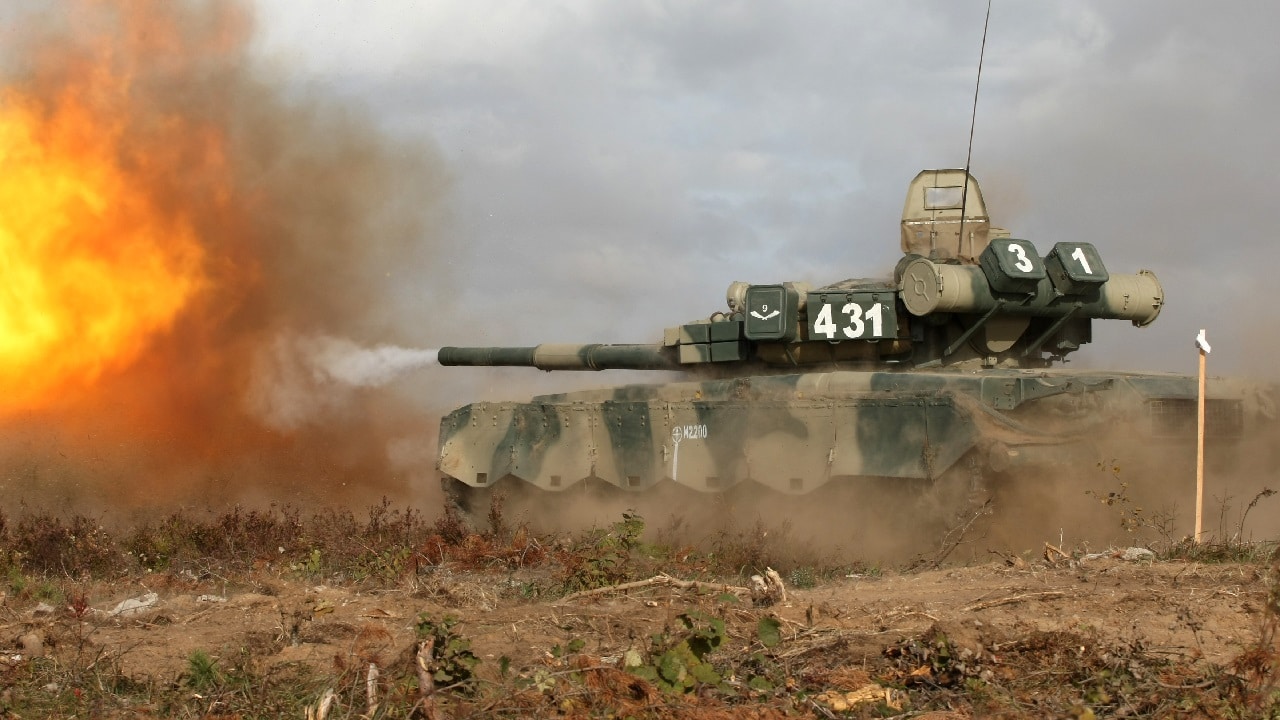
Russian T-80 tank. Image Credit: Creative Commons.
Trump has said repeatedly that he wants the war over.
President Trump should put a concrete armistice proposal before Vladimir Putin now.
He should do it without pretending Russia and Ukraine are ready to make peace, and without assuming Moscow will agree.
The point is to force a decision the Kremlin has so far avoided: will Russia stop on the line it holds, or does Putin still believe more war will buy him better terms?
That question became harder to ignore on Wednesday.
Russia fired 24 ballistic missiles, four Zircon or Oniks missiles and 115 drones at Kyiv and the surrounding region.
Seventeen people were killed and 44 wounded.
Ukraine intercepted most of the drones and none of the missiles, exposing how badly its shortage of Patriot interceptors has altered the balance over its cities.
Thomas Graham, a Russia specialist at the Council on Foreign Relations, is right that Trump should revive diplomacy before Ukraine disappears behind Washington’s war with Iran and whatever crisis comes next.
He is less persuasive when he describes the moment as ripe for resolution.
The latest barrage looked like the work of a government testing how much more pressure it can apply before the terms improve.
That makes an armistice harder to obtain.
It also makes the attempt more useful.
The War Is Not Ready for Peace
A peace settlement would have to resolve the status of occupied territory and Ukraine’s future relationship with the West.
Sanctions would also have to be addressed. Neither government has moved close enough to the other for those questions to be settled now.
An armistice asks less.
It stops organized fighting while leaving the political dispute where it is.
Exhaustion alone does not produce compromise. States accept bad bargains when they conclude that waiting will leave them worse off. Russia has not publicly reached that point.
Kremlin spokesman Dmitry Peskov said on July 24 that Moscow would wait for new American proposals while continuing to pursue “total victory” by military means.
Russia could talk to Trump and keep fighting Ukraine. From Moscow’s perspective, the two activities fit together.
The present ambiguity serves Putin.
He can describe Russia as open to negotiations while blaming Kyiv and Europe for the absence of progress.
The attacks continue as Washington searches for another formula.
Nothing in that posture requires him to decide whether he will stop short of the political submission Russia has demanded from Ukraine.
A specific armistice would put that question on the table.
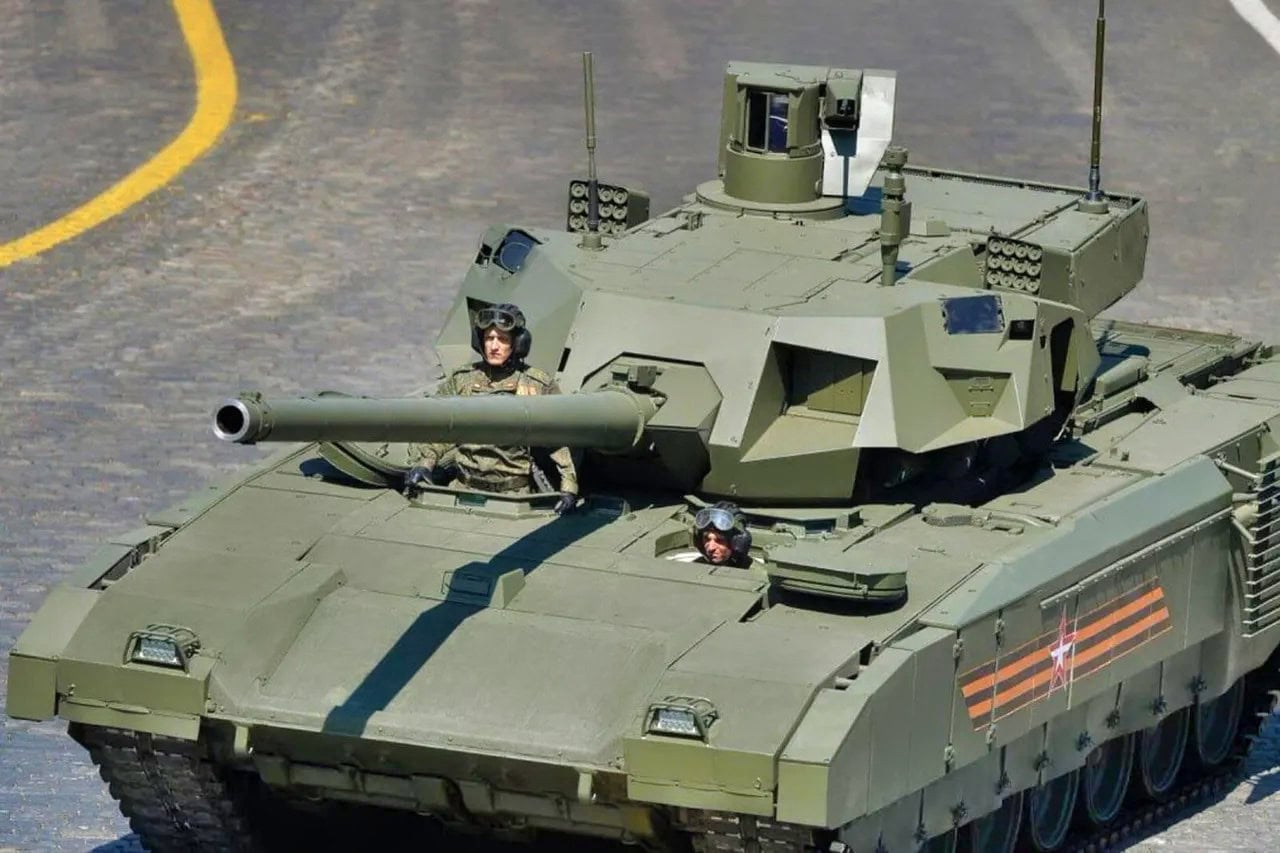
Russian T-14 Armata Tank. Image Credit: Social Media Screenshot.
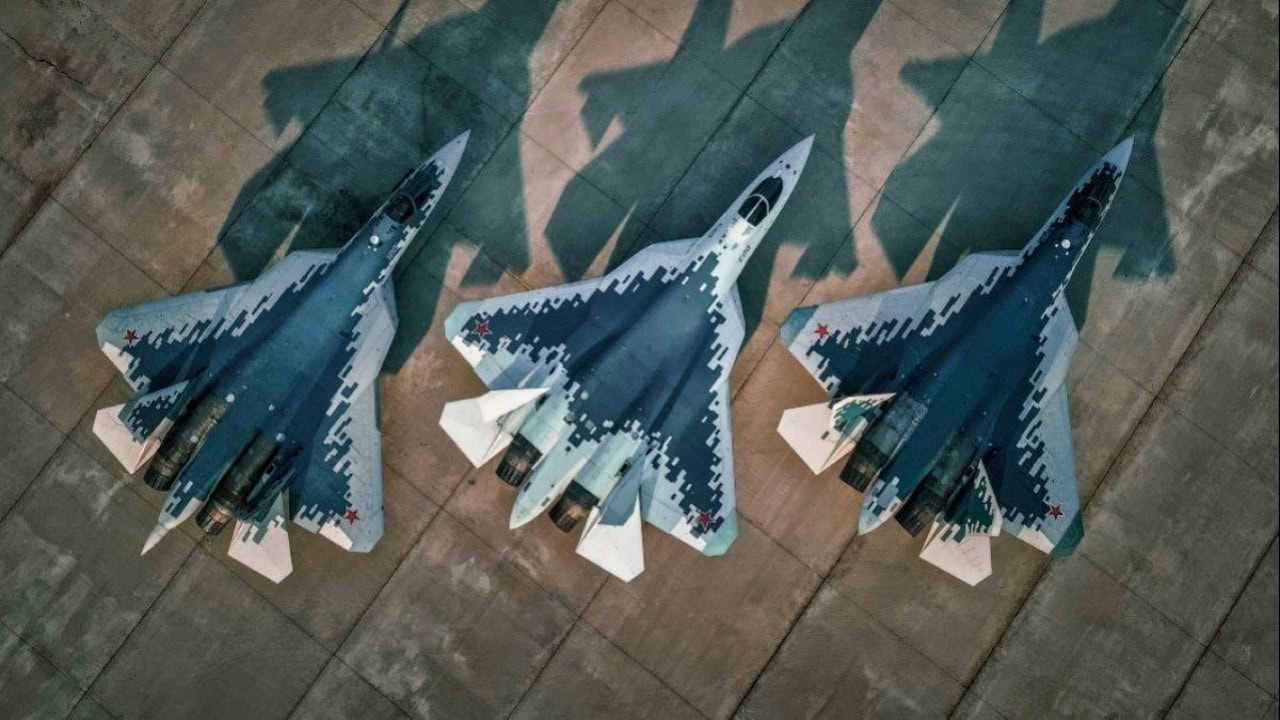
Su-57 Felon. Image Credit: Russian Government.
Why Putin Might Take It
There is a danger of designing an offer mainly to elicit a Russian refusal. That would be diplomacy as theatre, and Moscow would recognize it immediately.
The proposal has to contain something Putin could rationally accept.
Russia would retain de facto control of the territory its forces hold when the fighting stops, and Ukrainian strikes inside Russia would end.
Sustained compliance could later bring limited sanctions relief. Moscow could take those gains without renouncing its territorial claims.
Russia’s advances have slowed, while Ukraine continues to hit targets deep inside Russia.
Western military support could also recover before Russian forces secure everything the Kremlin claims.
An armistice would bank what Moscow has already taken and remove the risk that another year leaves it in a worse position.
Putin may prefer the gamble.
Zelensky said last Saturday that Ukraine had run out of Patriot interceptors, and newly manufactured missiles would take at least a year to arrive even if Washington and Kyiv complete a production agreement.
Russia can see the opening.
Wednesday’s barrage was part of a summer campaign exploiting it.
Washington therefore does not know whether Moscow sees the current line as an acceptable stopping point or merely a platform for the next advance. It should find out.
What the Armistice Has to Do
Fighting would cease on the line held at the time the agreement takes effect.
Neither army would withdraw first.
Ukraine would keep its legal claim to occupied territory, while Russia would be permitted to reserve its own claims for later negotiations.
The military line would freeze without turning occupation into lawful possession.
The harder issue is Ukraine’s position afterward. Russia will seek limits on the Ukrainian armed forces and an end to Western support.
Washington cannot accept an arrangement that lets Russia rebuild while Ukraine is gradually made less defensible.
That would create a pause on terms favorable to the side most likely to restart the war.
Ukraine must retain enough force, backed by continued outside assistance, to make another invasion costly. Monitoring arrangements can manage incidents, and sanctions relief can be staged.
The essential condition is that Russia cannot obtain at the negotiating table the Ukrainian vulnerability it failed to impose on the battlefield.
This will be difficult for Kyiv as well. An armistice would leave occupied territory beyond Ukrainian control for an indefinite period.
Ukraine could preserve its claim, but it would have to suspend any attempt to recover that land by force. That is an ugly bargain.
Wars often end this way when neither side can dictate the settlement, and both can prevent the other from doing so.
The Counteroffer Is the Answer
Moscow is unlikely to respond with a simple yes or no. It will probably welcome negotiations and attach conditions that transfer the decision back to Kyiv.
Washington will need a standard for judging the response.
Russia may bargain over monitoring or the timing of sanctions relief.
A demand that Ukraine withdraw from territory it still holds, or accept limits that leave it exposed to another attack, would amount to rejection, whatever language Moscow wraps around it.
The question is whether Russia will stop fighting without first requiring Ukraine to concede what Russian forces have not taken.
If Moscow stays within that boundary, Washington and the Europeans will need an enforcement plan before the agreement is signed.
They must decide what constitutes a serious violation and what the consequences are if Russia attacks again.
A document without that machinery would invite Moscow to test how much ambiguity the alliance will tolerate.
If Moscow refuses, Washington can stop treating the stalemate as a failure to discover the right diplomatic formula.
The next task would be to alter the expectations surrounding Russia’s answer by strengthening Ukrainian air defense and maintaining economic pressure.
The purpose would be to deny Moscow the relatively cheap gains it thinks another year may bring.
Washington Has to Use the Answer
Trump cannot manufacture a peace settlement from positions that remain irreconcilable. He can establish whether Putin is willing to stop before Russia has won everything it says it is owed.
That result will matter after the envoy’s visit and presidential claims fade from the news cycle.
An accepted armistice would create a quieter front, but the underlying conflict would remain, and deterrence would still have to be maintained.
A Russian refusal would pose a different problem.
Washington would have to resist the familiar urge to produce another proposal rather than confront what the answer says about the balance of power.
The offer is worth making because either response carries consequences. It will matter only if Washington is prepared to act on the one it receives.
About the Author: Dr. Andrew Latham
Andrew Latham is a professor of international relations and political theory at Macalester College in Saint Paul, MN. You can follow him on X: @aakatham.