
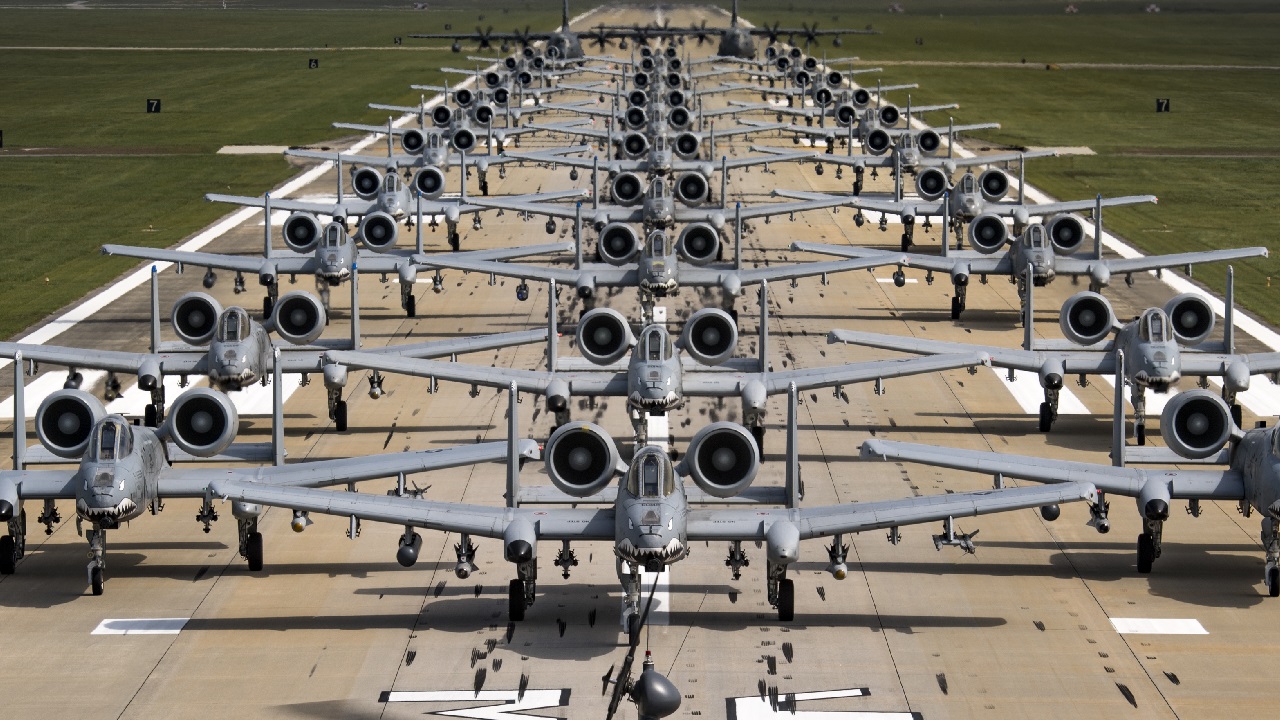
How Has The A-10 Performed In The Conflict With Iran? – During Operation Epic Fury, the US Air Force deployed A-10 Warthogs to hunt Iranian fast-attack watercraft in the Strait of Hormuz, strike Iran-backed militias in Iraq, and provide critical low-altitude overwatch and top cover for combat search-and-rescue missions.
The A-10’s performance has demonstrated its unique loiter capability, its powerful armaments, and its survivability once the Iranian air defenses were neutralized.
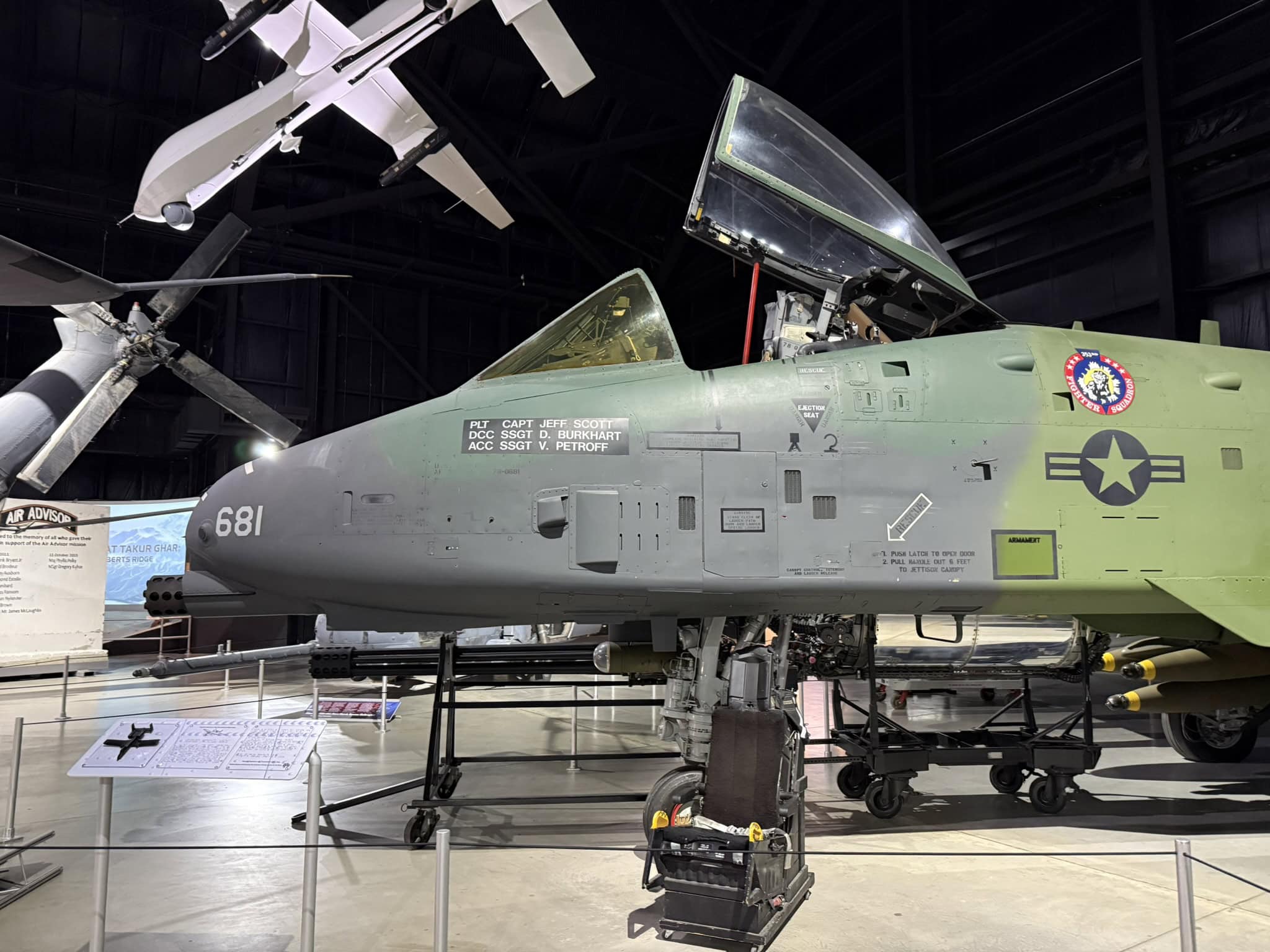
A-10 Warthog. 19FortyFive Image.
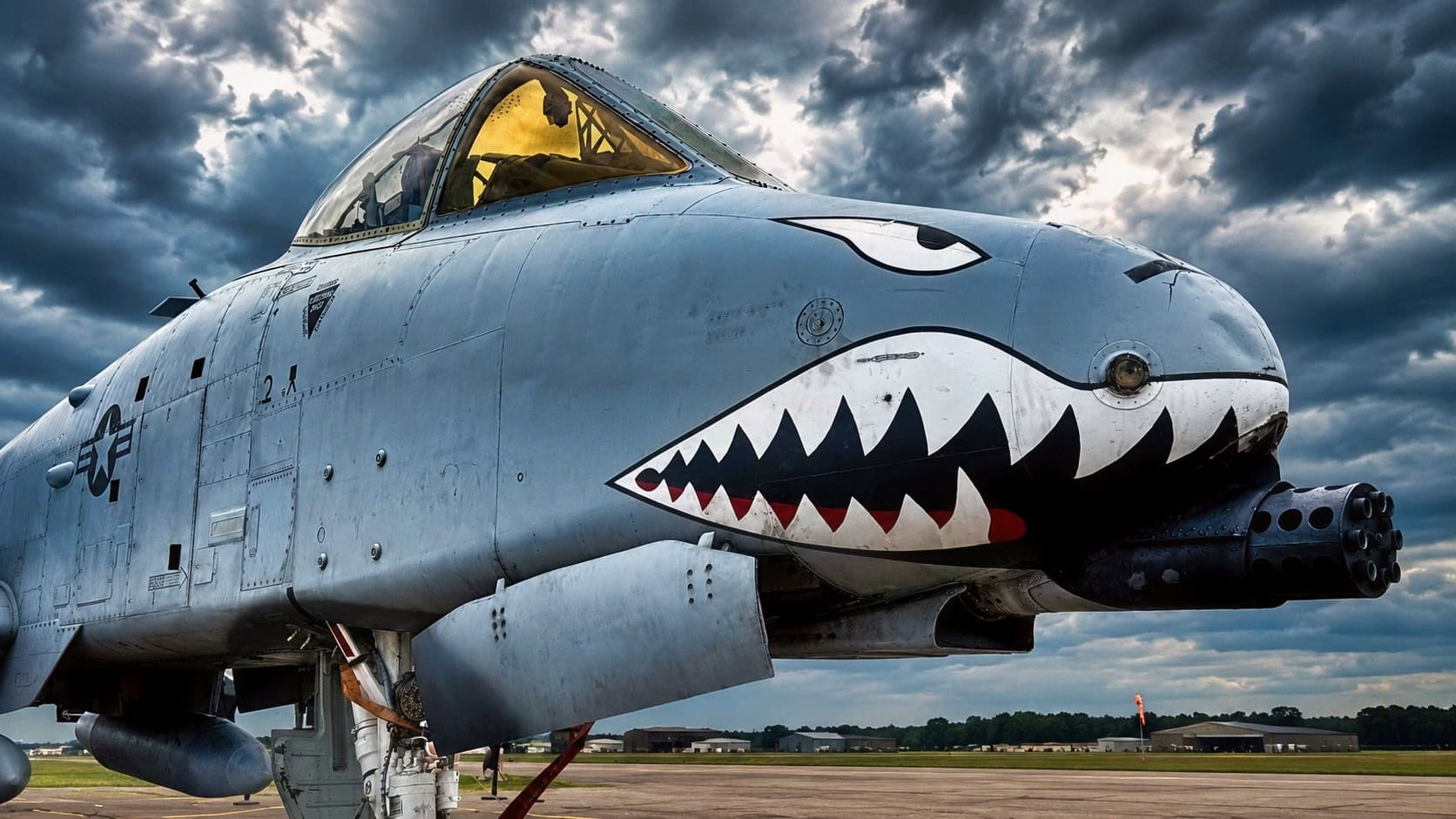
A-10 Warthog at Lakeland Florida 2026 Airshow. Image taken by Harry J. Kazianis for 19FortyFive.com. Enhanced with Banana Nano.
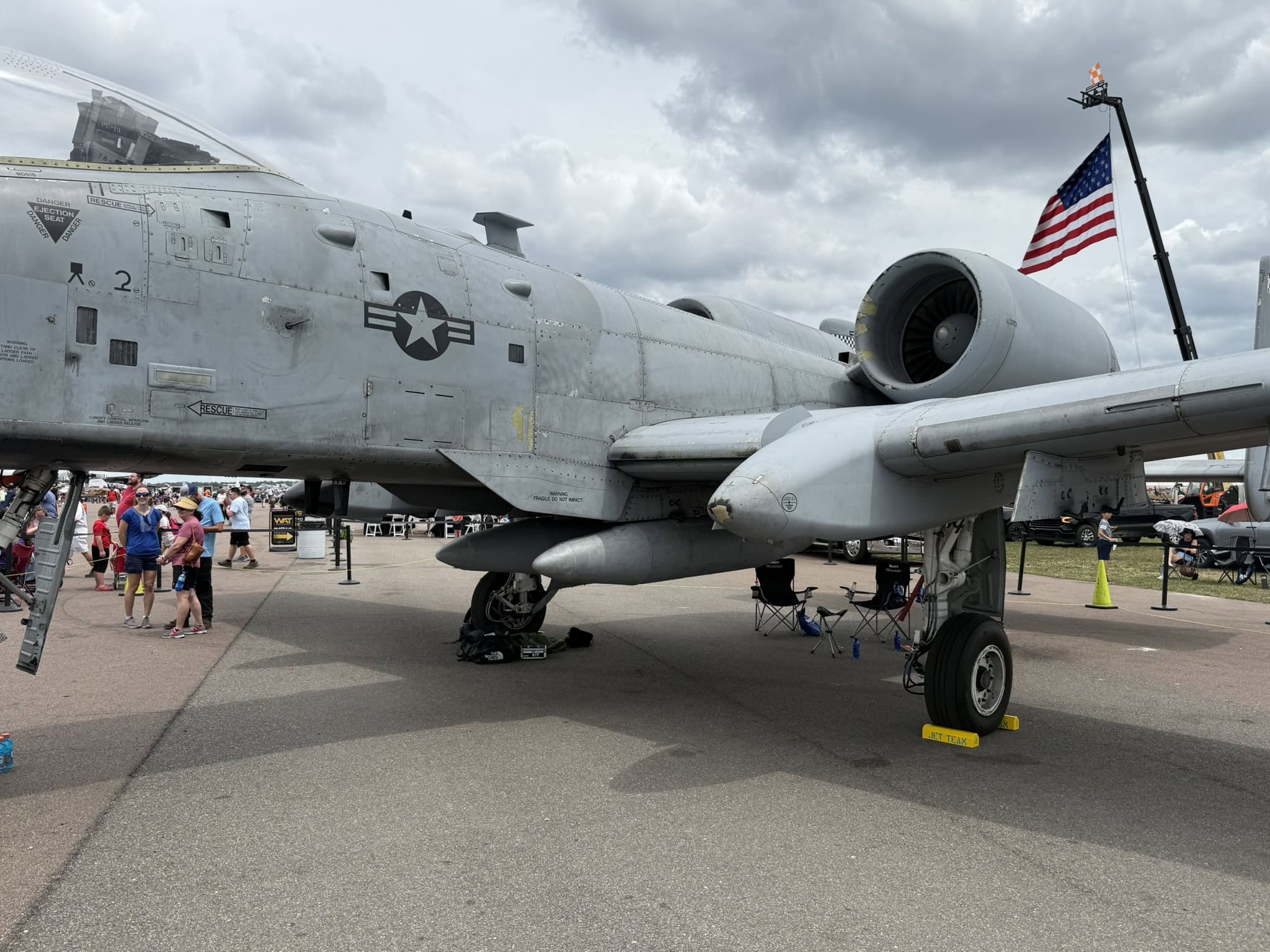
A-10 Warthog. Image Credit: 19FortyFive.com
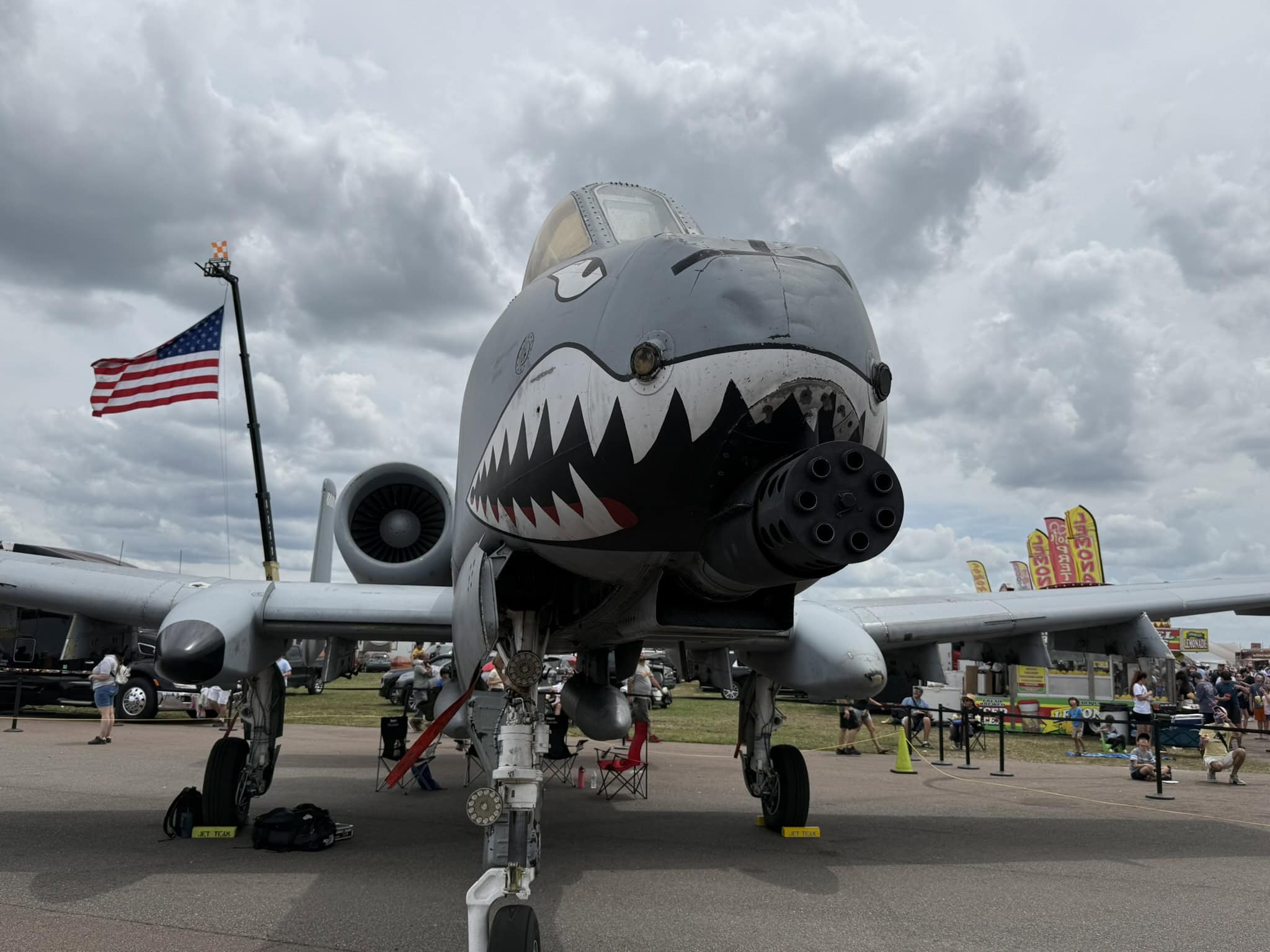
A-10 Warthog at Lakeland Air Show in Lakeland, Florida. Image by Harry J. Kazianis.
And that is a telling development. The A-10 would have been vulnerable to the Iranian’s advanced anti-aircraft networks. But the fact that the A-10s had been used so frequently indicated that those networks had been virtually eliminated in the early air strikes of the campaign.
The US Air Force Has Long Wanted To Retire The A-10s
The Air Force wanted to retire the A-10 Warthog ground support aircraft by the end of FY 2026; however, the current air campaign over Iran has breathed new life into the incredible aircraft.
The Air Force has long sought to retire the A-10, and its intent was to retire the remaining 162 A-10s in 2026. In an article for T&P, Major Maurice Grasso stated that A-10 pilots joked that the Air Force began plotting the replacement of the Hog the day the last A-10 rolled off the assembly line in 1984.
This decision was part of the service’s plan to retire 340 aircraft in total, aimed at realigning priorities and avoiding rising costs, alongside the cancellation of programs such as the Boeing E-7 Wedgetail airborne early warning and control aircraft.
However, the scale of the proposed drawdown raised concerns among members of Congress, who questioned whether the USAF had alternatives capable of fulfilling the platform’s specialized roles. Luckily, the A-10’s service life was extended just in time.
The A-10 Was Born Out Of Necessity, Despite The Air Force’s View
The Air Force has always taken a dim view of close-support aircraft, despite the mountains of evidence of how necessary they are.
However, it was during the Cold War that the reality of the Fulda Gap possibly being overrun by thousands of Soviet tanks changed that way of thinking. The Air Force needed a tank-busting, low-flying aircraft that could wreak havoc on Soviet armor in mass formations.
Thus was born the A-10 Warthog, the first aircraft designed around its GAU-30 mm Gatling gun.
But with the plethora of anti-aircraft missiles facing today’s ground-support aircraft, it is feared that the A-10 would not survive on a modern battlefield.
The A-10’s Part In The Air Campaign Against The IRGC Navy
The US gave the Warthog a new maritime mission and has been using the A-10 against Iranian fast-attack craft of the Iranian Revolutionary Guard Corps.
“The A-10 Warthog has been used in the fight across the southern flank and is hunting and killing fast attack watercraft in the Straits of Hormuz,” Chairman of the Joint Chiefs of Staff, Air Force Gen. Dan Caine, said during a joint news conference with Secretary of Defense Pete Hegseth back in late March.
The A-10’s mission in the Gulf has allowed for fast movers (F-15Es, F/A-18s, F-35s) to concentrate on land targets at longer ranges.
“We’re flying further to the east now and penetrating deeper into Iranian airspace to hunt and kill one-way attack garrisons, destroying Iran’s ability to project power outside of its borders,” Caine added.
CENTCOM commander Adm. Brad Cooper said on X that U.S. forces had destroyed more than 100 Iranian naval vessels and stated, “We will continue to rapidly deplete Iran’s ability to threaten freedom of navigation in and around the Strait of Hormuz.”
The A-10 has an incredibly high mission capability rate. Despite being a “low-tech” plane compared to others, it maintained a 95.7 percent mission-capable rate in the Gulf War.
Just One A-10 Was Brought Down In The Iranian Air Campaign
One A-10 was hit and damaged over the Strait of Hormuz, where the pilot was able to eject and be rescued by US military personnel. The A-10 was providing “top cover” and supporting a Combat Search and Rescue (CSAR) mission for the crew of a U.S. F-15E Strike Eagle that had been shot down earlier that day.
The A-10 was then hit by an Iranian surface-to-air missile during the operation. In further testament to the aircraft’s toughness, the A-10 can take tremendous punishment and keep flying. During the war in Iraq, USAF pilot Kim Campbell flew a severely damaged Warthog back to her base in an incredible feat of flying with an aircraft with much of its tail shot off.
In this case, the pilot was able to fly the stricken aircraft safely out of harm’s way and over the water in friendly Kuwaiti airspace before safely ejecting. He was rescued unharmed.
The A-10 Will Eventually Be Replaced By The F-15EX Eagle II
President Trump announced earlier this year that the Michigan Air National Guard, which is set to lose its A-10 Warthogs in 2026, will be reequipped with the F-15EX.
The ANG squadron will have to be trained on the F-15EX. The aircraft has an increased payload of 29,000 pounds plus two additional weapons stations. It can carry hypersonic missiles or up to 12 AIM-9 Sidewinder missiles or AIM-120 AMRAAMs, or a combination of up to 24 air-to-ground munitions.
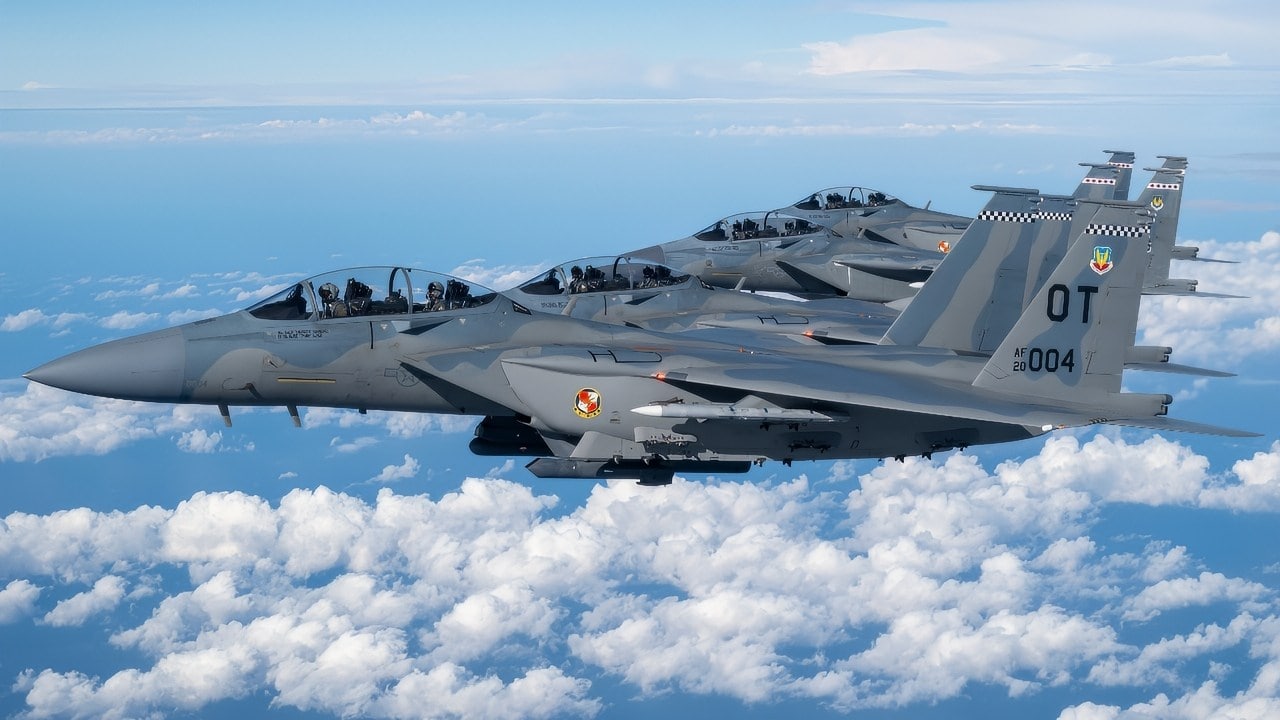
A formation of four U.S. Air Force F-15EX Eagle II fighter jets, assigned to Eglin Air Force Base, Florida, fly over the Gulf of America, Nov. 21, 2025. Secretary of the Air Force Troy Meink flew in the backseat of the lead jet as part of his visit to Eglin AFB. The flight oriented Meink to F-15EX tactics, techniques and procedures being developed and advanced by the 53d Wing to include weapons capacity, next-gen survivability, and next-generation radars, sensors and networking capabilities. (U.S. Air Force photo by Staff Sgt. Blake Wiles)
Plus, it carries one internally mounted M61A1 20 mm six-barrel cannon (500 rounds). The cannon is no match for the 30mm, but it is still powerful nonetheless.
It is also extremely fast, reaching Mach 2.5, or approximately 1,918.7 mph. The Michigan ANG pilots could also serve as teachers, training new F-15EX pilots in the finer points of ground support.
A total of 716 A-10s were built. And only eight, including the recent one in Iran have been shot down.
That is an incredible record for an aircraft that goes “low and slow” into harm’s way after being heavily involved in Desert Storm, Bosnia and Kosovo, Operation Iraqi Freedom, Operation Enduring Freedom (Afghanistan). Operation Inherent Resolve (anti-ISIS), in Syria against Russia’s Wagner mercenaries, and the current air campaign over Iran.
The A-10 has been a very reliable workhorse for nearly 50 years, despite the Air Force never wanting it and wanting to get rid of it for years.
MORE – Iran Can’t Stop the US Air Force
MORE – Tehran Might Not Be Able to End the Iran War
About the Author: Steve Balestrieri
Steve Balestrieri is a National Security Columnist. He served as a US Army Special Forces NCO and Warrant Officer. In addition to writing on defense, he covers the NFL for PatsFans.com and is a member of the Pro Football Writers of America (PFWA). His work was regularly featured in many military publications

