
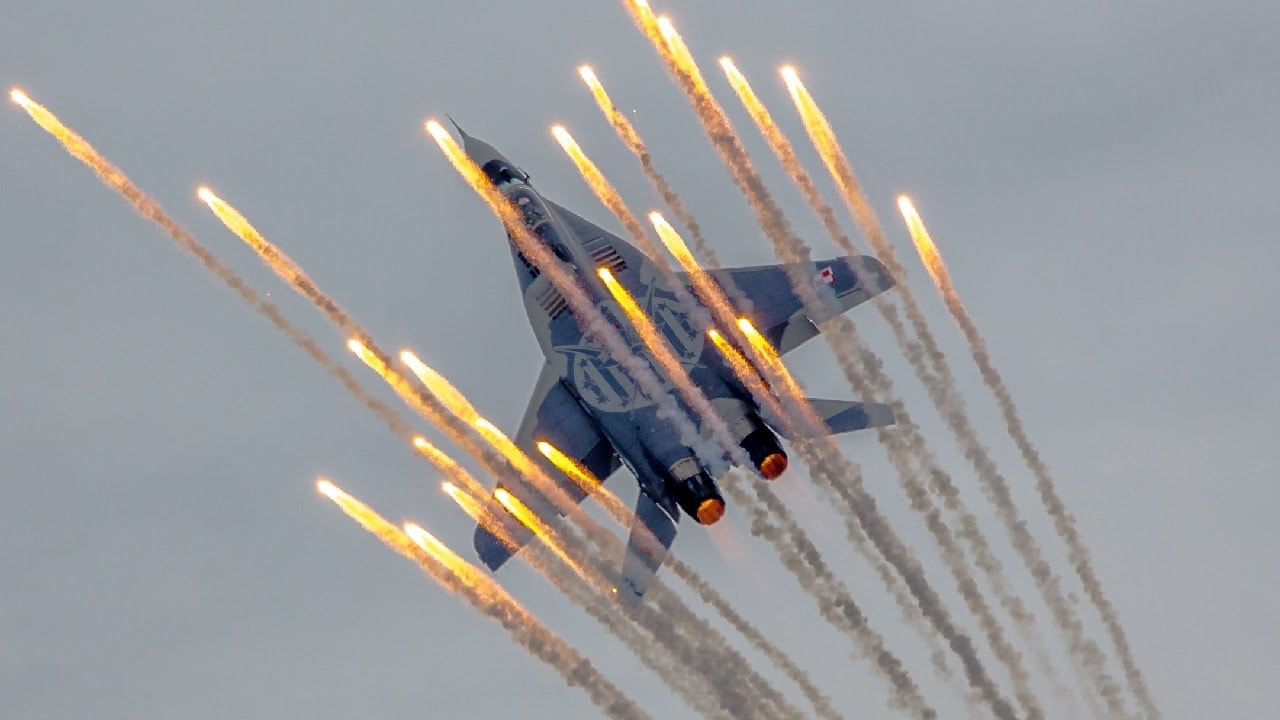
The U.S. Bought 21 MiG-29 Fighters and 500 Missiles to Keep Them Away From Iran – In October 1997, the United States bought 21 MiG-29 Fulcrum fighters from Moldova before Iran acquired them. Fourteen were MiG-29C Fulcrums described by American officials as wired for nuclear-weapons delivery. The package also included six MiG-29As, one two-seat trainer, 500 air-to-air missiles, spare parts, and diagnostic equipment.
The full value of the agreement was never officially released. Moldova’s finance minister placed the cash payment at about $40 million, while Washington also supplied humanitarian assistance and nonlethal military equipment such as trucks. Defense Secretary William Cohen announced the acquisition on November 4 and said the aircraft had appeared on Iran’s shopping list.
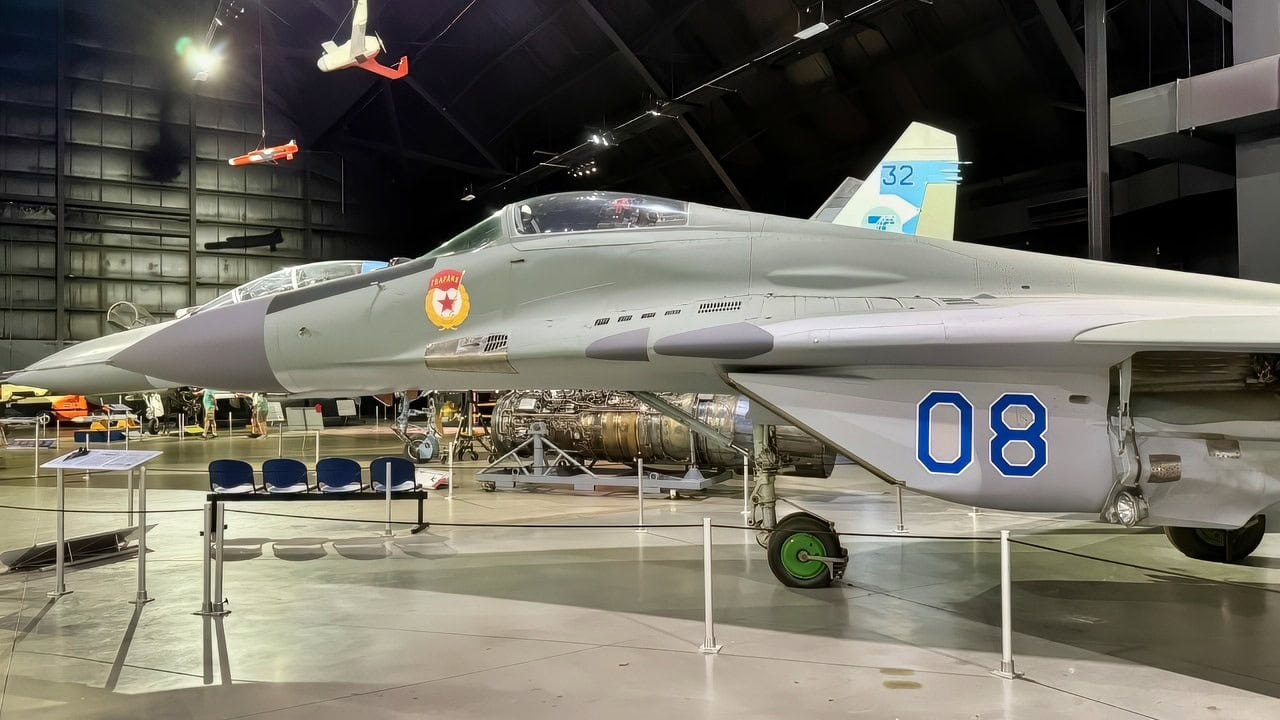
Real MiG-29 at USAF Museum in Dayton. Image Credit: 19FortyFive.com
The MiG-29 was not obsolete scrap. The twin-engine Soviet fighter reached about Mach 2.3, carried a 30mm cannon and up to six air-to-air missiles, and possessed the acceleration and maneuverability to threaten contemporary NATO fighters at close range. The later Fulcrum-C aircraft held particular intelligence value because American specialists had never received unrestricted access to the variant.
Washington’s first goal was denial. Buying the fighters removed them from the international market before Iran or another government completed a transaction.
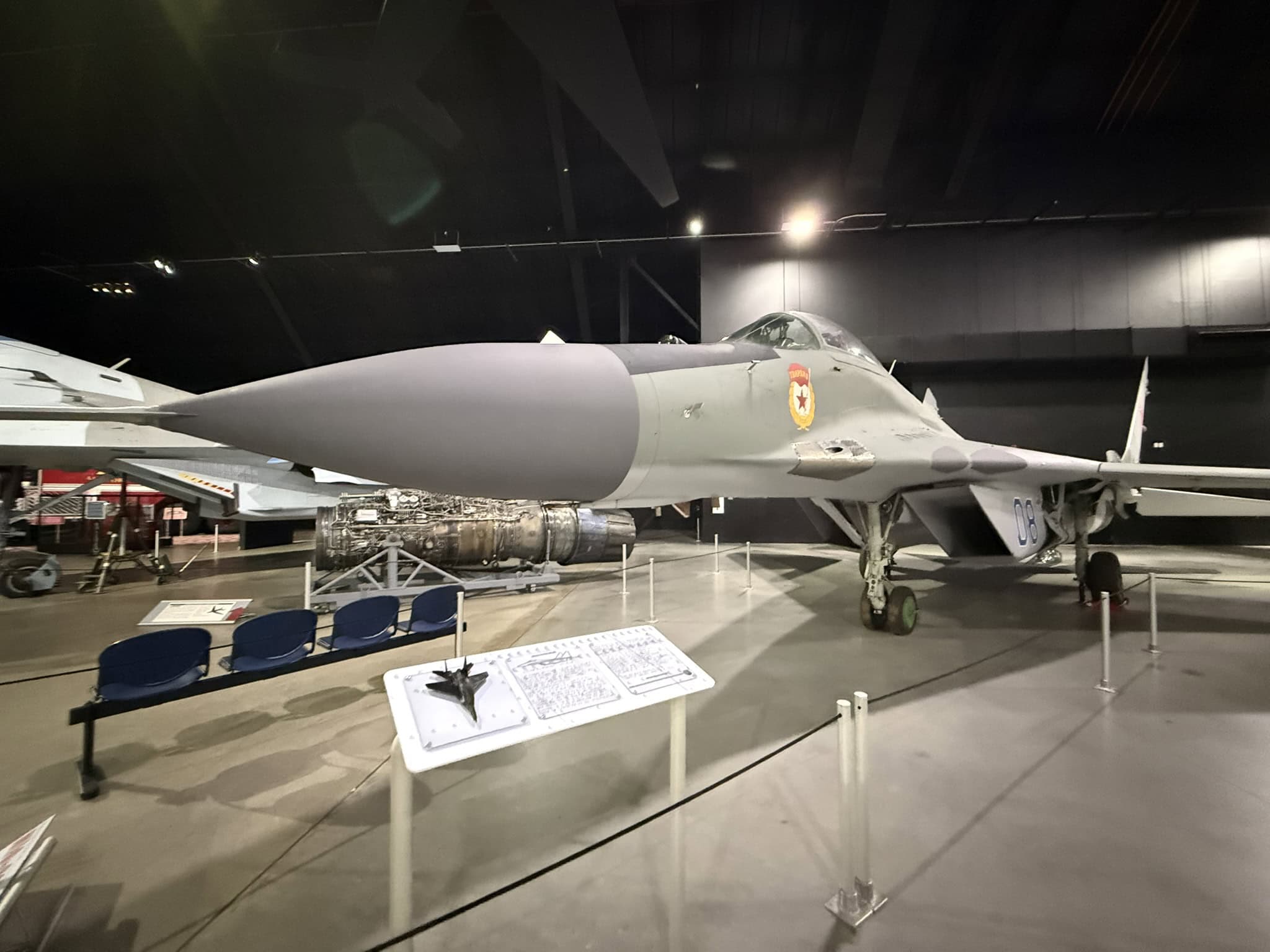
MiG-29 Fulcrum taken back in July, 2025 at the National Museum of the U.S. Air Force by Harry J. Kazianis.
Their arrival in Ohio also gave American engineers access to systems remote intelligence collection had never placed in their hands.
Moldova Inherited an Unaffordable Fighter Fleet
Moldova inherited the 86th Guards Fighter Aviation Regiment at Mărculești after the Soviet Union collapsed. Many pilots and technicians left, while the new government lacked the money, fuel, and institutional depth to keep a frontline fighter regiment operational.
The mismatch was severe. Moldova was struggling through the economic shock of Soviet disintegration, and American personnel sent to recover the jets later reported that Moldovan aircrews and maintainers had gone nearly six months without pay.
The aircraft still held market value. Iran already operated earlier MiG-29s and sought more advanced Russian equipment during the 1990s. For Chisinau, selling the fleet promised cash and relief from a maintenance burden. For Washington, an Iranian purchase threatened to move advanced fighters, missiles, and possible nuclear-delivery interfaces into a region central to American security planning.
“Nuclear-Capable” Did Not Mean Moldova Had Nuclear Bombs
The phrase “nuclear-capable MiG-29” requires precision. Moldova possessed no nuclear weapons for the aircraft, and Iran did not have a nuclear bomb ready to mount beneath a Fulcrum.
American officials said 14 MiG-29Cs retained wiring and interfaces permitting nuclear delivery. Russian Defense Minister Igor Sergeyev disputed the description, saying the Soviet military removed the specialized delivery hardware in 1989. The disagreement centered on how much equipment had to remain aboard for an aircraft to deserve the label.
Washington did not dismiss the risk. Reinstalling missing components was a different task from converting an aircraft never designed for the mission. The Fulcrum-Cs also offered Iran a more advanced fighter than the older MiG-29s already in its inventory. They would have strengthened Iranian air defenses and exposed its technicians to newer Soviet systems even without a nuclear role.
Moldova informed the United States in late 1996 about Iranian inquiries and a later Iranian inspection of the fighters. Negotiations began in February 1997.
Washington Used Nunn-Lugar Funds to Buy Fighters
The purchase moved through the Cooperative Threat Reduction program, better known as Nunn-Lugar. Congress created it after the Soviet collapse to secure, remove, and dismantle weapons of mass destruction and the infrastructure associated with them across newly independent states.
Moldova became eligible for assistance in March 1997. The two governments signed an umbrella agreement on June 23 and finalized the MiG transaction on October 10. Washington treated the Fulcrum-Cs as potential weapons-of-mass-destruction delivery aircraft, placing the deal inside the program’s nonproliferation mission.
A later U.S. Senate review described the purchase as an effort to preempt Iran’s search for an airborne WMD-delivery system.
The agreement bought the available missiles, spare parts, and diagnostic sets at Mărculești. Washington was not taking 21 empty airframes while leaving another buyer the support package needed to return similar aircraft to service.
C-17s Carried the MiG-29s to Ohio in Pieces
A 40-person American team reached Mărculești to inventory, prepare, and move the fleet. The group included engineers, aerial-port specialists, security personnel, and members of the Air Intelligence Agency.
The recovery took 24 days. Technicians removed wings and tail surfaces, then loaded two partially disassembled MiGs at a time aboard C-17 Globemaster III transports from Charleston Air Force Base. Between October 20 and November 2, the aircraft, missiles, and equipment moved to the National Air Intelligence Center at Wright-Patterson Air Force Base in Ohio.
A contemporary Airman magazine account described green Fulcrums without wings being pulled toward American cargo aircraft. It was an extraordinary post-Cold War scene: U.S. crews hauling a former Soviet fighter regiment out of Eastern Europe.
American Engineers Took the Fulcrum Apart
At Wright-Patterson, foreign-materiel specialists examined radar, avionics, electronic-warfare equipment, weapons interfaces, engines, and structural details. The work allowed analysts to test intelligence estimates against real hardware and identify weaknesses that American pilots and weapons developers might exploit.
This followed a long practice of secret American flight testing of Soviet MiG-21 and MiG-23 fighters. The 1976 defection of a MiG-25 pilot to Japan had also given Western specialists direct access to a feared Soviet interceptor. The Moldovan purchase added the first Fulcrum-C examples available for unrestricted American inspection.
A full MiG-29 aggressor squadron never emerged. Few of the Moldovan aircraft were readily flyable, and sustaining them required expensive Russian parts and technical support. The Air Force already gained flying experience through Germany, which had absorbed East Germany’s MiG-29 fleet and trained extensively with NATO pilots.
The National Air and Space Intelligence Center later described the purchase as serving two purposes: keeping the fighters away from an emerging adversary and learning how to defeat them.
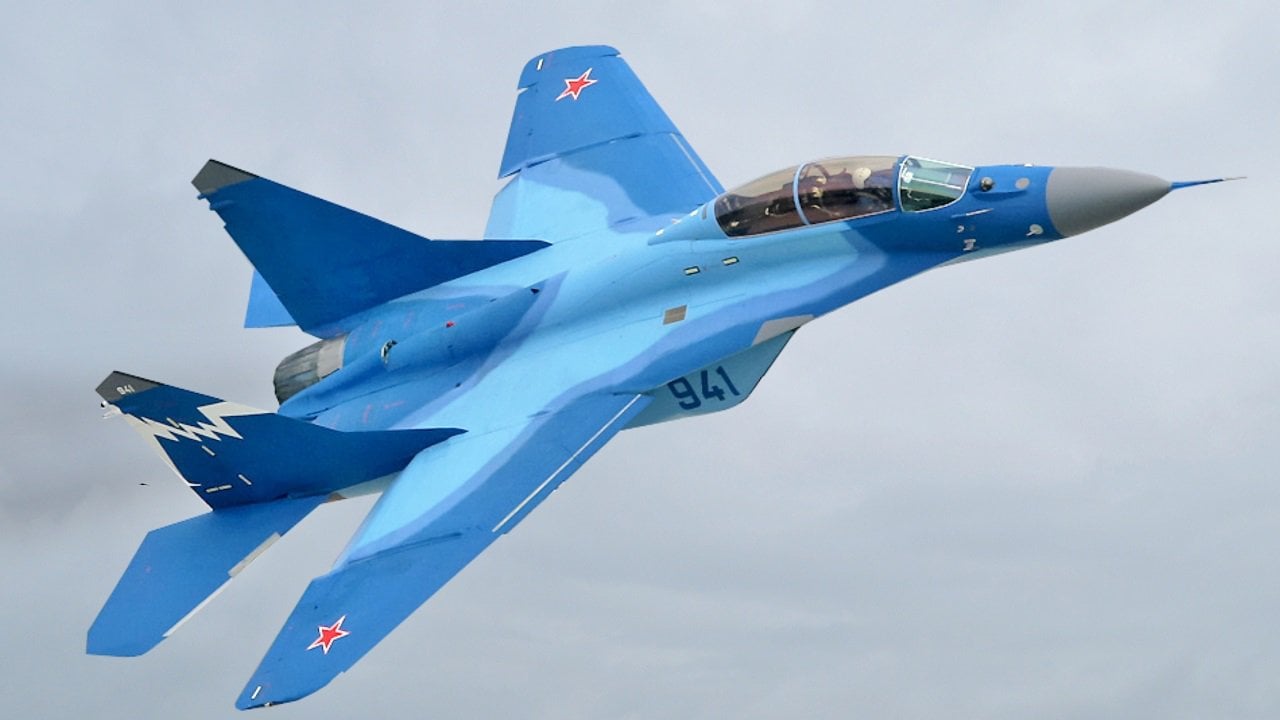
MiG-29K. Image Credit: Creative Commons.
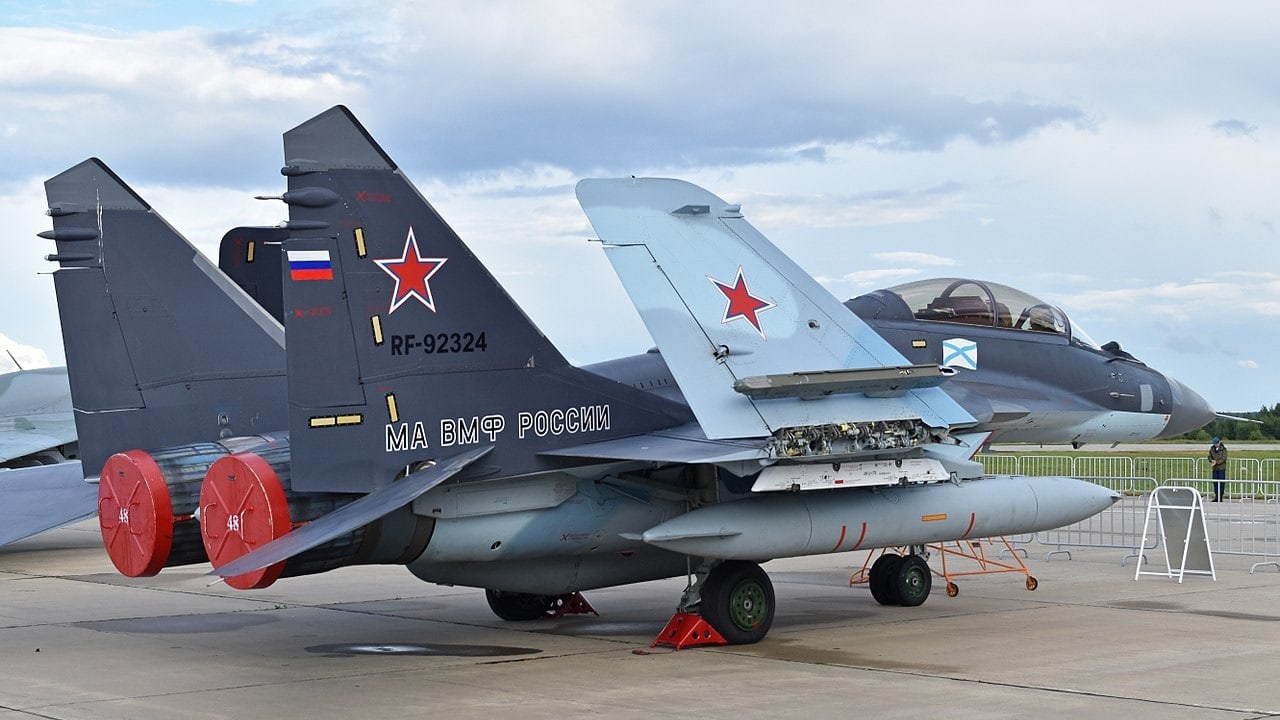
Naval variant of the second generation MiG-29, with the NATO codename ‘Fulcrum-D’. Reported to be operated by the 100th Independent Shipborne Fighter Aviation Regiment (OKIAP) based at Severomorsk. On static display at the Aviation cluster of the ARMY 2017 event. Kubinka Airbase, Moscow Oblast, Russia.
The Fate of Every Aircraft Is Not Public
The United States never released a complete serial-by-serial account of all 21 MiG-29s. Wright-Patterson officials kept much of the technical exploitation and final disposition classified, according to a Smithsonian examination of the Fulcrum program.
Several airframes entered public view. One stands outside NASIC headquarters at Wright-Patterson Air Force Base. Another went to the National Museum of the United States Air Force and now sits in its Cold War Gallery. We actually visited it, and there are photos of it in this article. At least one reached the threat-training collection at Nellis Air Force Base.
The displays do not mean that the remaining fighters served as part of an American operational fleet. All arrived in varying stages of disassembly. Public reporting suggests a few flyable examples went to flight testing, but NASIC has not confirmed the details. Claims assigning a precise fate to every aircraft go beyond the available record.
The same denial logic later appeared when the United States destroyed retired F-14 Tomcats and controlled spare parts to keep components away from Iran. The Moldovan deal acted earlier in the cycle. Washington bought the aircraft, missiles, spares, and test equipment before delivery rather than policing parts after the fleet entered Iranian service.

Aviation Museum of Kentucky F-14 Tomcat. Image Taken on March 1, 2026 by Christian D. Orr.
The Sale Sent a Moldovan Minister to Prison
The transaction solved Washington’s immediate problem but remained politically explosive in Moldova. Valeriu Pasat, the defense minister associated with the deal, was arrested years later and accused of selling the aircraft below its proper value.
A court sentenced him to ten years in prison in January 2006. Pasat spent more than two years behind bars. An appeals court overturned the MiG-related conviction, and by July 2009, Moldova’s courts had quashed the remaining charges.
The aircraft had already moved beyond the dispute. At the Air Force museum, restoration workers sanded through crude Moldovan paint on one MiG-29A, uncovering the outline of its earlier Soviet number, “08.” Researchers matched its markings to the Fulcrum displayed at a Finnish air show in 1986, eleven years before a C-17 carried it to Ohio.
About the Author: Harry J. Kazianis
Harry J. Kazianis (@Grecianformula) was the former Senior Director of National Security Affairs at the Center for the National Interest (CFTNI), a foreign policy think tank founded by Richard Nixon based in Washington, DC. Harry has over a decade of experience in think tanks and national security publishing. His ideas have been published in the NY Times, The Washington Post, The Wall Street Journal, CNN, and many other outlets worldwide. He has held positions at CSIS, the Heritage Foundation, the University of Nottingham, and several other institutions related to national security research and studies. He is the former Executive Editor of the National Interest and the Diplomat. He holds a Master’s degree focusing on international affairs from Harvard University.

