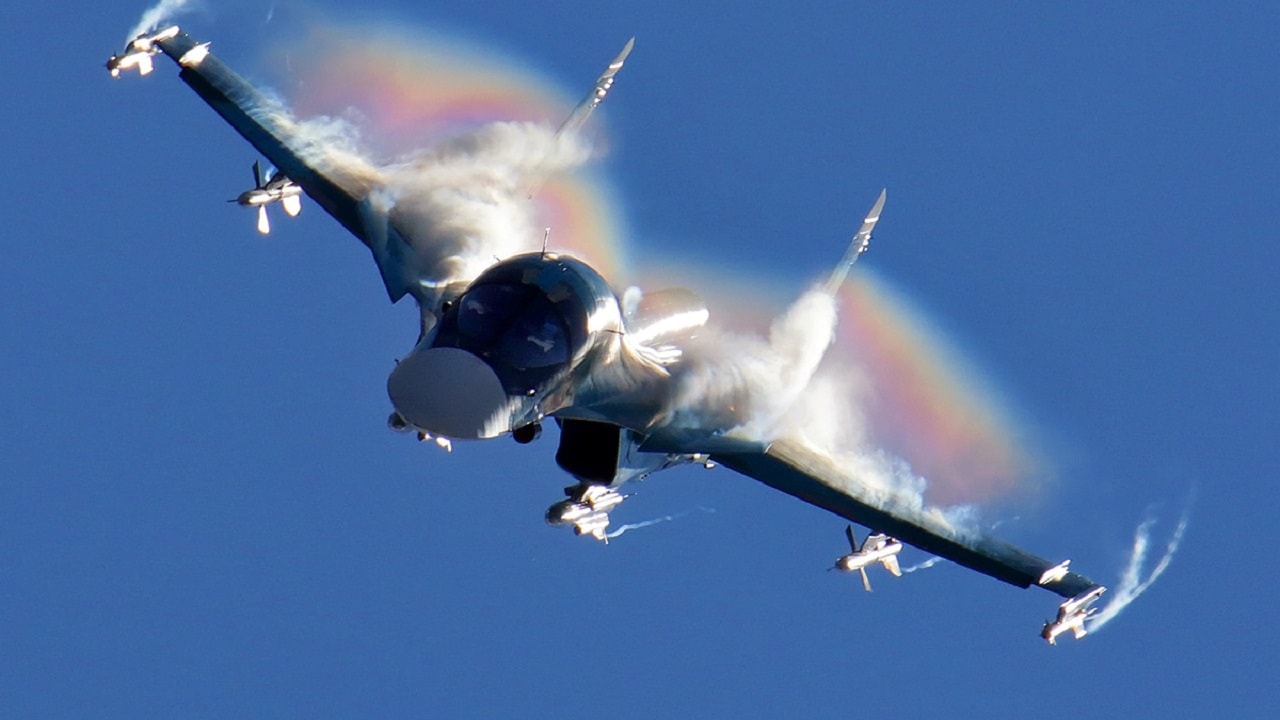
Russia’s Su-34 “Fullback” twin-engine fighter-bomber is one of the Russian Air Force’s most important warplanes.
A fourth-generation plane, this platform has become a key player in Russia’s ongoing air war against neighboring Ukraine.
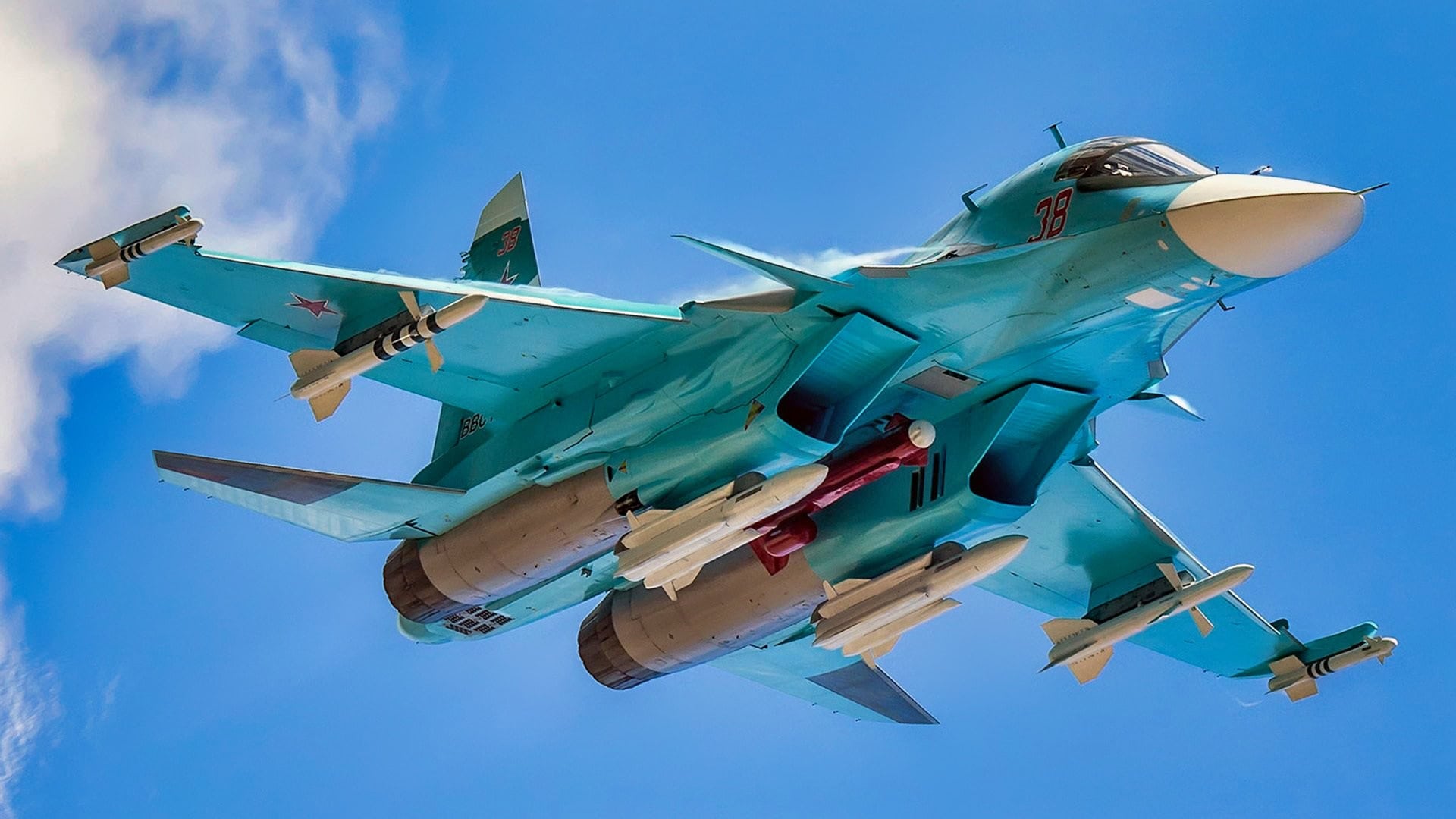
Su-34 Fullback. Image Credit: Creative Commons.
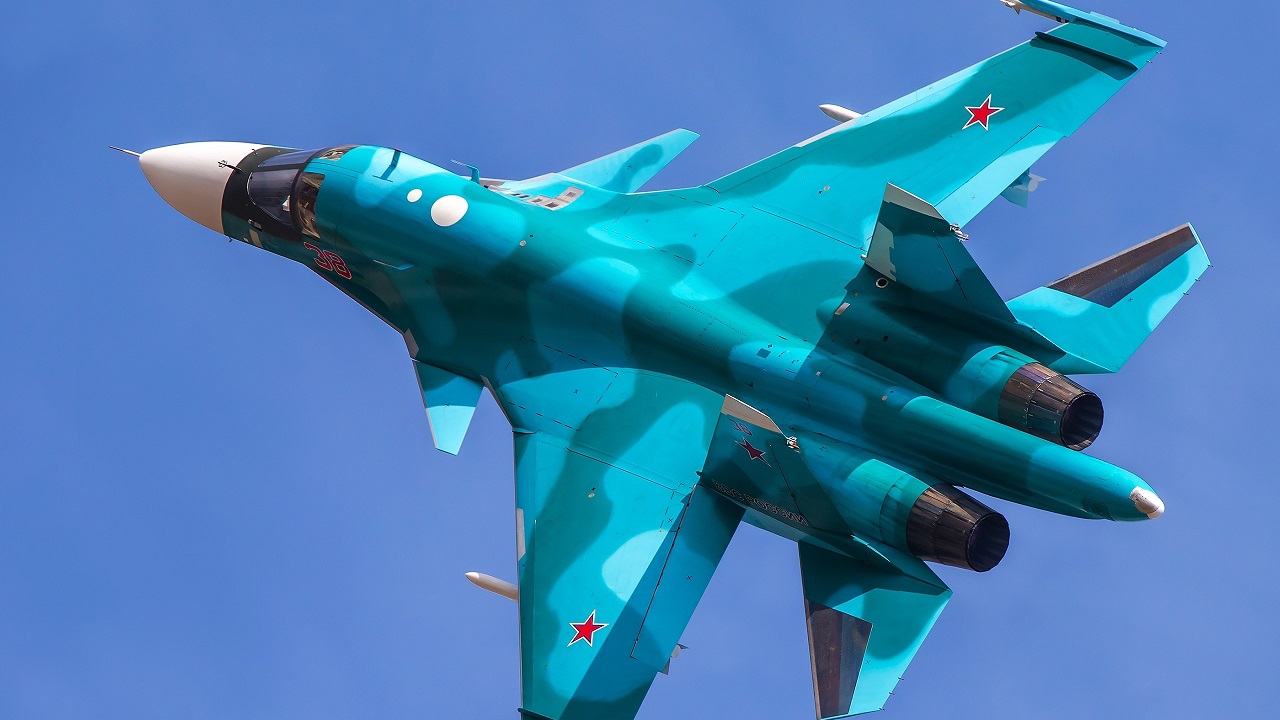
Russian Su-34 fighter-bomber. Image Credit: Creative Commons.
Russia relies upon the Fullback to launch massive volleys of cheap glide bombs against Ukrainian positions.
Because of the significant amount of NATO-provided air defenses in Ukraine, the Fullback’s role in dropping glide bombs has been key for Russian forces in that the glide bombs do not have to be dropped directly over fortified targets.
Losses at an Unsustainable Level
At the same time, Russia has been losing Fullbacks at what some are claiming is an unsustainable rate. Despite the losses, though, the Su-34 has become one of the most important warplanes for the Russians in the war.
Think about it: yes, the Russians are losing the Su-34 in large numbers. But they’re fighting what many in Moscow–and certainly what the Ukrainians perceive to be–an existential war.
Under such conditions, fighting will be fiercer, and loss rates will be high, too. Plus, the fact of the matter is that the Su-34 is not as expensive or irreplaceable as a fifth-generation warplane, like the Su-57 Felon.
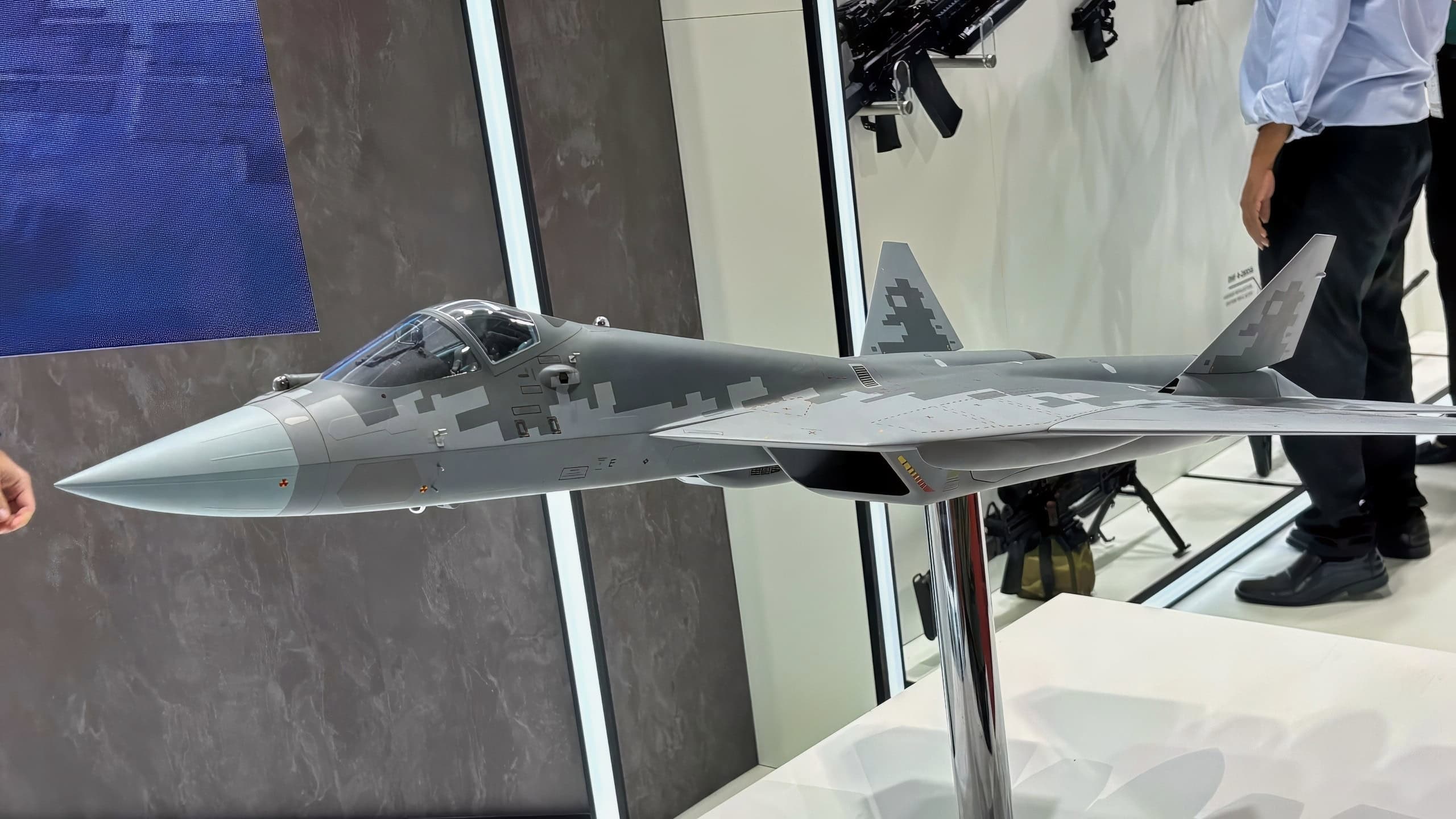
Su-57 Model 19FortyFive Original Photo
In other words, these older Su-34s are perfectly matched for the moment they’re fighting in. They can be replaced relatively quickly.
They’re much cheaper than the Su-57. And the Su-34s are easier to maintain than are the more advanced warplanes.
A derivative of the old Soviet Su-27 Flanker, the Su-34 is designed primarily for strike missions. It has a side-by-side cockpit, giving the plane a flattened, Platypus-like nose. It has also been referred to as the “Duckling” because of its uniquely flat nose.
The Fullback can carry around 8,000 kilograms of weapons across 12 hardpoints, including guided bombs, air-to-surface missiles, and air-to-air missiles.
Because of Ukraine’s air defenses, Russia had to adapt several aspects of its air war.
When the war started, Russian warplanes operated at lower altitudes that exposed them to all manner of Ukrainian defenses, making them too tempting a target to pass up.
More often than not, the Ukrainians took down swathes of low-flying Russian aircraft at the start of the war.
So, Moscow had their planes attack from higher altitudes.
The US-made Patriot missile batteries, though, could then threaten those Russian aircraft–and from farther distances, complicating the Russian attack plans from the air against Ukraine.
Most painfully for Russia, the Ukrainians started attacking Russian aircraft parked at their bases. Four Su-34s were supposedly destroyed by Ukraine while sitting on the tarmac at the Marinovka air base in Russia’s Volgograd region.
Skilled Adaptations
While the Russians have honed their domestic defense-industrial production lines, with the Su-34 as a top priority, production of these aircraft by the Novosibirsk Aircraft Production Association is slow relative to the rate of combat losses.
The Russians employed the Su-34 because it is older, cheaper than an Su-57, and theoretically easier to replace and repair.
Yet losses of this specific plane have been so great that even Russia’s production line cannot keep pace.
To adapt to the Su-34’s attrition rate, Russia has changed how it employs the mighty Fullback. Glide kits for bombs have been a remarkable game-changer for the Su-34s.
UMPK kits add wings and guidance equipment to weapons such as the FAB-500 and FAB-1500, transforming old-fashioned gravity bombs into standoff weapons.
That standoff capability has fundamentally changed how Russia wages war. Fullbacks can now release cheap glide bombs from miles outside the range of Ukrainian air defenses.
Su-34s are destroying frontline Ukrainian positions with many heavy glide bombs fired from the Su-34 per week.
Russian forces are believed to have dropped 8,266 glide bombs in June and 8,300 in July. What’s more, Russia is increasing the range of these glide bombs, further protecting the Su-34s.
Ukraine Won’t Risk Its Patriot Missile Batteries
Ukrainian air defenses, such as the Patriot, could still defend against these Su-34 glide-bomb attacks.
That would, however, mean the Ukrainians have to move their Patriots closer to the front, where Russian forces can ambush them. And few Patriots are remaining in Ukraine.
The Su-34 has lost many units in the war in Ukraine. Given that it is an existential war, however, that should be expected.
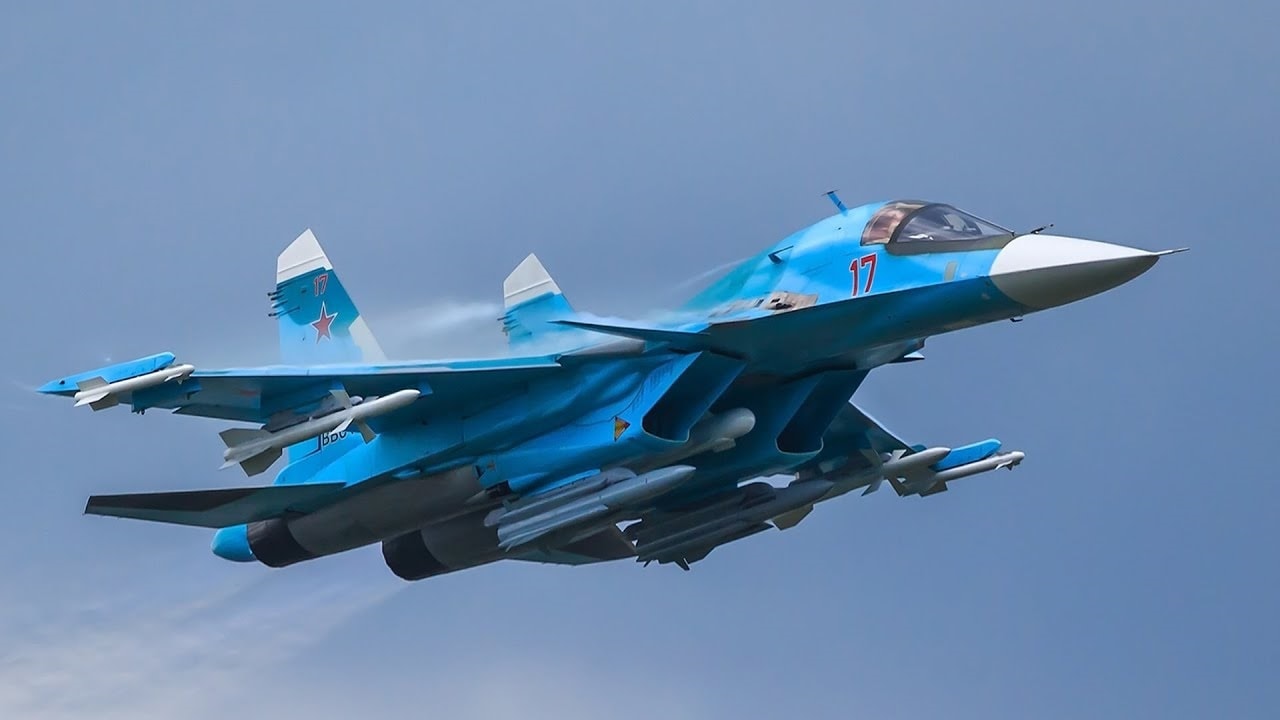
Su-34 fighter from Russian Air Force. Image Credit: Creative Commons.
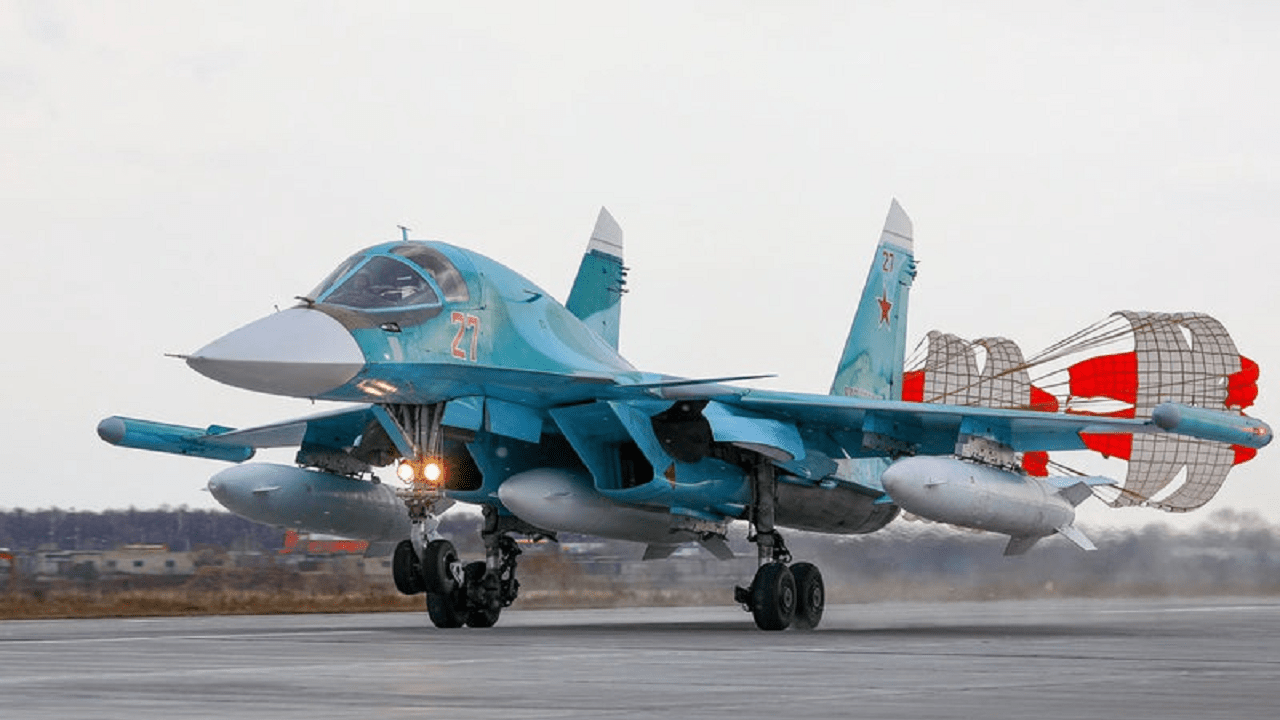
Russian Su-34 fighter-bomber. Image Credit: Creative Commons.
The Ukrainians have fought hard. And Ukraine proved itself a complex adversary that repeatedly forced the Russians to adapt their air attacks using the Su-34.
Yet, the Russians have succeeded with each adaptation.
While concerns remain about whether the Su-34’s combat losses are sustainable, for now, the remaining Su-34s continue to innovate their attacks.
When the war is over, Russia’s Su-34 will be remembered as one of its most important platforms.
MORE – The US Navy’s Iowa-Class Battleships Made the Ultimate Comeback
About the Author: Brandon J. Weichert
Brandon J. Weichert is the Senior National Security Editor at 19FortyFive.com. He also manages The Weichert Brief on Substack. Weichert also hosts “National Security Talk” on Rumble. He is the author of four bestselling national security books, the most recent of which is A Disaster of Our Own Making: How the West Lost Ukraine (Encounter Books). Follow him via Twitter/X @WeTheBrandon.